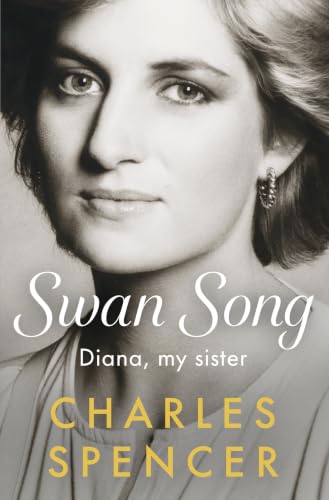
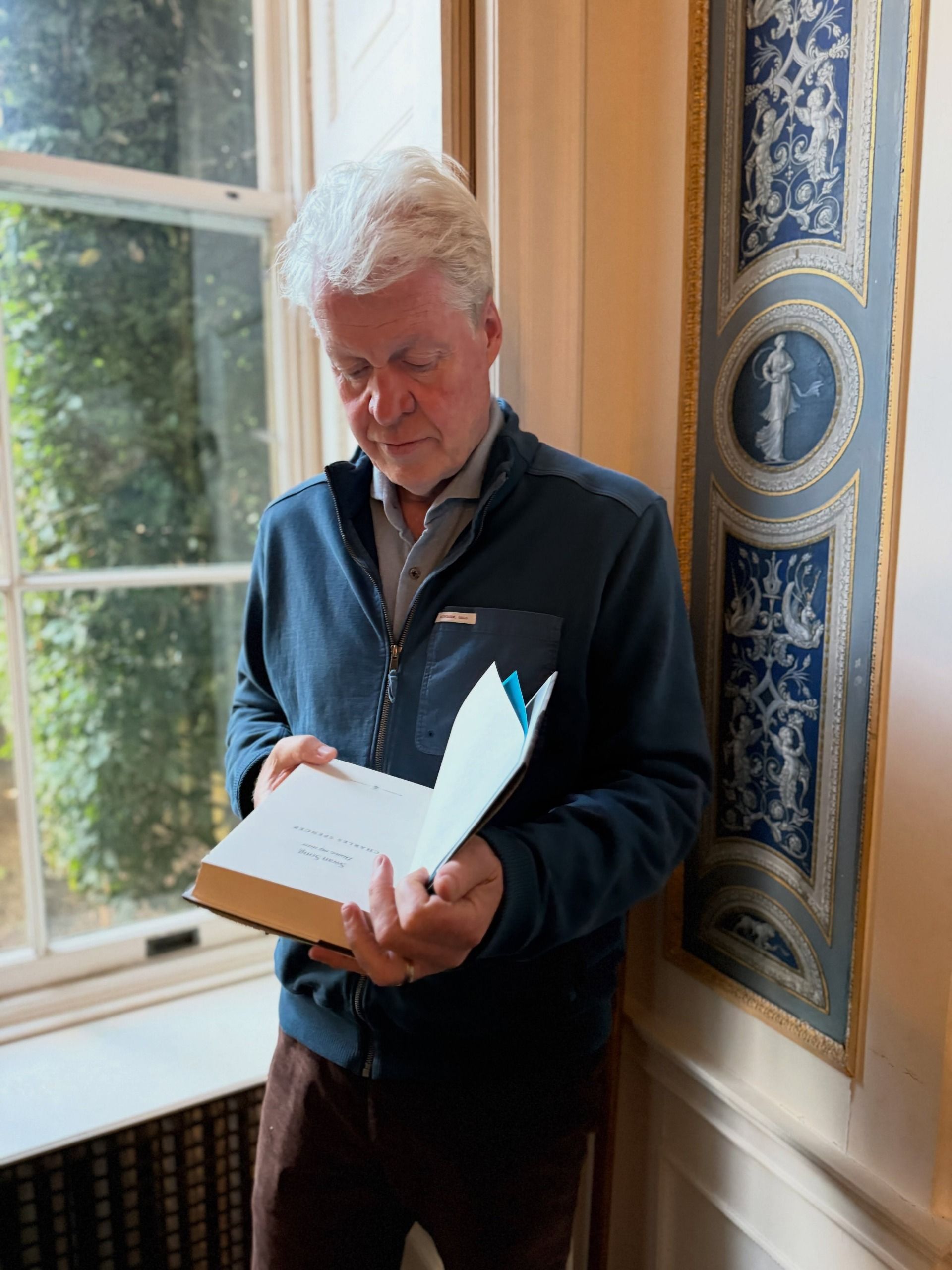
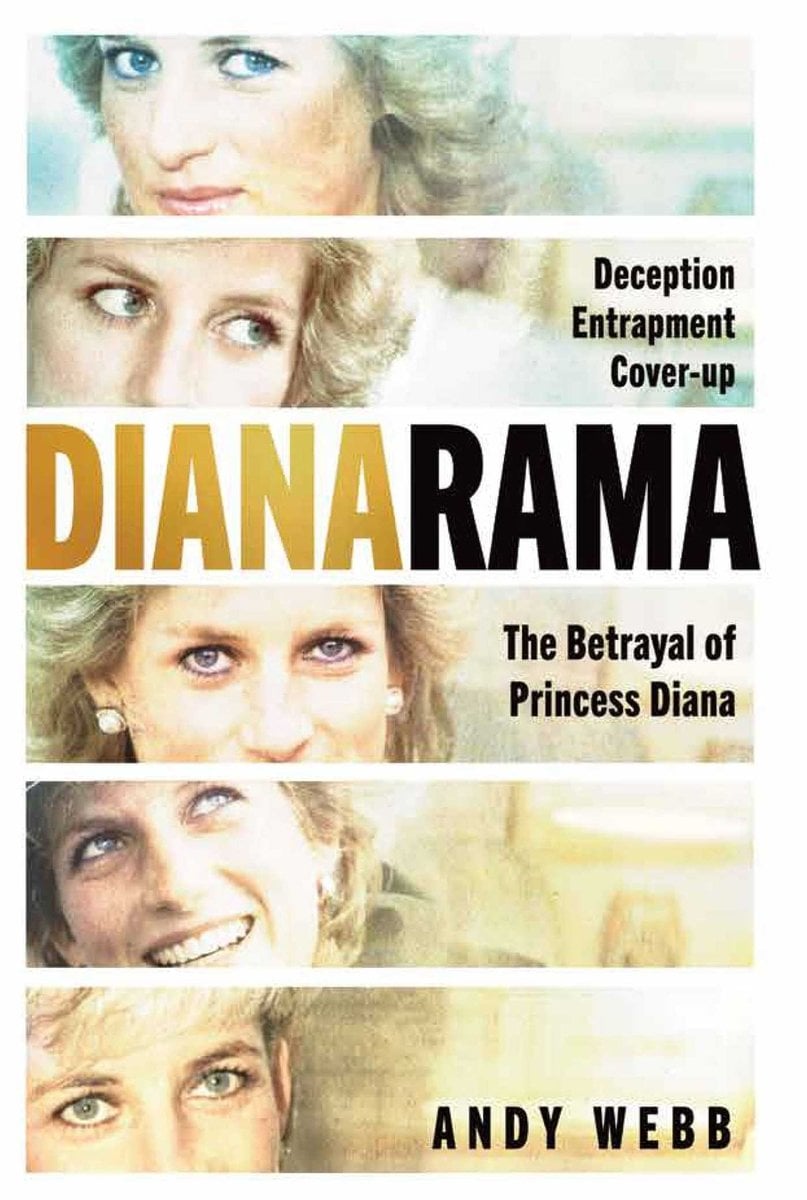
Earl Spencer’s recent comments regarding the relentless tabloid scrutiny faced by Prince Harry and Meghan Markle, and his pointed criticism that “no one’s learned from Princess Diana’s example,” resonate with a profound and painful history. His new book, *Swan Song*, appears to be a deeply personal exploration of his sister’s suffering, and his public statements serve as a stark reminder of the enduring power – and potential destructiveness – of the British press. The cycle of sensationalism and intrusion, so devastating to Diana, seems to be repeating itself, and Spencer's frustration is palpable. It’s a conversation that connects directly to the broader anxieties surrounding privacy and media ethics, particularly as we see similar issues playing out within other royal circles – as evidenced by Queen Elizabeth's former employee revealing "Intimate Details" about the Monarch, which King Charles found "Intrusive and Unfair." Queen Elizabeth's Former Employee Revealed "Intimate Details" About the Monarch, Which King Charles Found "Intrusive and Unfair" The echoes of Diana's experience are undeniable, and Spencer’s words serve as a plea for a more responsible approach to reporting on public figures.
The crux of Spencer’s argument isn’t simply about protecting celebrities; it's about recognizing the human cost of unchecked media aggression. Diana's struggles with mental health were exacerbated, arguably fueled, by the constant barrage of negative press and the relentless pursuit of her personal life. The tabloids, in their quest for clicks and sales, often prioritized sensationalism over sensitivity, contributing to a climate of intense pressure and isolation. Seeing Princess Kate admitting she thought she might "Take Someone’s Teeth Out" while taking on her latest challenge Princess Kate Admits She Thought She Might "Take Someone’s Teeth Out" While Taking on Her Latest Challenge highlights how even those within the royal family can be impacted by the pressures of public life, though the scale and intensity of those pressures are undoubtedly different for Harry and Meghan. The difference, arguably, lies in the level of institutional support and pre-existing public perception, factors that Harry and Meghan have navigated with significantly less ease. Spencer’s assertion that the tabloids are “being destroyed daily” by their actions underscores the severity of the situation.
What makes Spencer’s intervention particularly significant is his position. As Diana's brother, he possesses an unparalleled insider's perspective and an inherent credibility when speaking about the impact of media scrutiny on her life. His voice carries weight, not just as a family member, but as someone who witnessed firsthand the devastating consequences of the press's relentless pursuit of a story. Furthermore, the timing is noteworthy. The ongoing legal battles between Harry and various news organizations, and Meghan’s own statements about the racism and sexism she encountered within the British media landscape, have kept the conversation about media responsibility in the public eye. Spencer's commentary adds another layer to this complex discussion, reminding us that the issues at stake are not new, but rather deeply entrenched within the historical relationship between the monarchy and the press. The repeated cycles of apology and continued intrusive reporting suggest a systemic problem, one that transcends individual journalists and editorial decisions.
Ultimately, Earl Spencer’s words serve as a poignant call to action. While the British press operates within a legal framework that allows for a degree of intrusion, the ethical boundaries remain blurry, and the consequences for those subjected to relentless scrutiny can be profound. It's a question of balance: the public’s right to know versus the individual’s right to privacy and mental well-being. As public figures increasingly grapple with the challenges of navigating a hyper-connected world, and Princess Kate proves she can't quit this habit after Prince William gives her a gentle reminder in Scotland Princess Kate Proves She Can't Quit This Habit After Prince William Has to Give Her a Gentle Reminder in Scotland, will the media landscape evolve to prioritize empathy and responsible reporting, or will the cycle of sensationalism and intrusion continue to inflict harm on those caught in its crosshairs? The answer, it seems, rests not just with the press itself, but with the public’s demand for a more ethical and humane approach to news.