All The Best Looks From The 'Black Hair Reimagined' 2026 Hair Show
Our take
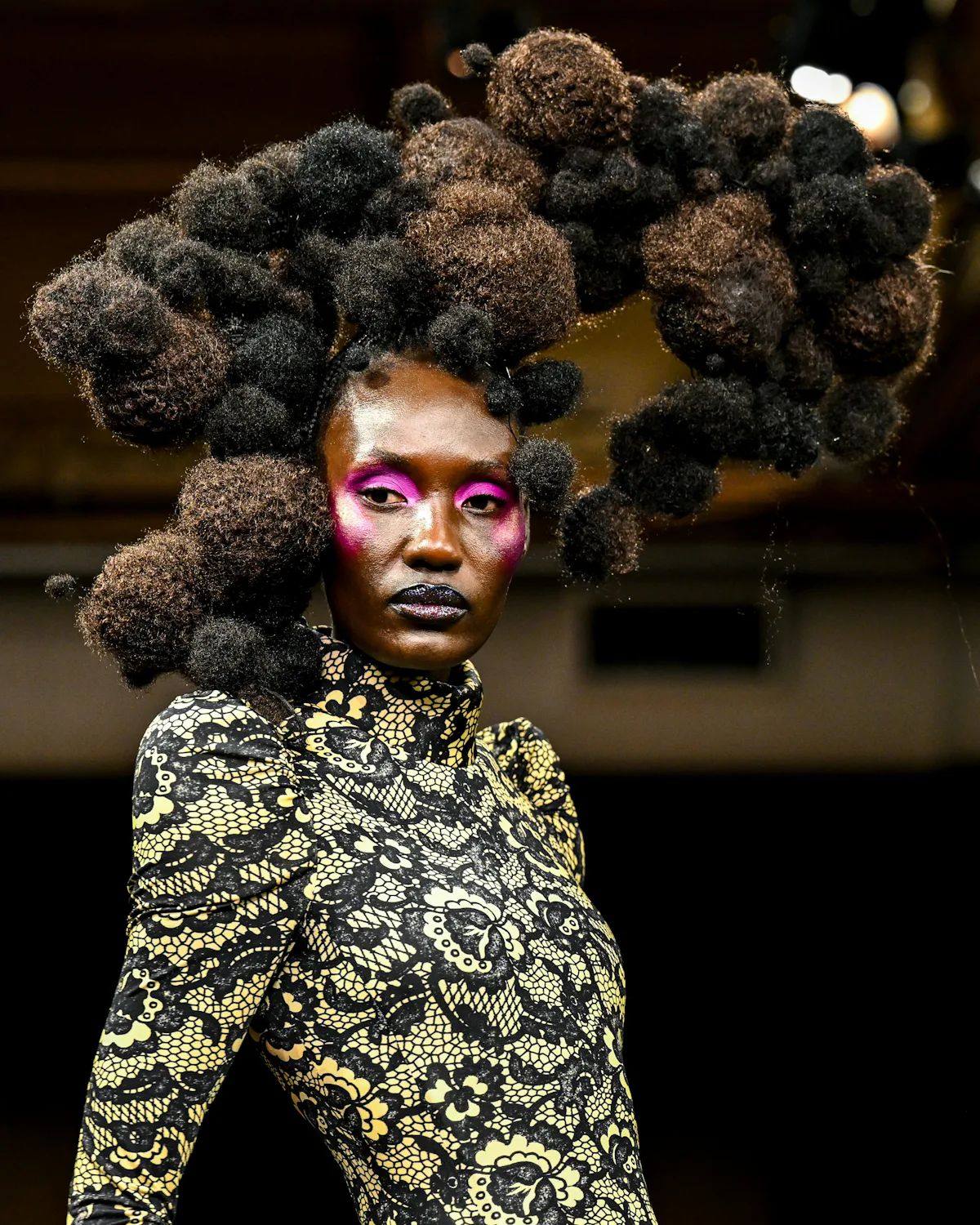
The recent “Black Hair Reimagined: The New Era of Beauty” runway was more than a showcase of texture and pigment; it was a quiet declaration that the future of luxury haircraft belongs to a new generation of visionaries. When Jawara Wauchope and Jarrod Lacks invited three fresh artists alongside seasoned veterans, they weren’t simply expanding a roster—they were curating a dialogue between legacy and innovation. This approach feels akin to the way we think about sustainable style, as explored in the Weekly Thrift Haul Thread, where the act of repurposing becomes an act of reverence. The hair collections, each rooted in personal narrative, echo the same intentionality we see when a stylist like James Yardley dissects the timeless elegance of red‑carpet dressing in the piece “How Connor Storrie’s Stylist Puts Together His Timeless Red Carpet Looks” (/post/how-connor-storries-stylist-puts-together-his-timeless-red-c-cmp4dar8g03b7p2q5vo8plioc). Both moments remind us that true luxury is less about excess and more about the depth of story behind every strand.
The six artists presented a spectrum of inspiration that felt both aspirational and grounded. Madison Voelkel’s sculptural braids, for example, borrowed the fluidity of ocean currents, translating movement into a tactile meditation on freedom. Meanwhile, newcomer Aisha Patel reinterpreted Afro‑centric patterns through a minimalist lens, allowing negative space to become as potent as the curls themselves. This restraint—short, poetic captions paired with images that speak louder than words—mirrors the quiet confidence that defines Chiara Bransi’s aesthetic. It is a reminder that power can be sensual without shouting, that femininity can be a whisper that reverberates through a room. The runway’s palette, dominated by deep umbers, muted golds, and occasional bursts of electric teal, created an atmosphere of calm luxury, inviting viewers to linger in the mood rather than rush to the next trend.
What makes this show truly significant is its subtle redefinition of what “beauty” means in a commercial context. By foregrounding artists who view hair as an extension of identity rather than a product to be sold, the event aligns with a broader cultural shift toward authenticity. The narratives shared—stories of ancestral homage, personal healing, and creative rebellion—position hair as a canvas for inner work. This introspective angle resonates with audiences who are increasingly seeking emotional connection over glossy advertising. In a market saturated with quick‑fix tutorials, the deliberate pacing of each segment, the thoughtful lighting, and the unhurried music all reinforce the idea that beauty thrives when it is given space to breathe.
Looking ahead, the true test will be whether this nuanced celebration can translate beyond the runway into everyday practice. Will salons adopt the same reverence for storytelling, allowing clients to co‑author their own hair journeys? Will the industry continue to amplify emerging voices without diluting their distinct perspectives? As we watch the ripple effects of “Black Hair Reimagined,” the question lingers: can quiet luxury, anchored in introspection and feminine power, become the new standard for beauty narratives worldwide?
For the second edition of Black Hair Reimagined: The New Era of Beauty, celebrity hairstylist Jawara Wauchope and creative director Jarrod Lacks made it a priority to continue elevating and showcasing creative talent in hair artistry. “This year we have six hairstylists, and we’ve taken on three new artists, opposed to [solely continuing with] the veterans we’ve had in the past,” Wauchope tells TZR. “We’re setting up a platform to show off different artists and giving them the space to show who they are to build community.”
Wauchope and Lacks came together as Echelon Noir in 2025 to create the acclaimed hair and beauty show Black Hair Reimagined to celebrate Black hair as a powerful medium of art, identity, and cultural expression. On May 1st, dozens of creatives gathered in New York City to capture and bear witness to this year’s showcase sponsored by Square and Dove. Black Hair Reimagined featured six hair artists who brought innovative and beautiful designs to life on the runway: Fesa Nu, Joshua Meekins, Vernon François, Issac Poleon, Malcolm Marquez, and Echelon Noir’s very own Jawara Wauchope.
“It’s an inspirational amalgamation of people, it’s very special,” London-based hair artist Poleon shared of his experience participating in the show. “These things don’t really exist anymore. It’s so important. It’s legacy.”
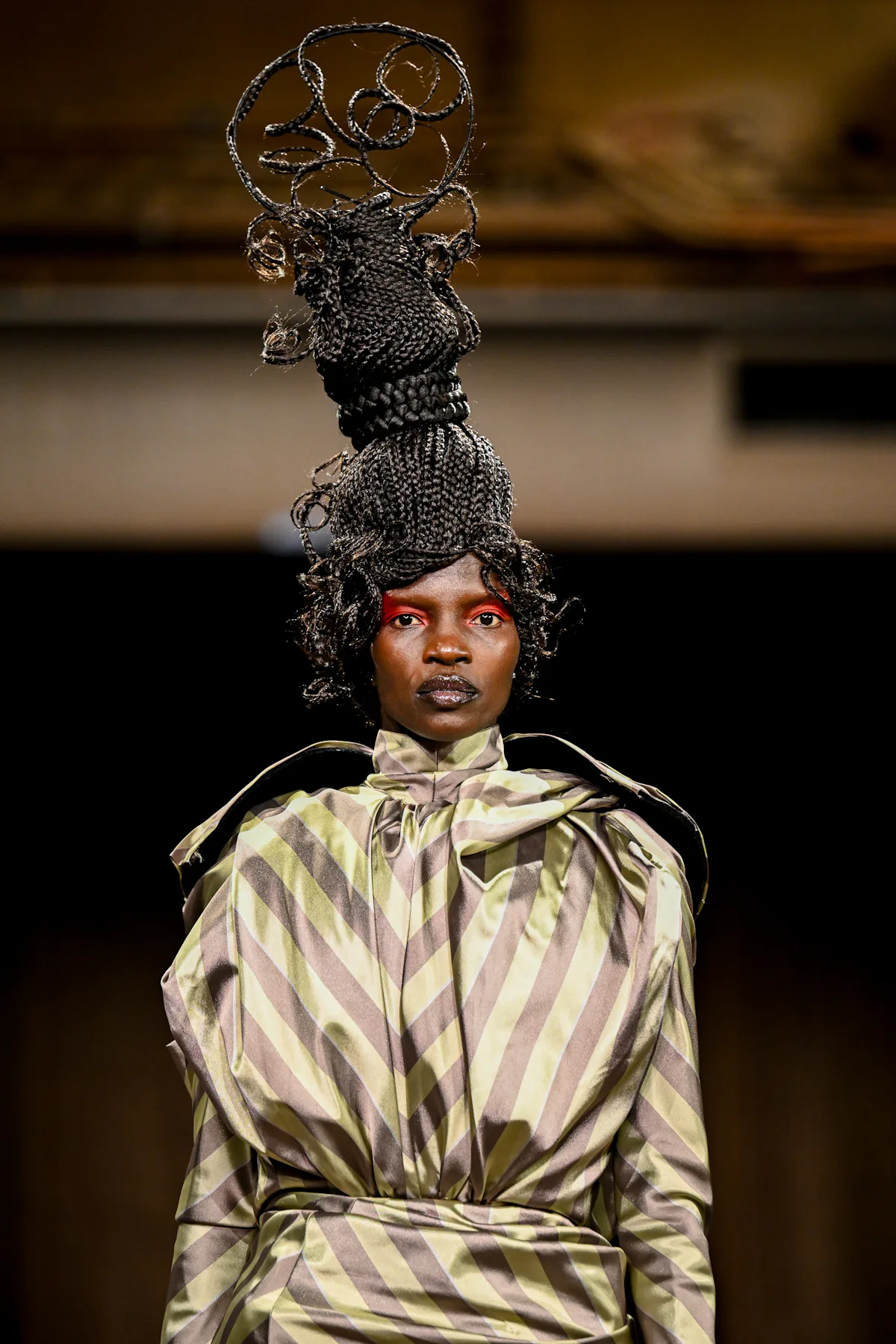
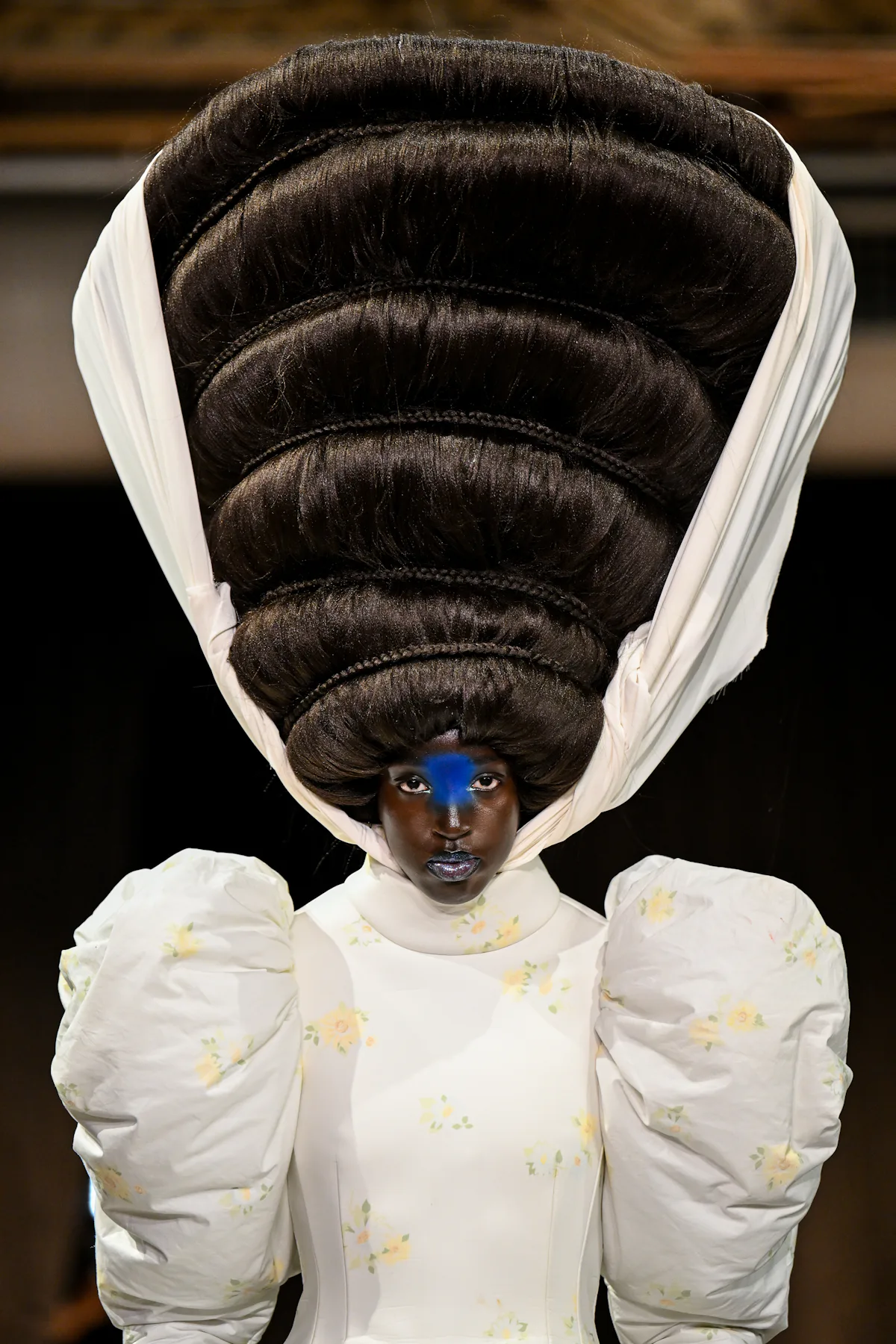
From larger-than-life sculptural crowns to meditations on nature, these six hair pros expanded our imagination as to what’s possible within the craft of beauty. Black Hair Reimagined remains a contemporary homage to the legacy of Black hair shows of the 1930s, now reimagined through a modern lens that brings together beauty, fashion, and cultural storytelling.

Ahead, the artists share the inspirations behind their creations.
Crowned In Ancestral Theory By Fesa Nu
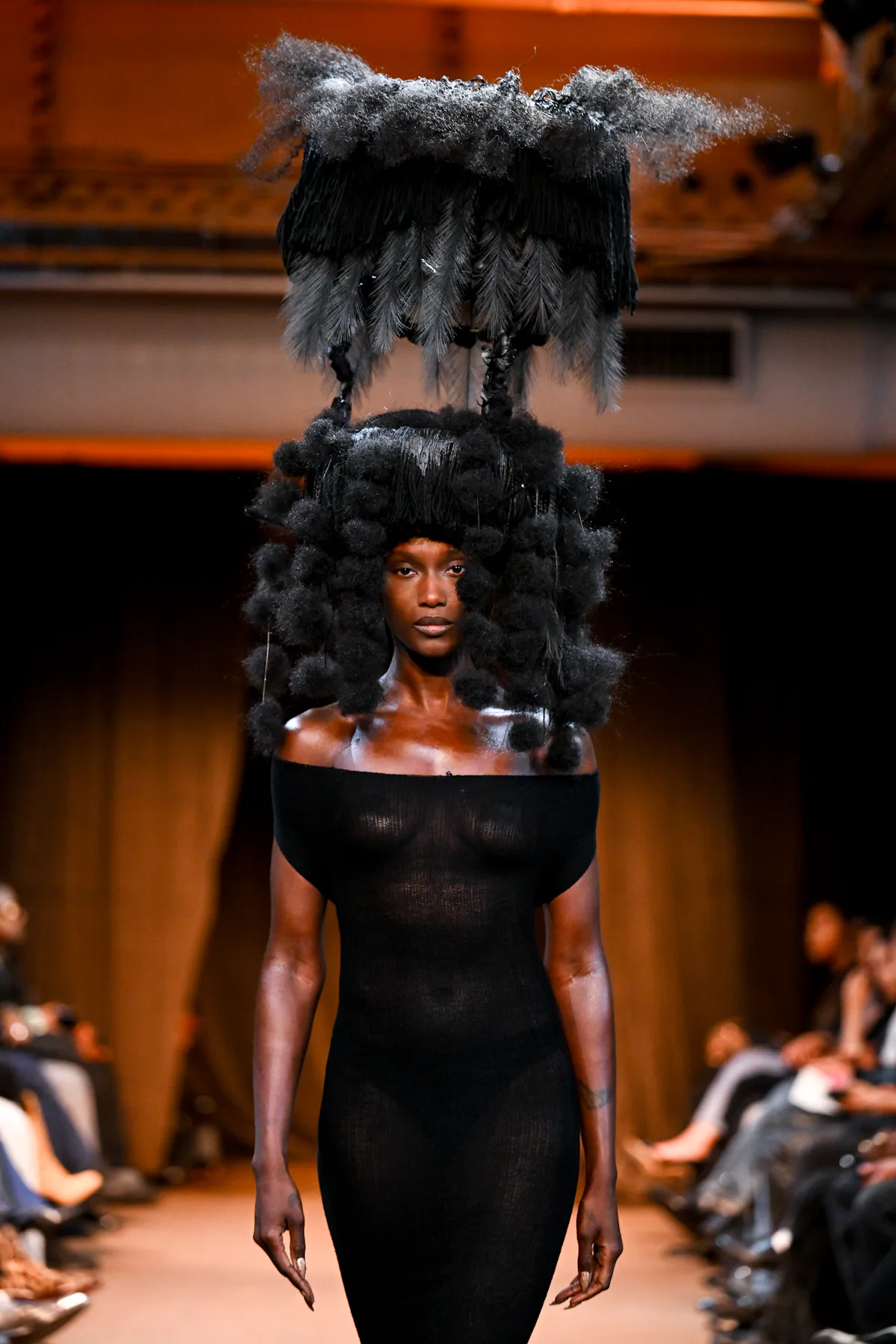
What inspired hair artist Nu’s creations in one word? Culture. The celebrity hairstylist is known for sculptural pieces inspired by her love for Africa, and her creations for Black Hair Reimagined stretched the bounds of innovation, playing with size, texture, and shape. Styled by Ronald Burton III, her collection Crowned in Ancestral Theory brought so much of Nu’s roots and the regal grace of African women to the runway.
“Creating the final piece was rooted in the tradition of headwraps, known as gele, doek, duku, just to name a few,” hairstylist Nu shares about the grand chandelier-shaped piece. “I was thinking about how the African woman carries so much being a mother, taking care of her family, birthing the nation and how she physically carries weight, often balancing things on her head or back in her daily work. The process took a lot of layering and intention, building volume and structure in a way that felt elevated but still rooted in culture and storytelling.”
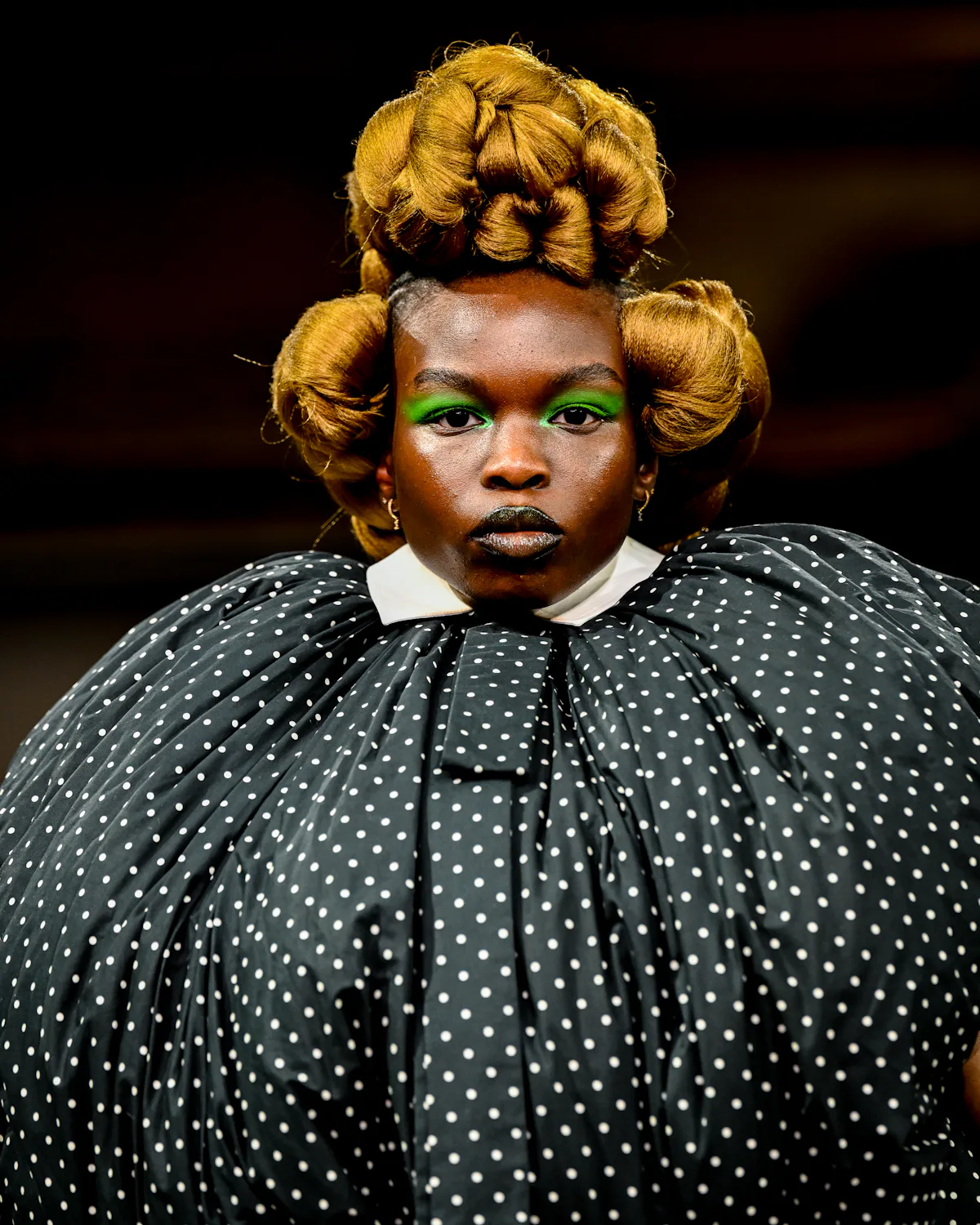
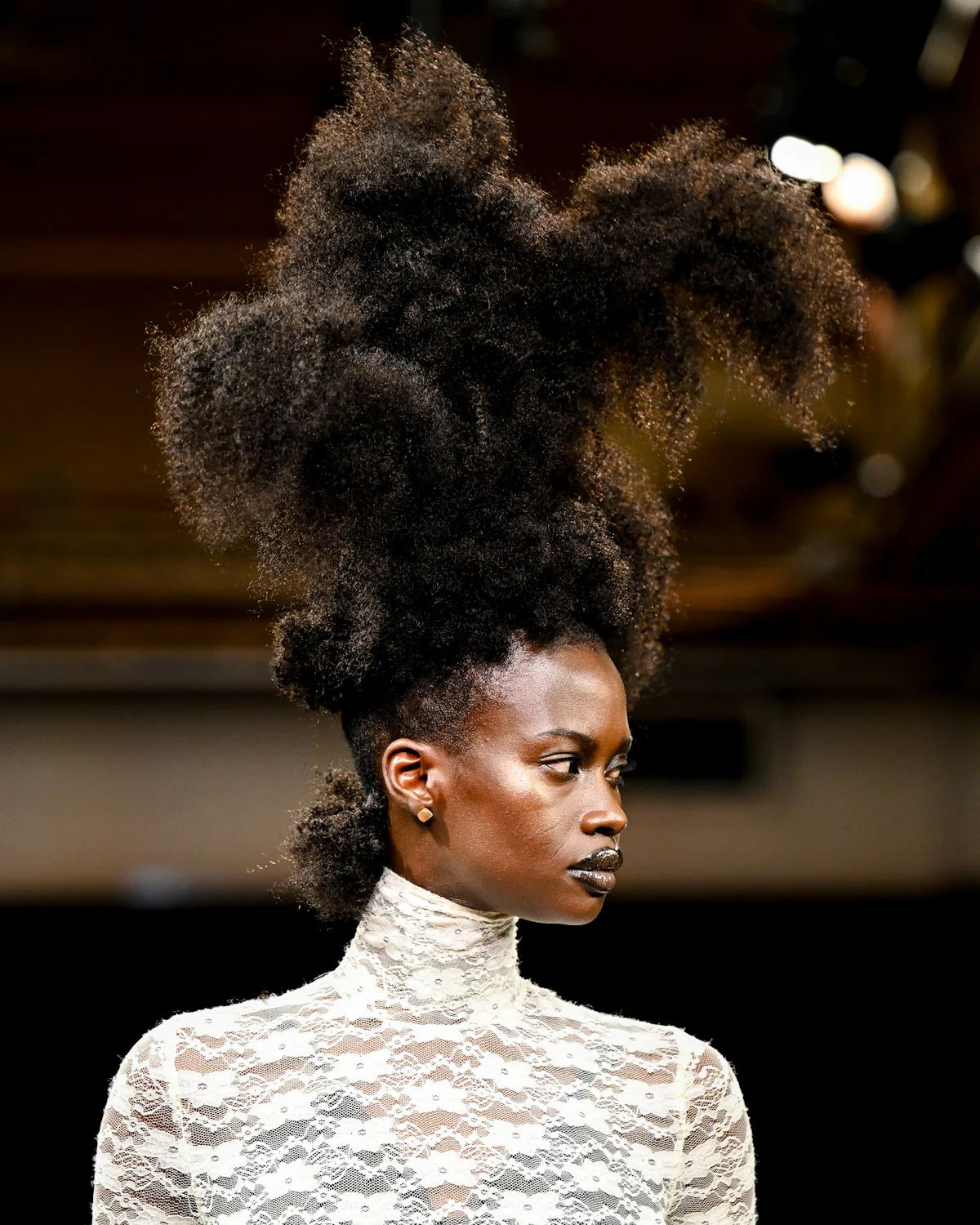
The Will To Change By Malcolm Marquez
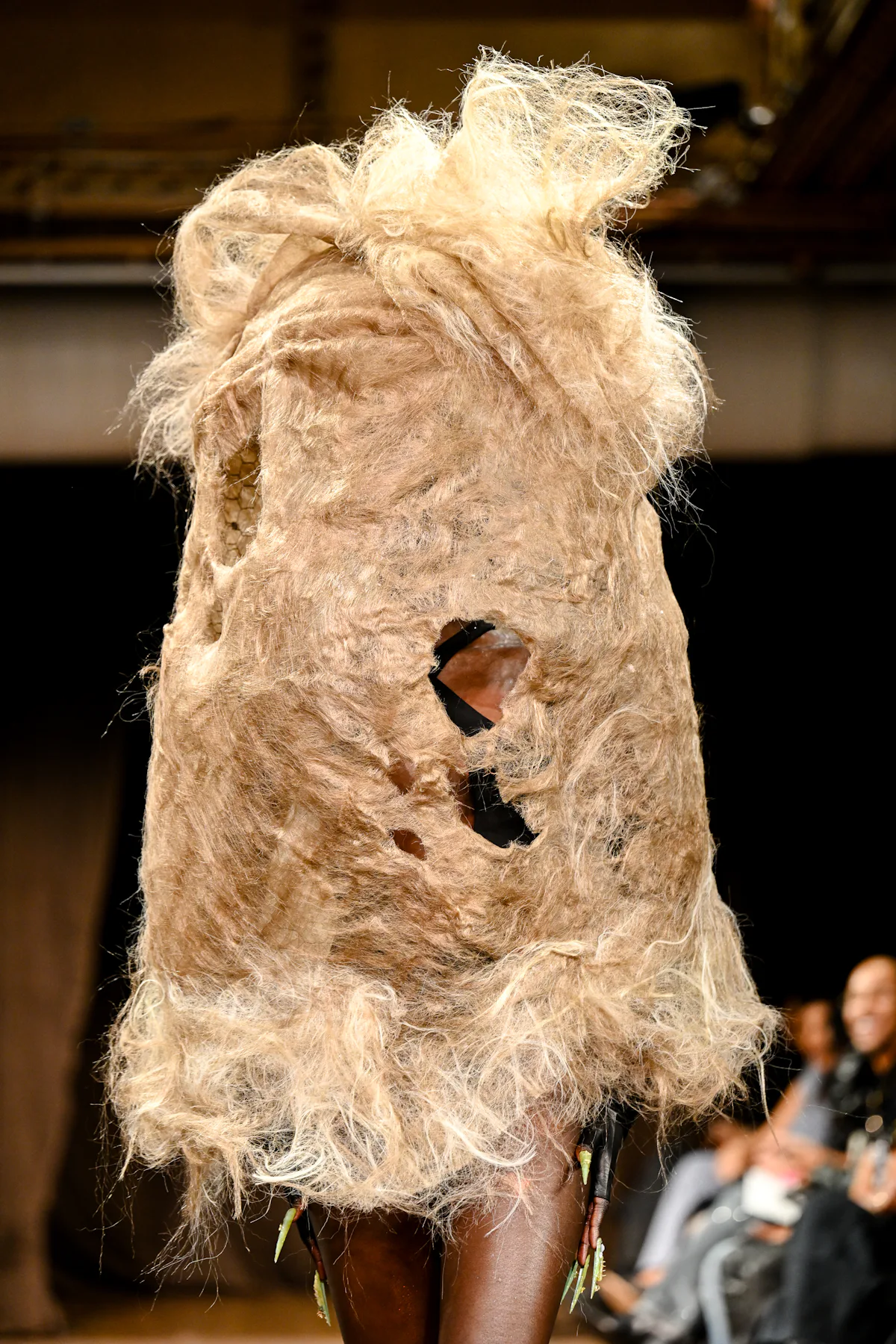
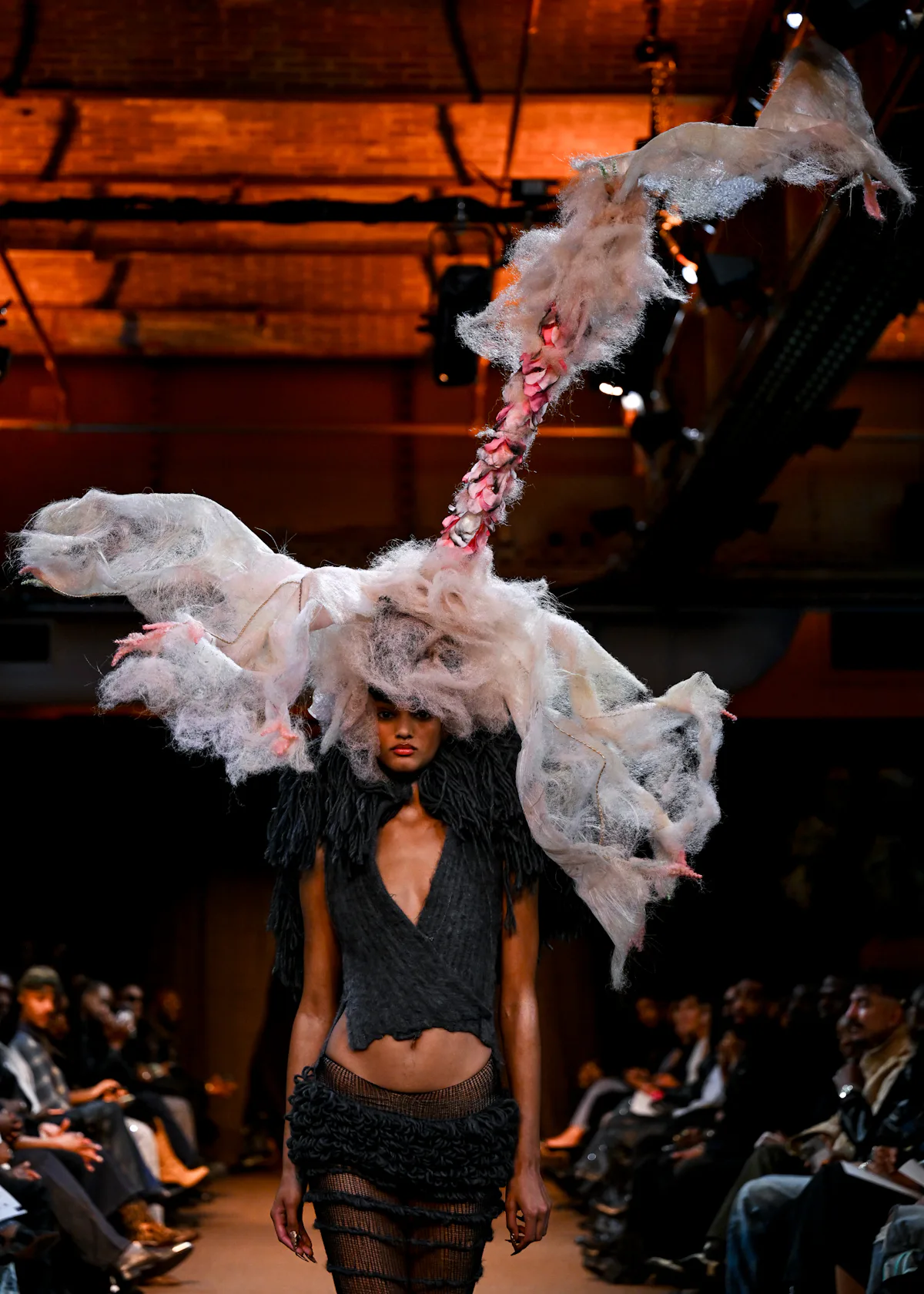
For Marquez’s second year in Black Hair Reimagined, he wanted to draw attention to the details. “This year was inspired by transitions, transformations, and metamorphosis, particularly in the natural world,” he tells TZR backstage. “Nature is a key inspiration point for me — I was looking at things like butterflies, fish, metamorphic rock and volcanoes… anything that starts in life as one thing and transforms into something else.” For his collection, The Will to Change, ethereal designs floated past the audience and evolved as he shaped disparate pieces of hair into art. In collaboration with stylist Jan-Michael Quammie, Marquez’s creations grew more and more surreal as models became ensconced in hair — first a torso, then an entire upper half of the body. His final look awed the crowd with a cocoon-like vessel enshrouding the model, using hair as a tool to further transform how we envision change.
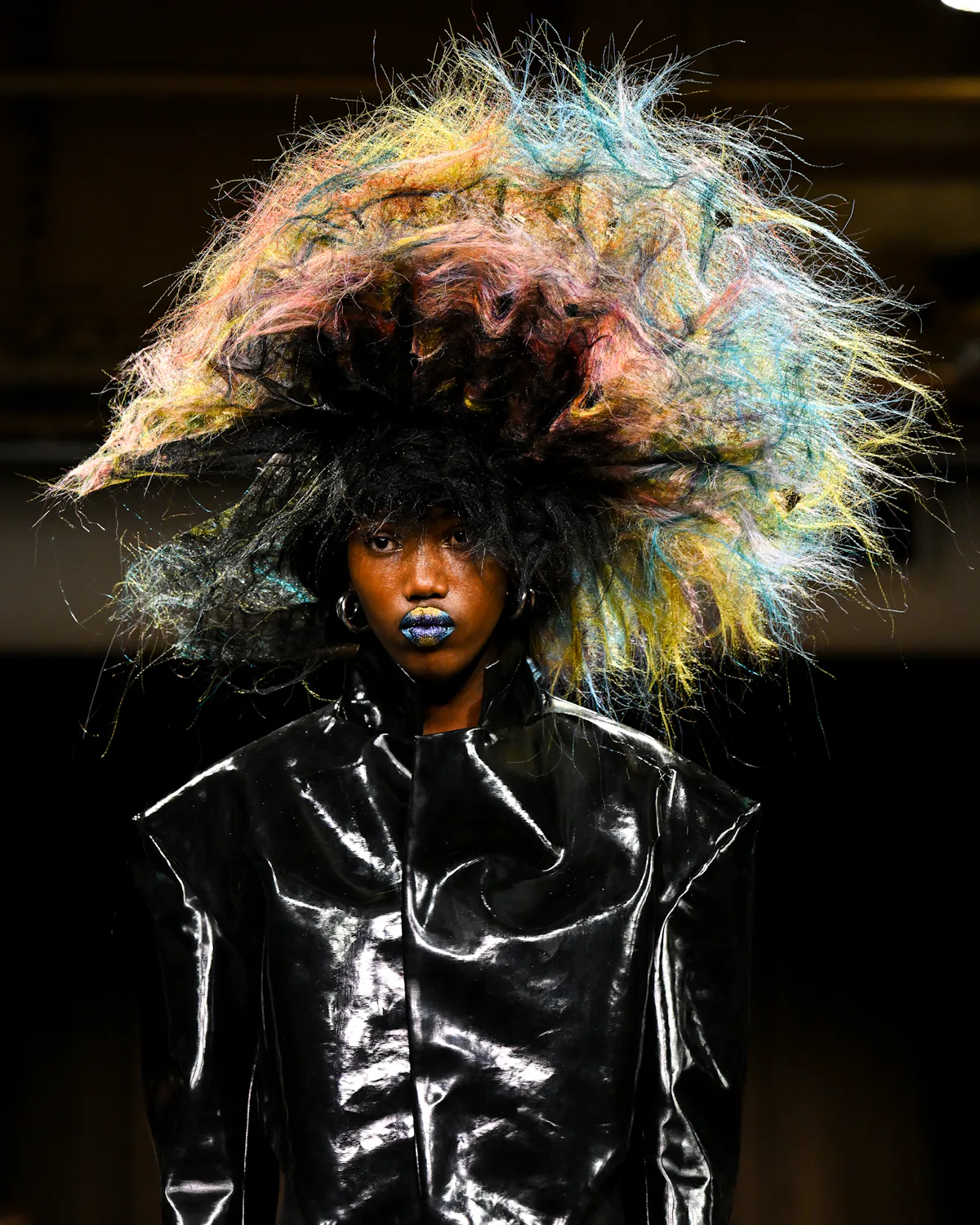
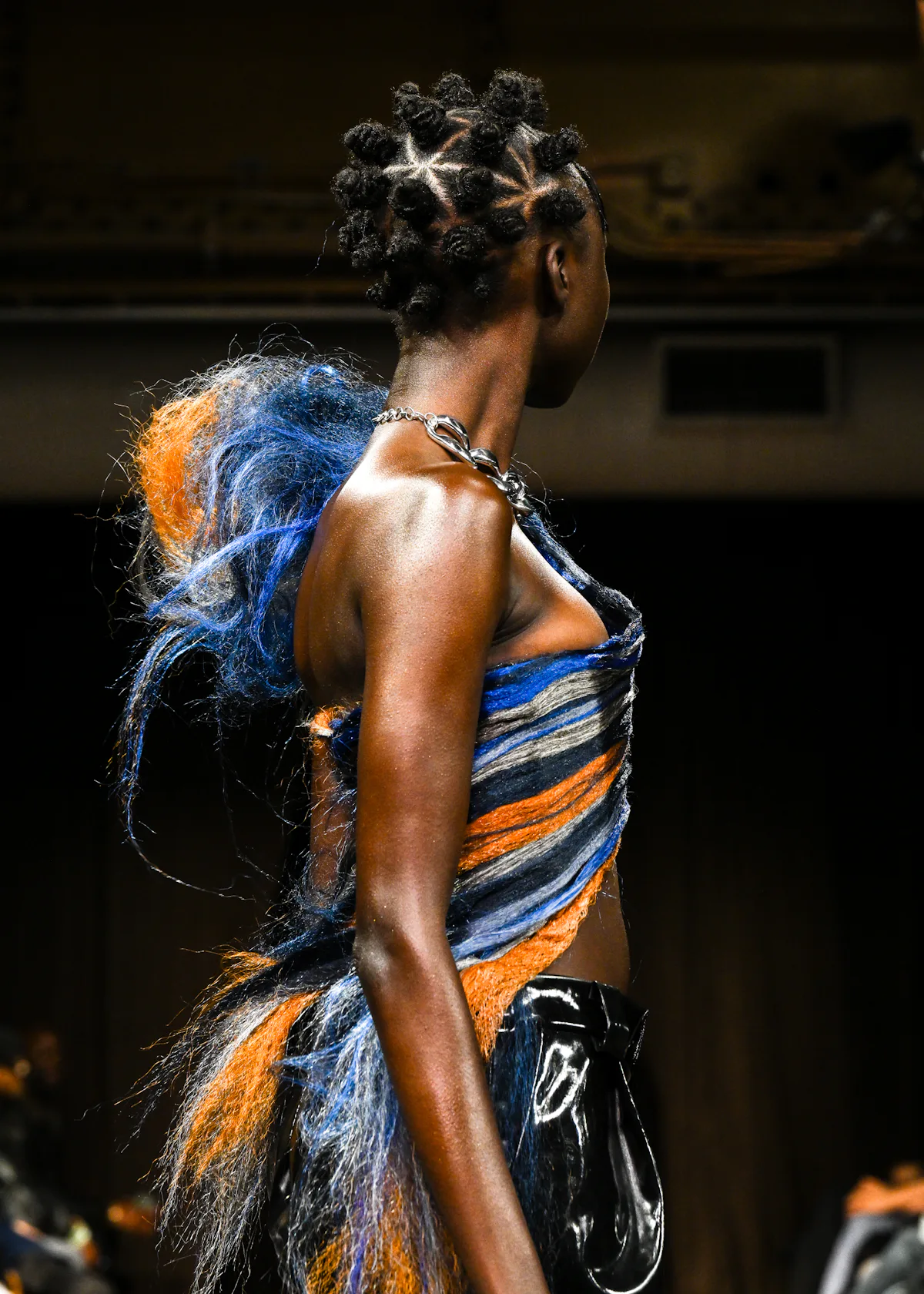
The Fifth Silhouette By Vernon François
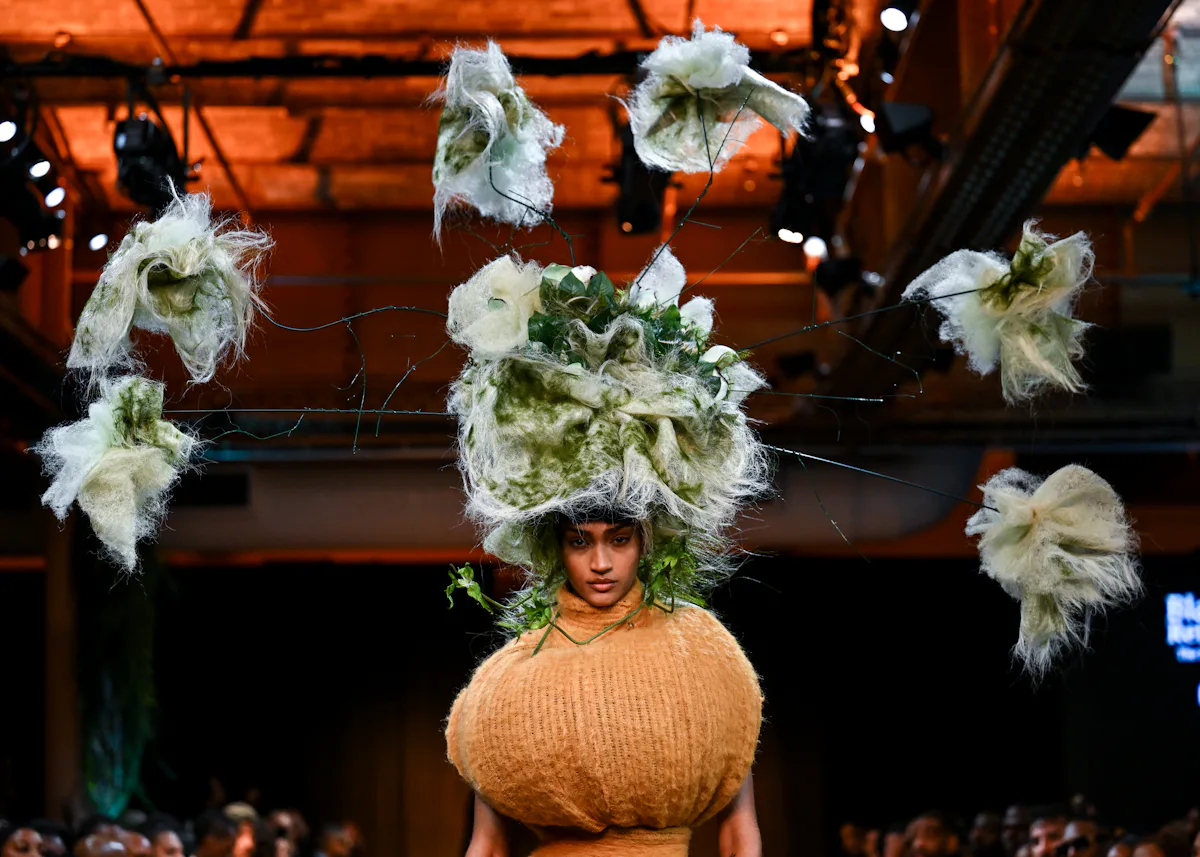
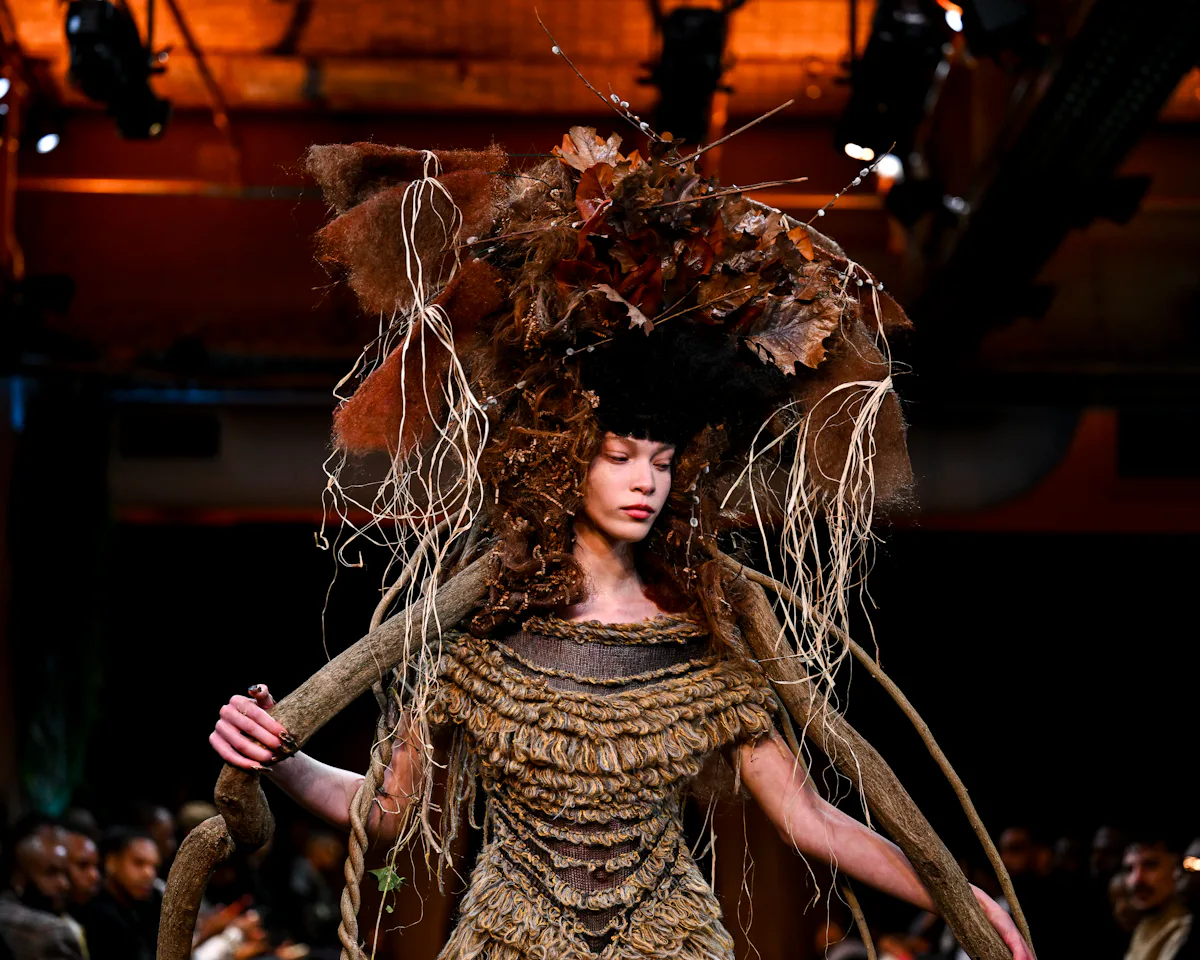
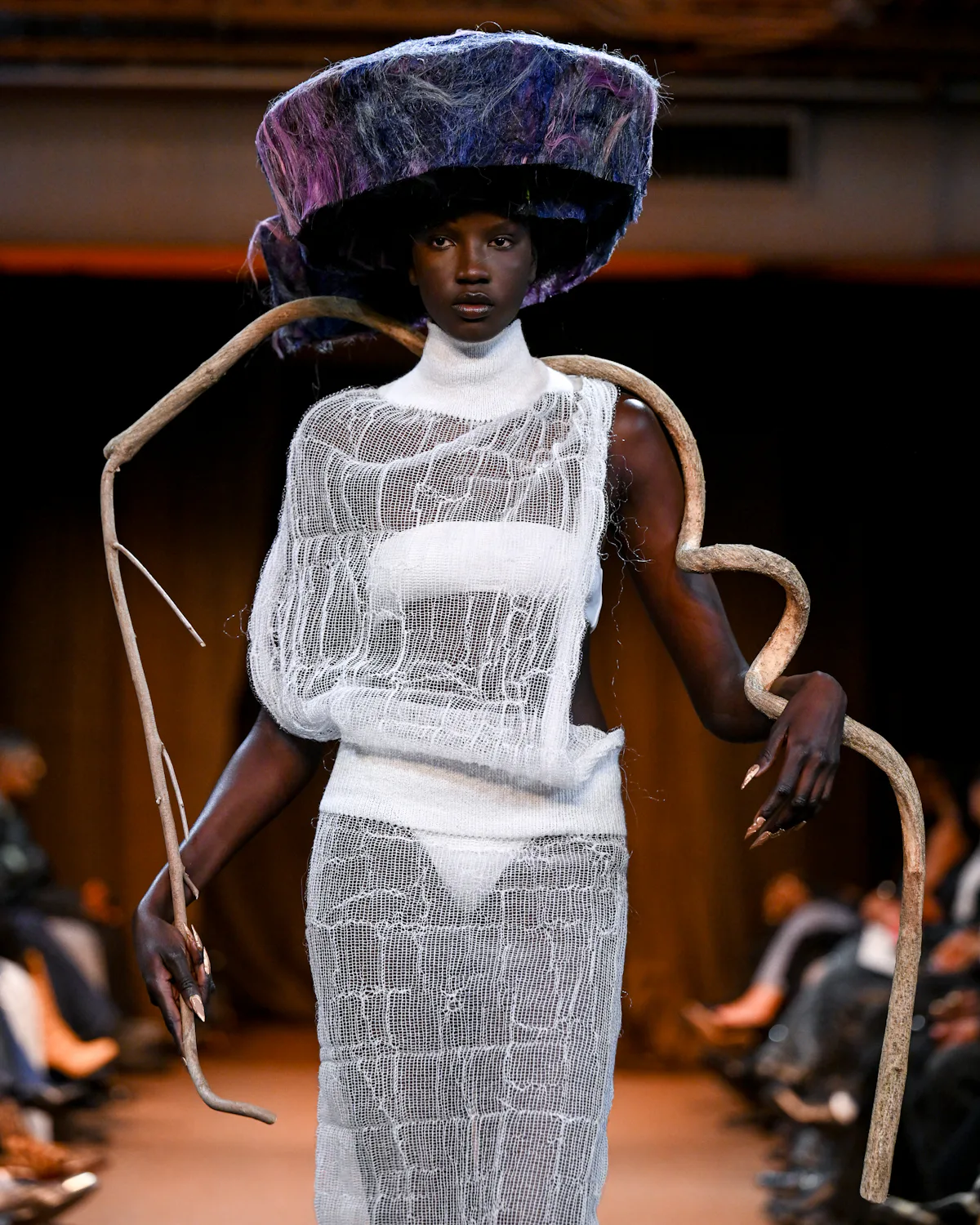
François also drew from nature as the inspiration for his collection, The Fifth Silhouette, powered by amika. Pulling from the changing of the seasons, François’s creations incorporated life-sized trees, leaves, twigs and flower petals he and his team transformed and shaped by hair. From “the fabrics to the colors,” the transition between autumn, winter, and spring served as his foundation for the five grandiose looks he put together with stylist Solange Franklin.
Despite their massive scale, François insists that none of the looks were particularly difficult or time-consuming to pull off. “Nothing’s hard about what I do,” the celebrity hairstylist admits. “And everything is time-consuming. Even a ponytail is time-consuming. Your hair is a part of how you show up.”
However You Want It By Joshua Meekins
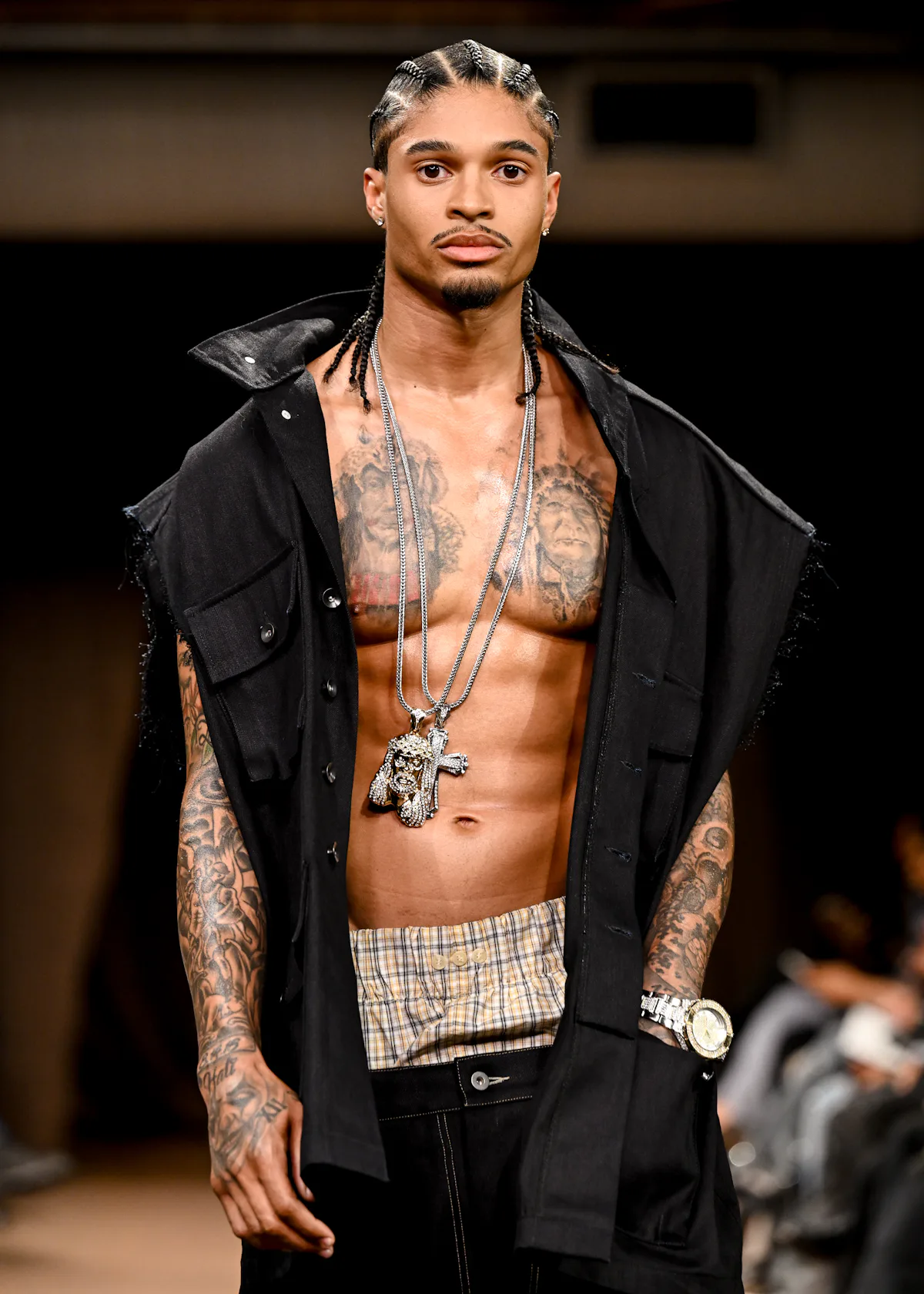
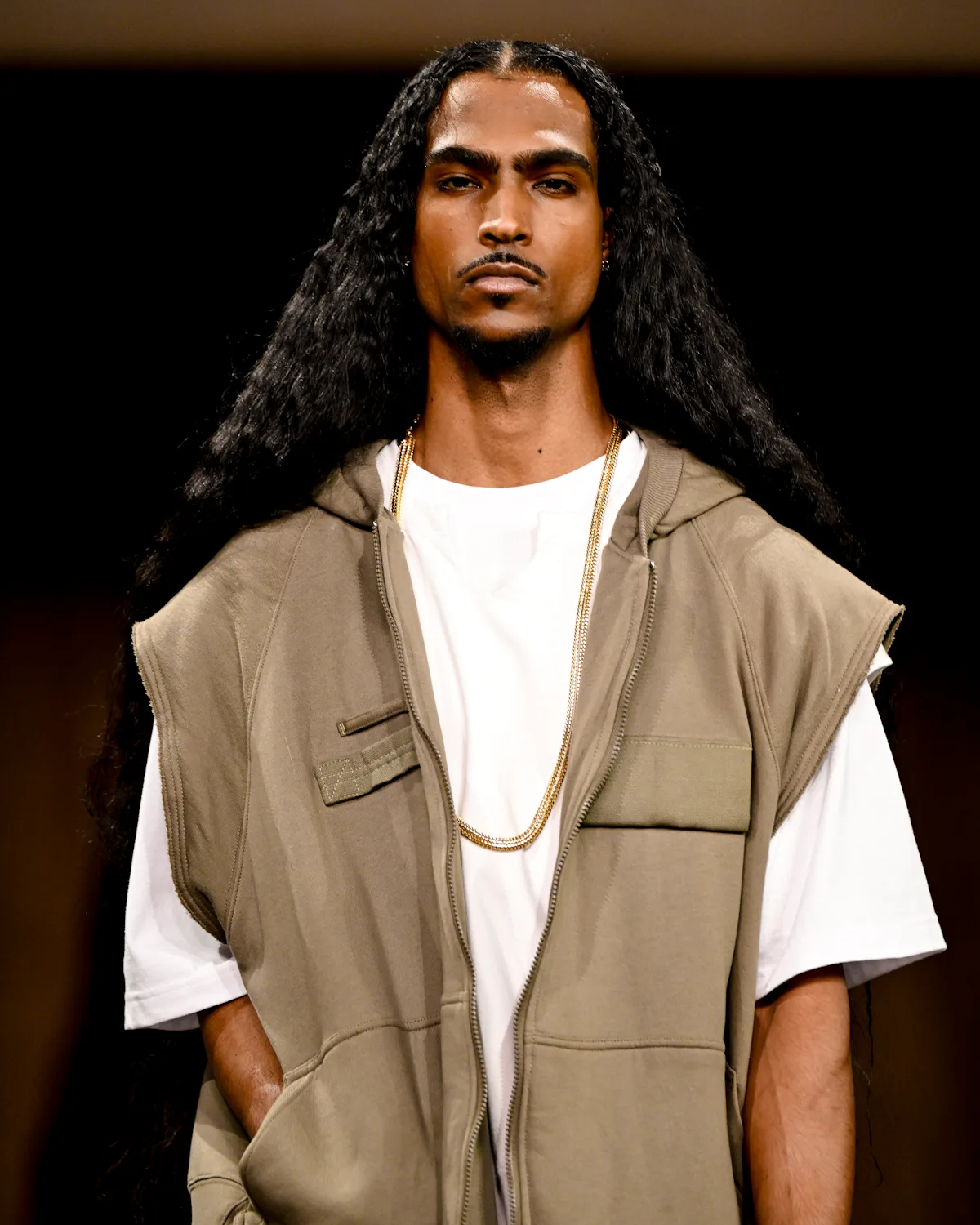
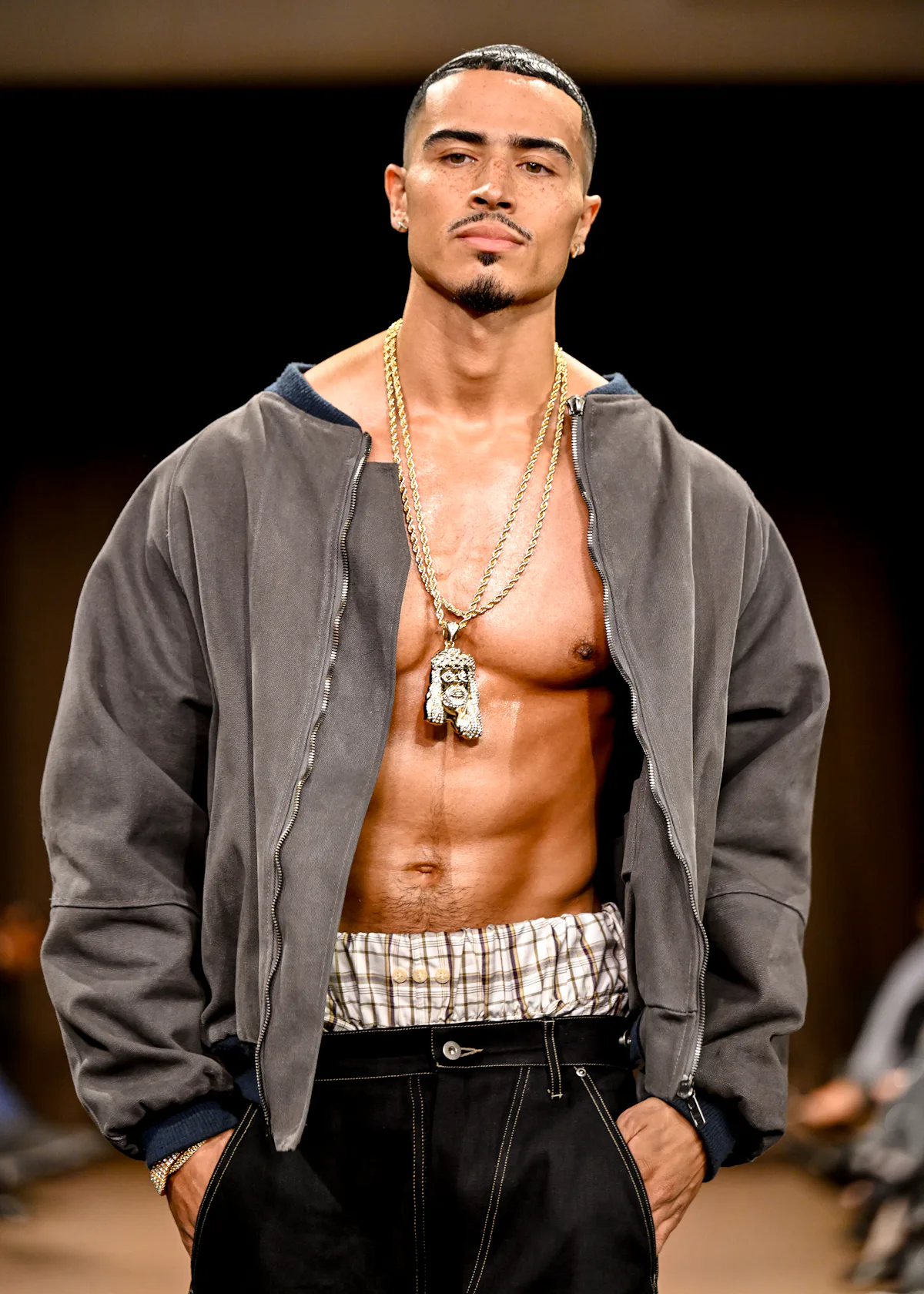
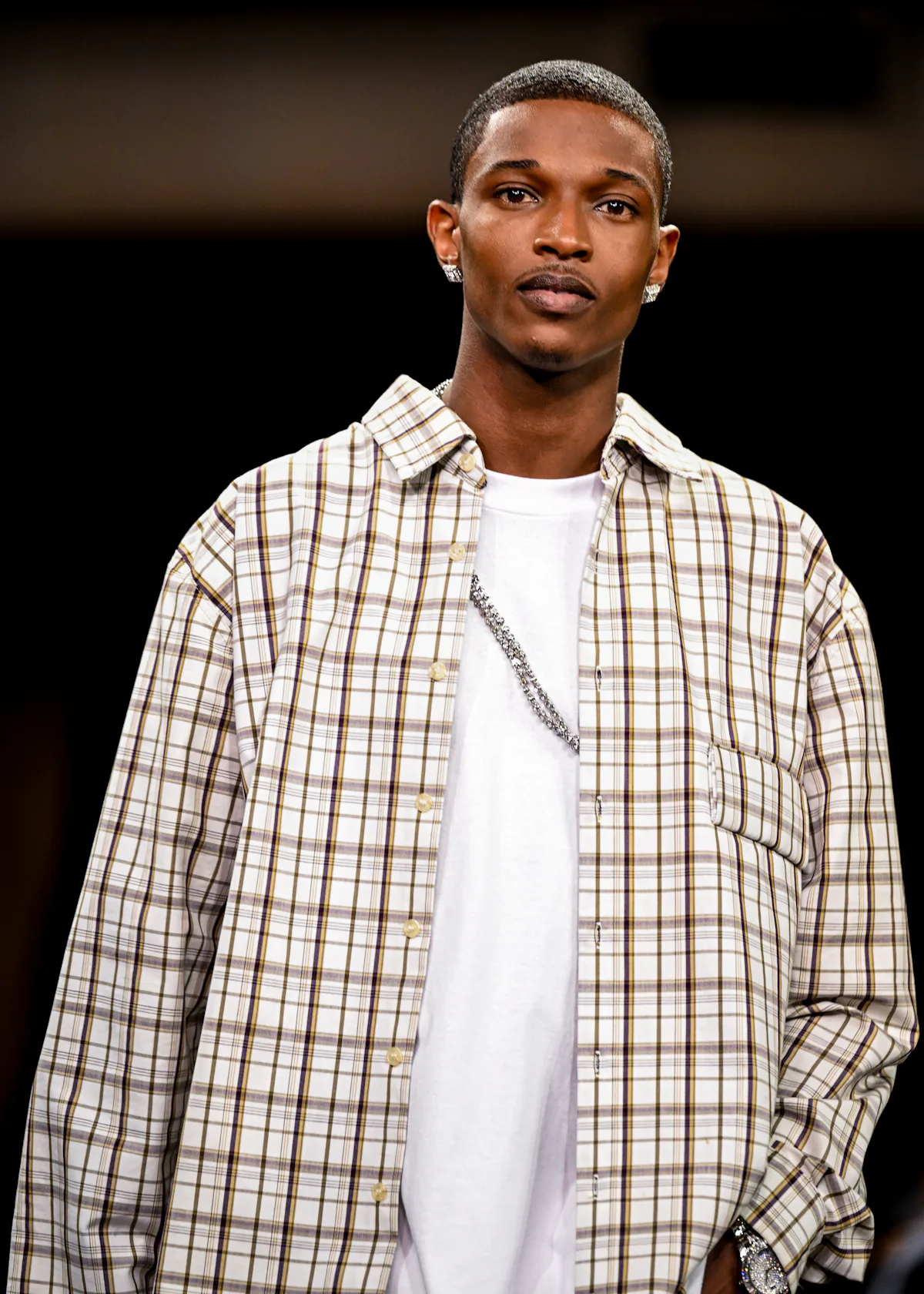
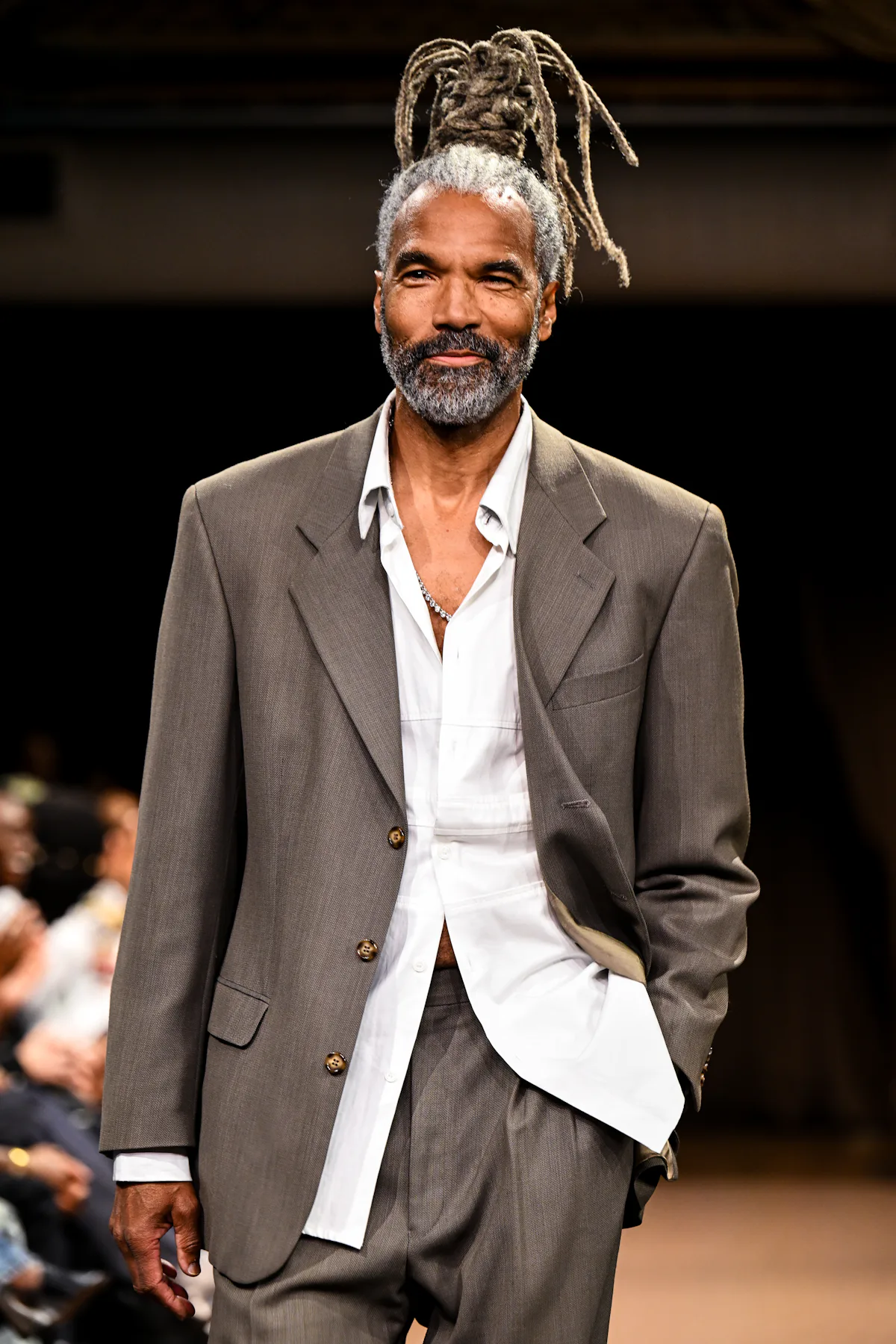
Barber Meekins took his inspiration from early ‘90s Black culture — a time, he says, where hair was “a strong expression of identity, confidence, and individuality.” The crowd elicited audible cheers and gasps once Meekins’ models strutted down the catwalk in elegant locs, flowing tresses, clean tapers, and fresh braids. While men are not always highlighted in conversations about Black beauty, Meekins’ elevated and modern looks shone a light on the breadth of versatility within Black men’s grooming.
Dressed in pieces by Bryan Jimenèz and styled by Matthew Henson, Meekins’ collection However You Want It harkens back to films such as Juice and Higher Learning that visually defined the era and helped the hairstylist guide his approach to the evening’s looks.
Harmour By Issac Poleon
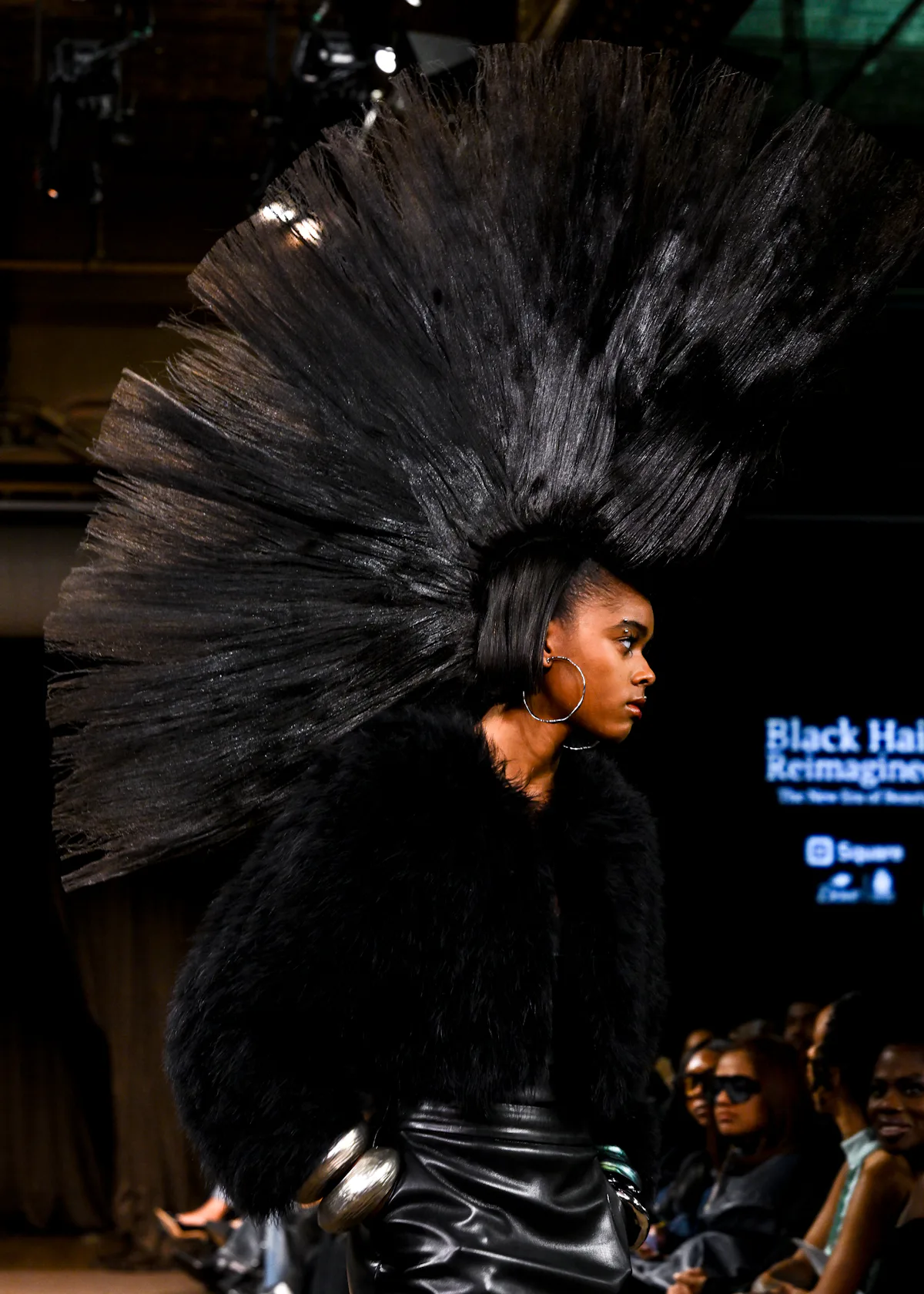
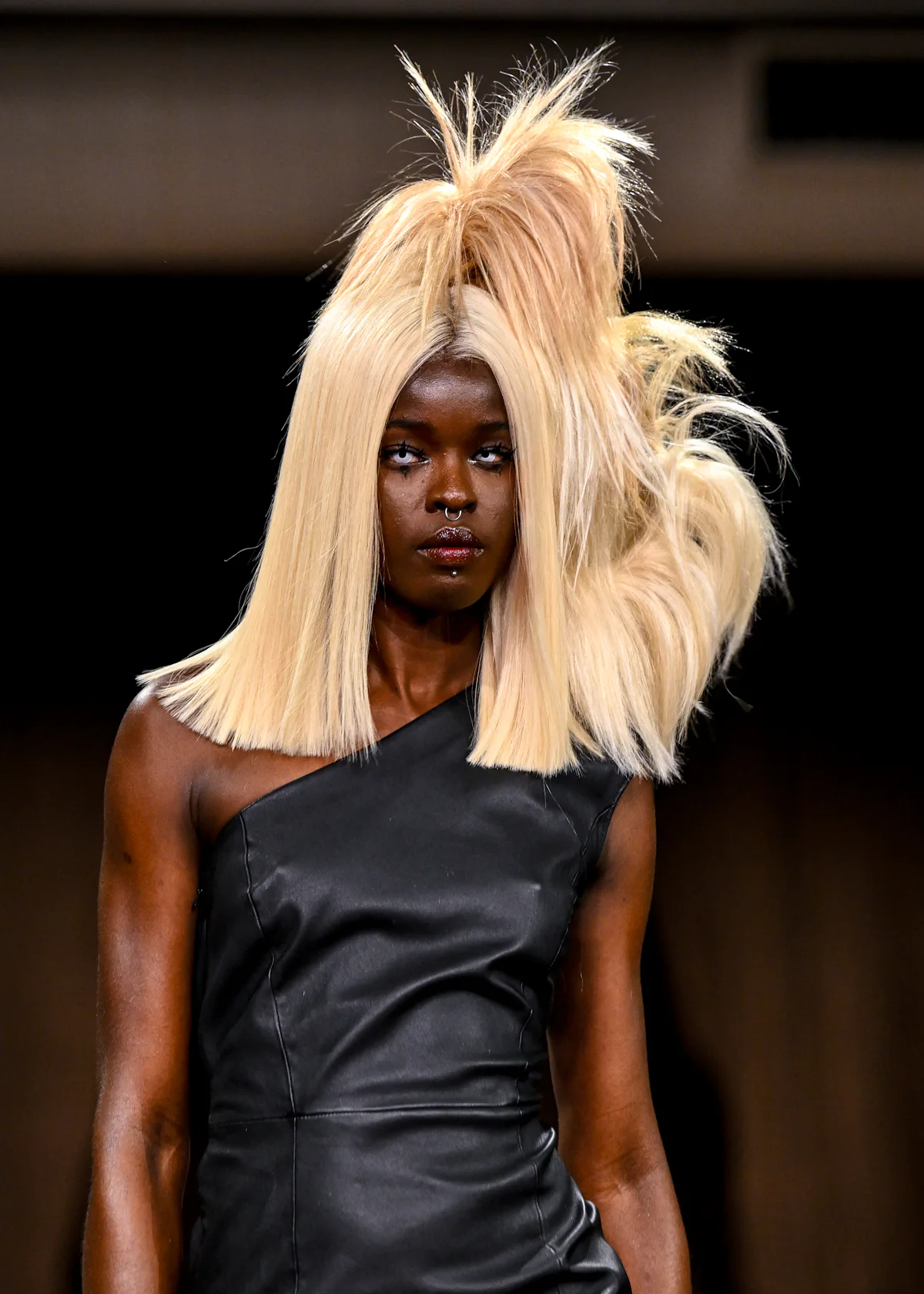
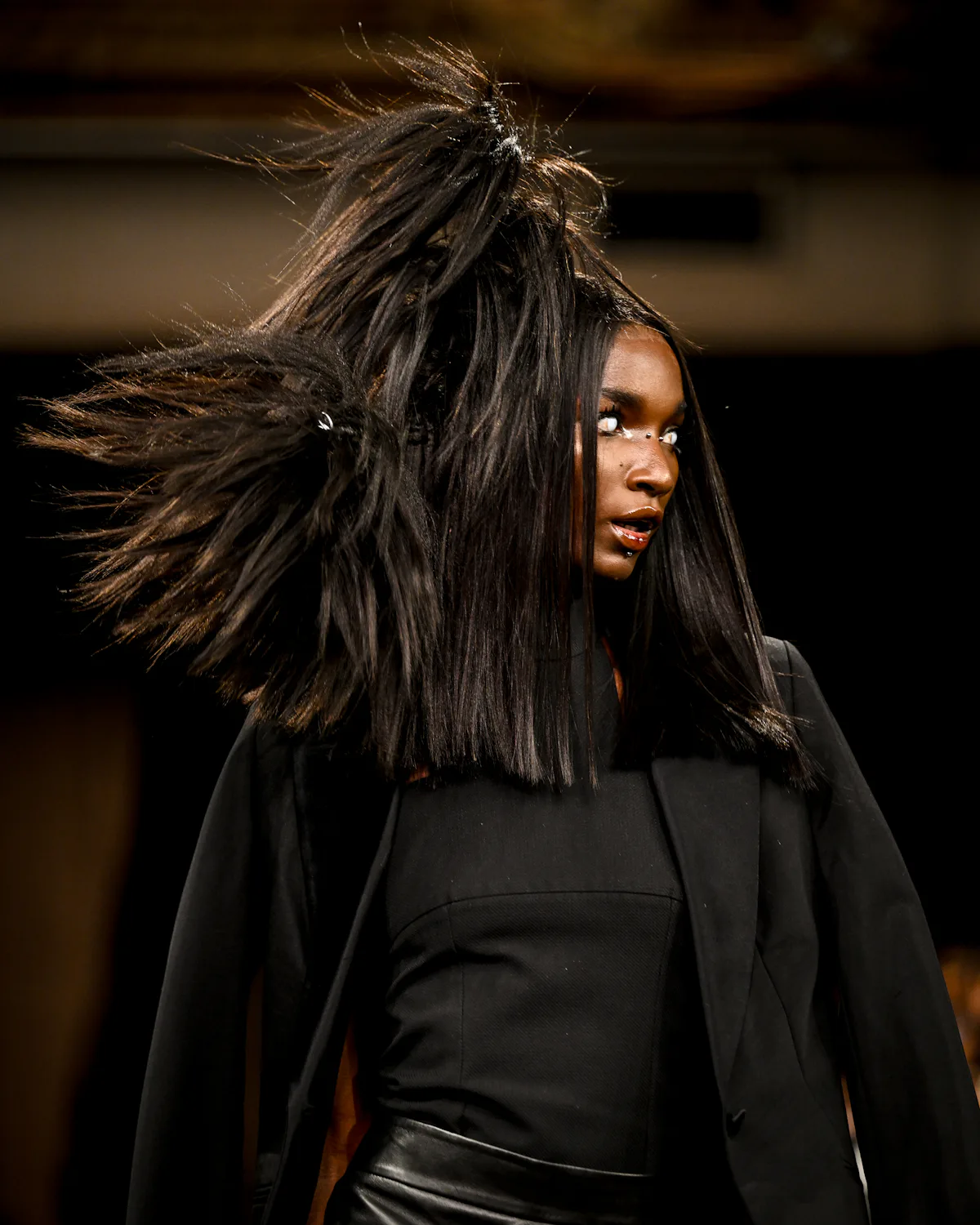
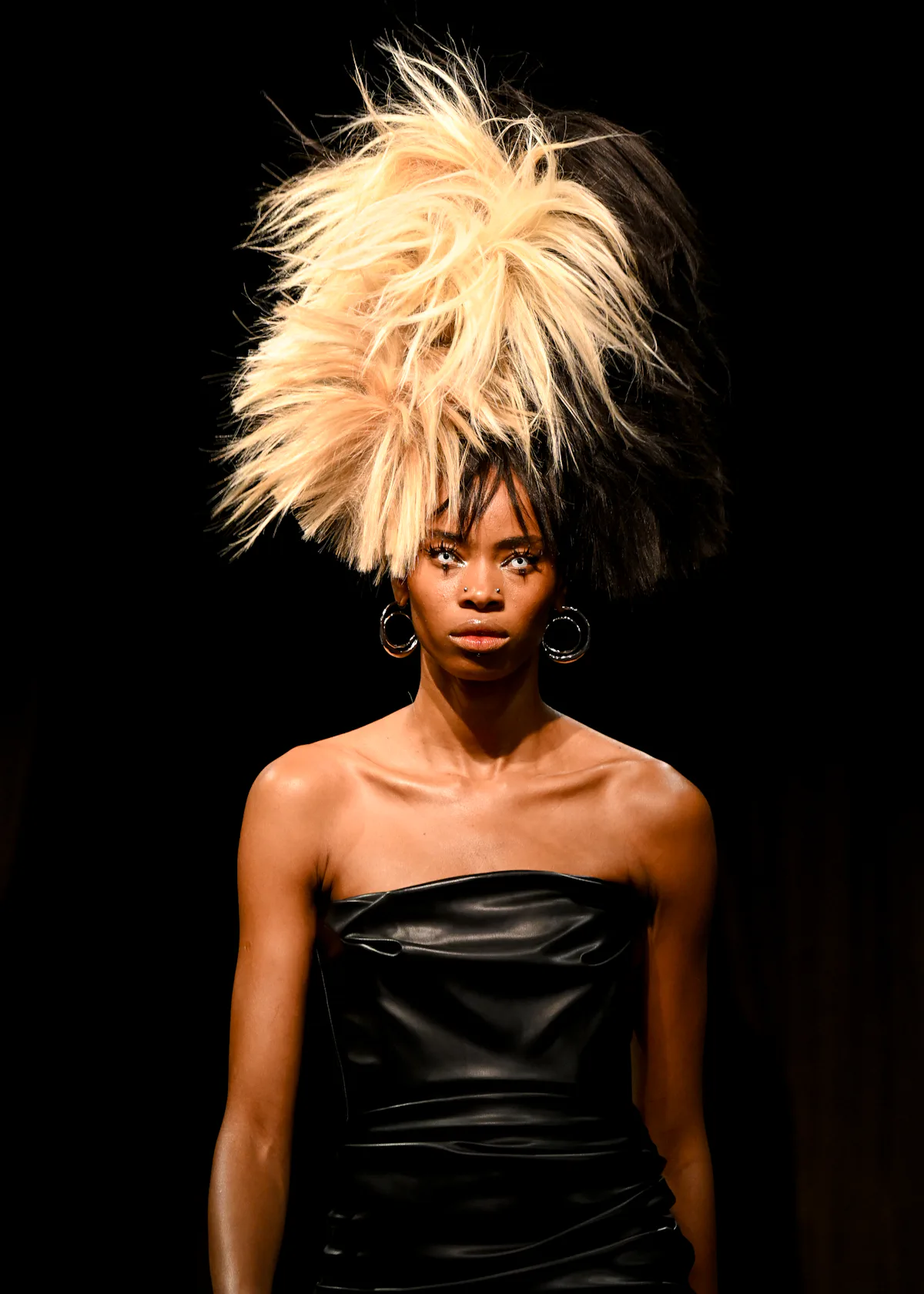
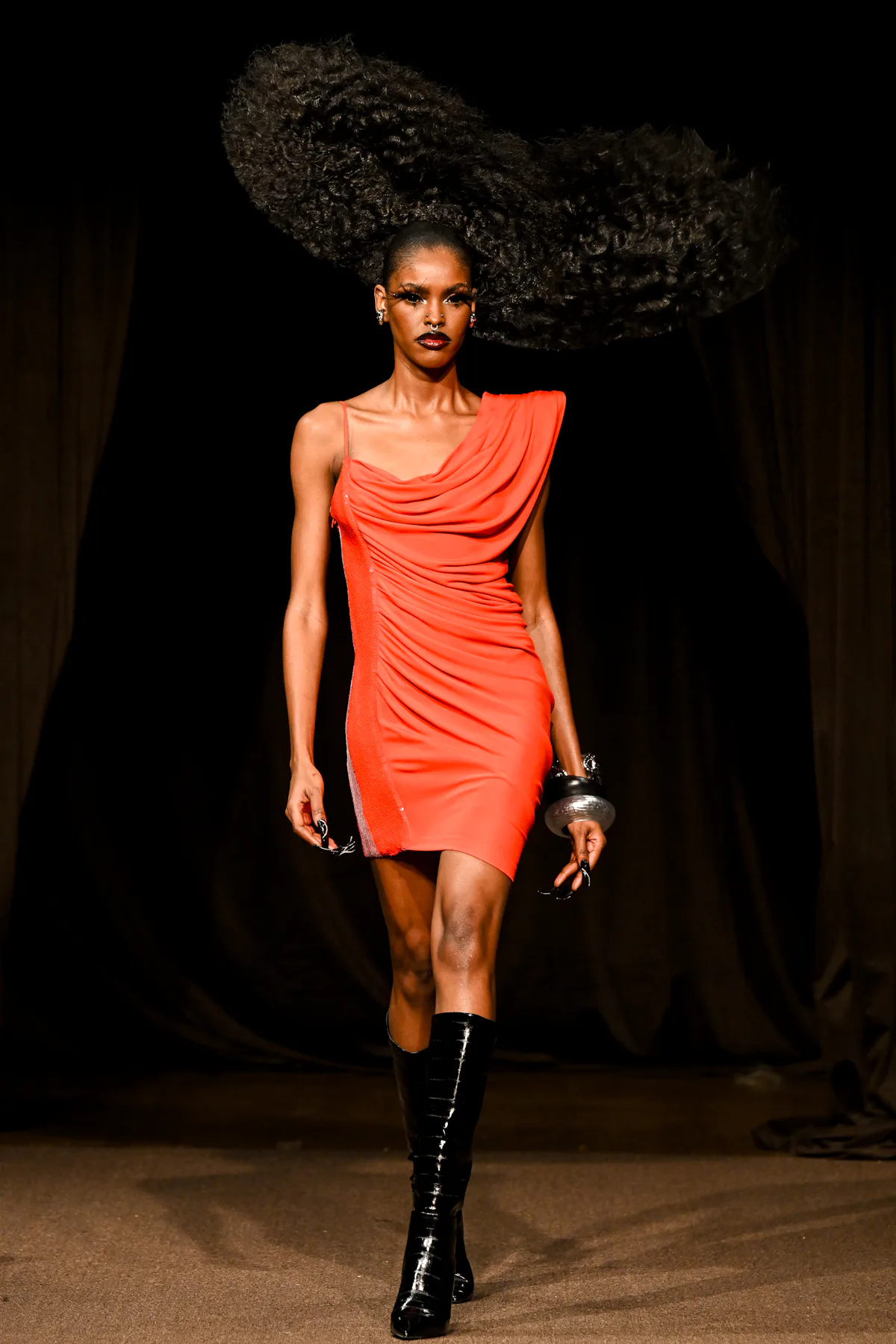
Hairstylist Poleon brought a charged energy that was strikingly different from his contemporaries. His collection Harmour was a nod to London club culture — and his “club girls” — from nights out. “This is what we do in the club,” Poleon shared. “Do hair, and look fab.”
With can’t-look-away blue contacts and facial piercings adorning the models, makeup artist Raisa Flowers brought Poleon’s edgy vision to life with a masterful hand.
Poleon’s club girls walked with a ferocity that matched the glamour and rebellious tenor of their hair. “I feel like I always create something that’s an extension of what I’ve always done for my friends,” he says, describing the playful beauty looks. Complete with off-kilter asymmetrical pieces, shaggy textures, a bounce that wouldn’t quit, and one mammoth mohawk, Poleon’s nightlife-inspired looks added a unique perspective to the show.
The Divine Feminine By Jawara Wauchope
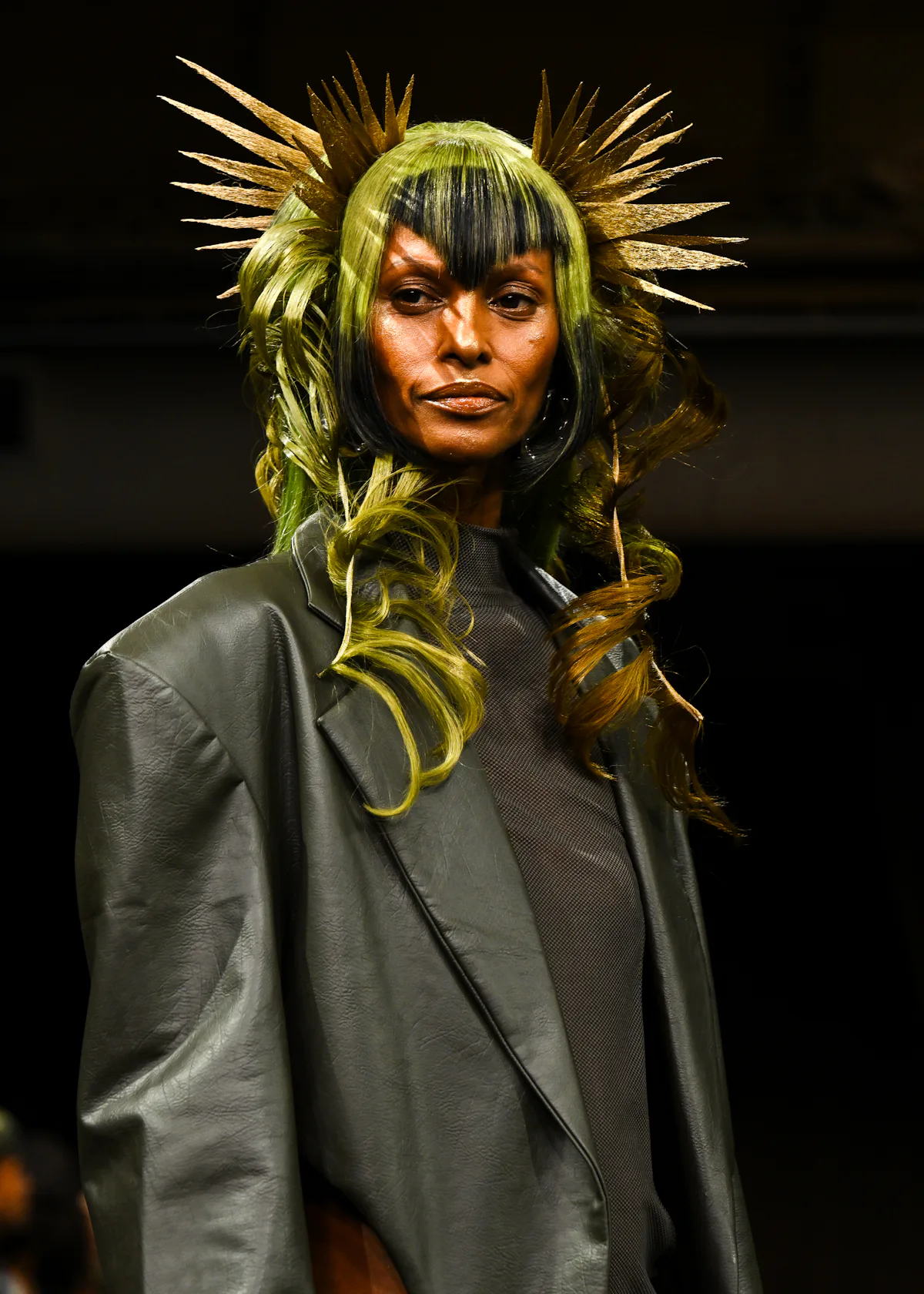
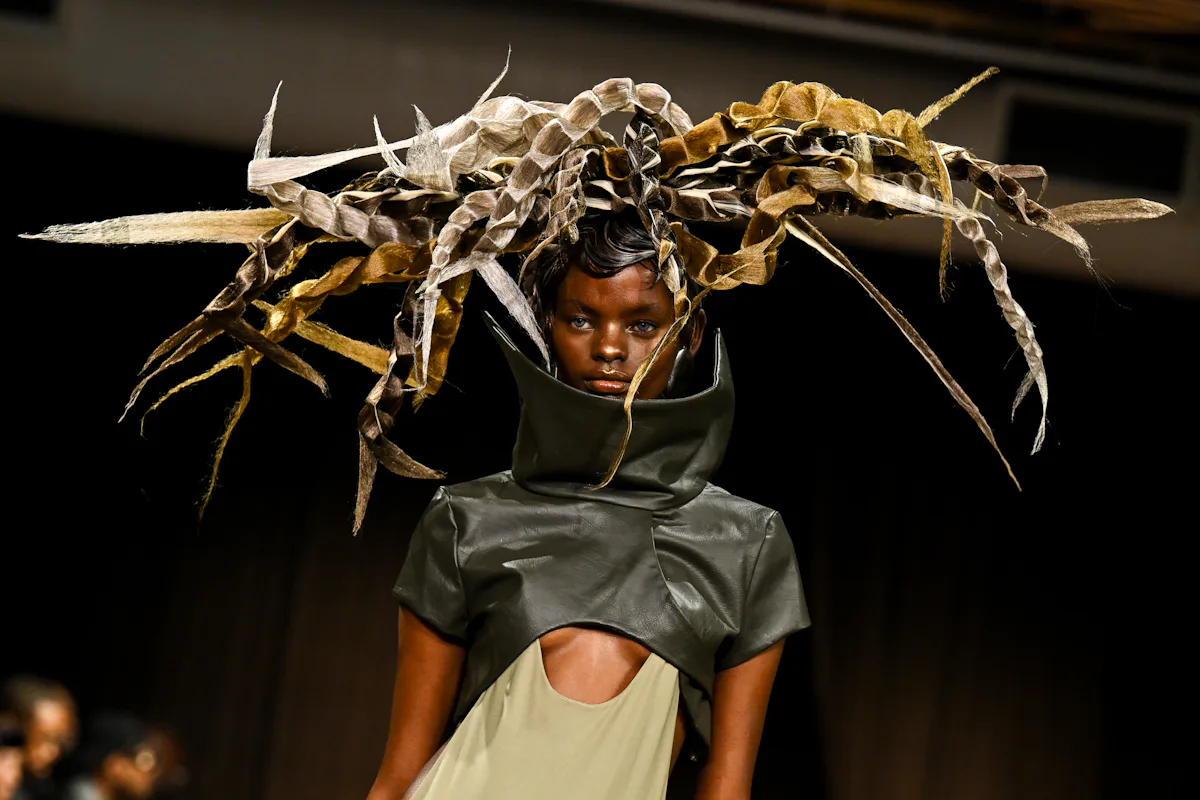
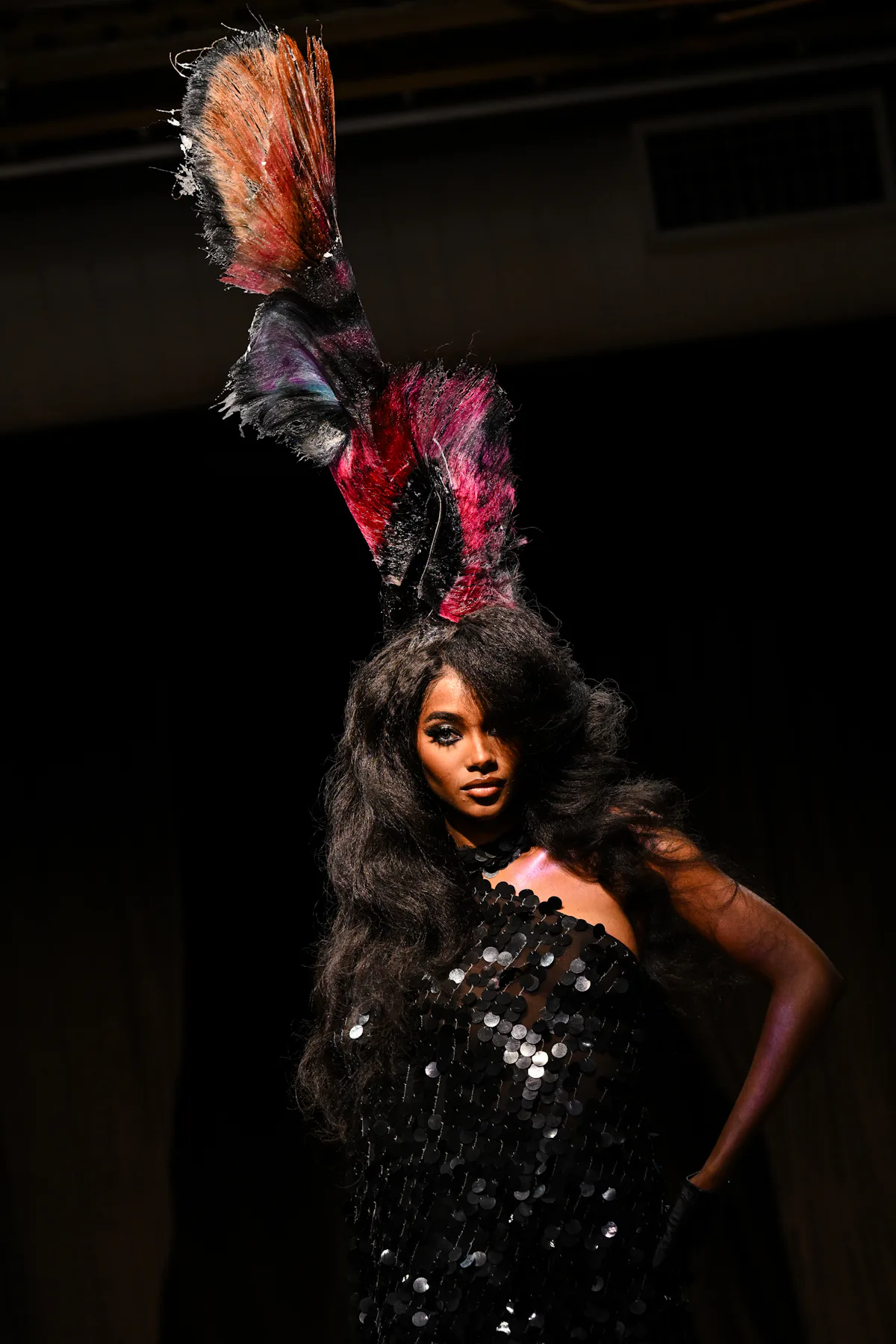
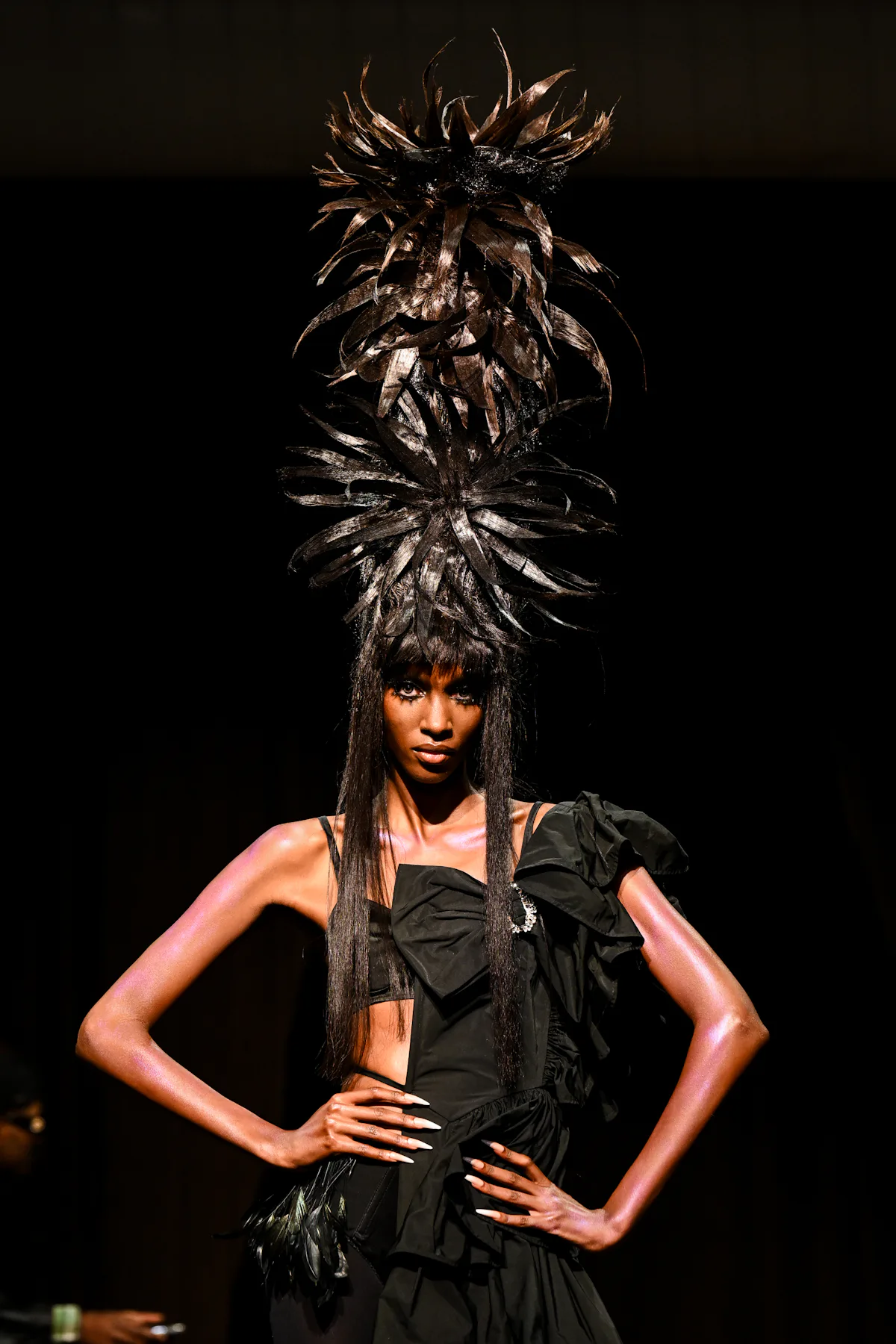
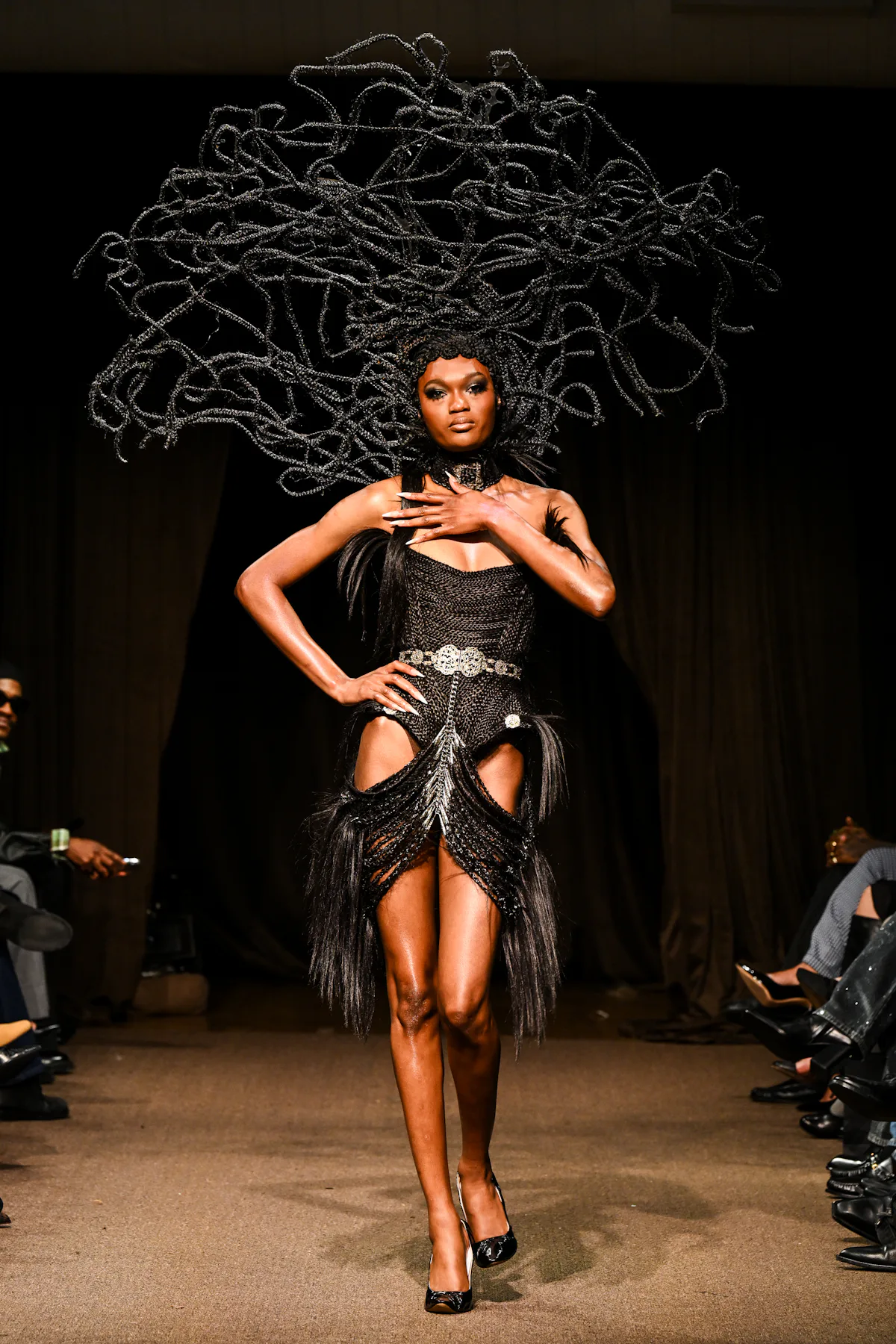
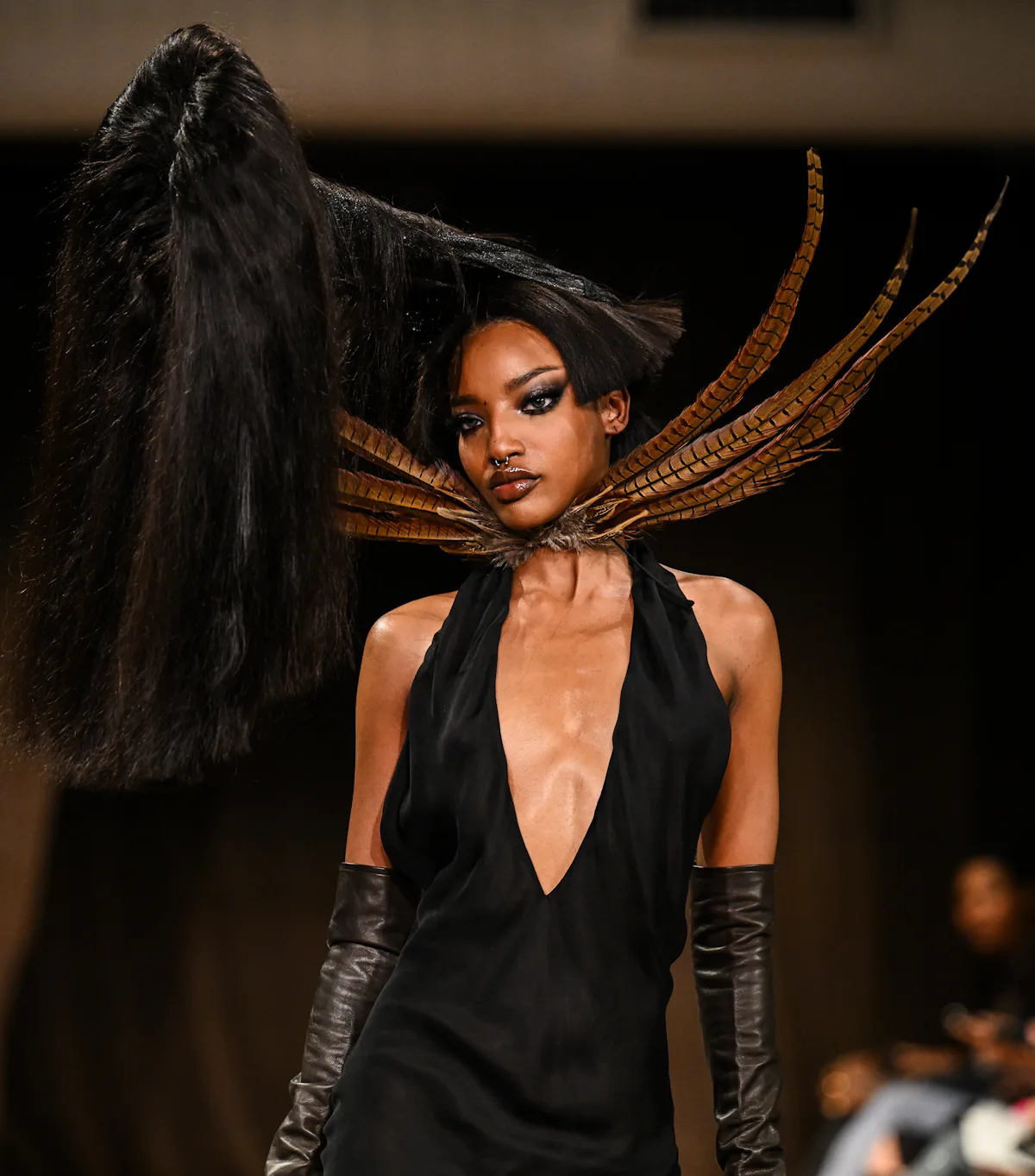
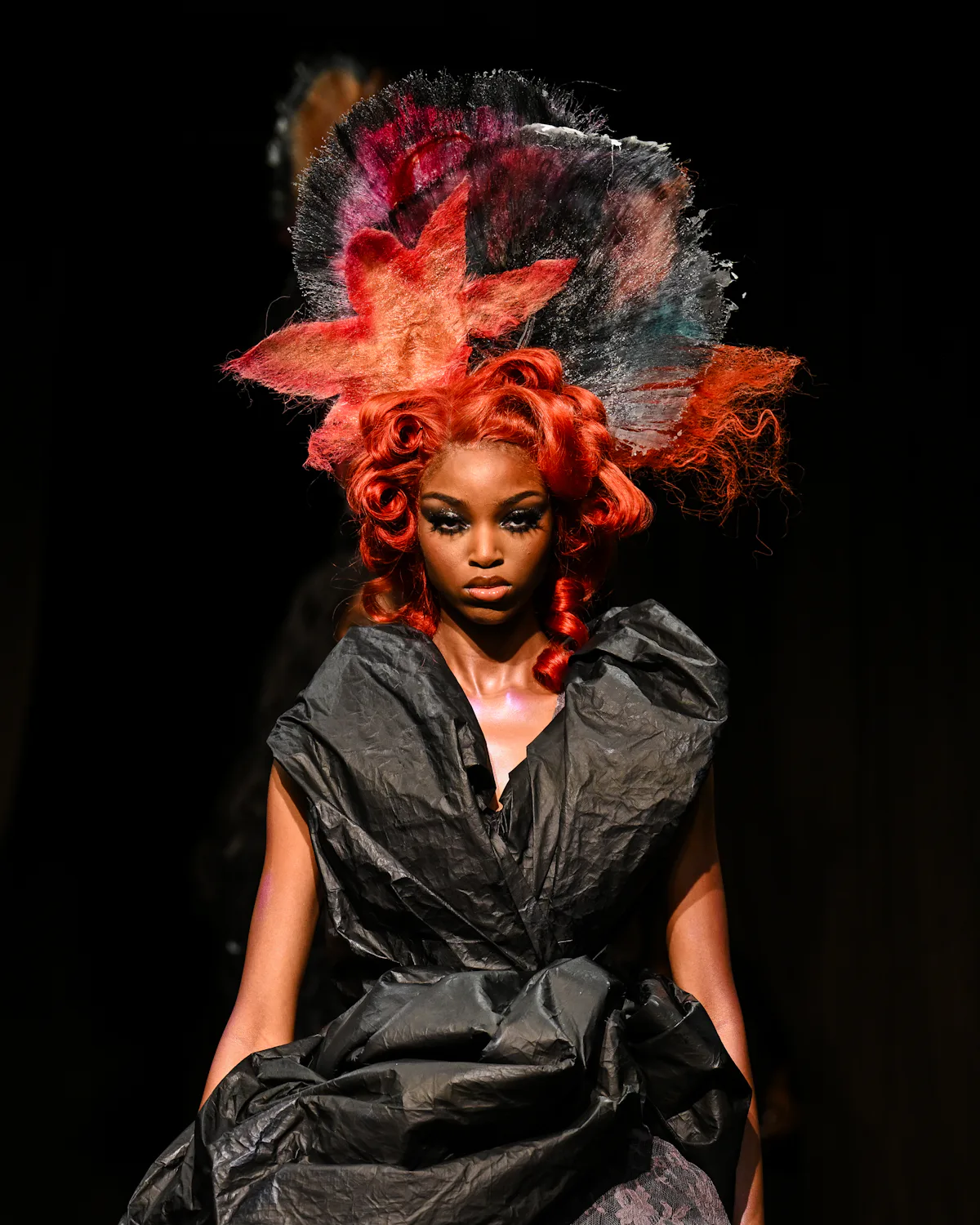
The show closed with five of Wauchope’s own exceptional designs to cap off a stunning array of creative expression and celebration. Highlighting a range of techniques and materials, his collection The Divine Feminine powered by L’Oréal Professionnel, was a masterclass in bold color and out-of-the-box craftsmanship.
“There’s hair that looks like peacock feathers [in the collection] — I tried to make the hair feel and look like something more opposed to just hair,” Wauchope shared before the show.
Styled in high-octane fashion courtesy of Yohana Lebasi, Wauchope’s captivating collection came together in an awe-inspiring display that cohesively married history, art, and culture.
Read on the original site
Open the publisher's page for the full experience