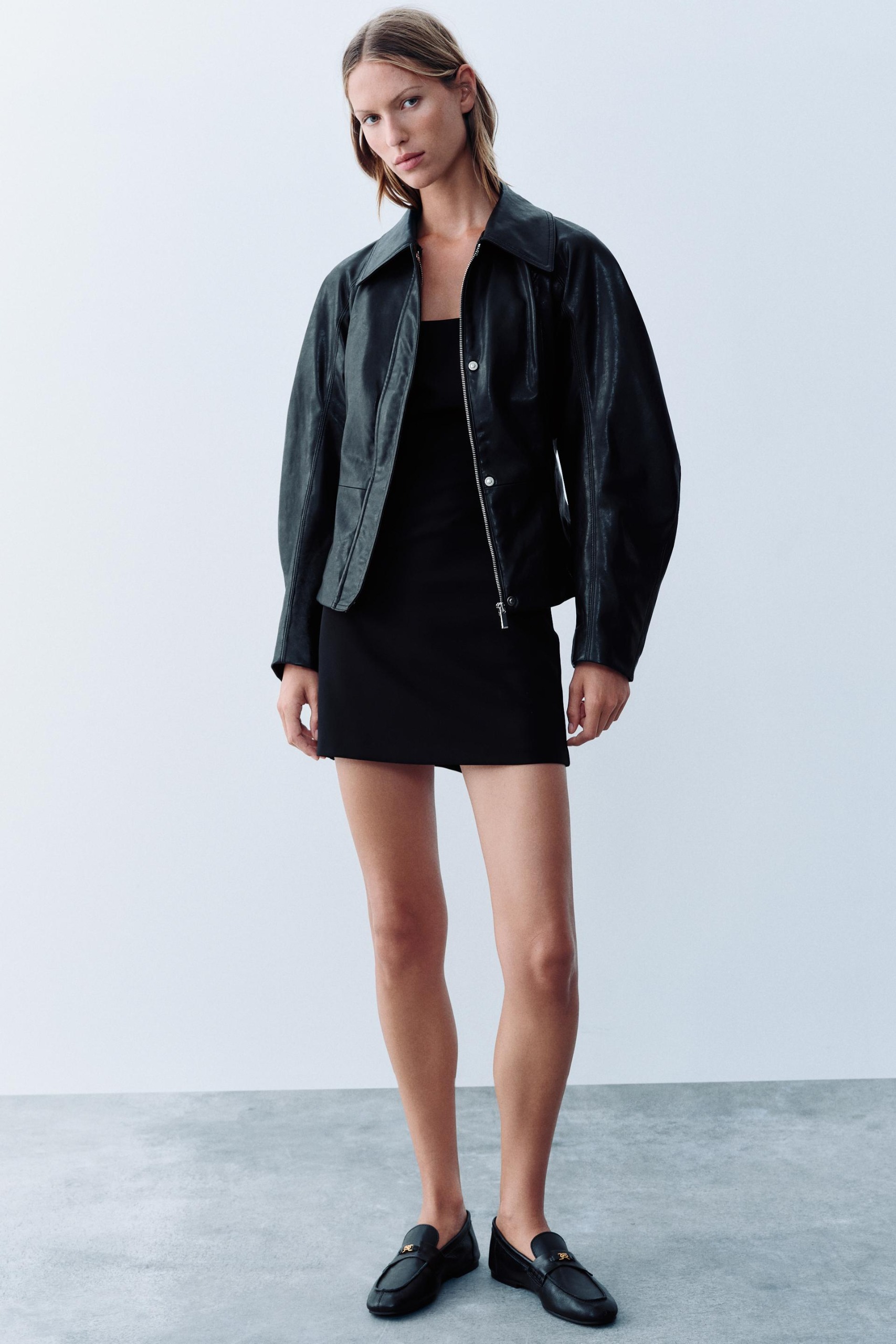
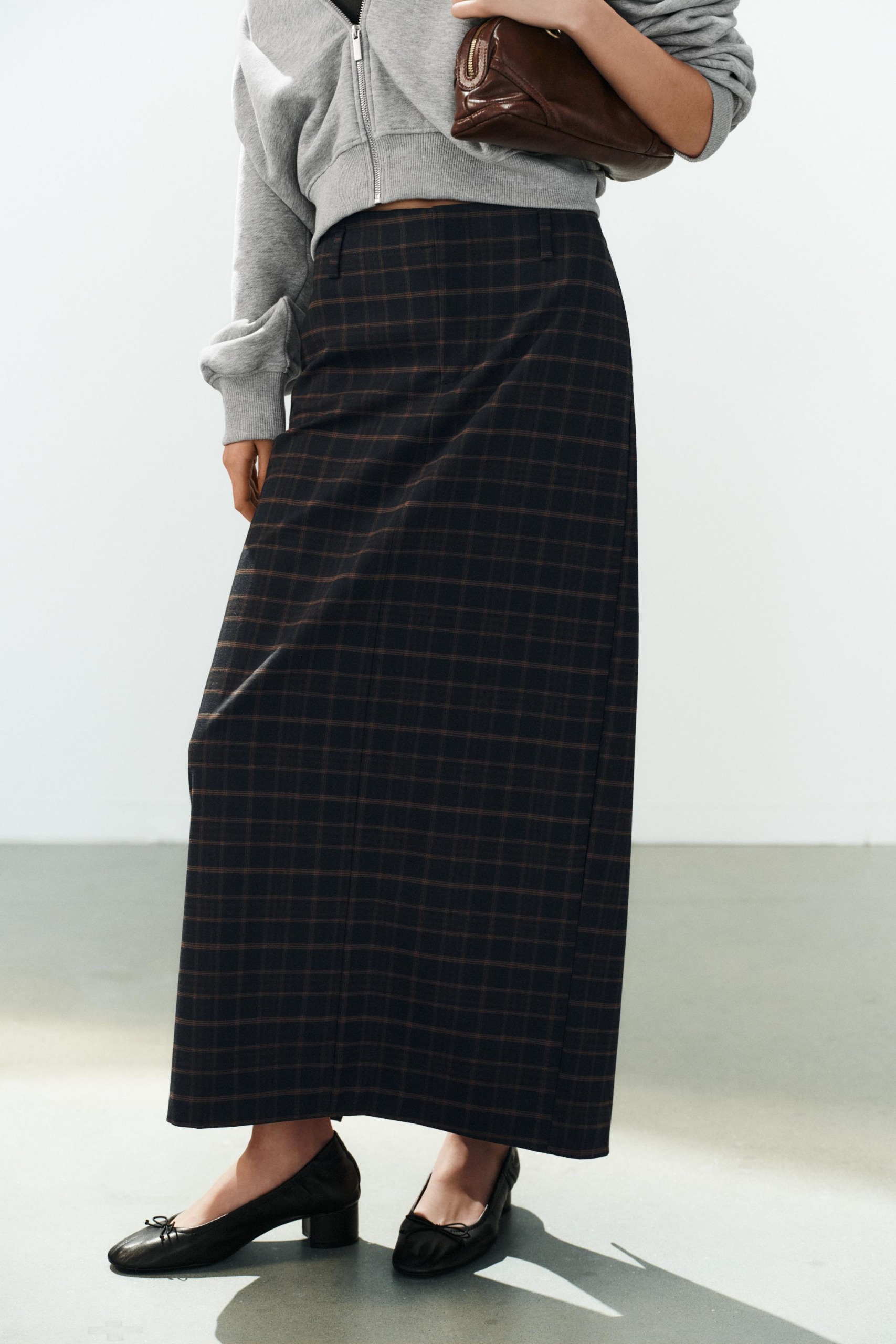
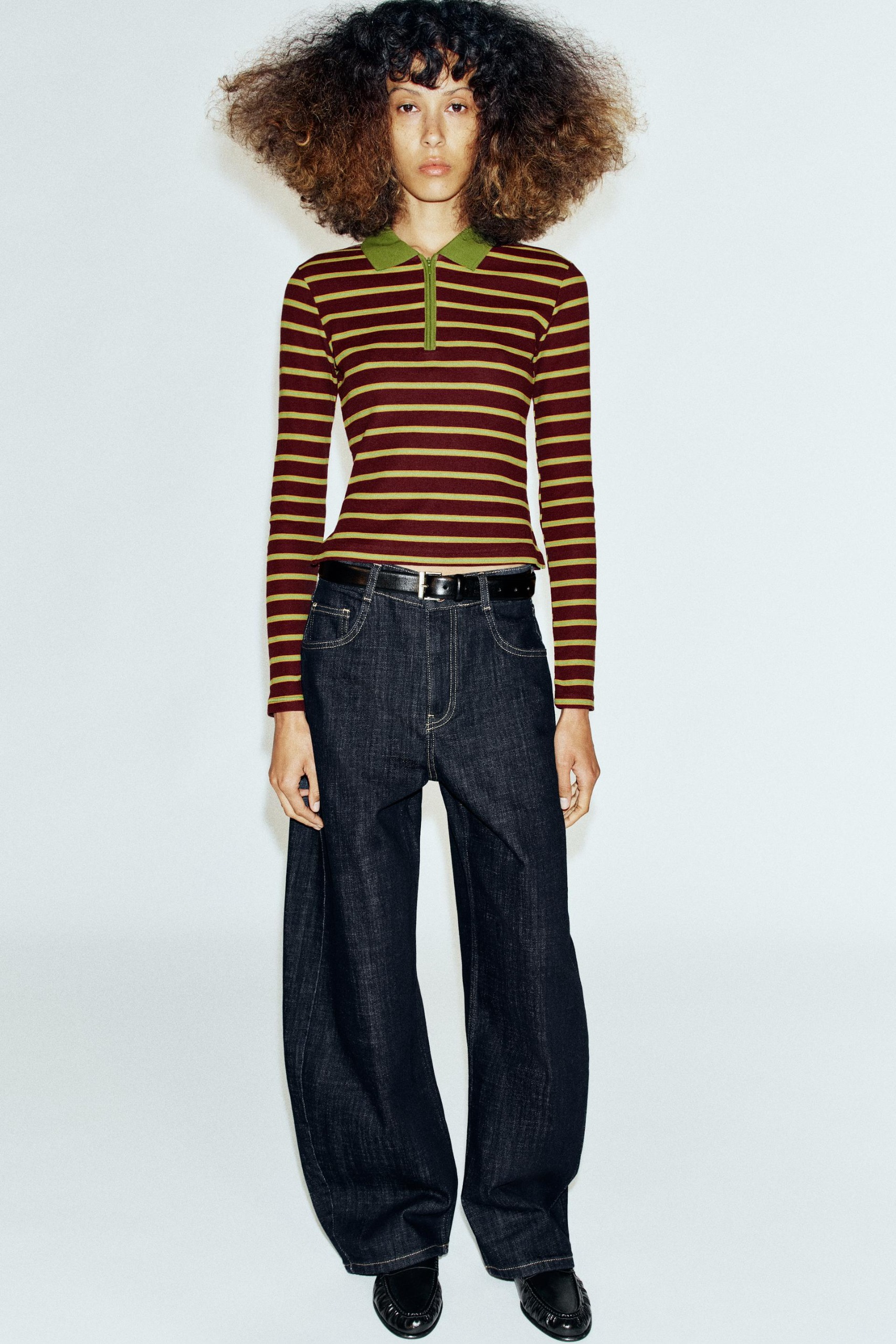
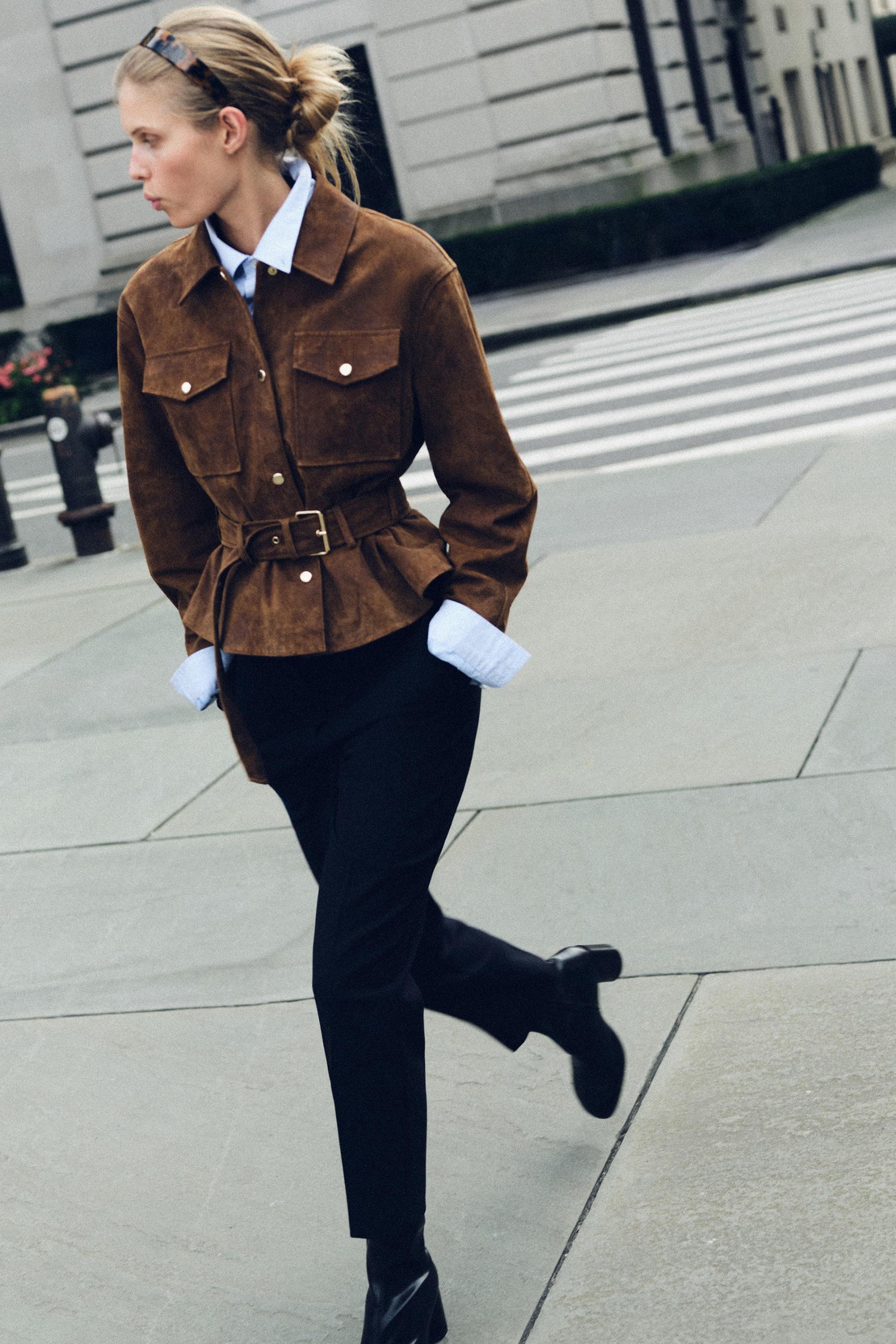
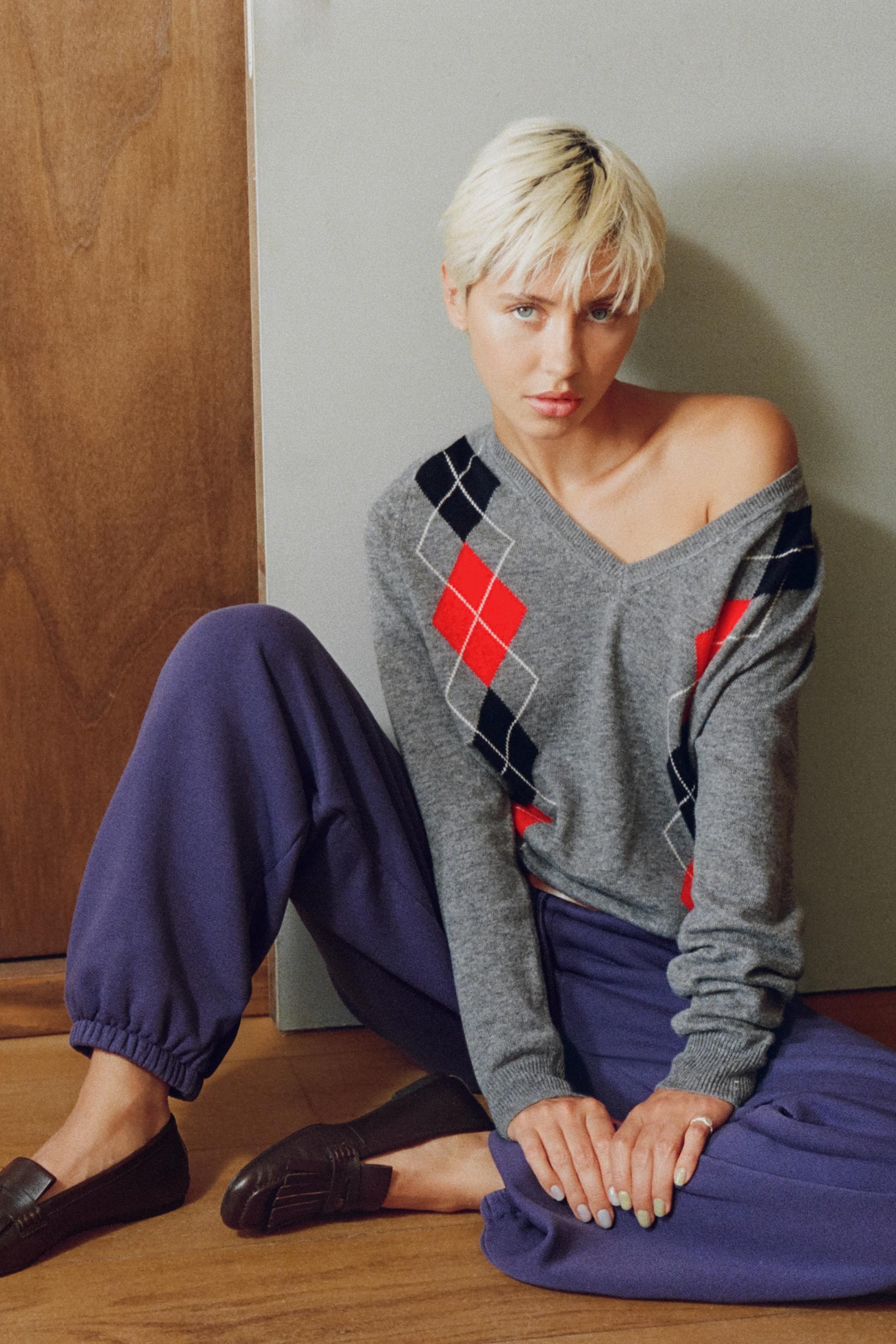
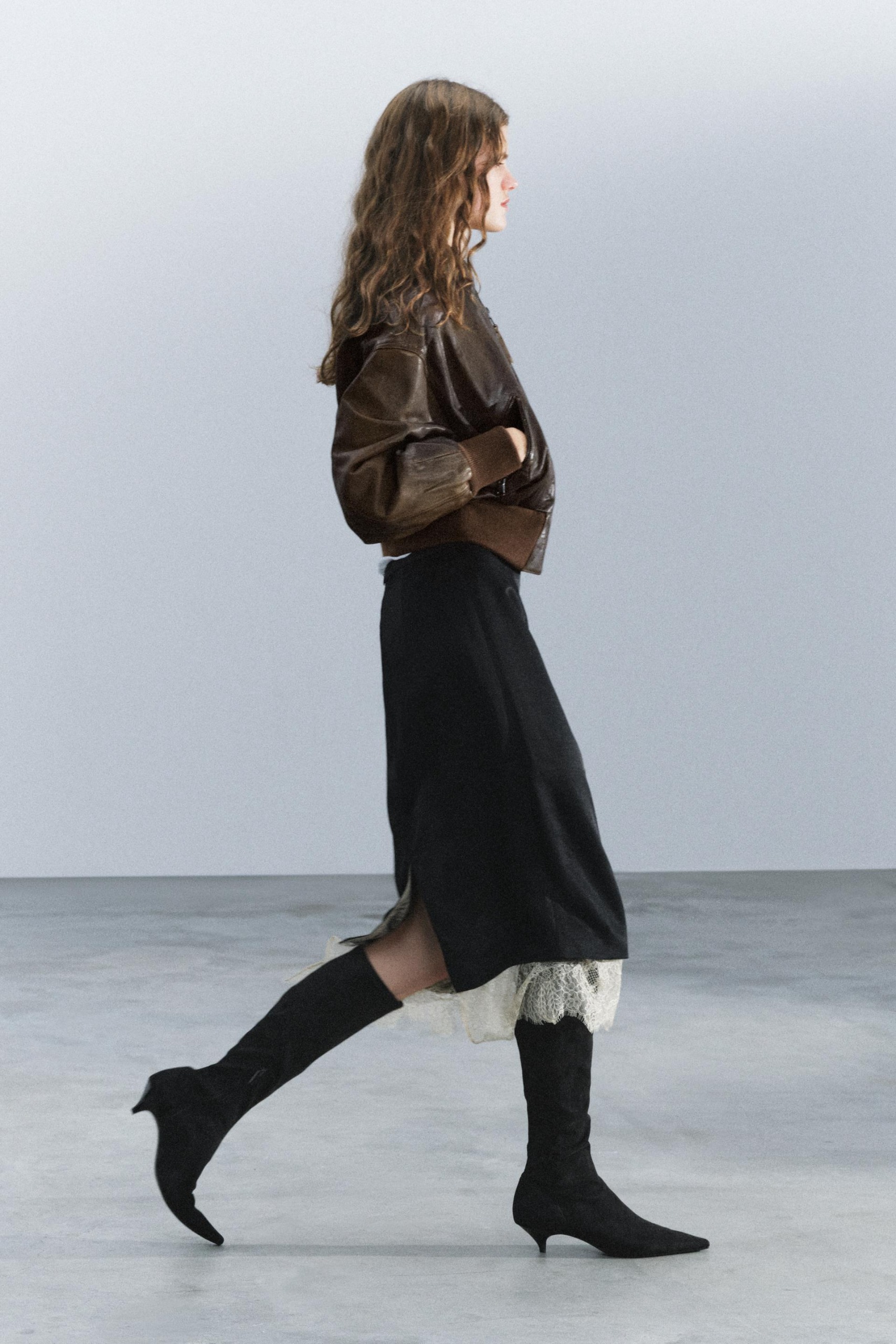
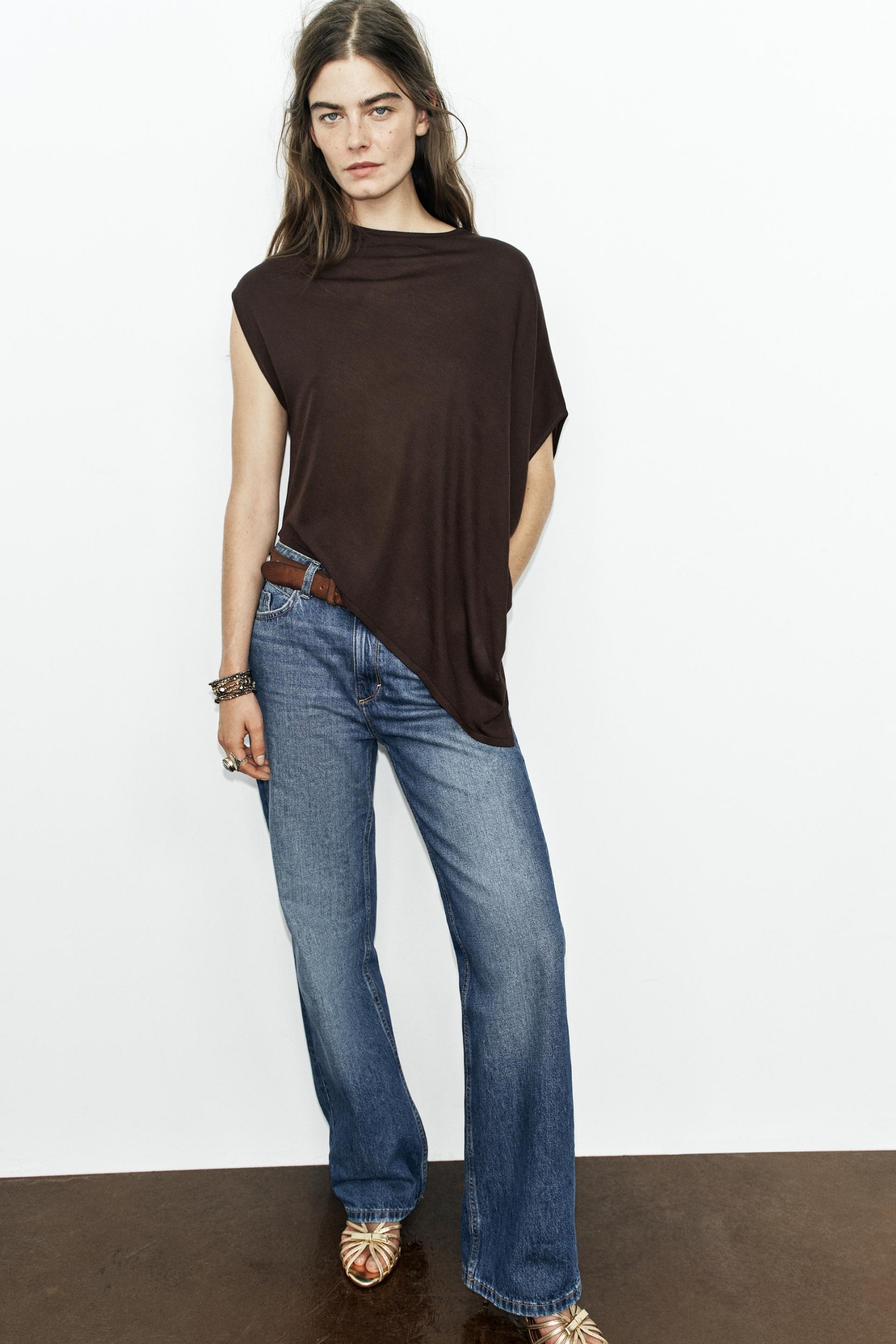
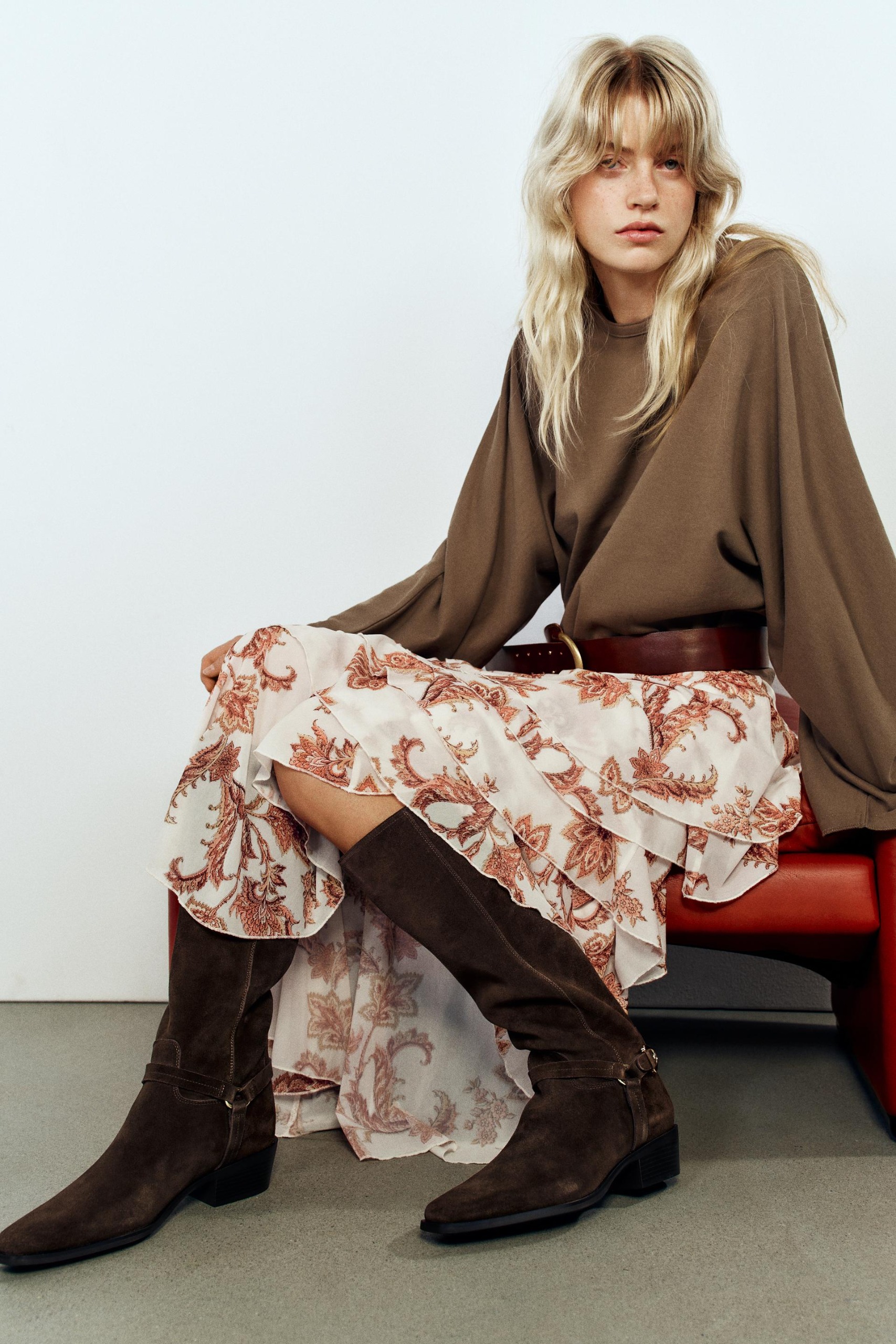
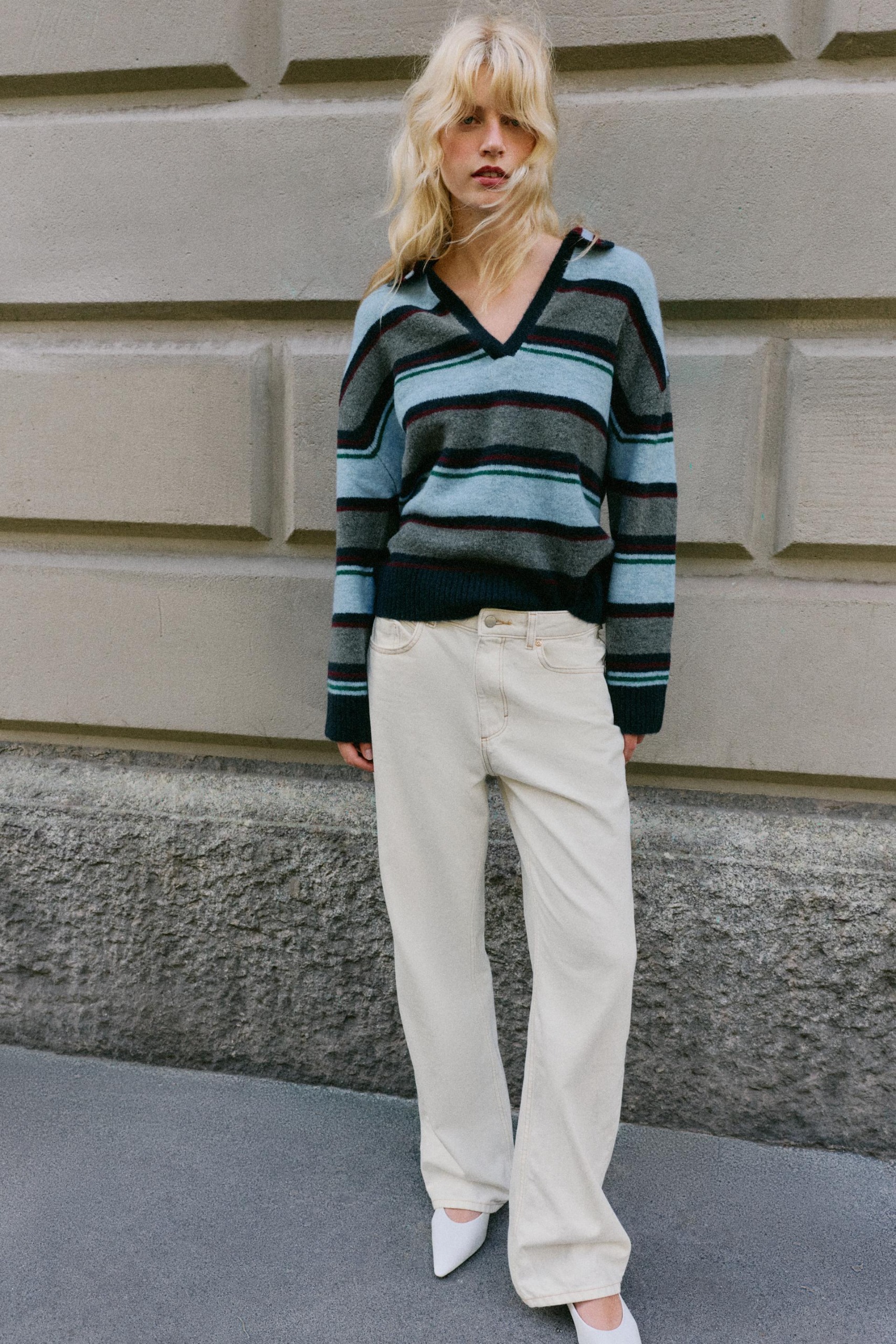
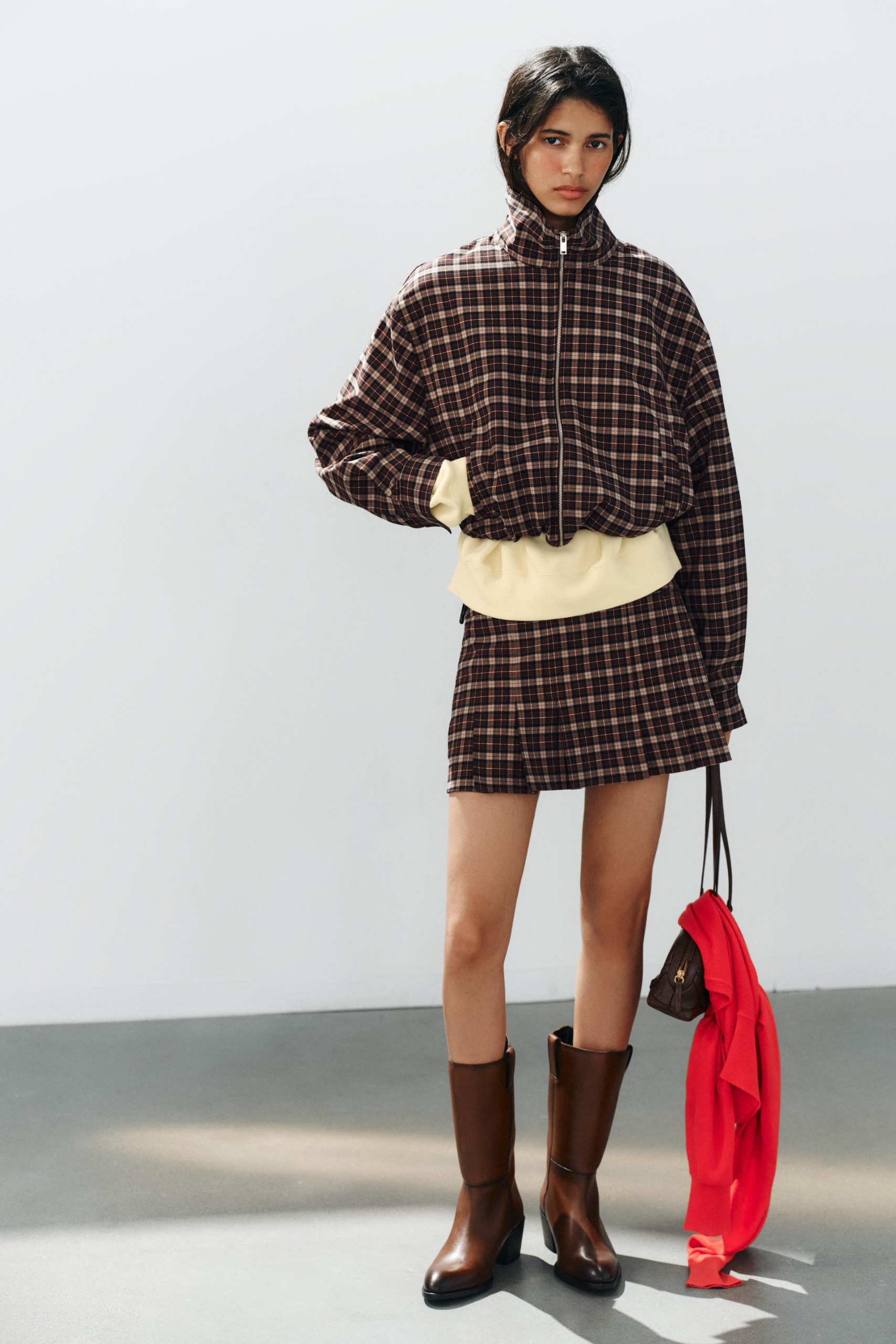
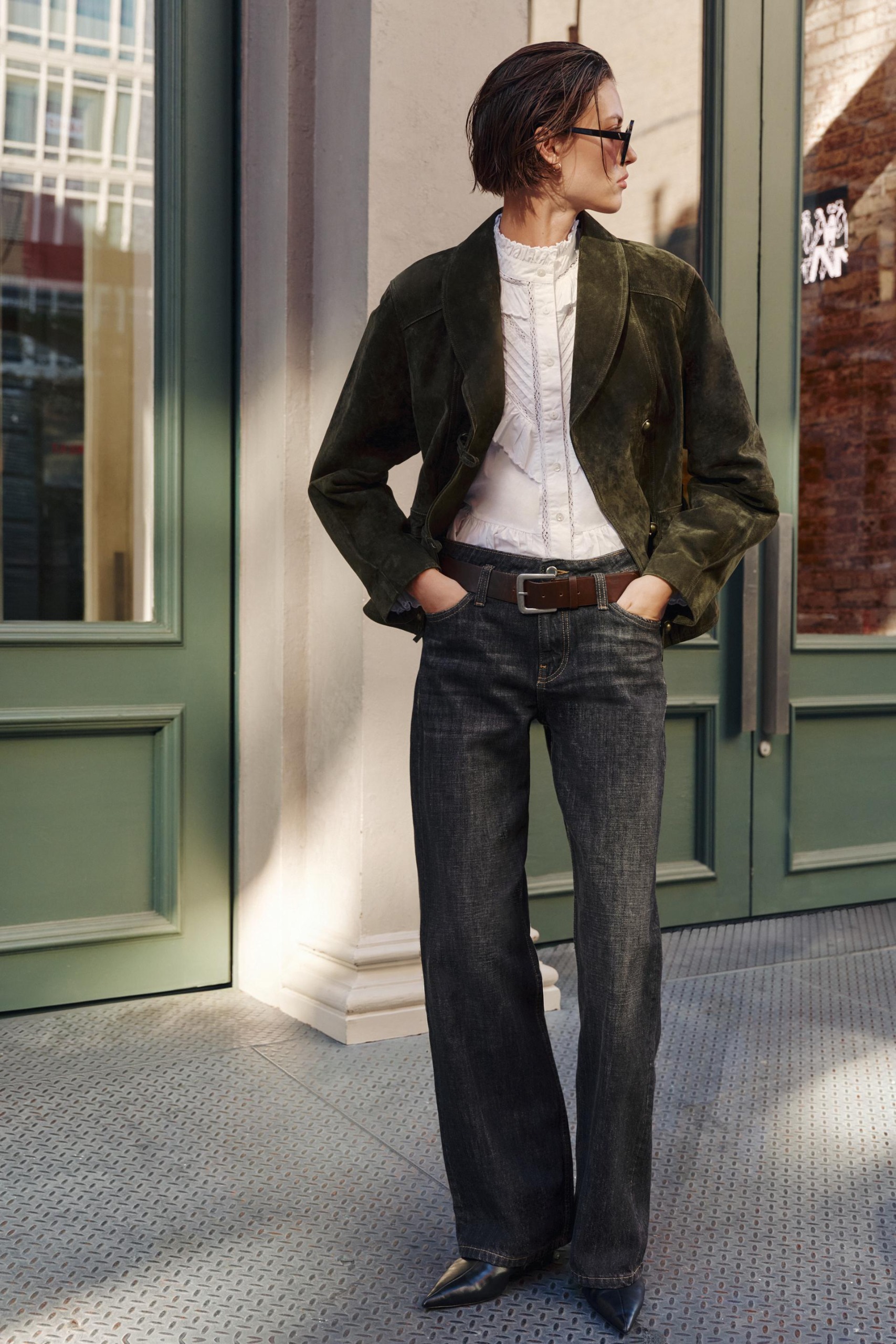
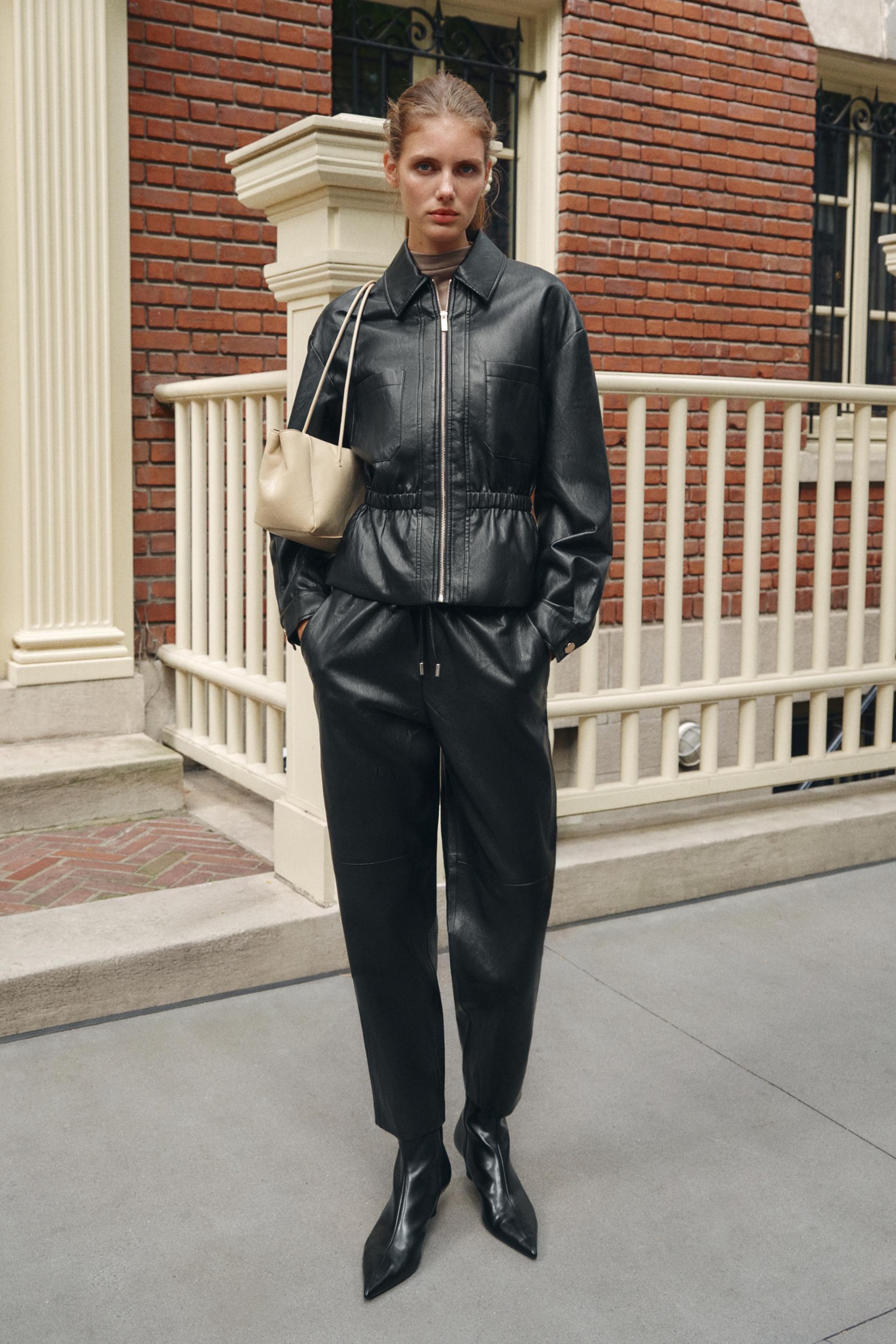
The cyclical return to comfort and nostalgia is a defining characteristic of contemporary style, and this recent piece celebrating Zara finds echoing the aesthetic of *Gilmore Girls* perfectly exemplifies that phenomenon. The article’s premise – that fall fashion can be distilled into the wardrobes of Rory and Lorelai Gilmore – isn’t entirely novel, but its grounding in a specific, beloved television show speaks to a deeper cultural shift. We’re not simply seeking autumnal hues and cozy textures; we’re yearning for the feeling of warmth, community, and uncomplicated charm that Stars Hollow represents. It’s a reaction, perhaps, to the relentless pace and often-overwhelming nature of modern life. This desire for a curated, almost idealized, version of fall is amplified by the accessibility of fast fashion retailers like Zara, allowing a wider audience to participate in the aesthetic without a significant investment. Considering the broader landscape of seasonal trends, it’s clear that consumers are actively seeking connection to narratives and experiences, and fashion is a powerful vehicle for that expression. This aligns with observations we’ve made about the evolving luxury landscape, detailed in The Bags Defining Spring 2027 Are Ready to Wear Now, where the emphasis shifts from overt displays of wealth to subtle markers of taste and enduring style.
The reliance on television shows and film for fashion inspiration isn't new—think of the enduring influence of *The Devil Wears Prada* or *Sex and the City*. However, the continued resonance of *Gilmore Girls*, even years after its initial run and revival, demonstrates a unique cultural staying power. The show's aesthetic – a blend of classic Americana, collegiate preppy, and a touch of quirky individualism – feels both timeless and refreshingly approachable. It's a far cry from the often-severe or overtly trendy looks dominating high fashion runways. As a fashion editor highlights in I'm a Fashion Editor—Here's Everything I'm Shopping for Fall, the desire for versatile, wearable pieces that can be mixed and matched is paramount. The *Gilmore Girls* aesthetic inherently embodies this, with its focus on layered knits, practical outerwear, and denim staples—items easily replicable through accessible retailers. Zara’s ability to capture this essence speaks to their keen understanding of consumer desires and their capacity to translate runway trends into readily available, everyday pieces. They're capitalizing on a pre-existing emotional connection, offering a tangible way to participate in a cherished cultural narrative.
Beyond the immediate trend of replicating Rory and Lorelai's wardrobes, this phenomenon reveals a broader shift in how we consume fashion. The rise of social media and the constant stream of visual inspiration have blurred the lines between personal style and curated aesthetics. We’re increasingly drawing inspiration from fictional characters and online personas, creating a sense of aspirational relatability. This isn’t about chasing fleeting trends; it’s about curating a personal narrative through clothing. The article’s suggestion that Zara is offering a gateway to this "Stars Hollow" aesthetic resonates with a desire for authenticity and a rejection of hyper-commercialized fashion. It’s a quiet rebellion against the pressure to constantly reinvent oneself, opting instead for a style that feels genuine and comforting. The emphasis on building a wardrobe, rather than chasing individual pieces, also aligns with a growing awareness of sustainable consumption and mindful purchasing habits. It’s about investing in pieces that tell a story and reflect one’s personal values, as emphasized in our coverage of Shop 9 Fall Fashion Trends Inspired By Fashion Week, which highlights enduring styles over ephemeral fads.
Ultimately, the popularity of this article and the broader trend of drawing fashion inspiration from television shows suggest that the lines between entertainment and style are becoming increasingly intertwined. The question moving forward is not whether this trend will continue, but rather, what other narratives and fictional worlds will inspire our wardrobes. Will we see a surge in looks inspired by other beloved shows like *Ted Lasso* or *The Queen’s Gambit*? And how will brands adapt to meet this demand, moving beyond simply replicating specific outfits to capturing the essence of a character's overall aesthetic and the emotional resonance of their stories?