Cola Fragrances Are Trending — Here's What You Need To Know
Our take
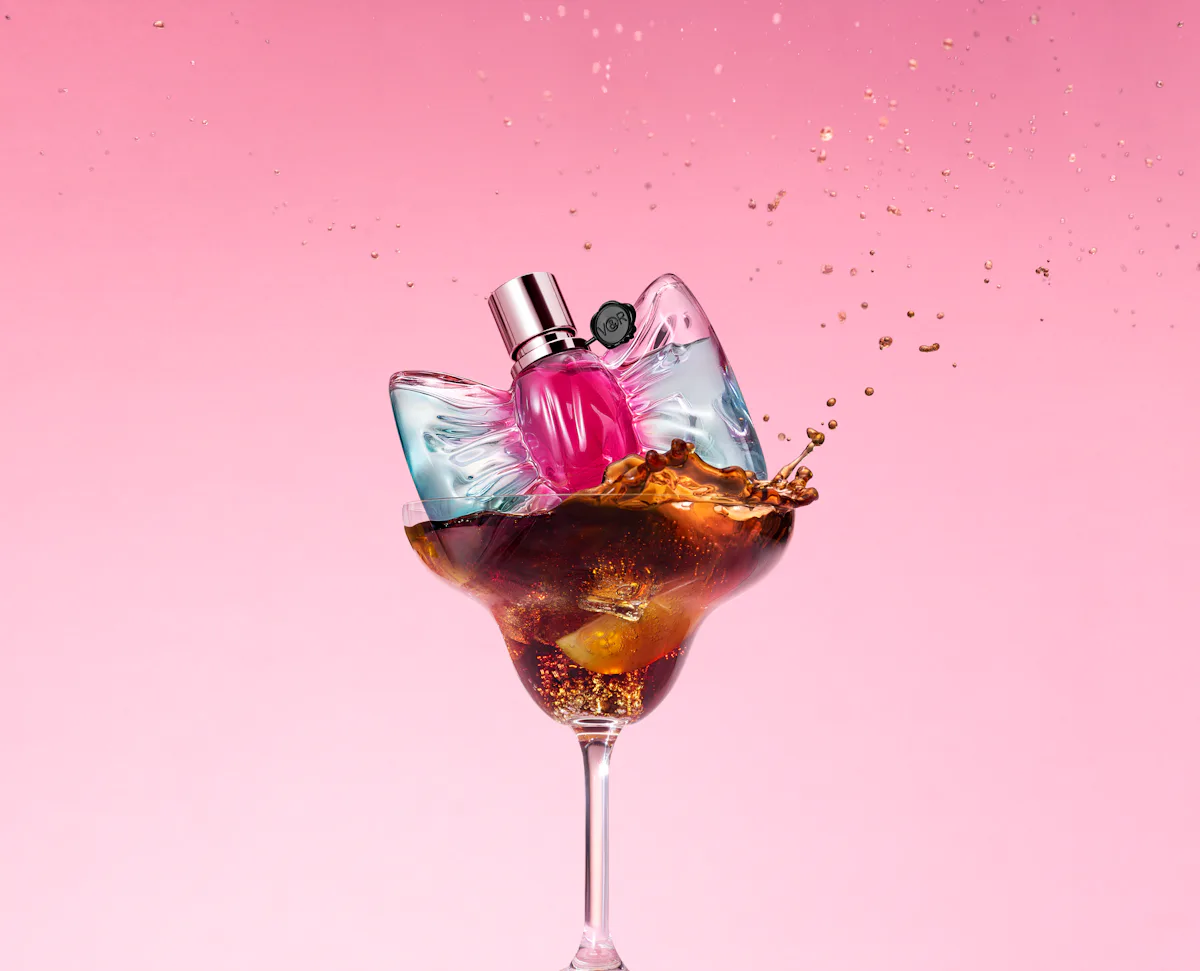
The sudden surge in cola-inspired fragrances feels less like a fleeting trend and more like a cultural exhale. It’s a fascinating intersection of nostalgia, the ongoing “little treat” phenomenon, and a broader shift towards comforting, familiar scents. As Bustle’s article rightly points out, the rise aligns with the “fridge cig” concept—that small, indulgent pleasure offering momentary escape—and it’s easy to see why. We're living in a time that demands both resilience and a gentle embrace of the simple joys. This craving for uncomplicated pleasure is echoed in the popularity of affordable luxury, as seen in articles like I Genuinely Thought This Velvety Fragrance Was $350—It’s $15, and I Can’t Stop Spraying It, where the unexpected value enhances the sensory experience. The appeal isn’t about overt opulence, but about finding moments of delight in everyday rituals. Fragrance, of course, is central to that ritual.
Beyond the immediate comfort factor, the cola fragrance trend speaks to a deeper desire for evocative storytelling through scent. It’s not simply about smelling like soda; it's about conjuring memories of childhood summers, classic diners, and a sense of carefree abandon. This resonates with the broader fragrance landscape, which increasingly prioritizes narrative and emotional connection over purely linear scent profiles. Consider the ongoing conversation around skincare and fragrance, as evidenced in threads like Hair, Makeup, Skincare, Fitness, and Fragrance Thread - August 25—the lines are blurring as consumers seek holistic wellness experiences. A fragrance that evokes a specific feeling or memory becomes a powerful tool for self-expression and a way to anchor oneself in a moment. The cola note, with its inherent sweetness and effervescence, provides a readily accessible entry point for this kind of emotional exploration.
The emergence of cola fragrances also subtly challenges the traditional notions of what a “luxury” scent should be. For so long, high-end fragrances were defined by rare and exotic ingredients, often sourced from far-flung corners of the globe. While those scents remain relevant, there’s a growing appreciation for fragrances that embrace familiar, even commonplace, notes in unexpected ways. Viktor & Rolf’s Bonbon, as highlighted in the Bustle article, is a prime example. It elevates a simple soda pop scent to a sophisticated level, demonstrating that luxury isn’t necessarily about rarity, but about artistry and skillful execution. This shift aligns with the broader consumer desire for authenticity and transparency, as noted in discussions around effective skincare, like the dermatologist recommendations showcased in In The Last 30 Days, 3 Dermatologists Recommended This Affordable, Clinical-Grade Skincare Brand to Me—consumers are seeking genuine value and relatable experiences, even in the realm of luxury goods.
Looking ahead, the cola fragrance trend suggests a broadening of the olfactory landscape. We can anticipate seeing more unconventional scent profiles embraced by both niche and mainstream brands, as they strive to capture the nuanced emotional landscape of contemporary life. The question becomes: what other seemingly mundane objects or experiences can be transformed into compelling and evocative fragrances? Will we see coffee, popcorn, or even rain-soaked pavement inspiring the next wave of olfactory innovation? The possibilities, much like the bubbles in a freshly poured cola, seem delightfully endless.
Sometimes, a trend feels all but inevitable — as though everything in the universe perfectly aligned to make this thing a thing. Right now, this applies to cola fragrances. Between “little treat” culture and its affinity for the so-called “fridge cig” (aka Diet Coke), fragrance taking skin care’s mantle as beauty’s hottest category, and the rise of the gourmand scent, sweet-and-spicy cola fragrances were bound to start popping up (pun intended) all over the place.
Though you’ll frequently see cola listed as its own note or accord, “technically, cola is already a perfume,” says Jun Lim, founder of the fragrance brand BORNTOSTANDOUT. That’s because it takes several notes to evoke that perfect, fresh-from-the-can feeling: “The gourmand ingredients are so balanced that it is difficult to pick [them] out,” explains Darryl Do, senior perfumer at Delbia Do. That said, along with lemon and lime, “vanilla, wintergreen, sassafras, nutmeg, cinnamon and ginger are among the top notes used,” Do explains.
And these ingredients need to be blended, complemented, and enhanced just so to really nail the essence of cola. “The hardest part is capturing the imaginary fizz, that sharp, crisp sensation that makes your nose almost hear the bubbles,” says Lim. “Cola is a feeling. It’s the freezing cold can in your hand, the crack as it opens, the ice, the condensation, the first sip. A convincing cola note captures not only the ingredients, but the entire moment, the ritual around it.”
Ready to pop the tab on a soda-inspired scent? Scroll on to discover a few of the market’s standout cola fragrances.
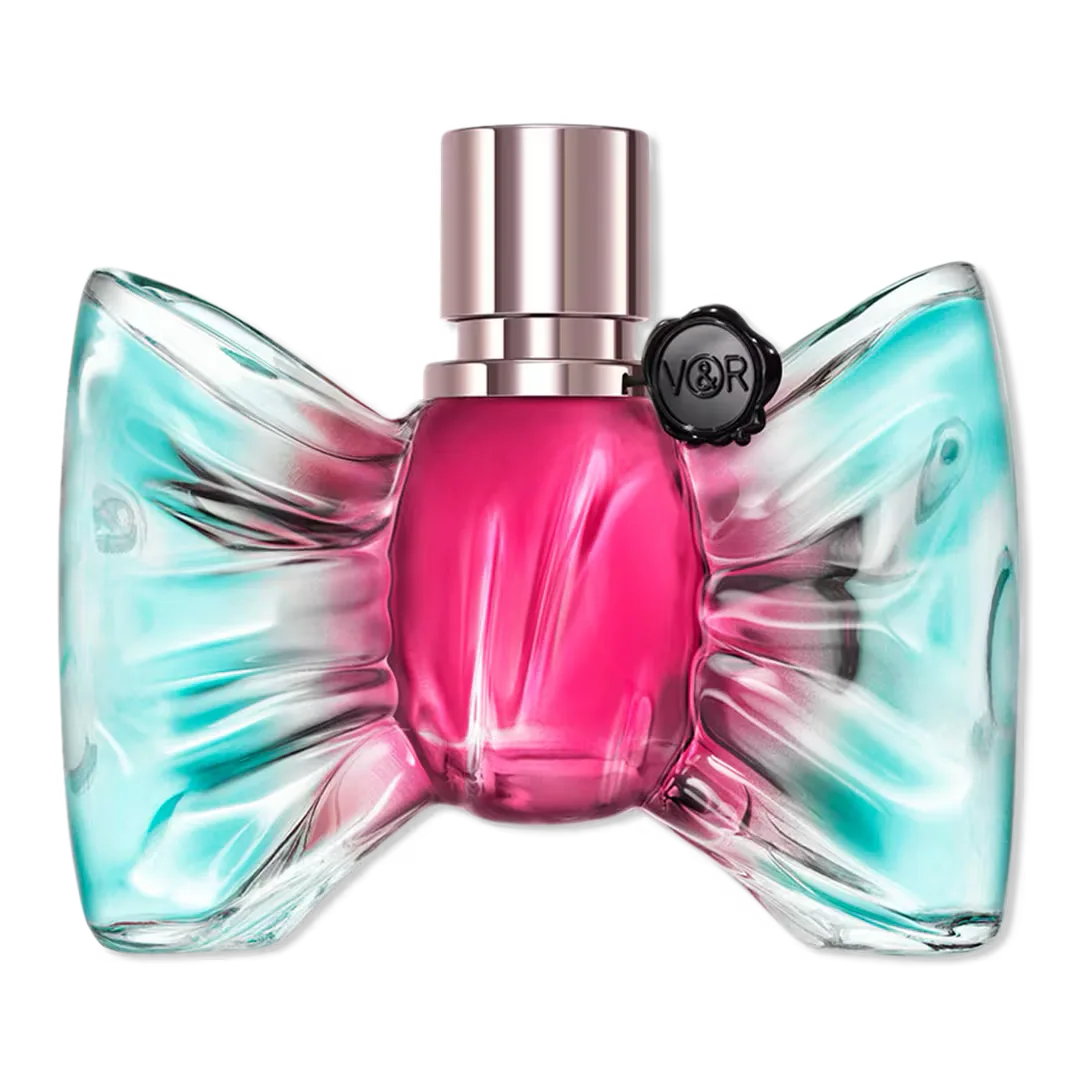
Viktor&Rolf’s Bon Bon Cola Fizz lives up to its name, with a zesty and effervescent lemon heart note surrounded by a cola accord (the top note). As it wears, the base note of white musk begins to peek through.
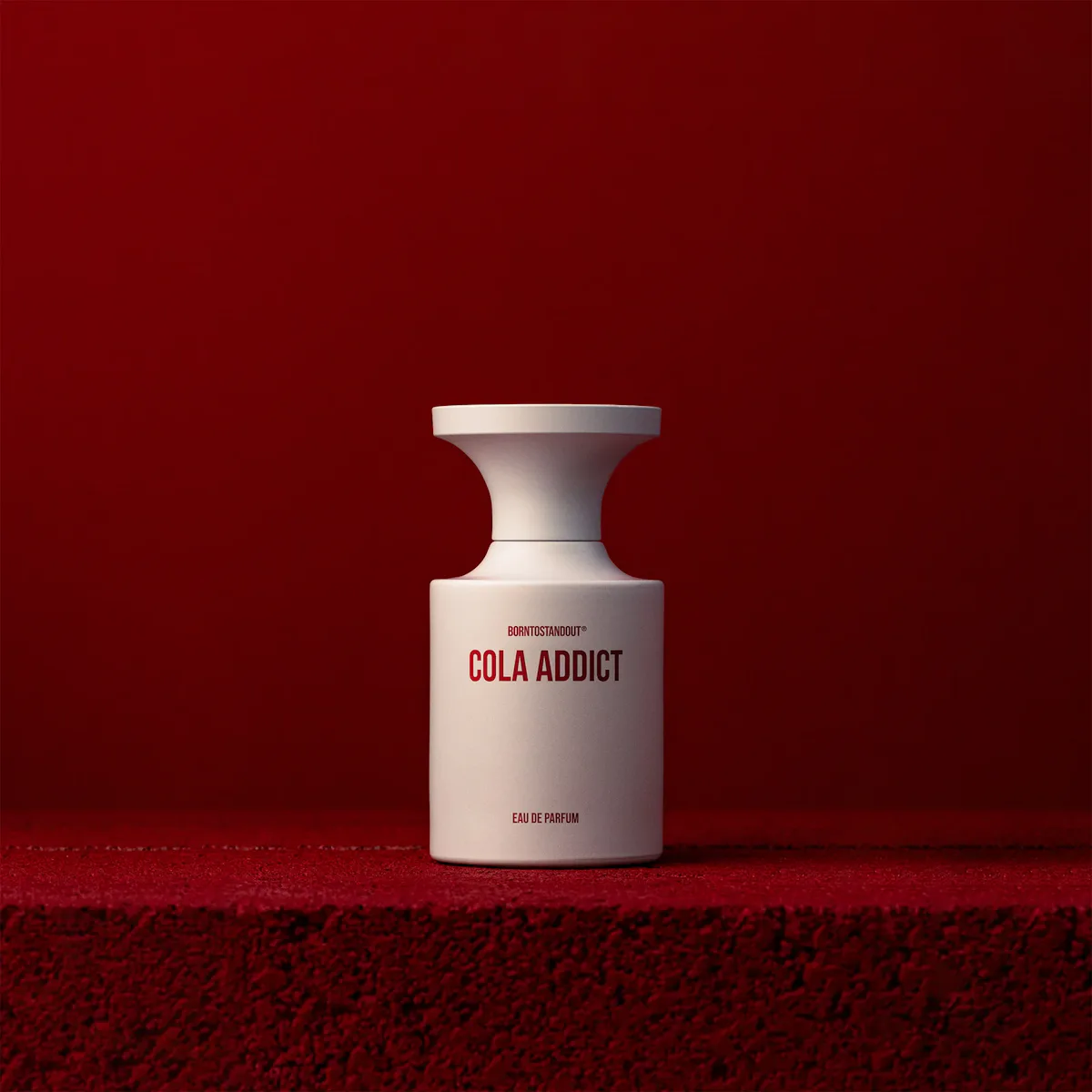
“We wanted to capture the entire life of cola, from the crack of the can to the sticky final trace left at the bottom of the glass,” Lim says of his brand’s soda-soaked fragrance. The scent opens with notes of citrus, ginger, and cinnamon before it moves toward rum and caffeine. “As the fizz disappears, everything becomes thicker and more intimate,” says Lim, via vanilla, caramel, sandalwood, and moss.
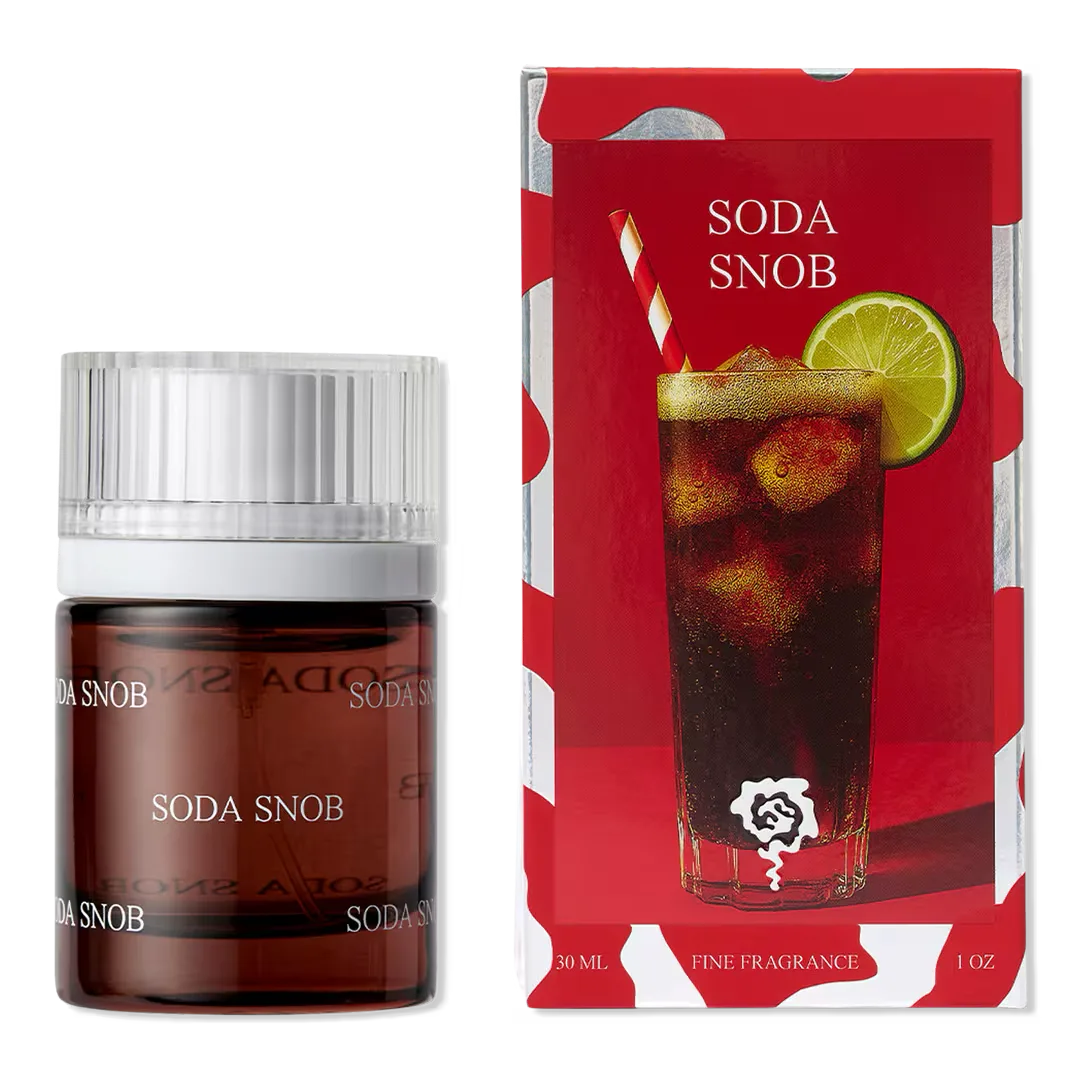
If your goal is “just pressed the button on the soda machine at the movie theater” levels of hyperrealistic cola, Snif’s Soda Snob is for you: It opens with a burst of lime, cola accord, and fresh spices before drying down to a warm cinnamon. Other notes include jasmine, caramel, and vanilla.
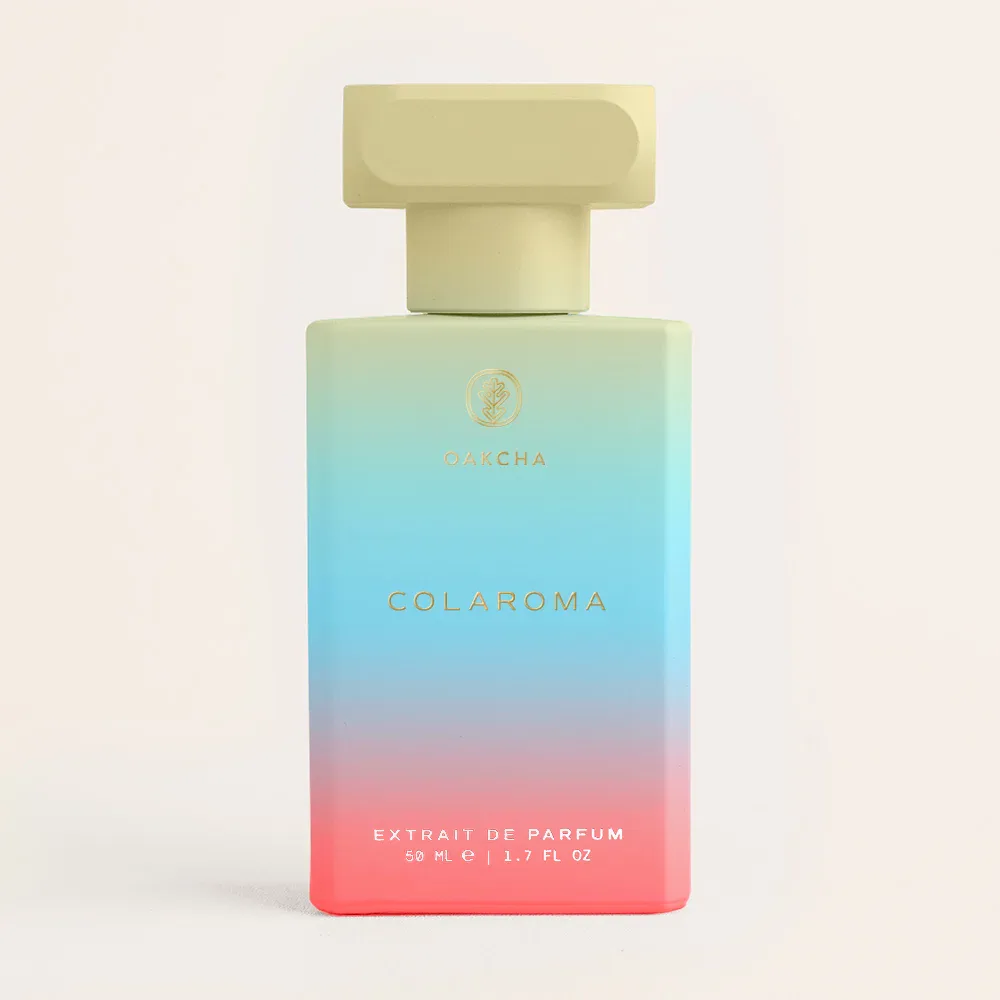
Oakcha’s Colaroma leans into the spicier aspects of the cola profile; while lemon and lime are among the top notes, the cinnamon, nutmeg, and clove at the heart are the real stars of the show. As it dries down, the sandalwood and amber base notes really come through.
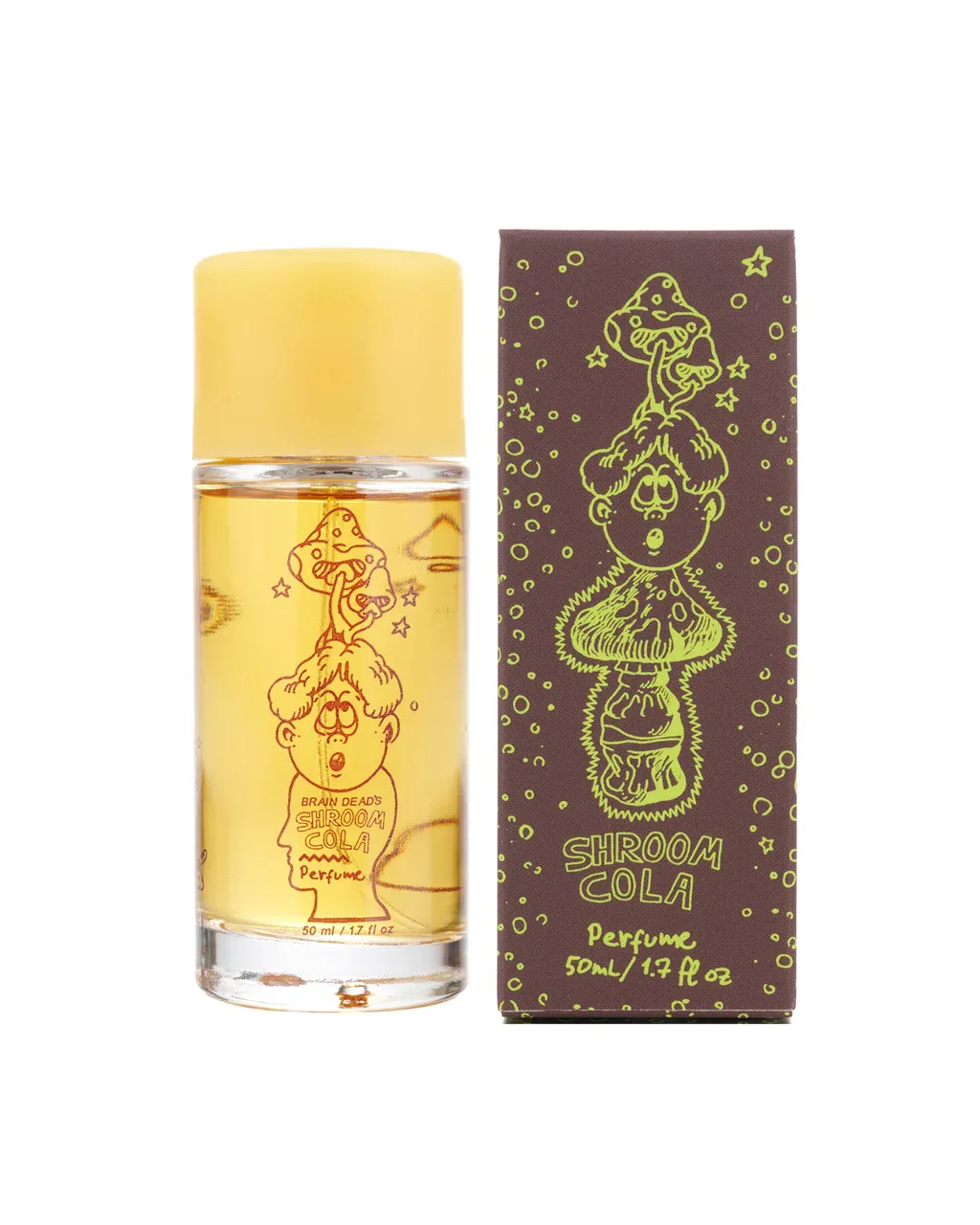
Brain Dead’s Shroom Cola pairs its cola accord not with the usual spices and citruses (though neroli does make an appearance), but instead complements it with earthy notes of hinoki, tobacco leaf, and mushroom. The resulting fragrance makes a strong, unexpected impression; like… sipping on a soda in the middle of a forest.
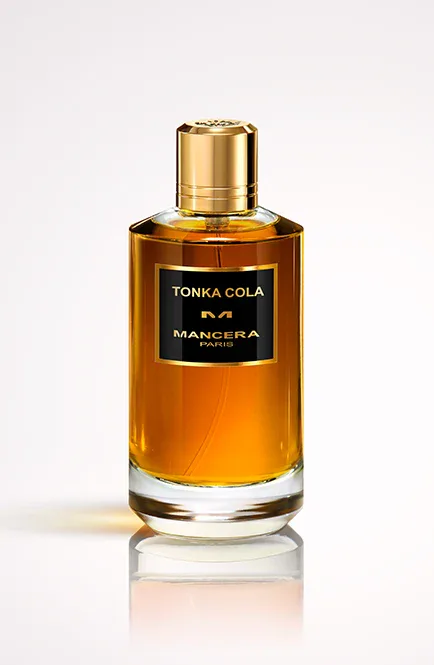
Imagine you popped open a can of cherry cola, returned to it hours later, and found that somehow, miraculously, it hadn’t gone flat. That’s the energy Mancera’s Tonka Cola provides, thanks to its impressive sillage and blend of black cherry, Sicilian lemon, and spicy top notes, complemented by fizzy cola at the heart and base notes including Brazilian tonka beans and powdery vanilla.
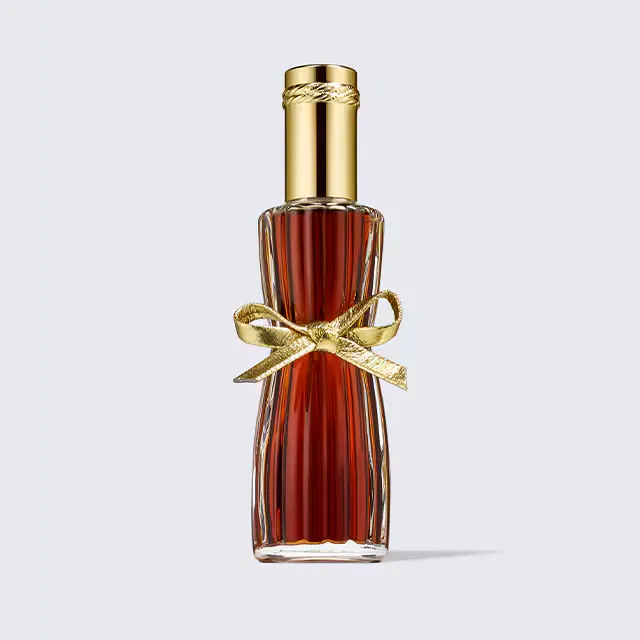
Fun fact: Estée Lauder’s Youth Dew doesn’t actually contain a cola fragrance note. But its spice-forward blend is so evocative of the drink that it’s developed a reputation among fragrance lovers as one of the earliest (it was first released in 1953) and most pre-eminent examples of the profile in an eau de parfum.
Read on the original site
Open the publisher's page for the full experience