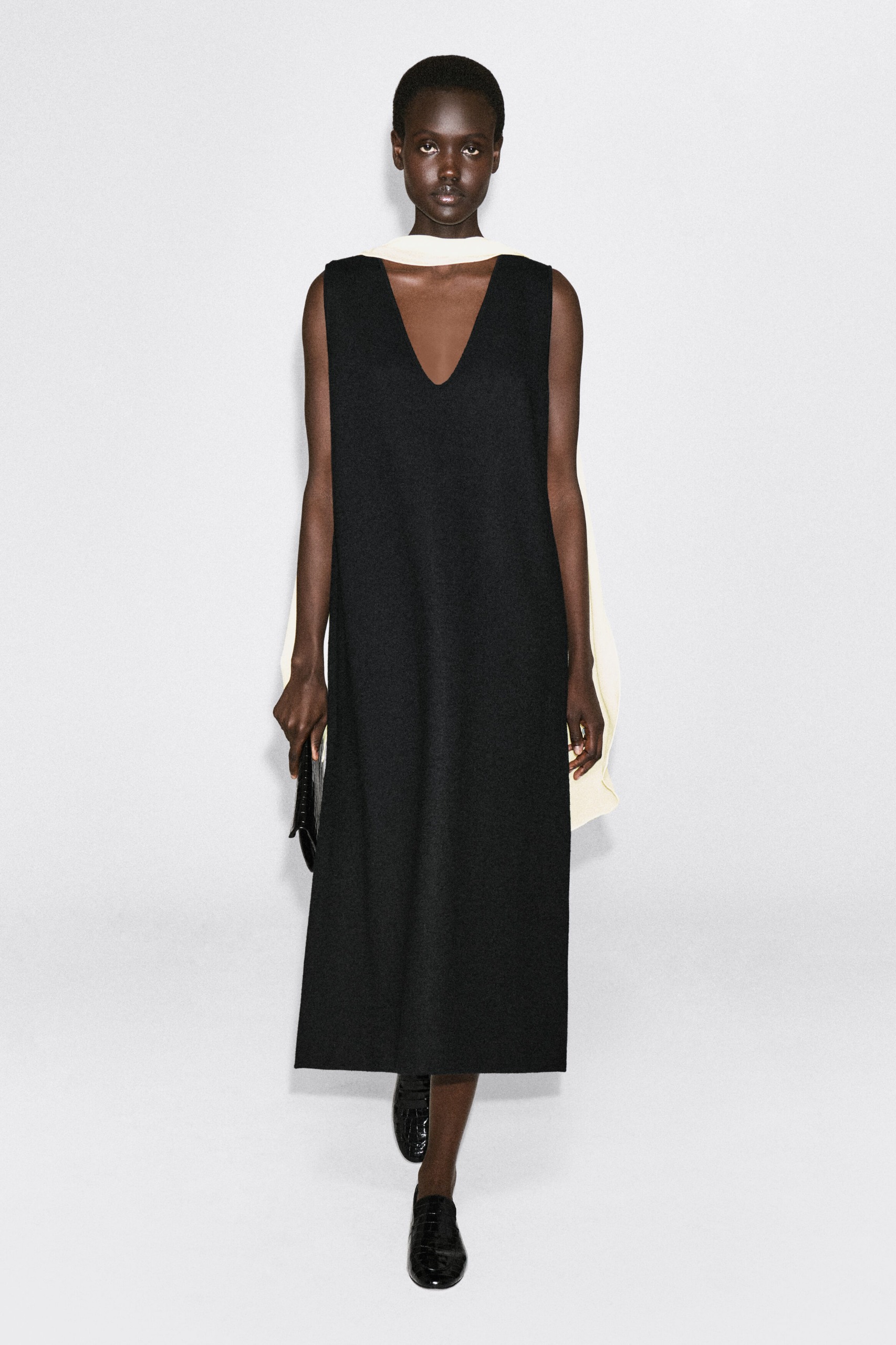
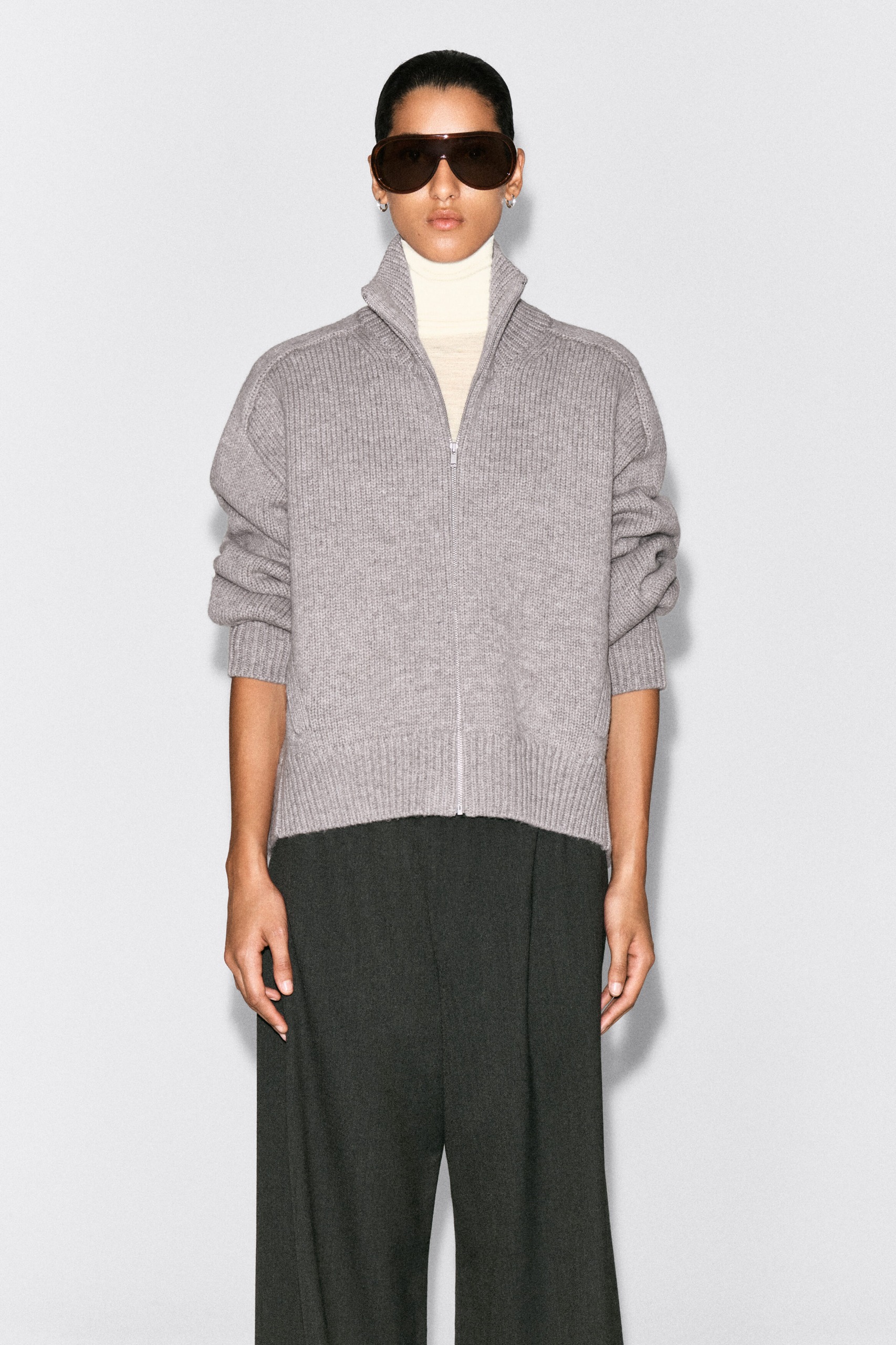
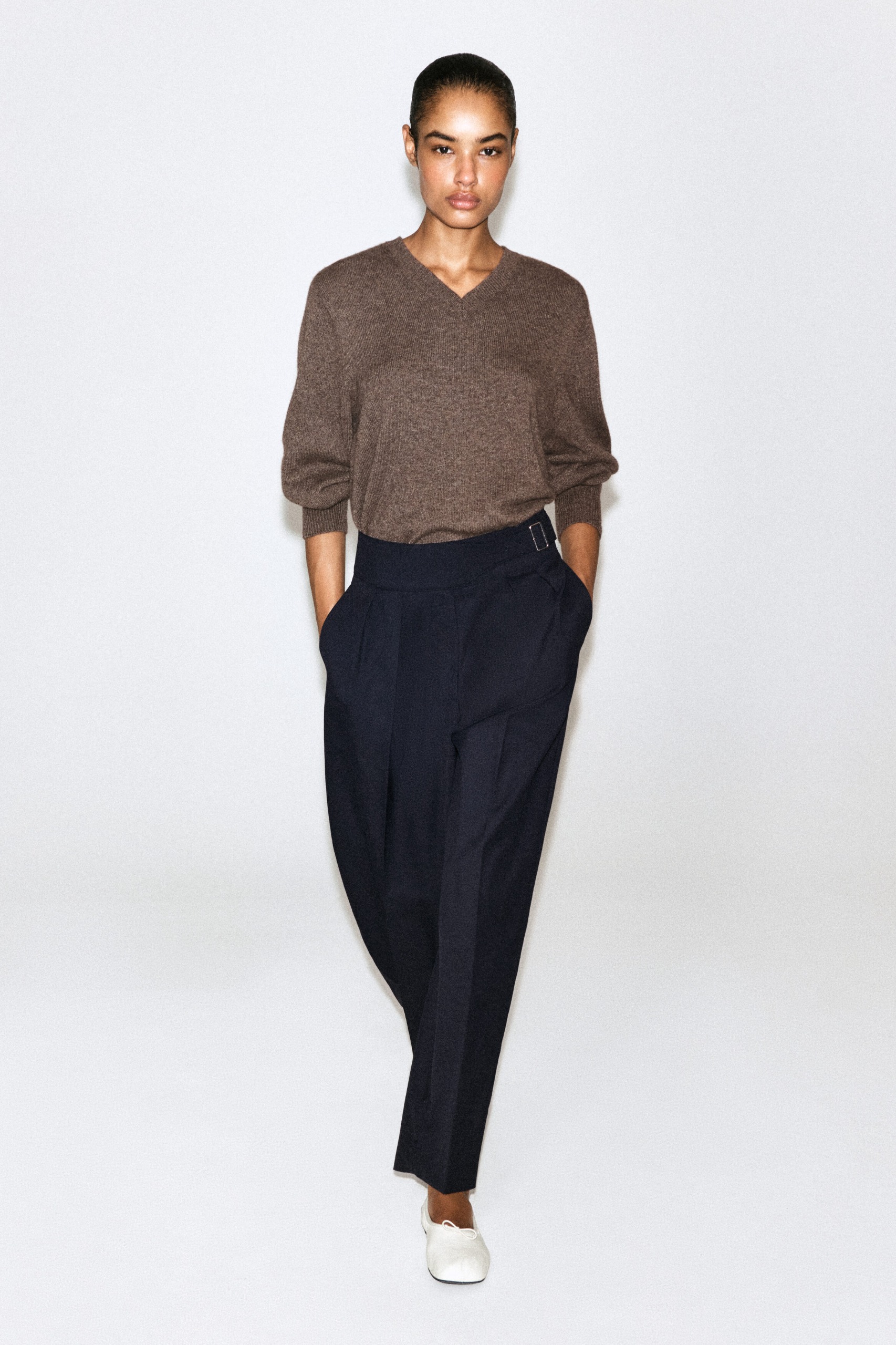
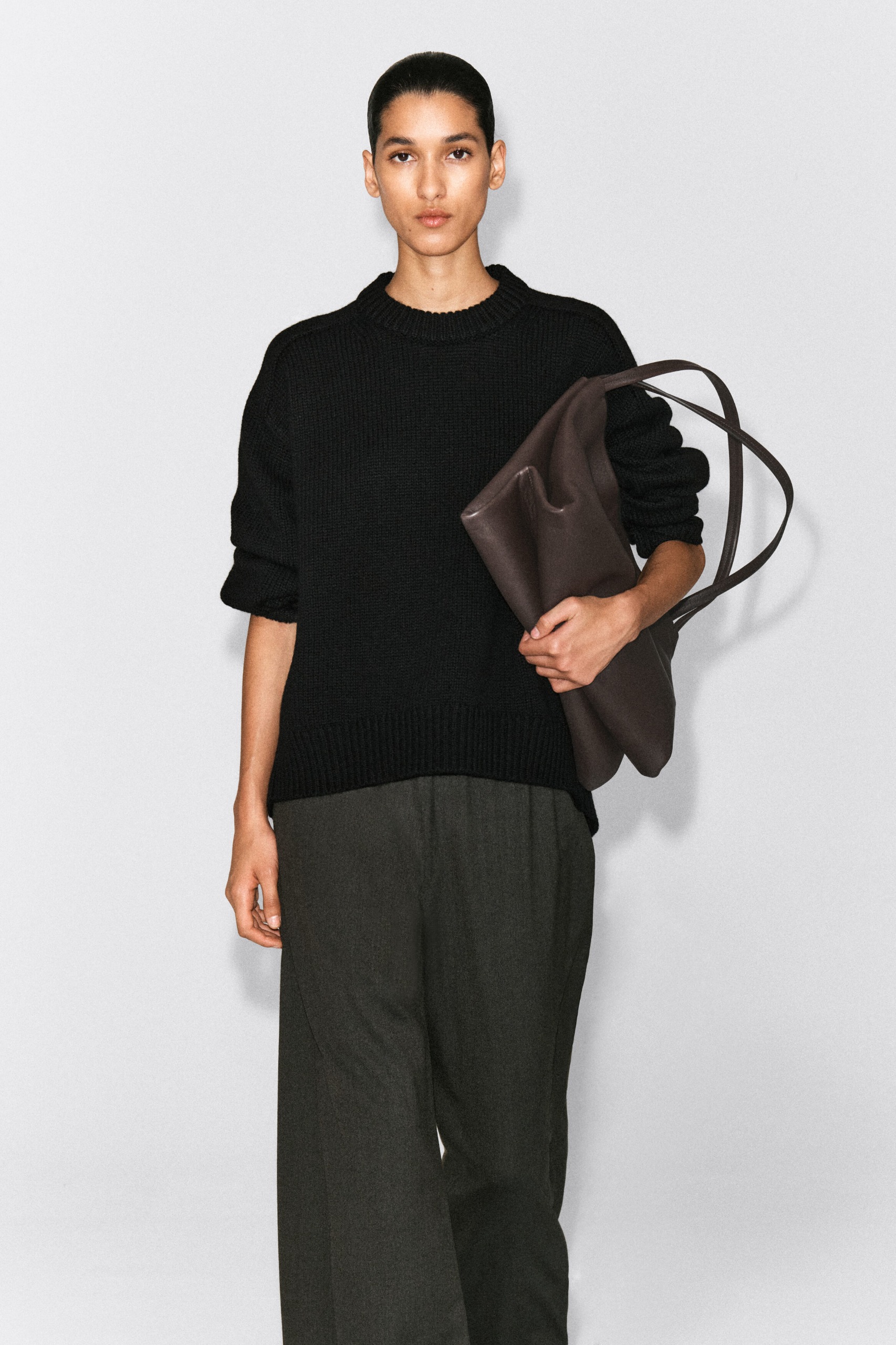
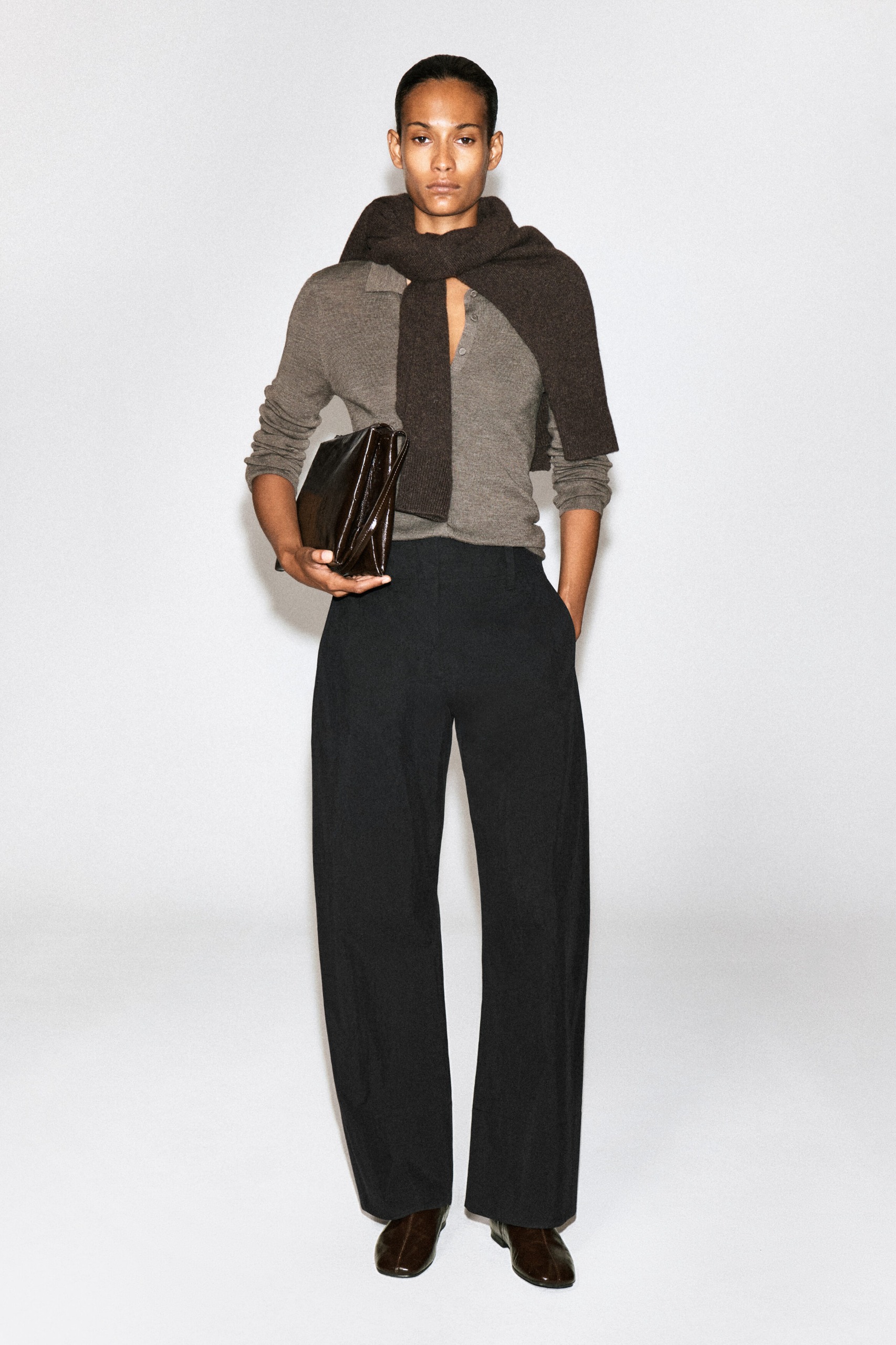
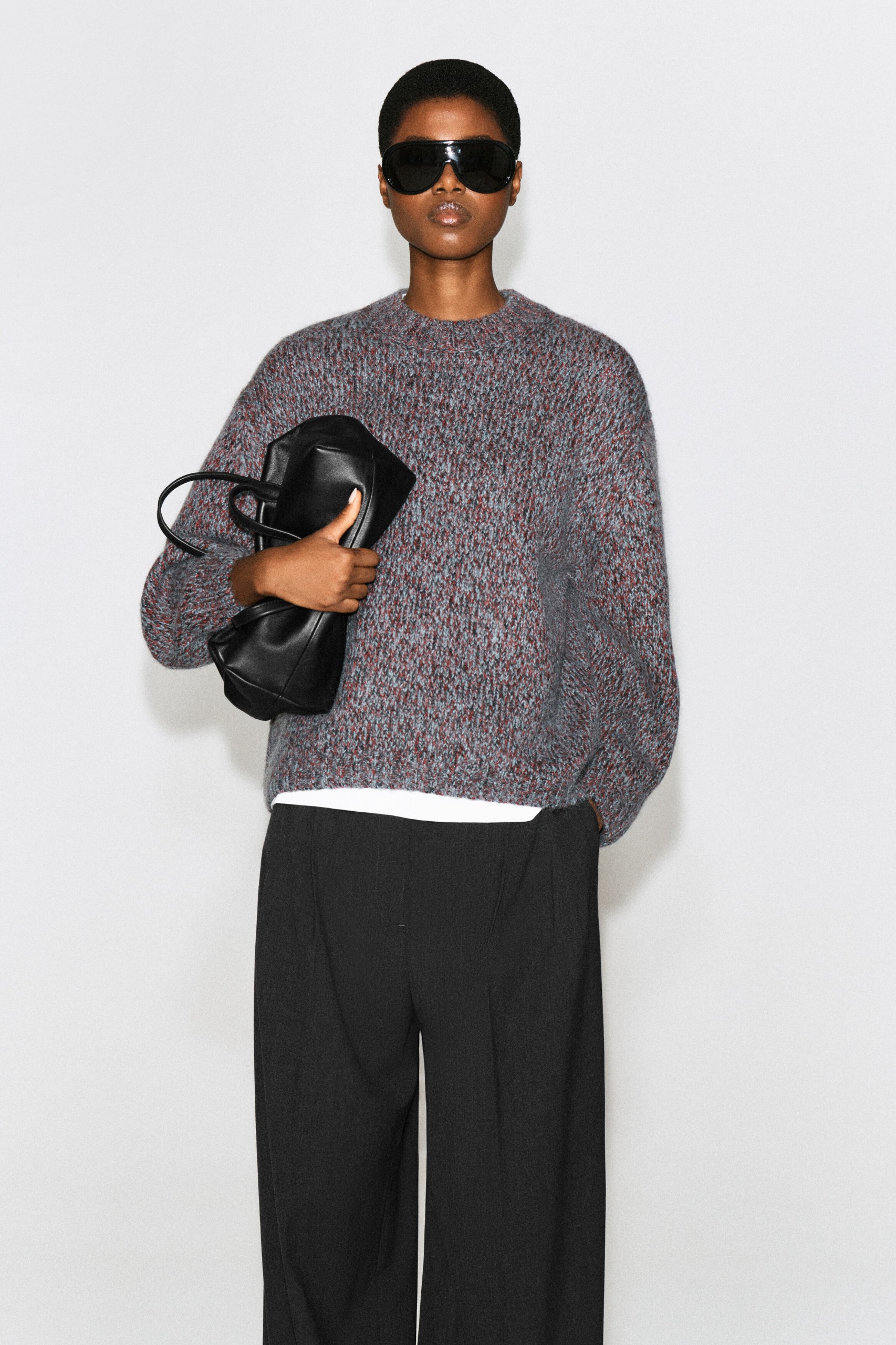
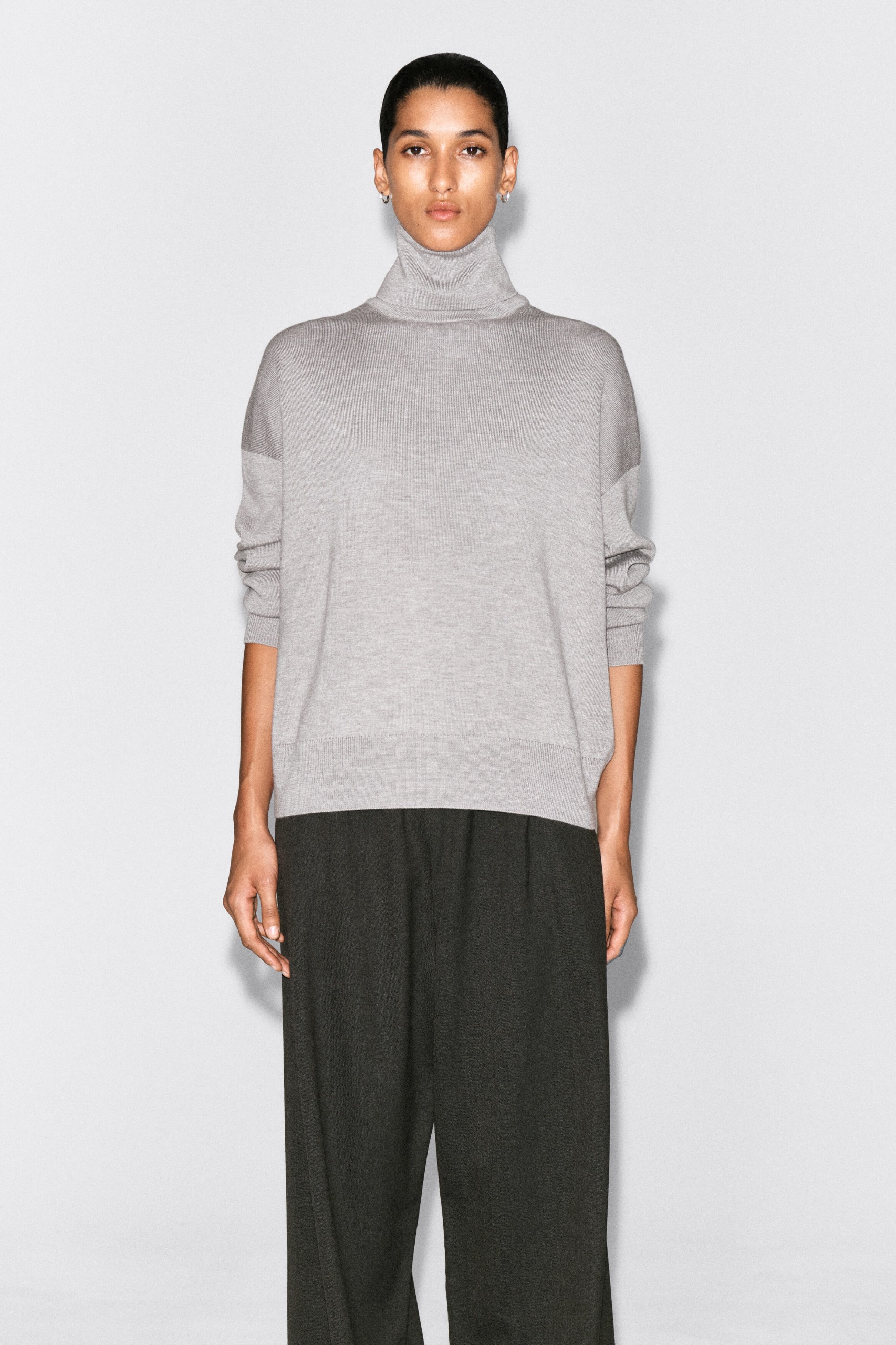
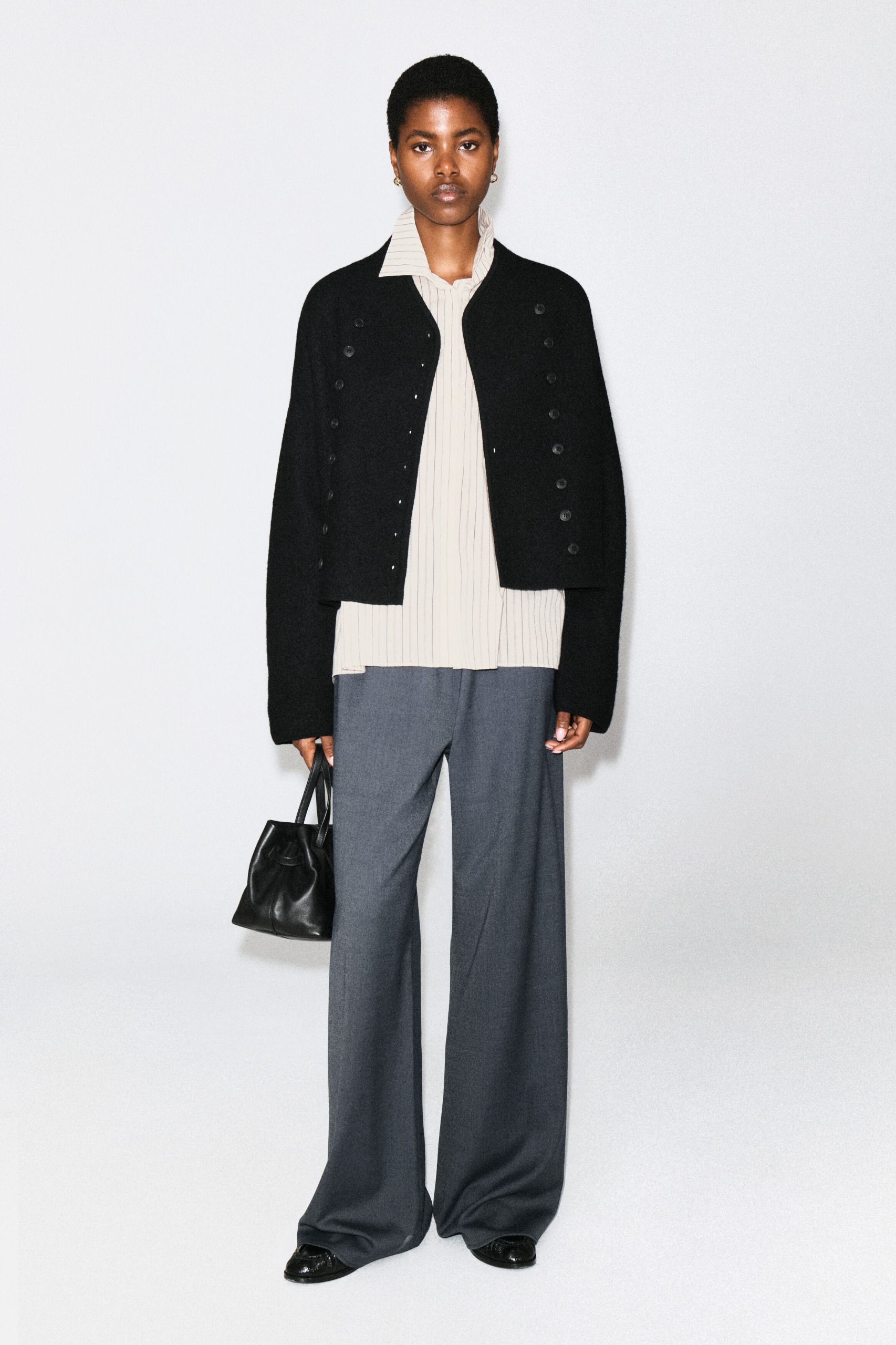
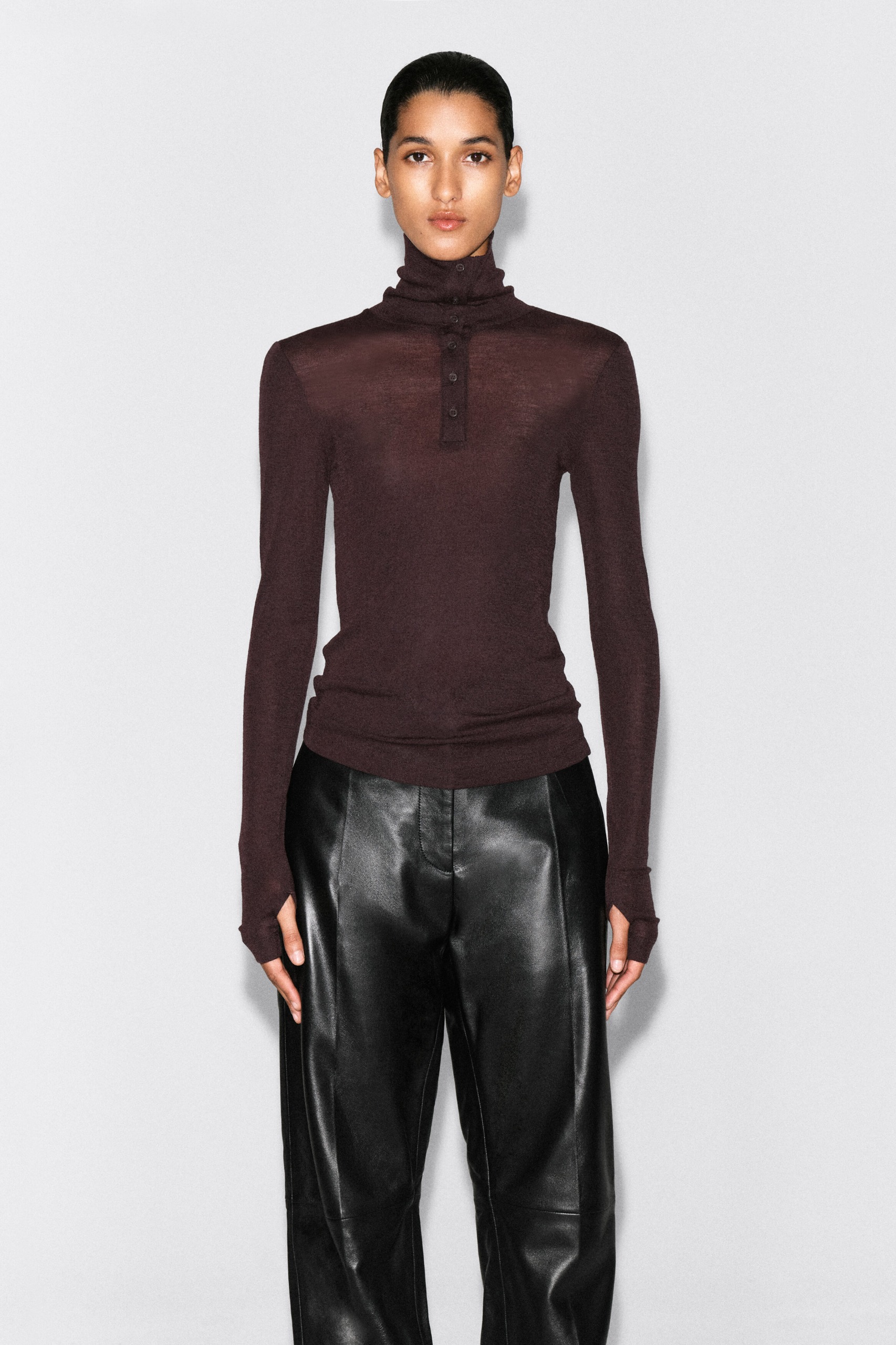
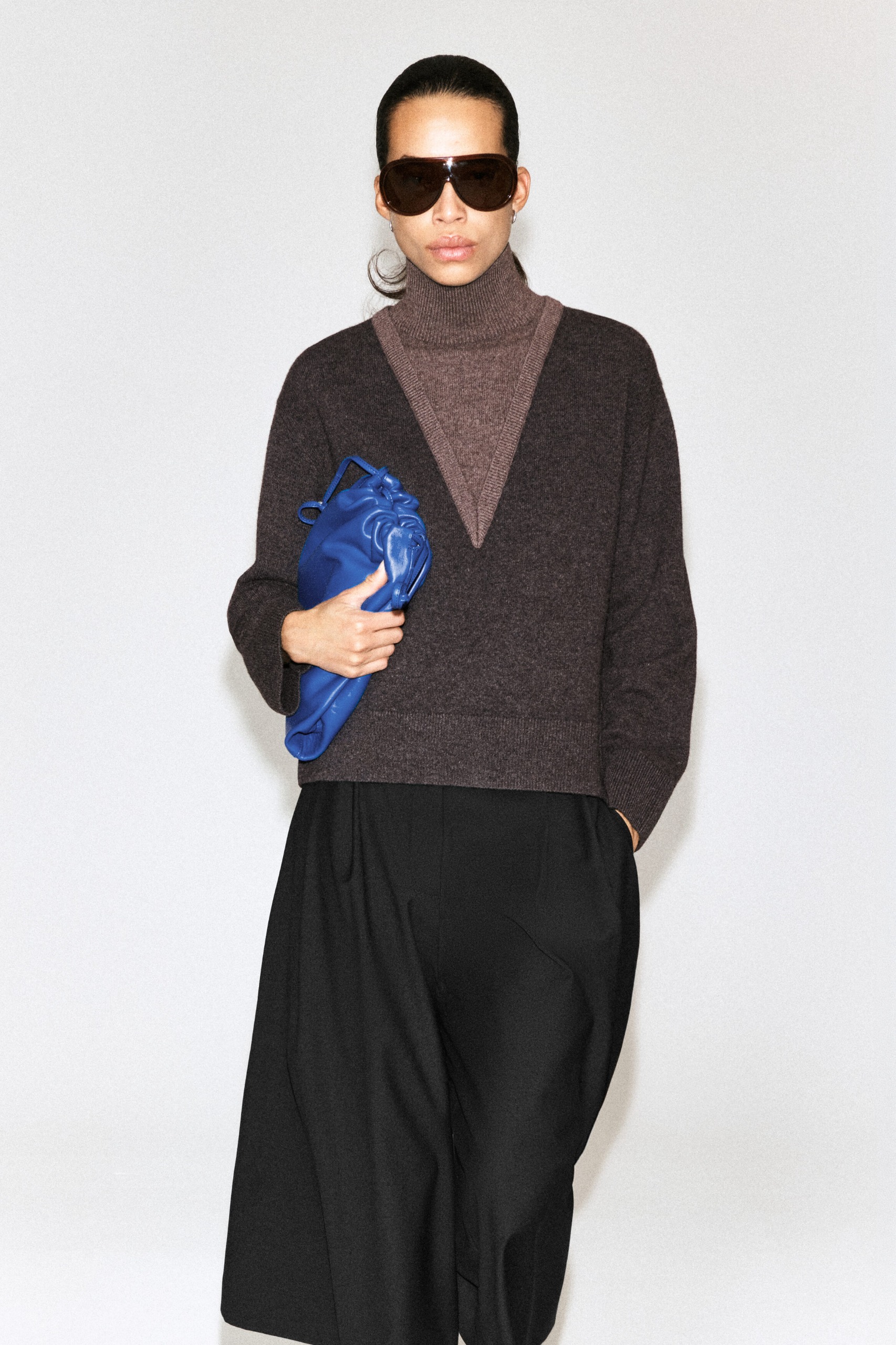
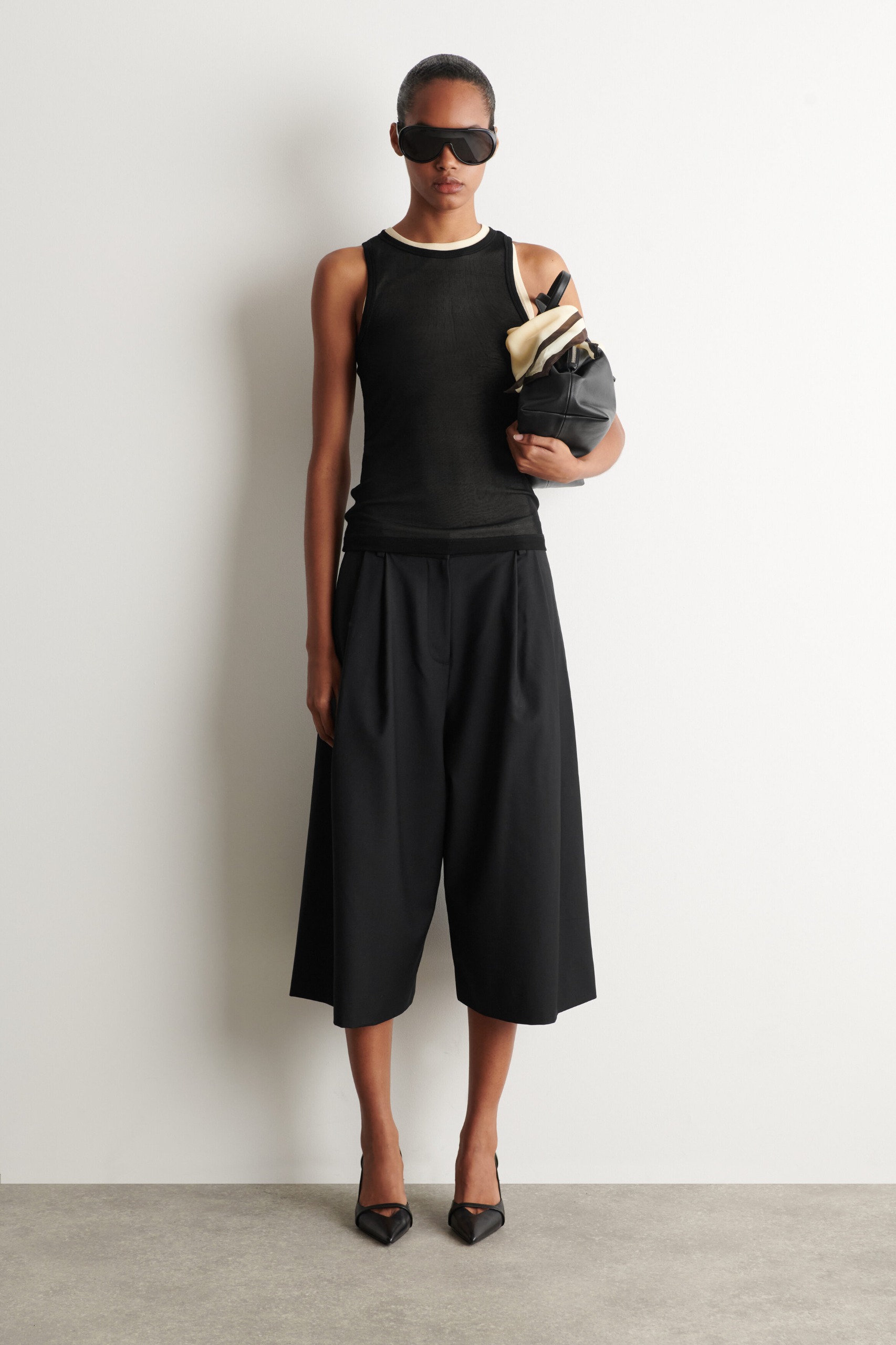
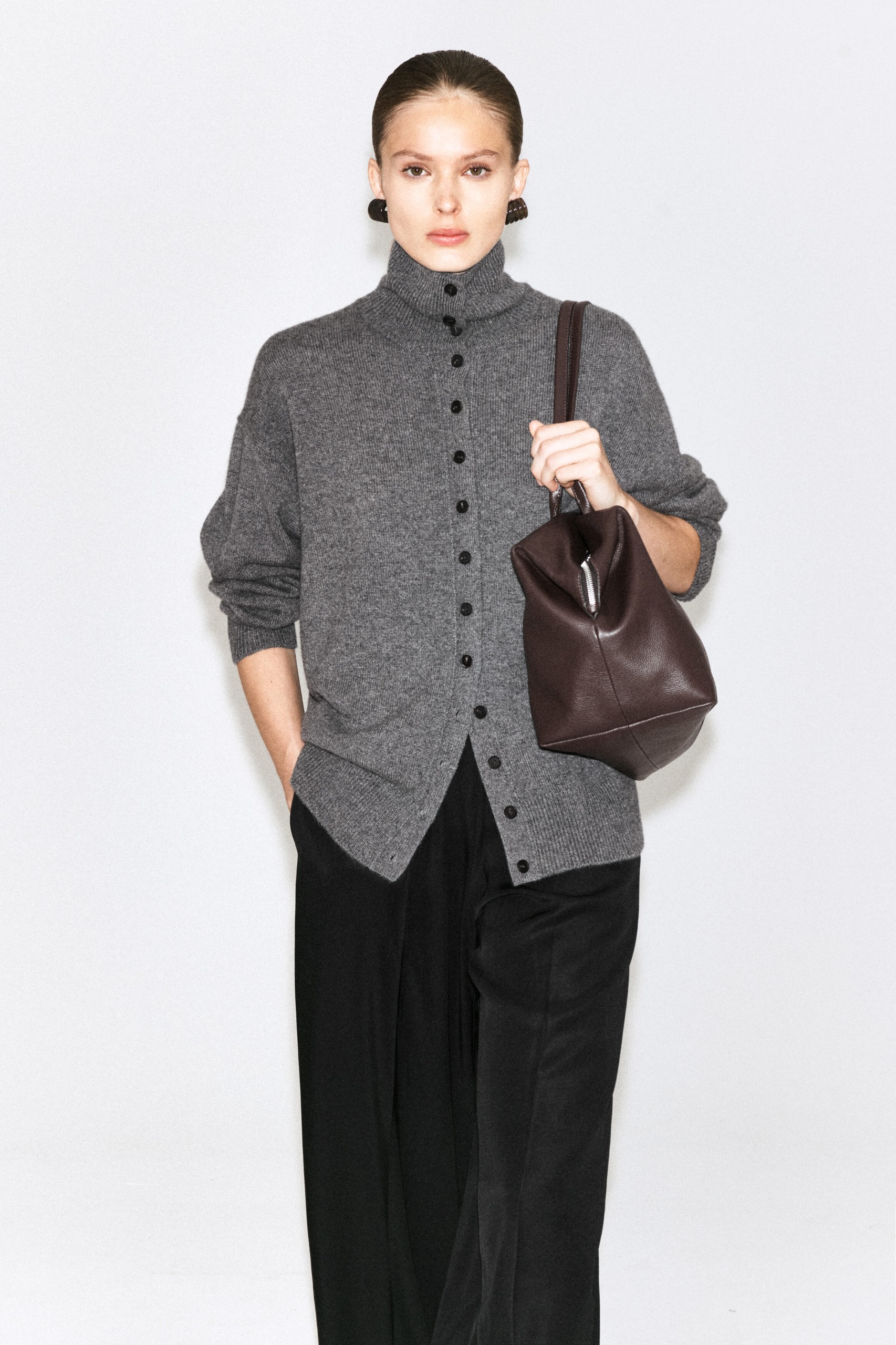
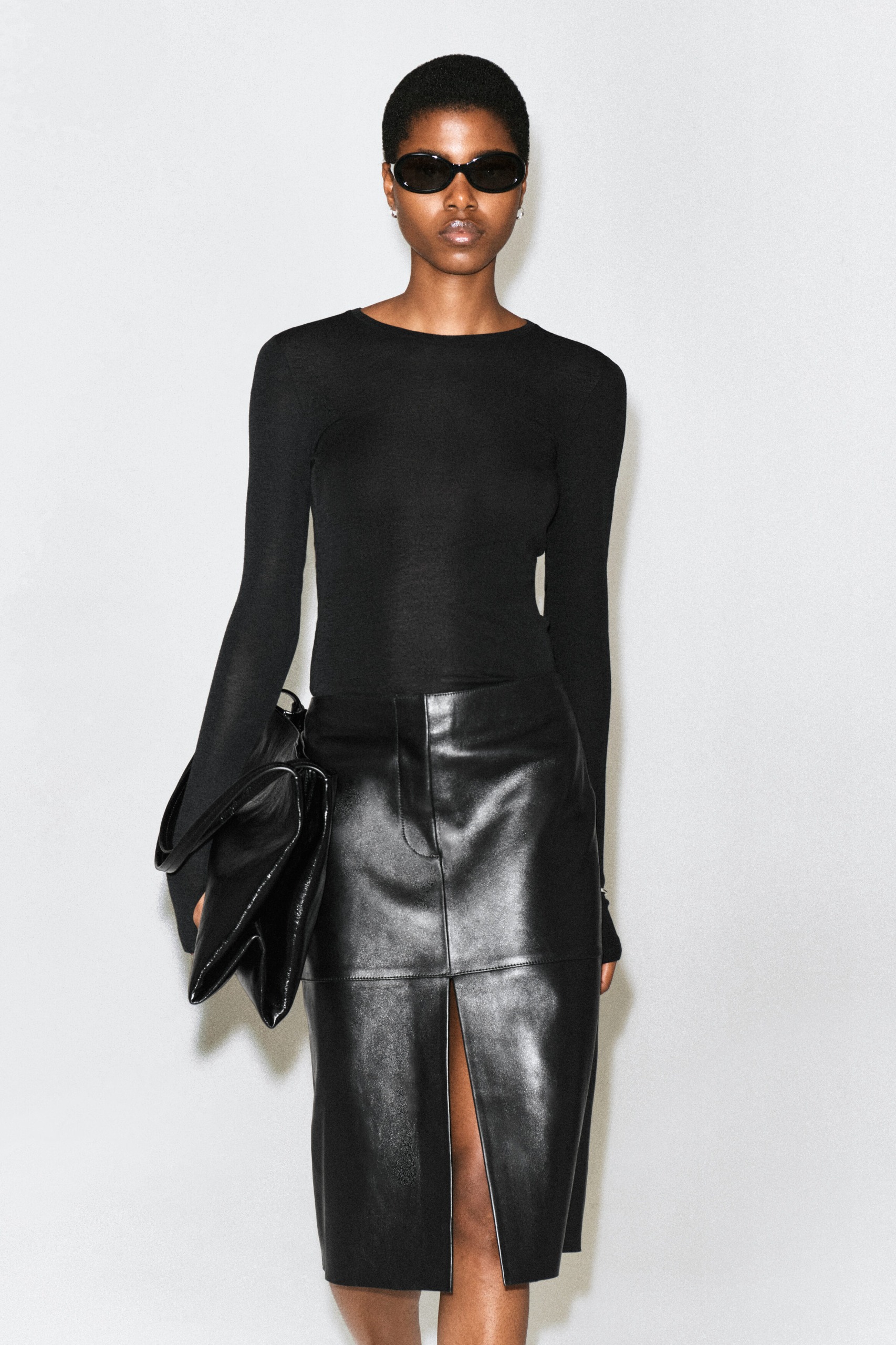
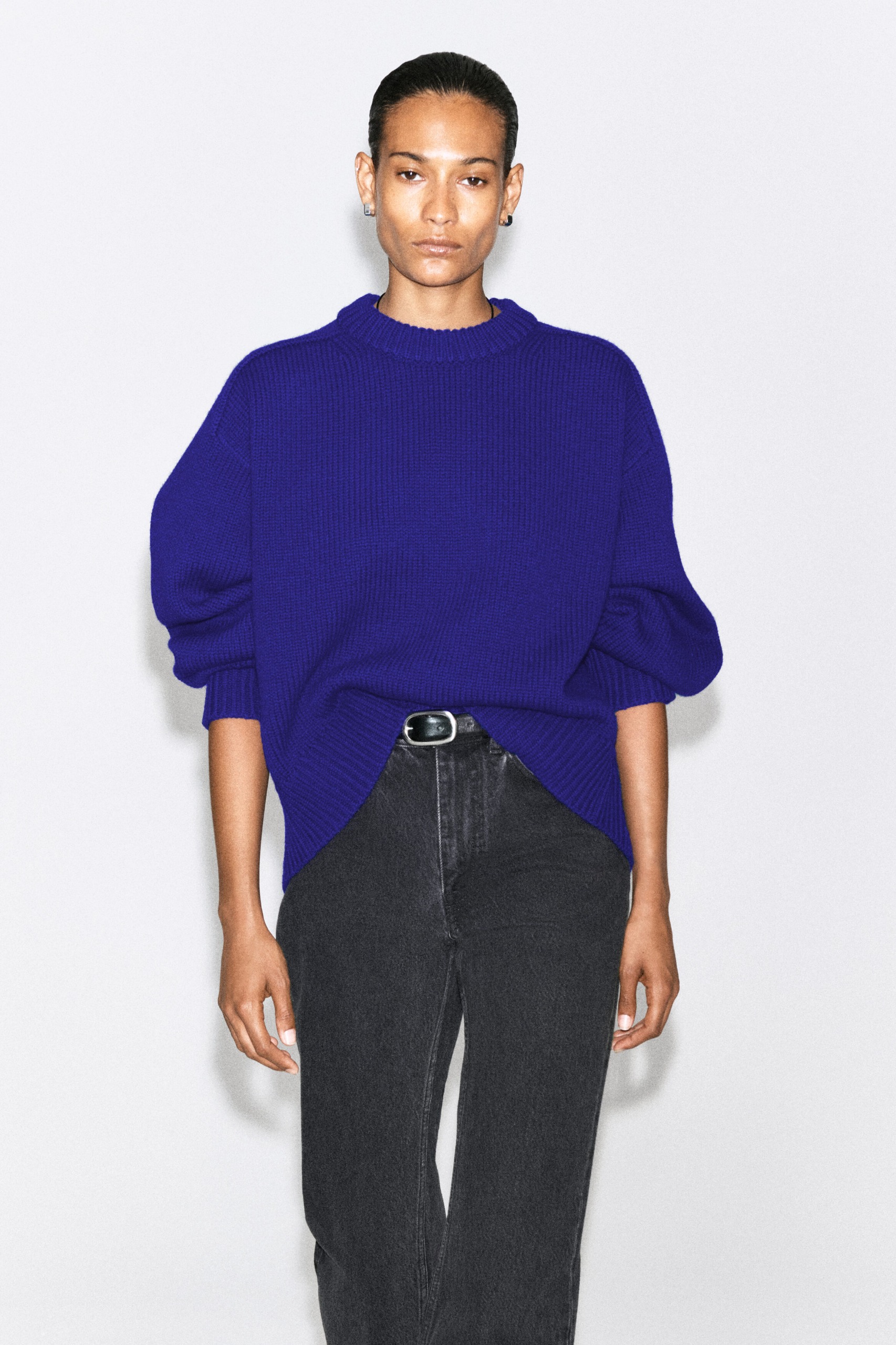
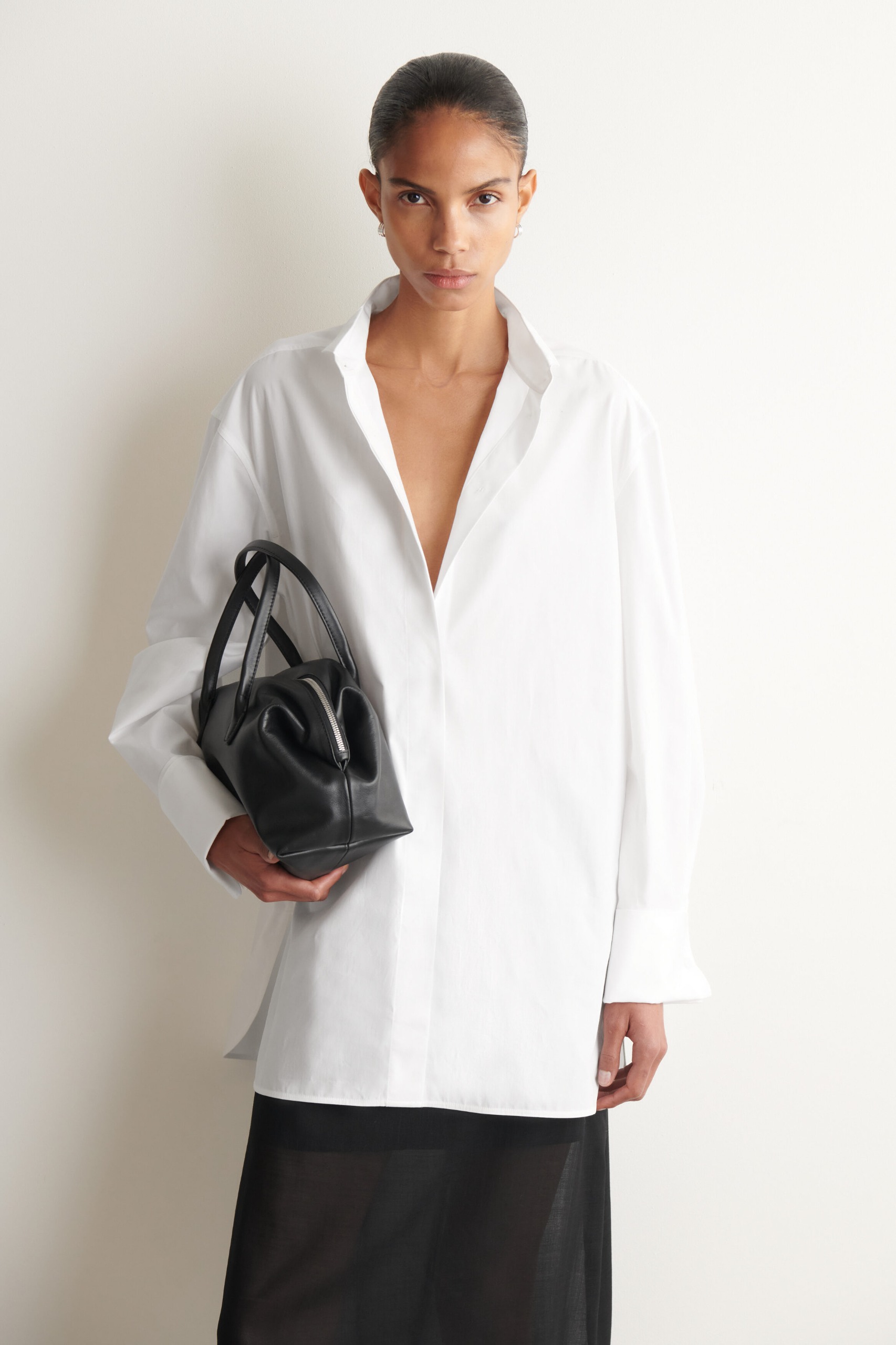
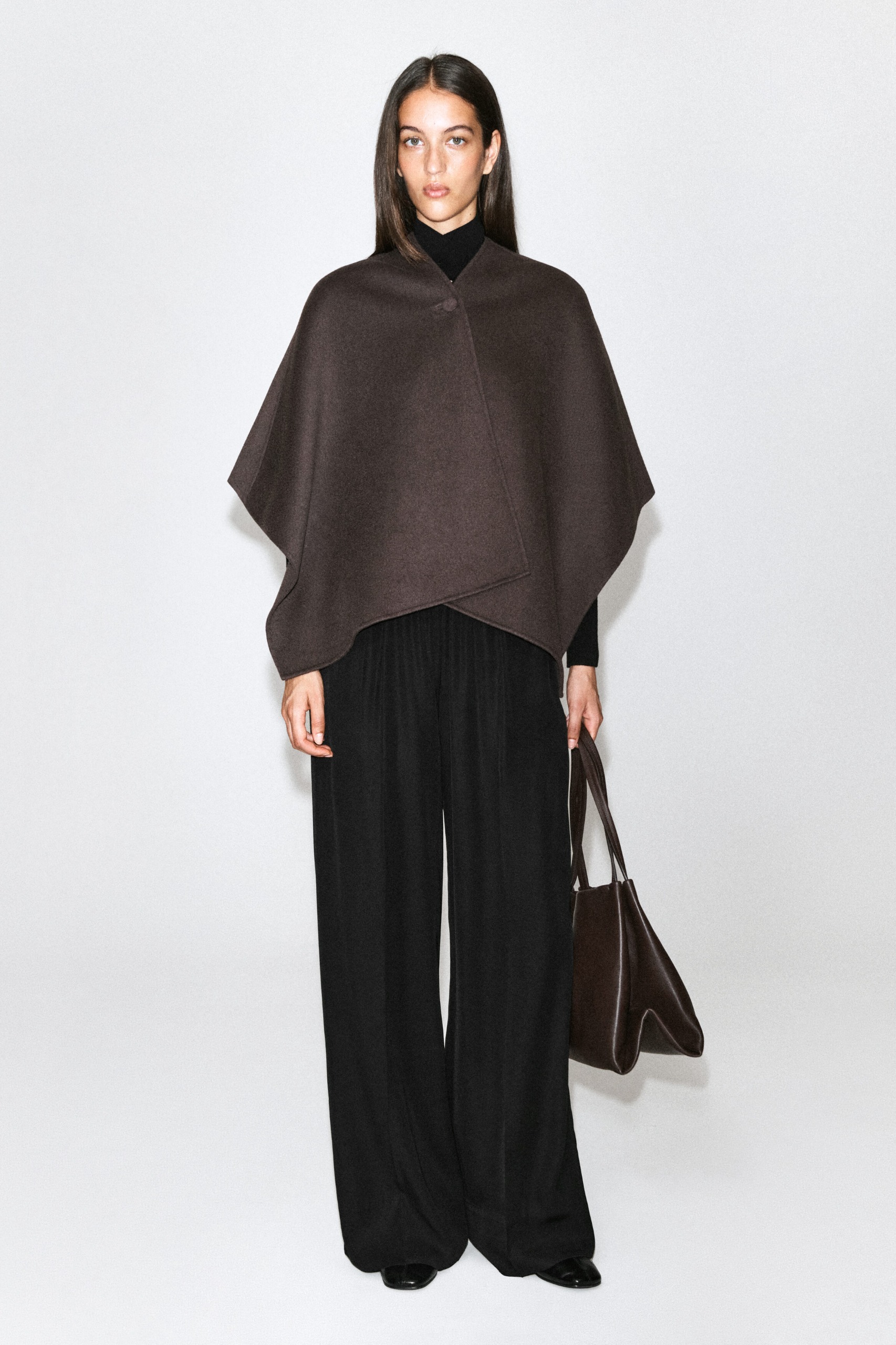
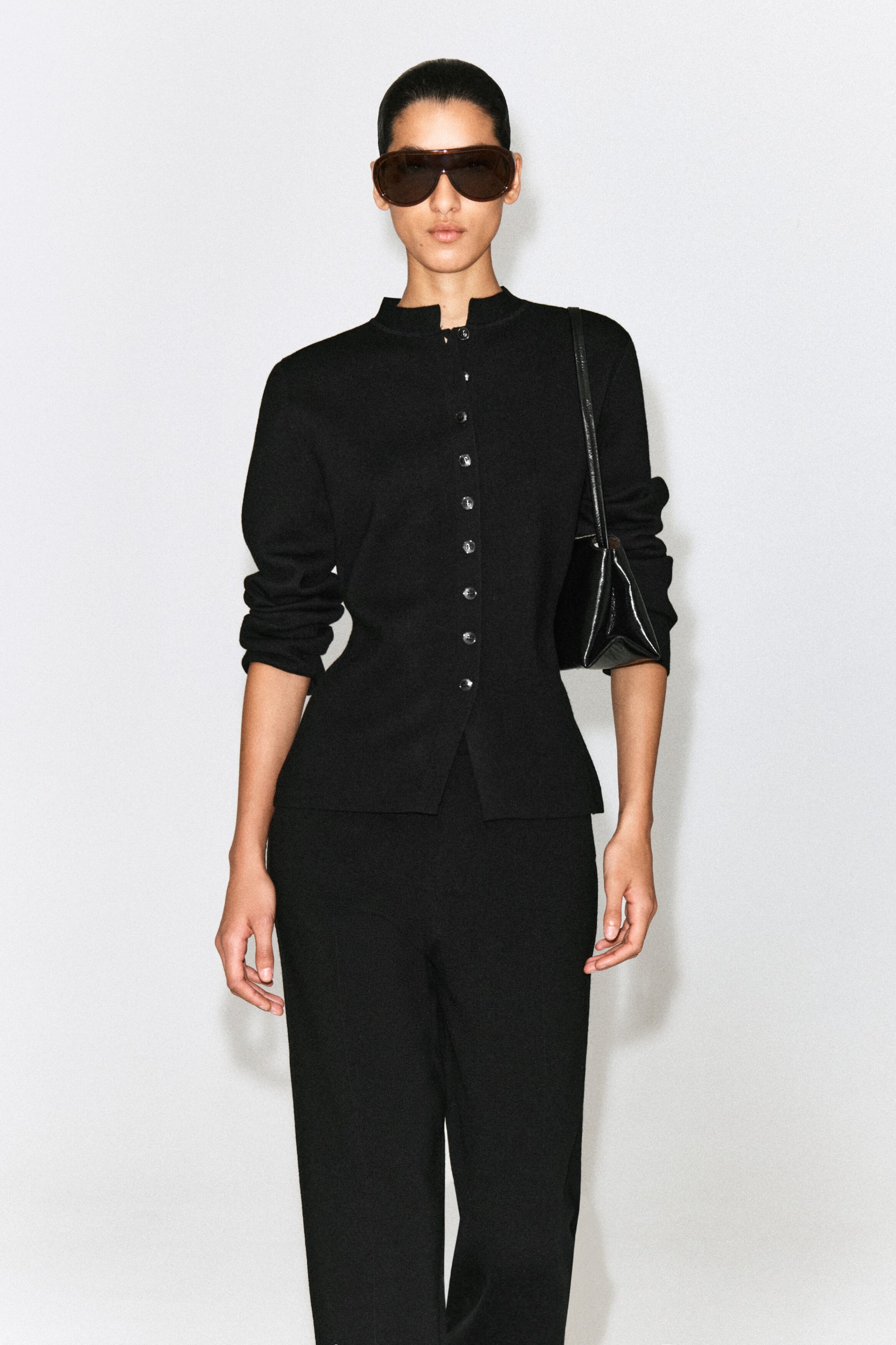
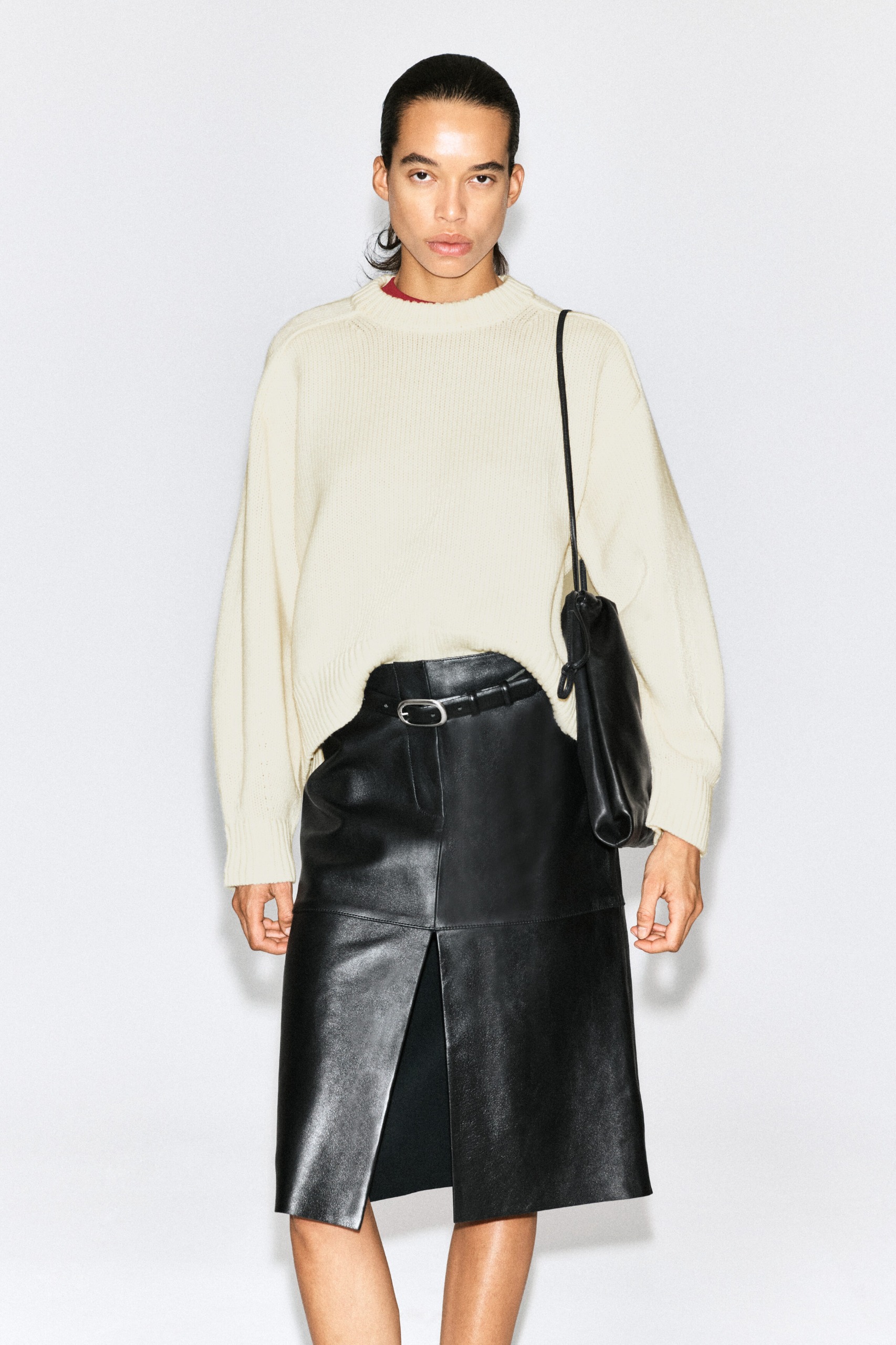
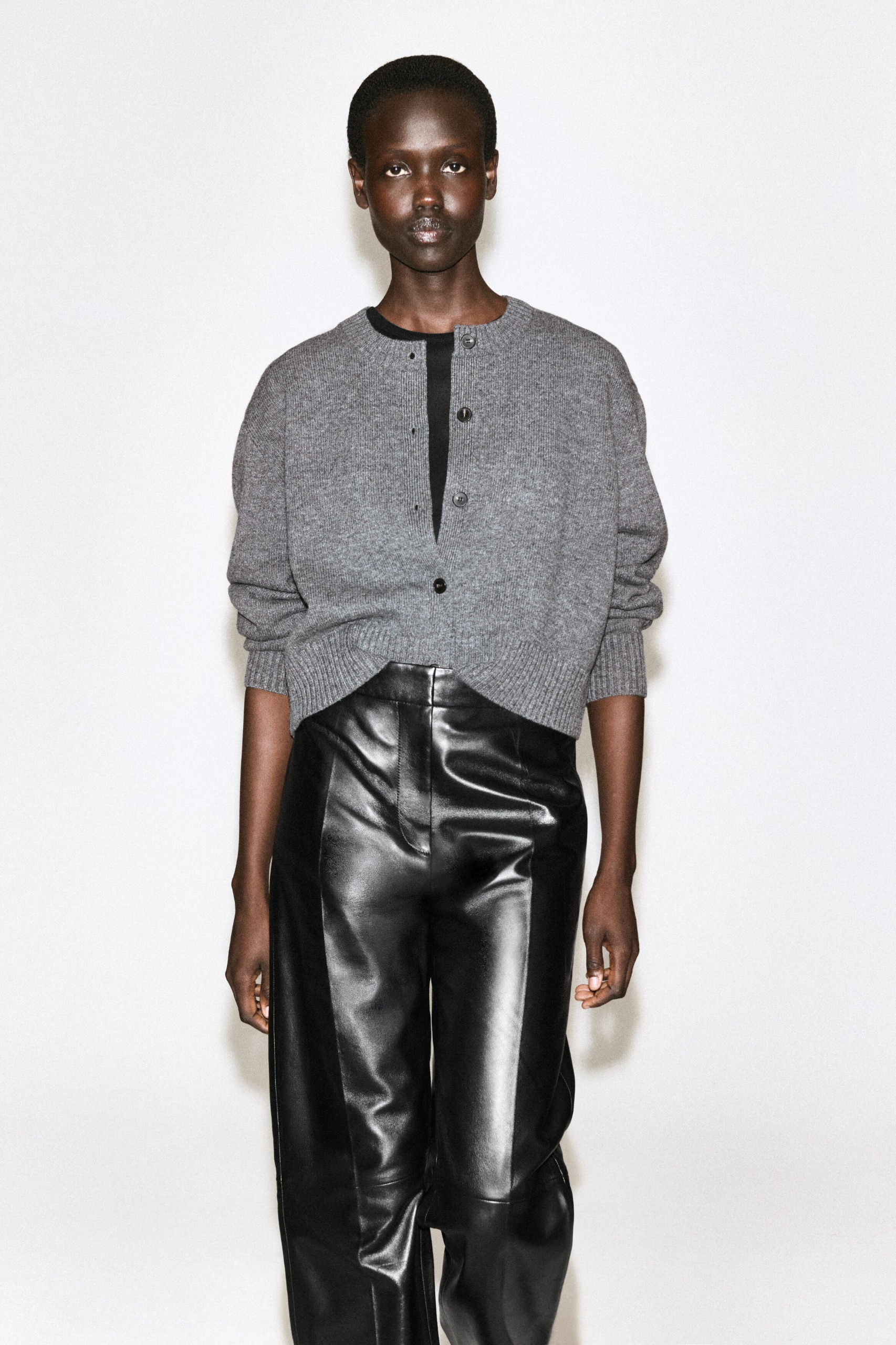
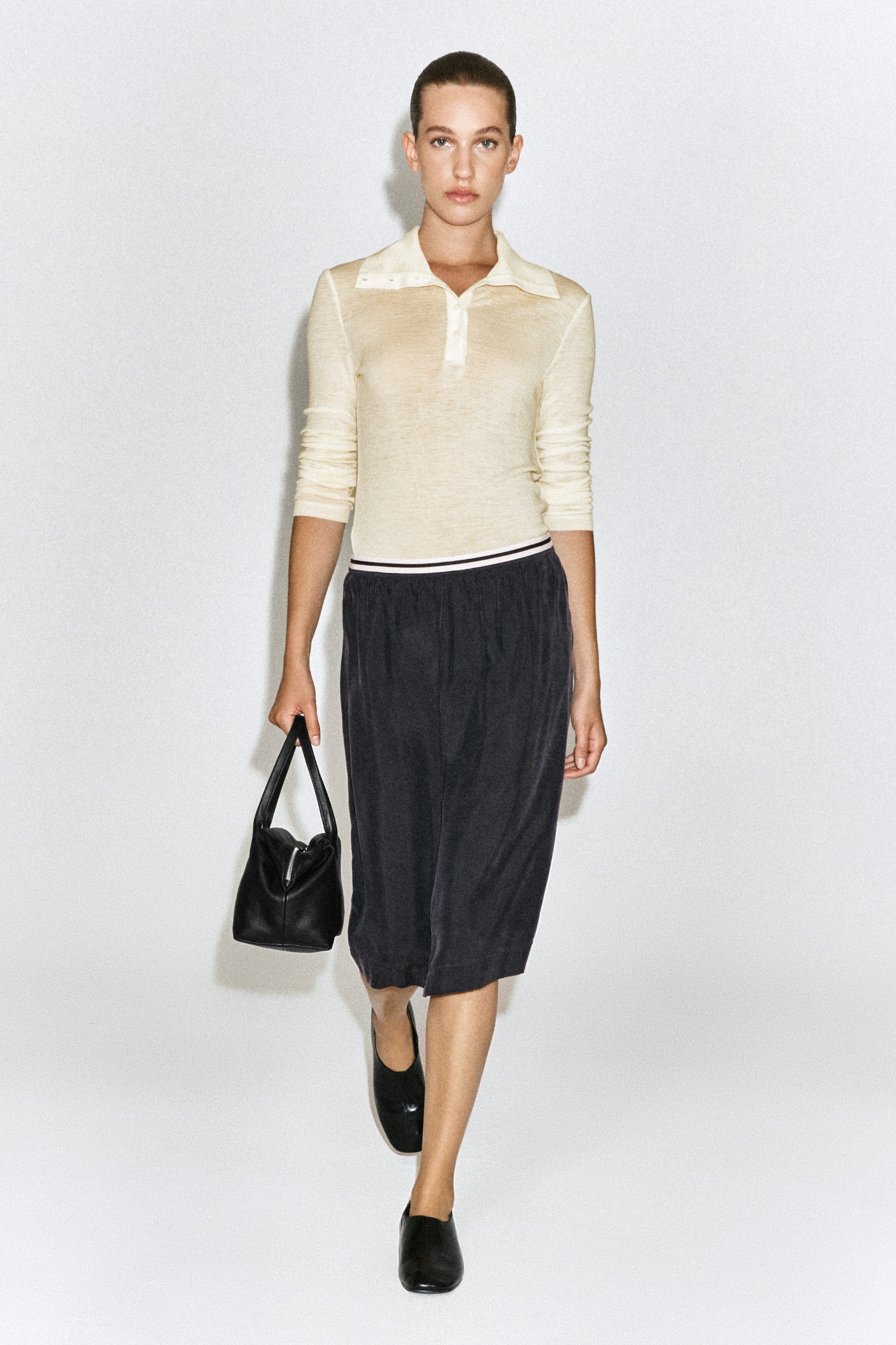
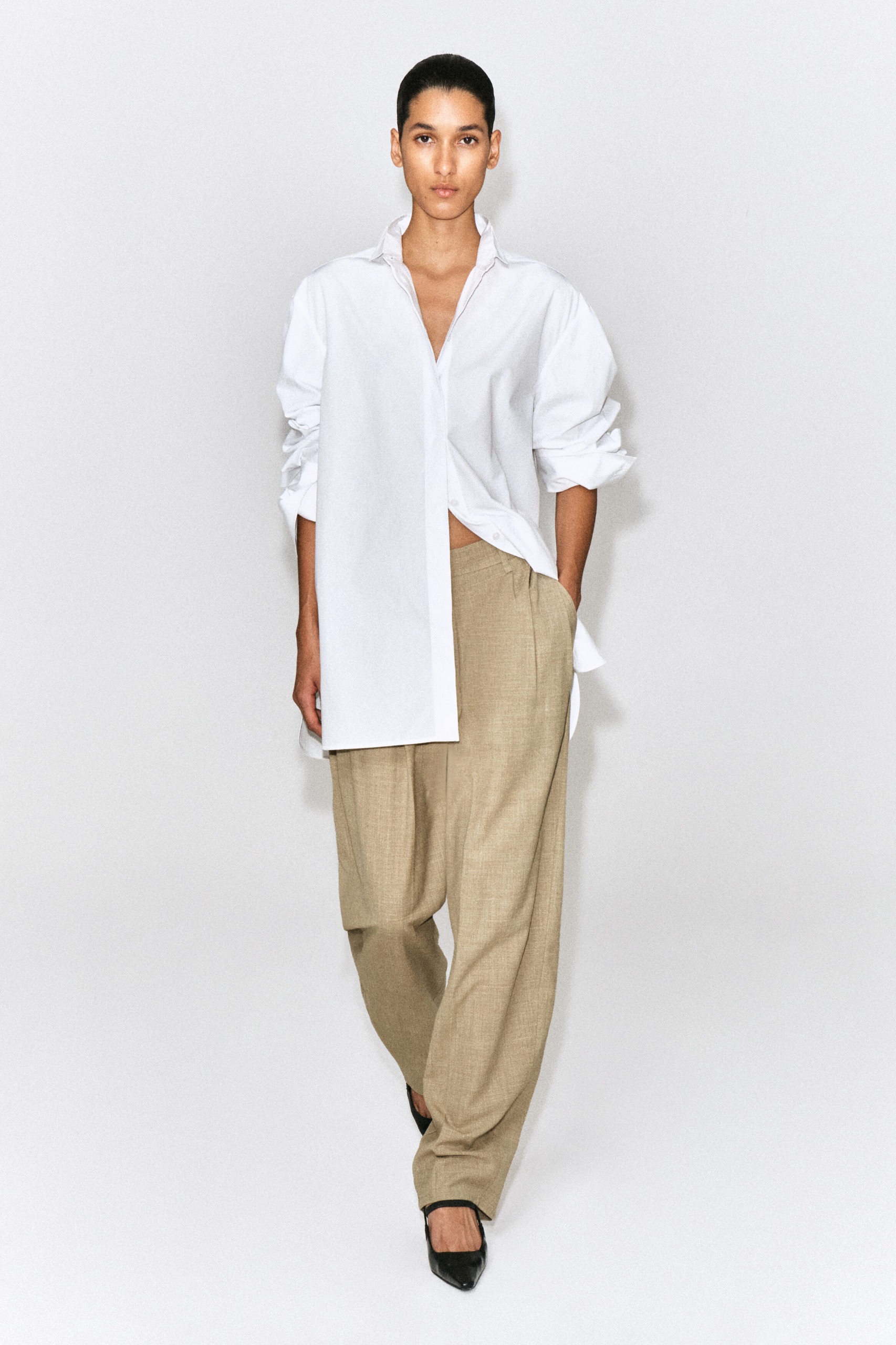
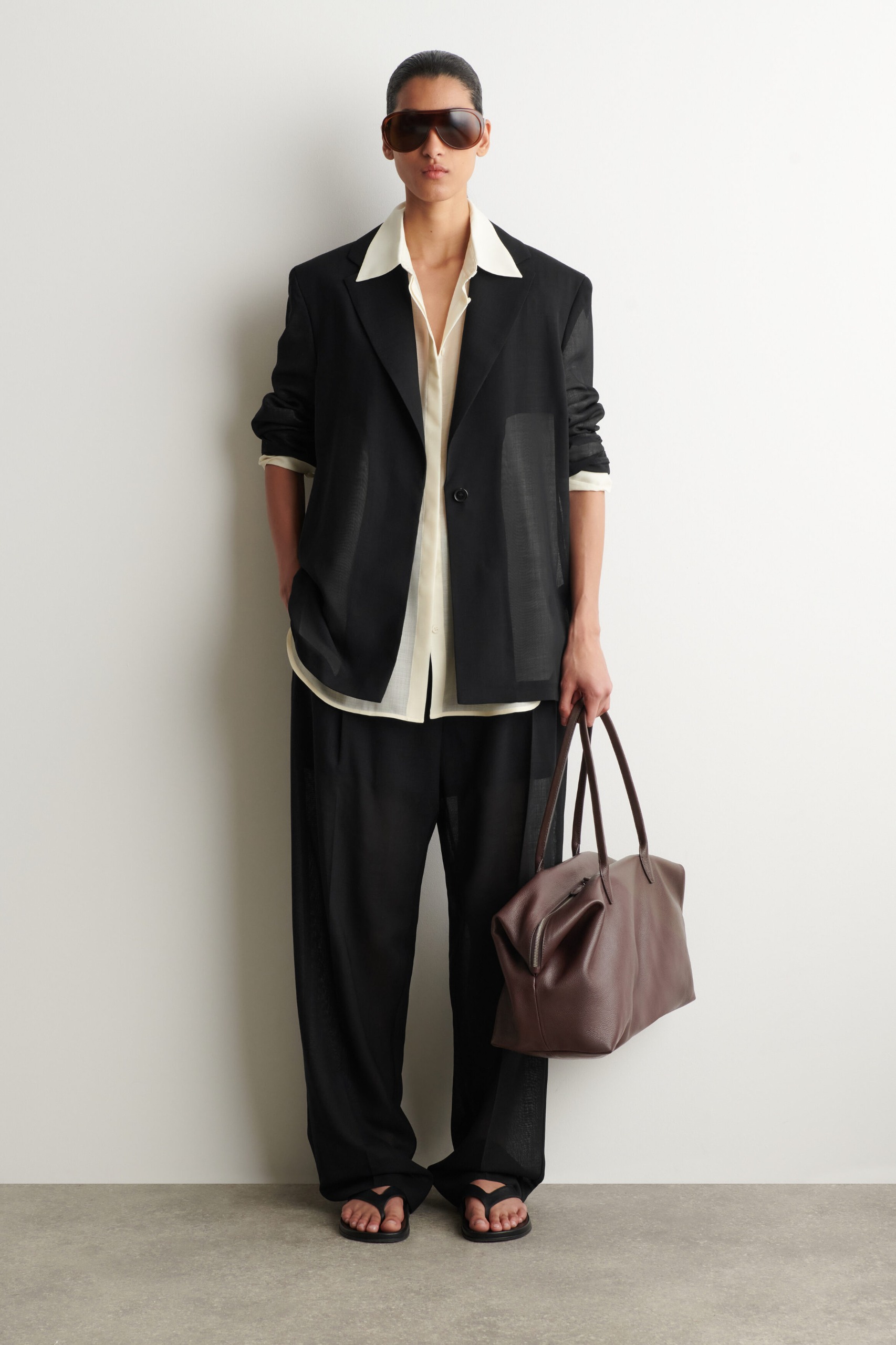
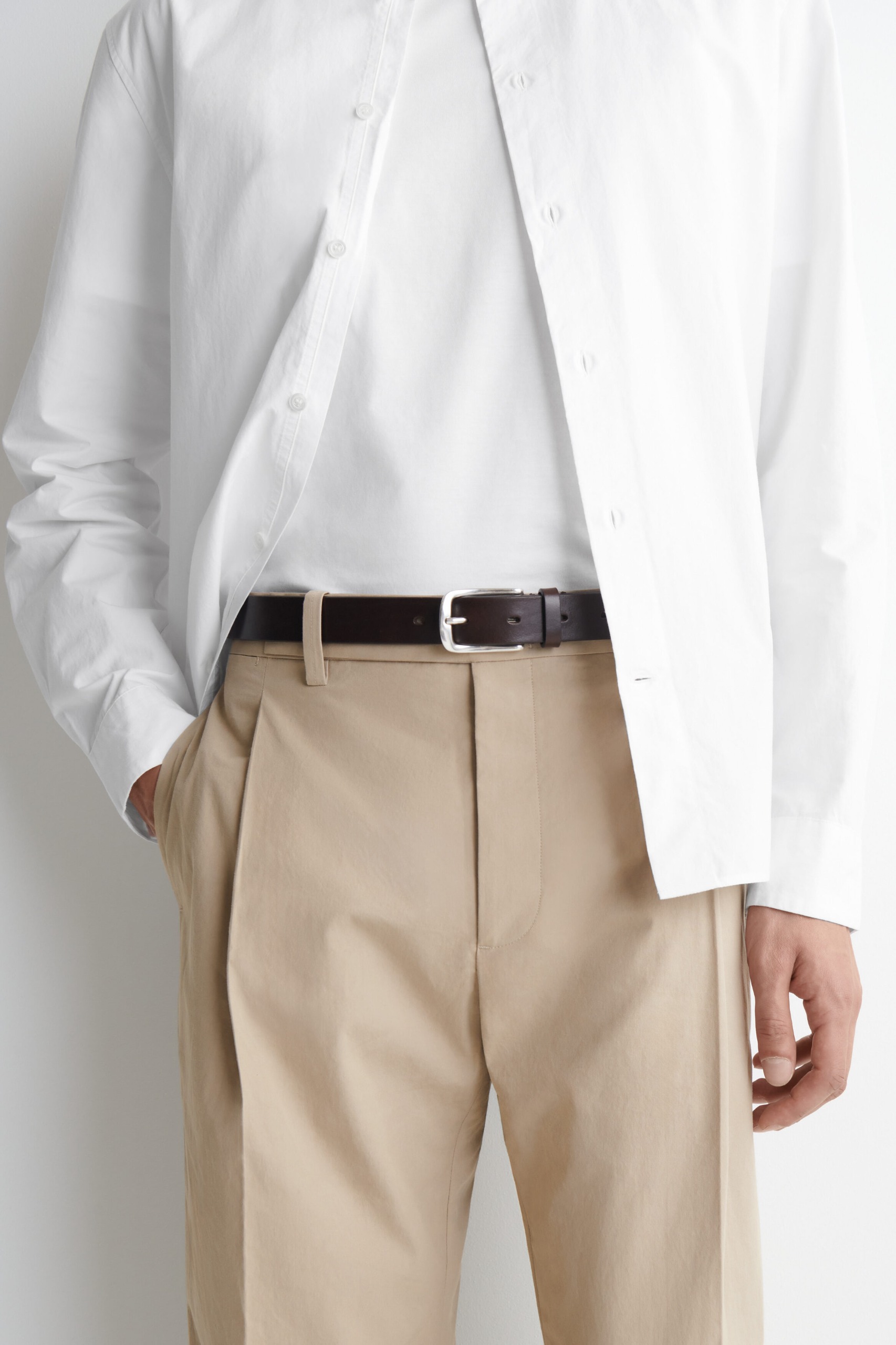
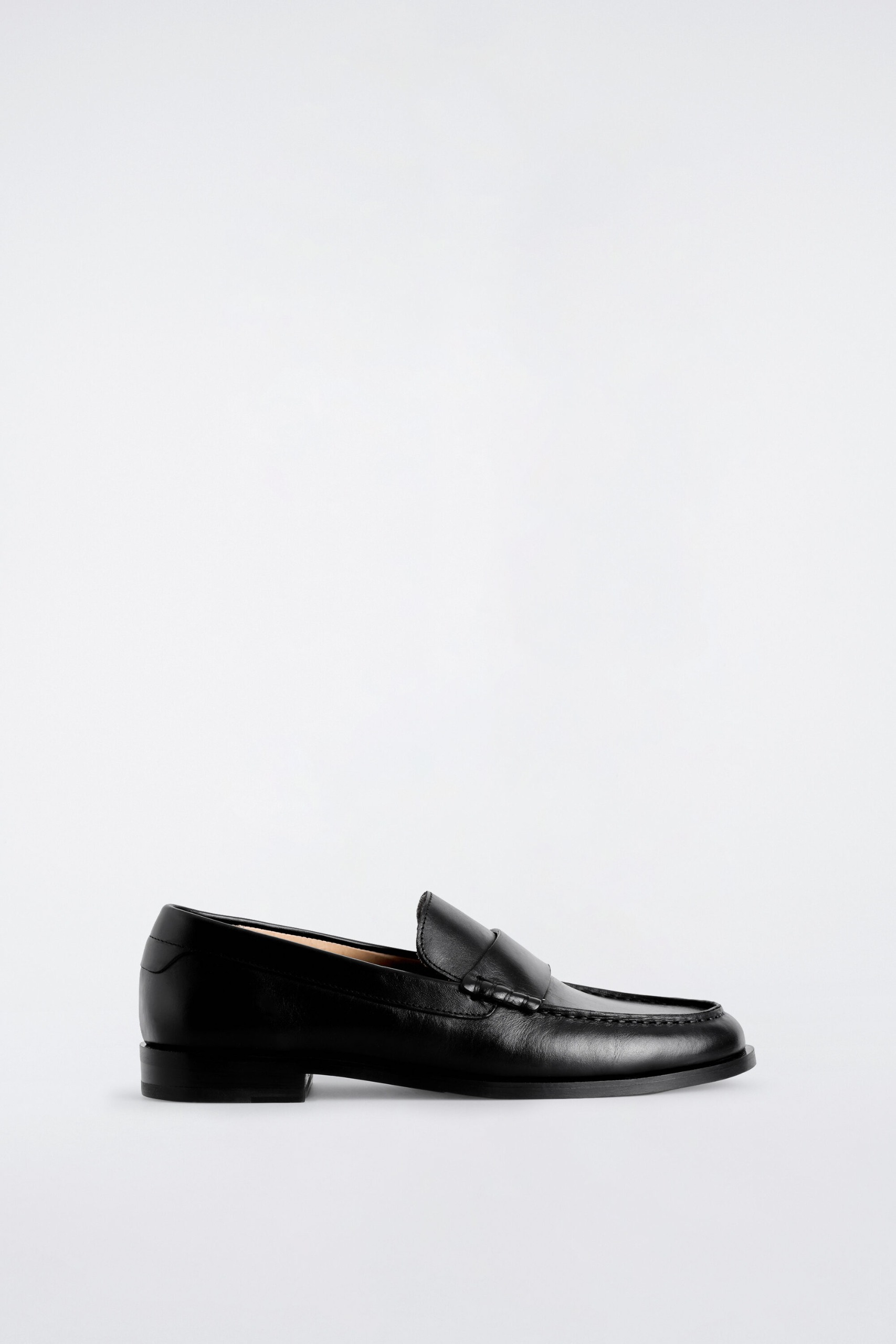
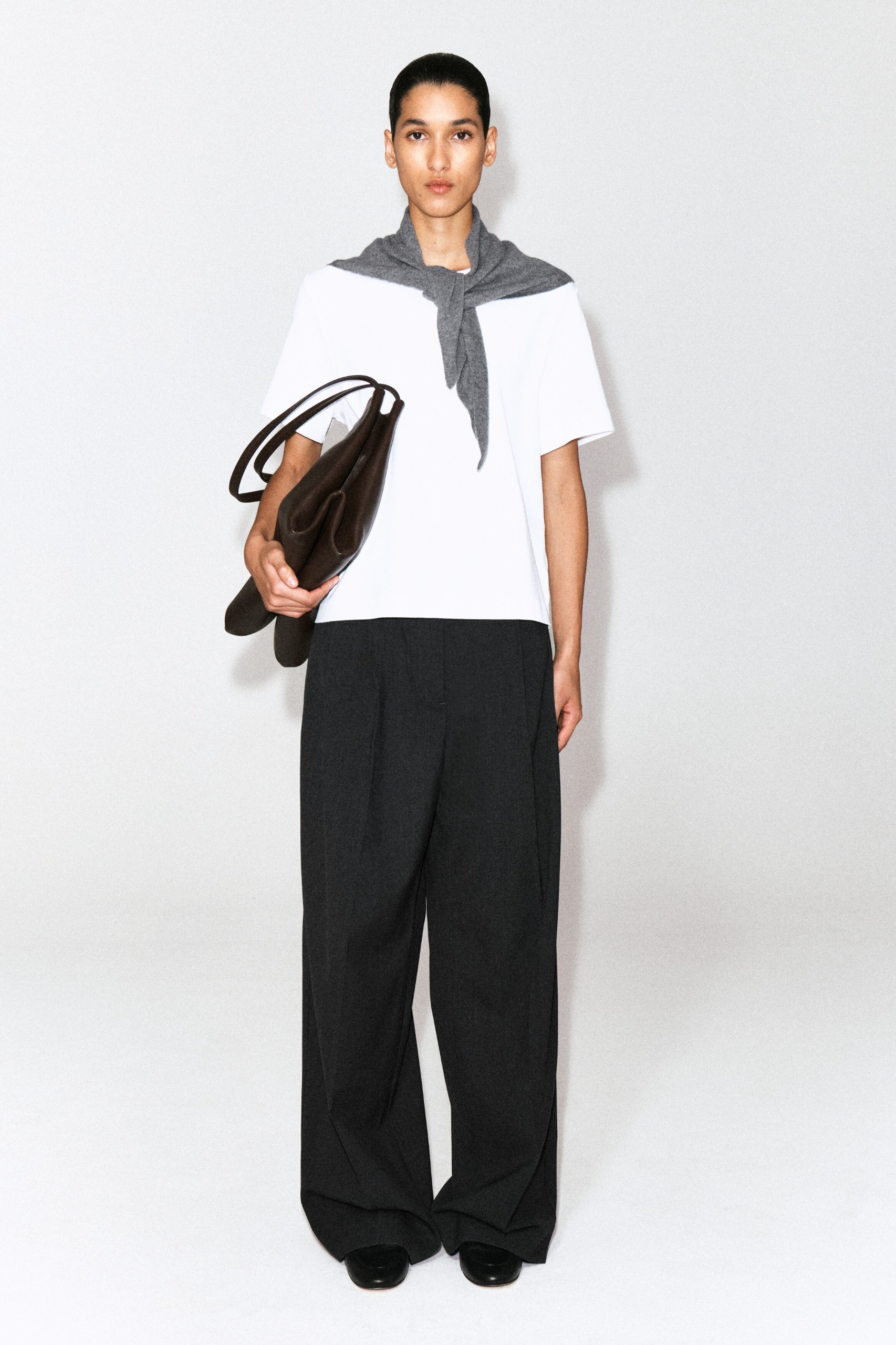
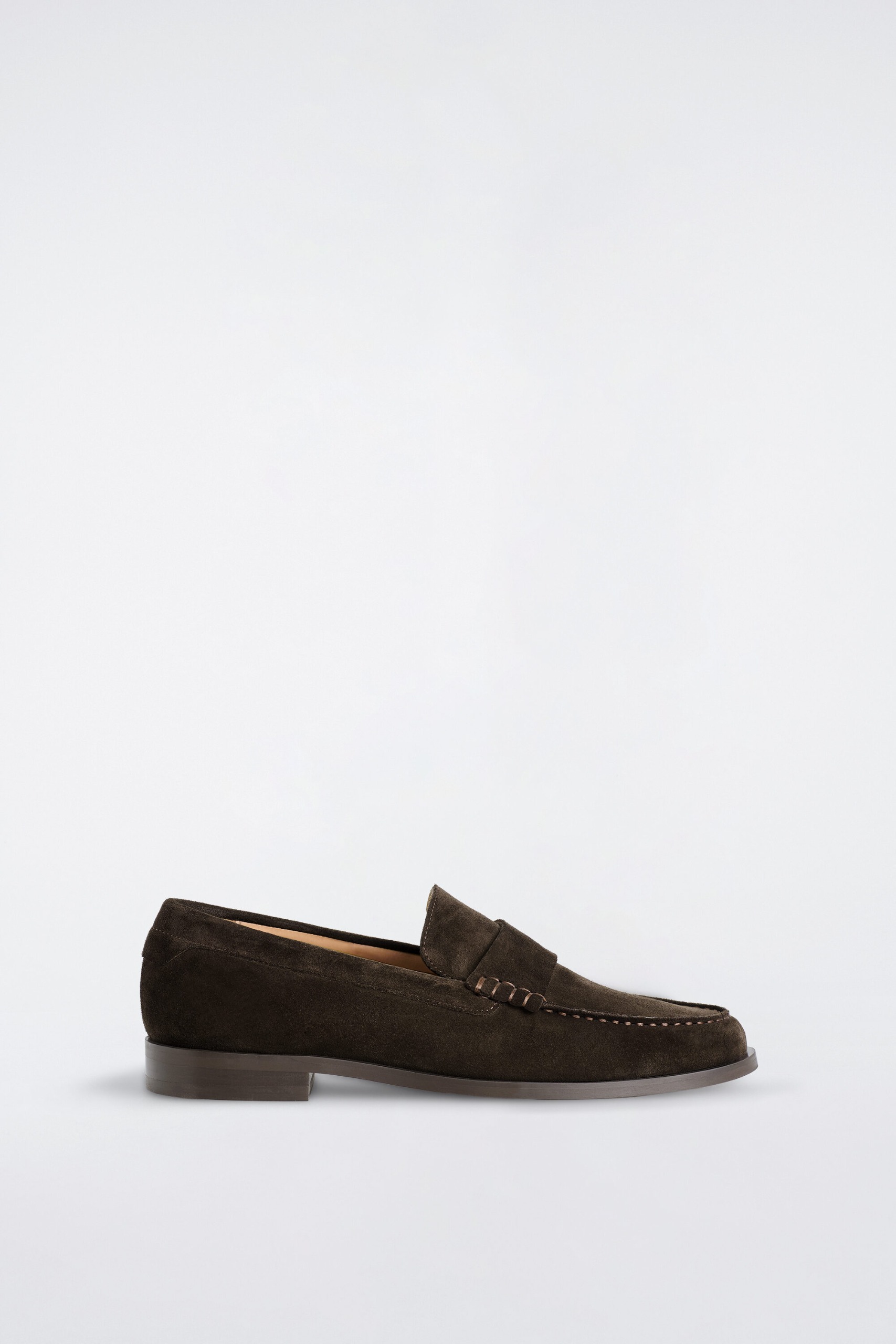
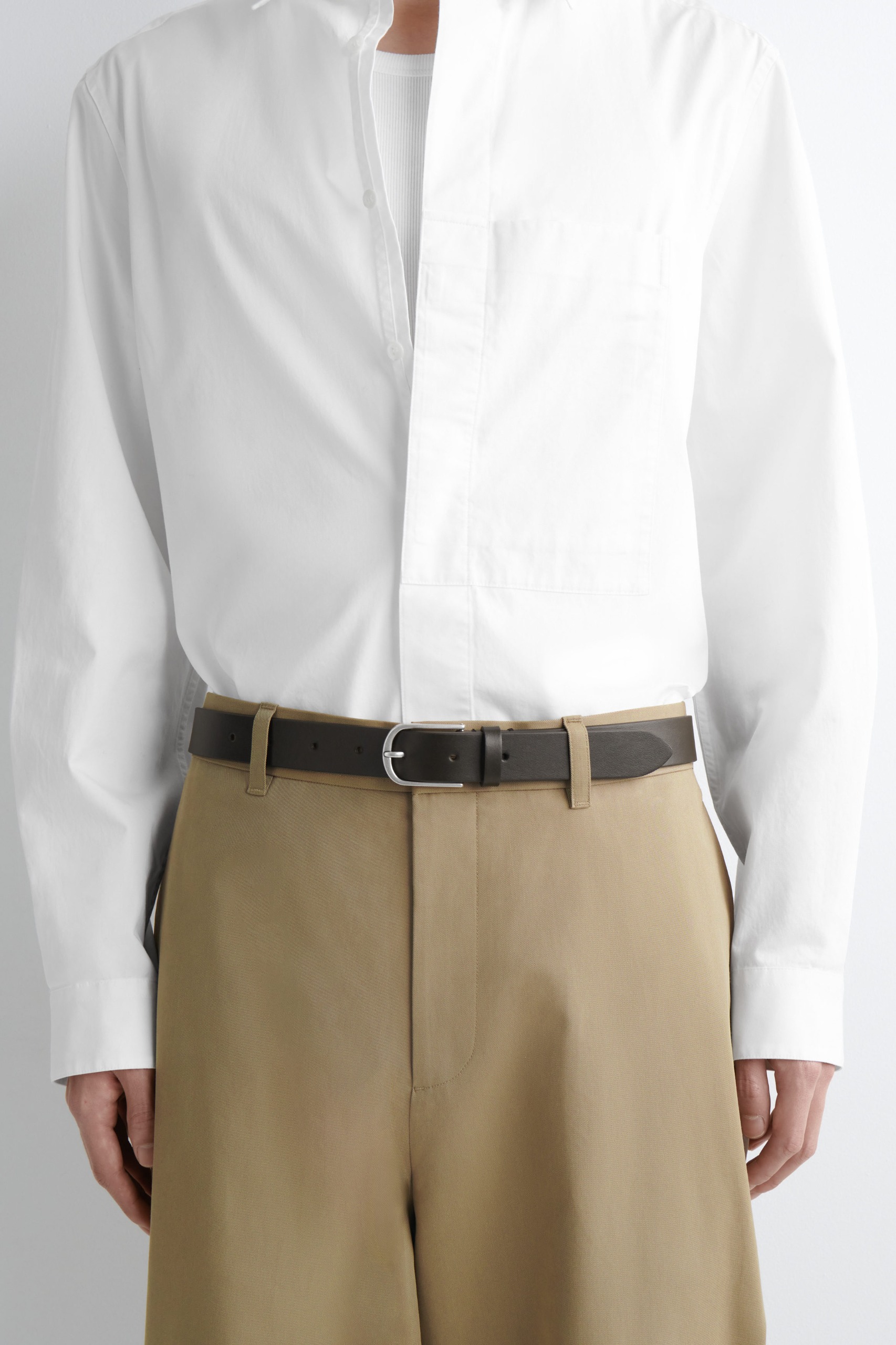
The quiet luxury aesthetic isn't a fleeting trend; it's a recalibration of values within the fashion landscape, a conscious shift away from ostentatious displays of wealth and towards a more considered, enduring sense of style. The recent COS arrivals highlighted in *Who What Wear* exemplify this perfectly, offering pieces that whisper sophistication rather than shout it. This resonates deeply with a growing desire for investment dressing – fewer, higher-quality items that transcend seasons and trends. It’s a movement we’ve observed before, exemplified by the effortless style championed by Zoë Kravitz, as seen in French-Girl Heels: Effortless Style, Elevated with Minimalist Pieces. The appeal lies in its accessibility; achieving this look doesn't require the exorbitant price tags associated with brands like The Row, which the *Who What Wear* article rightly points out, making it a desirable aspiration for a broader audience. It’s about cultivating a personal style rooted in timeless silhouettes and impeccable fabrics, a sensibility that prioritizes quality over quantity.
The enduring influence of figures like Betsey Johnson, despite her distinct aesthetic, speaks to a larger truth about personal style: authenticity and self-expression are paramount. How Betsey Johnson Influenced Generations Of Women To Dress For Joy demonstrates the power of dressing in a way that feels genuinely *you*, a principle that underlies the quiet luxury movement as well. While Betsey’s style is exuberant, the core idea – dressing with confidence and reflecting your inner self – aligns with the understated assurance that defines quiet luxury. This isn't about following rules; it’s about understanding what elevates *your* personal style and choosing pieces that support that vision. The COS collection, with its clean lines and neutral palettes, provides a solid foundation for building such a wardrobe, allowing individual personality to shine through in subtle details and thoughtful styling. It's about building a personal narrative through clothing, rather than relying on logos or fleeting trends.
The rise of quiet luxury also reflects a broader cultural shift, a reaction against the maximalism and conspicuous consumption that dominated previous years. It’s a response to the constant bombardment of fast fashion and influencer marketing, a desire for something more lasting and meaningful. We’ve seen this mirrored in other areas of life – a renewed appreciation for craftsmanship, a focus on experiences over possessions, and a growing awareness of the environmental and social impact of our choices. The fashion industry, too, is slowly beginning to acknowledge the importance of inclusivity and accessibility, as highlighted in The Fashion Industry Has A Lot To Learn From Disabled People. Quiet luxury, in its own way, contributes to this conversation by promoting a more sustainable and mindful approach to dressing, encouraging investment in pieces that will last and reducing the cycle of disposable fashion.
Ultimately, the enduring appeal of quiet luxury lies in its ability to empower individuals to cultivate a sense of personal style that is both sophisticated and authentic. It's not about mimicking a specific aesthetic, but rather about embracing a philosophy of mindful consumption and understated elegance. As the trend continues to evolve, it will be fascinating to see how brands adapt and innovate, maintaining the core principles of quality, simplicity, and timelessness while catering to an increasingly discerning consumer. Will we see quiet luxury expand beyond its current neutral palette, or will its defining characteristic remain a commitment to subtle, enduring style?