Europe's Gen Z Princesses Are Bucking Tradition and Embracing a Look That "Doesn't Feel Particularly Royal," Says Beauty Pro
Our take
The quiet shift underway in European royal circles – a move away from the rigidly defined aesthetic of past generations – is fascinating, and speaks volumes about the evolving expectations of modern femininity. As Marie Claire recently highlighted, the future of European monarchies is decidedly female, with queens poised to ascend the thrones of Norway, Belgium, Spain, and the Netherlands. William & Kate’s Strict Rules for George Revealed as Sources Speculate Archie Could Go to the Same School as Him showcases a contrasting approach to raising the next generation, and this broader cultural shift is undeniably influencing royal beauty standards. These young women are actively rejecting the traditionally austere and often severe beauty ideals previously associated with royal duty, opting instead for a softer, more approachable, and frankly, more relatable style. This isn't merely a superficial change in makeup or hairstyle; it reflects a deeper societal understanding of power and influence, one that prioritizes authenticity over rigid presentation.
The beauty professional quoted in the article accurately captures this sentiment – the look “doesn’t feel particularly royal.” And that's precisely the point. The old definition of "royal beauty" was often about projecting an unassailable distance, a sense of otherness that reinforced the monarchy's perceived superiority. These new queens understand that connection, empathy, and relatability are increasingly vital to maintaining relevance and public support. Consider, too, the growing emphasis on mindful consumption and sustainable living; the effortless elegance showcased in How I Packed for Two Destinations in Spain—With Just One Carry-On exemplifies a pared-down, intentional approach to style that resonates with a generation prioritizing experiences over excess. This quieter luxury, this understated confidence, is far more compelling than any forced display of opulence.
This phenomenon extends beyond beauty trends. It’s a reflection of a broader cultural reckoning with traditional power structures. The younger generation, globally, is questioning established hierarchies and demanding greater transparency and authenticity from those in positions of authority. These future queens, inheriting institutions steeped in tradition, are navigating a delicate balance – upholding their royal duties while simultaneously aligning themselves with the values of their constituents. Their beauty choices, their clothing, their very presence become symbols of this negotiation. Embracing a more natural, less contrived aesthetic isn't about abandoning tradition entirely; it's about reimagining it for the 21st century, making it feel less intimidating and more accessible. It’s a subtle but powerful form of modernization, demonstrating a willingness to adapt and evolve in a rapidly changing world. The focus is shifting from external validation—the approval of the established order—to internal confidence—a quiet knowing of one’s own worth and purpose. Goodbye Sambas—5 Sneaker Trends I’m Buying This Fall and 5 I’m Retiring highlights the ever-evolving nature of style, and these queens are demonstrating a similar fluidity in their own personal branding.
Ultimately, the shift in European royal beauty signals a significant cultural evolution. It’s a move away from the rigid, performative femininity of the past and towards a more authentic, self-assured expression of womanhood. It’s a quiet revolution, driven not by rebellion, but by a subtle understanding of what it means to lead in a world that increasingly values connection, relatability, and genuine self-expression. The question now is: will this softer approach prove to be a more enduring form of royal power, or will the demands of tradition eventually pull these queens back towards more conventional standards? The coming years will be a fascinating test of whether authenticity can truly coexist with the weight of centuries-old institutions.
The future is female when it comes to the monarchies of Norway, Belgium, Spain and the Netherlands, with all four countries set to welcome reigning queens one day.
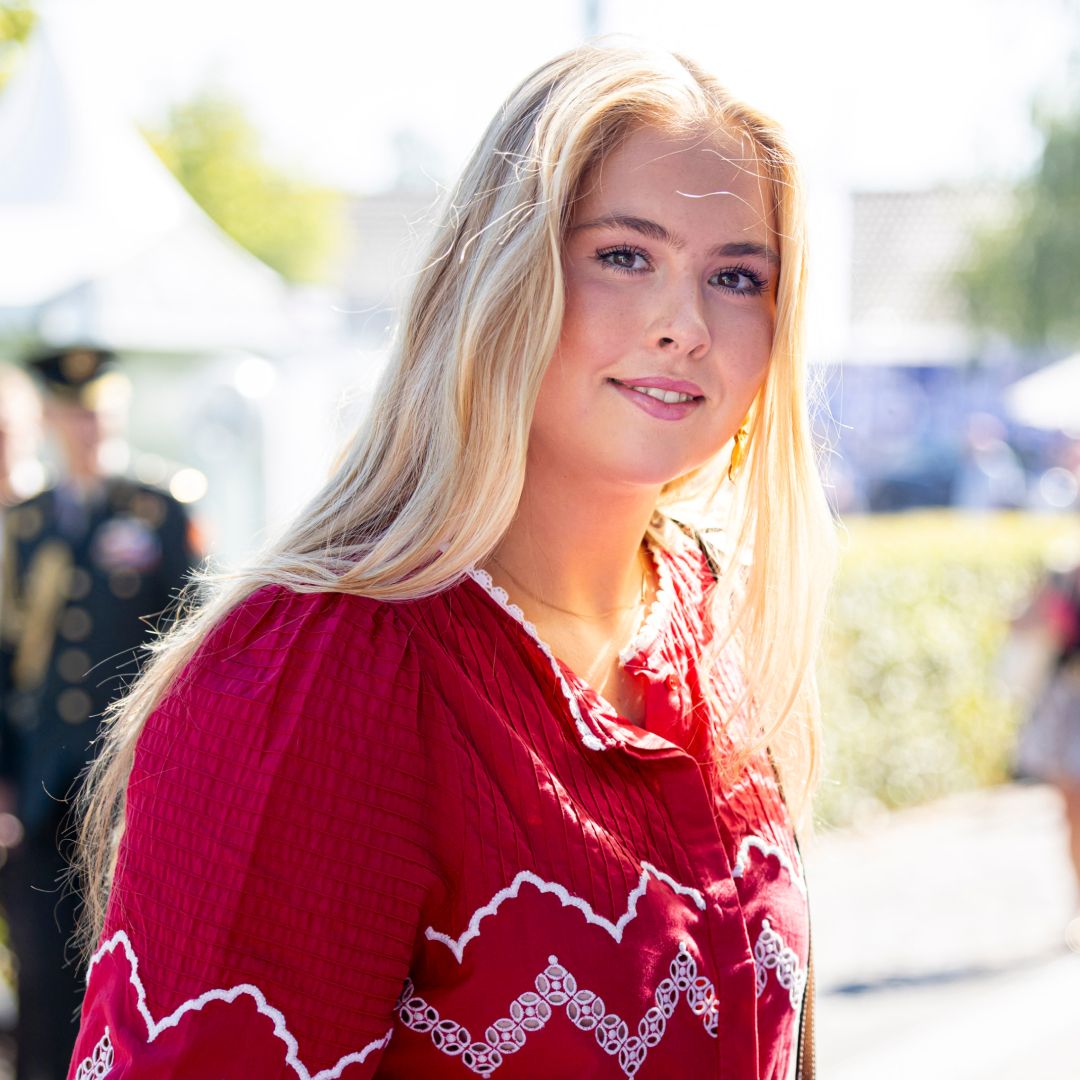
Unlike generations before them, Crown Princess Ingrid Alexandra, Princess Leonor, Princess Elisabeth and Princess Catharina-Amalia are steering clear of the heavy makeup and highly-polished curls of the past—and Los Angeles hair stylist Danielle Louise of Fresha says Gen Z is going with a softer beauty identity.
“What’s interesting about this new generation of royals is that their beauty doesn’t feel particularly ‘royal’ in the traditional sense," Louise says. "The younger generation still looks polished, but it doesn’t necessarily look overly styled."
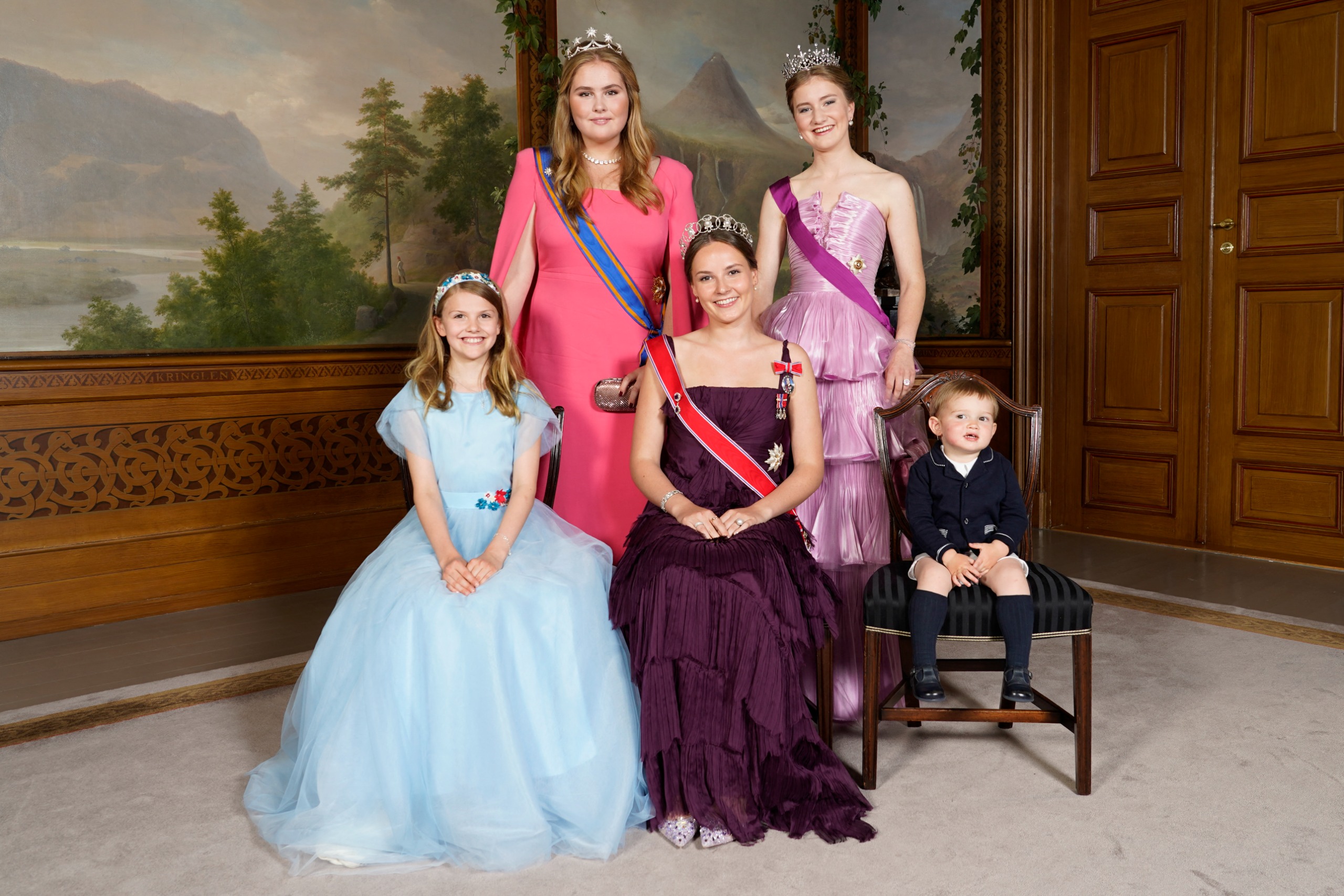
Louise adds that instead of caking on foundation or heavy eyeliner, the future queens' "makeup tends to enhance their features rather than dominate them."
"Ingrid Alexandra, Leonor, Elisabeth and Catharina-Amalia each have their own style, but collectively there’s already a softer, younger approach emerging," the beauty pro continues, pointing to a more "relatable" era of royal beauty coming.
"The ‘future queen effect’ may ultimately be less about everyone copying one haircut or lipstick and more about making polished beauty feel achievable again," she notes.
Crown Princess Ingrid Alexandra of Norway
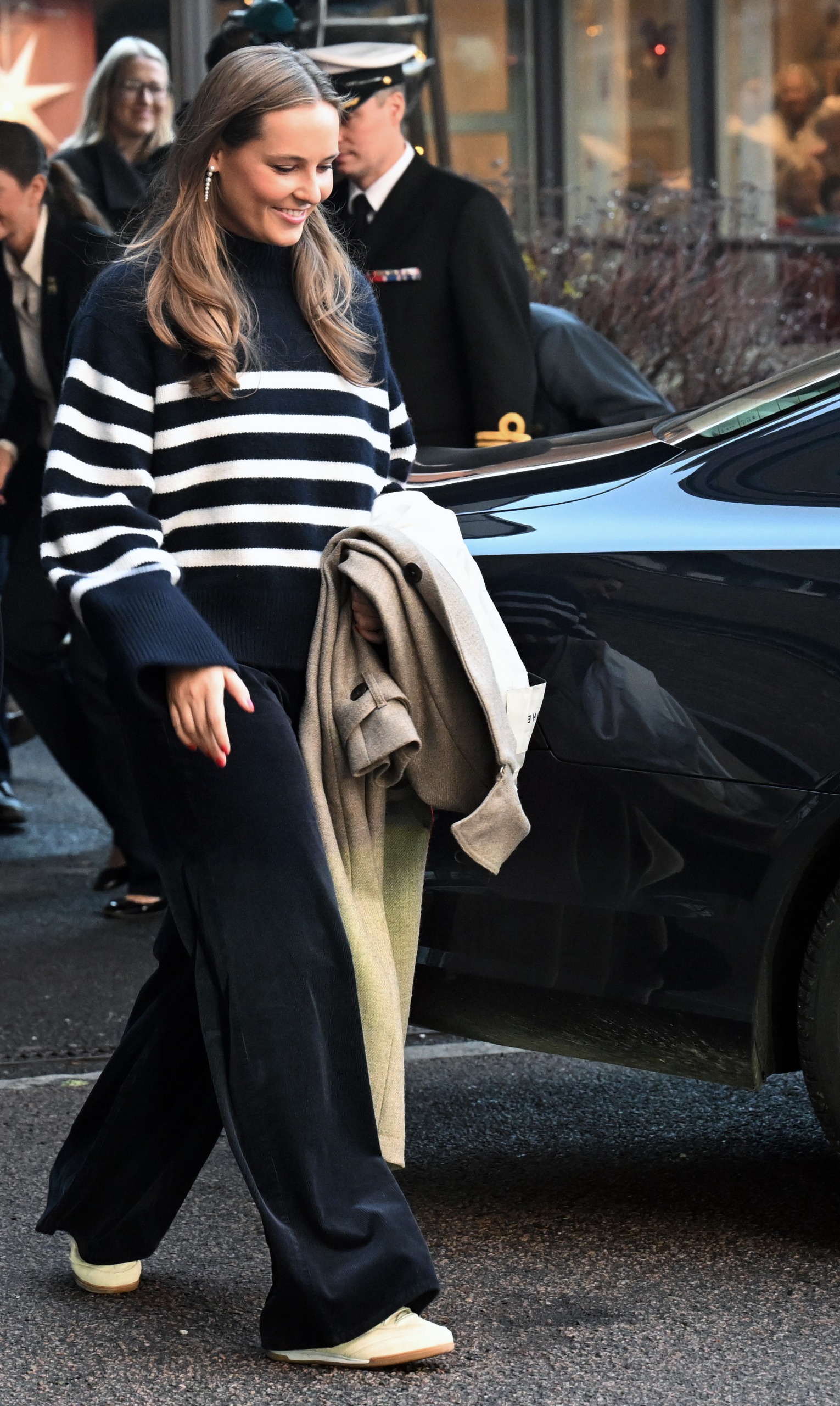
Crown Princess Ingrid Alexandra, 22, is the newest Gen Z princess to become first in line to the throne after her grandfather, King Harald V, died on August 28, making her father the new King Haakon.
Louise says that Ingrid Alexandra's Scandi style "is a really good example of beauty that looks considered without looking overworked." The crown princess favors light makeup and soft, bouncy waves, and the stylist notes that "healthy hair is doing much of the heavy lifting," for the princess.
"When hair has shine, movement and well-maintained ends, you don’t necessarily need complicated styling for it to look expensive," she adds.
Princess Leonor of Spain
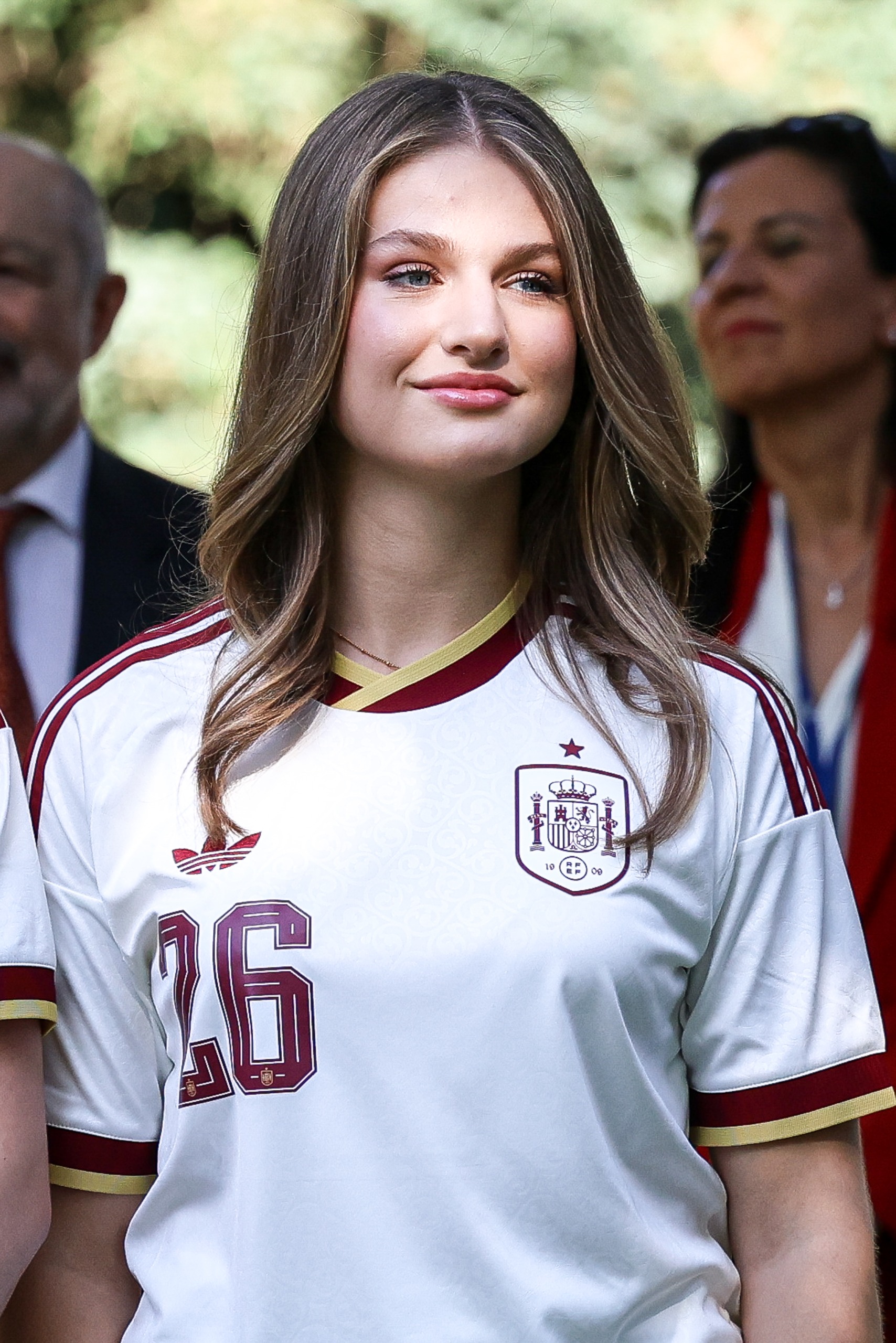
Princess Leonor, 20, is the eldest daughter of King Felipe and Queen Letizia of Spain and will become queen after father's reign. She switches up her hairstyle more often, whether it's a tight ponytail, soft curls or beachy waves like she wore this summer.
“Leonor manages to look incredibly polished without the beauty becoming the main event,” Louise says.
"Her softer waves are especially interesting because they’re much less rigid than the traditional royal blow-dry. There’s movement and texture rather than every section of hair being perfectly positioned," the hair expert continues, adding, "It’s the type of hairstyle people can actually take to their hairdresser as inspiration.”
Princess Elisabeth of Belgium
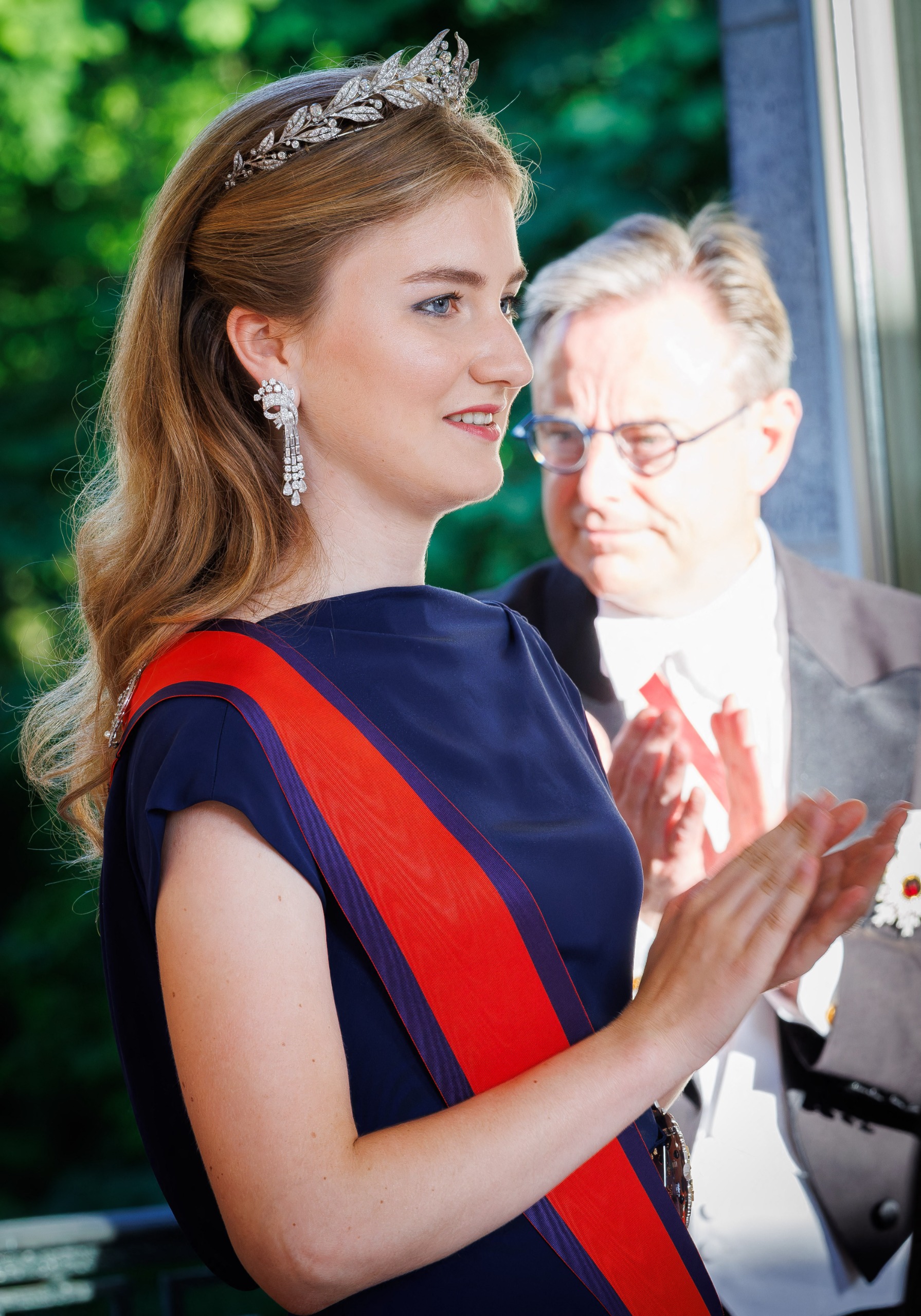
Belgium’s Princess Elisabeth, 24, is the eldest daughter of King Philippe and Queen Mathilde of Belgium, and is taking a gap year after recently graduating from Harvard University.
Louise notes that Elisabeth's glossy hair and polished makeup is closer to traditional royal beauty, but in a slightly more understated way. “Not every Gen Z beauty trend has to be experimental," the beauty expert says. "There’s also been a renewed appreciation for beautifully maintained, classic hair."
She adds, "Elisabeth is probably the best example of how the traditional royal aesthetic is being updated rather than completely abandoned. A really good blow-dry, healthy shine and a simple shape can look incredibly modern when the finish isn’t too stiff."
Princess Catharina-Amalia of the Netherlands
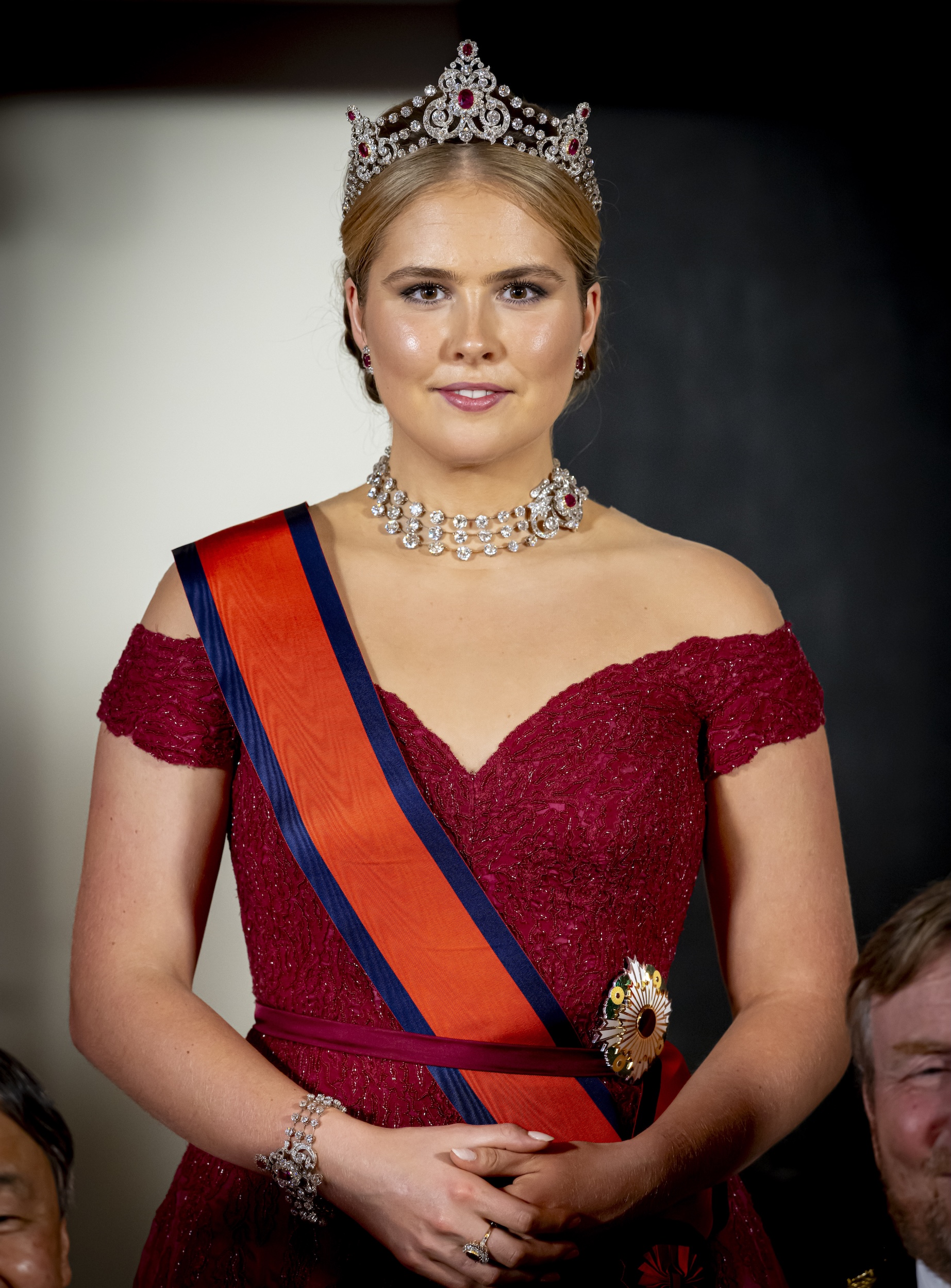
Princess Catharina-Amalia, 22—who more often goes by Amalia—is titled the Princess of Orange as the eldest daughter of King Willem-Alexander and Queen Maxima of the Netherlands.
Louise notes that while the Dutch princess often goes for minimal makeup and casual styles, she leans into high glamour at formal events.
“The interesting thing about this generation is that they don’t have to maintain one beauty identity all the time," she says. "Beauty now is much less about having one signature look and more about knowing when to dial things up or down.”
Read on the original site
Open the publisher's page for the full experience