Everyone With Taste in the Fashion Industry Wears a Uniform, Not Trends—This Is Mine
Our take
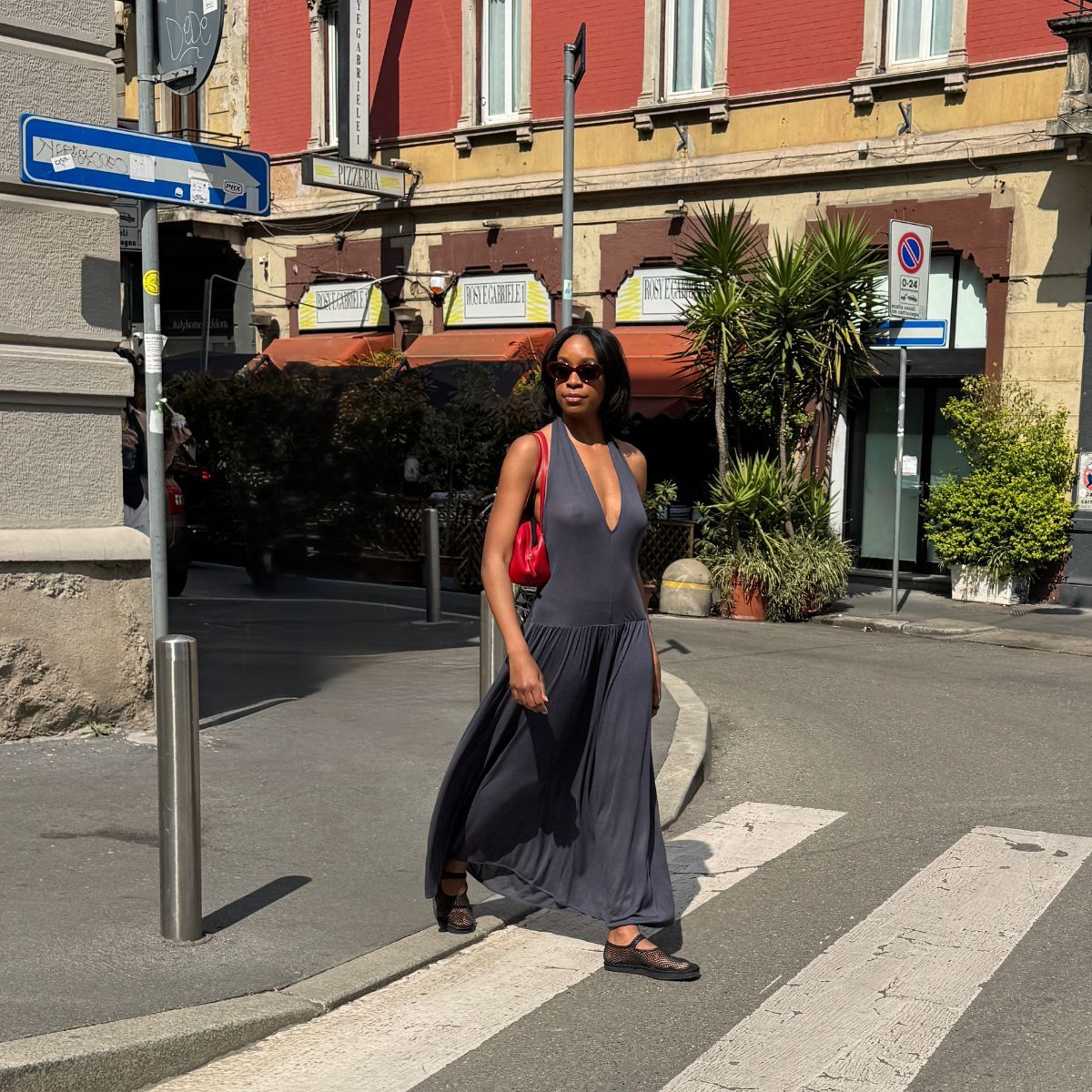
The fashion industry, often perceived as a relentless pursuit of fleeting trends, is experiencing a quiet revolution, spearheaded by voices like Chrissy Rutherford, Who What Wear UK’s editor-in-residence. Her recent declaration—that those with discerning taste in fashion gravitate toward a personal uniform rather than chasing trends—resonates deeply with a growing sentiment for intentionality and enduring style. This isn’t a rejection of fashion itself, but a shift away from the performative aspect of constantly updating one's wardrobe. It’s a move toward cultivating a personal aesthetic that feels authentic and comfortable, mirroring a broader cultural desire for mindful consumption and a rejection of the pressure to endlessly acquire. Consider the enduring appeal of classic combinations, like the one highlighted in [Petite Women Know This Shorts-and-Flat-Shoe Combination Always Looks Elevated], a testament to the power of simple, well-executed outfits that transcend seasonal whims. Rutherford's perspective aligns with this shift, emphasizing quality over quantity and a focus on pieces that genuinely reflect one's individual style.
The concept of a “uniform” isn’t new, of course. Historically, uniforms have signified belonging and identity within specific groups. However, Rutherford’s application of the term to personal style reclaims it as a tool for self-expression, rather than conformity. It’s about curating a capsule wardrobe of timeless pieces that work together seamlessly, allowing one to focus on other aspects of life rather than agonizing over daily outfit choices. This resonates particularly strongly in a digital age where the pressure to constantly present a picture-perfect image is pervasive. The recent celebration of stylish looks at Silverstone, showcased in [The Best Dressed Celebs At Silverstone—From Alexandra Leclerc to Hannah Dodd], demonstrates that effortless chic can be achieved through thoughtful choices and a consistent aesthetic, not by adhering to fleeting trends. The rise of “outfit repeaters” – individuals who proudly showcase the same pieces across multiple occasions – further solidifies this movement toward mindful dressing. It’s a quiet rebellion against the unsustainable cycle of fast fashion and the constant pressure to keep up with the latest micro-trends. The emphasis moves from *what* you’re wearing to *how* you wear it, injecting personality and confidence into even the simplest ensemble.
This shift isn't merely a stylistic preference; it reflects a deeper societal evolution. Consumers are increasingly conscious of the environmental and ethical implications of their purchasing decisions. Embracing a uniform fosters a more sustainable approach to fashion, reducing waste and encouraging investment in high-quality, durable pieces. It's a rejection of the “buy, wear once, discard” mentality that has fueled the fast fashion industry. Moreover, it aligns with a broader cultural movement toward authenticity and self-acceptance. By prioritizing personal style over fleeting trends, individuals are asserting their individuality and rejecting the pressure to conform to external expectations. Even the seemingly simple choice of a shoe color, as explored in [Hold the Black Flip-Flops—Wearing This Shoe Color With Dark-Wash Jeans Will Get You More Compliments], reveals a desire for subtle, yet impactful, style choices that feel inherently *you*. It's a move away from seeking validation through external trends and towards cultivating a sense of self-assuredness in one’s personal aesthetic.
Ultimately, Rutherford's perspective signals a potential reshaping of the fashion landscape. The traditional model, driven by seasonal collections and constant novelty, may need to adapt to a consumer base increasingly valuing longevity, sustainability, and personal expression. The power dynamic is subtly shifting—consumers are becoming the arbiters of style, choosing to invest in pieces that align with their values and reflect their individual identities. The question now becomes: how will brands respond to this evolving demand for timelessness and intentionality, and will they embrace a future where personal style reigns supreme over fleeting trends?
Chrissy Rutherford is a Who What Wear UK editor-in-residence and fashion editor, writer, podcaster, content creator and mental health advocate committed to fostering honest conversations about wellbeing in the digital age. After 15 years in fashion media, she now uses her platform and FWD, a personal development newsletter, to destigmatise mental health struggles, share personal stories and champion vulnerability as a powerful tool for connection.
There’s a misconception that working in fashion means dressing like a character from Sex and the City or The Devil Wears Prada every day, effortlessly mixing and matching statement pieces with the latest trend du jour. I spent a decade working as an editor, and one of the biggest things the industry taught me was that I didn’t have to buy into every single trend. When you're constantly immersed in fashion weeks, runway shows, and trend reports, you begin to see how quickly everything cycles "in" and "out" of favour. There have been countless times where a trendy piece I bought was the first thing to go when it came time to weed out my wardrobe the following season. So, over time, I learned to hone in on what I actually like and what feels true to me—regardless of whether it’s been deemed "in fashion" that season—and build my wardrobe around that.
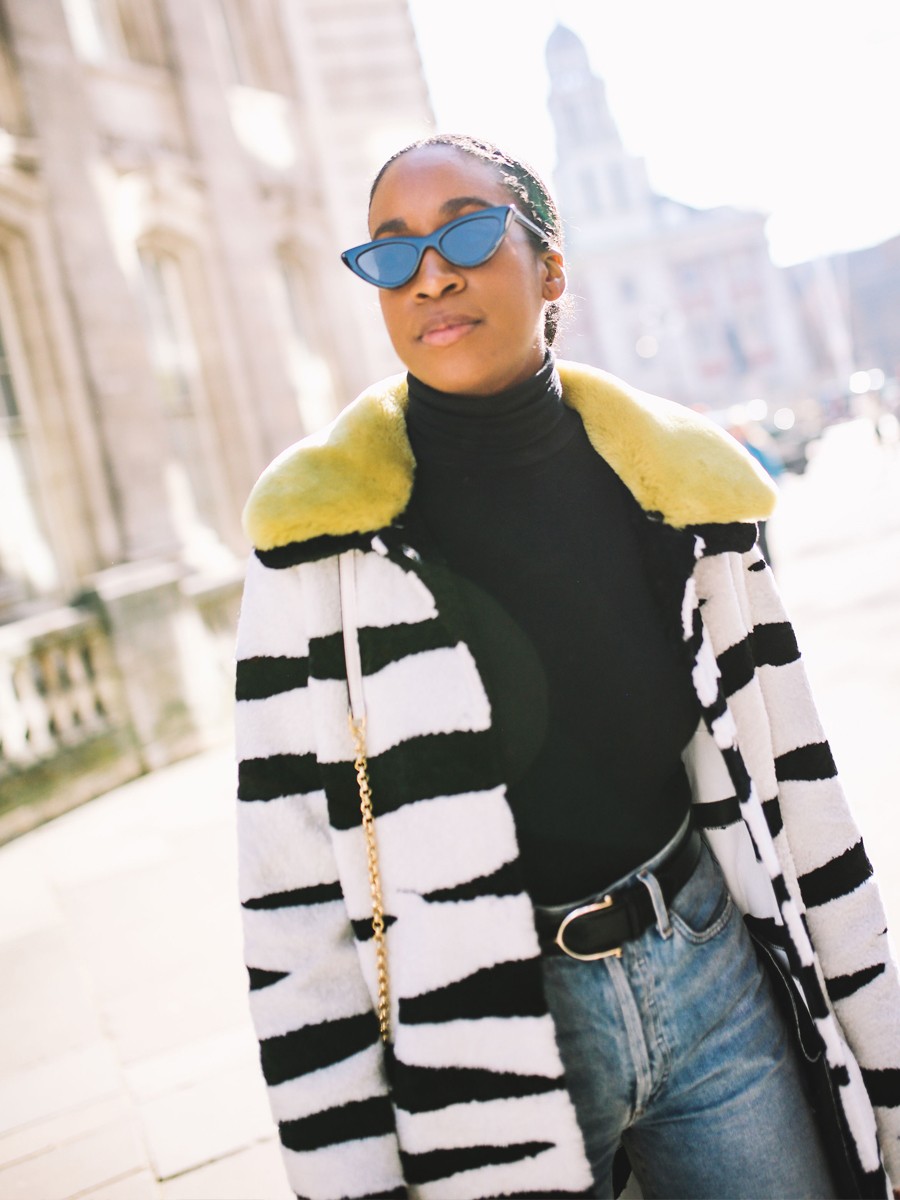
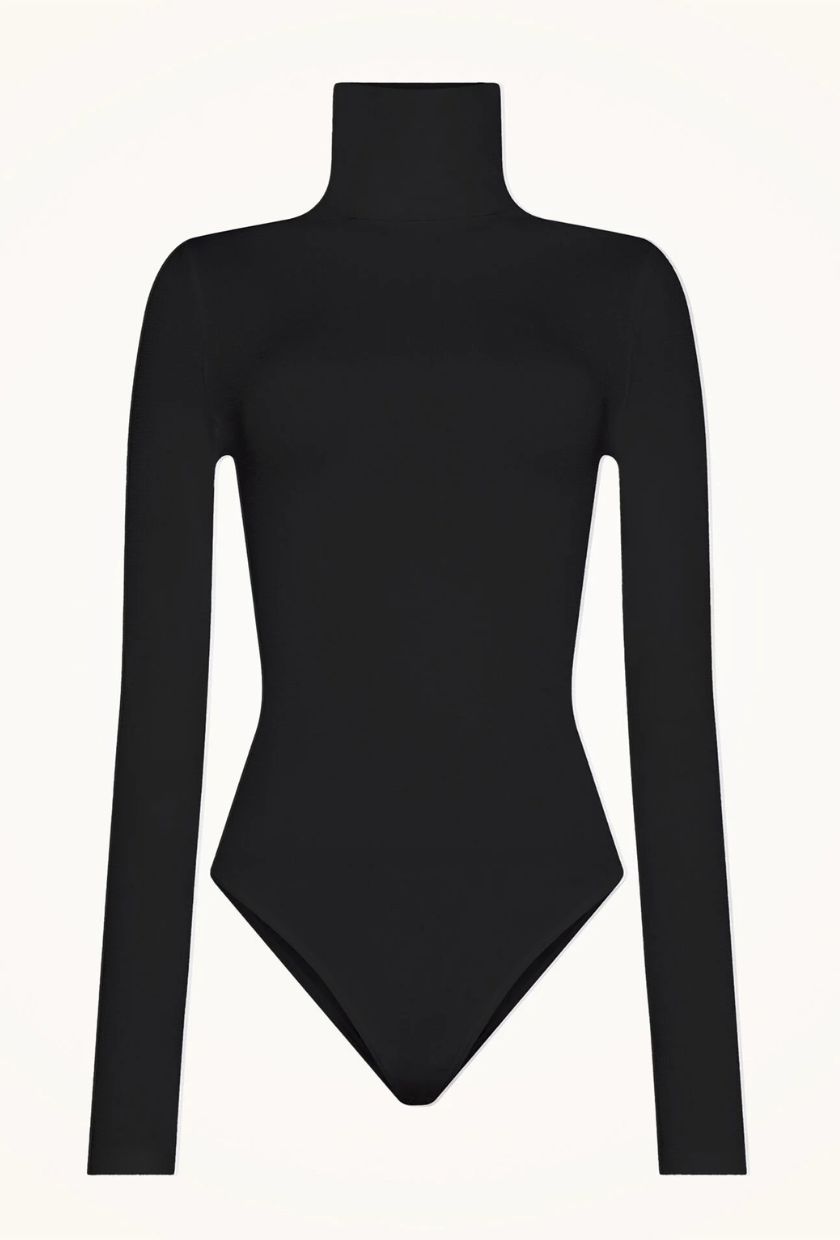
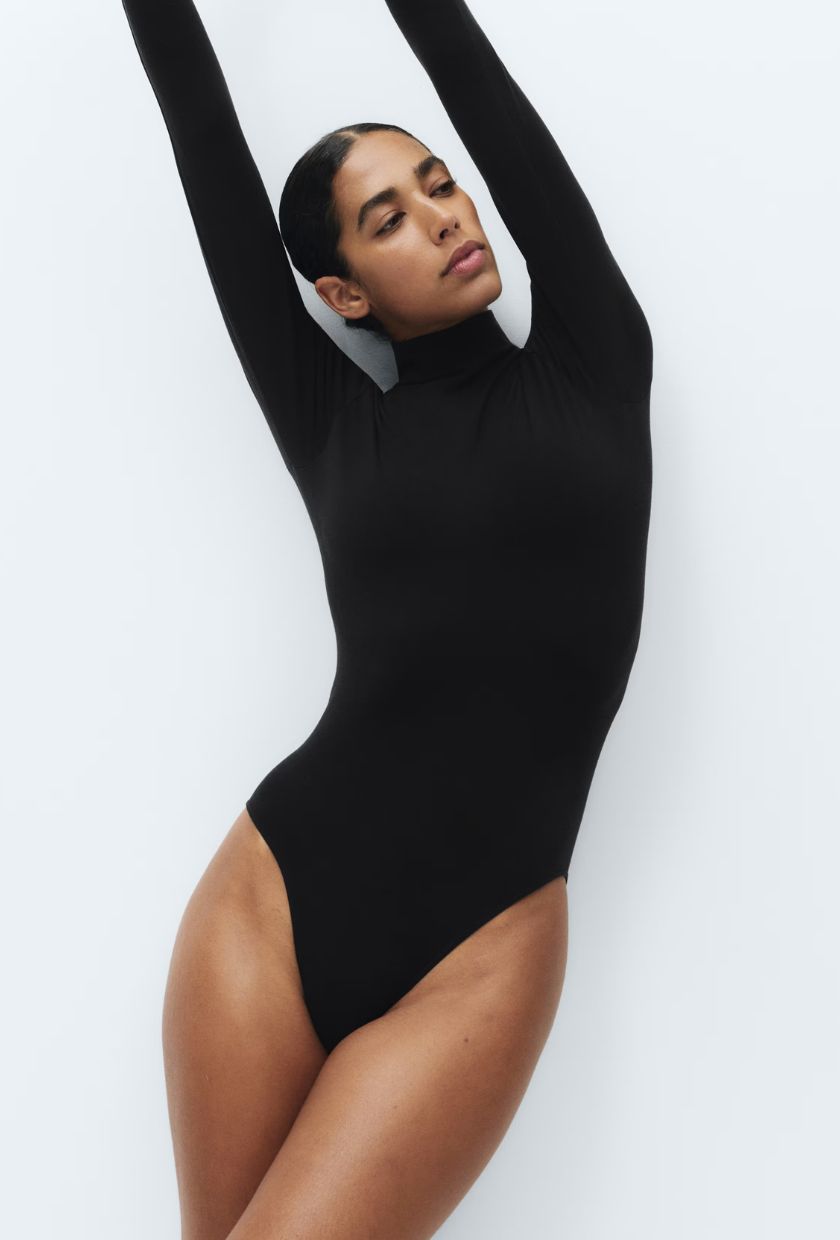
Uniform dressing starts with identifying key pieces or hero items that you can easily mix and match, making getting dressed feel effortless. I first found myself being drawn to this way of dressing during a particularly frigid winter around 2017. I became obsessed with the Wolford Colorado bodysuit, and that became the MVP for every outfit. It was the perfect layering piece, but more often than not, I would pair it with high-waisted, straight-leg jeans and ankle boots, so I could have more fun with statement outerwear. It was simple, sleek and a silhouette that made me feel my best every time I wore it.
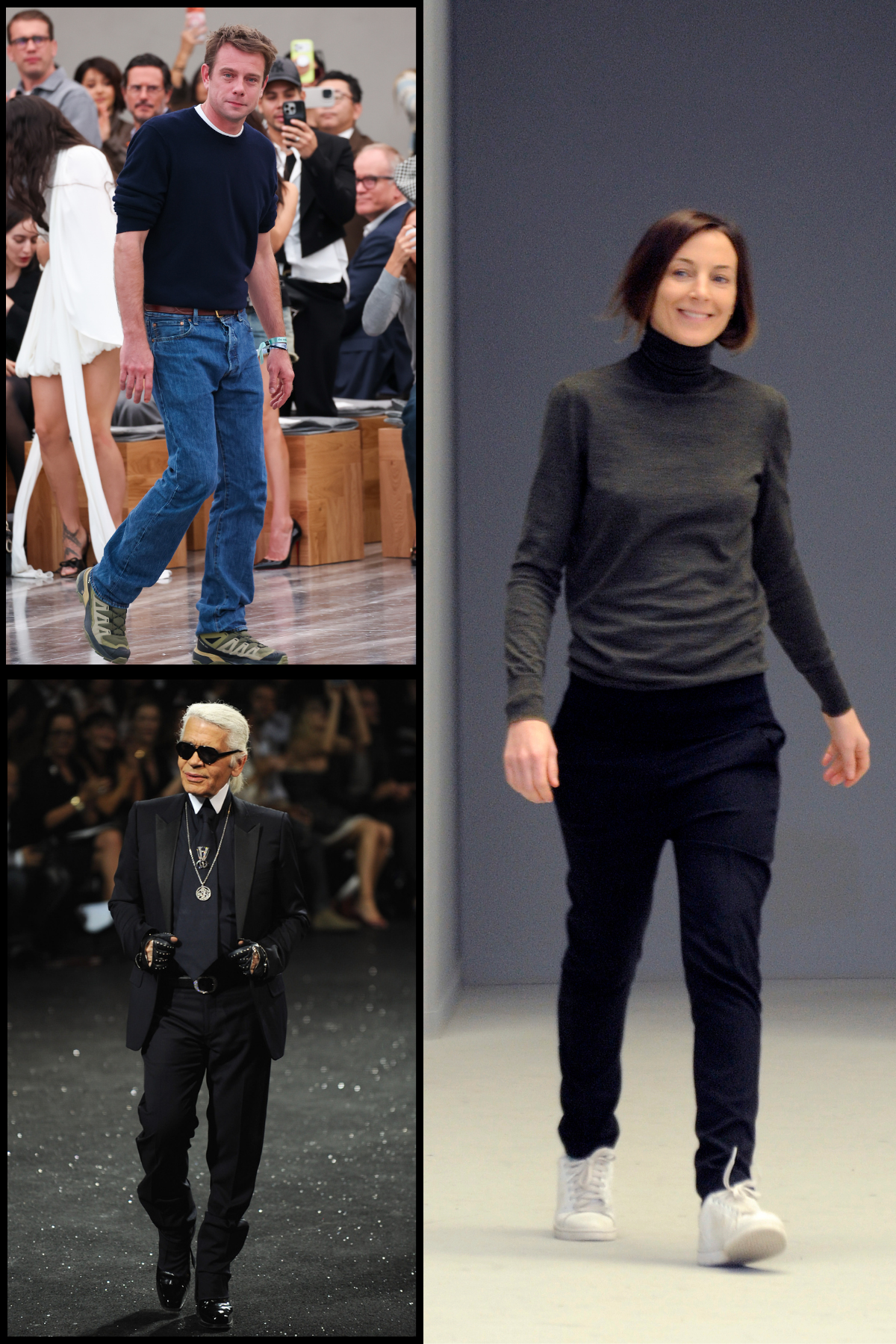
Of course, this idea is hardly unique. Some of the industry’s most brilliant creatives, despite being responsible for creating and dictating the trends, don’t actually participate in said trends. Whether it’s Phoebe Philo, Jonathan Anderson or the late Karl Lagerfeld, they often took their bows at the end of their runway shows in their own version of a "uniform".
Philo typically sticks to black trousers and a slouchy knit. Similarly, Anderson is often seen in jeans and neutral knitwear. Lagerfeld famously always wore black suits with a high-neck shirt—and of course, his signature fingerless gloves. Diane von Furstenberg turned her uniform of a colourful wrap dress into a fashion empire. The idea of having a personal uniform has also extended outside of the fashion industry. Steve Jobs became famous for wearing an Issey Miyake black mockneck turtleneck with his jeans every day whilst he worked at Apple.
"I love uniforms because they allow you to hide," says Miuccia Prada, another example of someone who takes a clear formulaic approach to how she dresses. She's often photographed in long skirts (she loves them pleated or voluminous) paired with a button-down shirt or a crewneck sweater—simple silhouettes that she returns to again and again even if she introduces colour or embellishments into the mix. I’m not sure how much hiding she's really doing, but it does allow the focus to really stay on her collections.
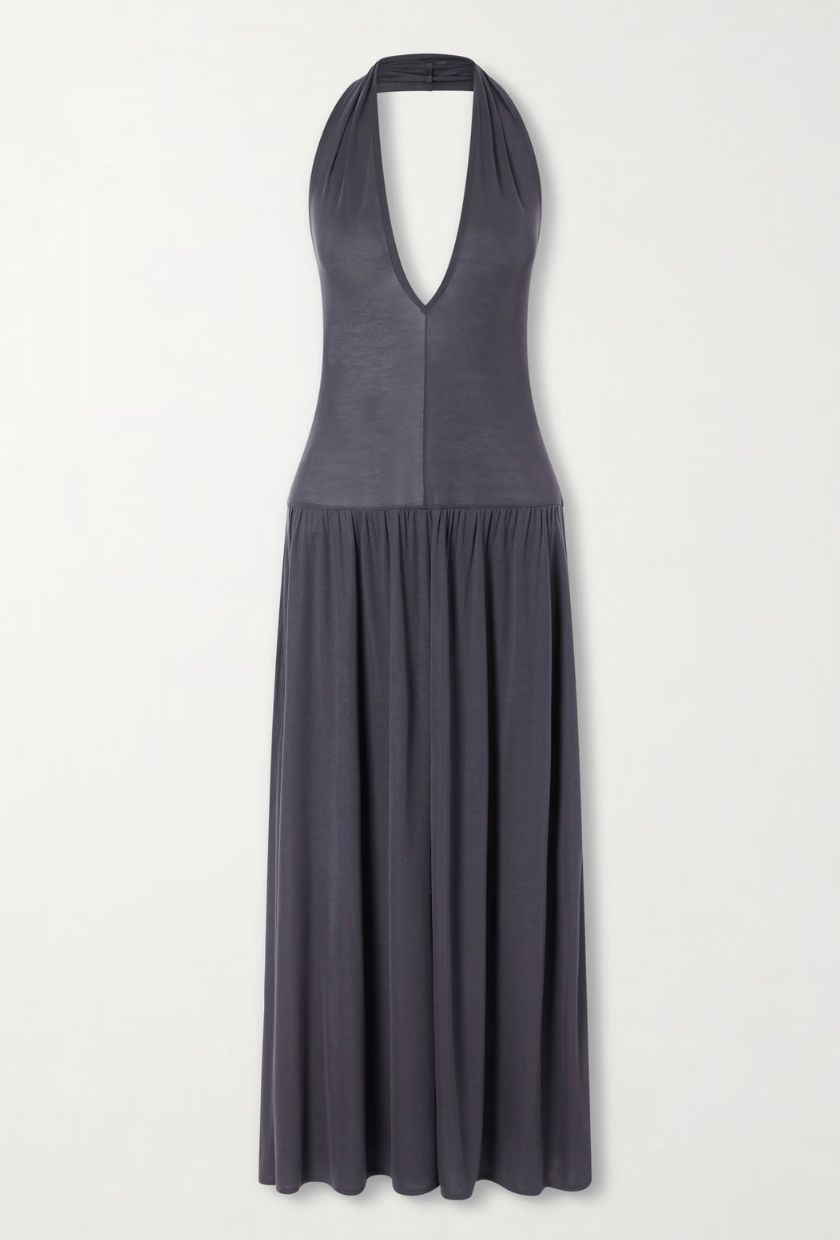
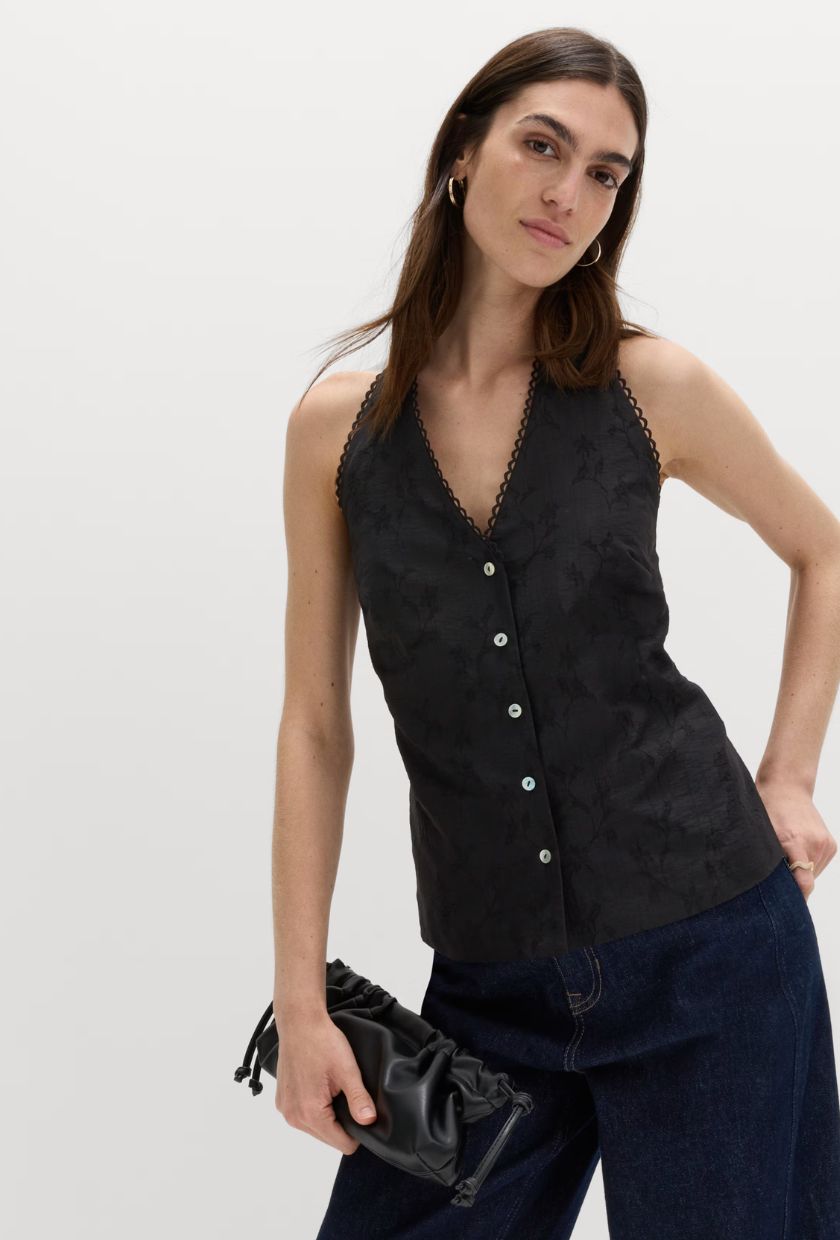
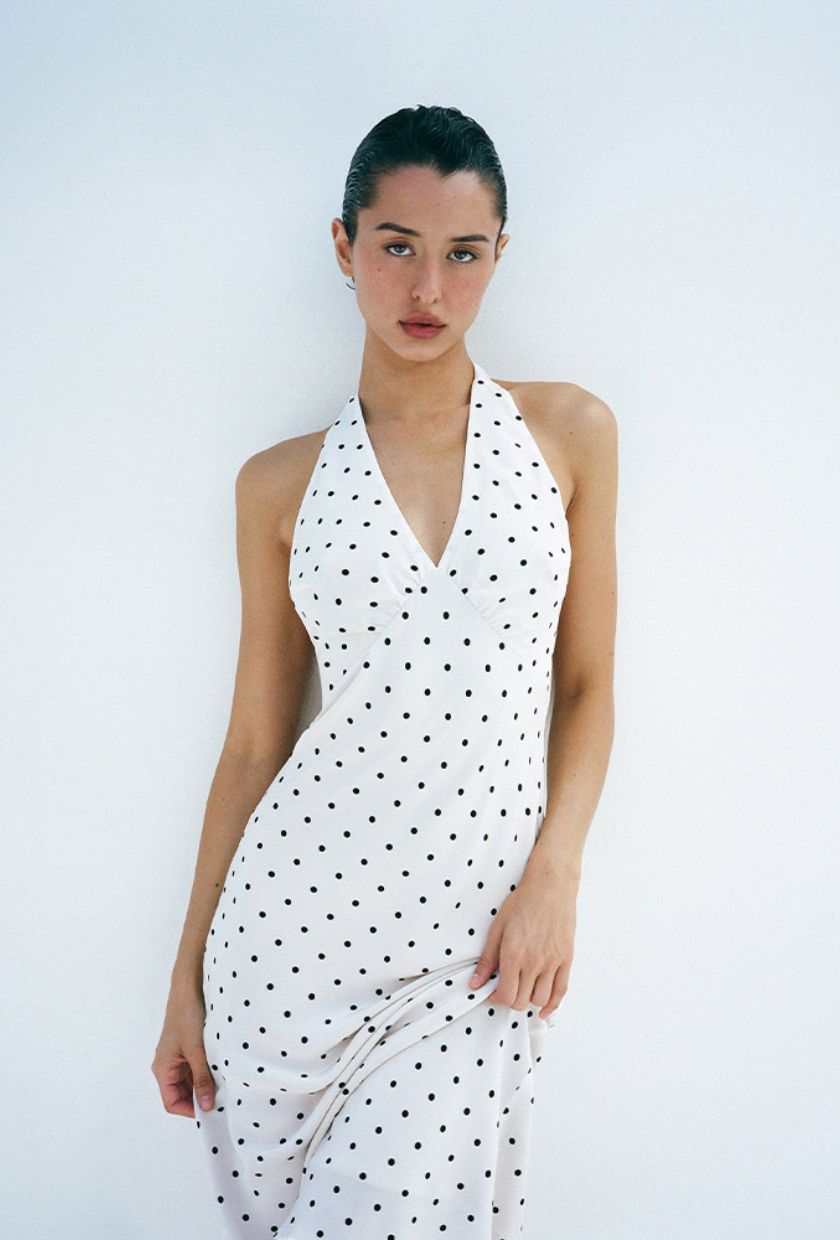
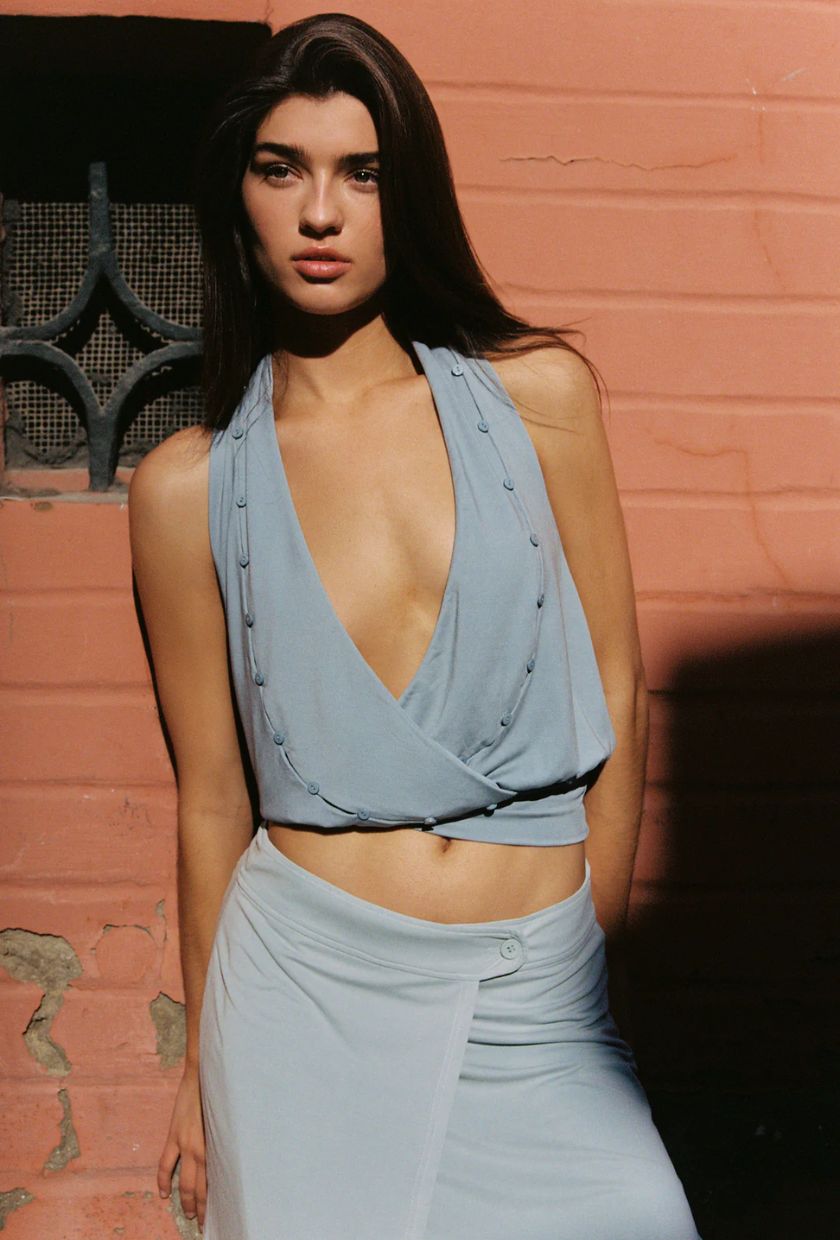
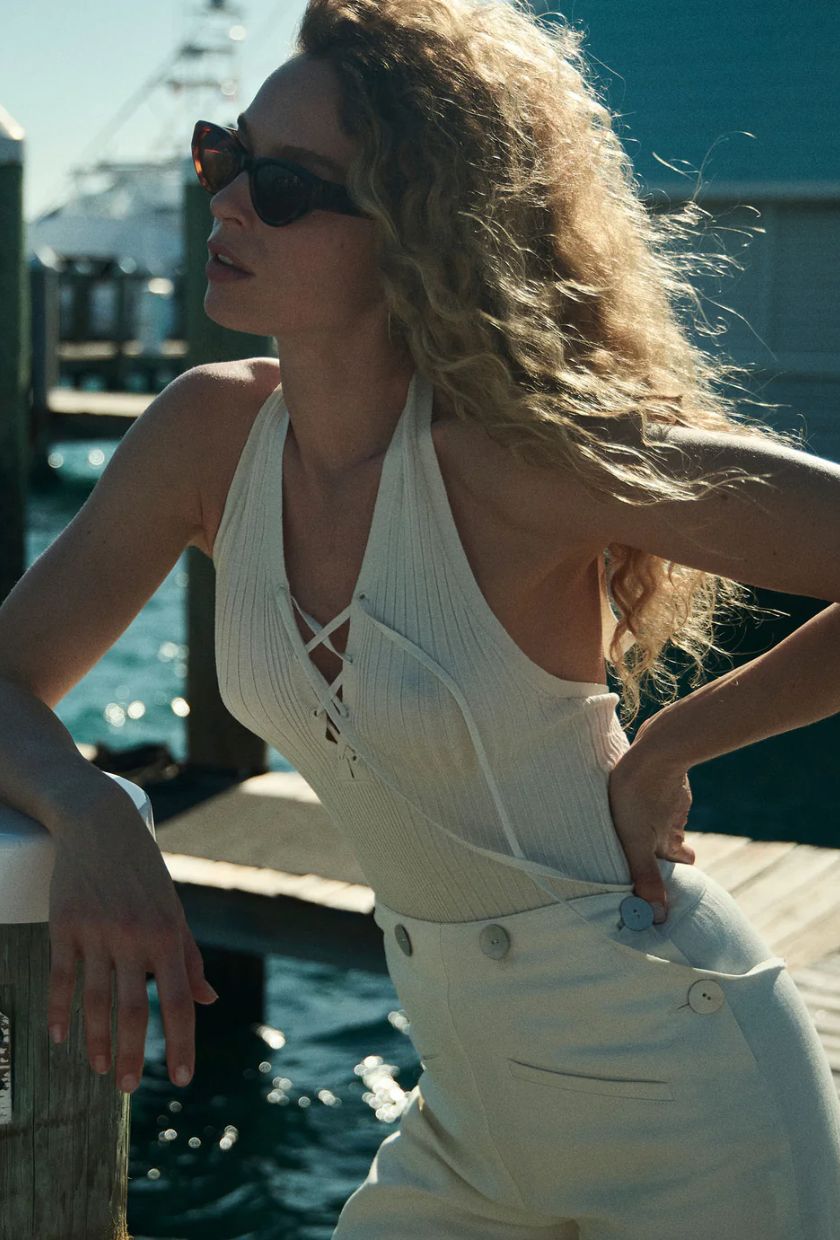
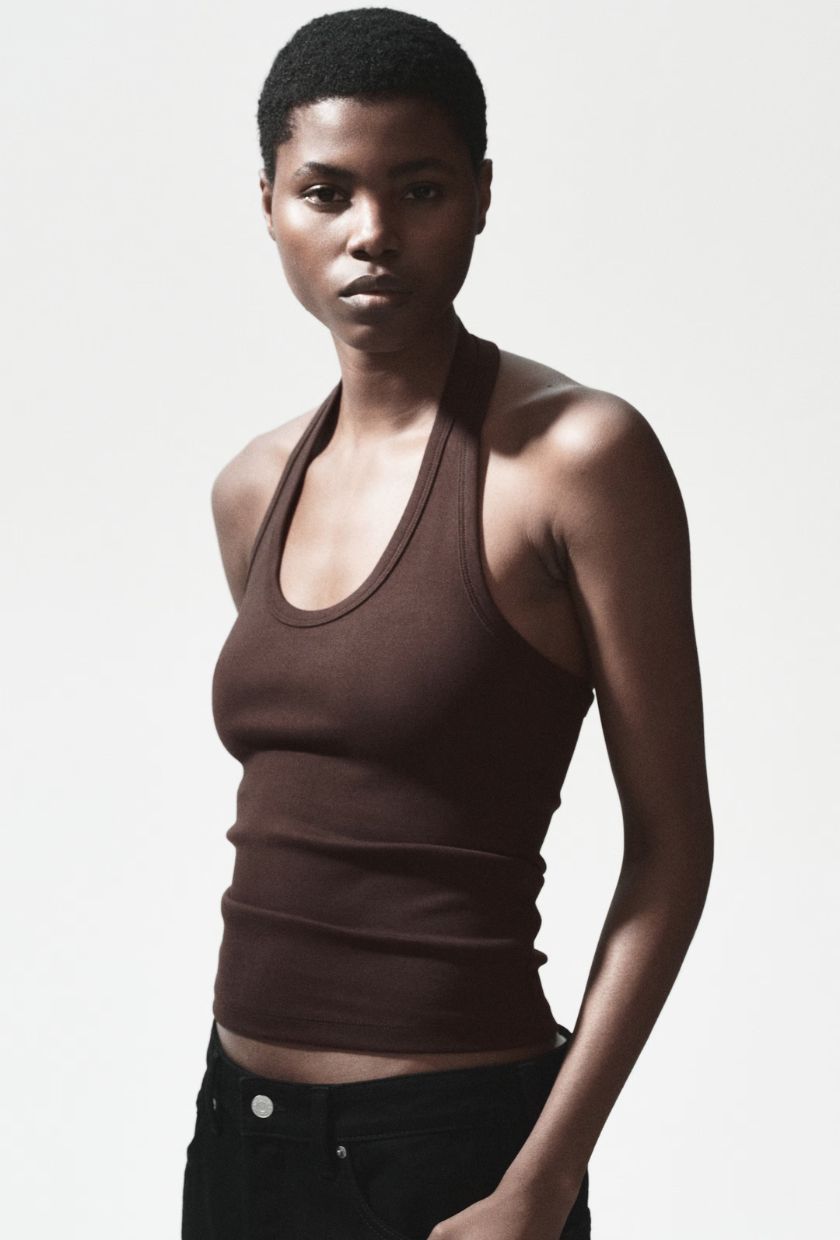
My own relationship with uniform dressing has evolved over the decade I’ve been practising this styling technique. For instance, my winter uniform doesn’t translate so well for spring or summer, especially when the warmer months feel more ripe for experimentation. But for the last few summers, I’ve found myself drawn to a halterneck, whether it’s just a top or a dress. I used to view them as a bit juvenile, something you wear in high school or college. Now, at 40, I’ve had a big change of heart. To me, it feels very feminine and sexy without being overtly so, and styled the right way, I think it can look playful and sophisticated. Not all halters are created equal, though. I prefer the polish of a square halter top that cuts straight across the bust, or a teardrop shape.
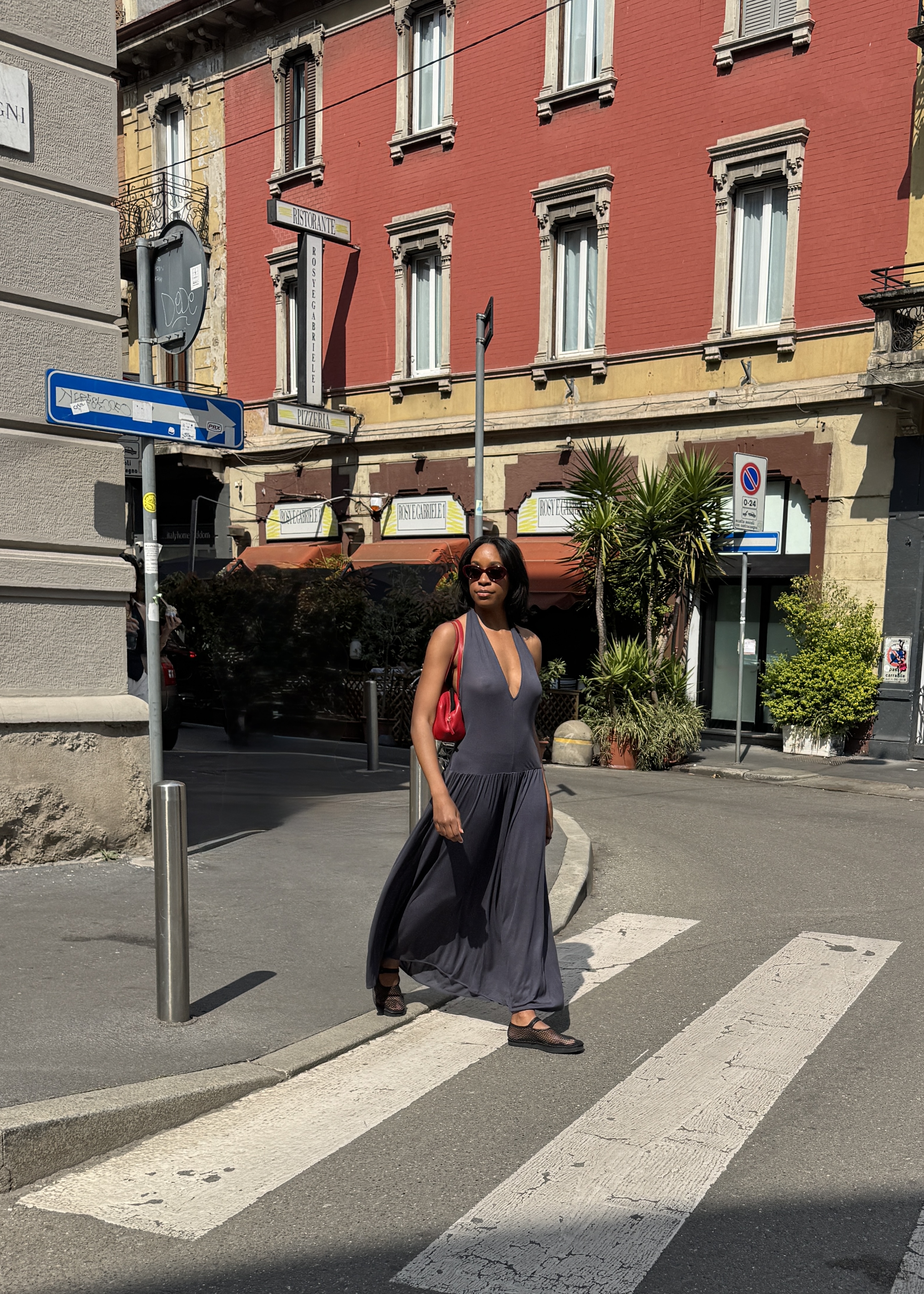
A few years ago, I bought a simple white ribbed halter from Aritzia, and my love for it has only grown since then, which is ultimately what inspired me to create this summer uniform around it. One of the most important lessons about building a personal uniform, though, when you find something that truly works, buy multiples. Sadly, Aritzia stopped making this top, but like any expert shopper, I’ve been able to track down extras on Depop, so I’m well covered. A St. Agni halter dress I purchased this spring also inspired me to double down on this silhouette.
Of course, that doesn't mean you can never veer off that path. I love fashion and having fun with clothes—I will always experiment and try different things that I’m drawn to, but my uniform serves as a home base, a reliable starting point I can always return to when I'm feeling uninspired, overwhelmed or simply unsure of what to wear. There's something comforting about knowing exactly what works for you.
Shop Chrissy Ford's Uniform
Read on the original site
Open the publisher's page for the full experience