Fashion Is Ready for the Stan Smith Again

In the mid-2010s, you couldn't escape the white leather Adidas sneaker if you tried. Commuters slipped them on for the trip to and from the office, editors wore them, and Phoebe Philo took her Céline runway bows in them. Celebrities and arbiters of good taste—from the Olsen twins on down—were stalked by paparazzi in theirs, venti Starbucks in hand. Eventually, your non-fashion friends got a pair. Then your mom did. And then, as these things tend to go, fashion's fickle fans got sick of looking at them.
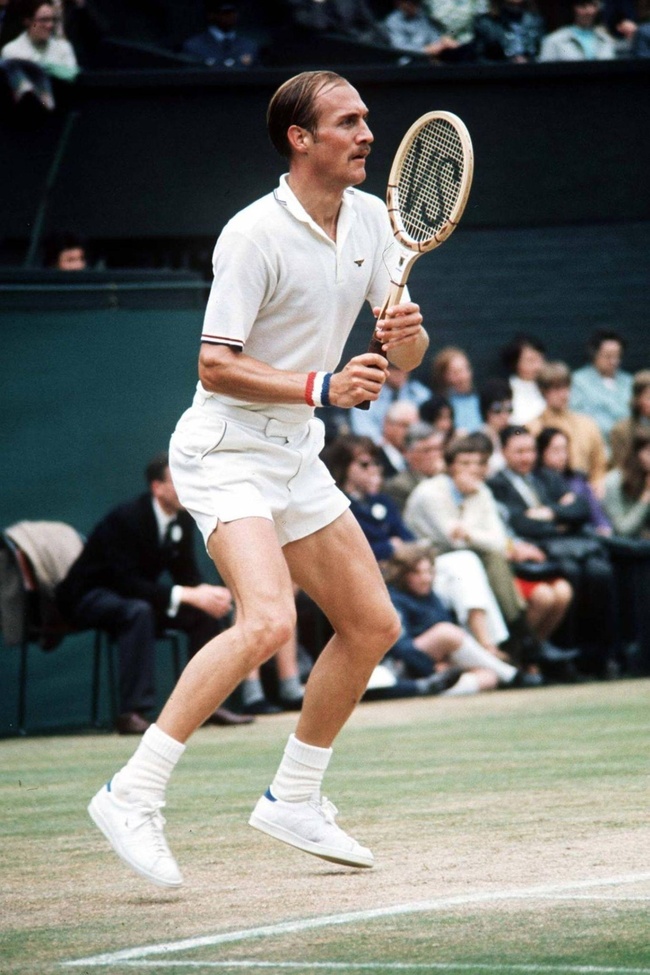
The Stan Smith was hardly new to the trend cycle, even then. Originally created in the 1960s for French tennis player Robert Haillet, it was the first leather tennis shoe on the market before being rechristened for American tennis star Stan Smith. By 1989, 22 million pairs had sold. Then Adidas did something that now reads remarkably ahead of its time: It made the shoe disappear. Production stopped in 2011, creating demand for something you suddenly couldn't have.
It worked almost absurdly well. Adidas brought the Stan Smith back in 2014, betting that a few years away had made the sneaker desirable again. U.S. sales, which reportedly hovered around $800,000 in 2012, climbed to more than $7 million in 2014 and $12.5 million through the first nine months of 2015. Globally, Adidas sold eight million pairs that year alone. The Stan Smith had gone from classic tennis shoe to full-blown fashion phenomenon—and, eventually, become so mainstream that the only thing left to do was stop wearing it again.

For the years that followed, the Stan Smith quietly saw itself out of the It-shoe arena while Adidas found a new cast of sneaker heroes.
Lately, though, the Stan Smith has started showing up again. Nearly a decade after fashion reached peak saturation with the sneaker, a new crop of wearers is looking at it with fresh eyes. Someone turning 20 this year, after all, was nine in 2015, when Adidas sold eight million pairs.
The clues started this spring, when Timothée Chalamet sat courtside at a Knicks playoff game in a pair of classic Stan Smiths. This summer, Emily Oberg, the Sporty & Rich founder who has made a career out of finding new relevance in old-school sportswear, put them into rotation. At the U.S. Open, Tate McRae wore the well-known white-and-green pair—a choice that could have been lifted straight from a 2015 street-style photo. And this month, just as Fashion Week gets underway, The Frankie Shop is putting its own very current stamp on the style.
Three makes a trend—or at least a compelling case for one. That was the assessment of Marie Claire editor-in-chief Nikki Ogunnaike, who has a knack for spotting an It item before everyone else decides it's one. Four starts to feel like something more.
Which raises the question: How did we end up back here?
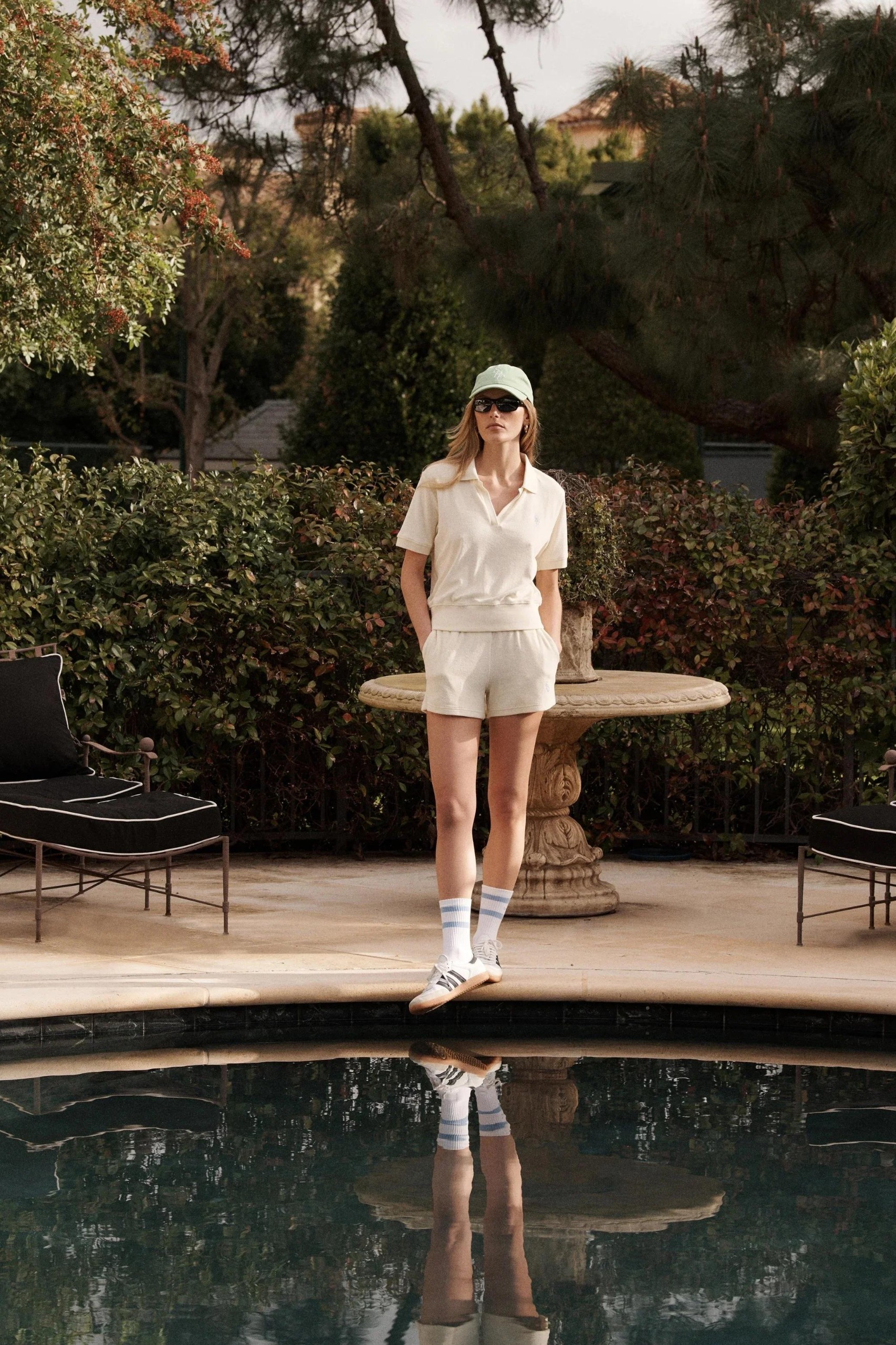

Finding the next sneaker became something of a sport itself. Sneaker fanatics and bandwagon fans alike have spent the past few years working their way through the Adidas archive—the Samba, the Gazelle, the Spezial, the SL 72, the Tokyo—reciting obscure provenances and style numbers like tasting notes on a bottle of Burgundy. Adidas's Tokyo in particular has become one of the fashion crowd's sneakers to know.
The appetite for nostalgic sneakers was already there. Earlier this year, The RealReal reported that demand for retro-inspired sneakers from Dries Van Noten and Wales Bonner x Adidas was up 123 percent year over year.


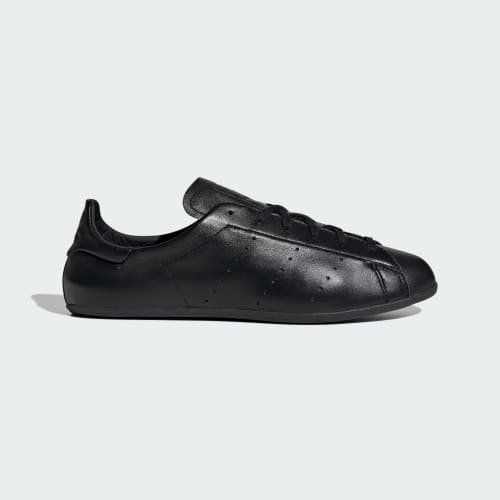
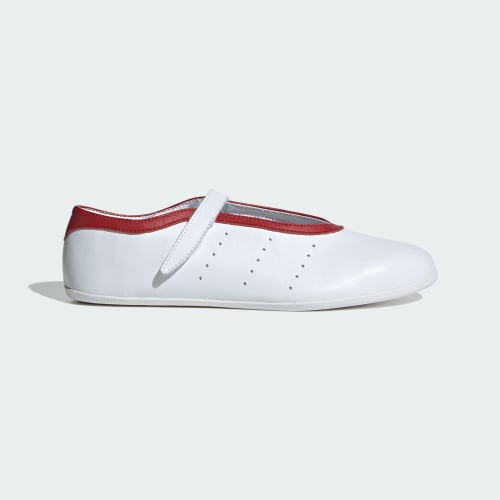
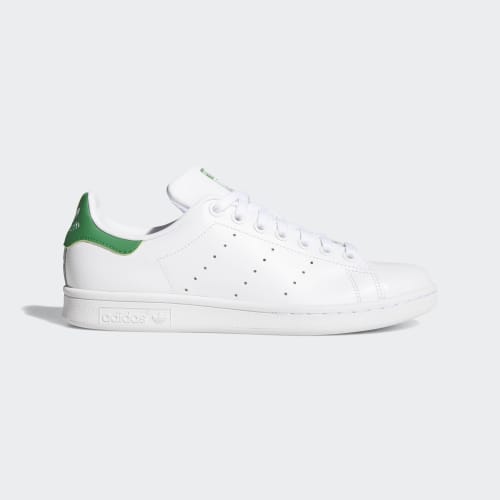
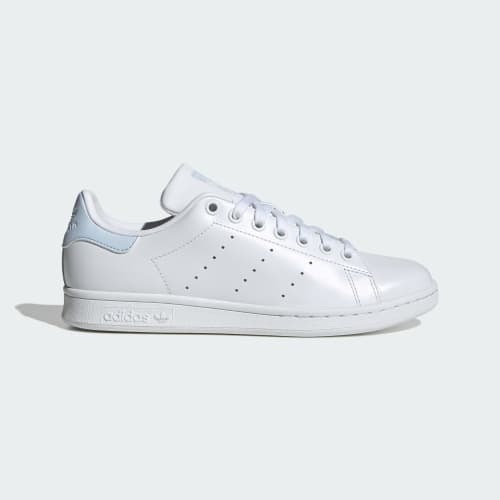
Part of the Stan Smith's appeal is how almost aggressively straightforward it is. No silver uppers or exaggerated soles, whiplash laces or obscure flourishes—just white leather, three perforated stripes, and a flash of subtle color at the heel. It's almost the counterpoint to some of 2026's biggest sneaker trends.
Adidas seems ready for us to look at it again, too. This summer, the brand released a new $130 Stan Smith 80s, a return to the shoe's familiar white-and-green form.
And the timing is no accident. On an earnings call this summer, Adidas CEO Bjørn Gulden told investors the company was seeing “big indications” from fashion shows, consumer groups, and its own research that the Stan Smith was ready for another run. Early sales of the limited product, he added, were already “working very well.”
Adidas knows better than most what happens when a good thing becomes too available. The last Stan Smith comeback was so successful that ubiquity eventually became its undoing. This time, the brand appears to be moving more carefully, putting limited product into the market and watching what happens before scaling up.
And fashion, for now, is still in the fun part of the cycle: when enough time has passed that you can’t quite remember why you got sick of something in the first place. The next great fashion-girl sneaker may already be sitting in the back of one generation's closet—and soon enough, at the top of another's wish list.
Read on the original site
Open the publisher's page for the full experience