Fendi Fall 2026 Couture Marks Its Minimalist Era
Our take
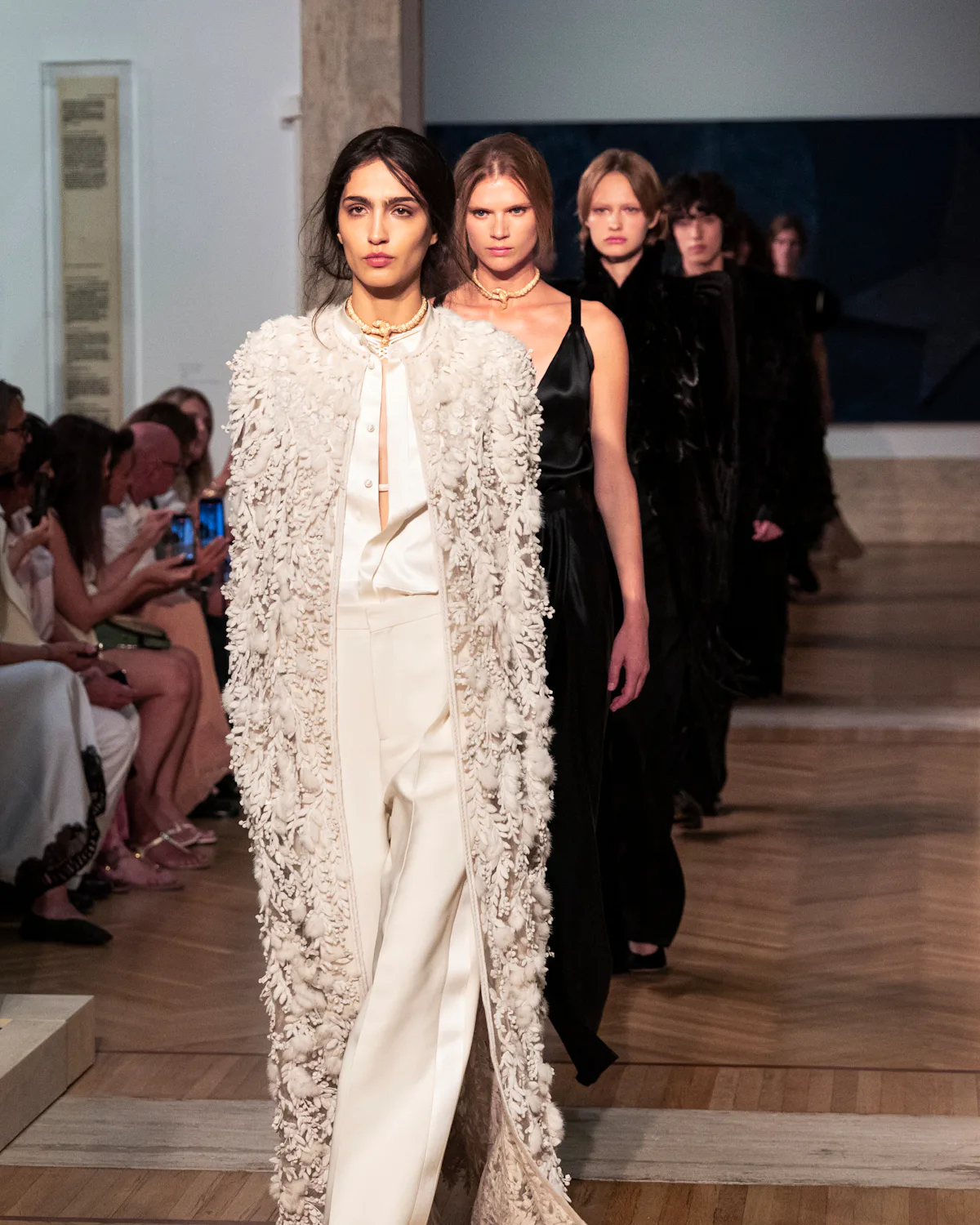
The unveiling of Fendi’s Fall 2026 couture collection, spearheaded by Maria Grazia Chiuri, signals a fascinating and perhaps necessary shift within the haute couture landscape. The move towards a minimalist aesthetic, characterized by neutral palettes and understated embellishments, feels profoundly resonant with the current cultural mood—a rejection of maximalism in favor of quiet luxury. This isn't merely a stylistic choice; it’s a deliberate repositioning, echoing sentiments explored in a recent piece about [Fendi's Couture Front Row Was Filled With Neutral Outfits], where even the celebrity attendees embraced a monochrome elegance. Considering the broader trends, even Chanel is subtly pivoting, as demonstrated by [Chanel Just Predicted 2027's Top Shoe Color Trend, and It's Not One You'd Expect ], suggesting a collective recalibration away from overt displays of wealth and towards a more nuanced understanding of luxury. This feels aligned with the growing desire for timelessness and intention, values we champion in our own approach to style and self-expression.
Chiuri’s decision to draw inspiration from Rome’s rustic elegance—a conscious return to the house’s heritage—is particularly astute. It’s a powerful counterpoint to the often-fleeting trends that dominate the fashion calendar. Rooting the collection in a specific place and time imbues it with a sense of authenticity and enduring appeal. The subtle nods to the female body, referenced in the article, highlight a deeper understanding of the relationship between clothing and the wearer. It’s not about imposing silhouettes or dictating trends; it's about celebrating the natural form with grace and sensitivity. The focus shifts from the spectacle of the garment itself to the feeling it evokes within the wearer, aligning with our own emphasis on inner states and emotional connection rather than purely external displays. This intentionality is key to establishing a lasting legacy, far beyond a momentary buzz. It's a considered approach that builds resonance and a sense of belonging for the consumer.
The implications of this minimalist turn for Fendi, and indeed for the entire couture world, are significant. For years, haute couture has been synonymous with extravagant embellishments, intricate detailing, and a relentless pursuit of the “new.” While that level of craftsmanship remains undeniably valuable, the current climate demands a different kind of luxury—one that prioritizes quality, sustainability, and a sense of quiet confidence. This is a move away from the performative aspects of fashion and towards a more introspective and personal expression. It’s a recognition that true luxury isn’t about shouting for attention; it’s about exuding an understated elegance that speaks volumes. It encourages a slowing down, a deliberate choosing, a curation of pieces that genuinely reflect one's personal style—a philosophy that resonates deeply with our own ethos. The quiet confidence fostered by this aesthetic allows individuals to project their own inner strength and beauty, rather than relying on clothing to do the talking.
Ultimately, Fendi's embrace of minimalism isn’t a retreat; it’s a strategic evolution. It's a response to a shifting cultural landscape and a growing desire for authenticity within the luxury sphere. It’s a powerful statement that elegance can be found not in excess, but in restraint. As we move forward, it will be fascinating to observe how other houses respond to this new paradigm—will they follow suit, or will they double down on maximalism? And perhaps more importantly, will this shift lead to a broader re-evaluation of what luxury truly means in a world increasingly preoccupied with sustainability and mindful consumption, as some discussions regarding skincare choices around [I'm an Aesthetician and Dermatological Nurse—10 Drugstore Products I Recommend to Patients at Least 15 Times a Week] demonstrate?
For her first Fendi haute couture show, Maria Grazia Chiuri embraced the house’s past for the present day. The designer looked to Rome’s rustic elegance, as well as the sensuality of the female body, to inform her latest collection for the Italian house. As an added history lesson, there were also plenty of nods to the late Karl Lagerfeld’s early Fendi years at play — fitting, as the show was held inside Rome’s National Museum of Contemporary Art surrounded by “After un Percorso di Lavern. Fendi/Karl Lagerfeld 1985, After Steps Through Work,” an exhibit that celebrates the late designer’s first 20 years at the brand.
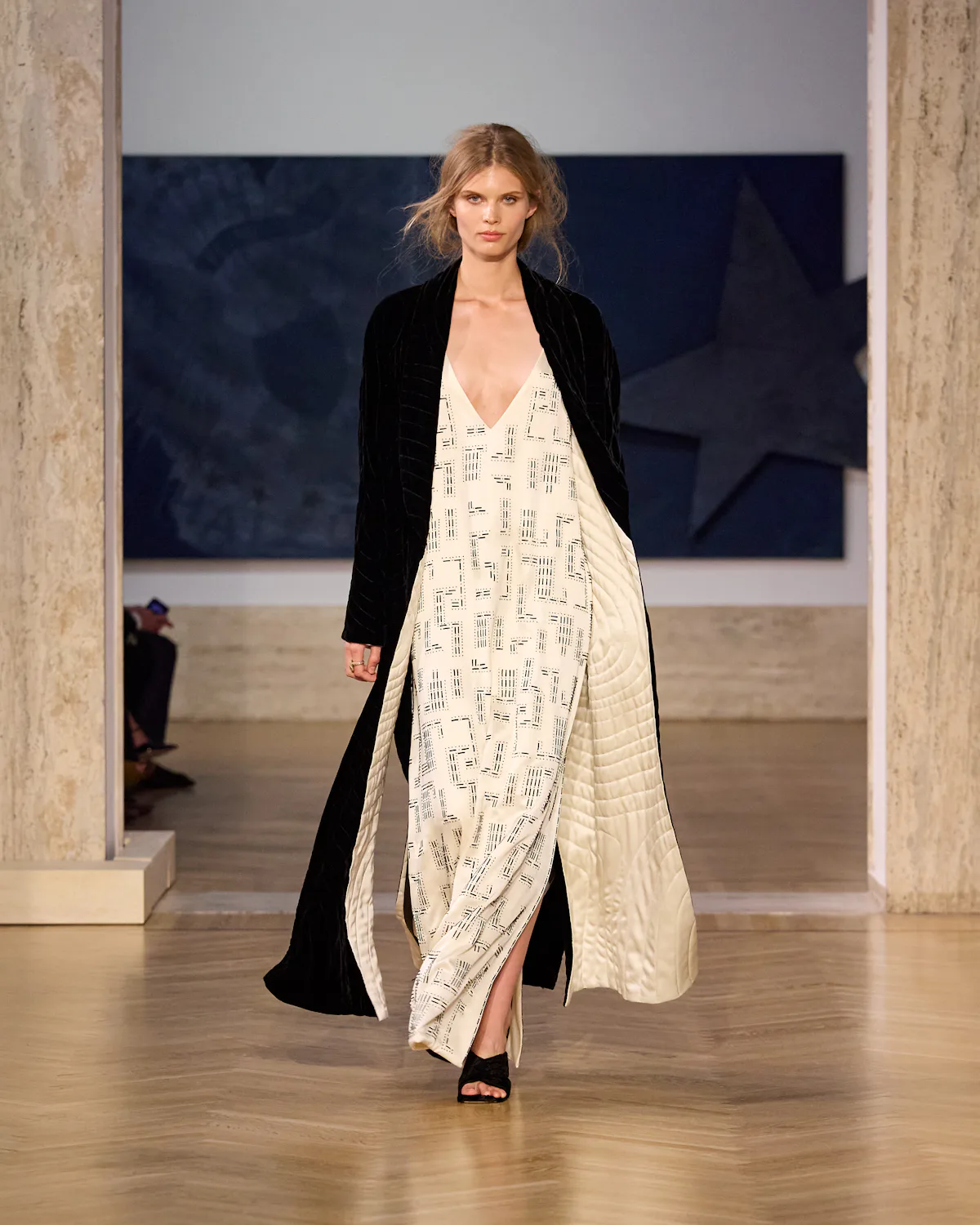
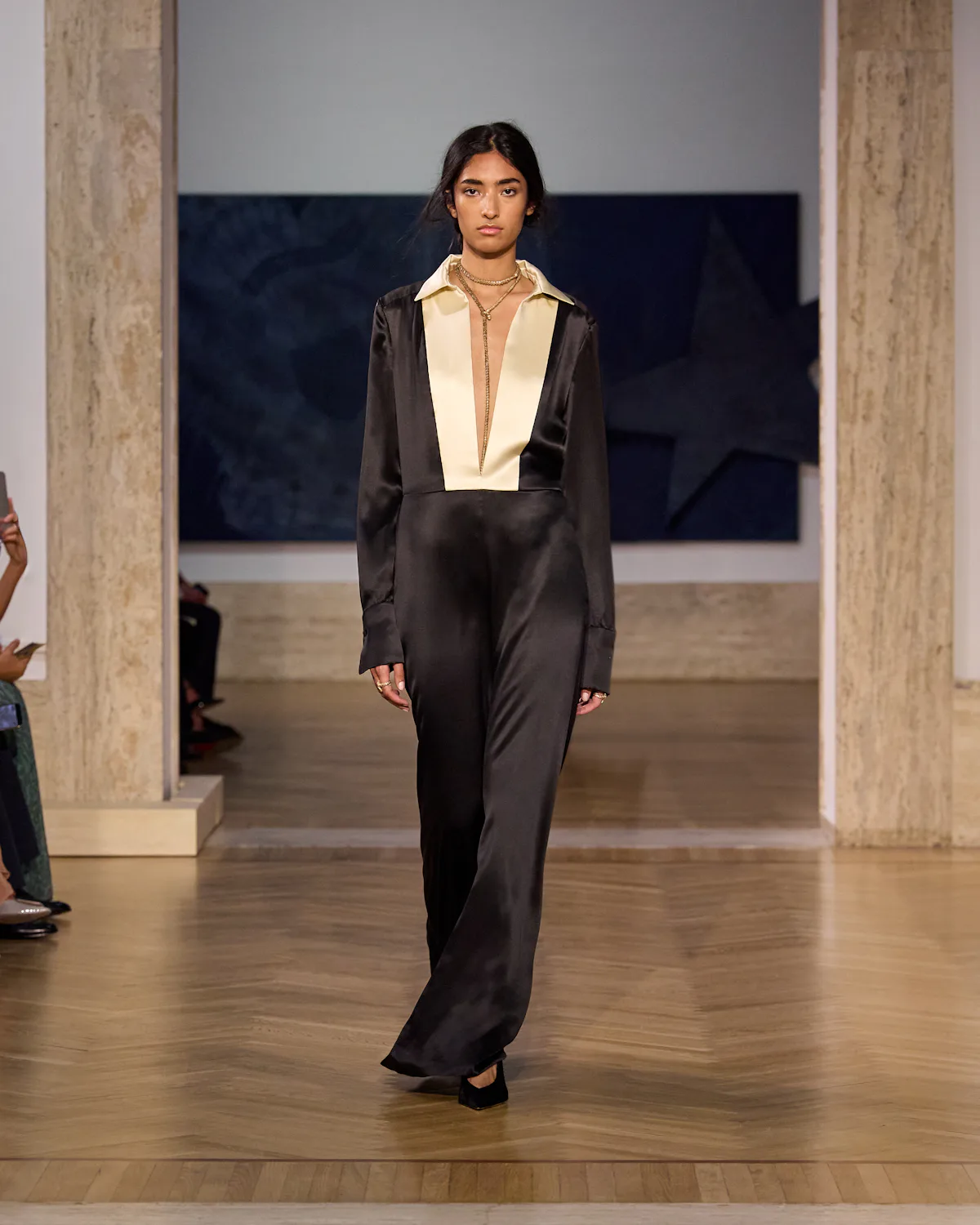
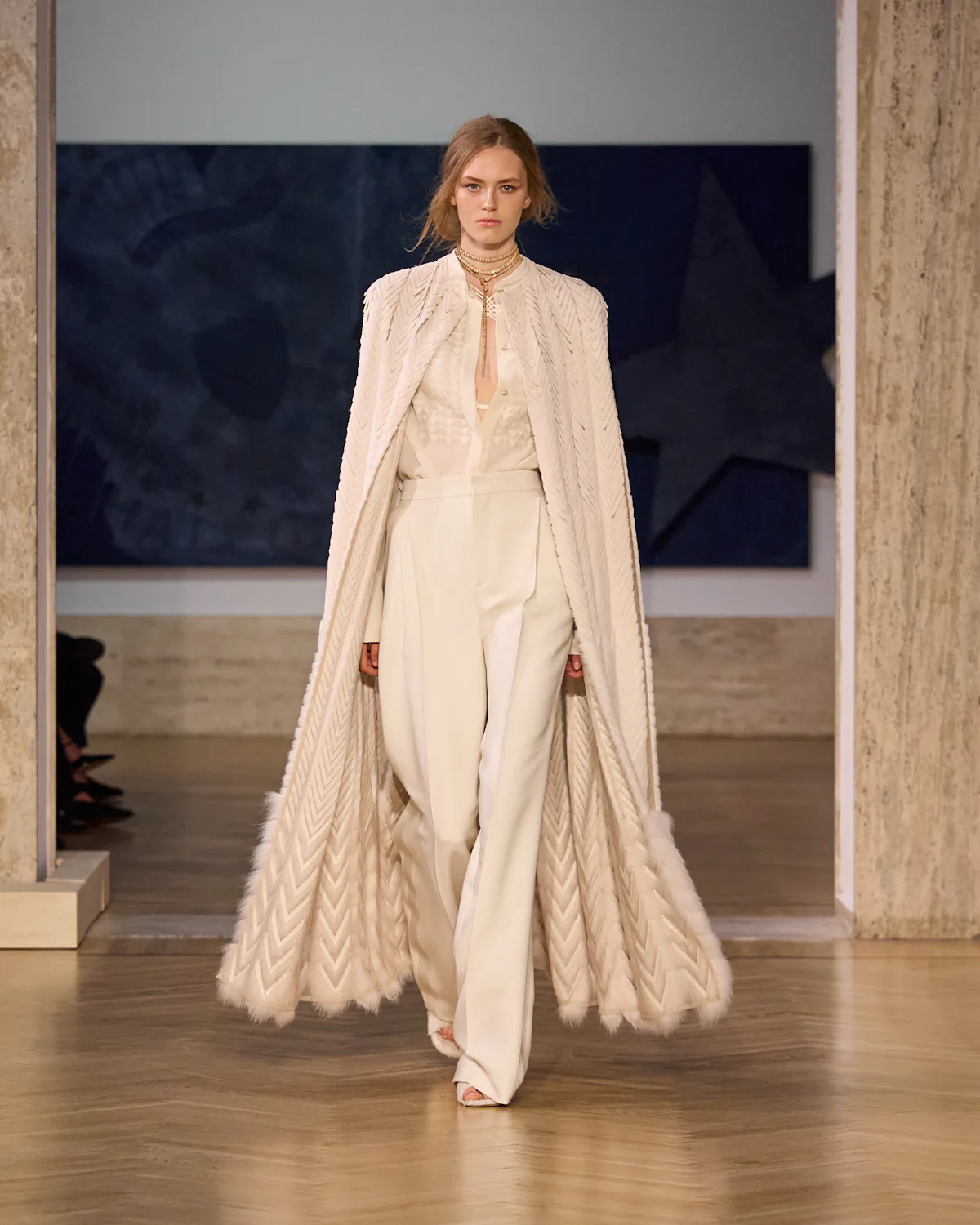
On the runway, Chiuri displayed a simpler take on haute couture’s detailed craft. The show opened with a flowing sheer caftan covered in a wide chevron print, followed by an equally neutral assortment of looks. Similarly minimalist silk blouses, bralettes, loose tailoring, and two-toned maxi dresses all had moments to shine on the runway.
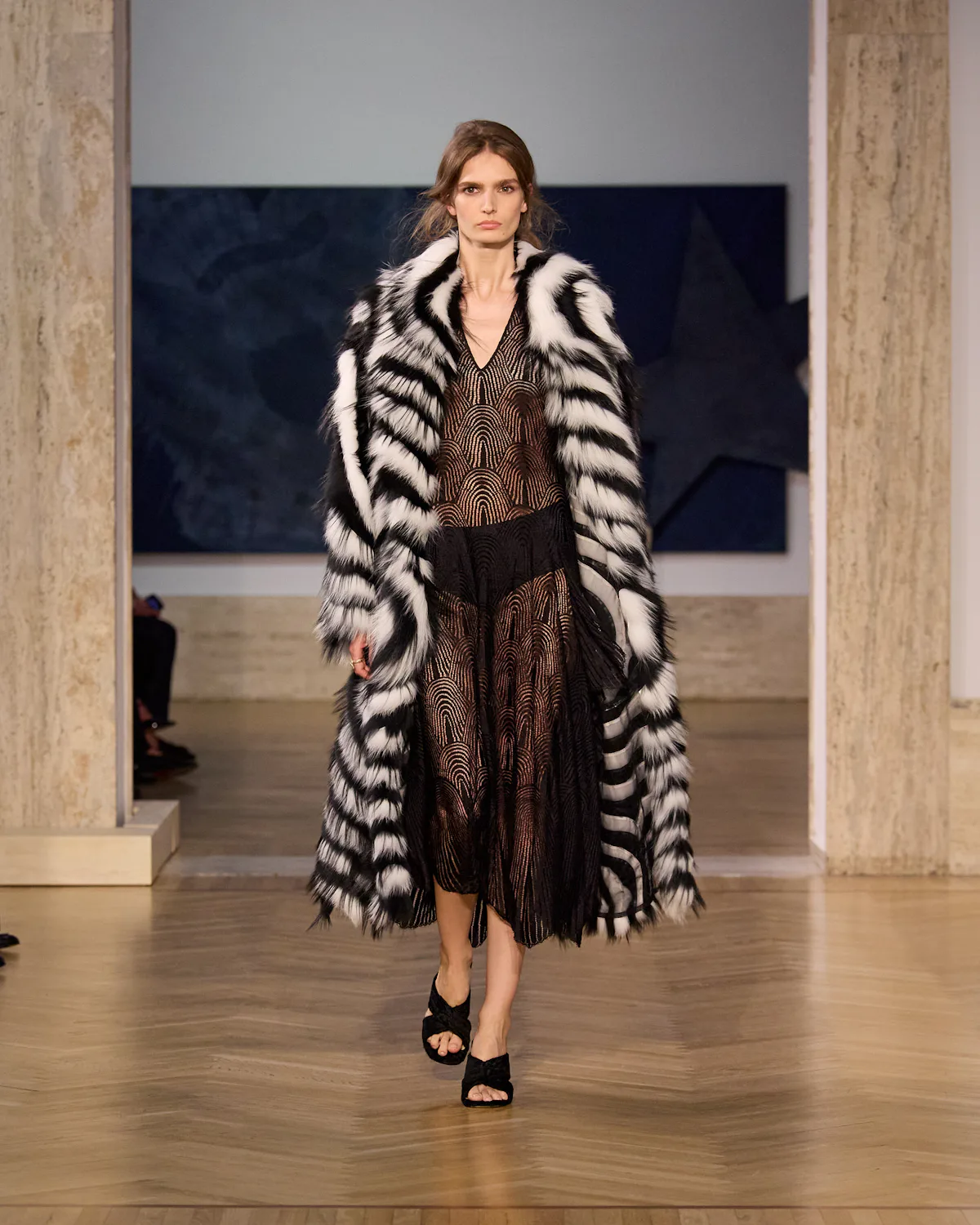
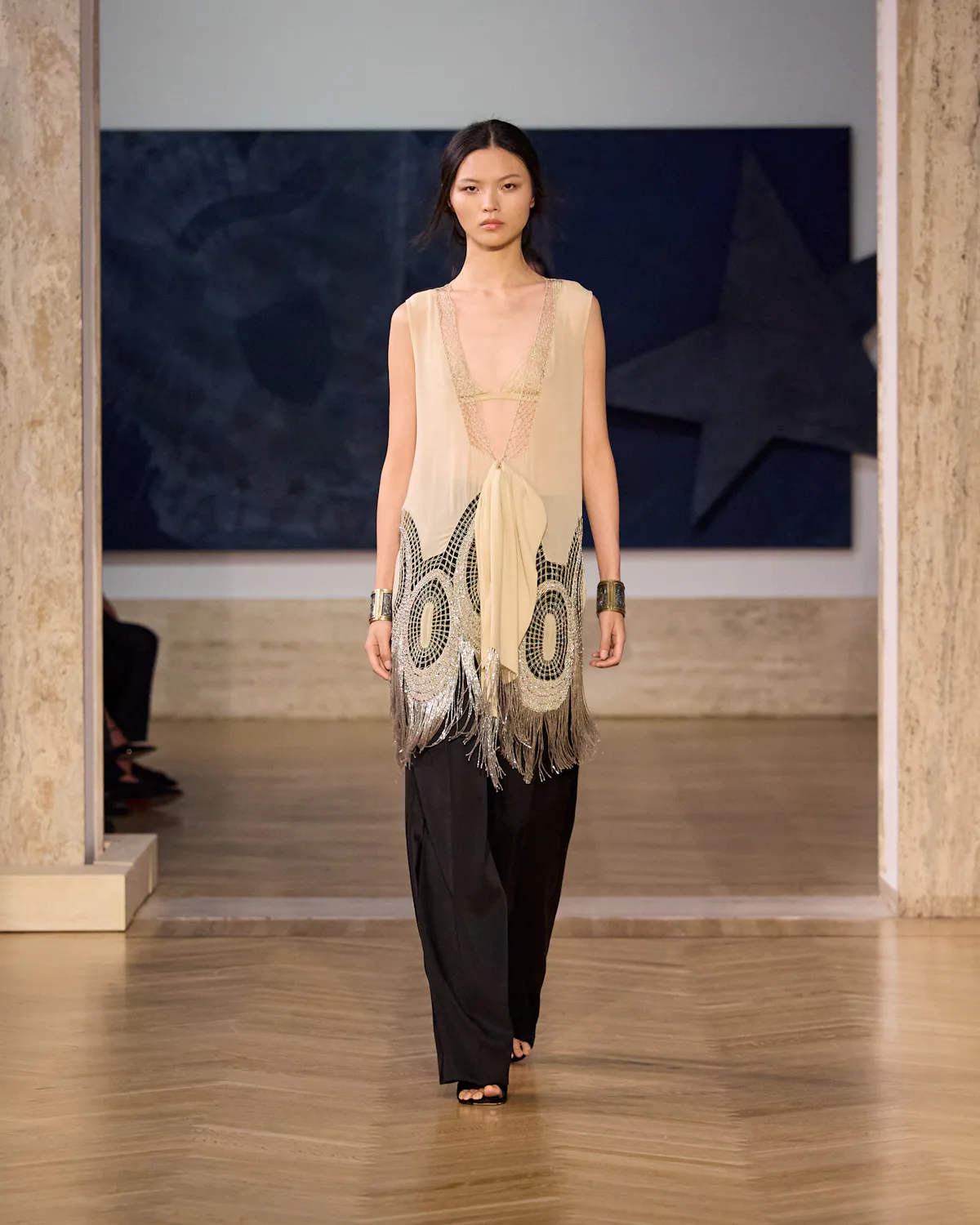
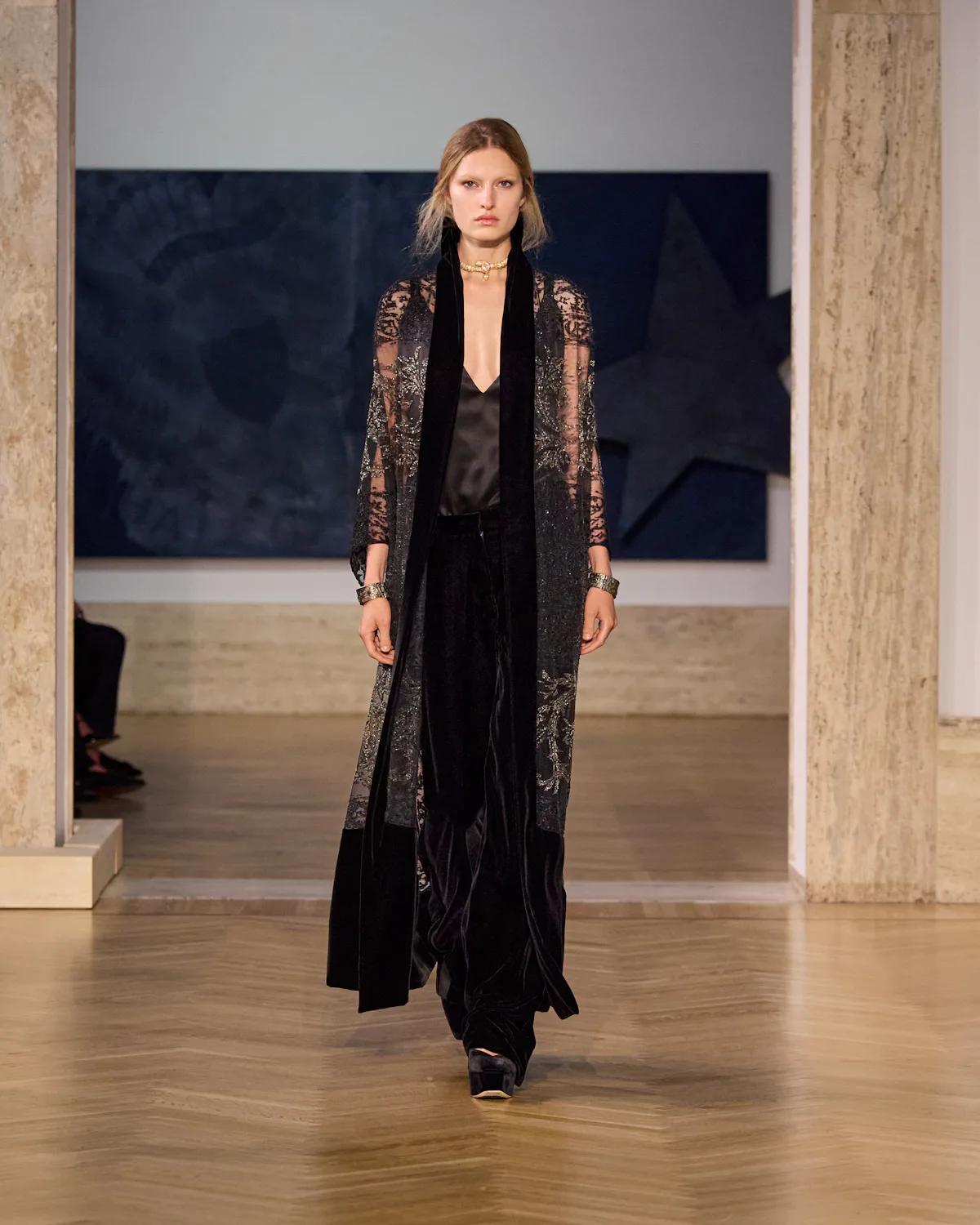
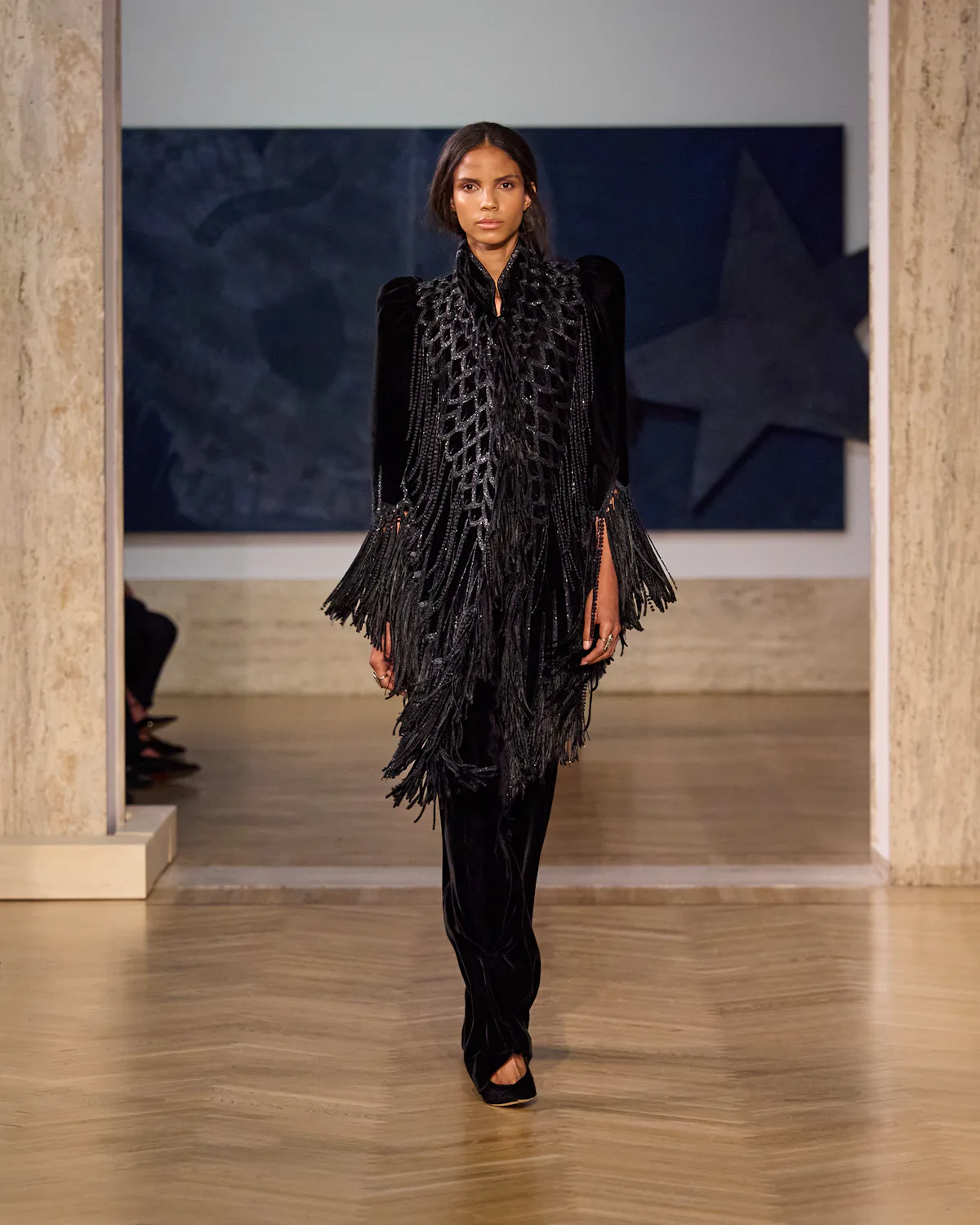
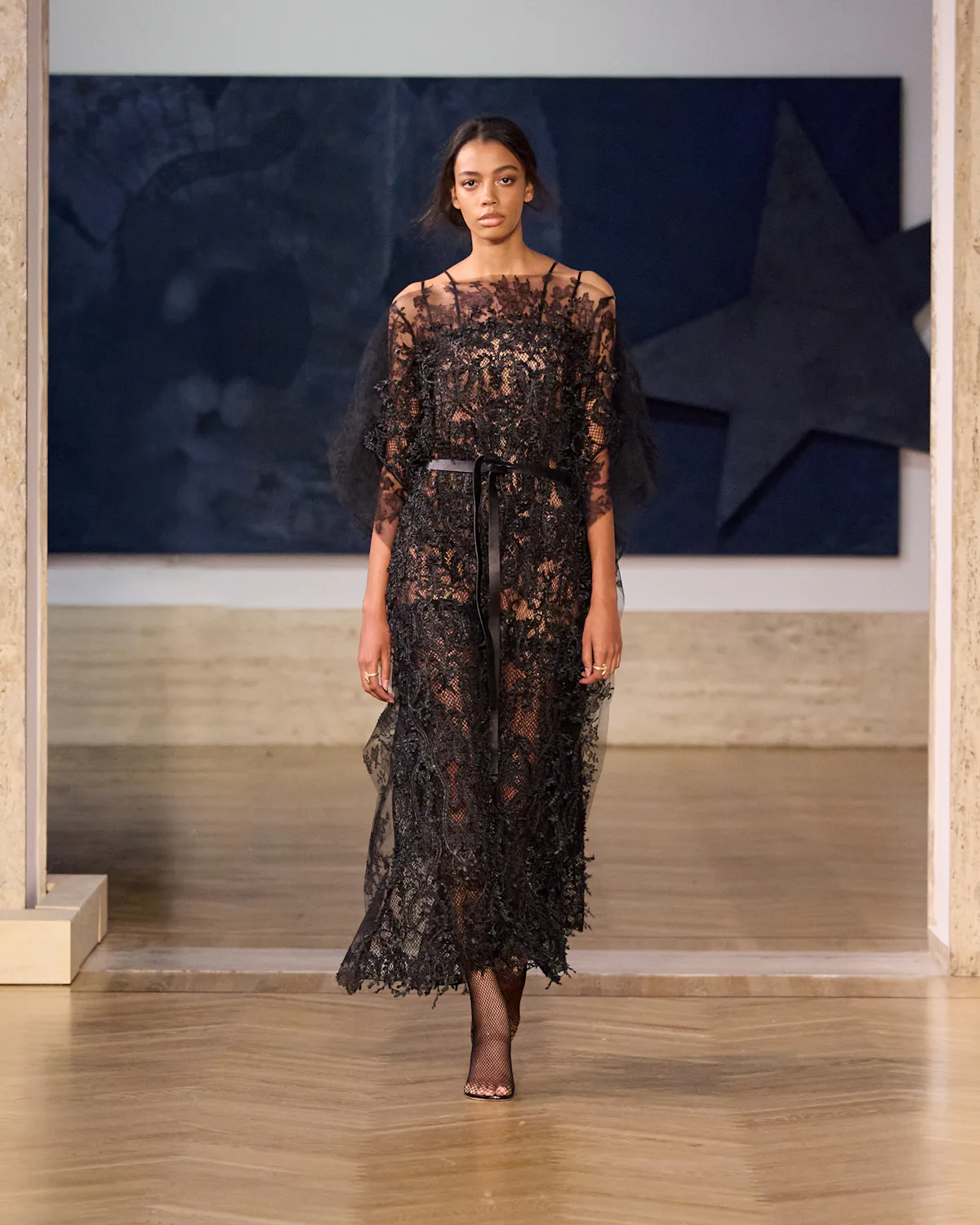
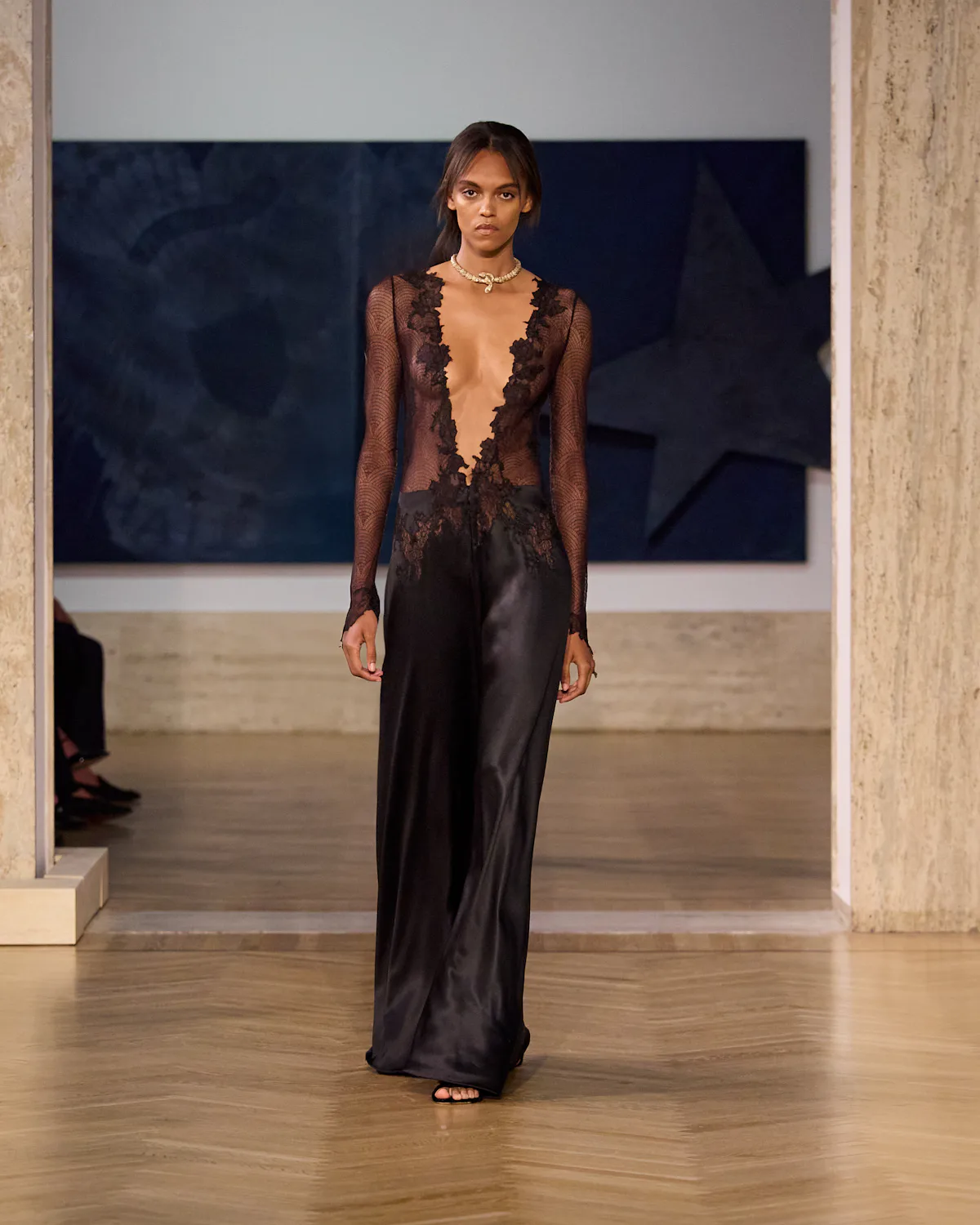
That casual touch also flowed through Chiuri’s more feminine and detailed designs. Plunging sheer gowns and keyhole dresses were crafted from thin floral lace and adorned with fluttering ruffles. Geometric embroidery, swirl patterns, black fringe, and Art Deco-like beading brought a clean glamour to multiple pieces, including several equally light fur capes and coats — a longtime staple for the brand that grew under Lagerfeld’s tenure.
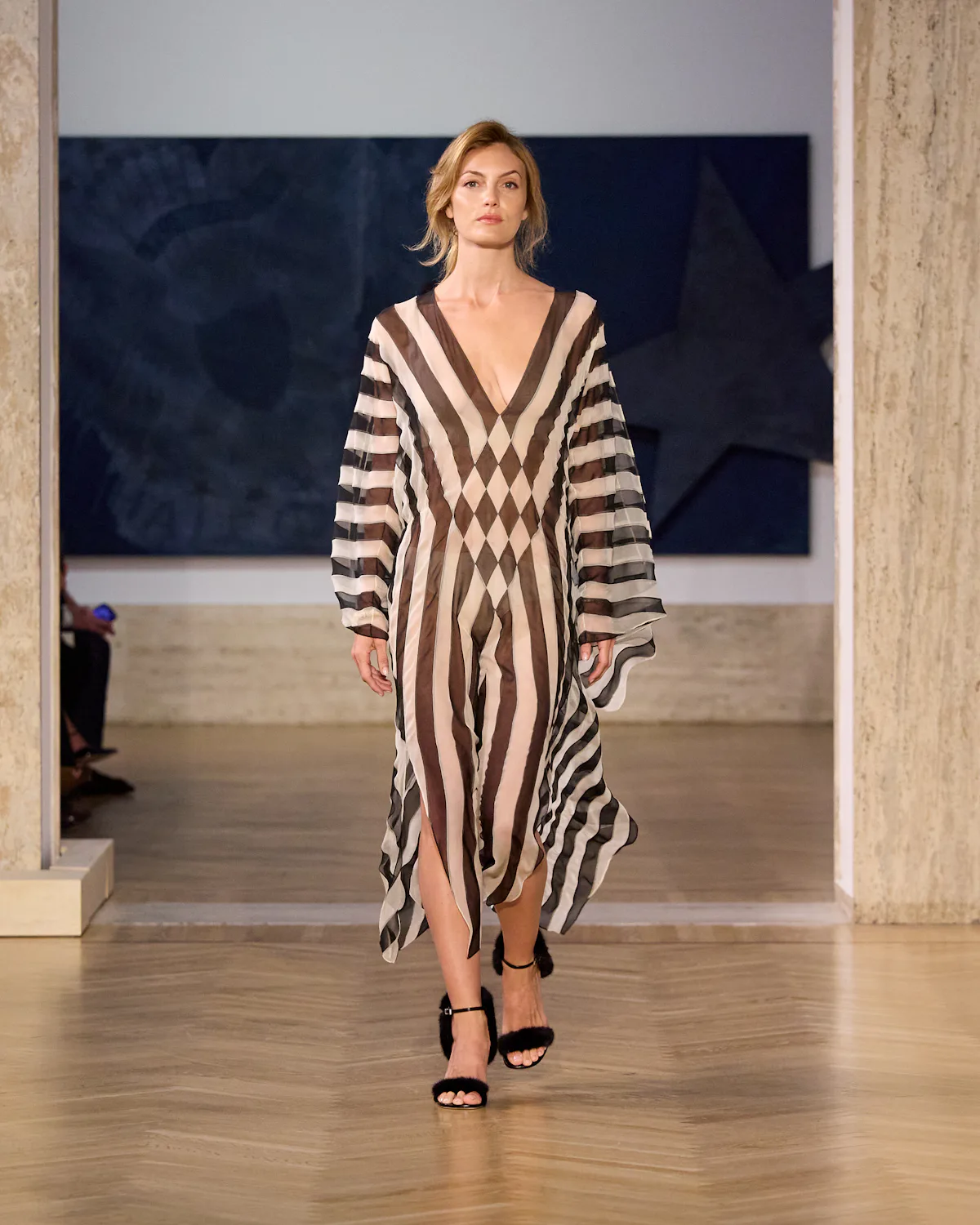
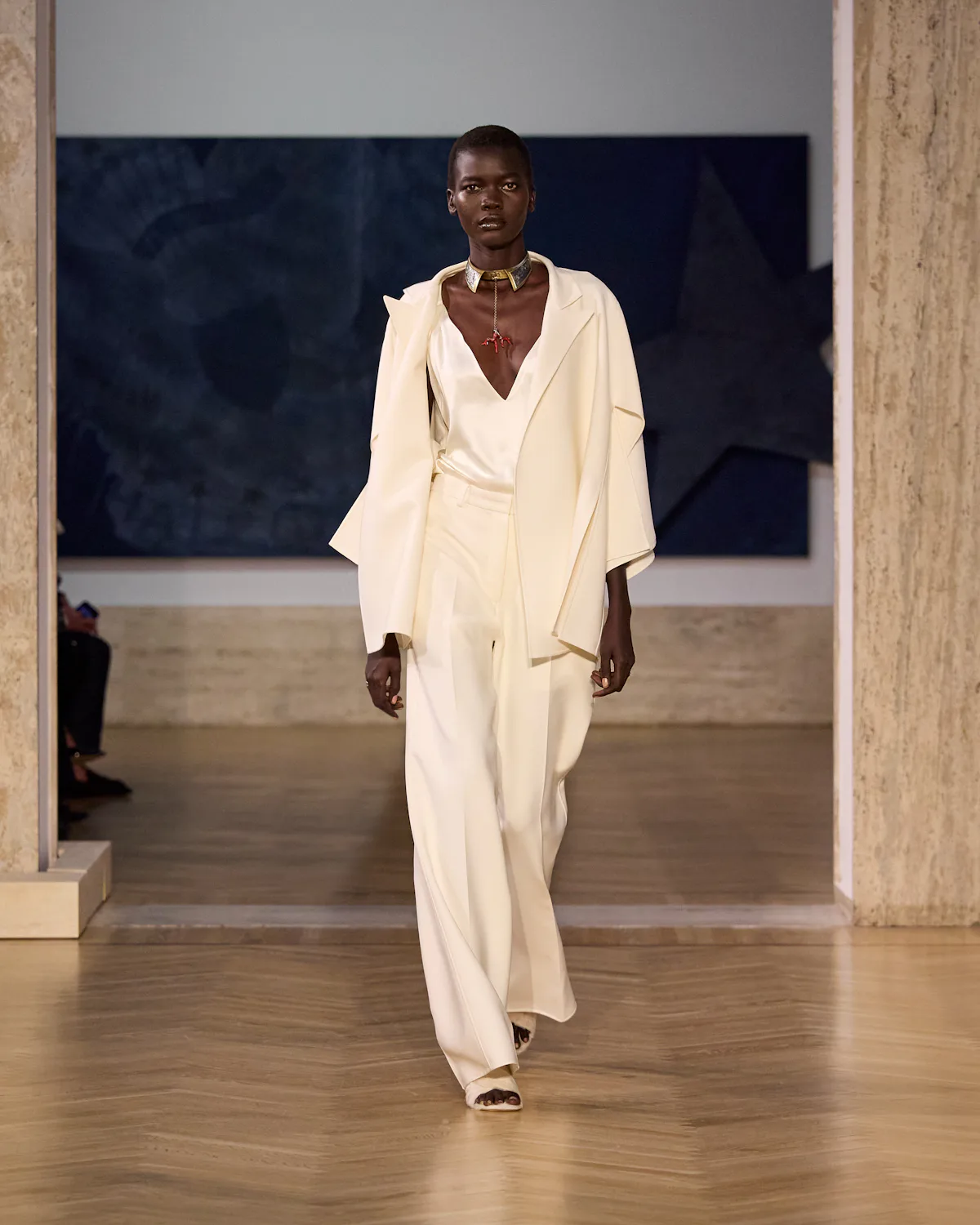
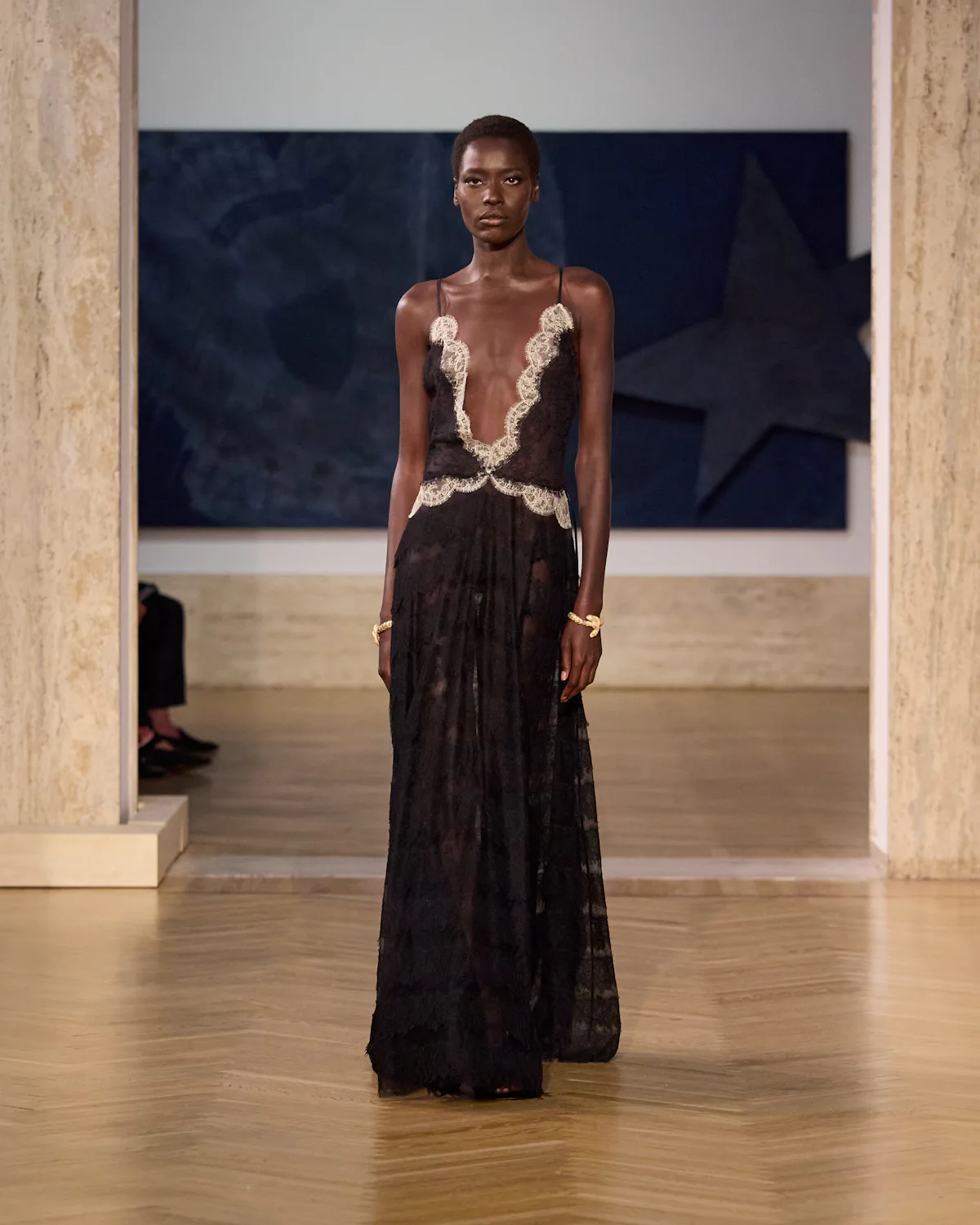
With the clothes taking center stage, the accessories were kept subtle. Most looks were paired with a lineup of braided sandals, lace and mesh pumps, and towering platform heels. Thick burnished cuffs, serpentine bangles, and embossed collar necklaces and signet rings brought an antique feel, as if plucked directly from the ruins of ancient Rome.
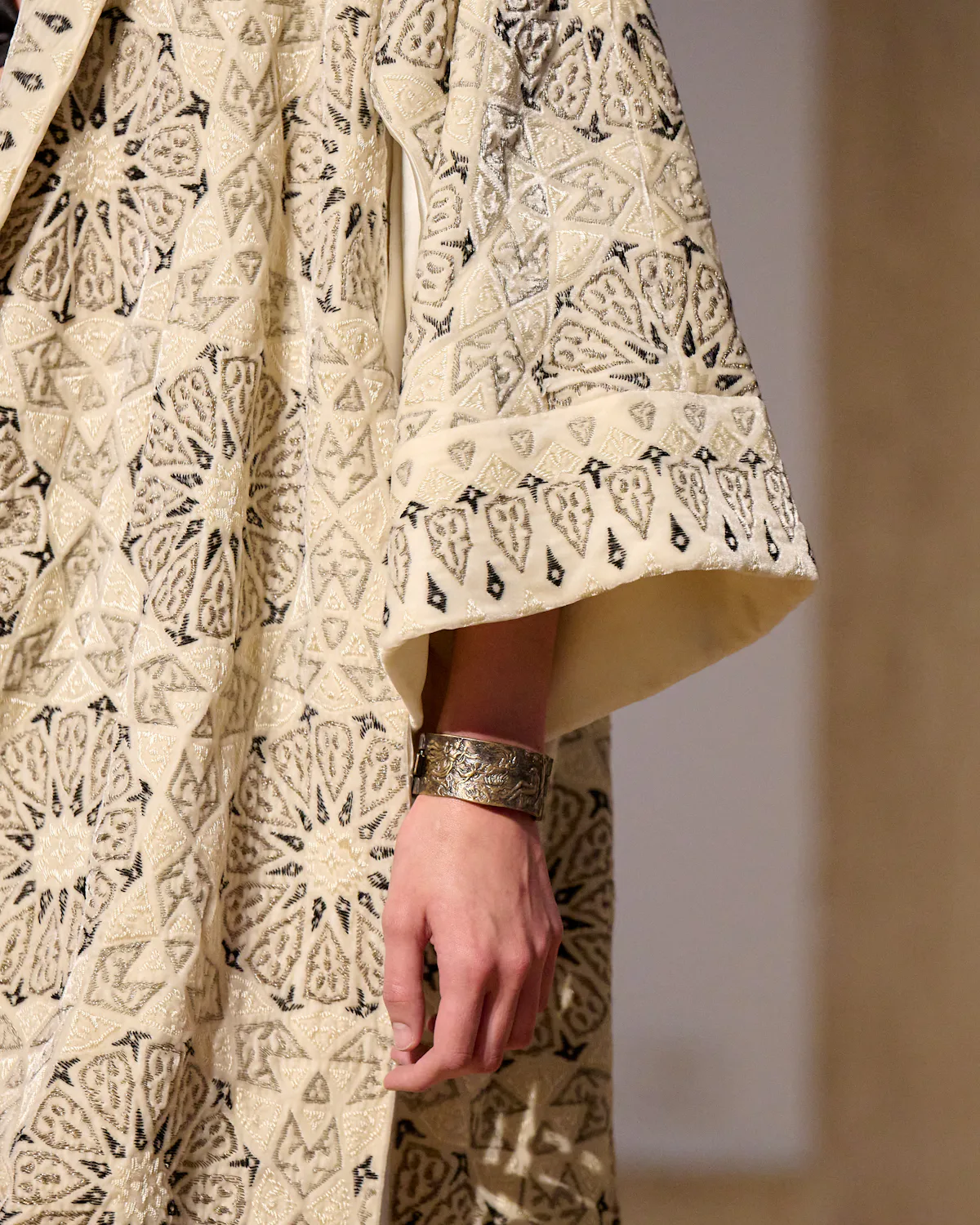
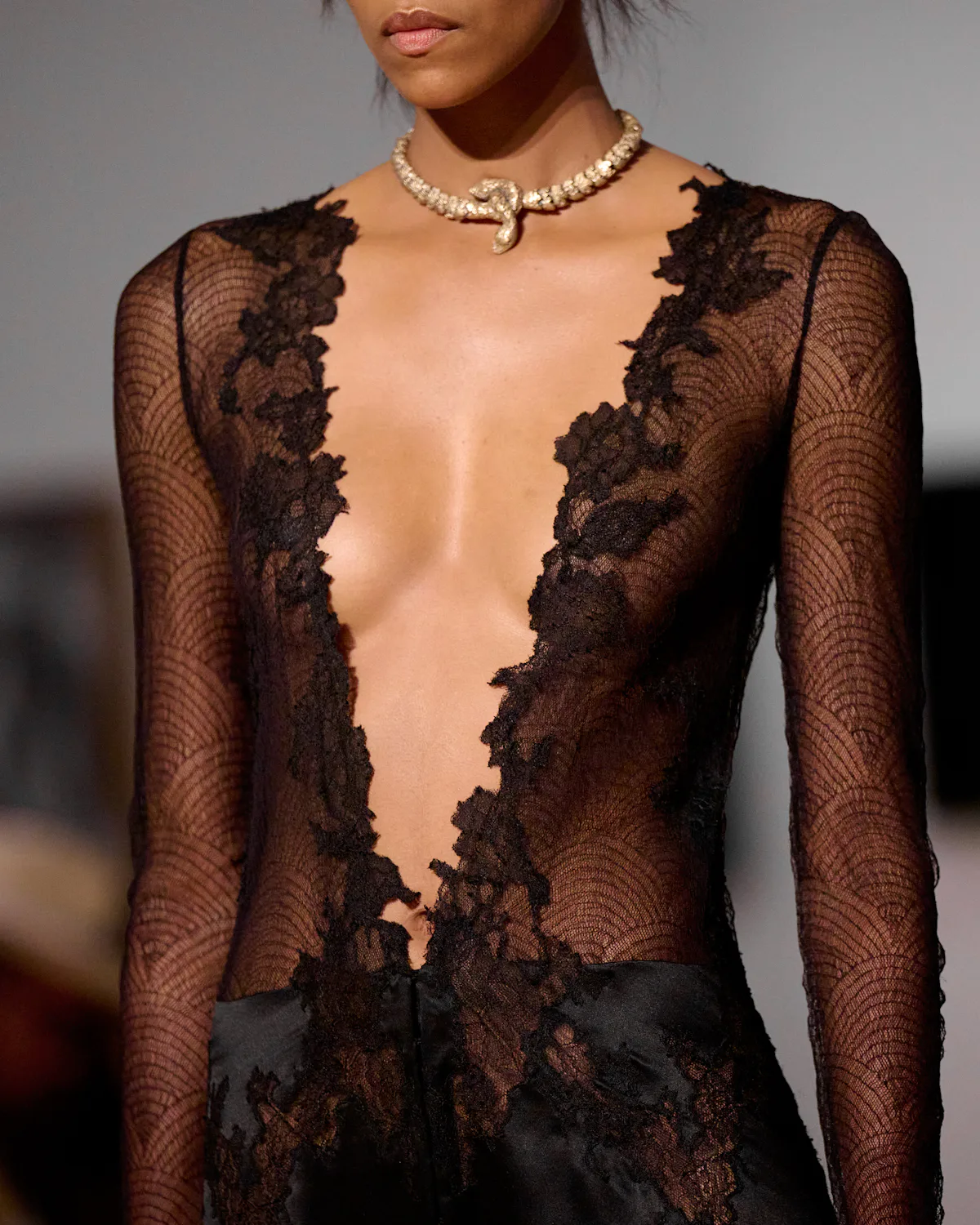
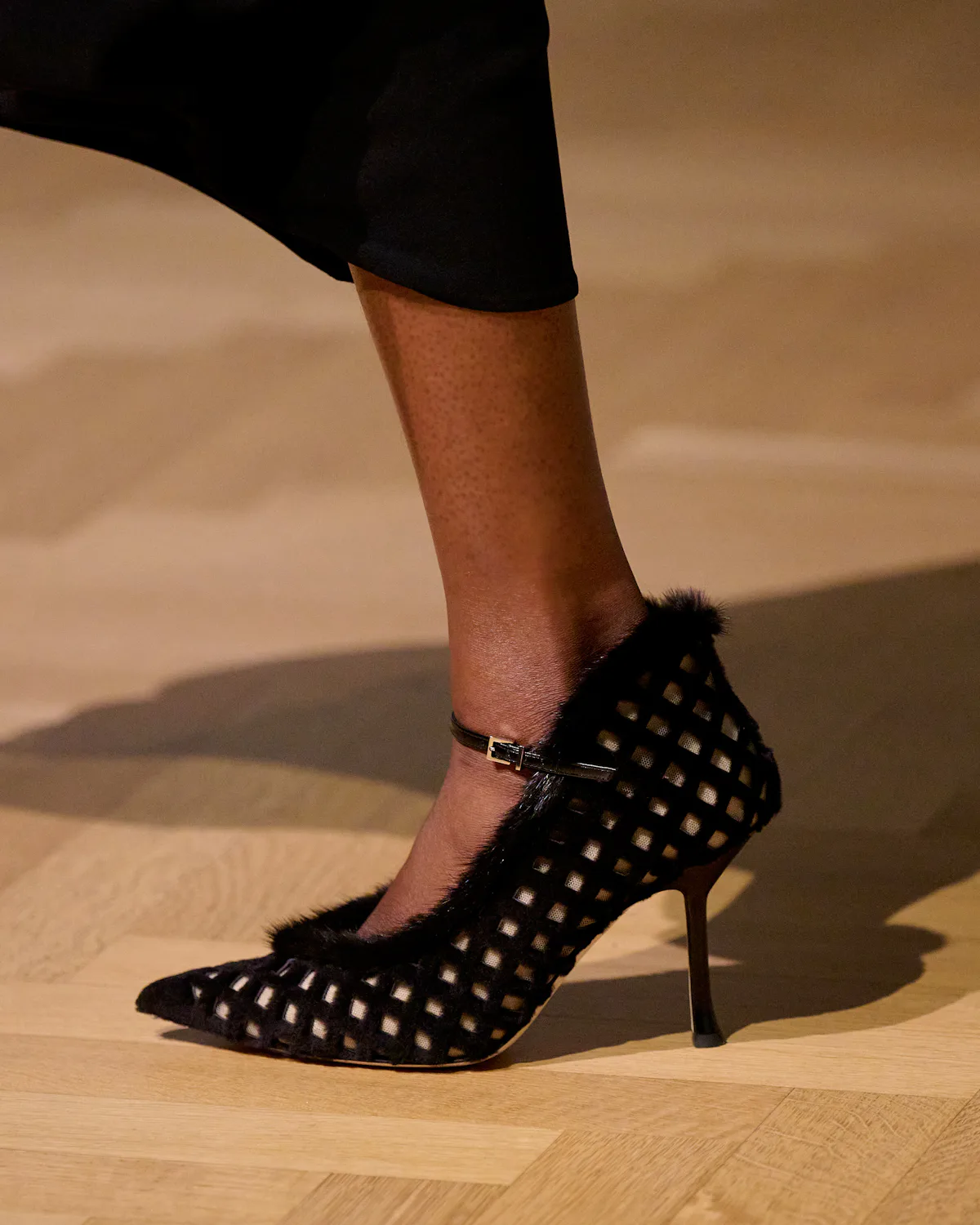
Surprisingly, there were no handbags in sight — a notable absence, given Chiuri’s accessory design background and close ties to Fendi, including launching its beloved Baguette bag in 1997. However, there were plenty of Baguettes and Peekaboos in the front row. Sarah Jessica Parker and Jessica Alba (who both front Chiuri’s relaunched Baguette campaign) toted studded versions of the famed flap style, alongside Monica Bellucci, Yara Shahidi, Victoria Luengo, Valeria Golino, and more stars — all outfitted in on-theme neutrals.
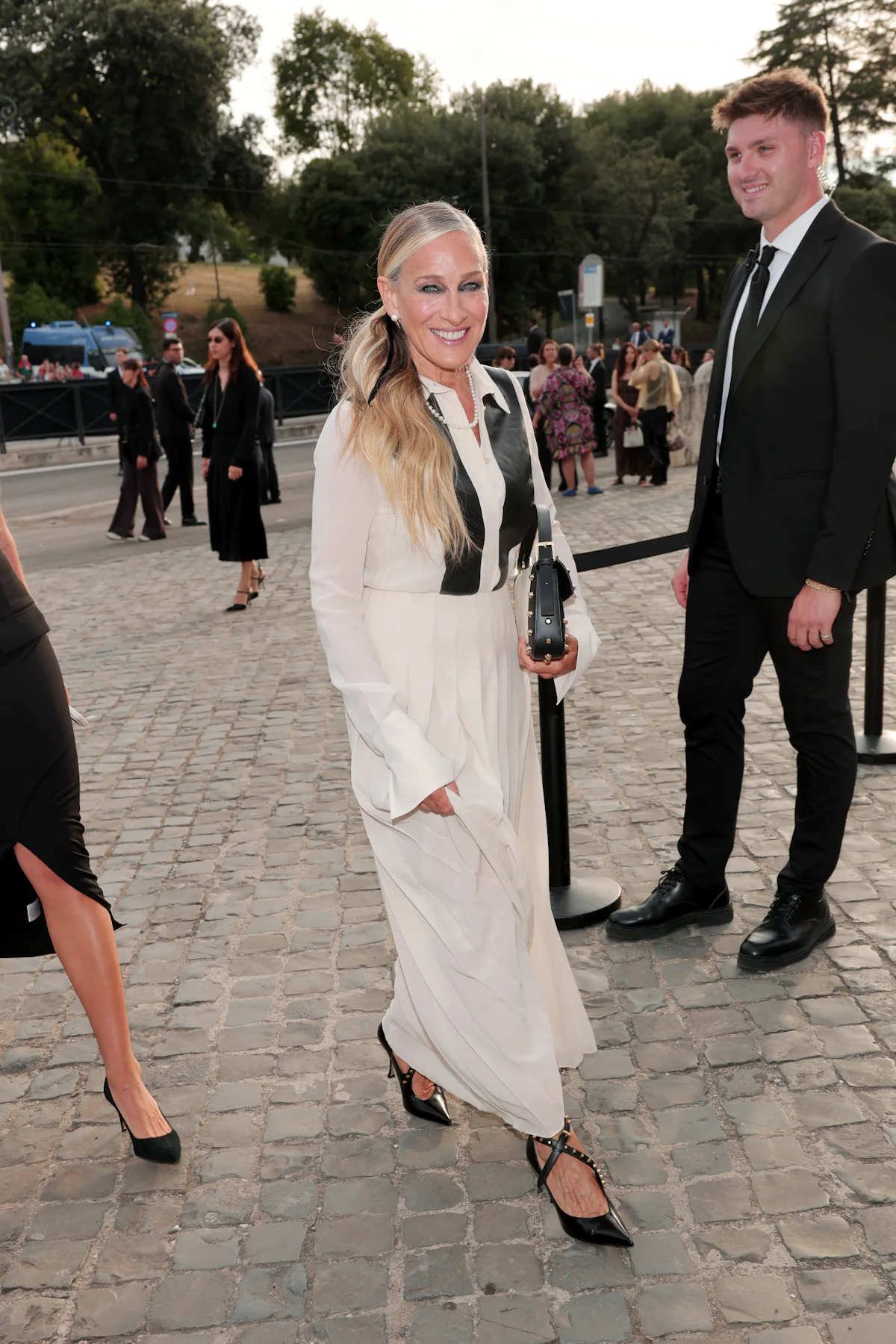
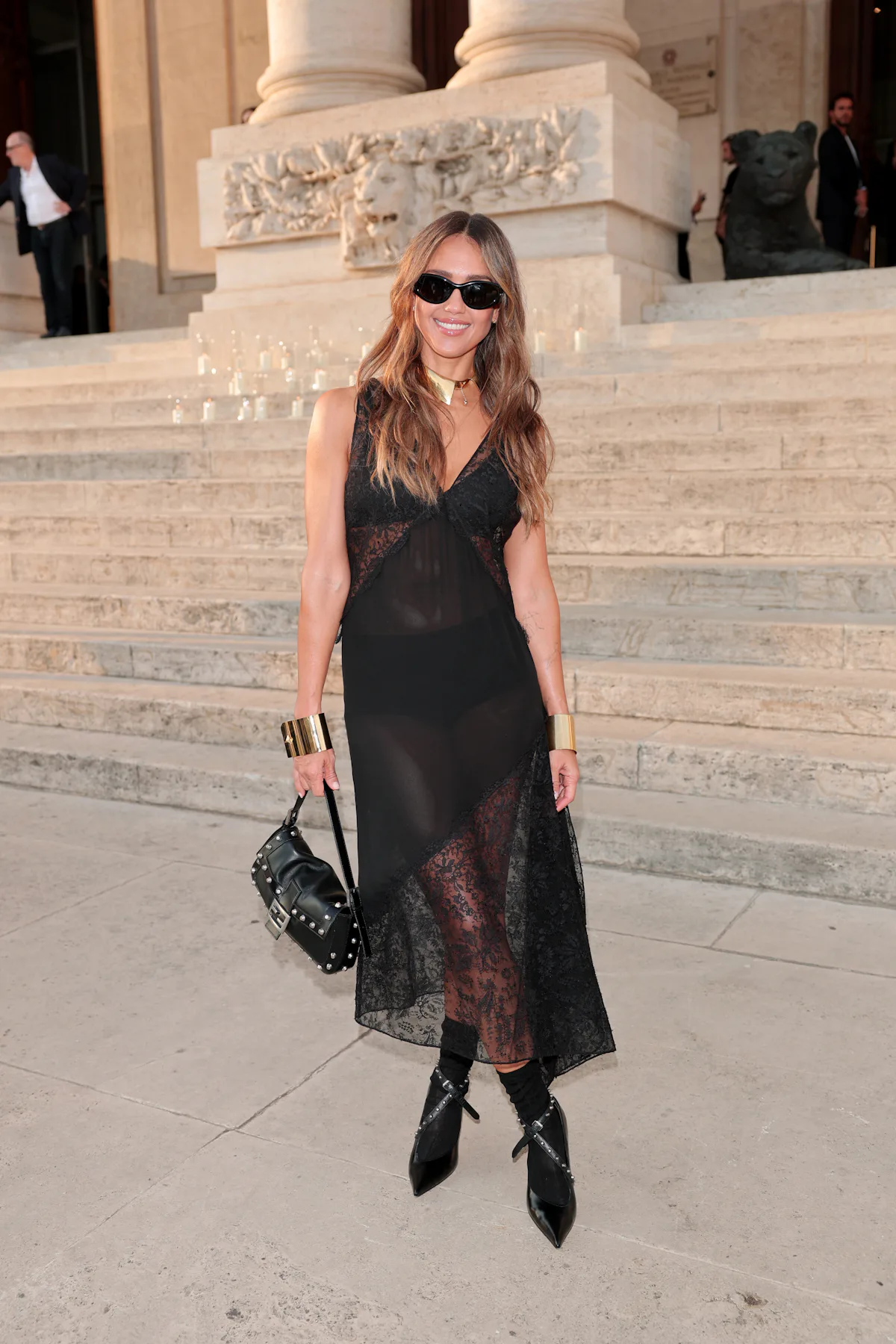
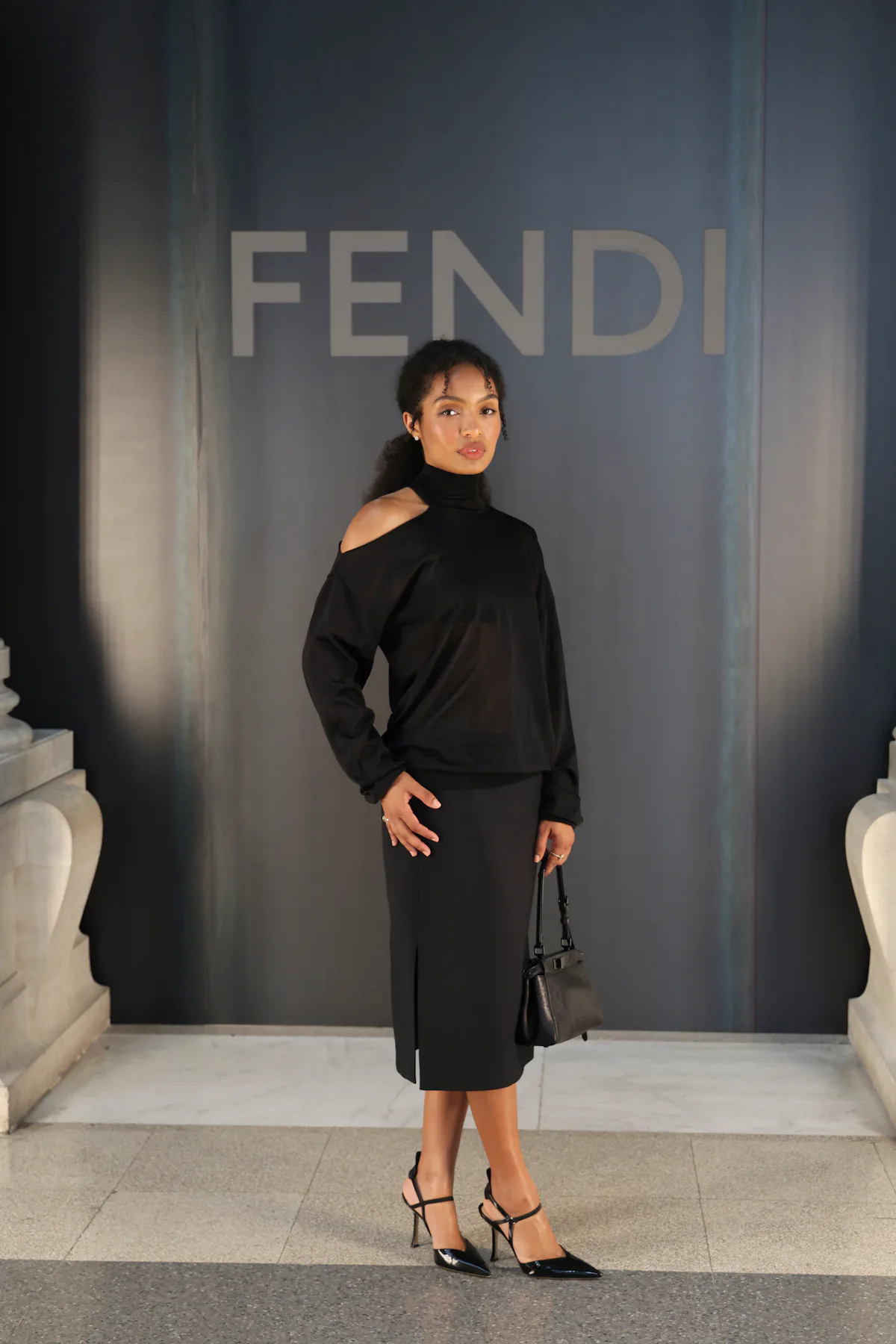
Chiuri’s first Fendi couture effort, through its delicate accents and a core palette of cream, ecru, and black, emphasized simplicity with a sensual nature. It’s a darker, less ornate version of the label’s playful Italian flair, much like her past tenure at Dior. With three collections for the brand now under her belt — and a fourth on the way, as Milan Fashion Week’s Spring 2027 shows approach — it’s clear that Fendi is fully immersed in its latest chapter.
Below, discover more top runway looks from Fendi’s Fall 2026 haute couture collection.
Read on the original site
Open the publisher's page for the full experience