From Athens to Sicily, Mediterranean Skincare Enthusiasts Swear by These Regional Skincare Products
Our take
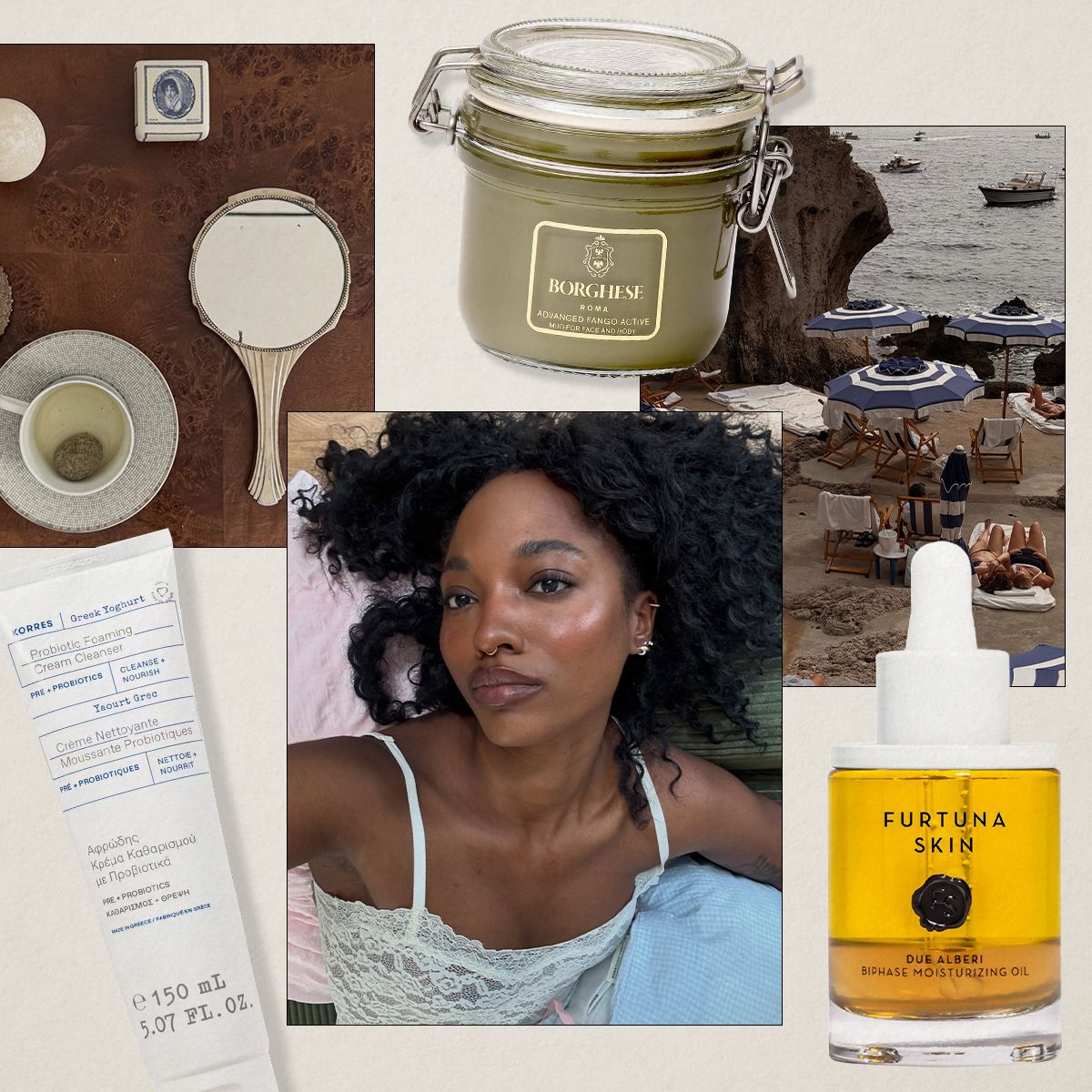
The burgeoning interest in Mediterranean skincare is more than a passing trend; it’s a reflection of a wider cultural shift toward holistic wellness and a rejection of the often-aggressive, results-driven approach that has dominated Western beauty standards. The article's focus on regional ingredients and "maximum efficiency" speaks to a desire for simplicity and authenticity—qualities increasingly valued by consumers seeking a more mindful relationship with their routines. We’ve seen this ethos emerge in other areas of fashion, with a growing appreciation for timeless pieces like Not Trainers: The Elegant Anti-Trend Flats Fashion People at the Airport Are Wearing With Drawstring Trousers demonstrating how understated elegance resonates with a desire to move away from fleeting trends. This aligns perfectly with the current mood; a quiet confidence built on quality and intention, rather than constant reinvention. Simultaneously, the popularity of trends, as seen with Sofia Richie’s revival of a “dated” trainer style Sofia Richie Just Wore the “Dated” Trainer Trend That’s Actually +209% In Sales Right Now, highlights the cyclical nature of fashion and beauty, but the Mediterranean skincare movement feels qualitatively different—rooted in a deeper philosophy rather than mere aesthetic revival.
The analogy to the Mediterranean diet is particularly insightful. It frames skincare not as a temporary fix, but as a sustainable, integral part of a larger lifestyle choice. The conscious selection of regional ingredients—olive oil, honey, citrus extracts—echoes the principles of mindful eating, emphasizing provenance, seasonality, and the inherent benefits of natural resources. This resonates with a broader cultural reckoning around “wellness culture,” moving away from restrictive practices and towards a more balanced, nourishing approach to self-care. It's about supporting the body's natural processes rather than battling against them with harsh chemicals and aggressive treatments. The rejection of the "Western terms" of dieting—calorie counting and restrictive eating—is a powerful statement, underscoring the need for a gentler, more intuitive approach to beauty as well. The minimalist ethos inherent in this movement is appealing; fewer, more potent ingredients that work in harmony with the skin’s natural microbiome.
This shift also speaks to a growing awareness of the environmental impact of the beauty industry. Mass-produced skincare often relies on complex supply chains and environmentally damaging practices. Regional skincare, by definition, prioritizes local sourcing and reduces transportation emissions. It aligns with a broader trend toward conscious consumerism and a desire to support sustainable businesses. Furthermore, the emphasis on simplicity and natural ingredients can be seen as a reaction against the overwhelming complexity of many modern skincare routines, which often involve a dizzying array of products and conflicting advice. The beauty of the Mediterranean approach lies in its clarity—a focus on fundamental principles and a reverence for the power of nature. It’s a return to a more elemental understanding of beauty, one that prioritizes health and well-being over fleeting trends. Even the suggestion of "maximum efficiency" moves beyond the constant pursuit of anti-aging, leaning instead toward optimizing skin health for a vibrant, natural glow.
Looking ahead, it’s likely we’ll see a continued blurring of the lines between skincare, nutrition, and lifestyle. The Mediterranean model offers a compelling blueprint for a more holistic and sustainable approach to beauty—one that celebrates the inherent radiance of healthy skin and aligns with a broader ethos of mindful living. Will this movement inspire a similar shift within the broader cosmetic industry, prompting brands to prioritize sustainability, transparency, and a deeper understanding of the skin’s natural biology, or will it remain a niche offering for a discerning consumer base? The answer likely rests on the ability of these regional skincare brands to communicate their values authentically and to demonstrate the tangible benefits of their approach—without resorting to the very tactics they seek to transcend.
In 2026, you've probably heard of the Mediterranean diet. I'm not talking about a "diet" in Western terms—i.e., the calorie counting, restrictive eating, and unsafe weight-monitoring culture glamorized in the United States—but the sustainable, daily method of food preparation and consumption based on regional ingredients found in Greece, Italy, Spain, and beyond. According to U.S. Health News, the Mediterranean diet is comprised of whole grains, fish, extra-virgin olive oil, vegetables, fruits, and more, which reduces the chance of "certain chronic health conditions, such as cardiovascular disease, while promoting longevity and improving quality of life." Similarly to how a filling meal on the Mediterranean Sea leaves you feeling sated, yet light—an unusual phenomenon in the U.S.—the skincare from the region does the same for your complexion.
"The Mediterranean diet is lauded for being anti-inflammatory, natural, unprocessed, and cardioprotective," says double board-certified dermatologist Brendan Camp, MD. "This healthy diet and lifestyle approach is reflected in skincare that is rich in antioxidants, hydrating, and rooted in natural ingredients." Think: Ultra-hydrating oil from Greek olives, inflammation-calming prickly pear seed. He explains that the skincare hailing from this region reflects its citizens' lifestyles, as well—relaxed, natural, and simple. "Brands often emphasize a reliance on time-tested ingredients, minimalist routines, and nutrient-rich botanicals," Camp adds.

Though our minds may initially go to French pharmacy brands or K-beauty when we think of international skincare, dermatologists agree that brands like Korres, Isdin, Furtuna Skin, and more contain hidden gems for healthy skin and longevity. In fact, you'll find that skincare products from this region don't believe in spot treatments—they treat dryness, redness, wrinkles, and brightening in one or very few products—encouraging you to cut down your routine and get out the door to live la dolce vita.
Below, nine products that promise better skin with simple and effective ingredients from the heart of the Mediterranean.
The Best Mediterranean Skincare Products of 2026, At a Glance
- Best Facial Cleanser: Korres Greek Yoghurt Foaming Cream Cleanser
- Best Moisturizer: Olivella All Natural Virgin Olive Oil Moisturizer
- Best Sunscreen: Isdin Fusion Water Magic SPF 40 Sunscreen
- Best Face Oil: Furtuna Skin Due Alberi Biphase Moisturizing Oil
- Best Vitamin C Serum: Sesderma C-Vit Radiance Serum
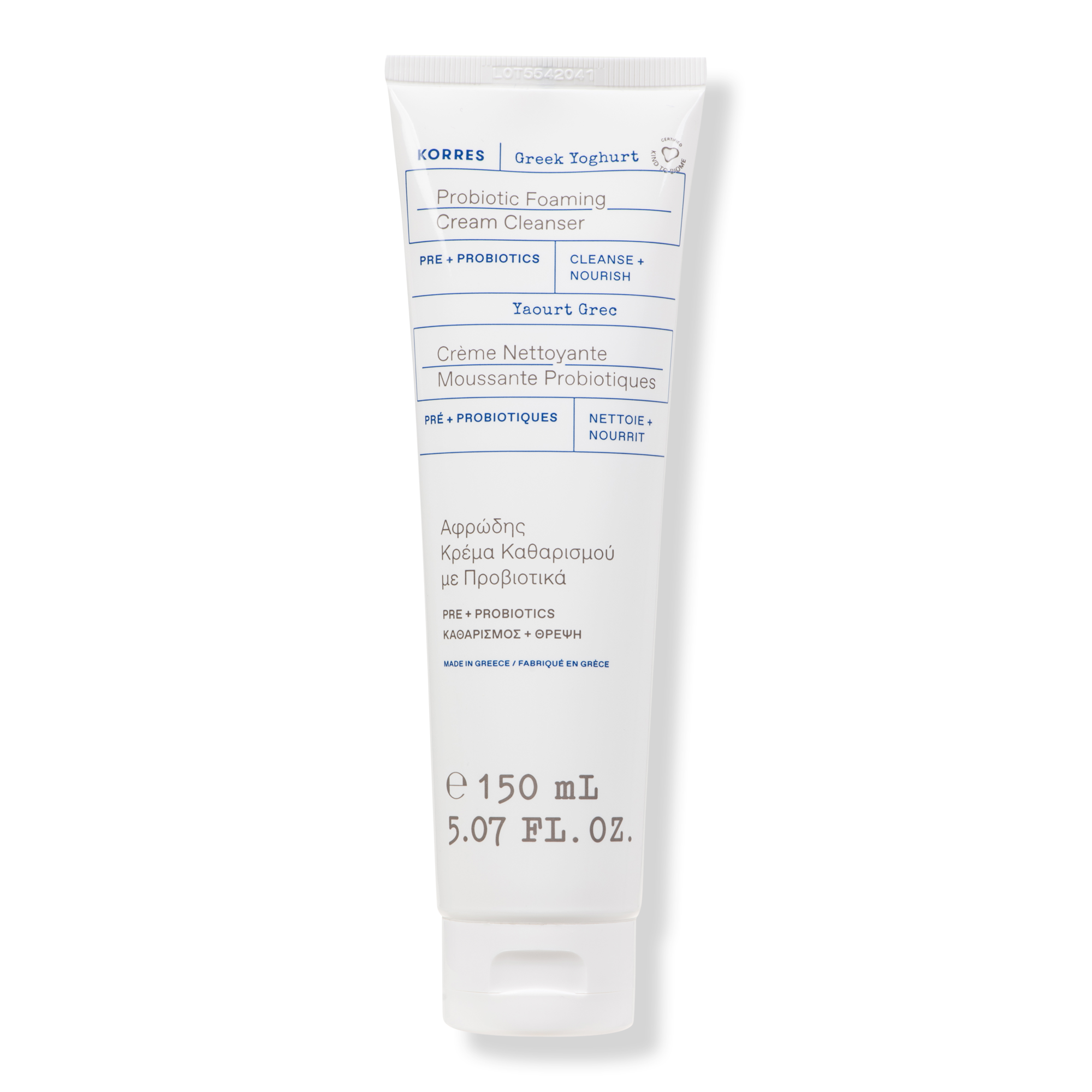
Best Facial Cleanser: Korres Greek Yoghurt Foaming Cream Cleanser
Pros: Gentle enough for sensitive skin, lathers nicely, effectively removes makeup and sunscreen
Cons: Pricey for a face wash
Key ingredients: Greek yoghurt, upcycled oat milk, milk proteins, amaranth extract | Skin type: All
It seems that the first Mediterranean skincare product derms collectively recommend is Korres' Greek Yoghurt Foaming Cream Cleanser. The Greek beauty brand is popular amongst experts for its simple skincare products that are especially great for people with sensitive skin. "Known for creating a rich, creamy foam that cleanses without stripping skin of natural oils, this popular cleanser features Greek yoghurt, pre- and probiotics, oat milk, milk proteins, and marine algae extract," says Camp. Board-certified dermatologist Sandra Oska, MD, is also quick to recommend this Greek cleanser. "[It's] a good choice for those looking to get the day off without stripping their skin barrier," she explains. Ending your day with this
Customer review: "I tried so so many cleansers in the years of my skincare journey, and everything was usually meh, but this cleanser is perfect. I use it after micellar water as a second cleanser, and it never irritates my skin, never dries it out, lathers well, and is just perfect, and I have extremely sensitive skin with rosacea. I found double cleansing with oil to be harsh, so this method is what I use at night, and it's gentle to use in the morning too. I have repurchased 3 times already."

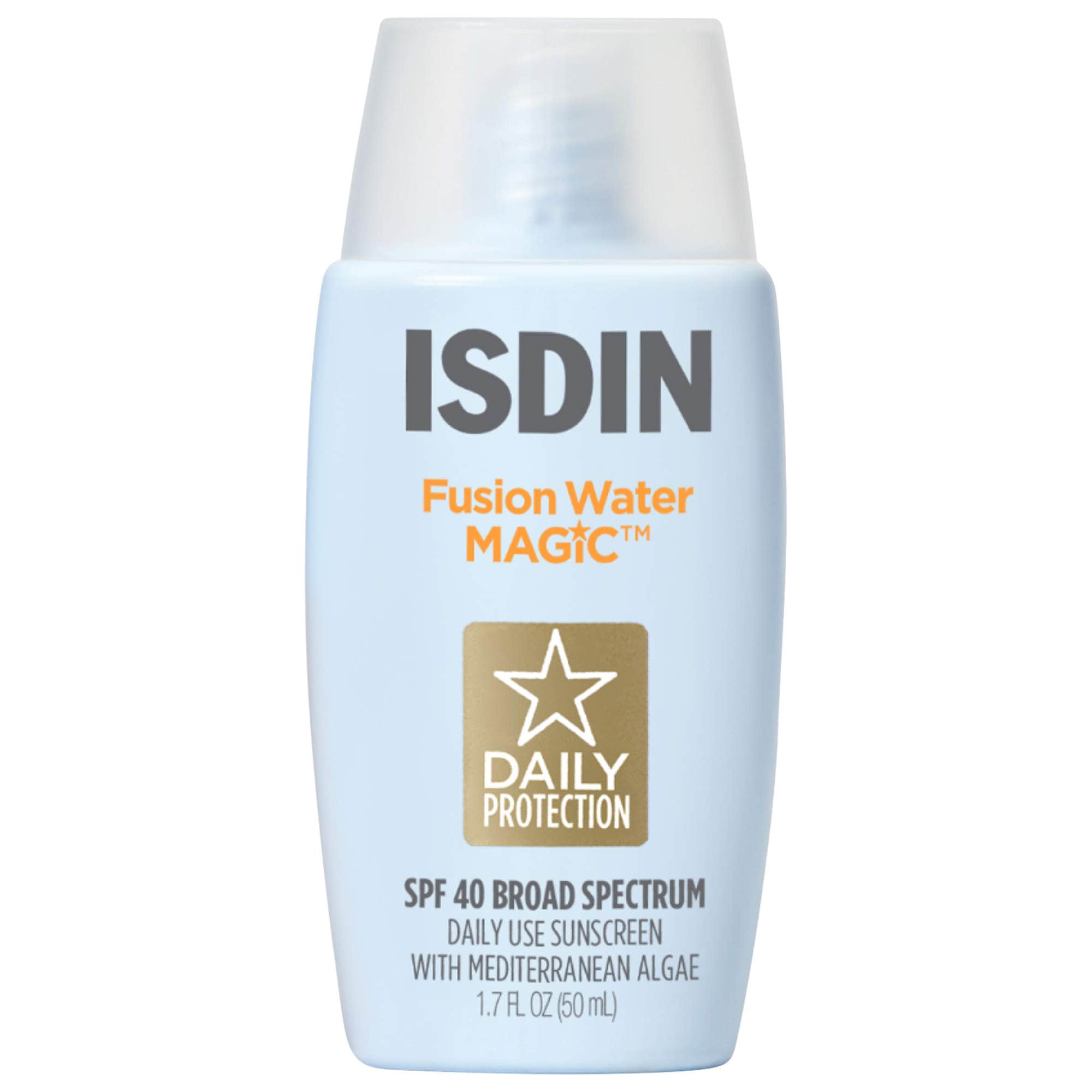
Best Sunscreen: Isdin Fusion Water Magic SPF 40 Sunscreen
Pros: Deeply hydrating, effectively protects from the sun, doubles as makeup primer
Cons: Pricey for small bottle
Key ingredients: Hyaluronic acid, vitamin E, Mediterranean algae | Skin type: All
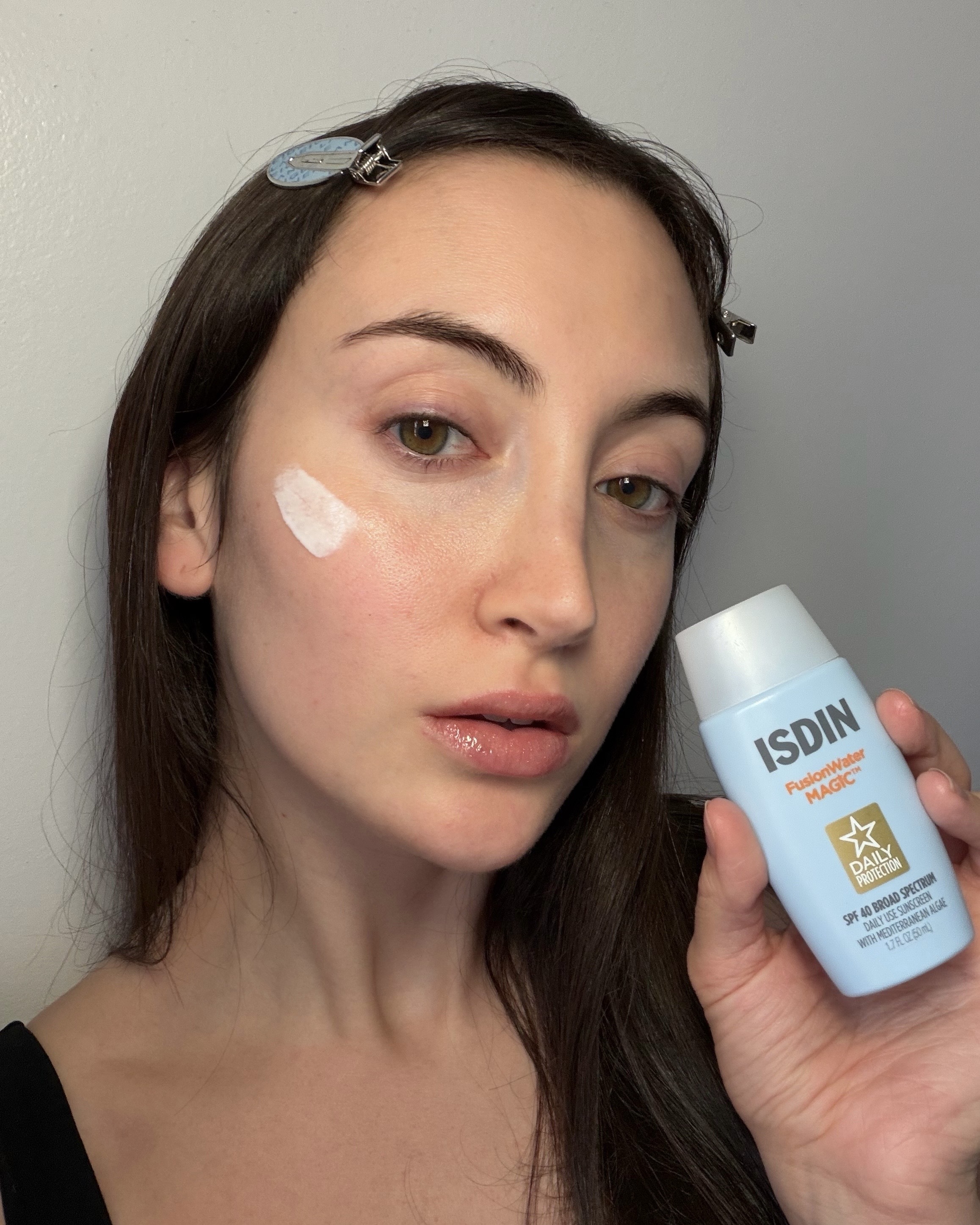
I have waxed poetic about my deep love for this do-it-all sunscreen time and time again, but I won't stop until the news is spread far and wide. Isdin is a dermatologist-loved, highly effective Spanish skincare brand that infuses local ingredients like Mediterranean algae into its products for extra punch—especially in the case of this sunscreen, where the sea-born ingredient protects against environmental stressors and the beating sun, which it's evolved to thrive beneath over time.
Though the brand offers several sunscreen options, which double board-certified dermatologist Purvisha Patel, MD, recommends for their "effective and elegant formulations," I personally recommend this latest launch. Gentle enough for very sensitive skin (ahem, mine!), hydrating enough to quench dry spots with hyaluronic acid, and packed with skin-loving ingredients like vitamin E that support its chemical sunscreen filters and prime the skin for makeup, this is one of the very best sunscreens money can buy right now.
Customer review: "I’ve been using this sunscreen [and] I’m honestly obsessed. It feels like water on the skin… super lightweight, non-greasy, and no white cast at all. My skin looks hydrated, glowy, and it layers perfectly under makeup. This is a daily MUST for me. It gives full protection without ruining that clean, aesthetic skin vibe. If you hate heavy sunscreens… this is the one. 10/10."
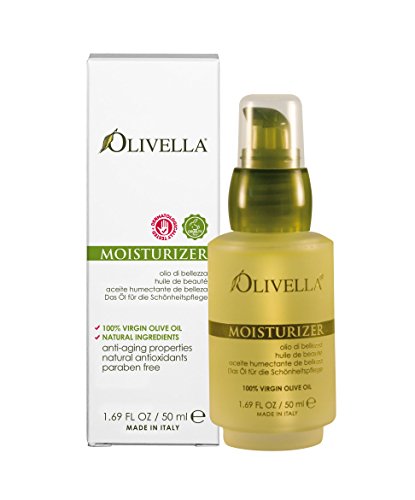
Best Moisturizer: Olivella All-Natural Virgin Olive Oil Moisturizer
Pros: Lightweight texture, effectively hydrates the skin, simple ingredients list
Cons: None I can think of
Key ingredients: Olive oil, squalane, lavender oil | Skin type: All
Olivella is a budget-friendly Italian skincare brand that bases every product on one integral ingredient: extra-virgin olive oil. The ingredient list in this oil-based moisturizer is simple: a minimal concoction of olive oil, squalane, orange, lavender, and ylang ylang oils. This lightweight yet deeply effective moisturizer is a great option for those seeking a gentle, daily face cream that works for all skin types and smooths the appearance of wrinkles. Just be sure to apply it to damp—not dry!—skin to reap the benefits.
Customer review: "I prefer natural or mostly natural health care products, and this one doesn't disappoint. The ingredients are simple but effective. As other reviewers have noted, it seems to work best when your skin is warm and moist, immediately after washing your face or jumping out of the shower. It soaks right in and doesn't leave my sensitive, combination skin with excess oil buildup. I use up any leftover oil on my décolleté and hands. I sometimes suffer from rosacea, especially during the cold months when our house is dry, and if I eat any sugar during that time. Olivella has helped to nearly eliminate my rosacea. My excessively dry eyebrows are nearly perfectly smooth now, and the skin on my cheeks feels younger and more supple."
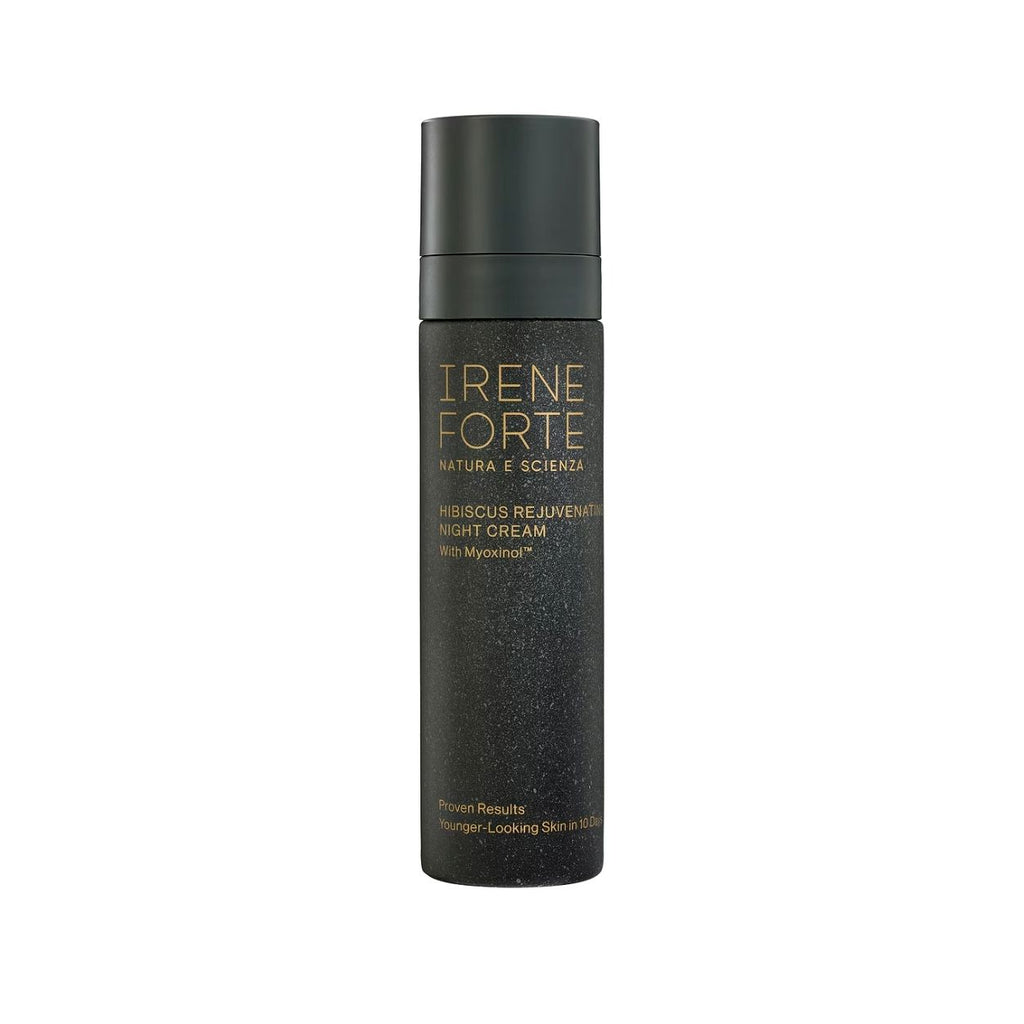
Best Night Cream: Irene Forte Hibiscus Night Cream
Pros: Effectively minimizes wrinkles, restores impressive radiance, natural alternative to injectables
Cons: Expensive (but very worth the investment)
Key ingredients: Hyaluronic acid, Myoxinol, tetra-ceramide complex, green pea bio-peptides | Skin type: Sensitive, mature, dry
So we've touched on everyday moisturizers, but what do beauty lovers in the Mediterranean slather on at night? The Hibiscus Night Cream from Italian brand Irene Forte, it turns out. This deeply hydrating, skin-revitalizing overnight cream is a bestseller for several reasons: It noticeably diminishes the appearance of fine lines and wrinkles, protects the skin from free radicals, and hydrates dry and dull skin, all while offering a natural alternative to pricey (and painful) injectables. The Sicilian-grown formula is boosted with skin-loving ingredients like hyaluronic acid, a potent mix of ceramides, and collagen-boosting bio-peptides, but it also includes a muscle-relaxing ingredient called Myoxinol that slows wrinkle formation while you sleep. Magnifica, no?
Customer review: "I have been using this cream now for over 3 months, and it delivers real results. The visible lines on my forehead have almost disappeared along with the marionette line on the left hand side of my face. I love the texture of this cream, and its smell. It's a joy to use, is easily absorbed, and delivers real results naturally."

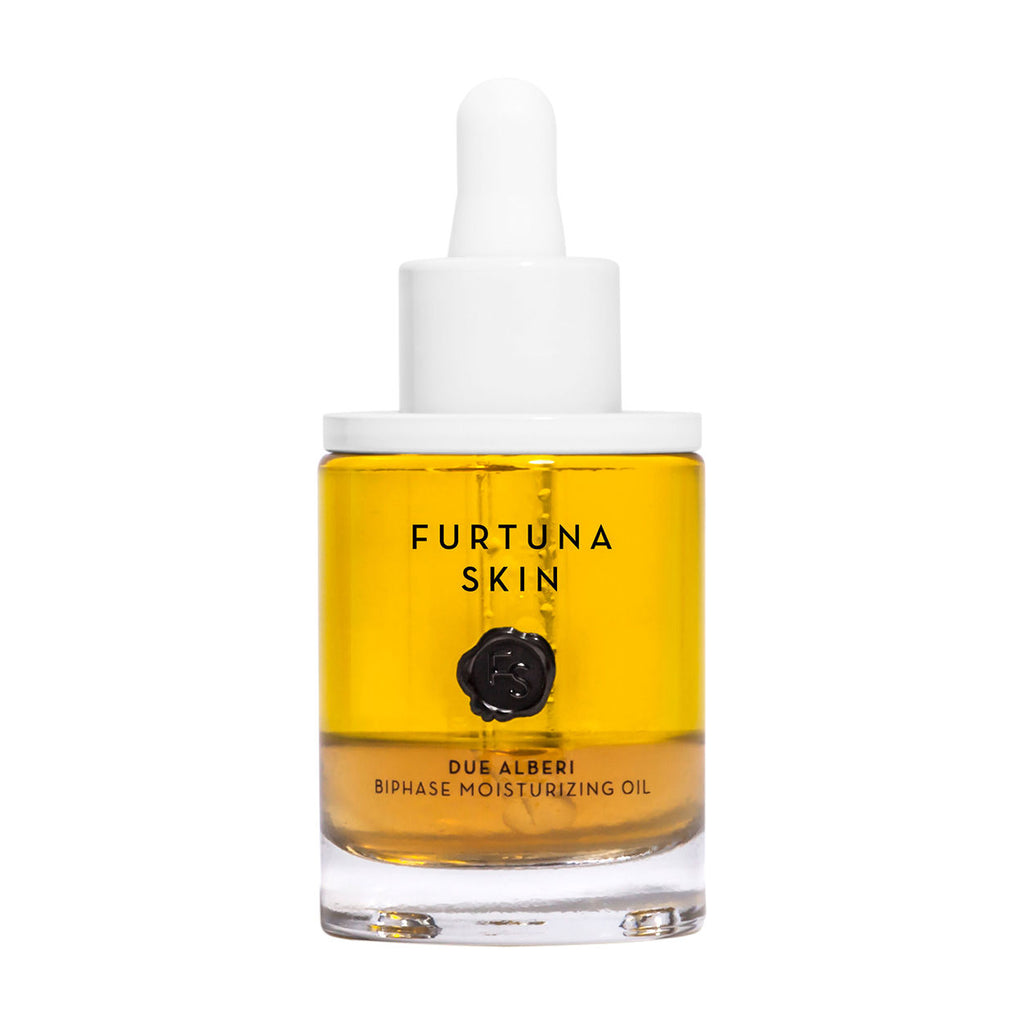
Best Face Oil: Furtuna Skin Due Alberi Biphase Moisturizing Oil
Pros: Born from a bountiful olive tree region, rich in antioxidants, plumps the skin, supports collagen synthesis
Cons: Expensive
Key ingredients: Olive oil, olive leaf water, vitamin C, vitamin E | Skin type: All
If you can't tell by now, Mediterranean skincare is heavily rooted in healthy, fatty oils. Because of this, it's no surprise that face oils made from ingredients sourced within this region are extra potent. Take, for example, the Furtuna Skin Due Alberi Biphase Moisturizing Oil, which dermatologists Camp and Oska wasted no time recommending. "Unlike traditional face oils, this lightweight product combines water-and oil-soluble actives, like olive oil and olive leaf water, to replenish moisture, visibly plump, and leave skin with a luminous finish without a greasy residue," says Camp.
The Italian brand's olive oil and leaves are harvested in Sicily, offering a richer product experience thanks to the region's abundance of olive trees. "This facial oil delivers glow, plumping, and free radical protection all at once," Oska explains. "This functions as a rich hydrator and protects skin from premature aging," she adds.
Customer review: "Amazing product! My skin has changed—much softer and feels tighter! I get compliments [like] 'Your skin is glowing,' and 'You look younger now than you did 10 years ago.' This product has changed my face, neck, and chest area."
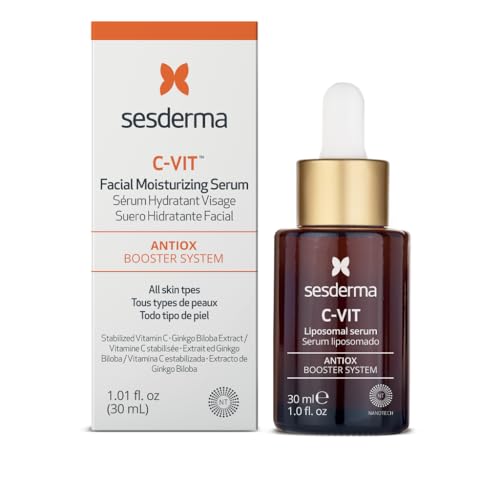
Best Vitamin C Serum: Sesderma C-Vit Radiance Serum
Pros: Brightens and evens skin tone, hydrating formula, good value for price
Cons: Slightly expensive
Key ingredients: Vitamin C, hyaluronic acid, morus alba | Skin type: All
"The Spanish pharmacy skincare brand Sesderma is one of my go-tos for their vitamin C serum," says Patel, who credits the formula's liposomal delivery system for its star quality. The hyaluronic acid and vitamin C-infused serum works hard to restore an even skin tone to complexions with dark spots and wrinkles, leaving a healthy glow and plump, smooth skin in its wake. Plus, it's super lightweight and absorbs quickly, so it will never make your skin feel smothered.
Customer review: "I know there are brands out here that are cheaper than this, but trust me, it is worth the money. This was recommended by my dermatologist, and I can see why. First, it is extremely light; it feels like a gel, which is a great feature if you have oily skin like me. Second, it absorbs quicky to the skin, which saves time if you need to do multiple things in the morning but still want to take care of your skin. Last, but not least, the fragrance is like a combination of oranges and tangerines (at the end is vitamin C, so it makes sense), but don't worry, it will not stay in your skin; it will only last while it is being absorbed. Overall, it is a great option to add to your skincare routine."
Best for Mature Skin: L'Occitane Immortelle Divine Youth Oil
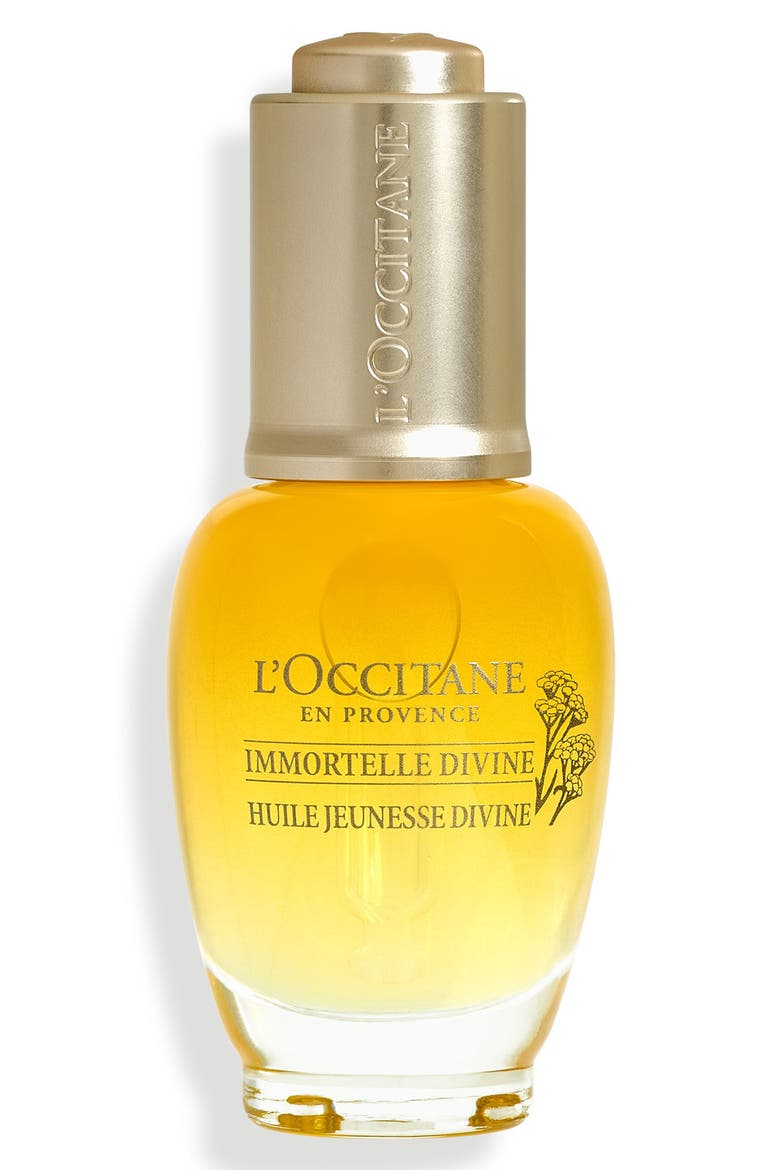
Pros: Diminishes appearance of fine lines and wrinkles, evens skin tone, natural retinol alternative
Cons: Expensive
Key ingredients: Immortelle oil, sunflower oil, orange oil | Skin type: Normal, dry, mature
While so many of the above products deliver real results for those with mature skin, L'Occitane's Immortelle Divine Youth Oil is a standout for anyone who wants to restore vitality, radiance, and firmness to their skin. Though many French beauty products come from Paris and beyond, L'Occitane hails from Provence—a bountiful region in the South of France skimming the Mediterranean Sea. It's here that sunflower oil, orange oil, and other sources of Omegas 6 and 9 can be found and used in the brand's Immortelle Oil, which acts as a natural, plant-based alternative to retinol.
Customer review: "Trying different products as my skin ages and this is a 'go-to'—especially after a warm shower and having the time to pamper the skin for the next day. Having to alternate between creams to oil, and creams again is not easy, but this 'divine' youth oil is a constant companion. Does not irritate nor cause blemishes."
Best Mask: Borghese Advanced Fango Active Mud
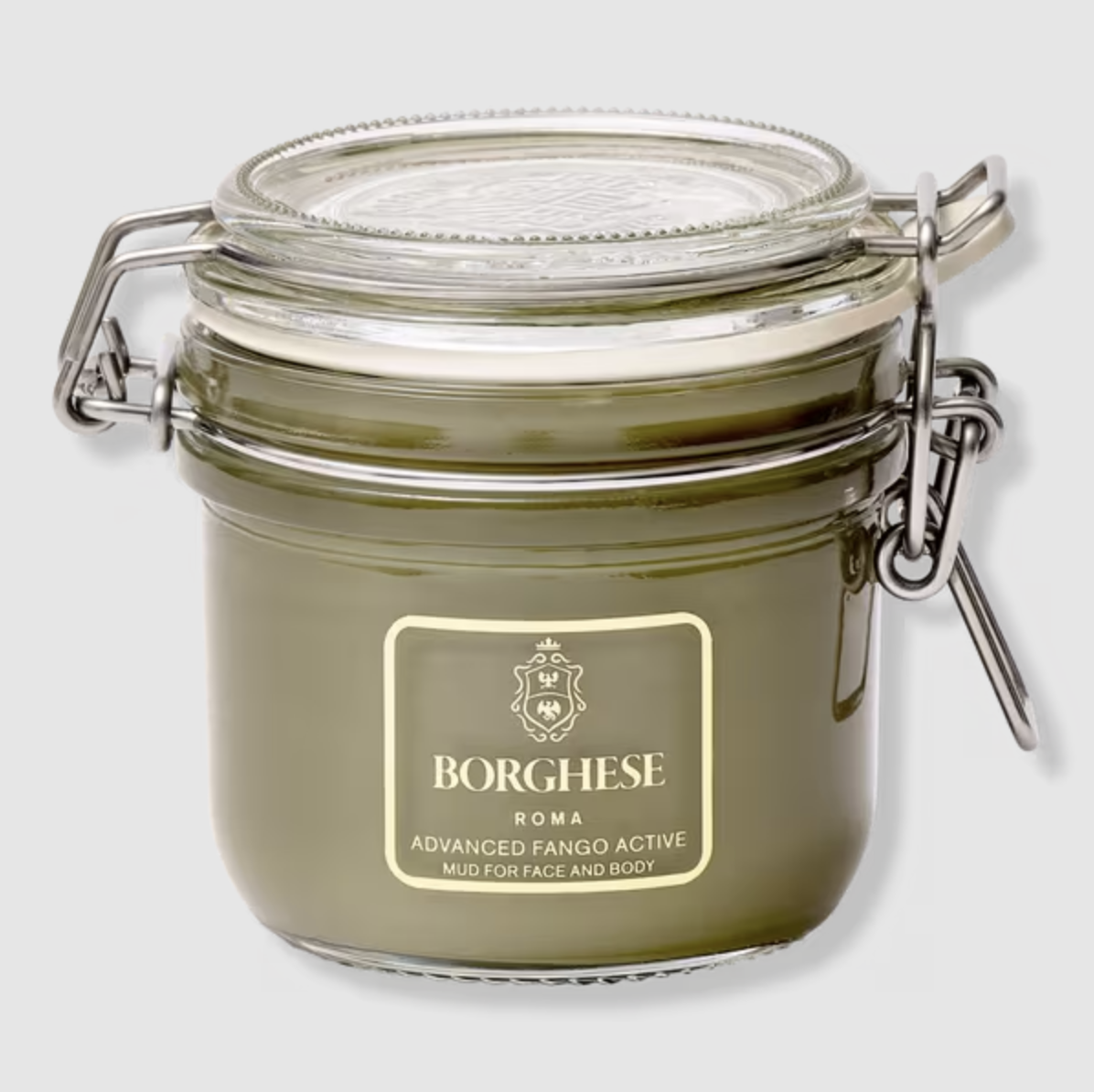
Pros: Purifies skin, repairs skin barrier, deeply hydrates
Cons: May be too intense for dry or sensitive skin
Key ingredients: Avocado oil, bentonite clay, Siberian ginseng root | Skin type: Oily, combination, mature
Everyone needs a mud mask in their lives, whether for detoxing your skin or simply doing self-care. This longtime bestseller from Borghese, an Italian beauty brand founded by Princess Marcella Borghese, is comprised of avocado oil, bentonite clay, and Siberian ginseng root for purification, hydration, and protection—refining your pores, smoothing texture, and fortifying your skin barrier after just five minutes of wear. You can use this mask on your face, neck, and décolletage (truly wherever you think you need it), and there's also a gentle option (the Advanced Fango Delicato Mud) for very dry and sensitive skin.
Customer review: "I turned 60 years old this year. The Borghese products helped me enjoy my age. I use the Advanced Fango Mud weekly, especially in the winter. My skin is so soft and bright. It glows all week."
Best Body Cream: Frezyderm Christialen Emulsion
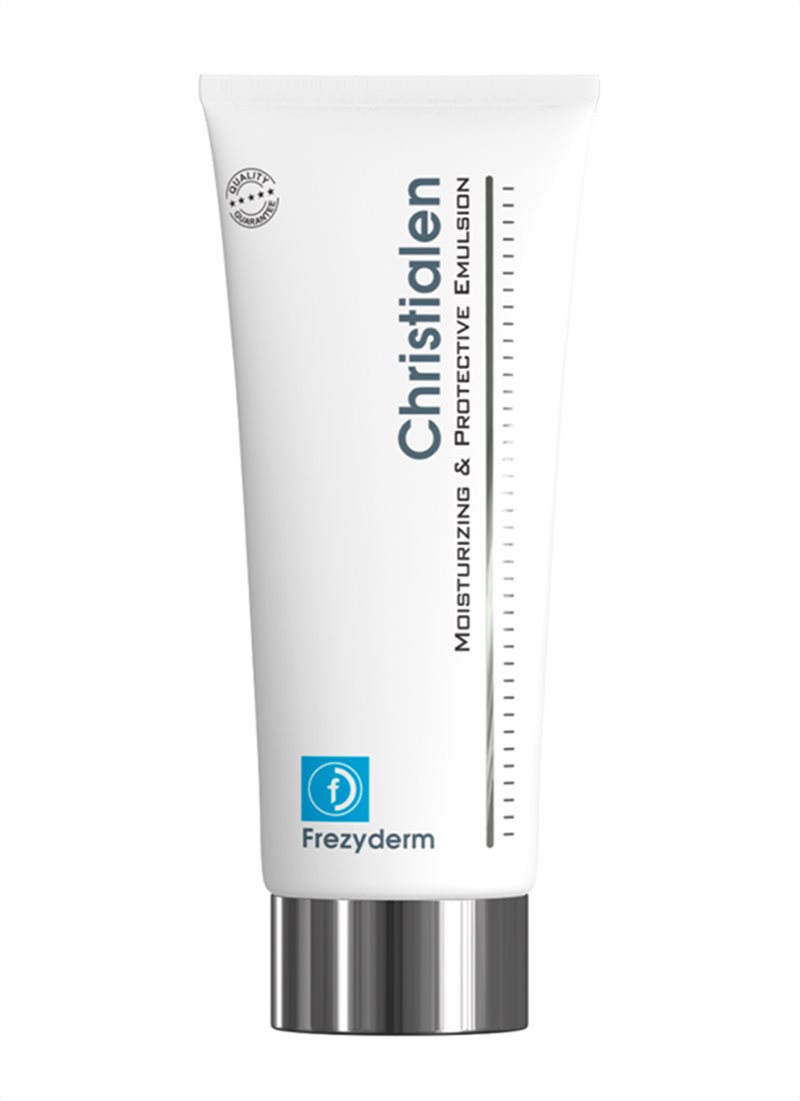
Pros: Absorbs quickly, instantly hydrating, protects skin barrier against environmental aggressors
Cons: Nothing of note
Key ingredients: Panthenol, almond oil, hyaluronic sodium | Skin type: All
If you thought Mediterranean skincare was sequestered to facial products, you'd be sorely mistaken. Camp recommends this body milk for its deeply hydrating and skin barrier-protecting properties. "Formulated with ingredients like panthenol to restore water balance, almond oil to restore the skin barrier, and hyaluronic acid to improve moisture retention, this moisturizing body milk instantly nourishes, hydrates, and protects the skin," says Camp.
Which ingredients should shoppers look for in Mediterranean skincare?
"The crucial pillars of Mediterranean skincare include sun defense and protection against oxidative stressors in the environment," Oska explains. "The Mediterranean climate is usually characterized by high temperatures and a higher UV index, so skincare products incorporating Mediterranean ingredients usually reflect that." Exemplifying this are ingredients like Mediterranean algae (found in Isdin's Fusion Water Magic Sunscreen, for example), and Furtuna Skin Biphase Moisturizing Oil, which offers sublime protection from free radicals.
"Olive-derived actives are a good ingredient to look out for," Oska adds. "Antioxidant compounds found in high-quality olive oil can help repair the skin barrier and neutralize environmental damage. Hydroxytyrosol, an olive polyphenol, is a potent fighter of free radical damage, for example," she explains. She also recommends looking out for products with grapes, as resveratrol ("Found in high concentrations in grape skins," she explains), is a good ingredient for brightening and protecting the skin from environmental stressors.
Patel also recommends keeping an eye out for prickly pear seed oil—found in Irene Forte's popular Prickly Pear Face Cream—which is great for "decreasing redness in inflammation-prone skin."
What about the Mediterranean lifestyle promotes healthier skin?
Natives to the Mediterranean region prove that skincare is only half the battle. Lifestyle choices like the Mediterranean diet are natural ways of life in this area of the world, which is marked by "increased consumption of antioxidant rich food and healthy fats, such as olive oil and fresh fish," per Patel, which helps with skin health as a result.
"The Mediterranean diet also contains less refined sugars and processed foods, which translates to less sharp peaks in blood sugar levels after meals," says Oska. "Blood sugar spikes and resultant insulin surges can then lead to stiffening of collagen fibers. This then leads to premature aging of the skin," she explains. "Focusing on complex carbohydrates and avoiding sugar spikes contributes to healthier skin aging over time."
How We Chose
We chose the best Mediterranean skincare products on the market in 2026 by trying a handful of some of the most popular Mediterranean brands' bestsellers, from sunscreen to face wash. Then, we consulted with three board-certified dermatologists to see which products they personally recommend and why, and to learn what separates the skincare from this region from the rest of the world. From there, we landed on these nine winners for different categories of beauty, from body milks to face oils and vitamin C serums.
Meet Our Experts
- Brendan Camp, MD, FAAD is a New York-based double board-certified dermatologist and the Clinical Assistant Professor of Dermatology at Weill Cornell Medical College.
- Sandra Oska, MD, is a board-certified dermatologist and content creator based in Los Angeles, California.
- Purvisha Patel, MD, is a double board-certified dermatologist, a clinical professor of dermatology, and the founder of Visha Skincare.
Why Trust Who What Wear
At Who What Wear, we know that beauty isn't one-size-fits-all. Over the years, our editors have tested thousands of products—including skincare, makeup, haircare, and nails—while also working closely with trusted experts, like renowned dermatologists, celebrity makeup artists, and other leading industry insiders. Together, this ensures every guide is well-researched, inclusive, and relevant to you.
We focus on formulas that deliver, whether they're affordable favorites or luxury investments. Our product selection is based on tangible results, ingredient know-how, and what we'd truly recommend to our closest friends and family members.
Read on the original site
Open the publisher's page for the full experience