High Shine
Our take
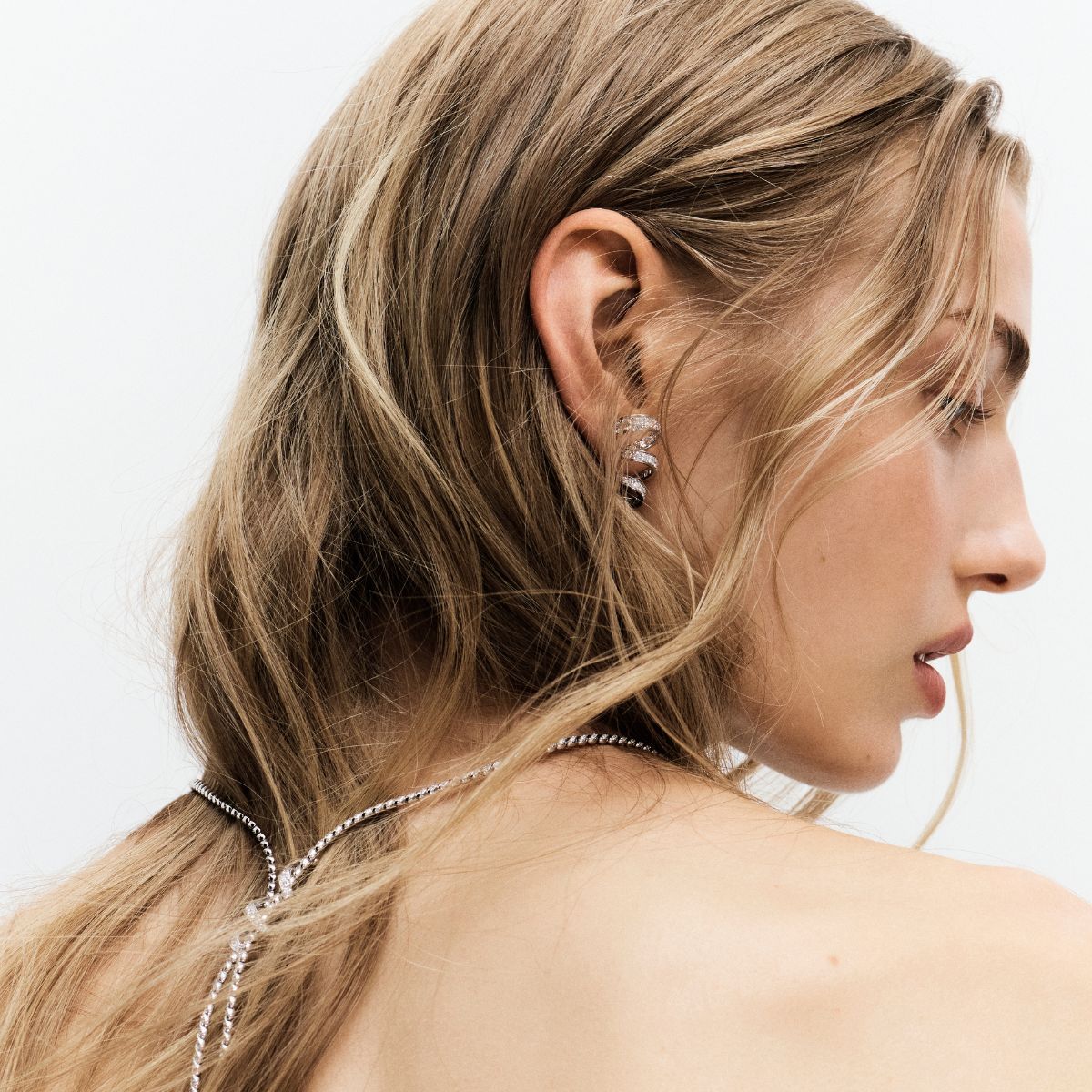
The shift away from the ubiquitous diamond, as highlighted in "High Shine," represents more than just a fleeting trend; it signals a profound evolution in how we perceive luxury and adornment. For decades, the diamond reigned supreme, its brilliance inextricably linked to status, tradition, and, let's be honest, a certain degree of manufactured scarcity. But the modern consumer, particularly the woman driving much of the luxury market, is increasingly discerning. She seeks pieces that resonate with her personal narrative, that tell a story beyond mere monetary value. This article’s focus on alternative gemstones and innovative materials speaks directly to that desire for authenticity and individuality. We've seen this shift reflected in broader trends—consider the rising popularity of lab-grown diamonds, driven by ethical concerns and a desire for greater accessibility – The Future of Diamonds - and the growing appreciation for vintage and antique jewelry, each piece carrying its own unique history and character. This move away from the expected is a core tenet of the quiet luxury aesthetic we champion, a rejection of ostentation in favor of understated elegance and considered choices.
The resurgence of gemstones like emeralds, sapphires, and rubies, alongside the exploration of materials such as moonstone, labradorite, and even ethically sourced crystals, isn't simply about aesthetics. It's about a renewed connection to the earth and a deeper understanding of the materials we choose to wear. These stones possess inherent symbolism and energetic properties that resonate with a growing desire for holistic wellness and self-expression. The "High Shine" piece’s visual focus on iridescent textures and unexpected color combinations underscores this trend—jewelry is no longer just an accessory; it’s a talisman, a reflection of inner light and personal power. The growing interest in bespoke design and artisan craftsmanship further fuels this movement, allowing individuals to curate pieces that are truly unique and meaningful. The desire for transparency in sourcing and production is also paramount, with consumers demanding to know the origin and ethical implications of their purchases. This echoes a broader societal shift towards conscious consumption, where luxury is defined not by price tag alone, but by the values it represents – Sustainable Luxury.
This broader recalibration within the jewelry landscape has significant implications for brands. Traditional jewelers who have long relied on the diamond’s dominance must adapt to a new reality where versatility, creativity, and ethical sourcing are paramount. The future belongs to those who can curate compelling narratives around gemstones and materials, who can educate consumers about their origins and properties, and who can offer bespoke design services that cater to individual preferences. The emphasis shifts from a transactional relationship – “buy this diamond because it’s valuable” – to a more emotive connection – “wear this stone because it resonates with your spirit.” This also presents opportunities for emerging designers and independent artisans who can champion alternative materials and ethical practices, offering a refreshing counterpoint to the established luxury houses. The success of brands like Mejuri, who have built a loyal following by offering high-quality, ethically sourced jewelry at accessible price points, demonstrates the power of this approach.
Looking ahead, it will be fascinating to observe how technology further influences this evolution. We’re already seeing advancements in gemstone synthesis and 3D printing of jewelry components, which could unlock entirely new creative possibilities and democratize access to bespoke designs. The integration of augmented reality (AR) and virtual try-on experiences will likely become more commonplace, allowing consumers to experiment with different gemstones and styles from the comfort of their own homes. Ultimately, the question becomes: will the diamond completely relinquish its crown, or will it evolve alongside these new trends, finding a place in a more diverse and nuanced landscape of luxury adornment?
Read on the original site
Open the publisher's page for the full experience