How to Build a Grand Slam Jewelry Stack Like a Tennis Pro
Our take

The current swell of attention surrounding women’s sports isn’t merely a fleeting trend; it represents a profound cultural shift impacting everything from athletic performance to personal style. This is beautifully articulated in Marie Claire’s *Women in Sports* series, and the recent piece on jewelry stacking as a statement of confidence—inspired by tennis pros—is a perfect example of this evolution. It's about more than just adornment; it's about projecting power, individuality, and a quiet assurance that resonates far beyond the court. The layering of bracelets, the strategic choice of diamonds, becomes a visual language reflecting the athlete’s dedication, strength, and unapologetic presence. This echoes the broader narrative of women increasingly defining their own narratives, both professionally and aesthetically, and choosing to celebrate their achievements with a discerning eye. We see this same dedication to performance and precision detailed in "The Sweat-Tested Beauty Routines of Elite Athletes" [ /post/the-sweat-tested-beauty-routines-of-elite-athletes-cmrc11aqx04t9kwjwoj2i2qj9 ], where even the most seemingly superficial routines are optimized for peak athletic function.
What’s particularly compelling is the subtle departure from traditional notions of luxury and ostentation. This isn’t about shouting wealth; it's about conveying refinement and self-possession through carefully curated details. The "grand slam" jewelry stack becomes a symbol of earned success—a tangible representation of hours of training, relentless dedication, and ultimately, triumph. It aligns perfectly with the quiet luxury aesthetic that’s gaining traction, a sensibility that prioritizes quality, craftsmanship, and understated elegance over blatant displays of status. This resonates deeply with a consumer base increasingly attuned to authenticity and intentionality. The article’s suggestion of drawing inspiration from the athletes themselves reinforces this idea – these women aren't simply wearing jewelry; they're embodying a lifestyle of strength, resilience, and understated grace. Moreover, the article acknowledges the broader trend of athletes influencing fashion, a dynamic highlighted in "Lulu Tenney Makes Massimo Dutti’s Summer Look So Serene" [ /post/lulu-tenney-makes-massimo-dutti-s-summer-look-so-serene-cmrc10sth04rxkwjwj9hq5zdc ], where the effortless chic of an athlete’s personal style translates into aspirational wardrobe choices.
The cultural significance extends beyond the realm of fashion. The visibility of women in sports is undeniably reshaping societal perceptions of femininity and power. It’s challenging conventional stereotypes and demonstrating that strength, athleticism, and grace can coexist harmoniously. This shift is prompting a re-evaluation of what it means to be a woman in the 21st century, and it's influencing not just the products women choose to consume, but also the values they prioritize. The article’s focus on jewelry, a historically significant symbol of status and identity, takes on a new layer of meaning within this context. It’s no longer solely about signaling wealth; it’s about celebrating achievement, embracing individuality, and projecting a confident, self-assured image. It’s a visual declaration of one's own power, meticulously crafted and intentionally worn.
Looking ahead, it will be fascinating to observe how this trend evolves and influences other areas of fashion and lifestyle. Will we see more brands collaborating with female athletes to create signature collections? Will the emphasis on quiet luxury and understated elegance continue to gain momentum, or will we see a return to more overt displays of wealth? Perhaps most importantly, will this increased visibility of women in sports continue to inspire a broader cultural shift towards greater gender equality and recognition of women’s achievements across all fields? The jewelry stack, in this context, is more than just an accessory; it's a symbol of a moment, and a potent indicator of the changing landscape of both style and societal expectations.
Everyone keeps saying women’s sports are having a moment. But it’s more than that. On and off the court, women’s sports are changing culture, conversations, and even our personal style. For Marie Claire’s Women in Sports series, we talk to the athletes, executives, and industry vets who are at the top of their game.
Tuning into Wimbledon this July or the US Open in September, nail-biting rallies and contested match points won't be the only things competing for your attention. Between the diamond earrings flashing during post-match interviews and the namesake bracelets visible in every close-up serve, tennis players' jewelry stacks have become almost as iconic as their backhand swings.
This has always been the game for athletes who take style seriously. (Try thinking of another activity with an entire jewelry category named after it—you can’t.) According to Sunita Kumar Nair, author of Ace: The Times and Style of Tennis, it's almost engineered to be a testing ground for high impact, high-shine pieces. "It is one of the rare sports where there's no contact," she says, "As soon as that happens, there's an immediate appeal for a fashion moment."
In this arena, pros put in hours of work to assemble a jewelry stack that's both personal and hardworking (sweat-resistant, lightweight, and most of all, secure). “I had to test out a few different styles before finding the perfect combination of length and weight—chipping a couple of teeth in the process,” says U.S. pro Hailey Baptiste.
For those of us who aren't competing for a major title, athletes' on-court jewelry is the blueprint for an elite summer stack. Whether they're modeling a traditional tennis bracelet or an advanced necklace trio, players like Emma Navarro say the right pieces "make you feel like you can do everything you want to do." Ahead, get acquainted with the four Grand Slam jewelry essentials worth styling on and off the court.
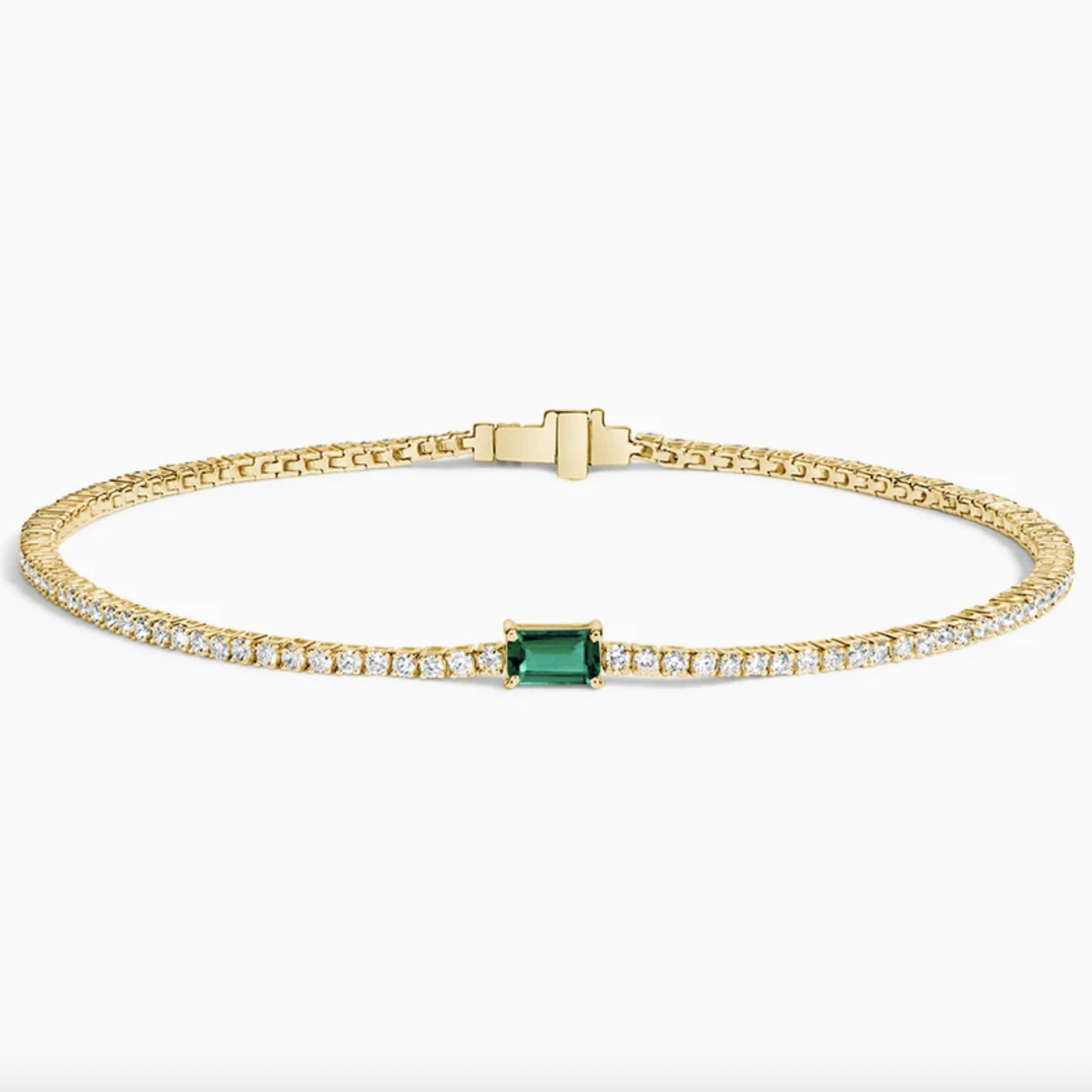
The All-Timer Tennis Bracelet
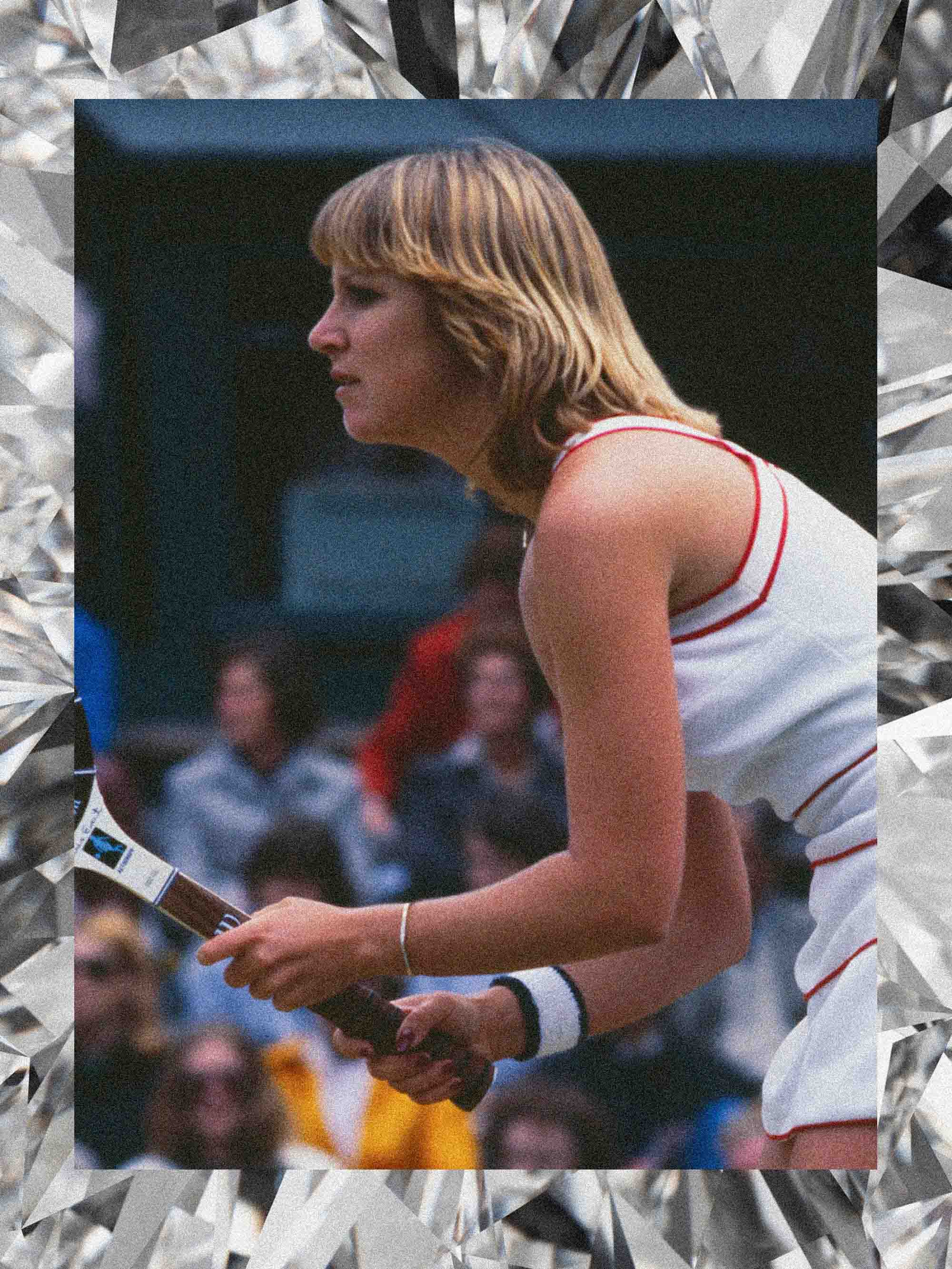
1970s tennis stars including Billie Jean King and Rosie Casals were among the first to wear diamond bracelets on the court. But it wasn't until Chris Evert lost hers in the middle of a 1978 U.S. Open match that the term "tennis bracelet" was born.
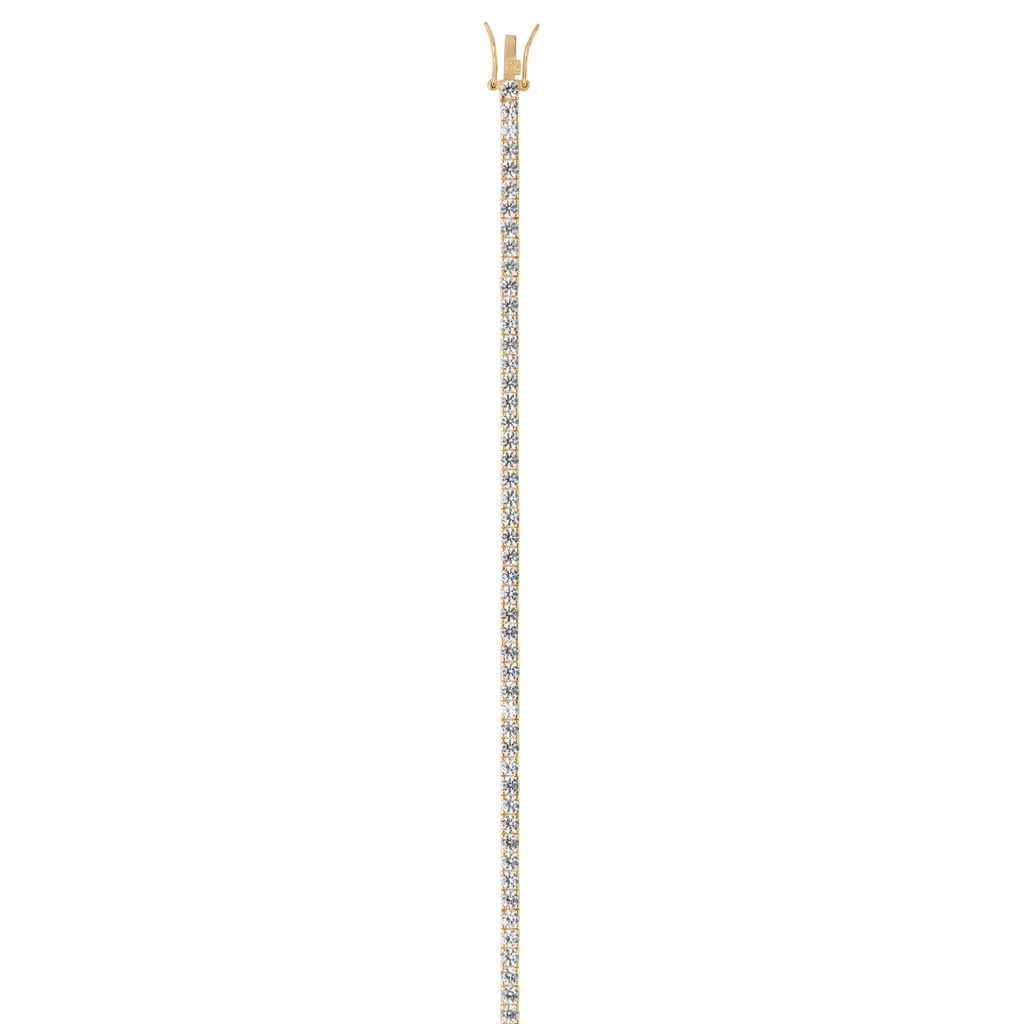
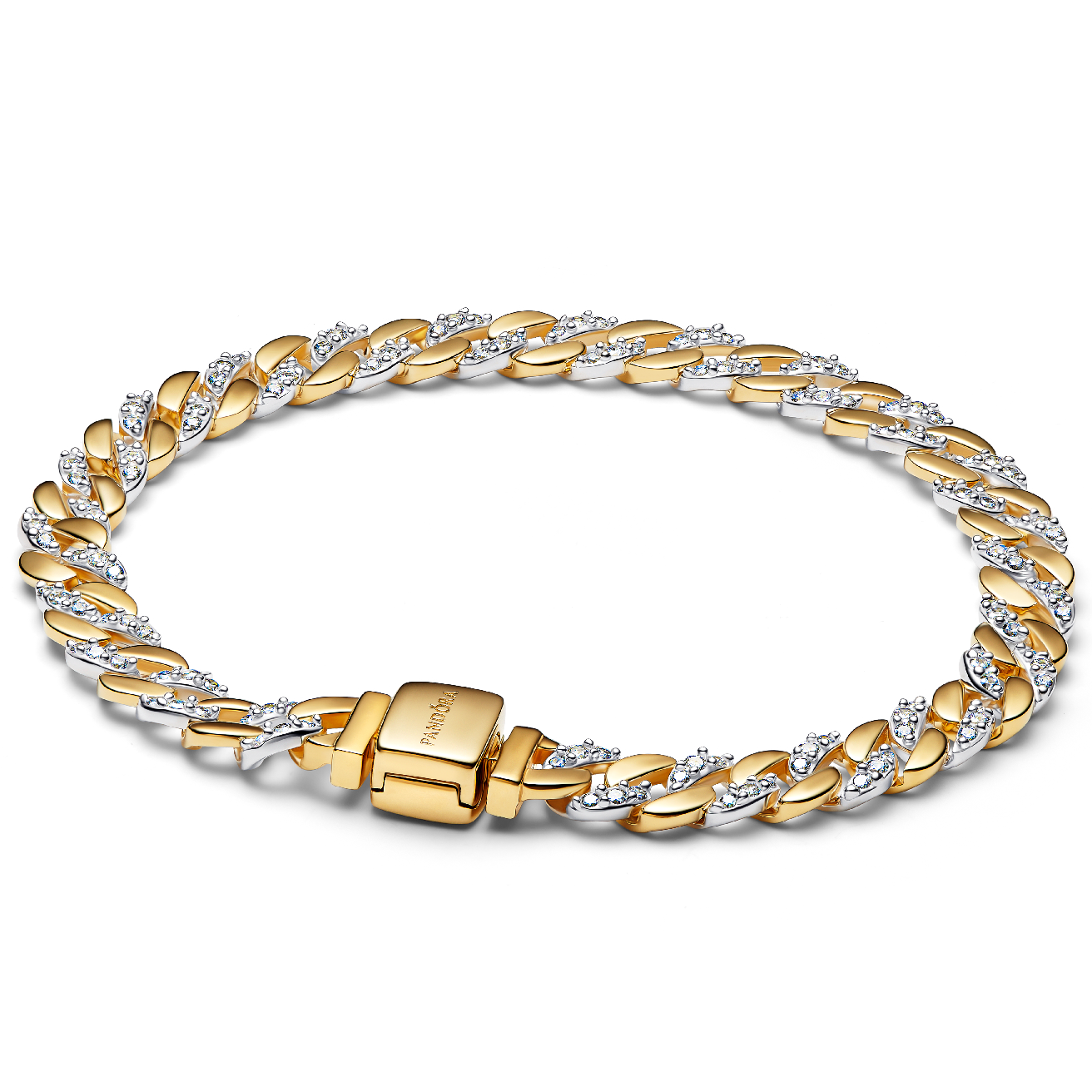
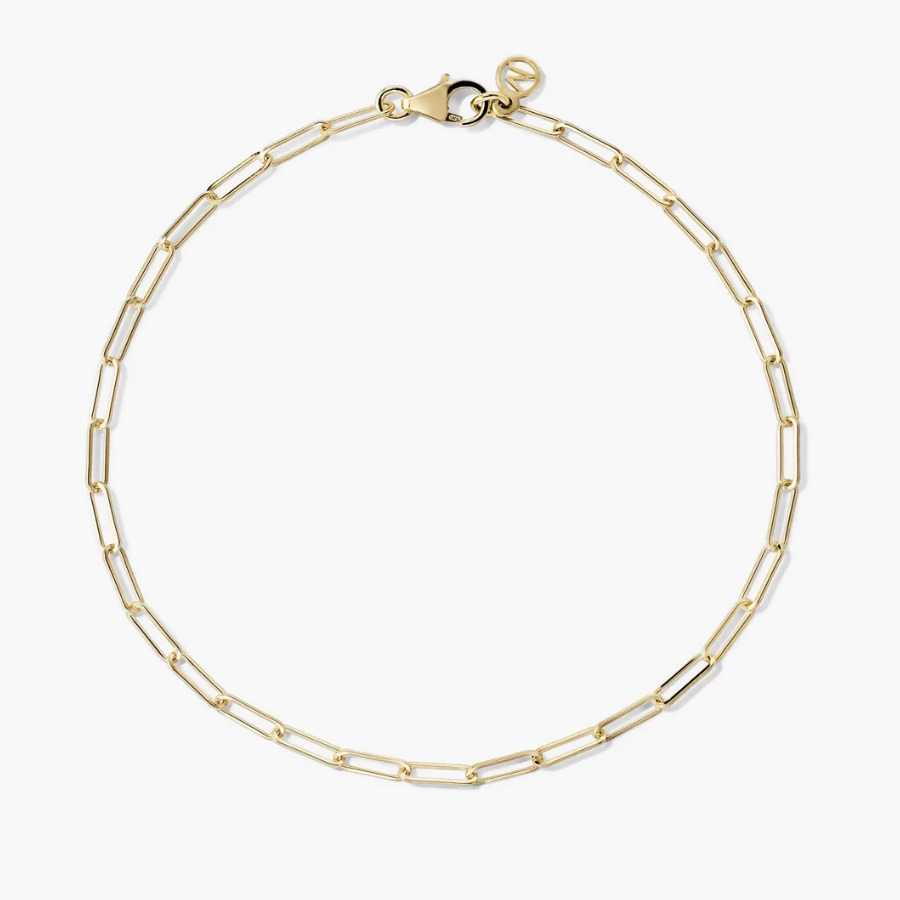
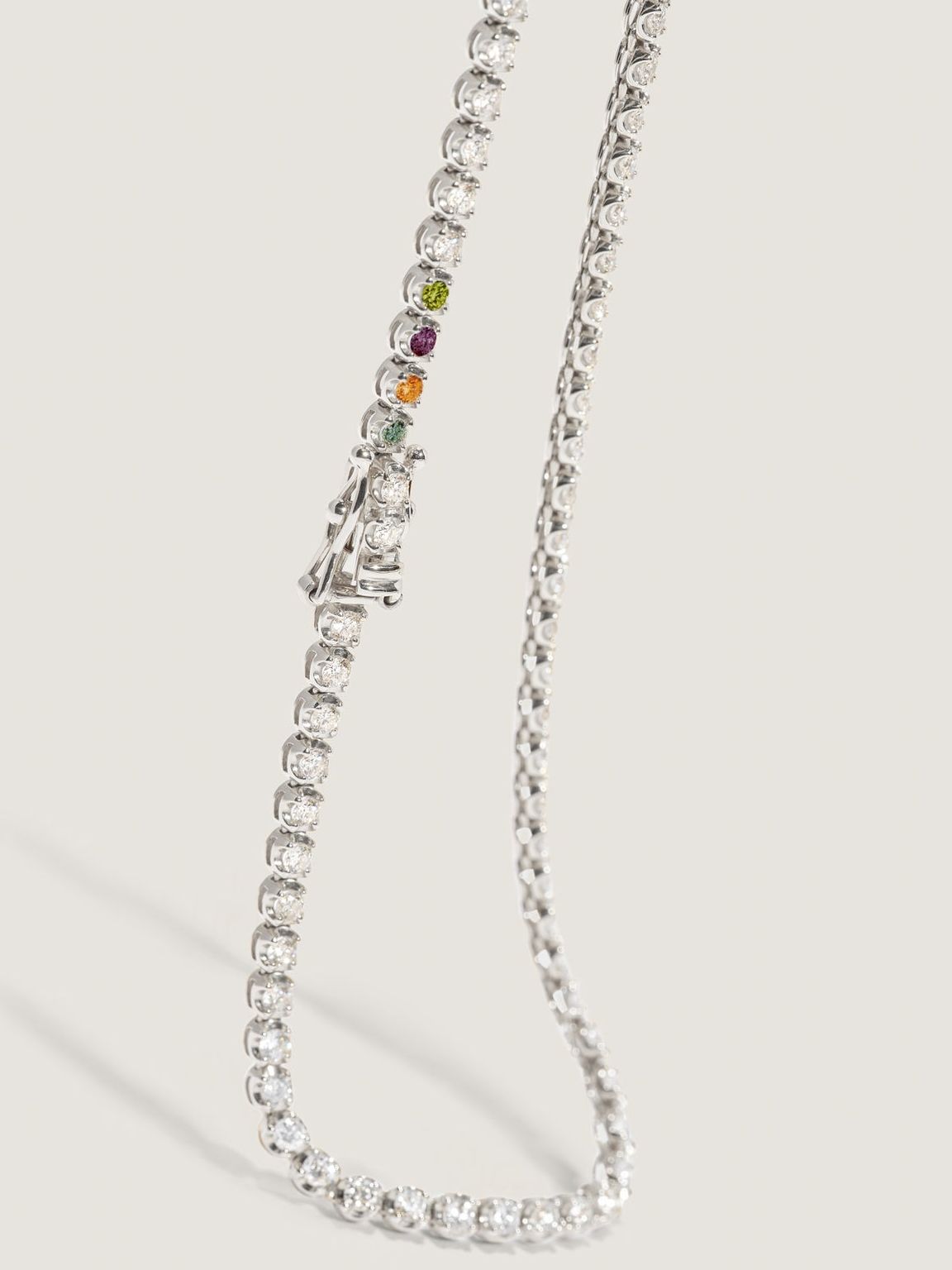
In the nearly 50 years since, legends of the sport and professional spectators alike have built their wrist stacks around a thin strand of diamonds (or several). Today's tennis pros tend to take one of two styling routes: letting those delicate pavé diamonds shine on their own or stacking them alongside chain-link bracelets in coordinating metals. Baptiste even personalized hers with multicolor stones to commemorate a win against the world No. 1 in Madrid last year. "It felt like the perfect way to celebrate a milestone while staying true to my style," she says. If you're ready to commemorate a win of your own, try an option personalized by your birthstone or a trio of letter charms.
The Statement Earring Stack
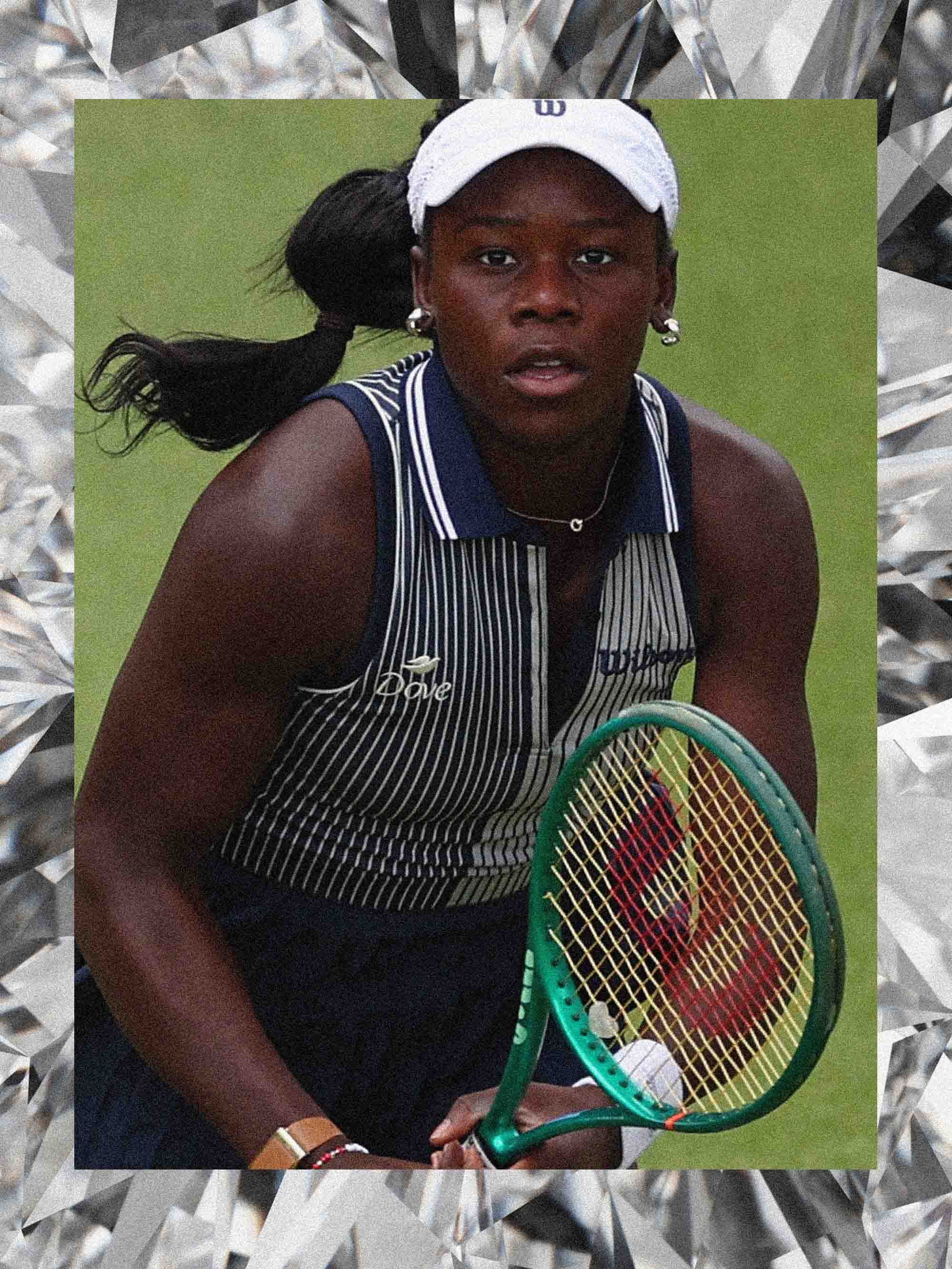
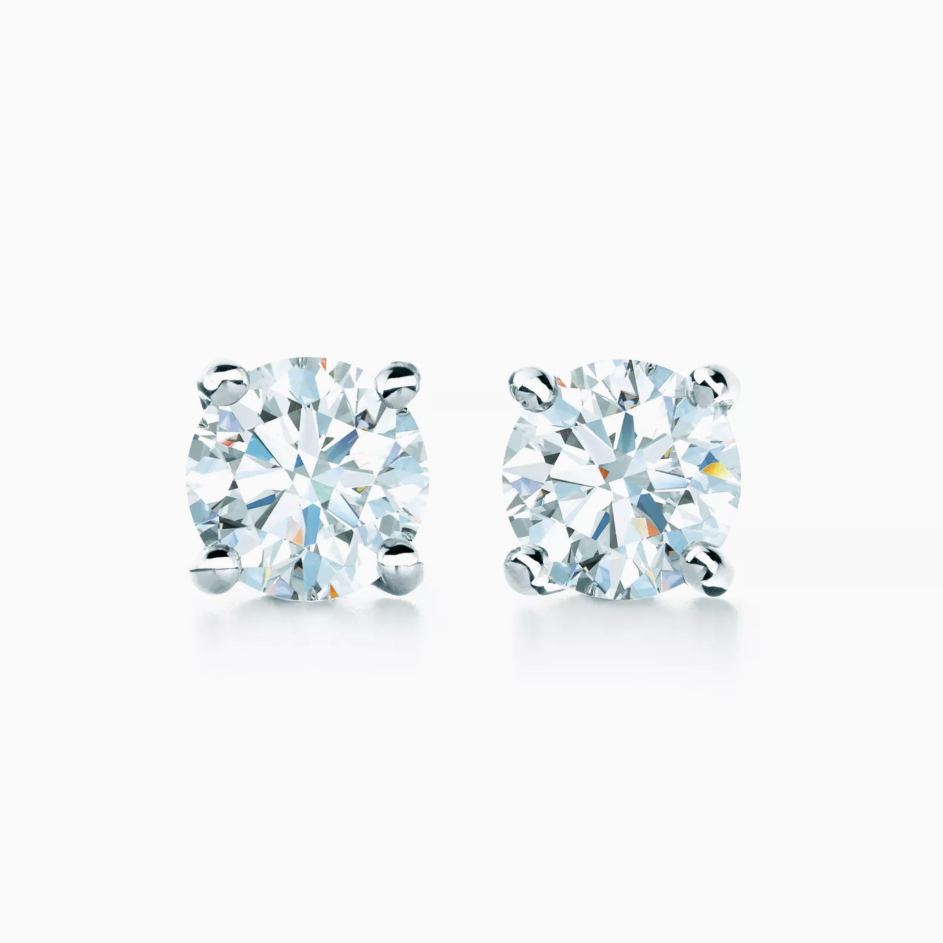
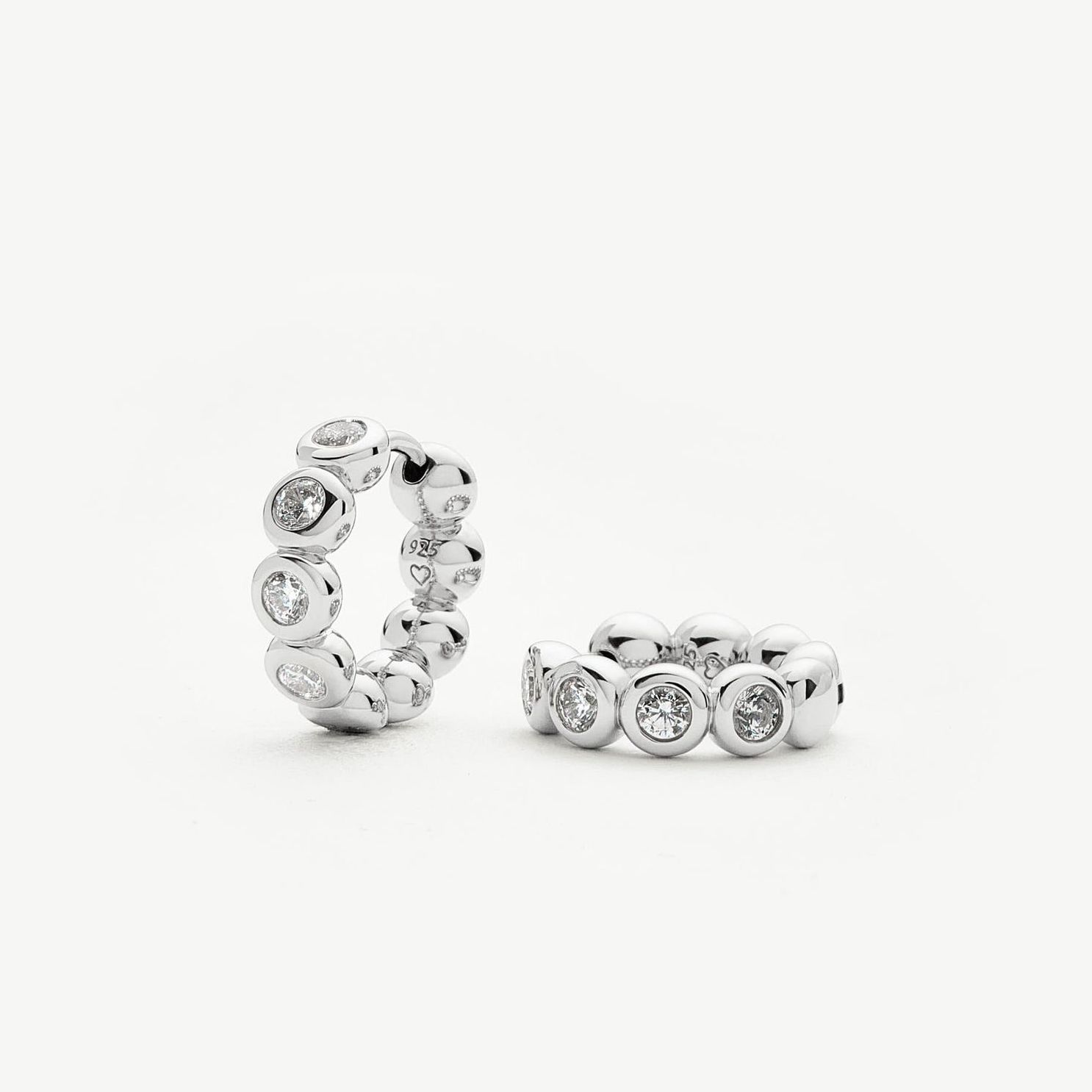
If you think a diamond stud is too small to get noticed on the big screens at Arthur Ashe Stadium, think again. "People see your ears more than you think they do, I guess, because I always get compliments on my ear stack," Navarro says. "That's probably what I like accessorizing the most."
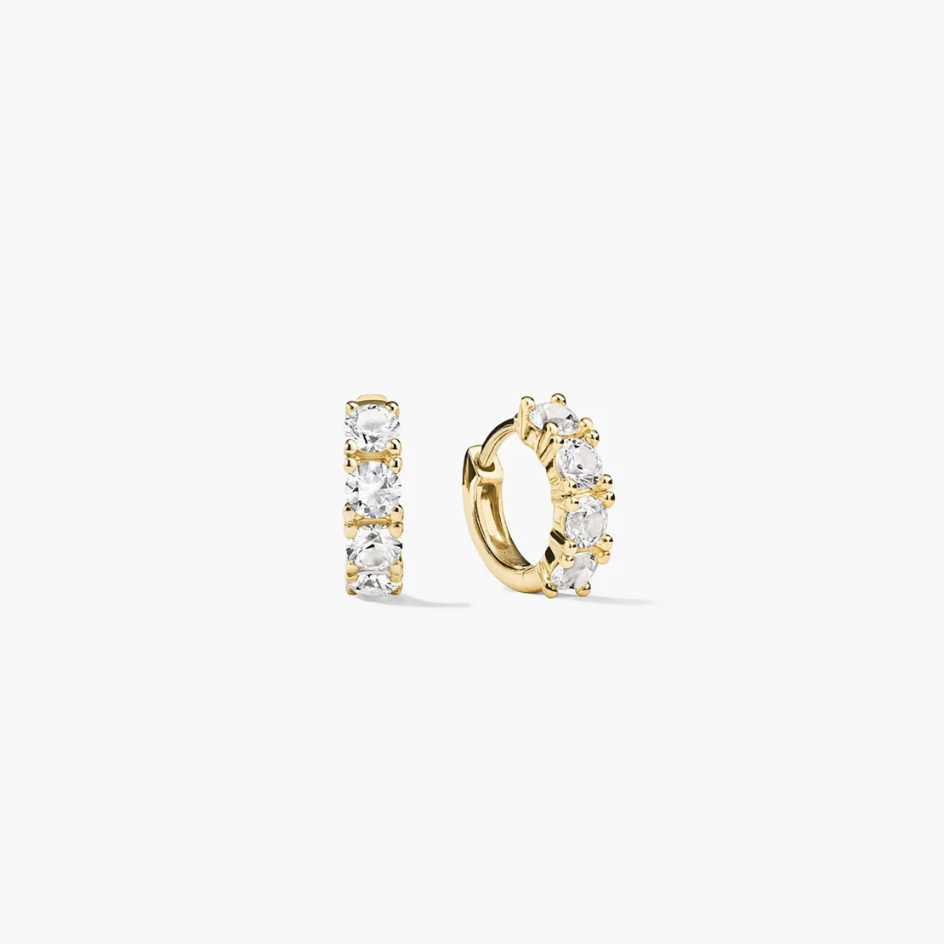
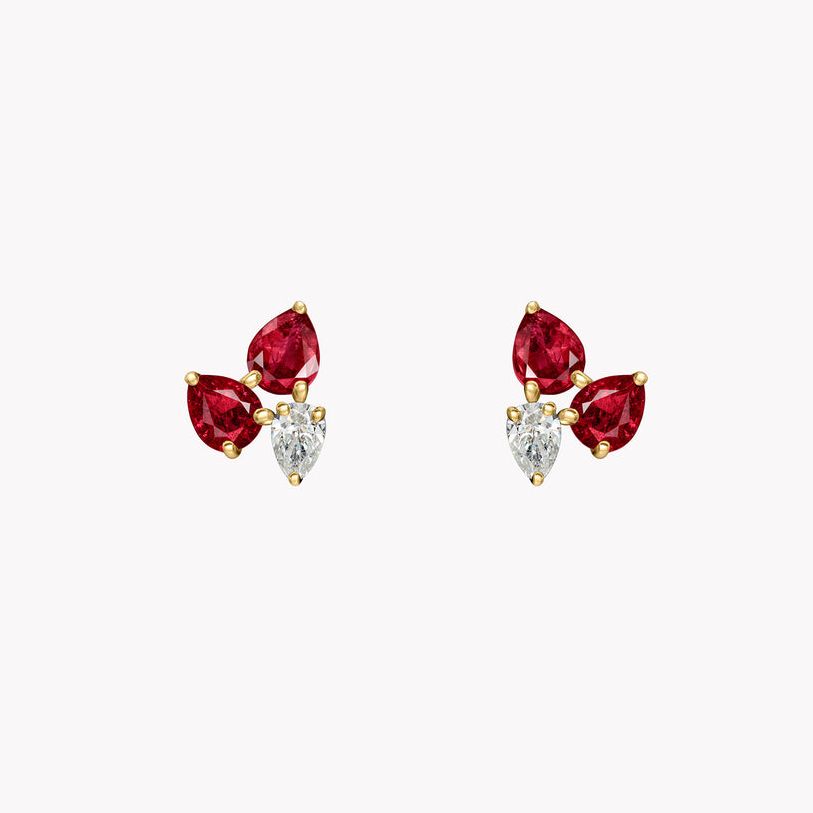
Whether players have ten piercings like Navarro or wear a single pair of hoops like Coco Gauff, they tend to start their earring stacks with an unmissable solitaire diamond stud or huggie hoop. From there, players with multiple piercings often opt for smaller, lightweight hoops hoops or cluster studs that combine different shapes. The strategy is equal parts fashion and function with universal appeal. It scales up the gradient of an earring stack without wearing you down, whether you're running around the court or just running errands.
The Center Court Necklace
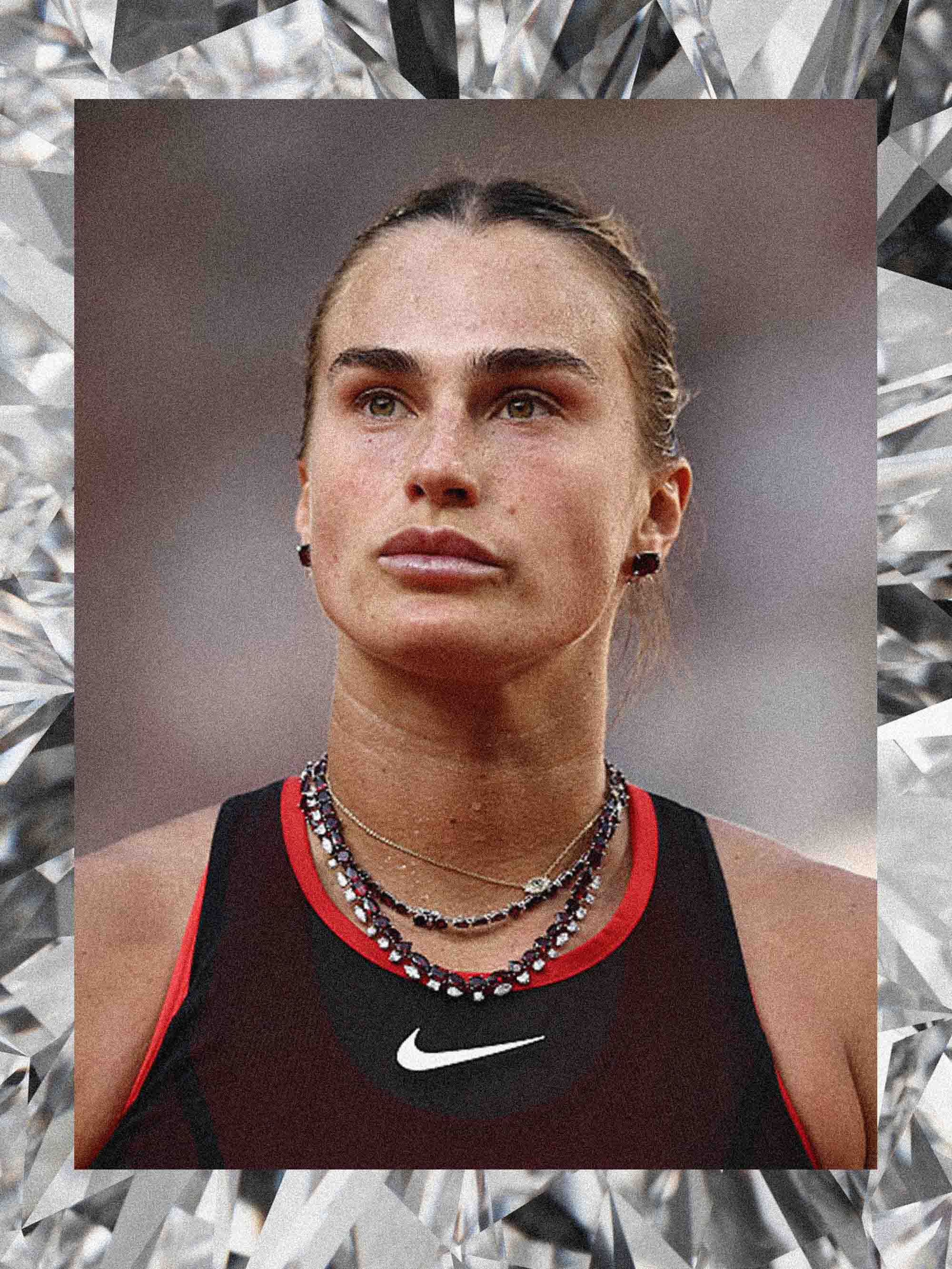
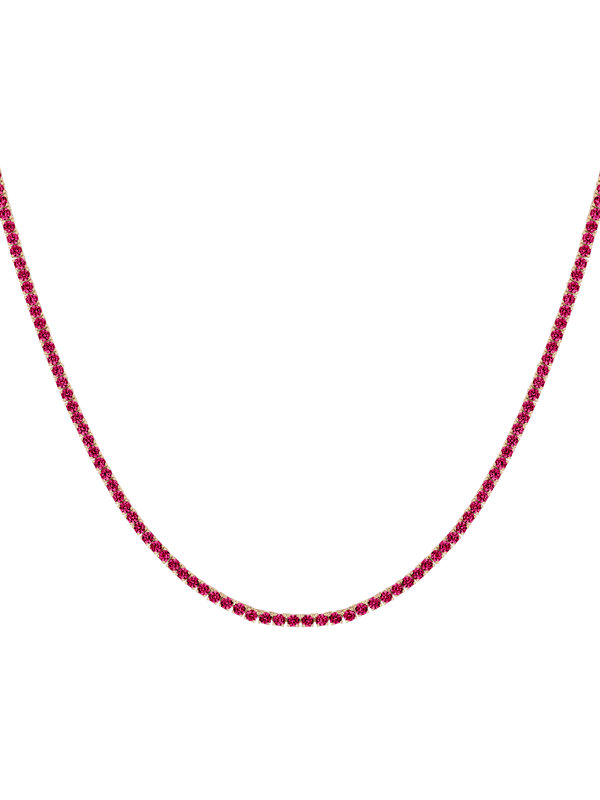
Some players leave the necklines of their Nike or New Balance tank tops bare. Then there are players like current world No. 1 Aryna Sabalenka, who recently arrived at the French Open wearing a custom Material Good collar featuring more than 200 carats of diamonds and garnets. Whether layered in multiples or styled as a single strand, adorned with precious gems or sculpted from hard metals, these tennis necklaces serve the same purpose: bringing players' personalities onto the court.
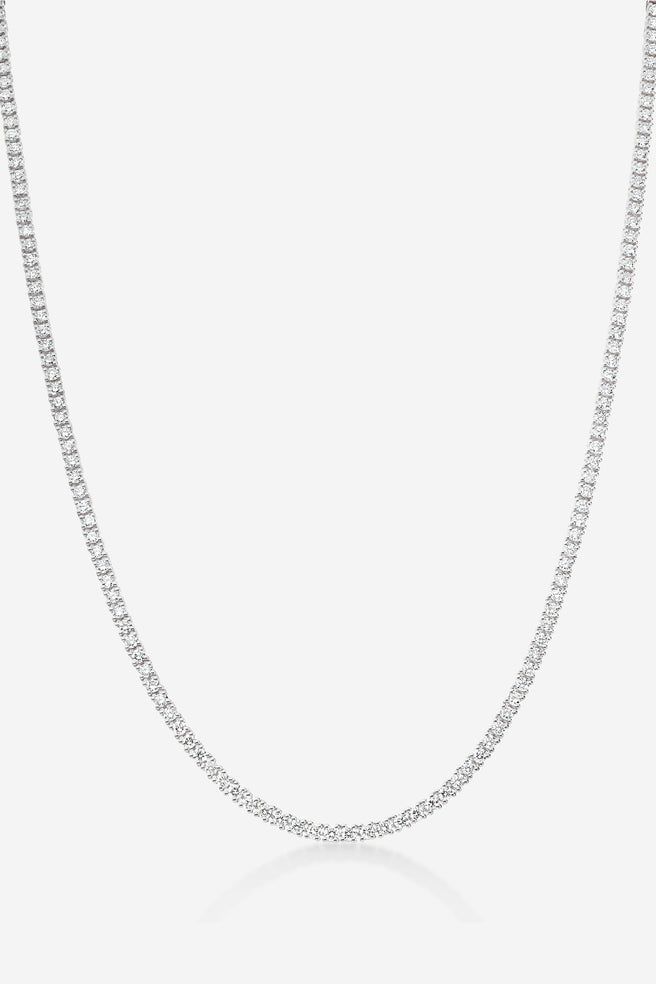
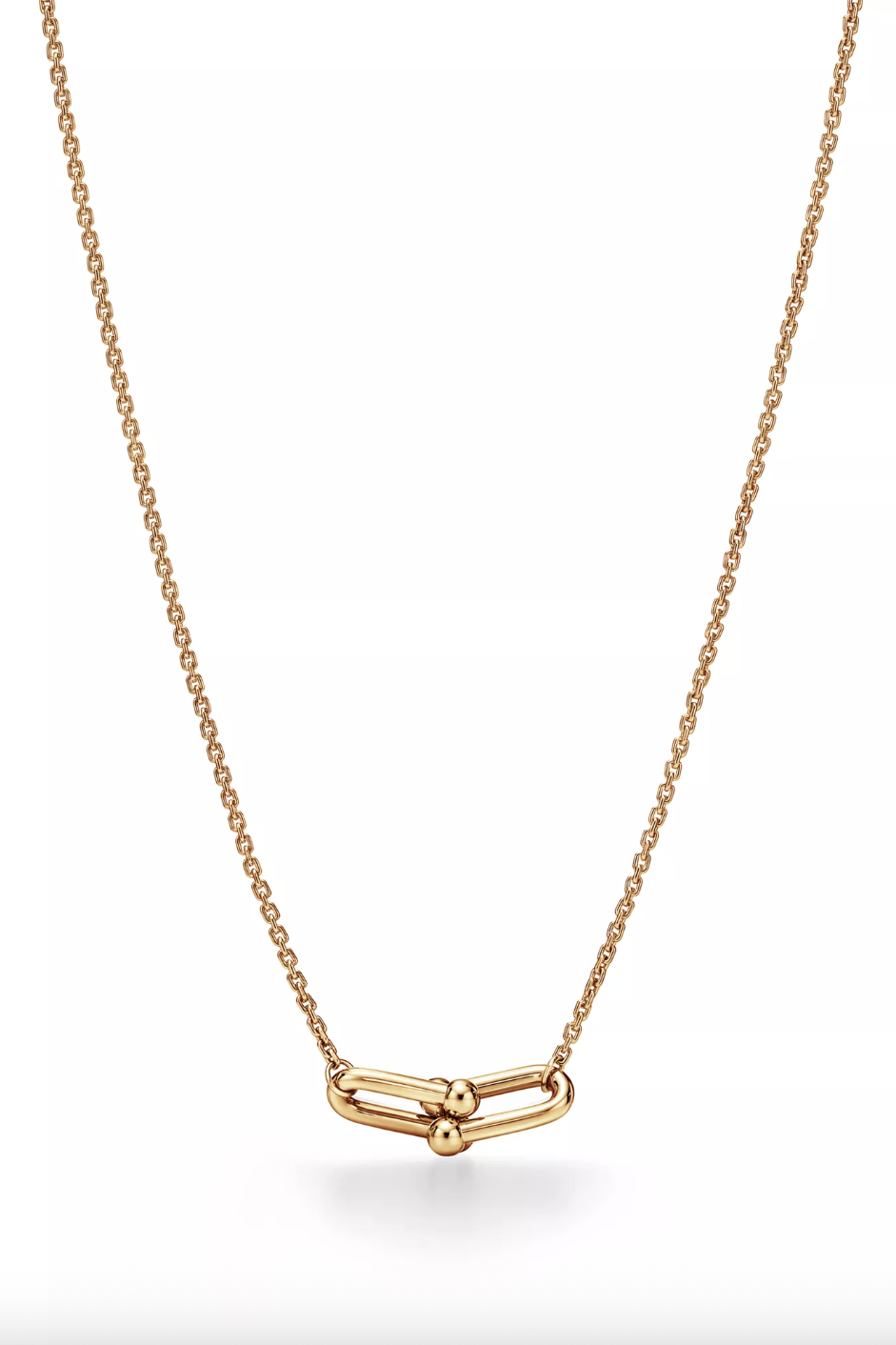
On or off the court, U.S. player Amanda Anisimova says the appeal of her Tiffany Hardware necklaces is the same: "I like items that are versatile, that I can wear on the court, in the media room, to dinner," she says. For an everyday stack that glistens like hers, try matching a gold or silver pendant to the metallic base of a classic tennis necklace.
The Game-Winning Watch
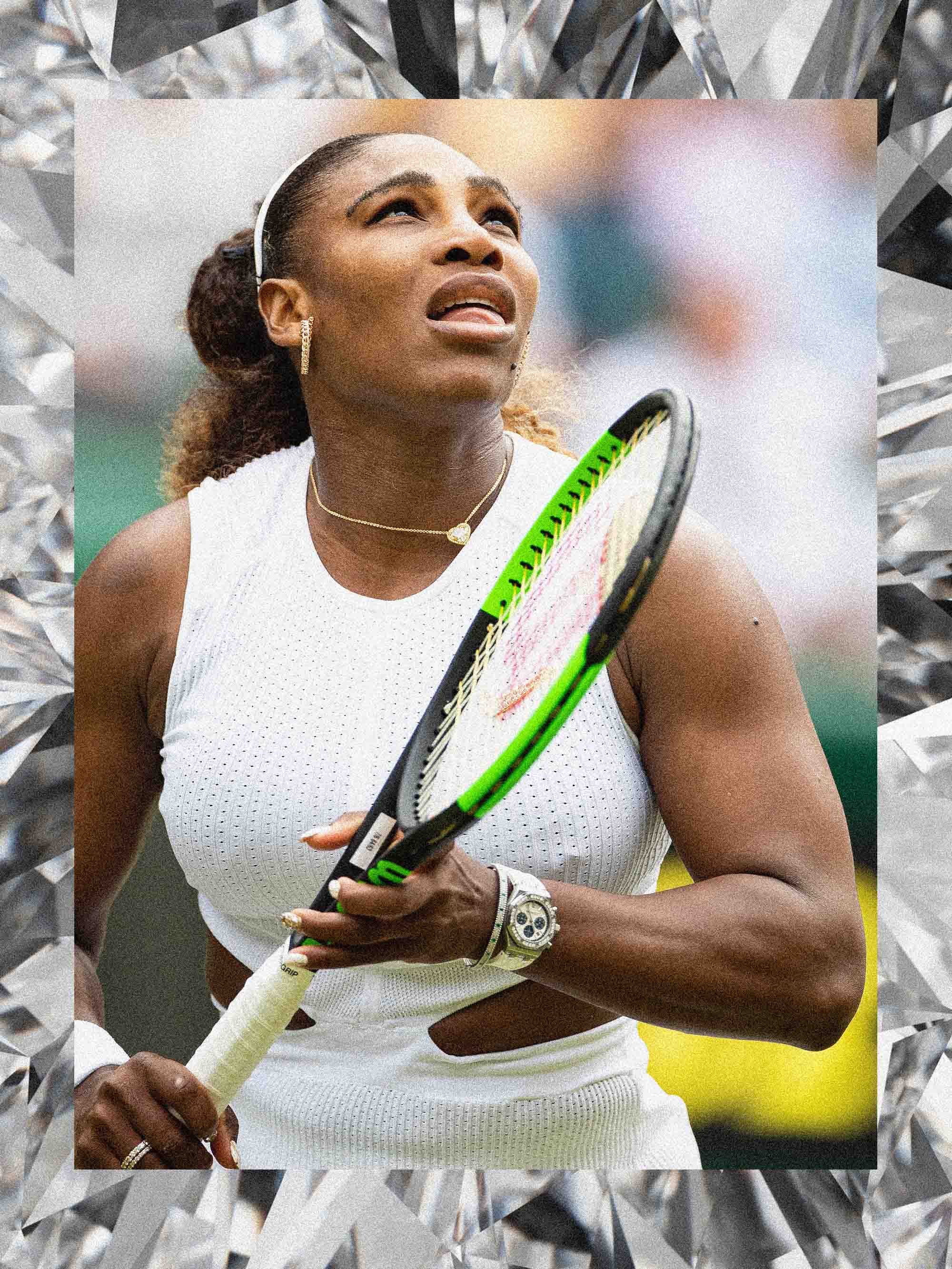
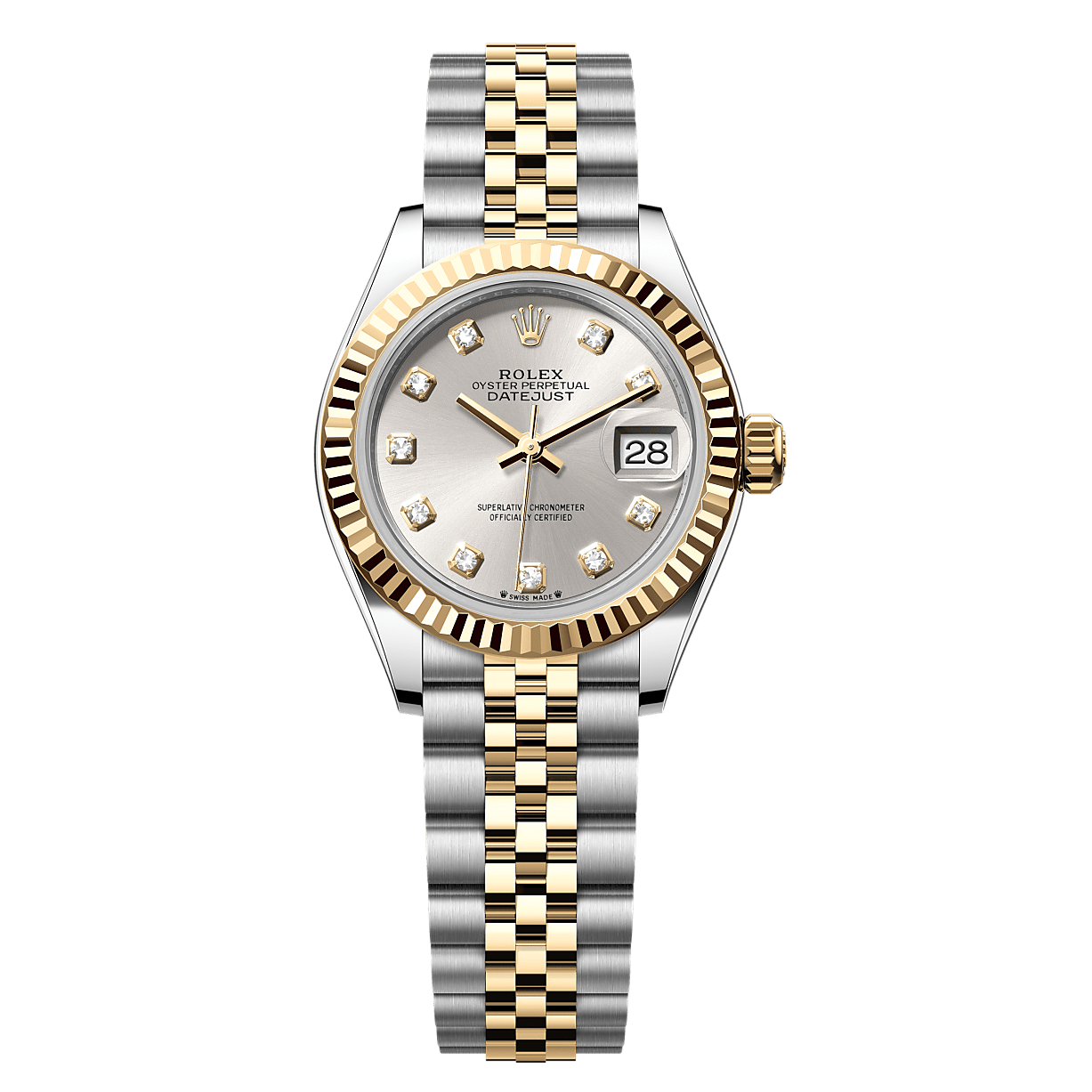
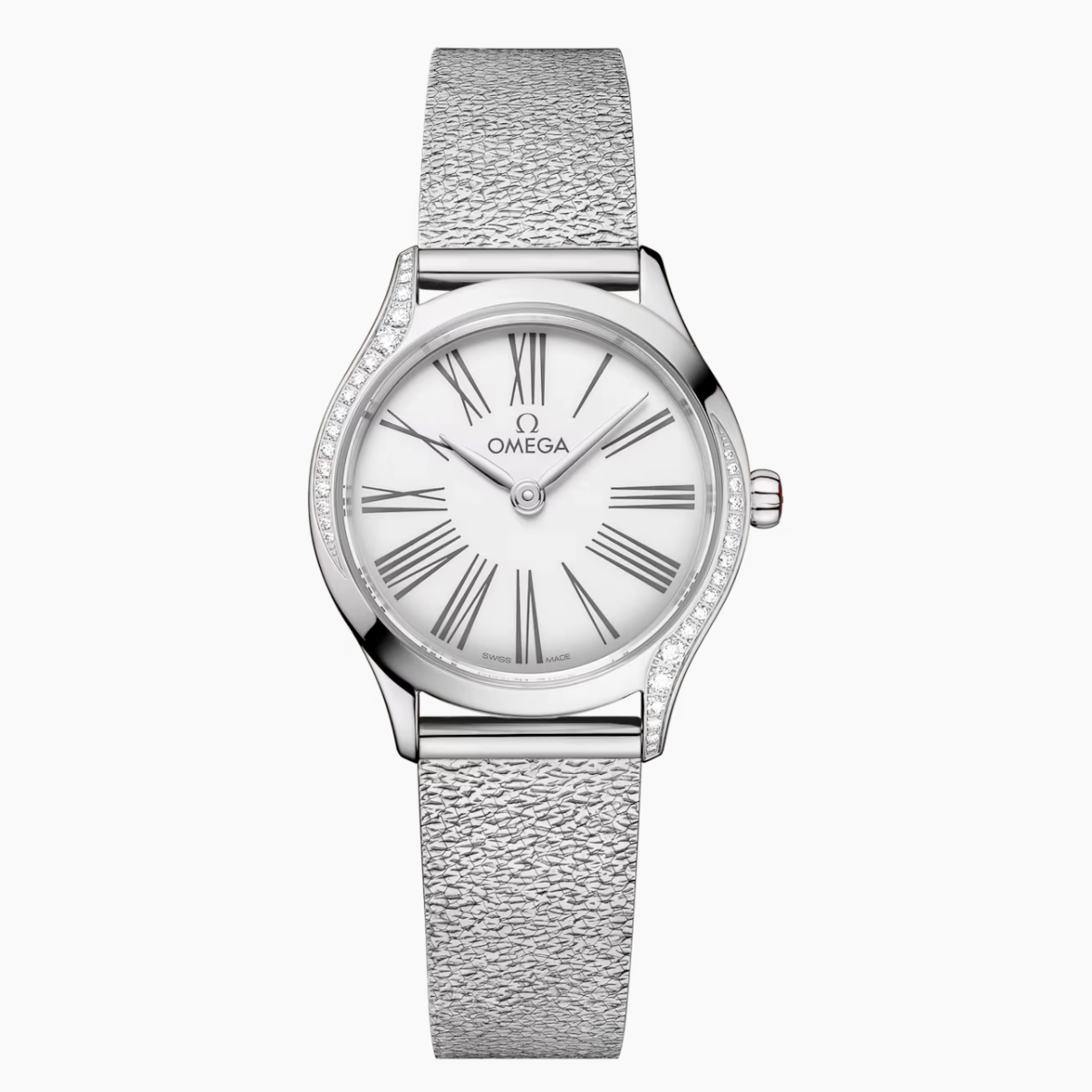
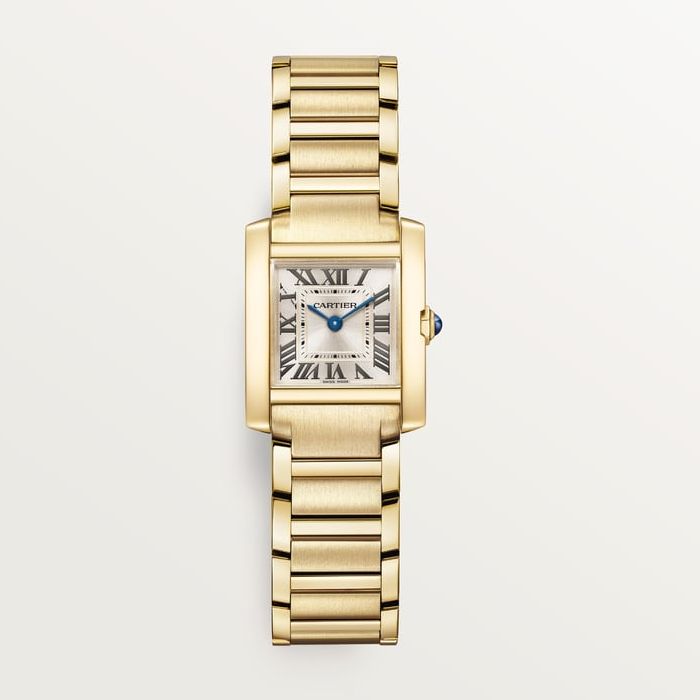
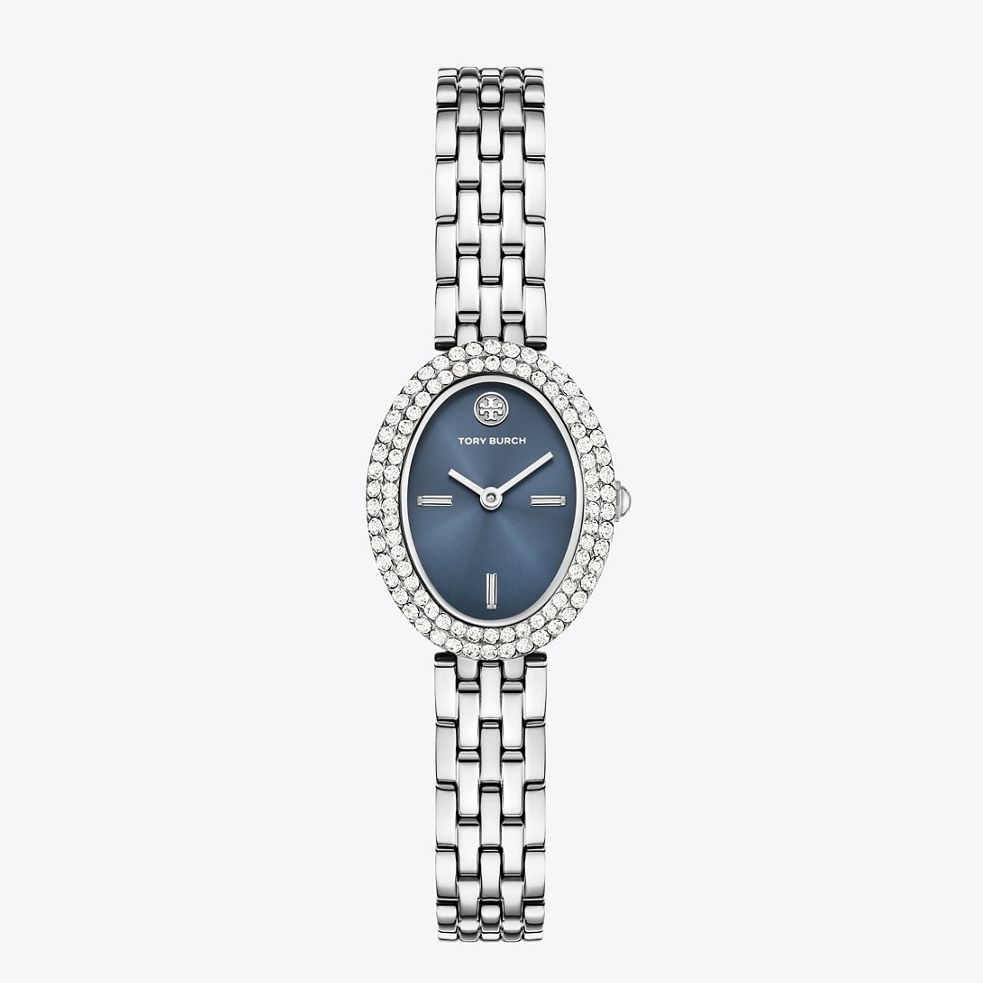
When the final points are called and tournament trophies are hauled to center court, match winners often slip one extra piece onto their wrists: a five- or even six-figure timepiece. On the one hand, last-minute investment watch styling is an opportunity for sponsors—Rolex, Audemars Piguet, and TAG Heuer among them—to get their picture-perfect shout-out without the threat of a rogue backhand shattering the watch face. On the other, these additions to a wrist stack are reminders of tennis' rarified roots and profile boosts for the players themselves. "Putting the watch on afterward sends this message of high, high luxury," Kumar Nair says.
When you're playing singles, only one person can be the winner—and they look the part with a diamond-encrusted timepiece glistening on their wrist. Of course, no one says you have to compete to earn one of the investment-worthy watches below. Non-sporty special occasions are just as deserving of a splurge with heirloom potential. (Plus, they'll stack so neatly with one of the tennis bracelets already dangling off your wrist.)
Read on the original site
Open the publisher's page for the full experience