How Vintage Fashion Became The Ultimate Status Symbol
Our take
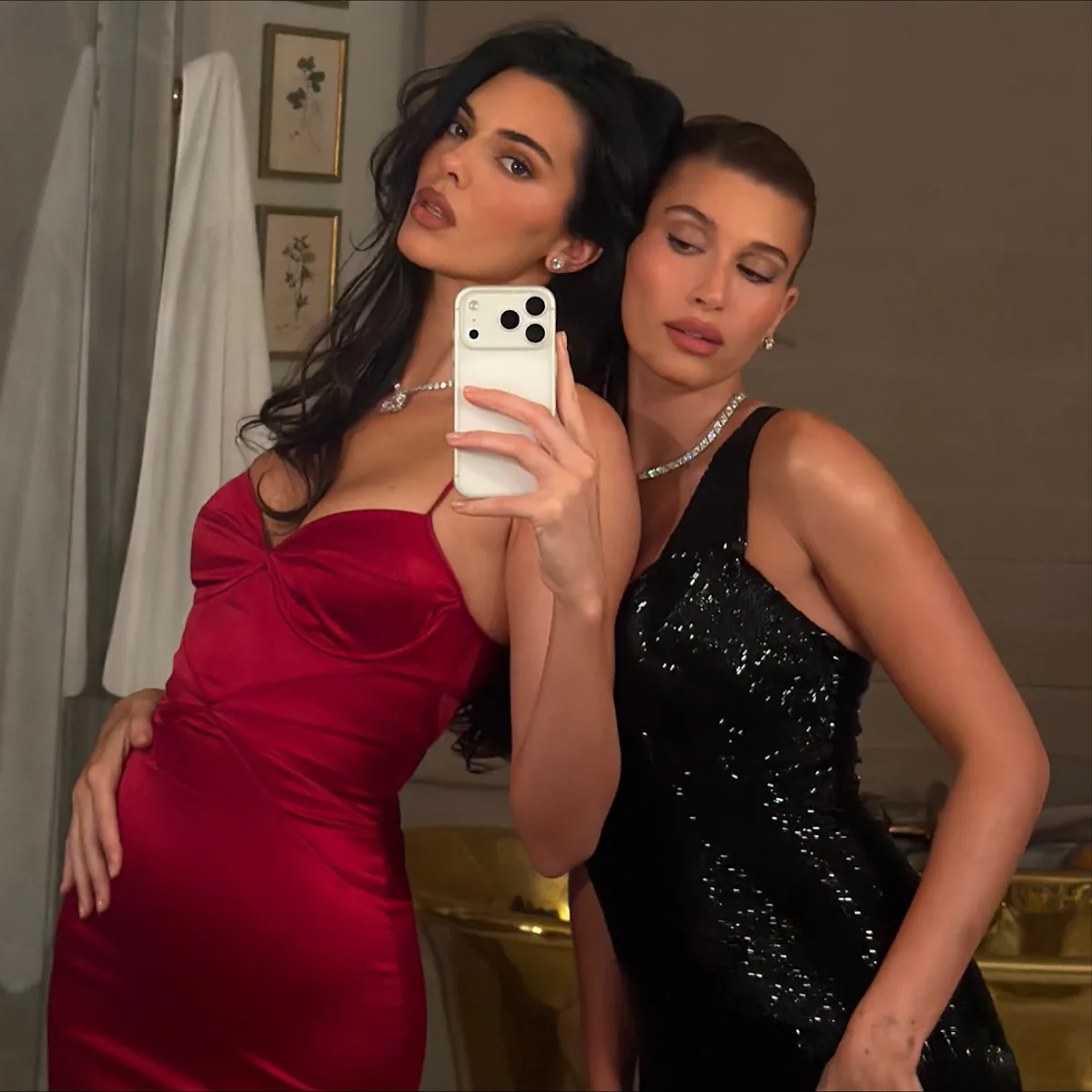
The elevation of vintage fashion to a status symbol feels, in a way, deeply inevitable. For years, it existed in a liminal space – appreciated by those seeking sustainable alternatives, cherished by enthusiasts of bygone eras, and quietly understood as a sign of discerning taste. But the recent surge, propelling it beyond niche circles and into the mainstream luxury conversation, signals a broader cultural shift. We've seen it before, of course: the cyclical nature of trends, the yearning for authenticity in a world of mass production. But this feels different. It’s less about replicating a specific decade and more about curating a personal narrative through carefully selected, pre-loved pieces. The desire for uniqueness, for a story woven into one’s clothing, is powerful. Consider, for example, the enduring appeal of [White Midi Skirts Are the Easy-To-Wear Summer Essential Replacing Denim Maxis—Mango’s $54 Style Nails It], demonstrating a growing appreciation for timeless silhouettes and effortless elegance, qualities often inherent in vintage finds. This trend also echoes the recent fascination with Sienna Miller’s nostalgic style, as seen in [Sienna's '90s "Naked" Slip Dress and Gold Shoe Combo Is So Carrie Bradshaw-Coded ], further solidifying the idea that personal style, rooted in the past, can be incredibly chic.
The exclusivity factor is undeniably key to this status elevation. A newly released designer bag, however coveted, is readily available (or at least, readily attainable for a certain demographic). A perfectly preserved 1960s Pucci dress, on the other hand, speaks of a deeper engagement with fashion history, a willingness to invest time and effort in the hunt, and ultimately, a possession that is truly one-of-a-kind. This isn't simply about owning something beautiful; it's about owning something rare, something with provenance. The rise of online vintage platforms has certainly democratized access to these pieces, but it's also intensified competition, further fueling the sense of exclusivity. The savvy collector understands the value isn’t just in the garment itself, but in the narrative it carries, the era it represents, and the story it tells about the wearer. It's a subtle but potent form of self-expression, a quiet declaration of individuality that transcends fleeting trends. The focus on quality and craftsmanship, so often lacking in contemporary fast fashion, is another important driver. Many vintage pieces were made to last—a sentiment increasingly valued by conscious consumers.
This shift has significant implications for the fashion industry as a whole. It challenges the traditional model of constant newness, forcing brands to reconsider their approach to design and production. Sustainability, once a niche concern, is now a mainstream imperative, and vintage fashion provides a tangible, stylish solution. We’re seeing brands increasingly incorporate vintage elements into their collections, collaborating with vintage dealers, and promoting circular fashion practices. The focus is moving away from sheer volume and towards a more curated, considered approach to consumption. Even the beauty industry reflects this sensibility; the emphasis on finding the perfect shade, the one that truly complements your skin tone, mirrors the careful selection process inherent in vintage shopping – as demonstrated by articles such as [Highly Pigmented and Worth Every Dime: 7 Blushes That Pop on Brown Skin ], where the pursuit of the perfect match is paramount. It’s about finding pieces that resonate with your individual style and values, rather than blindly following the latest trends.
Ultimately, the elevation of vintage fashion to a status symbol isn’t just about clothes; it's about a reframing of luxury itself. It’s a move away from ostentatious displays of wealth and towards a more understated, intellectually-driven appreciation for artistry, history, and personal style. As the lines between vintage, resale, and contemporary fashion continue to blur, the question remains: will this trend lead to a more sustainable and thoughtful fashion ecosystem, or will it simply become another fleeting status symbol in its own right? And, more importantly, how will this evolving landscape reshape our understanding of what it means to be stylish in the years to come?
Over the past few years, vintage fashion has stopped being an insider secret that’s quietly hunted for; it has emerged as the ultimate status symbol, offering a level of exclusivity and fashion credibility that even the newest designer purchases often can’t match.
The shift is easy to spot for those paying close attention. A Roberto Cavalli dress from 2003 can now generate more excitement than something that walked the runway six months ago. Editors proudly reference Phoebe Philo-era Céline. Stylists spend weeks tracking down Tom Ford Gucci. Even on social media, identifying the season of a piece has become almost as important as identifying the brand itself.
In a world where every runway show is instantly available online and trends move faster than ever, a great novelty item looks different from how it used to. The flex is no longer just owning something expensive or buzzy. It's finding a piece of fashion history that takes real effort to uncover, and knowing that few others will ever own the exact same thing.
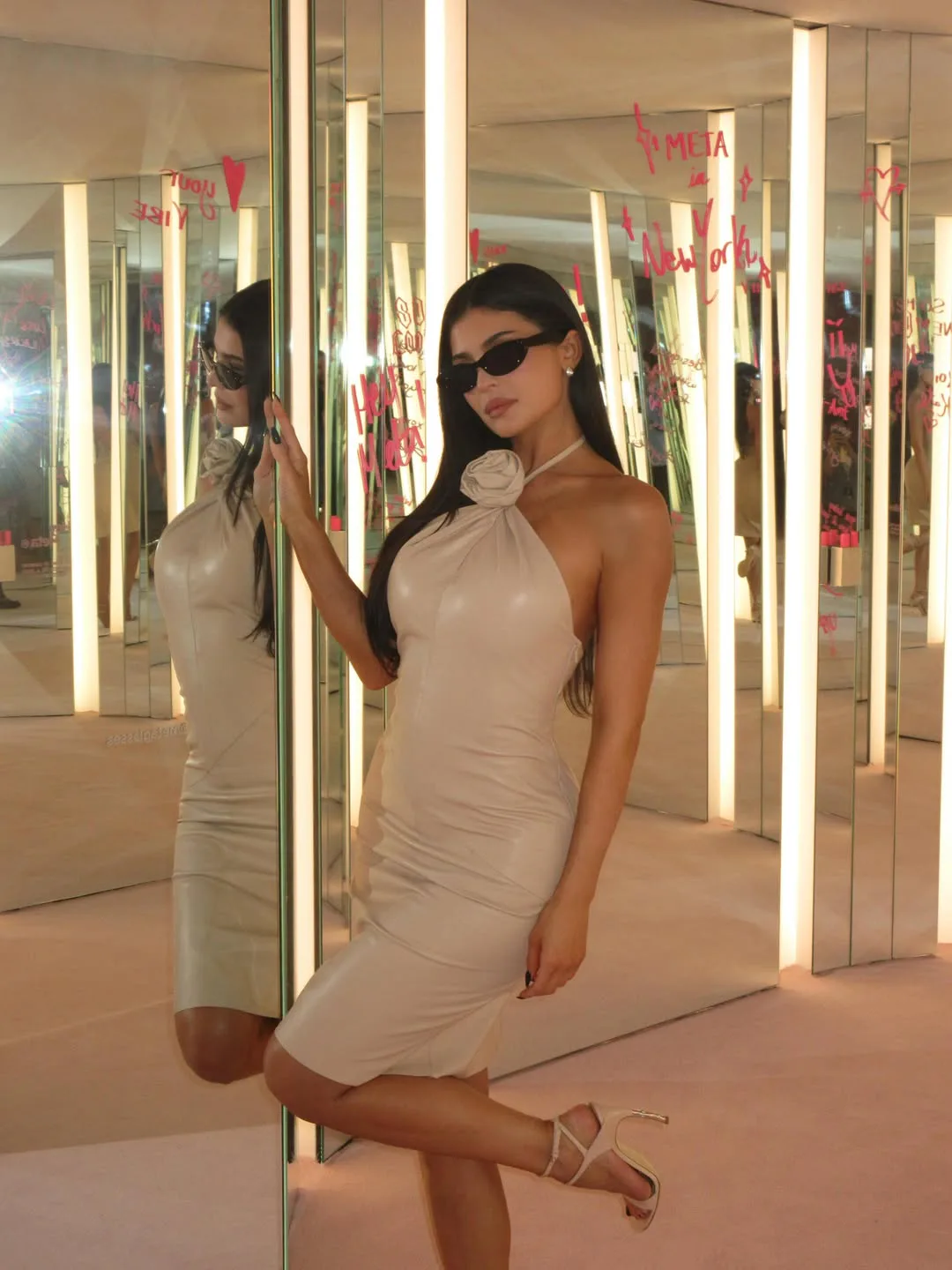
To be clear, vintage has always existed within fashion, but what was once associated with sustainability and budget shopping is now increasingly tied to taste, fashion knowledge, and personal identity. And the people driving that shift all chalk it up to vintage appeal extending past the clothes themselves. An archival look is essentially a wearable fashion fairytale.
Breaking The Trend Cycle
Vintage collector and content creator Sophie Cohen grew up shopping secondhand, spending weekends at consignment hot spots like Crossroads and My Sister's Closet, learning early on that finding something unexpected was far more exciting than buying what everyone else already had. "When I go into a store, everything needs to be different," she says. "It's not exciting if it's not."
Cohen remembers a time when people were openly skeptical of wearing secondhand clothing. Now, she's watched it become one of fashion's biggest cultural fixations. “When I first started posting about what I was wearing, people used to say, ‘You're wearing used clothes? I could never do that,’” she says. “Now those are the pieces everyone wants.”
That turning point didn't happen overnight. It built slowly, fueled by social media, a growing nostalgia cycle, and a fresh generation of consumers who grew up watching fashion move so fast that newness lost its novelty. Part of what shifted the conversation was the rise of archival fashion specifically — the idea that it wasn't just secondhand you were after, but a particular designer, era, or cultural moment frozen in time.
"The archival aspect is what makes it special," Cohen says. "People want to wear these really incredible pieces that feel different from what everyone else has."

Curated Style
For decades, what defined a stylish individual was straightforward: the newest bag, the latest collection, the "It" thing everyone recognized. These days, the calculus has shifted. Wearing a runway Cavalli piece from 2003 or an Alaïa from the early '90s communicates something that a brand-new designer bag simply cannot — that you know your fashion history, you've done the work, and your taste predates the TikTok algorithm.
Stylist Holly White, whose editorial and red carpet work leans heavily on archival sourcing, sees it play out with clients regularly. "As consumers in 2026, we're seeing the same things over and over again," she says. "There are more brands than ever, often doing the same silhouettes in slightly different shades. The excitement is somewhat lost. It's not aspirational to know you can go anywhere and get the same thing."
What vintage offers instead is the opposite of that: something that requires effort, knowledge, and a genuine eye. "Buying vintage and incorporating it into your looks helps curate your own identity and personal style," White says.
That idea — personal style as something discovered and carefully curated rather than purchased — has become one of the defining tensions of fashion right now. And archive dressing sits at the center of it.
A Look That Tells A Story
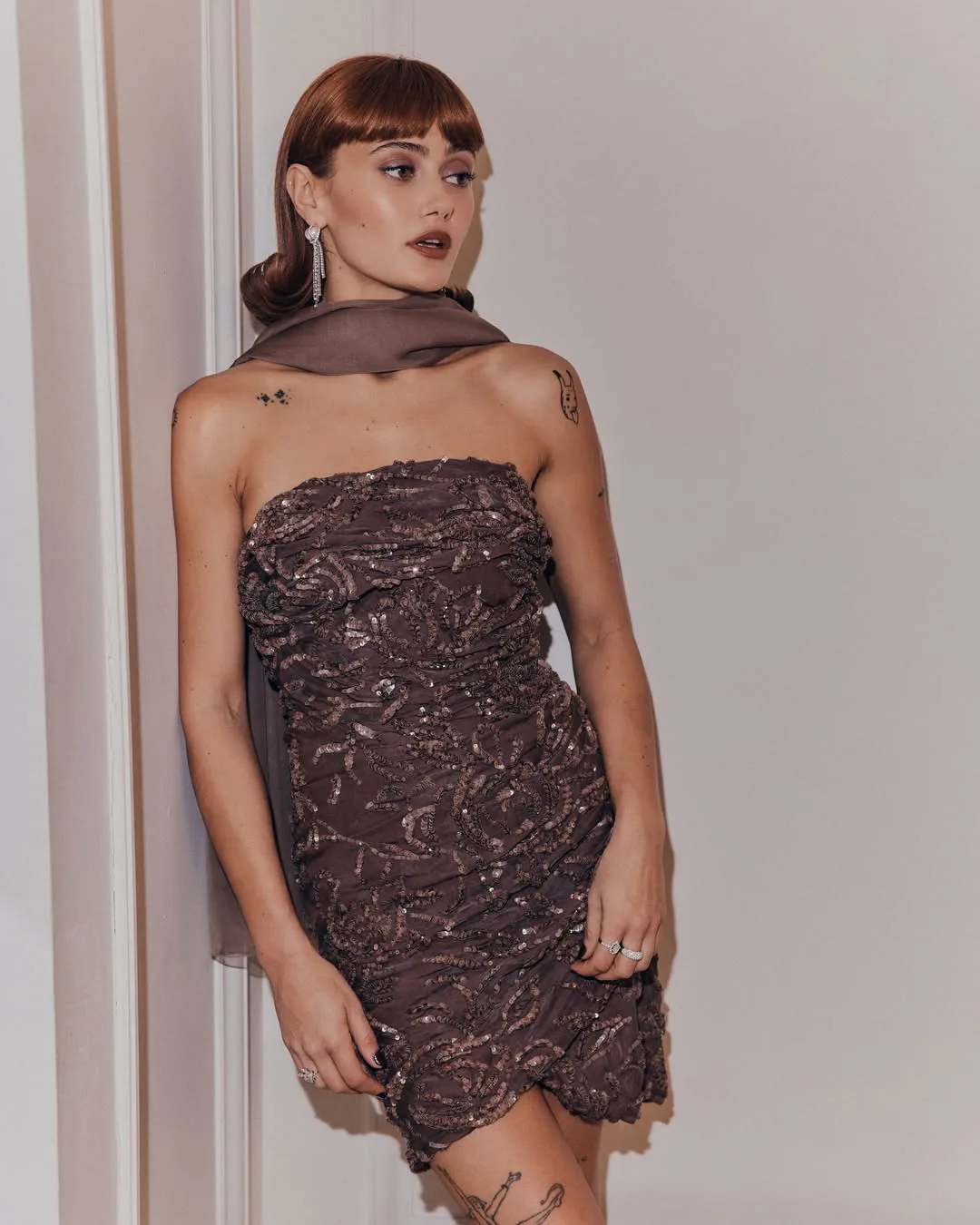
Beyond the cultural cachet, there's something more emotional at play. "I think people are looking for emotional connection and individuality," says Gabriella Carota, co-founder and CEO of archival fashion rental platform Isle of Monday. "A lot of these pieces were part of iconic runway collections, celebrity moments, or specific eras in fashion that people feel nostalgic for or inspired by. Wearing something rare makes people feel like they're stepping into a story rather than just putting on clothing."
White sees that idea as central to why she reaches for archive pieces when dressing clients. "Pulling archive or vintage is a different form of storytelling than working with contemporary," she says. "You're bringing in the cultural mood of the year it was made, celebrating the design language of whoever was leading the house at that moment."
A Tom Ford-era Gucci look communicates something different than a modern-day Gucci look. That reference itself becomes part of the statement, and that's the whole point. Janelle Gray, co-founder and CMO of Isle of Monday, has watched that shift happen in real time through their platform. When they started, the audience was narrow: stylists, collectors, fashion historians. "Now we're seeing customers who may have never shopped secondhand before actively seeking out vintage because it feels more personal, rare, and emotionally resonant than buying something new," she says.
The New (Old) Luxury
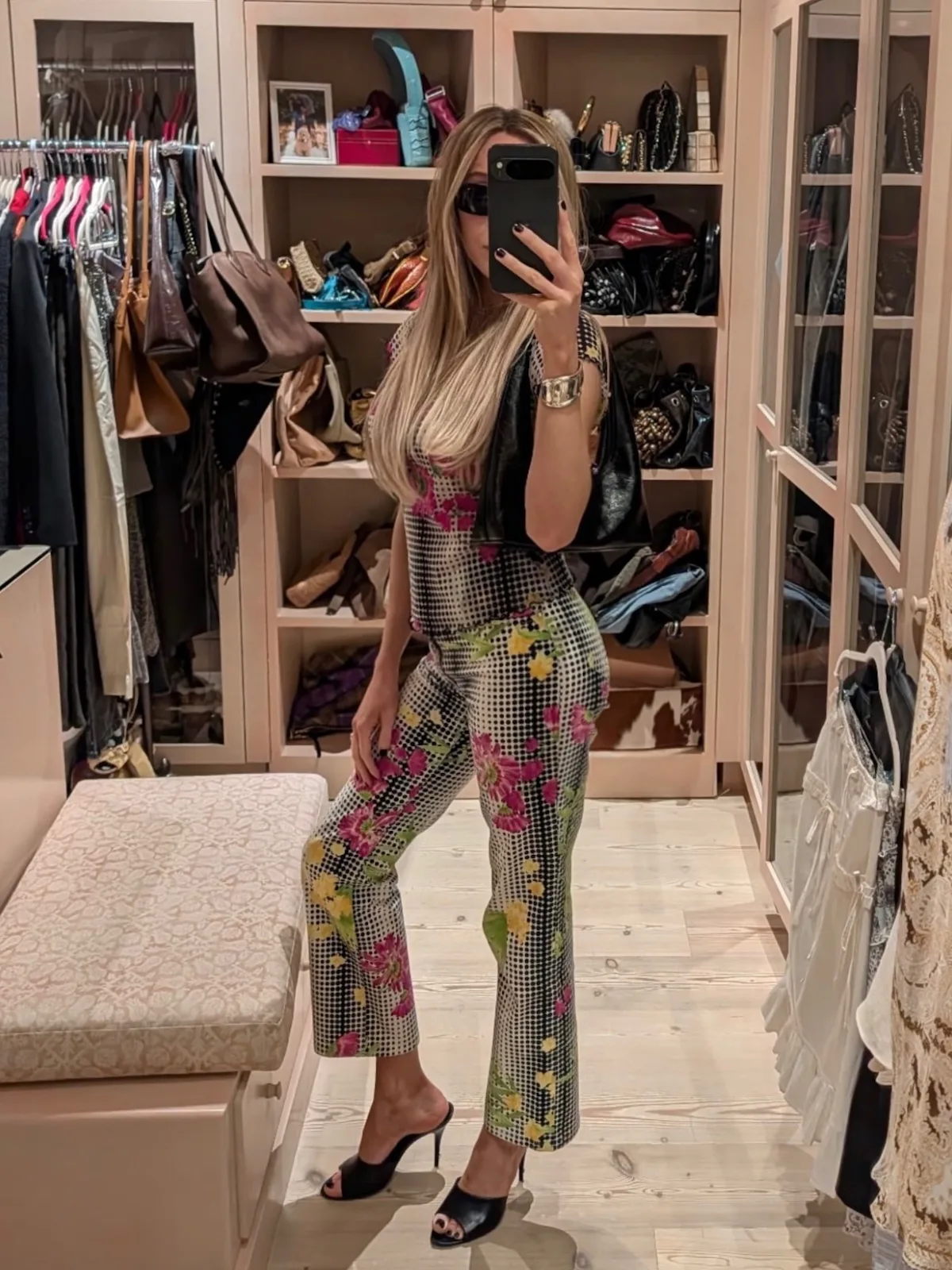
Like so many things in life, with popularity comes inflation — and deficit. "Everyone wants a vintage Cavalli top now, everyone wants these iconic pieces," Cohen says. "Before, it was much easier to find things at a reasonable price, more accessible to the people who were truly into it. But there's a price that has come with the word 'archival.'"
Certain collections (Galliano for Dior, Marc Jacobs for Louis Vuitton, early Alaïa) have become so sought after that they function almost like collectibles, moving through resale platforms and private dealers at prices that often far exceed their original retail value.
White sees that demand from the sourcing side, too. "I definitely see pieces selling much quicker than before," she says. "The prices for designer archive have always been high — a lot of these pieces are works of art. Collections back then weren't as commercial as what we see now, and if something is 50 years old and looks like it's never been worn, that's pretty special. And the price tag will show it."
The result is archival fashion as a luxury category in its own right. For Carota and Gray, this is what ultimately led them to launch Isle of Monday, which was designed to make rare archival fashion more accessible without requiring the commitment — or cost — of ownership.
"Someone can experience an iconic Vivienne Westwood corset or a Dior by Galliano dress without needing to spend thousands of dollars to own it outright," says Gray.
The validation for that model came through one unexpected moment. Isle of Monday posted a Roberto Cavalli SS03 Baroque gown on TikTok, and overnight it reached millions of views. But what surprised them wasn't just the numbers. "People didn't just admire archival fashion editorially anymore," says Gray. "They genuinely wanted access to it. They wanted to wear it to weddings, birthdays, vacations, dinners, and milestone moments in their real lives."
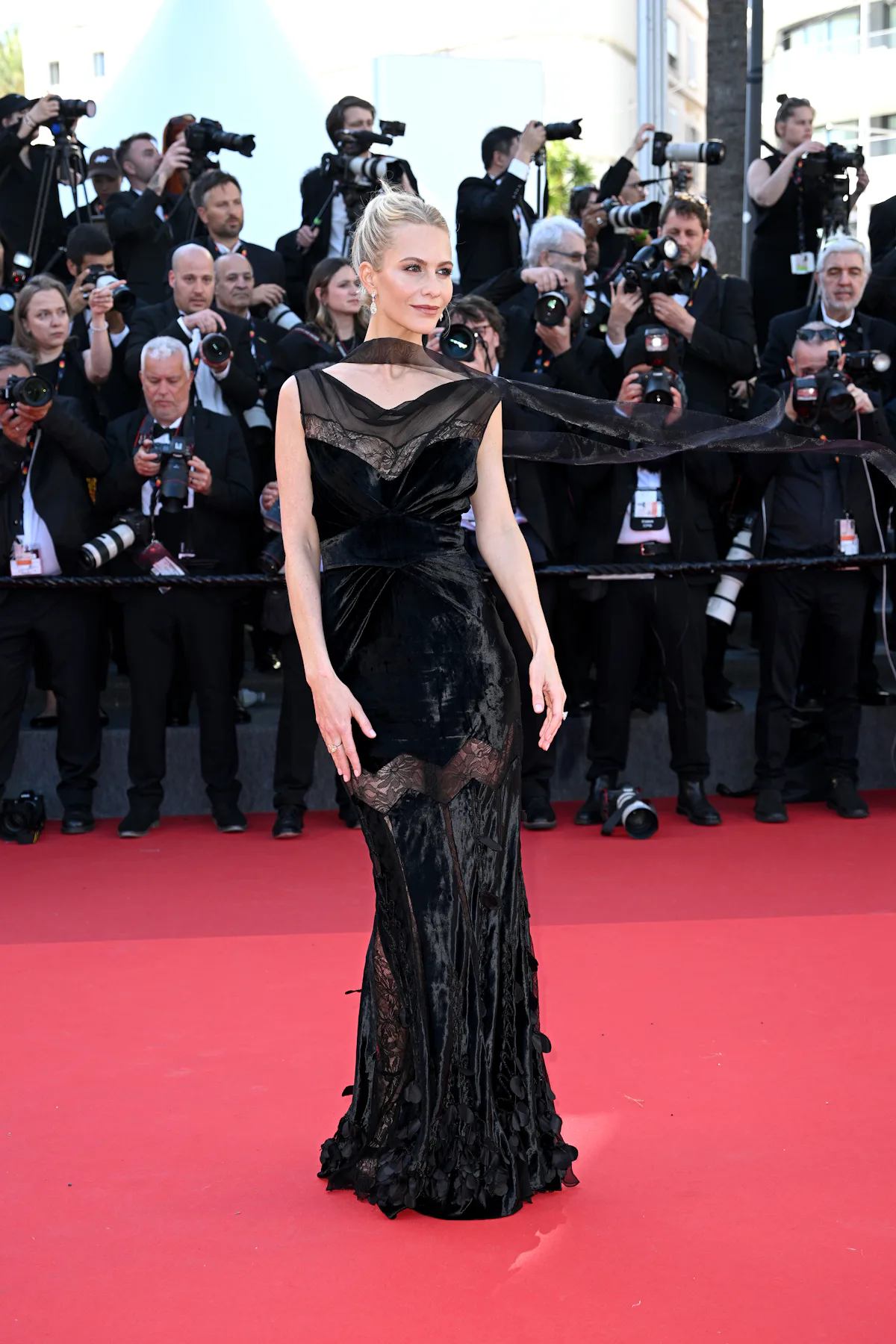
What makes this moment feel bigger than a trend is that it's changing how people relate to fashion more broadly.
Carota has noticed that customers who come to Isle of Monday for a single event rarely stay single-occasion shoppers. "Someone who initially comes to us for one event often returns wanting to integrate more vintage into their everyday wardrobe, because it shifts their perception of personal style away from trends and toward individuality."
Once you wear something rare — something with a history and a level of construction you don't encounter in contemporary fashion anymore — it's hard to go back to buying things everyone else can get.
Cohen sees the same dynamic from the consumer side. She's watched people go from dismissing vintage to being able to identify its story on a thrift rack. "Now when I go through stores, I can easily pick out, like, 'Oh, that's Tom Ford for Gucci,' because I'm seeing it so often."
The more familiar people become with fashion history, the easier it is to understand why archival fashion holds such appeal.
Ultimately, what the rise of archive fashion reflects is a recalibration of what we consider worth having. In a fashion landscape that moves faster than ever, where trends are born and buried within weeks, the most aspirational thing you can wear is something that has already survived time. Not because it's old, but because it endured.
"Fashion history should remain wearable," says Carota. "[We] exist to make vintage feel alive again, not hidden away."
Read on the original site
Open the publisher's page for the full experience