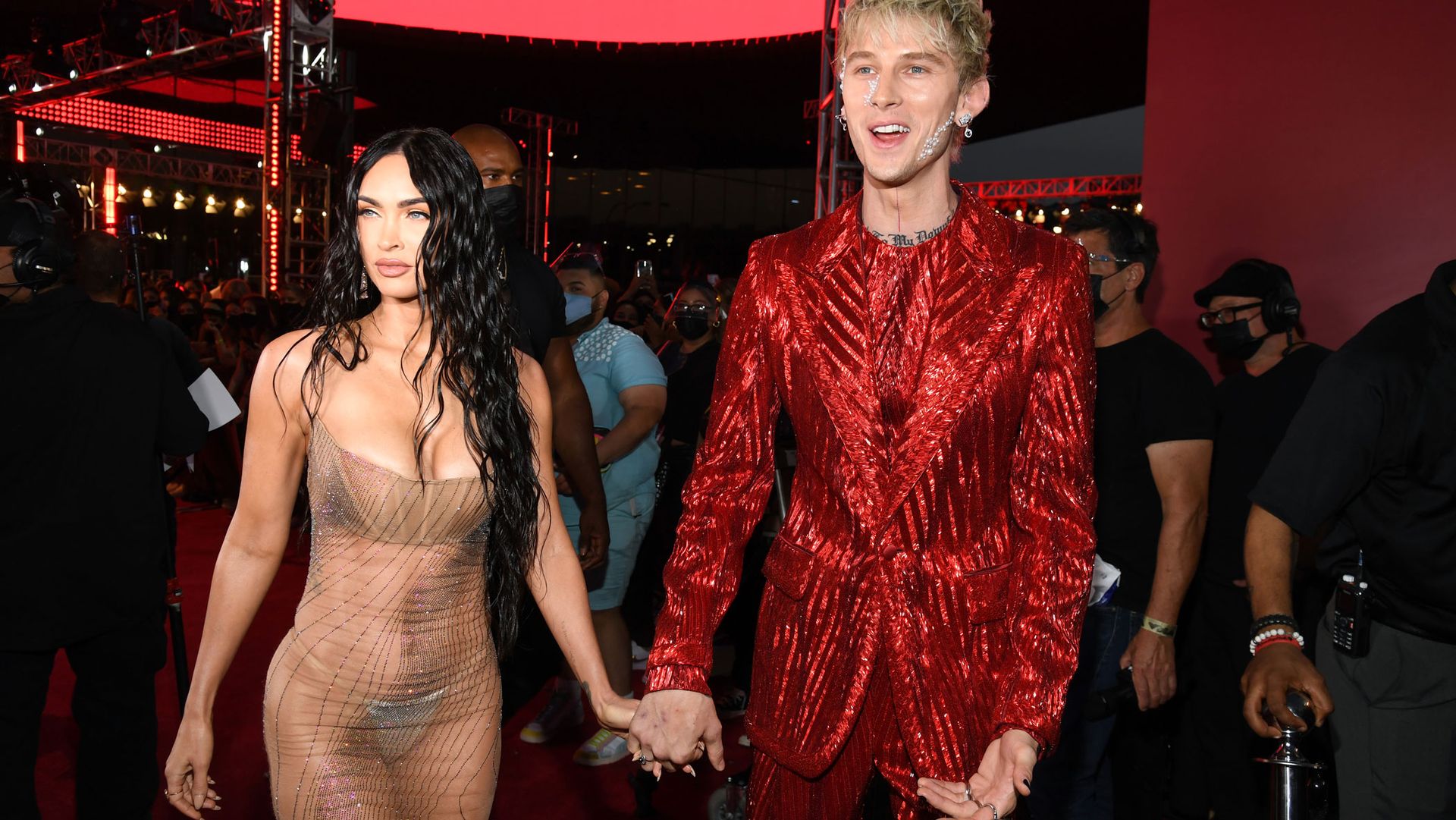
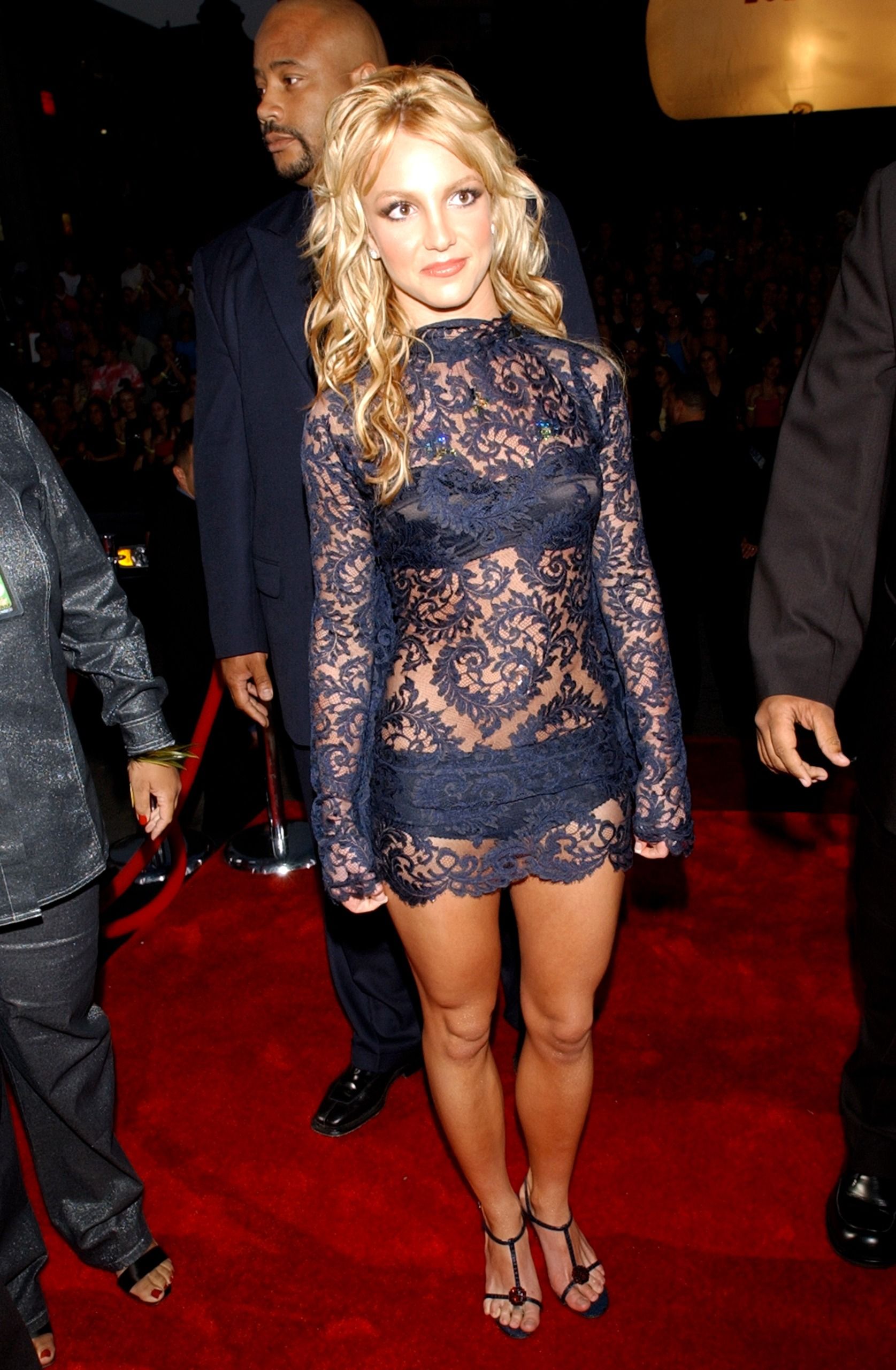
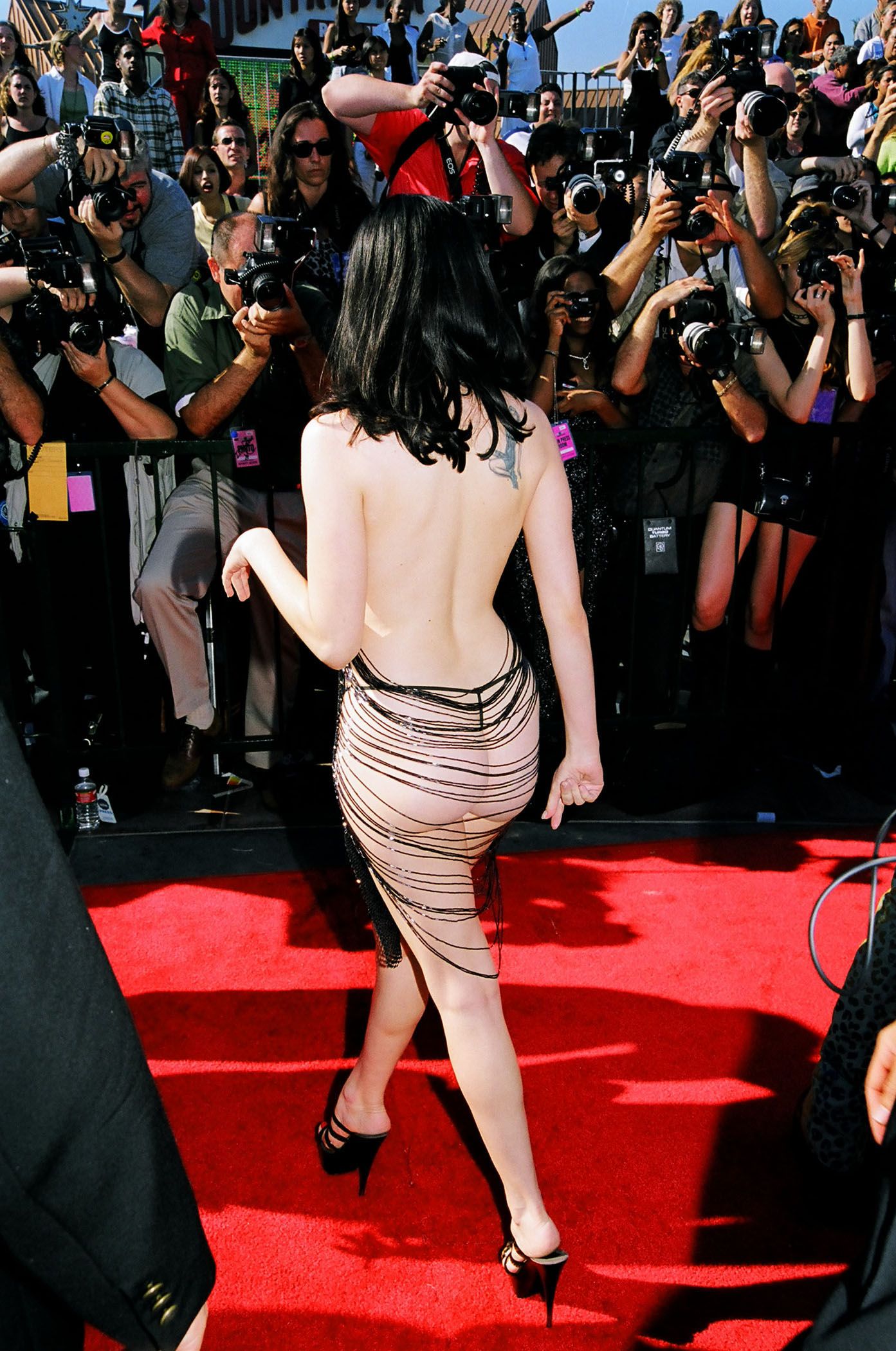
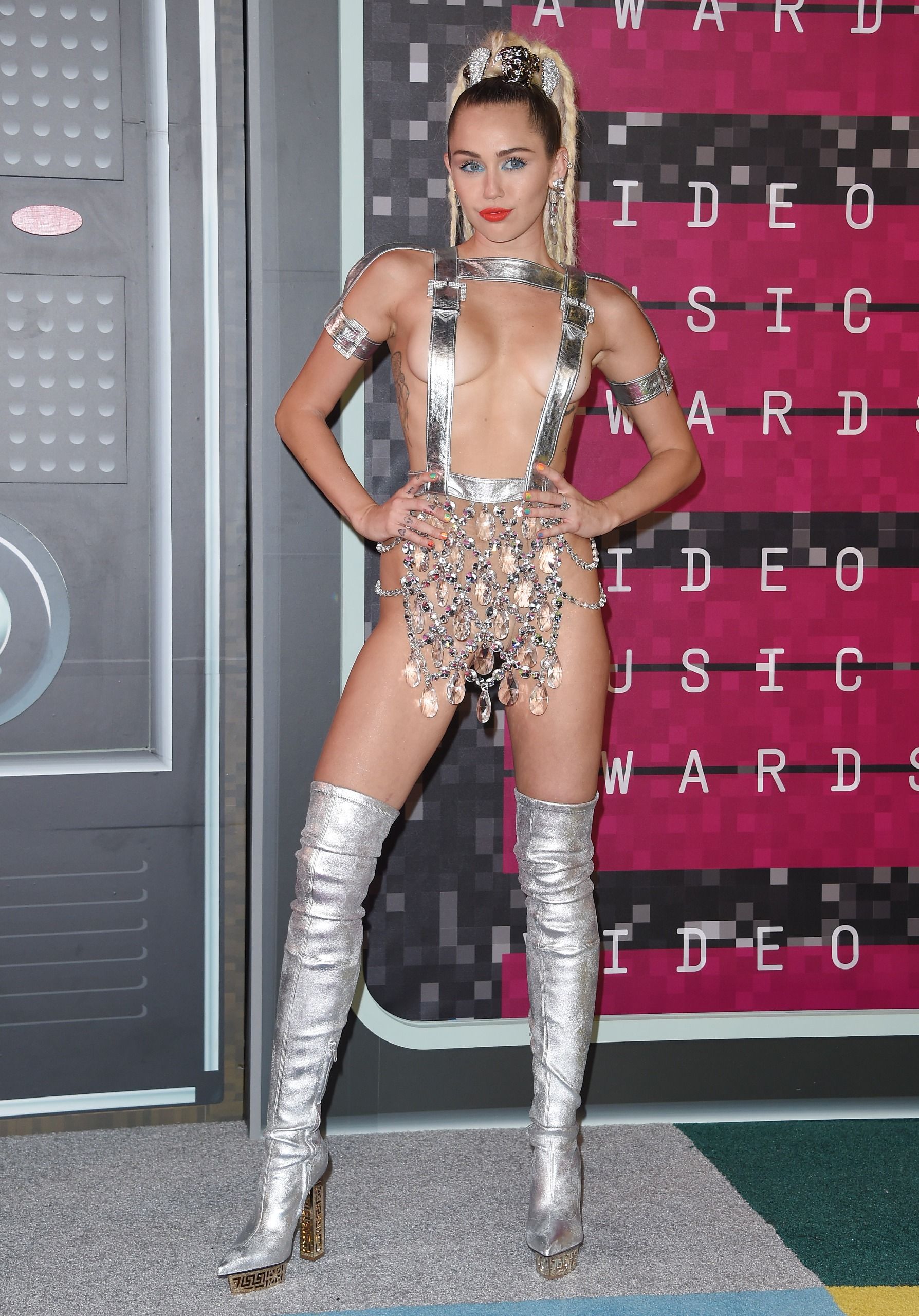
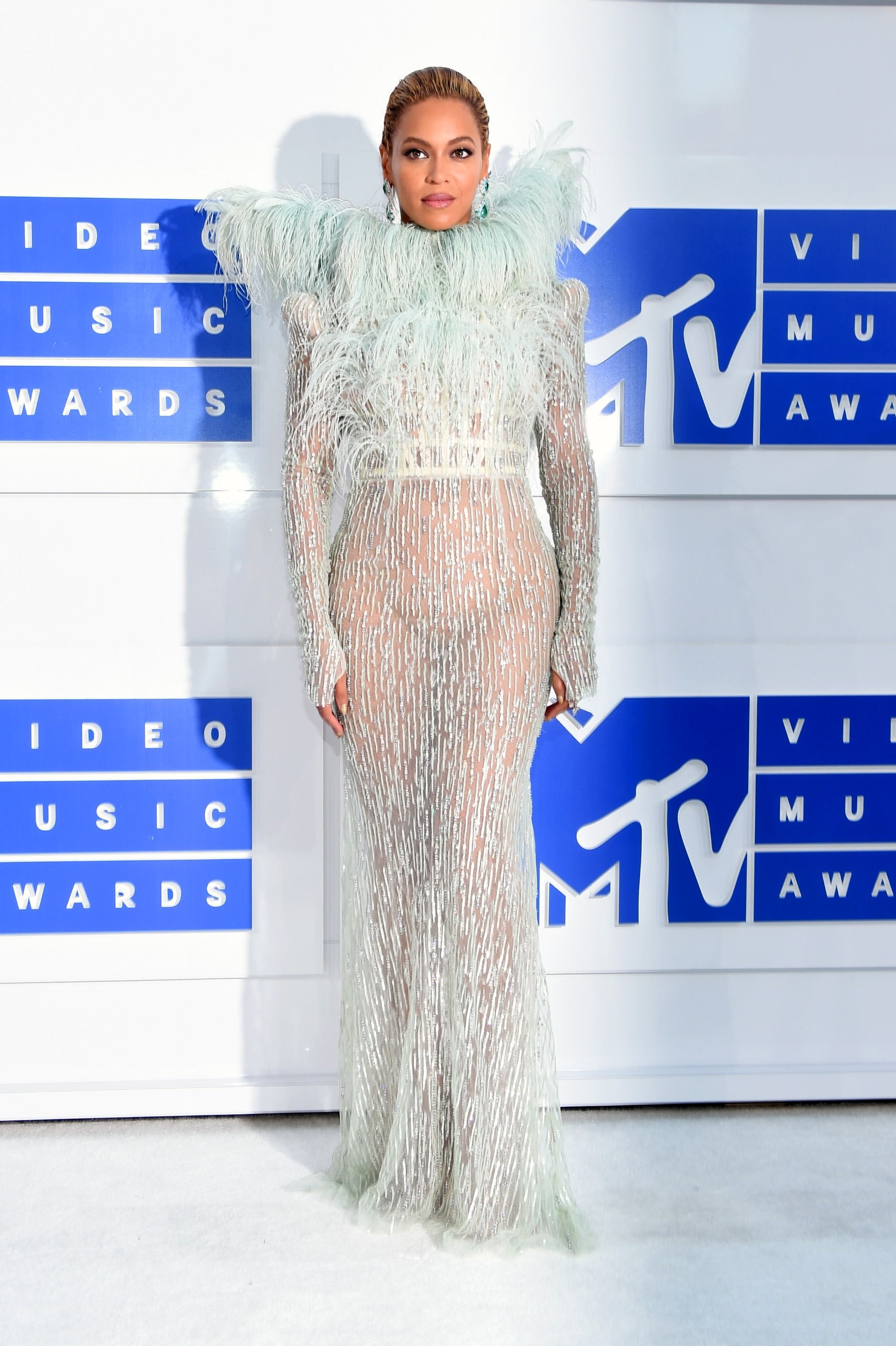
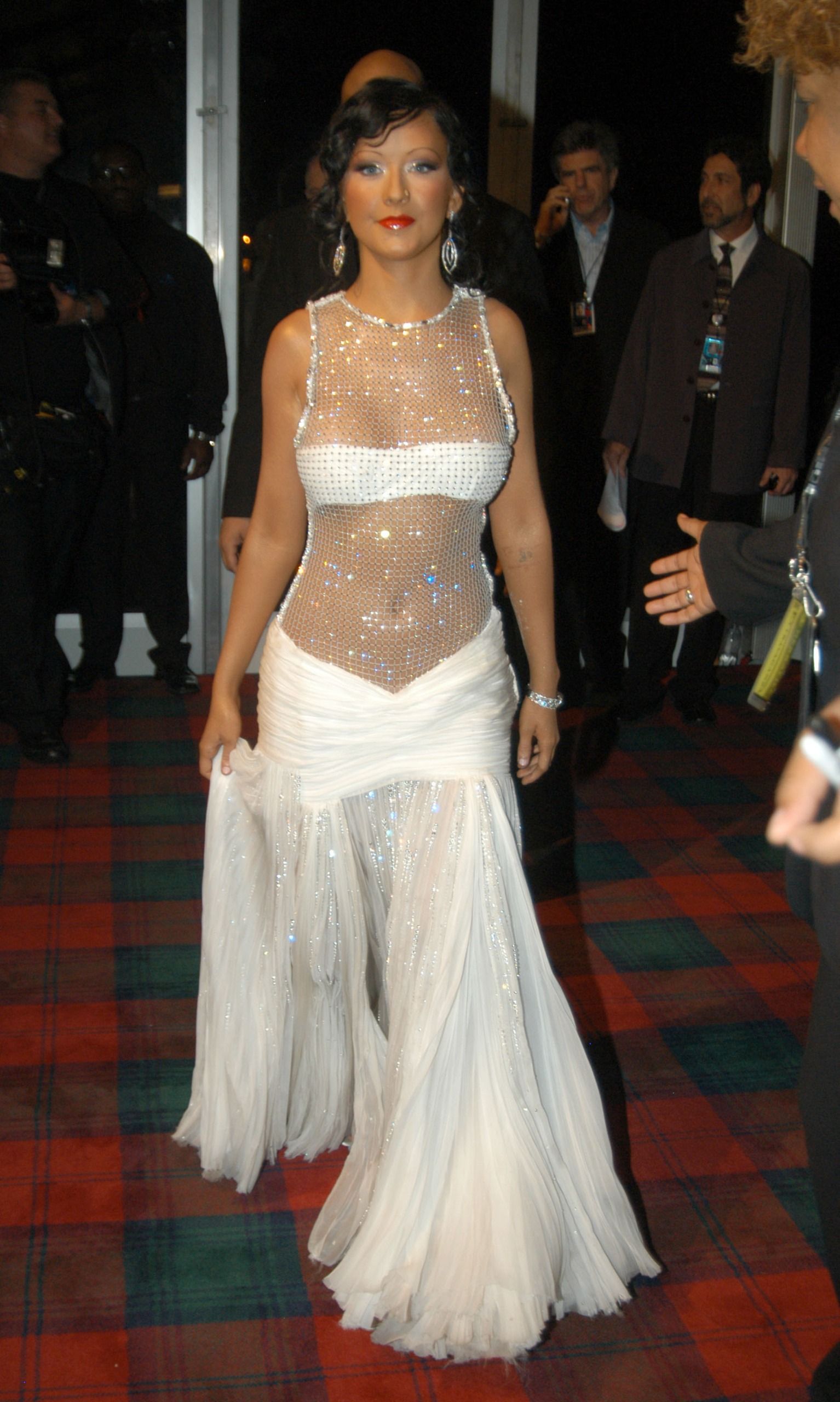
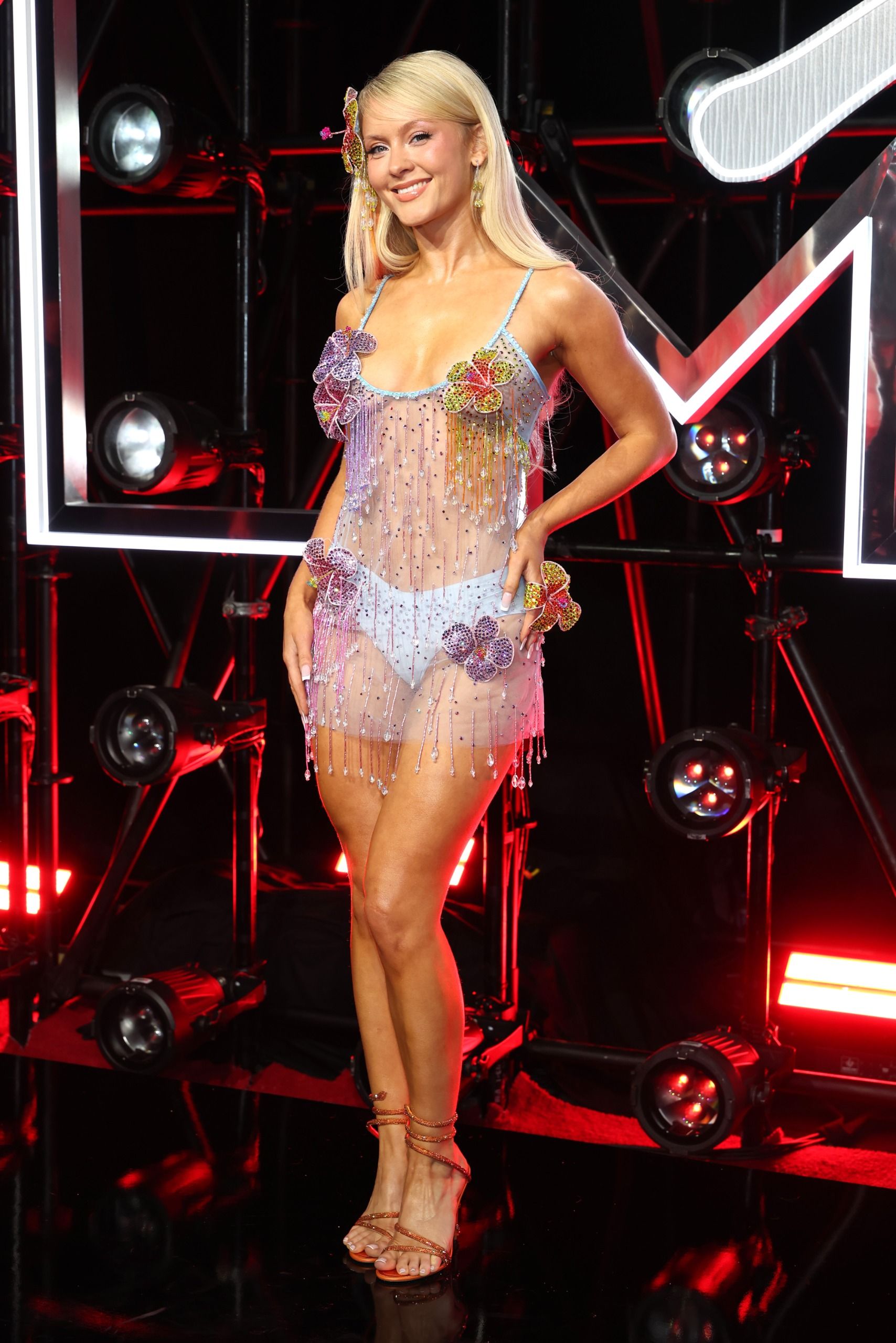
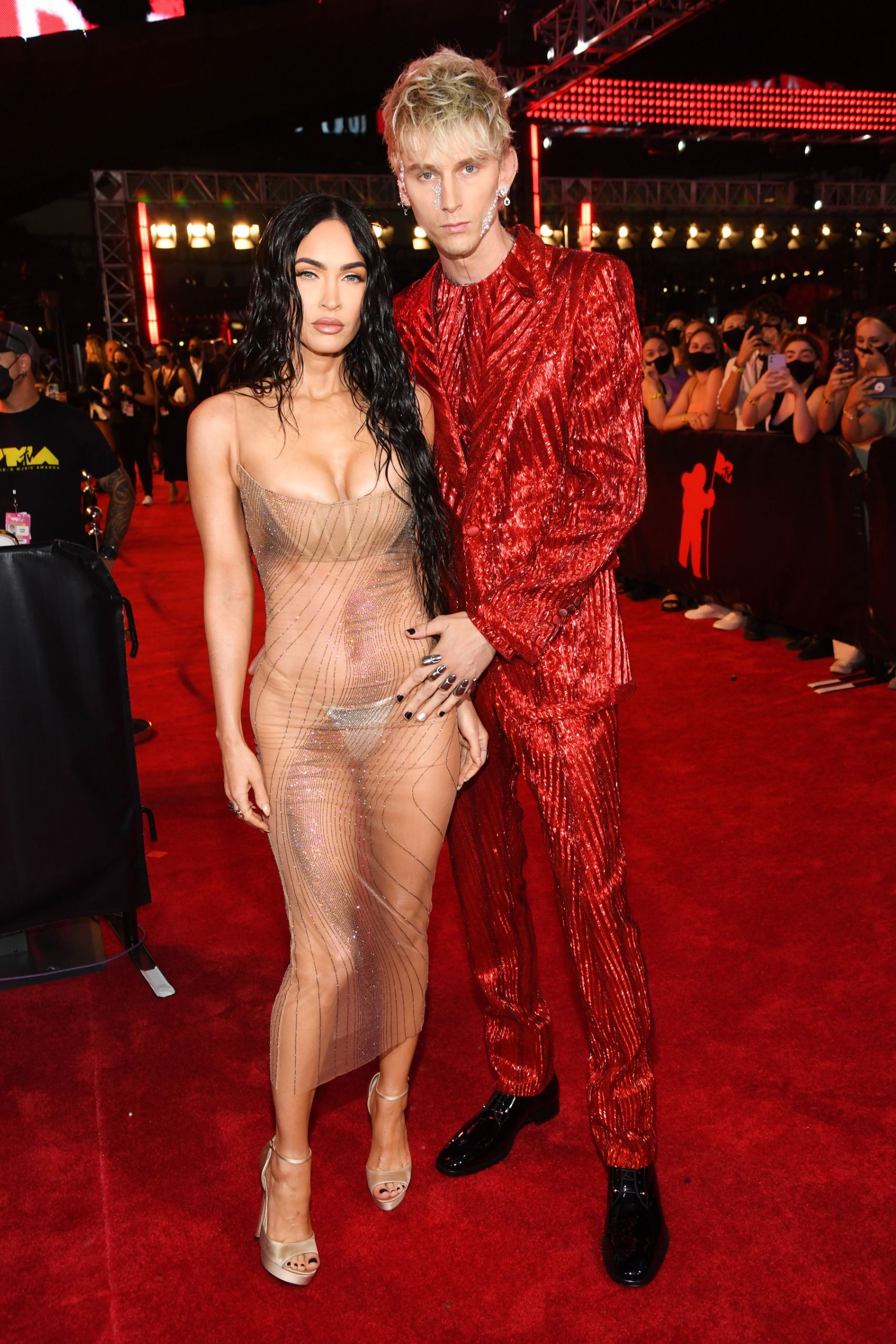
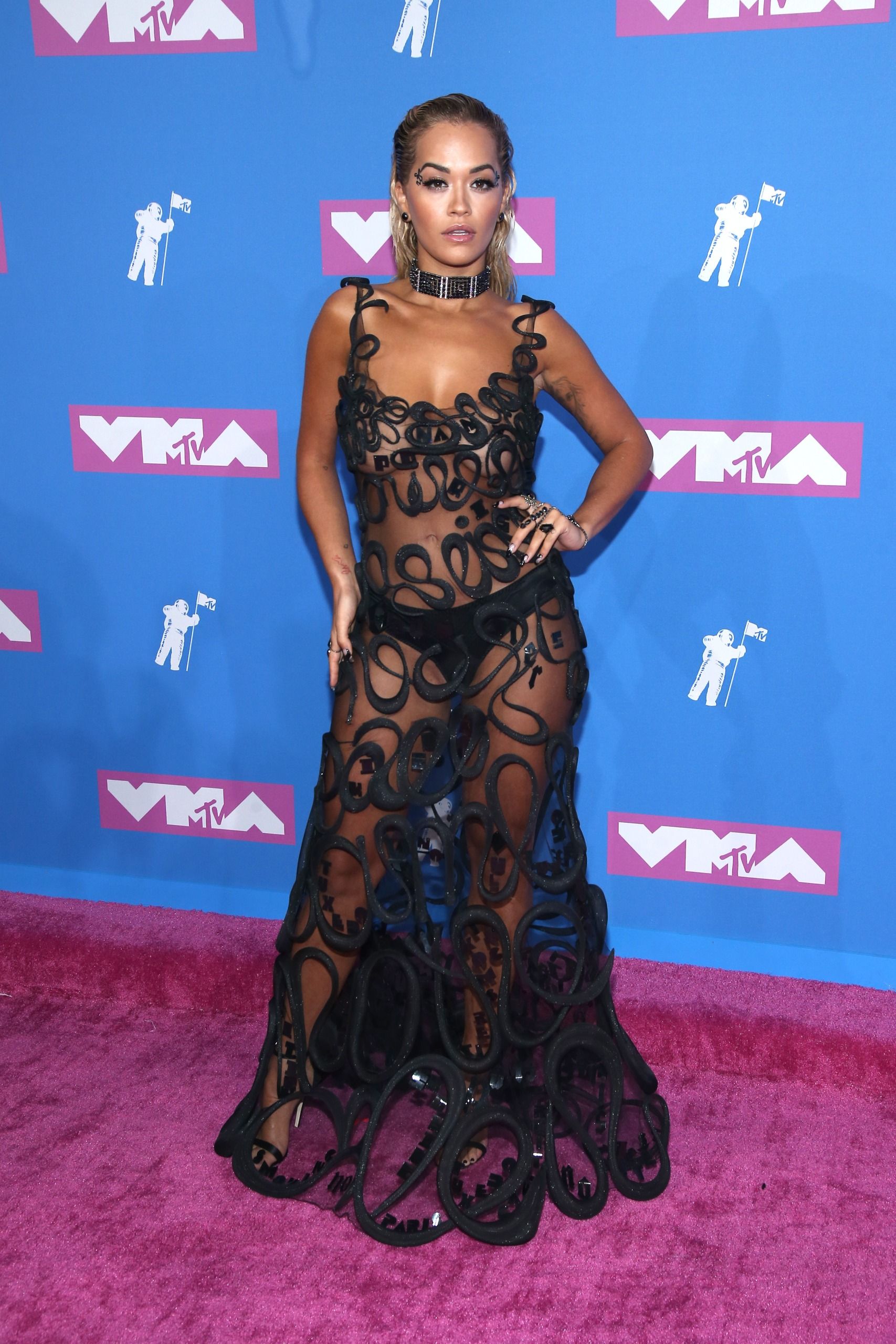
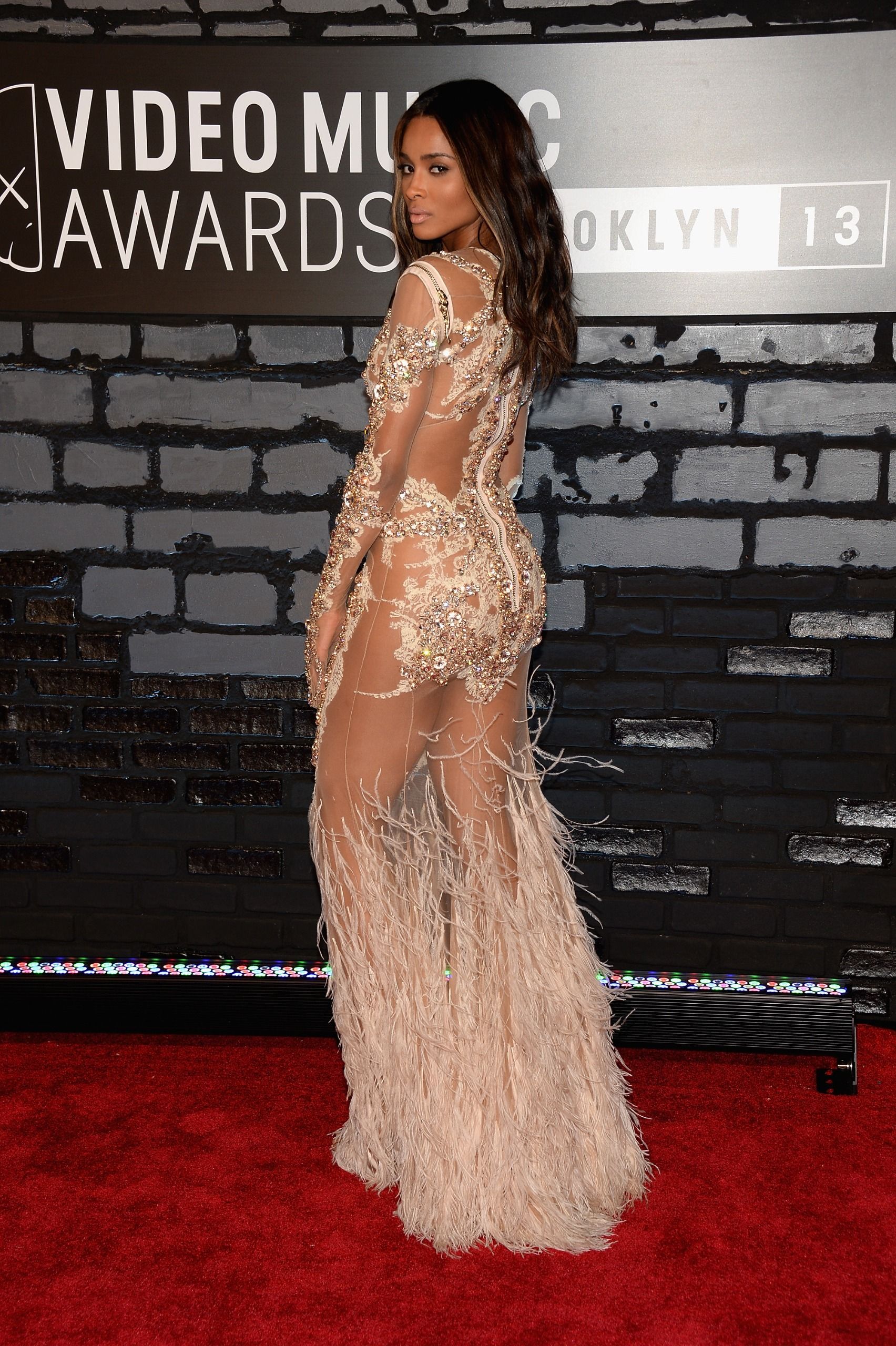
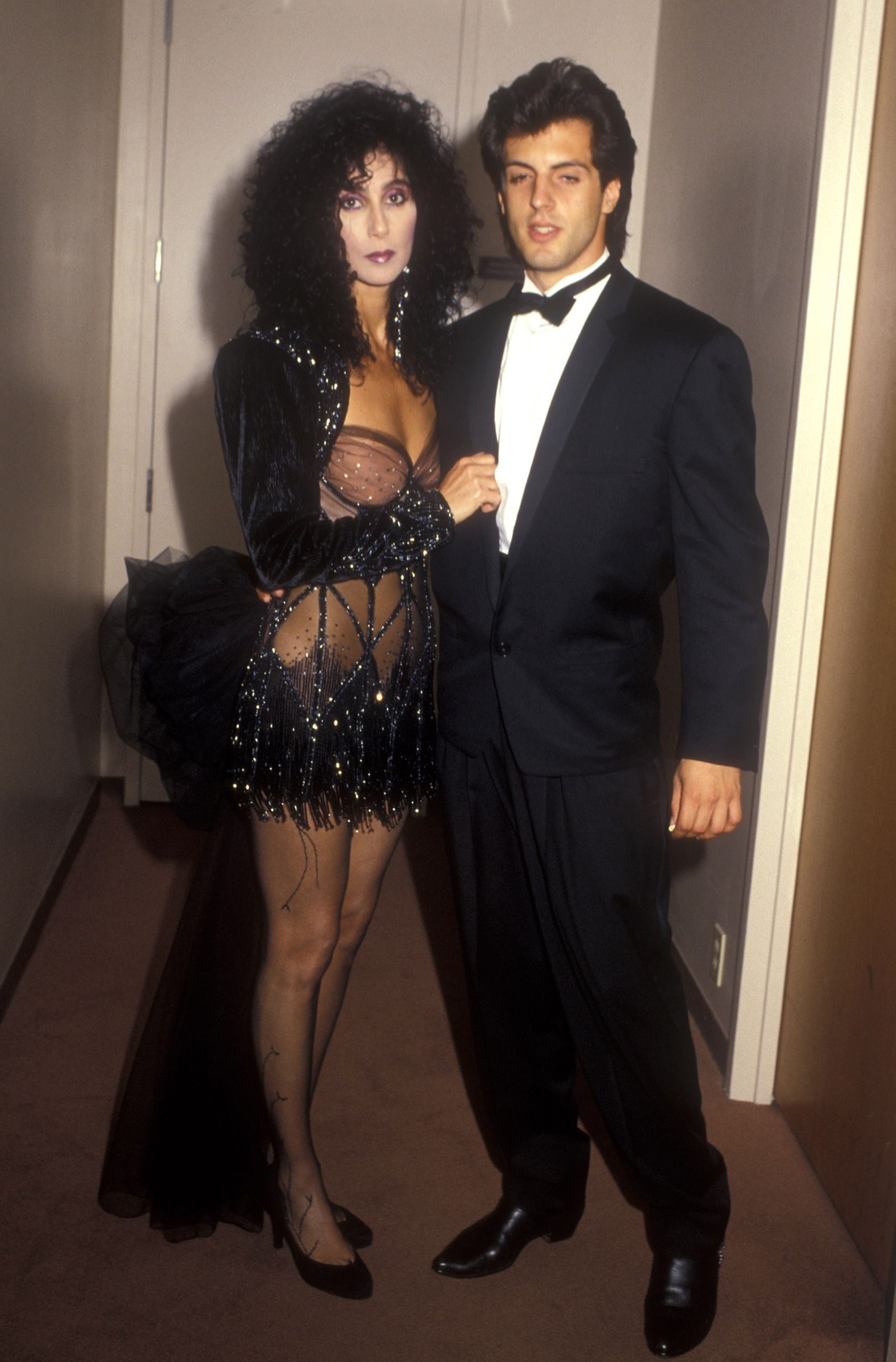
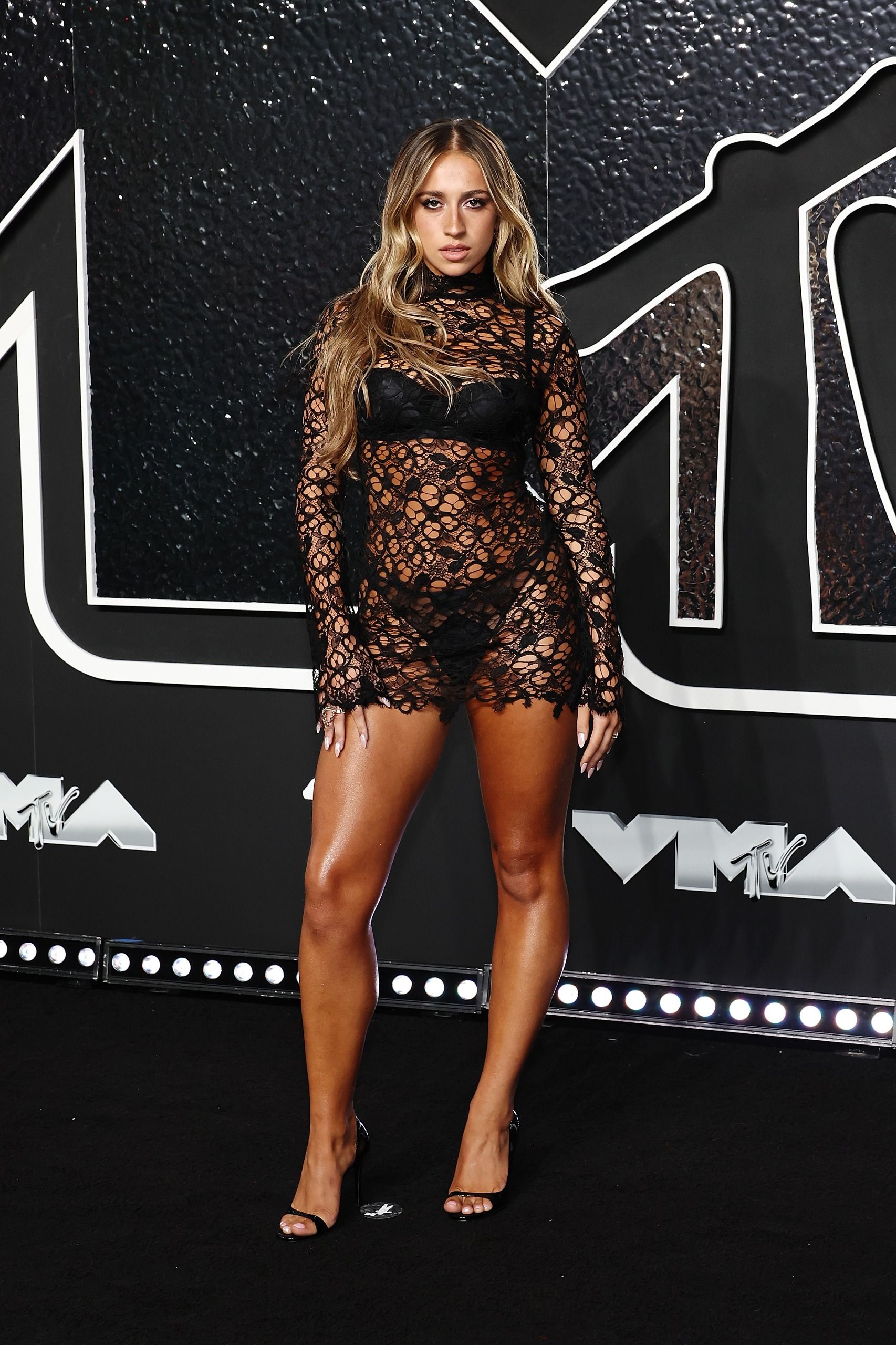
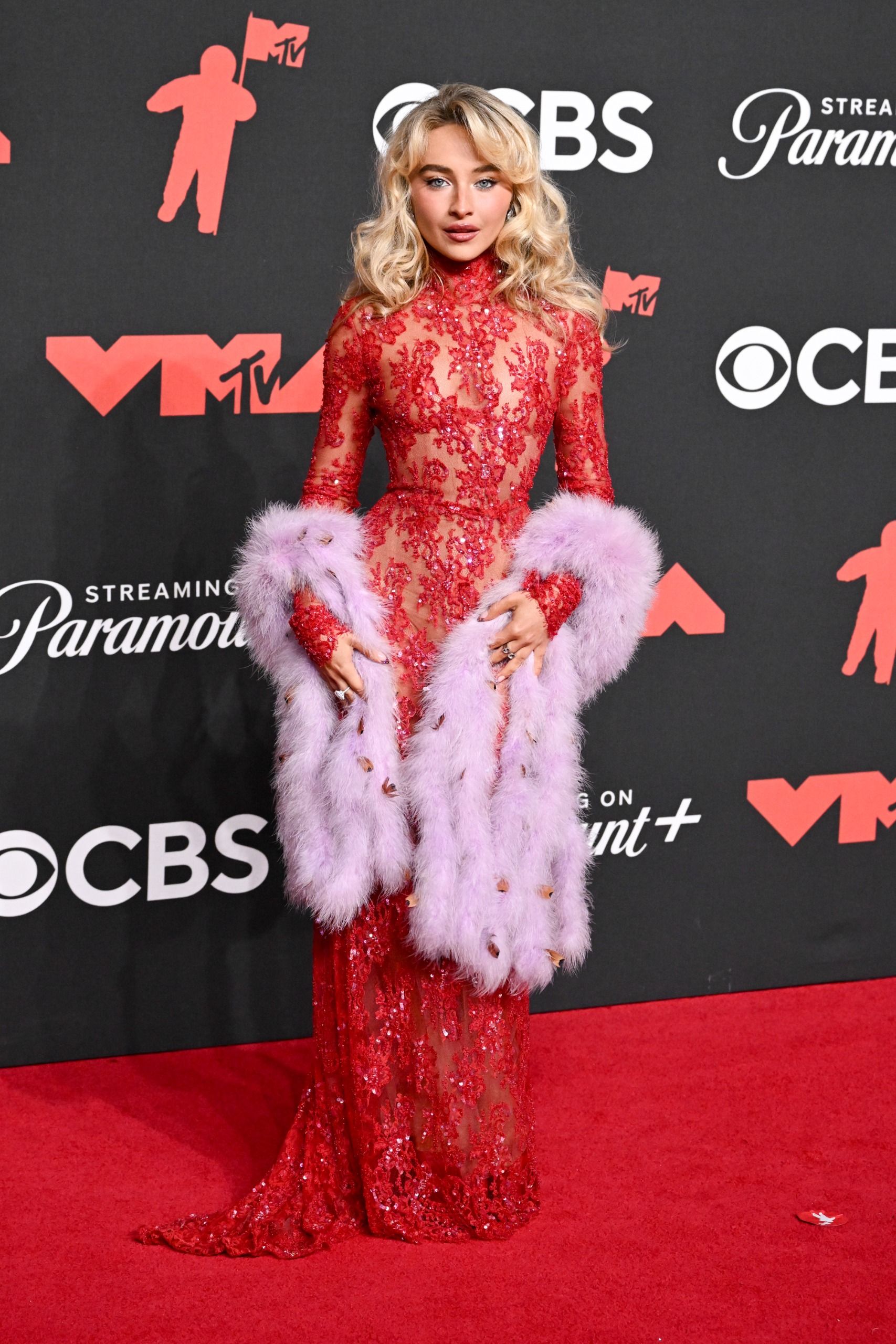
The cyclical nature of fashion, particularly its tendency to revisit and reinterpret past trends, is undeniable. The recent surge in interest surrounding “naked dresses” on the VMAs red carpet, prompting a retrospective piece like this one, feels less like a spontaneous moment and more like a predictable echo of a cultural conversation already in motion. We’ve seen similar explorations of iconic red carpet moments with the Met Gala [A Decade of Red Carpet Refinement: Taylor Swift's Style Journey] and the Oscars, demonstrating a collective fascination with how celebrity style reflects and shapes the broader cultural landscape. This revisiting isn't simply about nostalgia; it's about understanding how these seemingly provocative choices – the sheer fabrics, the daring silhouettes – functioned within their specific historical contexts and what they signify for us now. The article’s timing, coinciding with a broader shift towards more considered and understated aesthetics, further amplifies its relevance, suggesting a potential re-evaluation of what constitutes “boldness” in contemporary style.
The power of the "naked dress" isn’t inherently about the lack of fabric, but rather about the deliberate use of transparency and exposure to convey a specific message. Megan Fox, Taylor Swift, and Miley Cyrus, each at distinct points in their careers, utilized this aesthetic to project confidence, sexuality, and a willingness to challenge conventional norms. However, the contemporary interpretation of these moments feels markedly different than the initial reception. The early 2000s, when many of these iconic looks debuted, were defined by a certain level of exhibitionism and a more overt embrace of shock value. Today, there’s a greater emphasis on intentionality and a nuanced understanding of how power and sensuality can be expressed without resorting to blatant display. This aligns with the growing appreciation for subtlety and self-assuredness, as explored in our recent piece on [Autumn's Considered Edit: Essential Pieces for a Refined Season], where the focus is on quality, craftsmanship, and timelessness rather than fleeting trends. It’s a shift from broadcasting identity to embodying it.
Furthermore, the evolution of beauty standards plays a significant role in how these moments are perceived. The early iterations of the "naked dress" often occurred within a framework of unrealistic and often unattainable beauty ideals. Today, there’s a greater emphasis on body positivity, inclusivity, and celebrating individual differences. While the inherent sex appeal of the dress remains, the way it's interpreted through a contemporary lens is significantly altered. The confidence conveyed isn’t solely about physical appearance but about owning one's identity and expressing oneself authentically. This resonates with the principles of understated elegance and subtle enhancement championed in our article on [Sculpted Beauty: The Art of Subtle, Elevated Makeup], where the focus is on enhancing natural features rather than masking them with heavy makeup. The red carpet, once a platform for extravagance, is gradually becoming a space for more thoughtful and nuanced self-expression.
Ultimately, the renewed attention on these iconic "naked dress" moments reveals a fascinating tension between the past and present. It’s a reminder that fashion is not merely about clothing but about cultural values, evolving beauty standards, and the ongoing negotiation of power and identity. The question now isn't whether the "naked dress" is inherently provocative, but rather what it represents in a world increasingly defined by quiet luxury, emotional intelligence, and a desire for authentic self-expression. As the fashion landscape continues to evolve, will we see a further refinement of this aesthetic, moving beyond mere exposure to a deeper exploration of vulnerability, strength, and the art of intentionality?