Is Everyone "Fibermaxxing" Without Me?
Our take
The wellness landscape is perpetually shifting, and the current buzz around “fibermaxxing” – the intentional maximization of dietary fiber intake – feels like a natural evolution. We’ve spent years diligently tracking protein, obsessing over macros, and exploring adaptogens; it’s only logical that the next frontier lies in optimizing our fiber consumption. It's not entirely unexpected, considering the growing body of research highlighting the profound impact of the gut microbiome on everything from mental health to immune function. Following on the heels of interest in Blue Zone diets [How to Eat Like You Live in a "Blue Zone"], which emphasize whole, plant-based foods naturally rich in fiber, and the recent surge in interest surrounding sea moss [Sea Moss Is Everywhere Right Now, But What Can It Actually Do For You?], this focus on fiber feels less like a fleeting trend and more like a deepening understanding of holistic well-being. The move is also cleverly timed, as consumers continue to seek accessible and impactful ways to improve their health – something beyond just the latest superfood hype.
The concept of "fibermaxxing" itself isn’t entirely new; high-fiber diets have long been recommended for digestive health and disease prevention. However, the term introduces a more performance-oriented angle, suggesting a deliberate and strategic approach to maximizing fiber intake for optimal results. This aligns with the broader wellness trend of biohacking – using data and intentional interventions to optimize bodily functions. It's a shift from simply "eating more vegetables" to meticulously planning meals and supplements to ensure adequate fiber intake. This can manifest in various ways, from incorporating fiber-rich superfoods like psyllium husk and acacia fiber into smoothies to strategically layering fiber-packed ingredients into every meal. The challenge, of course, lies in doing so safely and sustainably, as drastically increasing fiber intake too quickly can lead to digestive discomfort. It also raises questions about accessibility - can everyone realistically and affordably “fibermaxx”?
The broader significance of this development extends beyond individual wellness practices. It signals a growing recognition of the critical role of fiber in overall health, potentially influencing food product development and dietary recommendations. Expect to see more food companies fortifying their products with fiber, and a greater emphasis on fiber content in nutrition labels. Furthermore, the conversation around "fibermaxxing" is likely to fuel further research into the specific types of fiber and their unique benefits. We already understand the distinction between soluble and insoluble fiber, but a deeper dive into prebiotics and the specific fibers that feed different microbial communities within the gut is likely. The rise of personalized nutrition will also play a role, with future approaches factoring in individual gut microbiome profiles to tailor fiber recommendations. This might mean discovering, for instance, that some individuals thrive on a diet rich in resistant starch, while others benefit more from soluble fiber sources.
Ultimately, the emergence of “fibermaxxing” reflects a maturing wellness landscape – one that moves beyond simplistic trends and embraces a more nuanced understanding of the body’s complex systems. While the term itself might be new, the underlying principles of prioritizing whole foods and supporting gut health are timeless. It's worth watching how this movement influences dietary guidelines and consumer behavior, and whether the focus on maximizing fiber intake leads to genuine improvements in overall health and well-being or becomes just another fleeting obsession. Will the pursuit of optimal fiber intake lead to a more sustainable and balanced approach to nutrition, or simply another iteration of wellness anxiety?
Move over protein, there's a new macronutrient in town. We talk a lot about how important it is to hit your daily protein goals, sharing high-protein desserts, trying protein coffee, and even taste testing that viral protein popcorn. But with only about 5 percent of the US population meeting the current recommendations for fiber intake, the tides have started to turn, leading to "fibermaxxing."
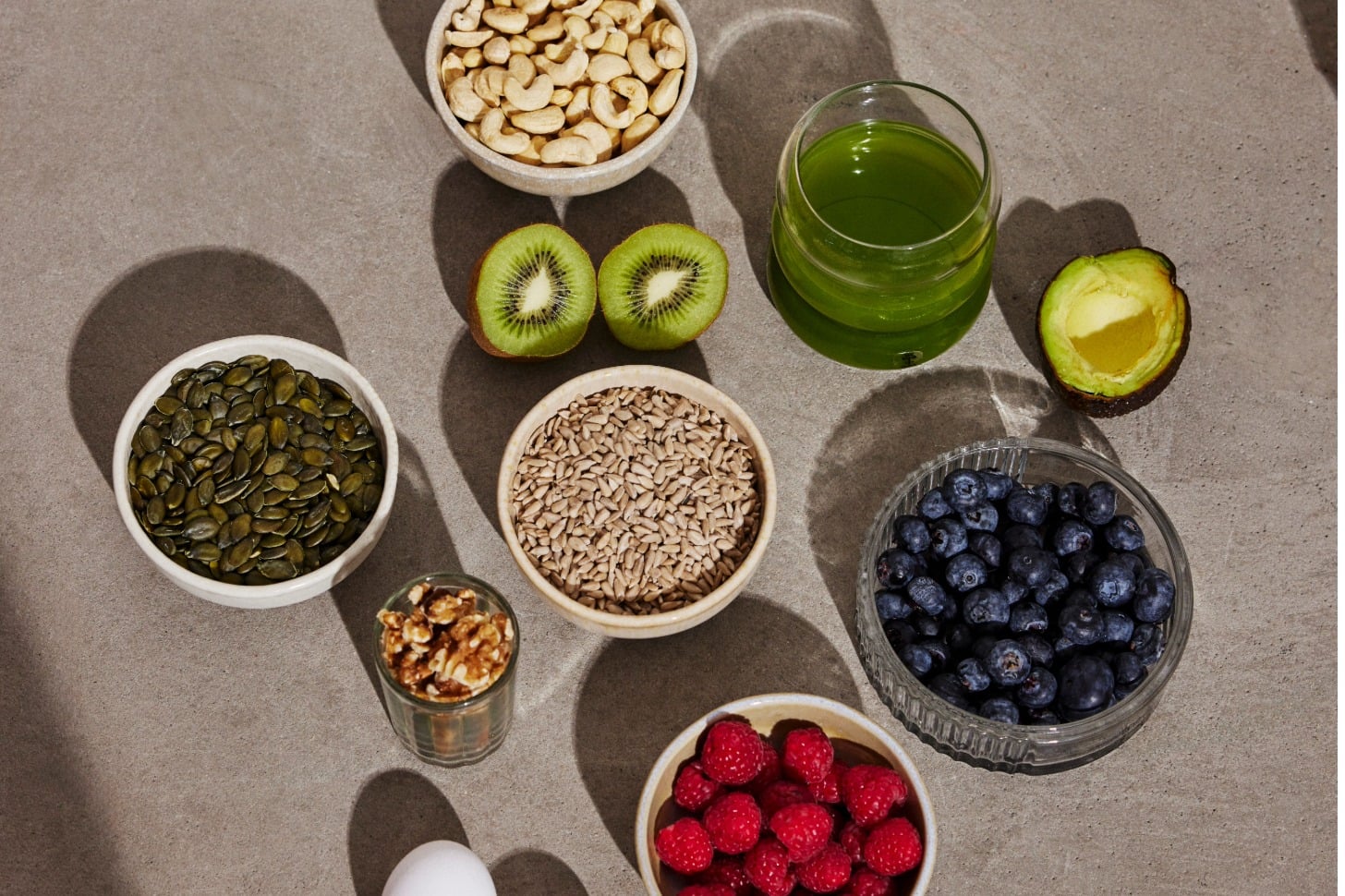
In essence, fibermaxxing aims to increase the amount of high fiber foods in each meal. Think: leafy greens, berries, legumes, whole grains, nuts, and seeds. On TikTok, people participate by making huge salads with ingredients like cabbage, carrots, and broccoli slaw. "By increasing fiber intake through fibermaxxing, individuals can create a healthier gut environment and unlock the key to more effective weight management and overall wellbeing," says dietitian Michelle Cardel, PhD, MS, RD.
But is all this fiber really necessary? And if so . . . why should you care? Ahead, we break down exactly how much fiber you should try to consume daily, including the many benefits of eating more fiber, and the best foods to help you do so. Read on for the full fiber breakdown.
Experts Featured in This Article:
Mary Ellen Phipps, MPH, RDN, LD, is a registered dietitian nutritionist, author of "The Easy Diabetes Cookbook," and the founder of Milk & Honey Nutrition.
Kelly Jones, MS, RD, LDN, is a board certified specialist in sports dietetics and owner of both Kelly Jones Nutrition and Student Athlete Nutrition.
Michelle Cardel, PhD, MS, RD, is a registered dietitian and chief nutrition officer at WeightWatchers.
How Much Fiber Do You Need?
The recommended daily intake of dietary fiber varies based on age and gender. According to the Institute of Medicine, men under 50 should aim for 38 grams of fiber daily, while men over 50 should aim for 30 grams. For women under 50, the recommendation is 25 grams per day, and for women over 50, it's 21 grams. However, these are general guidelines, and individual needs may vary. It's always wise to consult with a healthcare professional for more personalized dietary advice.
Why Fiber Matters
Fiber is a game-changer nutrient in the world of nutrition. It's the unsung hero of a balanced diet, functioning as the underpinning of optimal digestive health and playing a pivotal role in maintaining overall well-being. Along with helping promote regular bowel movements, it can also increase satiety, helping you feel fuller for longer. It even plays a role in controlling blood sugar, and certain types of fiber are associated with a lower risk of heart disease due to its ability to reduce levels of LDL ("bad") cholesterol.
Unfortunately, many people aren't consuming the recommended amount of fiber every day, says Mary Ellen Phipps, MPH, RDN, LD. And not consuming enough fiber can be linked to some unsavory effects, including constipation, elevated blood sugars, and more.
Types of Fiber
There are two main types of fiber: soluble and insoluble. The soluble variety (found in foods like oats, avocado, and apples) has "beneficial effects on satiety, blood-sugar control, and blood cholesterol management," says Kelly Jones, MS, RD, LDN. "When soluble fiber dissolves in digestive liquids, it forms a gel, causing food to move more slowly through the digestive tract. This can help you feel fuller for longer while slowing the release of energy into the bloodstream, aiding in more stable energy levels as well as a reduced chance of a quick rise and subsequent quick drop in blood sugar."
"Soluble fiber has been shown to lower LDL ('bad') cholesterol levels by binding to cholesterol particles and helping the body flush them out," Dr. Cardel says. On top of that, soluble fiber is known to support microbiome health as a prebiotic, Jones explains. As a reminder, prebiotics act as fuel for the beneficial bacteria living in your gut.
Insoluble fiber, on the other hand, acts as a natural laxative, enhancing digestive health by adding bulk to the stool and promoting regular bowel movements because it doesn't dissolve in water. Sources of insoluble fiber include whole grains, wheat bran, and nuts.
How to Get More Fiber
Research in The BMJ shows that most adult Americans consume around 17 grams of fiber per day, which is far less than what's recommended. Luckily, bumping up your fiber intake is simple to do with a little know-how. Here are some fiber powerhouses to keep in mind (whether you're interested in fibermaxxing or not):
Whole grains (oats, quinoa, brown rice)
Beans
Lentils
Berries (especially blueberries and raspberries)
Apples
Bananas
Pears
Avocados
Veggies
Popcorn
Dark chocolate
Nuts (almonds, walnuts)
Seeds (chia seeds, flax seeds)
No matter what you choose, start small by having a bowl of oatmeal for breakfast, adding some extra veggies to your soup, or snacking on an apple at lunchtime. "If you're looking to increase your fiber intake, increase gradually," Phipps advises. "Even adding five grams of fiber per day can impact GI health and blood-sugar balance."
What Happens If You Eat Too Much Fiber?
A word of caution before going all-in on the fibermaxxing trend: while a high-fiber diet has many advantages, adding too much fiber too quickly can lead to discomfort. "If your fiber intake is low, it's best to take the slow and steady approach to avoid irritating your gut bacteria," Dr. Cardel says. "When there's too much fermentable fiber in your gut, this can lead to excess gas production, bloating, and disruption in motility." She recommends starting with half the recommended dosage (or even less if your fiber intake is on the lower side).
Consider keeping tabs on your phone so you don't lose track of how much fiber you're actually consuming. When eating more fiber, it's also key to increase your water intake to help soften the bulk. Because soluble fiber dissolves in digestive liquids, if you don't drink enough water, it could potentially lead to feelings of constipation. "As with any trend, there is no one-size-fits all approach for everyone," Dr. Cardel adds. "It's always important to consider your own personal health needs, medical history and how your body responds before making significant changes to your diet."
49339973
— Additional reporting by Chandler Plante
Lauren Manaker is an award-winning registered dietitian and freelance writer who is passionate about providing evidence-based nutrition information in a fun and interesting way. Chandler Plante (she/her) is a staff writer and PS Fit producer on the health and fitness team at Popsugar. She has over five years of industry experience, previously working as an editorial assistant for People magazine, a social media manager for Millie magazine, and a contributor for Bustle Digital Group. She has a degree in magazine journalism from Syracuse University and is based in Los Angeles.Read on the original site
Open the publisher's page for the full experience