Is Yellow Light Therapy the Next Big Thing in Skin Care?
Our take
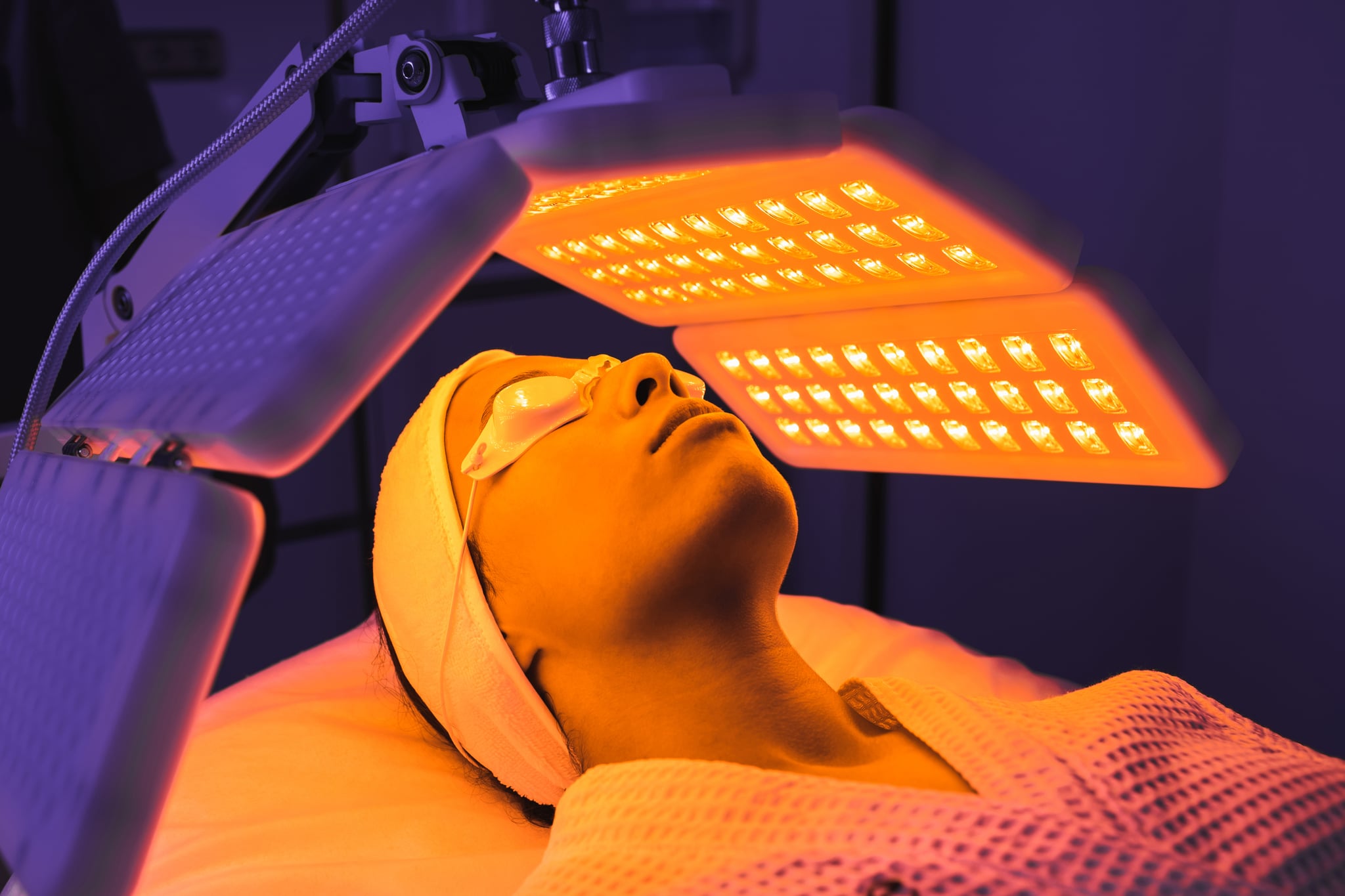
The beauty industry thrives on the “next big thing,” and currently, that spotlight is shifting from the established dominance of red light therapy to its lesser-known cousin: yellow light therapy. We’ve seen a surge in interest, fueled by anecdotal evidence and early clinical studies suggesting benefits beyond red light’s well-documented ability to stimulate collagen production and reduce inflammation. The existing fascination with radiance-boosting skincare, as explored in The Bridal Makeup Look Is Over—How No-Makeup Brides Are Redefining the Trend, underscores a growing desire for naturally luminous skin, and yellow light therapy positions itself as a powerful tool in achieving just that. This isn't merely a fleeting trend; it represents a potential evolution in how we approach skincare, moving away from purely reactive treatments and toward proactive, cellular-level support. The underlying principle, harnessing specific wavelengths of light to influence biological processes, is compelling, and the initial research suggests yellow light may offer unique advantages.
Yellow light, typically around 570-590 nanometers, is believed to target melanocytes, the cells responsible for pigment production, more effectively than red light. This targeted action opens doors to addressing hyperpigmentation concerns—everything from sunspots to melasma—with potentially fewer side effects than traditional treatments like chemical peels or laser resurfacing. While red light excels at stimulating collagen and reducing inflammation, yellow light seems to have a more direct impact on skin tone and evenness. It’s also being explored for its ability to reduce the appearance of redness and calm sensitive skin, making it a potentially valuable addition to routines for those with rosacea or other inflammatory skin conditions. This aligns with the broader industry shift towards gentler, more holistic approaches to skincare, a move clearly reflected in the increasing popularity of high-stakes honeymoons, suggesting a desire for luxurious, restorative experiences that extend beyond just material possessions—The Rise of the High-Stakes Honeymoon.
However, it’s crucial to approach the yellow light therapy hype with a degree of measured optimism. The research is still in its early stages compared to red light therapy, which has benefited from years of study and widespread adoption. The long-term effects and optimal protocols for yellow light therapy are still being defined. The efficacy of at-home devices versus professional treatments remains a key question—as with any light therapy, the power and wavelength accuracy of consumer-grade devices can vary significantly. Furthermore, while the targeted melanocyte action is promising for hyperpigmentation, there’s a need for more rigorous clinical trials to definitively establish its effectiveness and safety across diverse skin tones and conditions. The current excitement also highlights a broader trend – the increasing consumer interest in personalized skincare solutions. Just as engagement ring choices are becoming increasingly reflective of individual style and values—The United States of Diamonds: What Your Engagement Ring Says About Your City—consumers are seeking treatments tailored to their specific skin concerns and goals.
Ultimately, yellow light therapy’s potential hinges on continued research and a focus on evidence-based practices. While the initial promise is compelling, it's important to distinguish between genuine therapeutic benefits and clever marketing. As the technology matures and more data emerges, expect to see a wider range of devices and treatments incorporating yellow light, potentially shifting it from a niche trend to a mainstream component of preventative and corrective skincare routines. The key question moving forward is not simply whether yellow light therapy *works*, but how best to harness its unique properties to deliver targeted and lasting results, and how this will shape the future of personalized skincare.
You may already be familiar with red light therapy, whether you own one of those LED masks that terrifies everyone else in your household, book regular LED facials, or spend time in a full-body light therapy bed. While red light remains the most well-known wavelength, it's far from the only color making waves (ha!) in skin care. Blue light is commonly used to treat acne, green light is often recommended for hyperpigmentation, and now yellow light therapy is generating interest for its potential skin-repairing benefits.
Yellow light therapy is gaining attention for its potential to calm visible redness, support the skin's natural repair process, and improve overall skin tone. But because it's still relatively new compared to its red and blue counterparts, it's fair to wonder whether the benefits live up to the hype. To find out, we spoke with two board-certified dermatologists to break down how yellow light therapy works, who it's best for, and whether it's actually worth adding to your skin-care routine.
According to board-certified dermatologist Michele Green, MD, yellow light therapy is a non-invasive, non-thermal LED treatment that uses a specific wavelength of visible light to trigger targeted cellular responses in the skin. As the light is absorbed by skin cells, it supports the skin's natural repair process and may help improve skin texture and soften the appearance of fine lines over time.
Unlike red light, which reaches deeper into the skin, yellow light works primarily within the skin's upper layers. "I think of it as a 'recovery' wavelength to help calm and repair skin that's red, reactive, stressed, or overworked," says board-certified dermatologist Jessica Wu, MD.
How Is Yellow Light Different From Red Light?Each LED wavelength targets different layers of the skin, which is why dermatologists often use them together rather than interchangeably, Dr. Green explains. Red light (633 nm) penetrates deeply into the dermis to stimulate collagen production, while blue light (415 nm) targets acne-causing bacteria near the skin's surface. Yellow light, by comparison, operates at wavelengths between 570 and 590 nanometers, penetrating the epidermis and upper dermis to help address redness, rosacea, sensitive skin, uneven tone, and other surface-level vascular concerns.
What Skin Concerns Can Yellow Light Therapy Help With?According to Dr. Wu, yellow light therapy is best suited for skin that appears red, reactive, flushed, stressed, or healing after a procedure. That includes people with inflammatory skin conditions like rosacea, as well as anyone recovering from microneedling or laser treatments or dealing with a compromised skin barrier from overusing active ingredients.
Researchers are also exploring yellow light therapy for pigment concerns like melasma, she says, since redness, inflammation, blood vessels, and pigmentation often overlap. Still, melasma is a complex, hormonally influenced condition, so yellow light shouldn't be viewed as a "magic pigment eraser."
Does Yellow Light Therapy Actually Work?According to Dr. Green, the research on yellow light therapy is encouraging, but it's still in its early stages. "There are currently limited studies that focus solely on the efficacy of yellow light therapy," she says. "Those available discuss the promising benefits of yellow light when used in conjunction with red light and infrared therapy."
A study published in the International Journal of Molecular Sciences suggests that LED photobiomodulation is generally considered safe when used without photosensitizers and is associated with fewer side effects than many laser treatments, including a lower risk of swelling, redness, and irritation. However, much of the research has focused on red and near-infrared light rather than yellow light specifically.
Overall, Dr. Green says more research is needed to better understand yellow light therapy's long-term effectiveness and whether there are any potential long-term risks.
Why Is Yellow Light Therapy Trending Right Now?According to Dr. Wu, yellow light therapy is having a moment largely because red light therapy paved the way. "Once everyone got used to red light and people started understanding that light can do more than tan or burn the skin, they began asking, 'What does each color do?'" she says. "Yellow light is appealing because it calms the skin, has no downtime, and is supportive rather than aggressive."
She also believes the trend reflects a broader shift in how people think about skin health. "Women are seeing the connection between skin and whole-body health," she says. "Redness and puffiness are often not just about the last serum you used. They can reflect sleep, alcohol, heat, stress, perimenopause, exercise, diet triggers, and inflammation. Yellow light is being marketed as a calming tool because so many people are dealing with visibly stressed skin."
Dr. Green adds that seasonal changes are likely contributing to the growing interest. During the summer months, people are more likely to notice redness, sensitivity, inflammation, and dark spots after spending more time in the sun, making yellow light therapy especially timely.
Can Yellow Light Therapy Be Used on Its Own?According to Dr. Green, yes. Yellow light therapy can be effective on its own, particularly for reducing redness, improving skin tone, and supporting collagen production. That said, it's often paired with other wavelengths because each reaches different layers of the skin. Combining yellow and red light, for example, may provide more comprehensive skin rejuvenation by addressing both surface-level and deeper concerns.
Should You Try It at Home or In Office?For patients interested in yellow light therapy, Dr. Green recommends starting with an in-office treatment to determine the right protocol for your skin. Depending on your goals, yellow light may also be paired with treatments such as Fraxel Dual, microneedling, V-Beam, HydraFacial, chemical peels, PRP, or exosome therapy to support healing and enhance results.
For at-home maintenance, Dr. Wu recommends looking for a reputable, FDA-cleared device that clearly lists its wavelengths—typically around 590 nm. She notes that yellow light is often labeled as "amber" and is commonly paired with red light in consumer devices. Some dermatologist-recommended options include the LightStim for Wrinkles, Qure Q-Rejuvalight Pro, and MitoGLOW LED Mask.
The Bottom LineYellow light therapy may never replace red light as the most recognizable LED treatment, but it fills a different role. For people dealing with redness, reactive skin, or post-procedure recovery, dermatologists say it can be a worthwhile addition to a broader skin-care routine. Just don't expect overnight results or for it to replace addressing the underlying causes of inflammation.
Iman Balagam is a freelance journalist and brand consultant who specializes in beauty, fashion, and lifestyle content. The Texas native's work has appeared in a variety of publications, including Vogue, Allure, and Elle.Read on the original site
Open the publisher's page for the full experience