It's Finally Time for the 2026 US Open
Our take
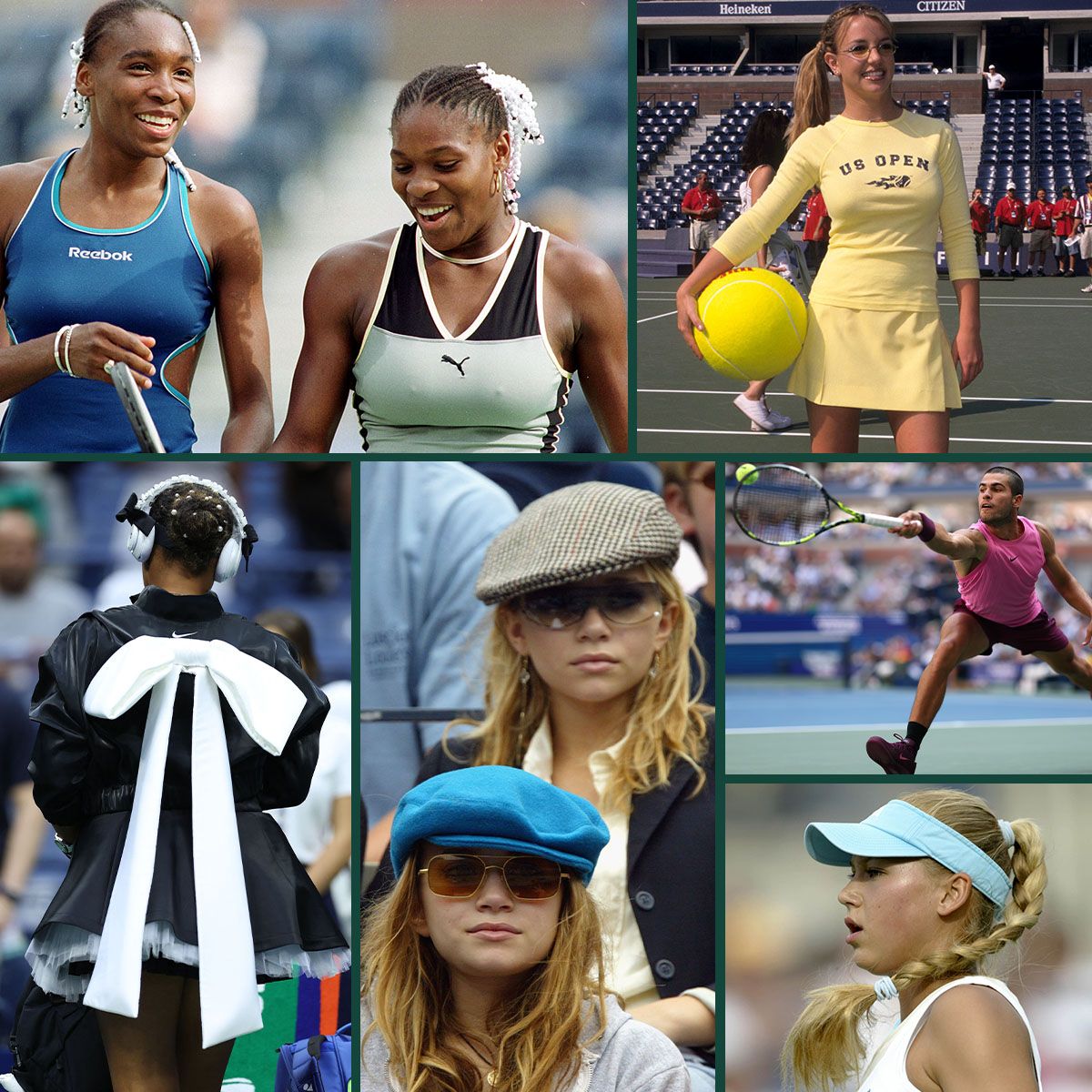
The anticipation surrounding the 2026 US Open isn't merely about the potential for thrilling matches; it's a reflection of a broader cultural shift within the world of sports and fashion. Go Sports’ recent piece highlighting the stylish landscape surrounding the tournament captures a moment where athleticism and aesthetics are increasingly intertwined. This convergence is particularly fascinating when viewed alongside pieces like Tracing Roger Federer's Fashion Legacy, demonstrating the enduring power of a player's personal style to transcend the court and influence broader trends. The evolution of tennis attire, from the traditionally conservative whites to the current era of expressive designs and collaborations, speaks to a desire for individuality and a celebration of performance *and* presence. It’s a space where brands are increasingly recognizing the opportunity to connect with audiences on an emotional level, moving beyond purely functional sportswear to create pieces that resonate with personal identity.
The increasing focus on style within tennis isn’t an isolated phenomenon. As Then and Now: Making an Entrance in Tennis illustrates, the significance of a player's entrance – their walkout look – has always been a powerful statement. However, the current level of intentionality and design sophistication represents a significant elevation. This trend aligns with a wider societal appreciation for mindful consumption and a desire for products that tell a story. We're seeing a move away from conspicuous displays of wealth towards a more understated, curated elegance, a quiet confidence that resonates with a generation seeking authenticity and self-expression. Furthermore, the article's mention of “under the radar brands” that fashion insiders are shopping—as showcased in I Asked, the Team Answered—9 Under the Radar Brands That Fashion Insiders are Shopping in 2026—highlights a broader consumer shift towards discovering unique, thoughtfully-made pieces rather than blindly following mainstream trends.
The 2026 US Open, therefore, serves as a microcosm of this larger cultural movement. It's a stage where performance and style converge, where athletes are not just competitors but also ambassadors of a particular aesthetic. The tournament’s visual appeal is now as crucial as its athletic drama, attracting a more diverse audience interested in both the game and the lifestyle it represents. This isn’t about superficiality; it’s about recognizing the power of visual storytelling and the importance of creating an immersive experience that engages audiences on multiple levels. The strategic partnerships between sportswear brands and designers, the increasing use of sustainable materials, and the overall emphasis on inclusivity all point towards a more conscious and considered approach to tennis fashion. It’s a shift away from the purely transactional and towards a more holistic understanding of brand identity and consumer engagement.
Looking ahead, the continued blurring of lines between sports, fashion, and lifestyle will undoubtedly shape the future of the US Open and beyond. The question isn’t *if* this trend will persist, but rather *how* it will evolve. Will we see even greater integration of technology and personalization in athletic wear? Will the focus on sustainability intensify, driving innovation in materials and production processes? And perhaps most importantly, how will athletes leverage their personal style to amplify their voices and connect with audiences in increasingly meaningful ways, moving beyond the court to become true cultural influencers? The 2026 US Open promises to offer some initial answers, setting the stage for an exciting and visually compelling chapter in the intersection of sport and style.
Read on the original site
Open the publisher's page for the full experience