Julien Dossena Exits Rabanne
Our take
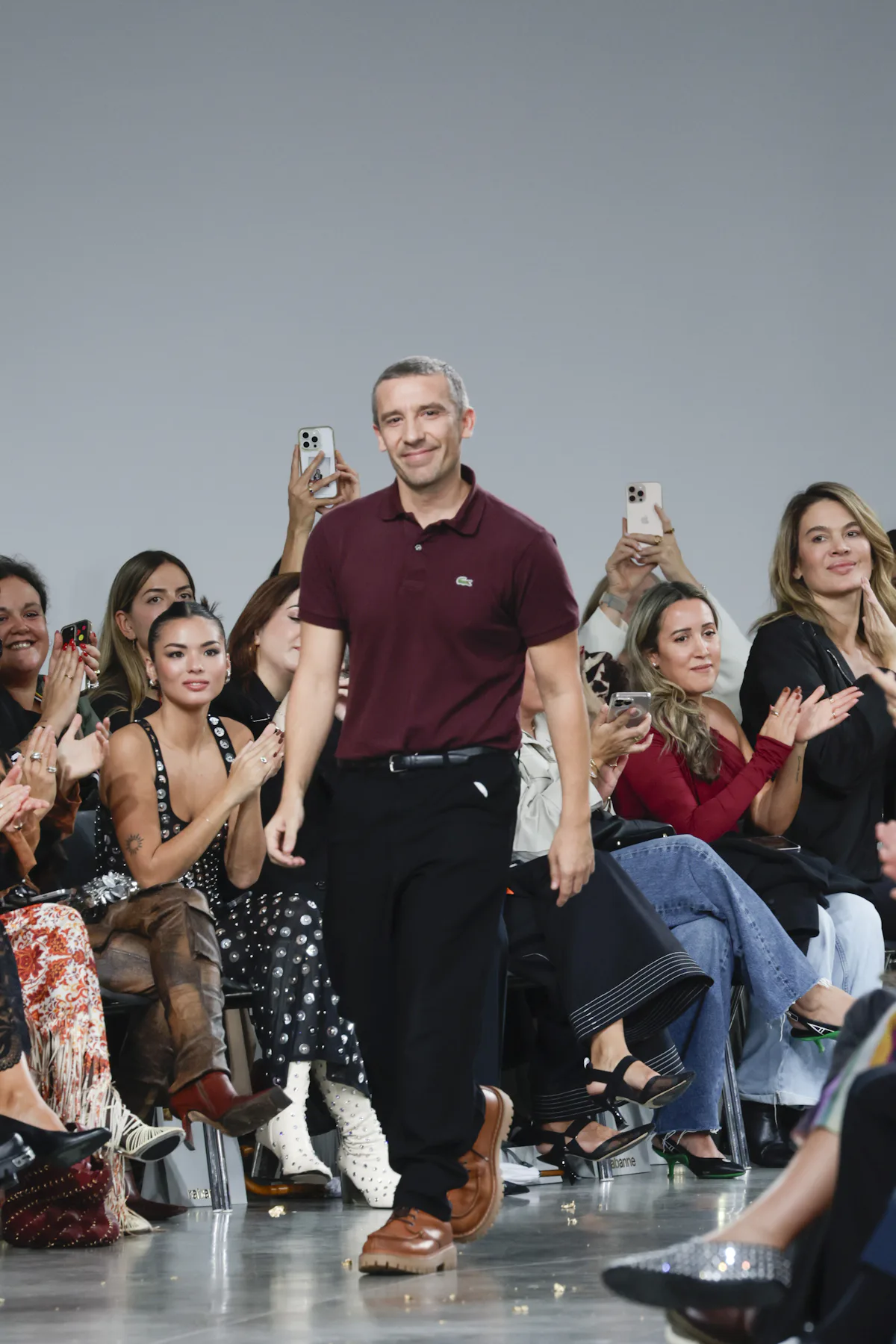
The sudden departure of Julien Dossena after thirteen years at the helm of Rabanne feels like a significant tremor in the luxury landscape, particularly as the industry continues to grapple with evolving definitions of heritage and modernity. Dossena’s tenure coincided with a fascinating shift in fashion's priorities, from overt branding and conspicuous consumption to a more nuanced appreciation for history, craftsmanship, and individual expression. This transition is reflected in the growing recognition of [How Vintage Fashion Became The Ultimate Status Symbol], a phenomenon highlighting a desire for pieces with provenance and a rejection of fleeting trends. Seeing Rabanne navigate this era under Dossena's direction, building upon Paco Rabanne’s groundbreaking use of unconventional materials, was a compelling study in how to honor a legacy while forging a contemporary identity – a balance that’s increasingly difficult to achieve. Equally relevant is the recent exploration of effortless summer style captured in [Sienna's '90s "Naked" Slip Dress and Gold Shoe Combo Is So Carrie Bradshaw-Coded], showcasing the enduring appeal of minimalist chic, a sensibility Dossena frequently incorporated into his Rabanne collections.
Dossena’s Rabanne wasn't about screaming for attention; it was about whispering sophistication. He subtly modernized the brand's signature metalwork and futuristic silhouettes, injecting a quiet sensuality and understated elegance that resonated with a generation seeking an alternative to the maximalism that preceded it. While he retained the brand's experimental spirit, he tempered it with a greater emphasis on wearability and a refined understanding of the modern woman's wardrobe. His collections often felt like a curated edit of timeless pieces, imbued with a sense of quiet confidence—a feeling that mirrors the overall aesthetic we strive to cultivate. The challenge now for Rabanne will be to maintain that core DNA while navigating the complexities of a market that is both intensely nostalgic and relentlessly forward-looking. The brand’s success will hinge on its ability to find a creative director who can not only understand Rabanne’s history but also articulate its future in a way that feels authentic and compelling. The carefully considered color palettes and textures Dossena often employed—highlighting a luxurious simplicity—echoes the appeal of products that offer enduring value, as evidenced by the desire for high-quality cosmetics described in [Highly Pigmented and Worth Every Dime: 7 Blushes That Pop on Brown Skin].
The timing of Dossena’s exit is also intriguing, occurring amidst a broader consolidation within the luxury sector. LVMH, Rabanne’s parent company, has been strategically acquiring and streamlining brands, and this move could signal a renewed focus on profitability and brand consistency within its portfolio. It's possible that the brand’s direction may shift toward a more commercial vision, potentially sacrificing some of the artistic experimentation that defined Dossena’s era. Or perhaps, this is an opportunity for Rabanne to redefine its position within the luxury hierarchy, embracing a bolder, more disruptive approach. The brand's heritage is undeniably strong—Paco Rabanne was a true visionary—but translating that legacy into a relevant and appealing offering for today’s consumers requires a delicate touch and a clear understanding of the evolving cultural landscape. A less experimental direction could also mean a greater emphasis on accessible price points, broadening the brand's appeal while potentially diluting its exclusivity.
Ultimately, Dossena’s departure raises a crucial question for the future of luxury fashion: how do brands balance the demands of heritage and innovation, commercial viability and artistic integrity? Rabanne’s next chapter will be a fascinating case study in this ongoing tension. Will the brand double down on its futuristic roots, or will it pivot towards a more classic, universally appealing aesthetic? The answer will not only shape Rabanne’s trajectory but also provide valuable insights into the broader direction of the luxury industry – a direction that continues to be defined by a complex interplay of history, technology, and evolving consumer desires.
Things are shaking up at Rabanne. Julien Dossena has exited the French brand after a thirteen-year tenure as its creative director, according to The Business of Fashion. First arriving at the label in 2013 after designing for Balenciaga under Nicolas Ghesquière, Dossena quickly made an impression with a youthful and contemporary take on the label’s house codes. It was a welcome, celebrated debut by both the fashion world and Rabanne’s parent company, Puig, which has only grown in the decade-plus since.
“For over thirteen years, Julien Dossena has shaped the creative spirit of Rabanne,” the label and Dossena stated in a sweet joint post on Instagram. “With a singular vision, he redefined the House for a new generation — honoring its radical heritage while opening new paths for expression, desirability, and innovation. Julien has been the architect of a remarkable chapter in the House’s history; challenging conventions, reimagining icons, and bringing together craftsmanship, culture, and modern femininity. As he departs his role, we extend our deepest gratitude for his talent, his vision, and his unwavering commitment.”
Indeed, craftsmanship was core to Dossena’s Rabanne. The designer’s embrace of sleek, bold glamour — always dancing the line between futuristic, bohemian, and edgy aesthetics — saw the label’s shimmering chainmail and interconnected disc motifs receive a full makeover. Each house symbol was revamped in leather, overlaid with dangling colored crystals, and even cast in ceramics — to name just a few iterations — which brought them a heightened, renewed interest.
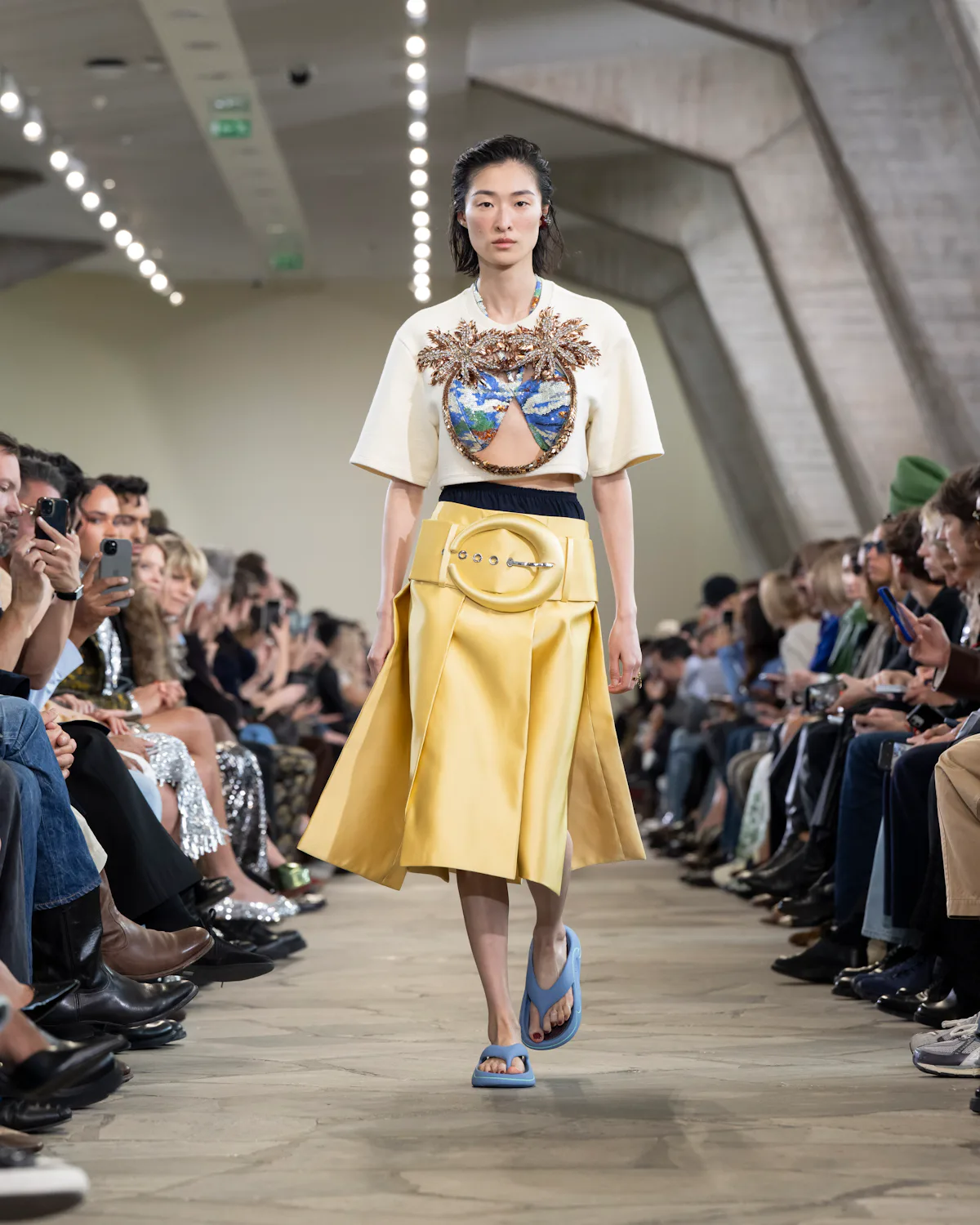
It also opened the floodgates for Dossena to play with even more statement-making designs. Each season, fashion fans could anticipate an assortment of separates and dresses covered in studs, piercings, sequins, and intricate embroidery. The creative director made waves after introducing his signature supersized XL Link jewelry, as well as a range of chainmail and disc-textured handbags that have become going-out staples for the Gen Z set — particularly its Nano 1969 mini bag. The same glamour also shone through his viral H&M collaboration in 2023, which included ventures in home decor and menswear, as well as the elaborate haute couture collection he guest-designed for Jean Paul Gaultier earlier that year.
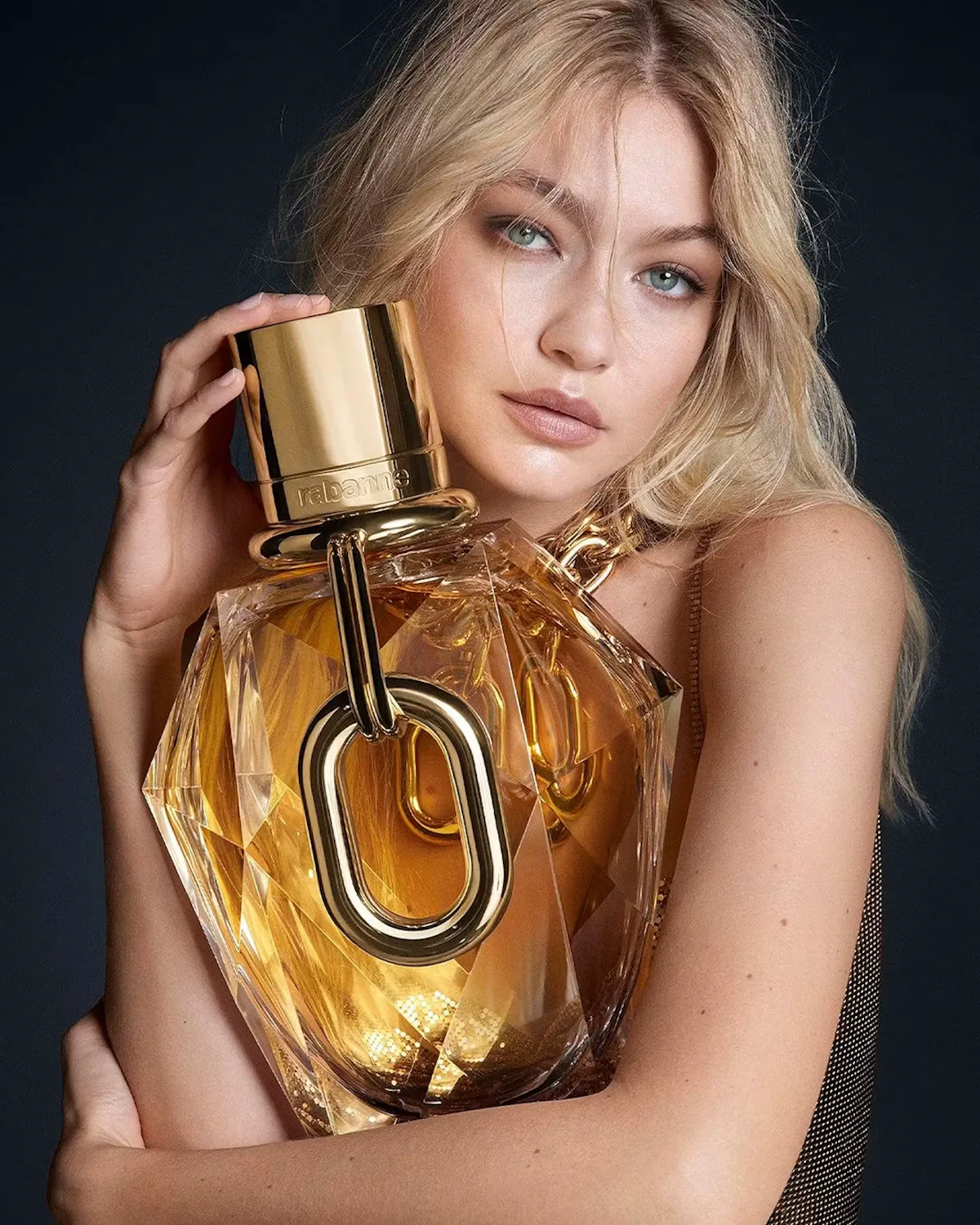
Outside of fashion, Dossena also heightened Rabanne’s beauty world presence. Under his leadership, the brand’s fragrance lineup exploded with the best-selling franchises Fame, Million Gold for Her, Lady Million, and Olympea — plus plenty of men’s go-to colognes like 1 Million, Phantom, and Invictus. Most recently, the label expanded its assortment with a range of eight luxe unisex scents, aptly named La Collection Rabanne. Since 2023, Rabanne’s futuristic beauty collection has also been an insider favorite, with its metal-cased eyeshadow palettes and “Glowies” lip glosses becoming hot commodities on social media.
Dossena’s exit follows a mix of creative director shuffling from late 2025 into 2026. In under a year, the fashion world has seen Olivier Rousteing leave Balmain, Maria Grazia Chiuri join Dior, and Dario Vitale dramatically part ways with Versace, among many others. However, given their shared social moment, there doesn’t seem to be any bad blood between Dossena and Rabanne.
At this time, both Dossena and Rabanne’s next steps remain unknown. Though it’s rumored that Rousteing could succeed him as the brand’s next creative director, it’s all speculation at this point.
Read on the original site
Open the publisher's page for the full experience