King Charles Looked Like a "Kid in a Sweet Shop” During Out-of-the-Norm Appearance, Says Body Language Expert
Our take
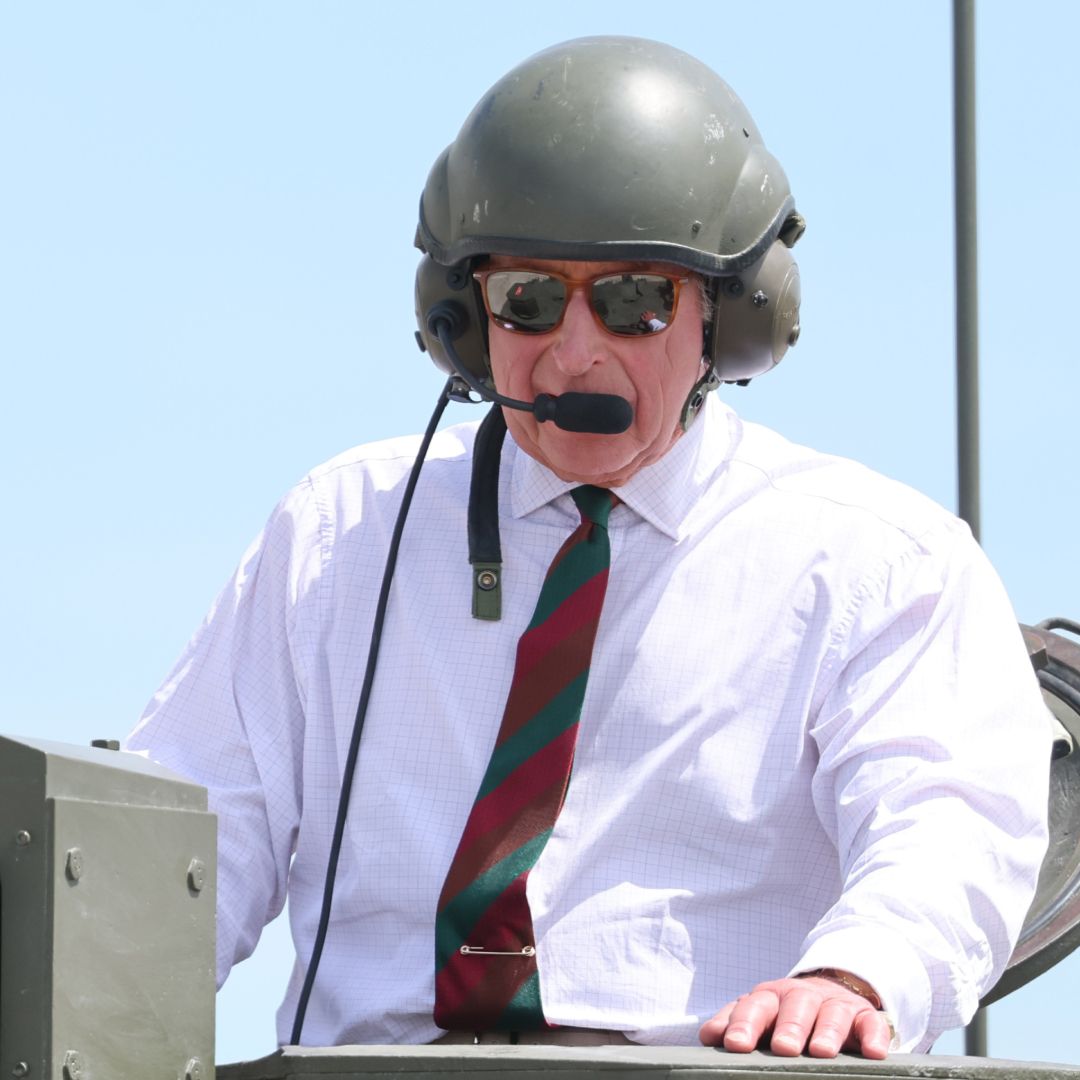
The recent images of King Charles, swapping his customary regalia for a military helmet and engaging with the Royal Tank Regiment, have sparked a wave of fascination, and rightly so. Beyond the novelty of seeing the monarch in a less formal setting – a setting described by body language expert Darren Stanton as resembling "a kid in a sweet shop” – this appearance speaks to a subtle but significant shift in the Royal Family’s approach to public perception. It’s a rare opportunity for him to take a day off as a monarch without the fancy pomp and regalia, allowing a glimpse of a more relatable side. This echoes a broader trend within the monarchy to appear more accessible and engaged with contemporary interests, a strategy that’s been particularly emphasized since the ascension of King Charles. The move feels almost deliberately calibrated to counter narratives of stuffiness and distance, particularly in the wake of ongoing familial tensions, as explored in Exclusive: The “Gulf” Between King Charles and Prince Harry “Seems Deeper Than Ever” Following Duke’s Failed Court Battle, Says Former Royal Butler. The contrast with previous generations, particularly Queen Elizabeth II, is striking; her reign was defined by unwavering formality and adherence to tradition.
The choice of the Royal Tank Regiment for this informal visit isn’t accidental either. It signals an engagement with aspects of British identity beyond the purely ceremonial—a nod to the country’s military history and the ongoing importance of national defense. This aligns with a wider effort to demonstrate relevance in a rapidly changing world. While the Royal Family has historically maintained a certain distance from overt displays of enthusiasm, this image showcases a genuine enjoyment of the experience, fostering a sense of connection with the public. It’s a calculated move, but one that, if executed consistently, could be effective in rebuilding and strengthening public trust. Of course, there’s a fine line between appearing relatable and diminishing the dignity of the Crown. It’s a balancing act that the monarchy has been navigating with varying degrees of success. Even something as seemingly simple as Zendaya’s recent choice of a surprisingly angelic lace Louis Vuitton dress at a premiere – Zendaya's Lace Louis Vuitton Dress at 'The Odyssey' Paris Premiere Took 800 Hours to Make – demonstrates the continued importance of fashion and visual presentation as tools for conveying specific messages and reinforcing a desired image.
The significance of this event also extends beyond the immediate visual appeal. It underscores the ongoing evolution of the monarchy’s role in the 21st century. The institution is not simply a historical artifact; it’s a living entity that must adapt to remain relevant. And relevance, in today’s world, means demonstrating an understanding of contemporary values and engaging with the public on a more personal level. The emphasis on emotional connection, a theme that resonates deeply with modern audiences, is evident in this shift towards greater accessibility. The carefully curated image of King Charles, seemingly carefree and genuinely engaged, aims to humanize the monarch and foster a sense of empathy. It’s a conscious effort to move beyond the traditional perception of royalty as distant and untouchable figures. It's a subtle recalibration, but one that could have a lasting impact on how the monarchy is perceived both domestically and internationally. This aligns with the broader cultural conversation around authenticity and transparency, where even institutions as traditionally formal as the Royal Family are expected to demonstrate vulnerability and relatability.
Looking ahead, it will be interesting to see if this more relaxed approach becomes a consistent theme in King Charles’s public appearances. Will we see more informal engagements, shedding the formality that has long defined the monarchy? The success of this strategy will depend on maintaining a balance—preserving the dignity and gravitas of the Crown while simultaneously fostering a sense of connection with the public. It’s a delicate dance, and one that requires careful consideration. One question lingers: can the Royal Family successfully navigate this evolving landscape, ensuring its continued relevance and enduring appeal in an increasingly skeptical and media-saturated world?
King Charles traded his crown for a military helmet during a visit to the Royal Tank Regiment in Dorset, England this week, and body language expert Darren Stanton says that the monarch looked like he was having the time of his life while testing out one of the regiment's new tanks.
“You may be cool... but you’ll never be King Charles III riding in a Challenger 2 tank cool 😎,” the Tank Museum captioned a video of The King riding in the commander's seat.
Donning a helmet and microphone, the monarch removed his suit jacket and climbed into the military vehicle, and King Charles seemed to relish the opportunity to get into the driver's seat. "King Charles has a mischievous grin and he’s really loving being on the tank," Stanton shares, speaking on behalf of Betfair Casino, adding that he looked like a "kid in a sweet shop."
Stanton continued that Charles "very much looks the part" in clips of him driving the tank, adding that the monarch "can be seen asking lots of questions, which probably takes him back to his career in the Royal Air Force and the Royal Navy."
The body language expert noted that King Charles appeared completely at ease despite the imposing equipment surrounding him. "Being on a tank can be quite scary and daunting, but there is none of that with The King," Stanton shares. "He looked genuinely happy and he's interacting with the other soldiers, with no masking smiles."
The King served in the military between 1971 and 1976, and Stanton says that Charles was able to tap into a different side of his personality and get "back to his grassroots" while visiting the regiment Monday. "This is a very rare glimpse of Charles that we don't often see," Stanton explains. "It's a rare opportunity for him to take a day off as a monarch without the fancy pomp and regalia."
Read on the original site
Open the publisher's page for the full experience