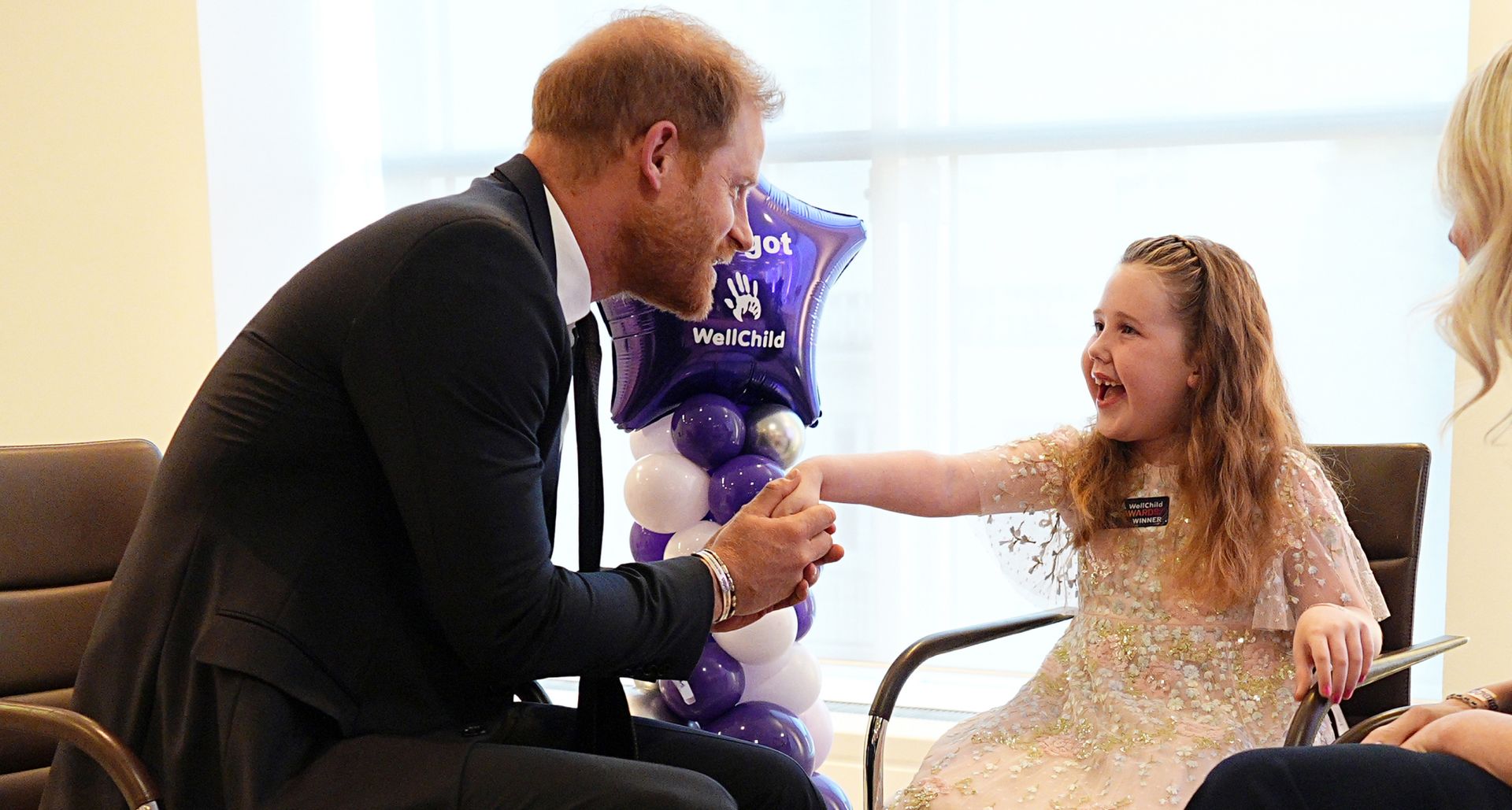
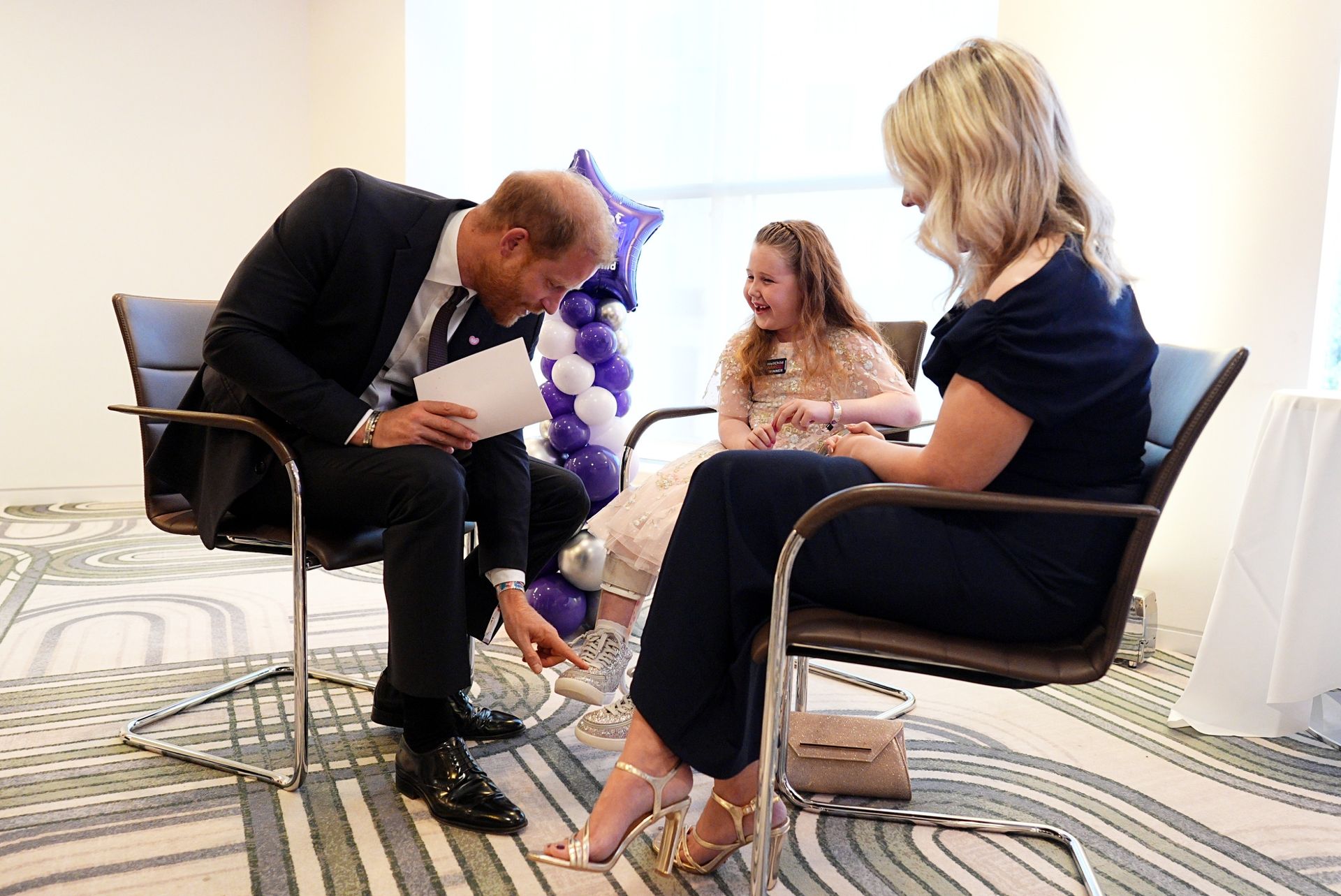
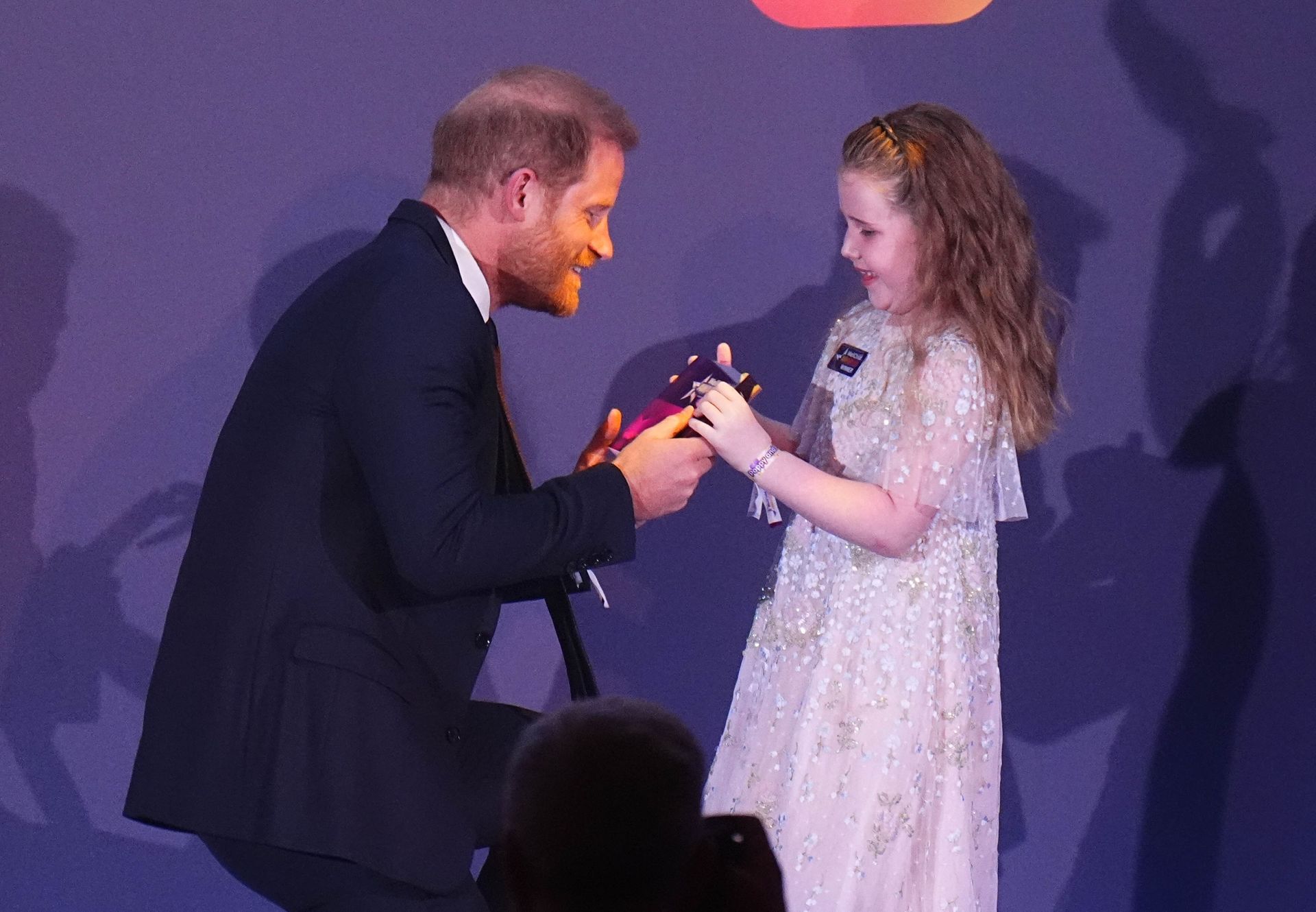
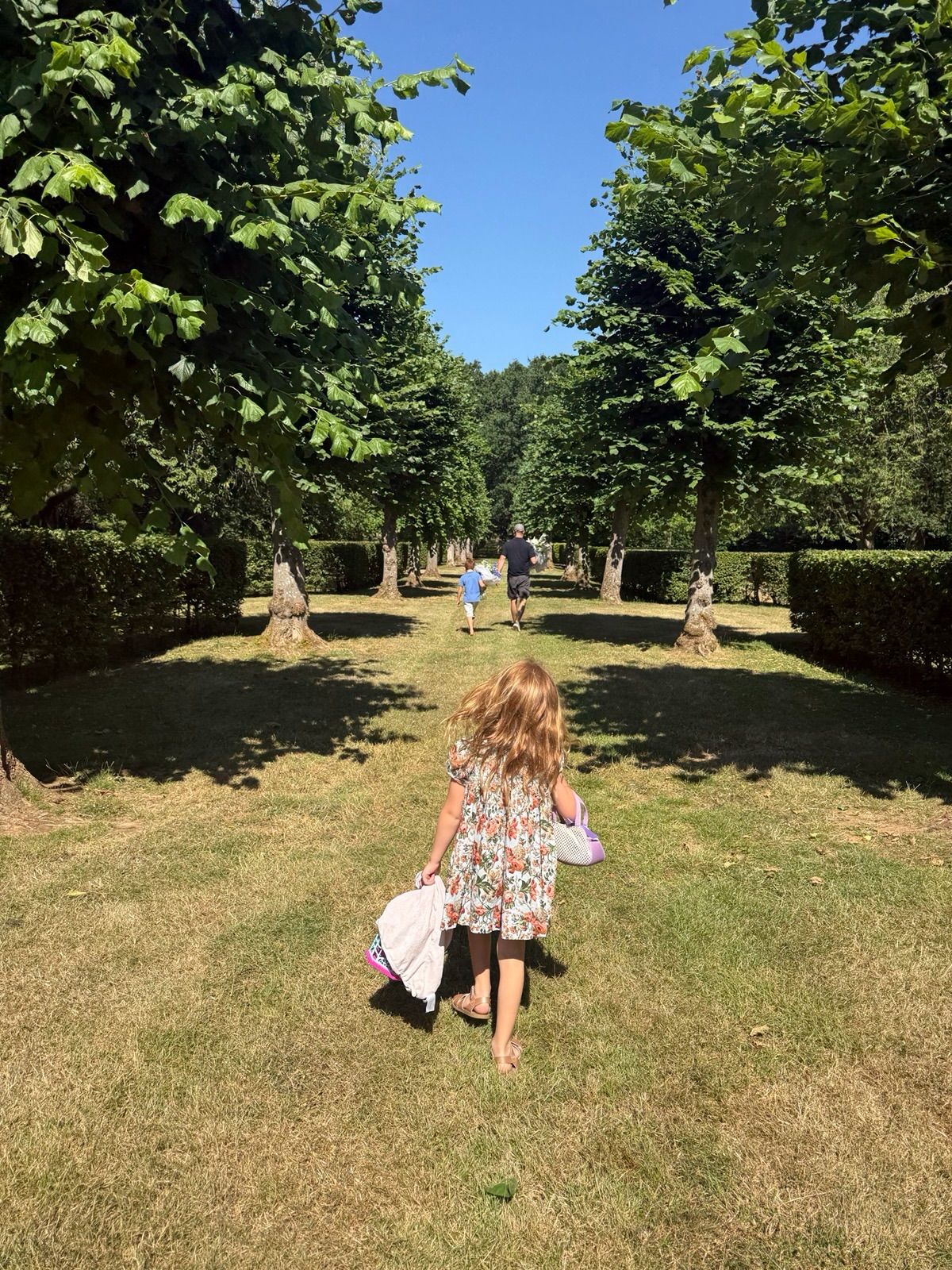
The recent WellChild Awards, and Prince Harry’s sharing of details about his children Archie and Lilibet, might seem a minor celebrity moment. However, it subtly underscores a fascinating shift in how public figures, particularly those associated with established institutions like the Royal Family, are navigating the complexities of modern visibility. The Duke’s comments, highlighting a shared inspirational connection between his daughter and an award recipient, speak to a deliberate curation of image – one that emphasizes shared values and a grounded sense of family over traditional displays of grandeur. This echoes the broader trend of embracing quiet luxury, a movement we’ve explored in pieces like Quiet Luxury Eyes: Fall's Subtler Allure Takes Center Stage, where understated elegance and a focus on intrinsic qualities are prioritized over ostentatious displays. It's a move away from overt spectacle and toward a more considered, almost meditative, presentation of self.
The significance here lies not just in the anecdote itself, but in what it implies about the evolving role of royalty in the public consciousness. The relentless scrutiny faced by the Royal Family necessitates a careful calibration of exposure, and Prince Harry’s approach – sharing glimpses of his children’s personalities and interests – feels less like a calculated PR move and more like an authentic sharing of family life. It’s a delicate balance, avoiding the pitfalls of both over-exposure and complete detachment. This aligns with the aesthetic principles we’ve long championed, where messaging focuses on identity rather than features, a concept beautifully illustrated by our exploration of Chiara Bransi's Muse: Prada's Skirt Reignites Feminine Power. The emphasis on Lilibet’s connection to an inspirational figure subtly communicates a sense of values and purpose, resonating with a desire for authenticity and meaning. It’s a far cry from the performative displays of the past, opting instead for a quiet demonstration of shared humanity.
The broader implications for the space are compelling. We're witnessing a gradual erosion of the traditional celebrity archetype, replaced by individuals who prioritize emotional resonance and personal narratives over manufactured personas. This is particularly relevant in a world saturated with curated content, where genuine connection feels increasingly rare. The desire for authenticity extends beyond the realm of royalty; consumers are actively seeking brands and individuals who embody a sense of purpose and integrity. This shift demands a more nuanced and thoughtful approach to communication, one that prioritizes emotional depth and self-awareness over superficiality. Consider, for instance, the subtle power of suggestion we examined in Unexpected Exposure: When Prada and Jlo Embrace the Peekaboo Bra – a demonstration of how luxury can be conveyed through implication and confidence, rather than overt display.
Ultimately, the story of Lilibet’s style inspiration serves as a microcosm of a larger cultural phenomenon. It's a reminder that quiet confidence, grounded values, and authentic connection are increasingly valuable currencies in a world vying for attention. The question now is: how will other public figures adapt to this evolving landscape, and will the demand for authenticity continue to reshape the way we perceive and engage with those in the spotlight? It’s a development worth watching closely, as it promises to redefine the very nature of influence and inspiration.