Logomania Is Back, But Not as You Remember—Here's Why the Trend Is Captivating Fashion People in 2026
Our take
The resurgence of logomania, as reported by Who What Wear, isn't the brash, in-your-face display of logos we witnessed in the early 2000s. This isn’t about shouting brand allegiance; it’s a far more nuanced and considered approach, reflecting a shift in consumer values and a broader evolution within the luxury landscape. We’re seeing a move away from overt displays of wealth and towards a more understated, almost ironic embrace of iconic branding. The co-hosted Net-a-Porter and Aquazzura holiday suggests a convergence of forces – the curated online retail experience meeting the desirability of a well-established footwear brand beloved by figures like Amal Clooney and Meghan Markle – all pointing towards a recalibration of how luxury is presented and consumed. This shift also subtly echoes the recent focus on quiet luxury, a trend we’ve observed particularly in campaigns like PORTS 1961’s fall-winter 2026, where Nadja Auermann Brings Drama to PORTS 1961 Fall 2026, proving that stillness can be a powerful statement in itself.
What’s captivating about this 2026 iteration of logomania is its ability to coexist with the principles of understated elegance. It’s less about plastering a garment with multiple logos and more about strategically incorporating a single, recognizable emblem – often in subtle placements or reimagined designs. Think a discreetly embossed logo on a handbag, or a vintage-inspired logo patch on a timeless silhouette. This aligns perfectly with the current desire for pieces that tell a story and possess a sense of heritage, rather than simply screaming a price tag. Candice Swanepoel Gets Her Close-up for V Magazine further illustrates this movement toward a full-throttle, glamorous aesthetic, suggesting a broader embrace of confident self-expression within the luxury realm, which allows for a playful, yet refined, engagement with branding. The Montauk outfit ideas for a perfectly glamorous, beach-ready summer also show a focus on curated style over blatant displays. It’s about signaling belonging to a certain world, a certain aesthetic, without sacrificing sophistication.
The underlying reasons for this change are multifaceted. The rise of social media and influencer culture initially fueled the maximalist trend, but as consumers become more discerning and conscious of sustainability and ethical considerations, a more thoughtful approach to consumption emerges. The desire for authenticity and individuality also plays a key role. Consumers are less interested in simply copying trends and more interested in curating a personal style that reflects their values and identity. This is where the subtle integration of logos becomes particularly appealing – it allows individuals to express their appreciation for a brand without feeling like they're sacrificing their own sense of style. It’s a delicate balance between celebrating heritage and maintaining a sense of individuality, a hallmark of the modern luxury consumer.
Ultimately, the return of logomania in 2026 signals a fascinating evolution within the fashion industry – one that prioritizes subtlety, self-expression, and a deeper connection between brands and consumers. It’s a move away from the fleeting trends of the past and towards a more enduring appreciation for craftsmanship, heritage, and the power of understated elegance. The question now is, will this refined approach to branding continue to dominate, or will we see a further shift towards even more personalized and bespoke forms of self-expression within the luxury sphere?
When you’re invited on a holiday co-hosted by Net-a-Porter and Aquazzura, the shoe brand that counts fashion royalty (Amal Clooney and Meghan Markle) as part of its fan club, you know the vistas are going to be worthy of a scene in The Five-Star Weekend (this summer’s Big Little Lies). What your imagination might not have dared to stretch to, however, is a level of detail that encompasses logoed coconuts (their skins quite literally etched with "Aquazzura Net-a-Porter"), as well as a pair of boats moored just off the beach, their sails blowing in the wind and emblazoned accordingly. I would say day-trippers won’t have seen anything quite like it in Port Pierre Canto, Cannes, but that overlooks the fact that branding is back in fashion.
Nowhere was this more evident than at Men’s Fashion Month. Singapore-based photographer Su Shan Leong was there to capture this wave of logomania, a trend whose origins can be traced to Dapper Dan (Harlem designer, Gucci collaborator and something of a logo mixologist). "One trend that was impossible to miss this season in Milan and Paris: athletic jerseys and bold logos," she tells Who What Wear UK. "With the World Cup season in full swing, people proudly wore their national team jerseys, whilst brands like Willy Chavarria also stood out, reflecting the growing influence of sports culture and statement logos on everyday street style."
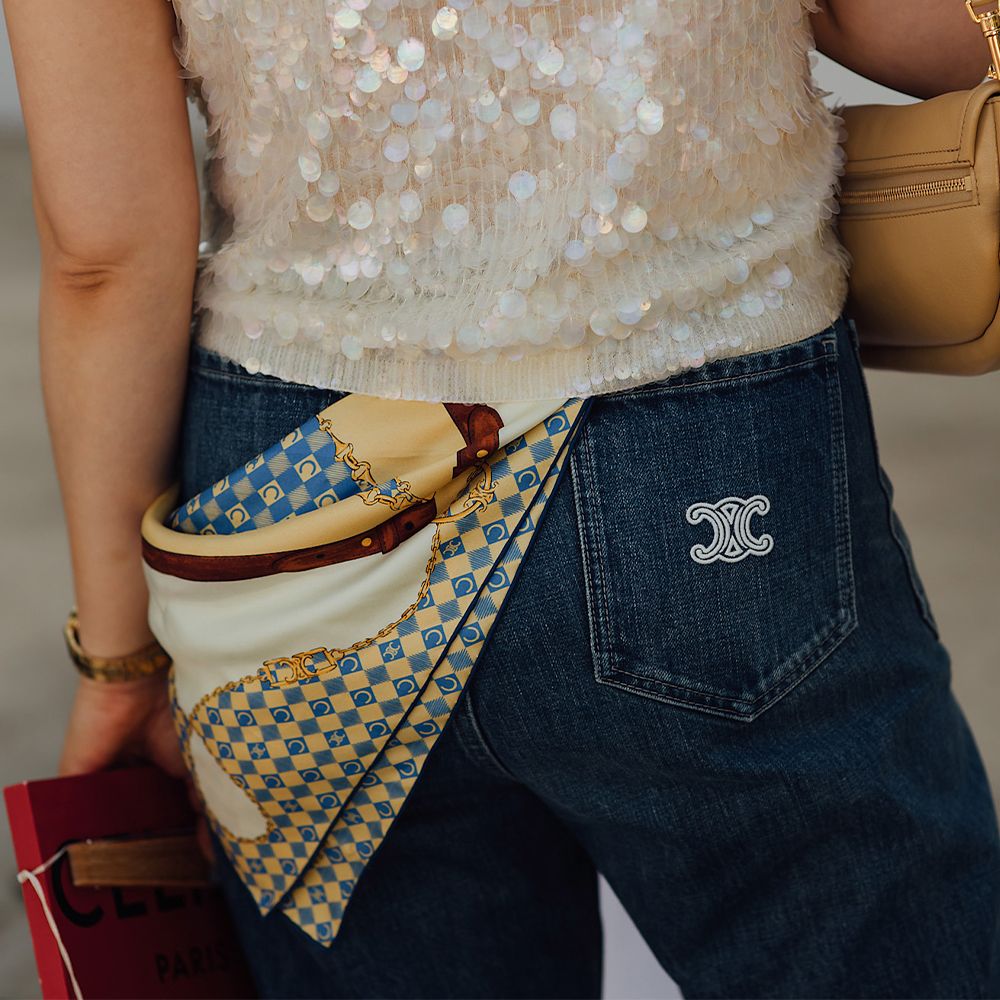
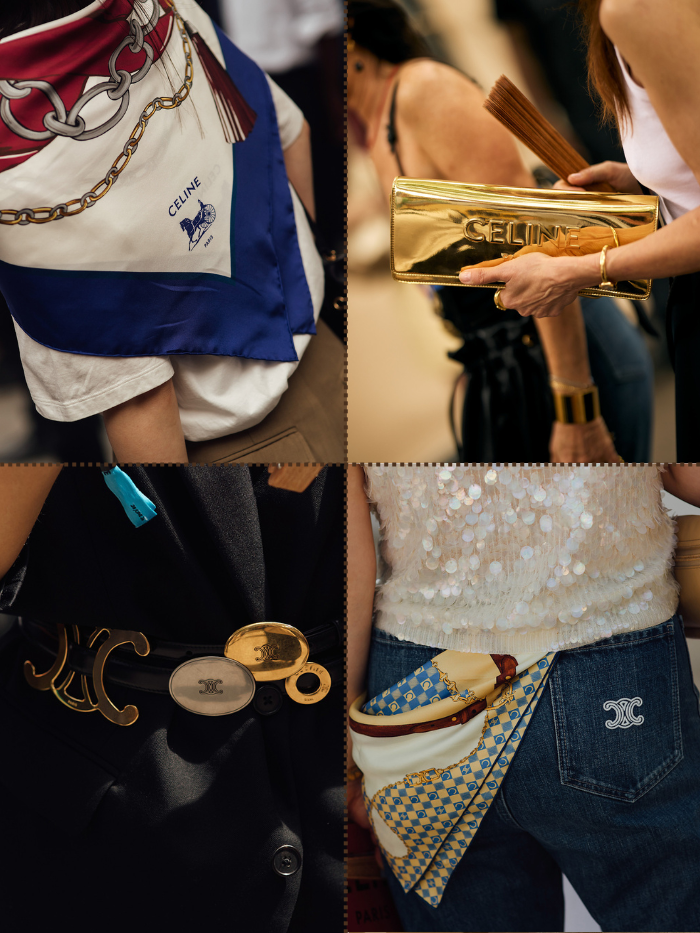
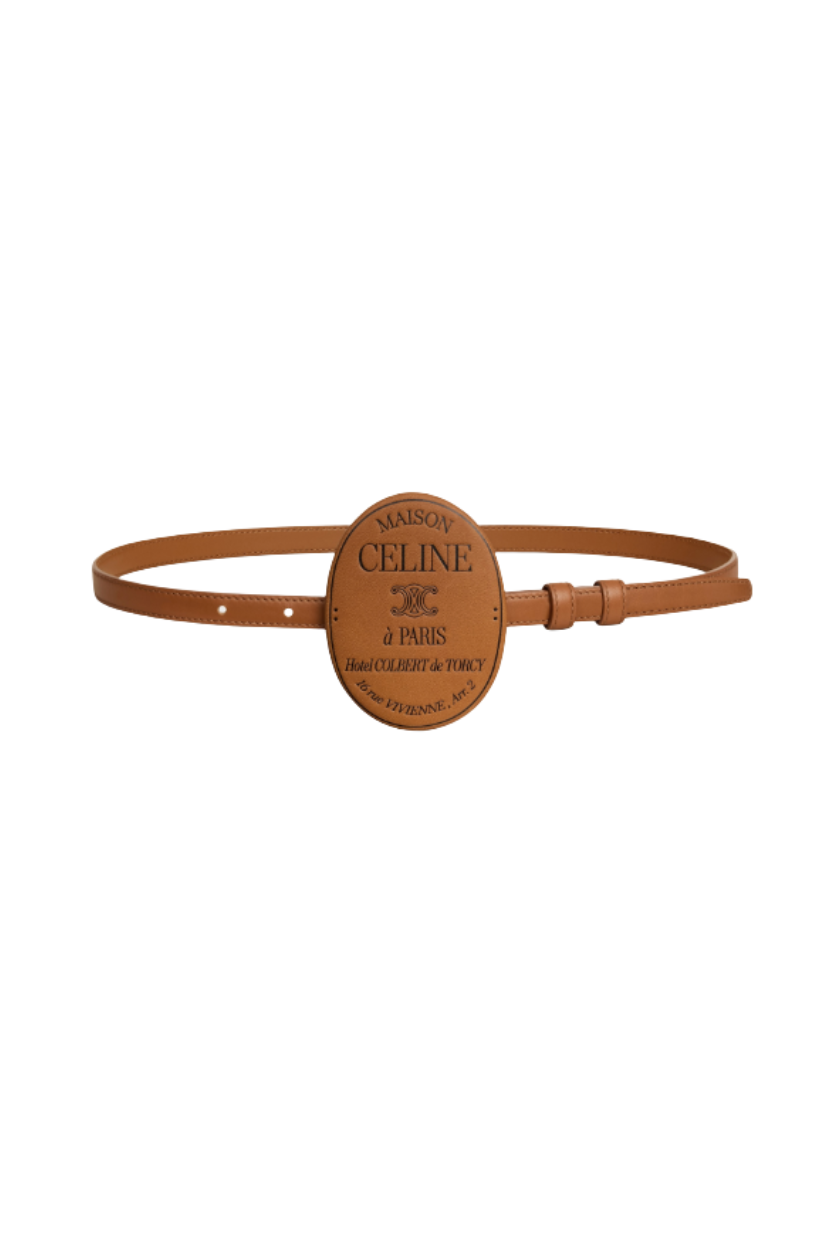
There was no second-guessing who was about to show on 28 June, with one logo repeating as crowds gathered: Celine’s. Some were subtle (the first letter of the brand’s name scattered across a silk scarf, for example) and some the opposite (a clutch bag the colour and shape of a gold bar, "Celine" embossed onto its length in raised capitals). The house’s famously hard-to-buy belt—which features a disc of either metal or calfskin logoed with "Maison Celine à Paris; Hotel Colbert de Torcy; 16 rue Vivienne, Arr. 2", a reference to its historic Parisian HQ—already has the cult status of a handbag and has been spotted on Naomi Watts. Next to sell out will be its just-seen sneakers. "Even quiet luxury still embraces logomania; just look at Michael Rider’s new Celine Reebok collab," says eBay’s pre-loved style director Amy Bannerman. "The trainers will retail for around £800, and that is mainly down to the tiny Celine label sewn onto the tongue. If that isn’t logomania, I don’t know what is," she says, noting that logo tees have been flying on eBay.
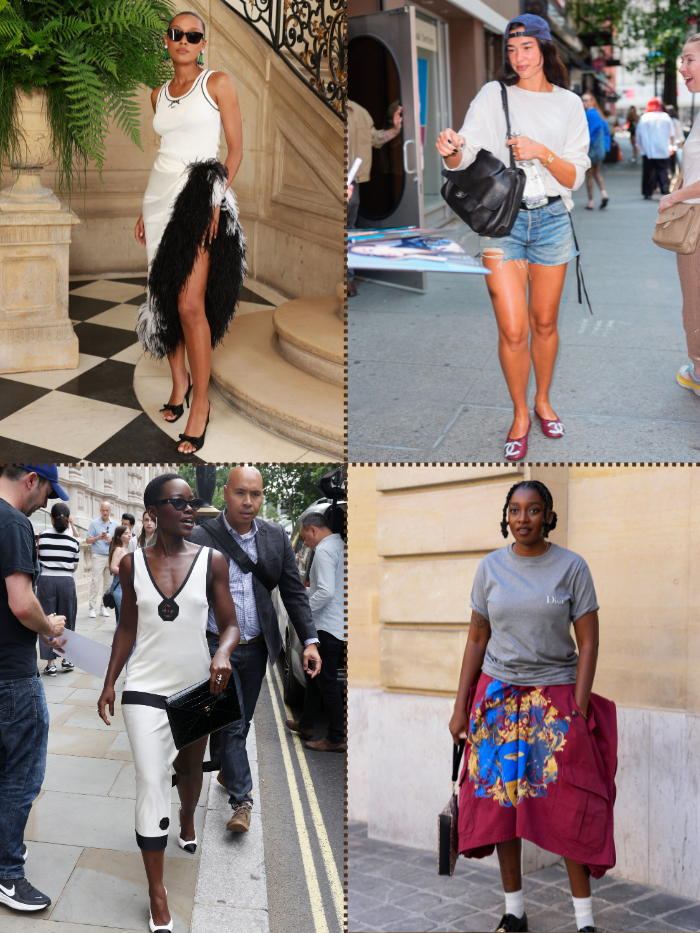
A-listers have also embraced logos, an element of designer labels that you don’t usually see on the red carpet. For her inaugural look to promote The Odyssey, Lupita Nyong’o wore a dress by Chanel, an almost flapper-style frock, drop-waisted and monochrome, that was offset by an octagonal focal point that served as a frame for possibly the most famous logo in fashion history. It wasn’t ostentatious, but an understated pledge of allegiance. Dua Lipa, freshly honeymooned and back in New York, doubled up (or down) on a pair of logos, which graced her ballet flats and bag, by Chanel, using those interlocking letters to very successfully dress up a backwards cap and denim cut-offs.
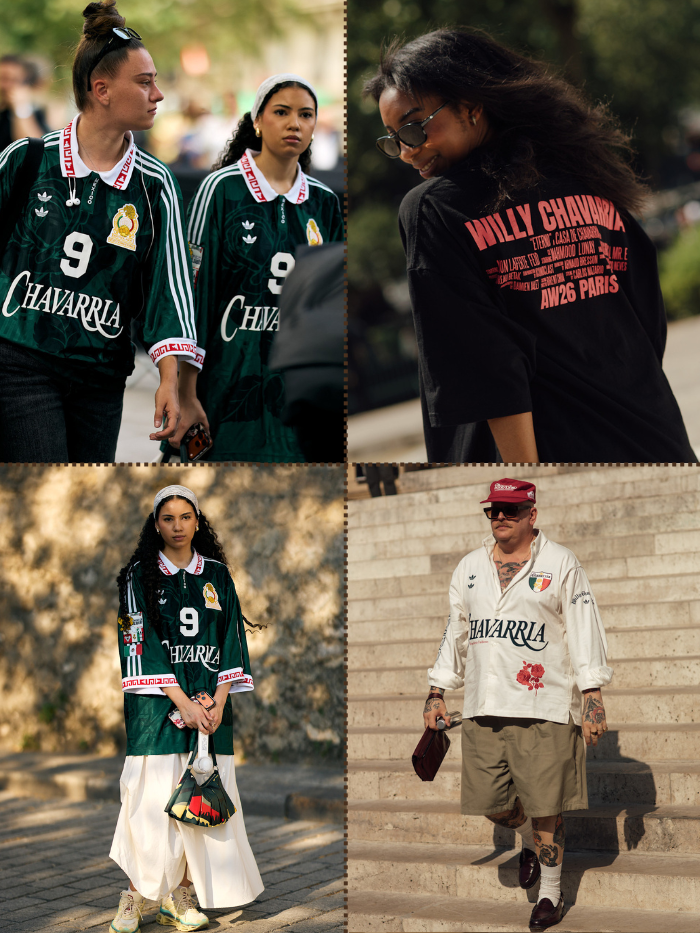
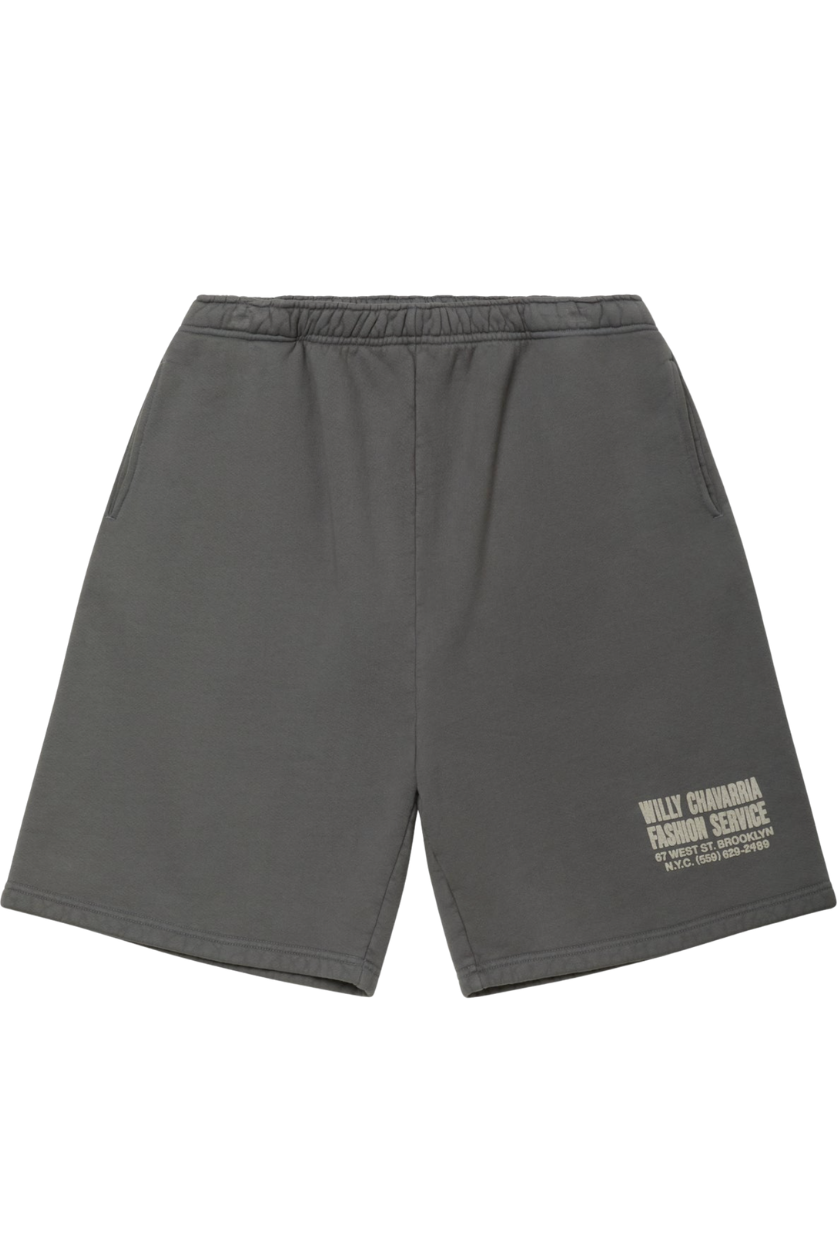
These logos might appear like those before them. What might be different, however, is why people want to buy into them. As Leong mentioned, Willy Chavarria’s show felt like an invitation not just to wear but to flaunt his logo, with ticket-holders wearing branded football shirts (part of the designer’s collaboration with Adidas), tees and gym shorts. It’s how he has leveraged his name into slogan-type logos—"Willy Chavarria Fashion Service" and "Chavarria Community Center", for example—that’s interesting, using a logo to identify a community instead of it being a status symbol that confers IYKYK cache.
His Adidas collaboration, incorporating the colours of Mexico, has been posted far and wide on Instagram. "Wearing Willy Chavarria’s logo goes far beyond fashion or status," says digital creator Dhamar Lambaren, who’s based in Las Vegas. "As a Mexican-American creative, his work feels like a reflection of identity, culture and community. The logo represents a sense of pride and belonging. It’s a symbol of visibility for people who have historically not seen themselves represented in luxury fashion spaces."
In fact, Lambaren says that logos like Chavarria’s, which situate his garments within a proud culture, define inclusivity. "When I wear Willy Chavarria, especially through his collaboration with Adidas, it feels empowering," she says. "There’s an emotional connection to the storytelling behind the brand: the celebration of Chicano culture, working-class roots, family, resilience and authenticity. The logo acts almost like a shared language."
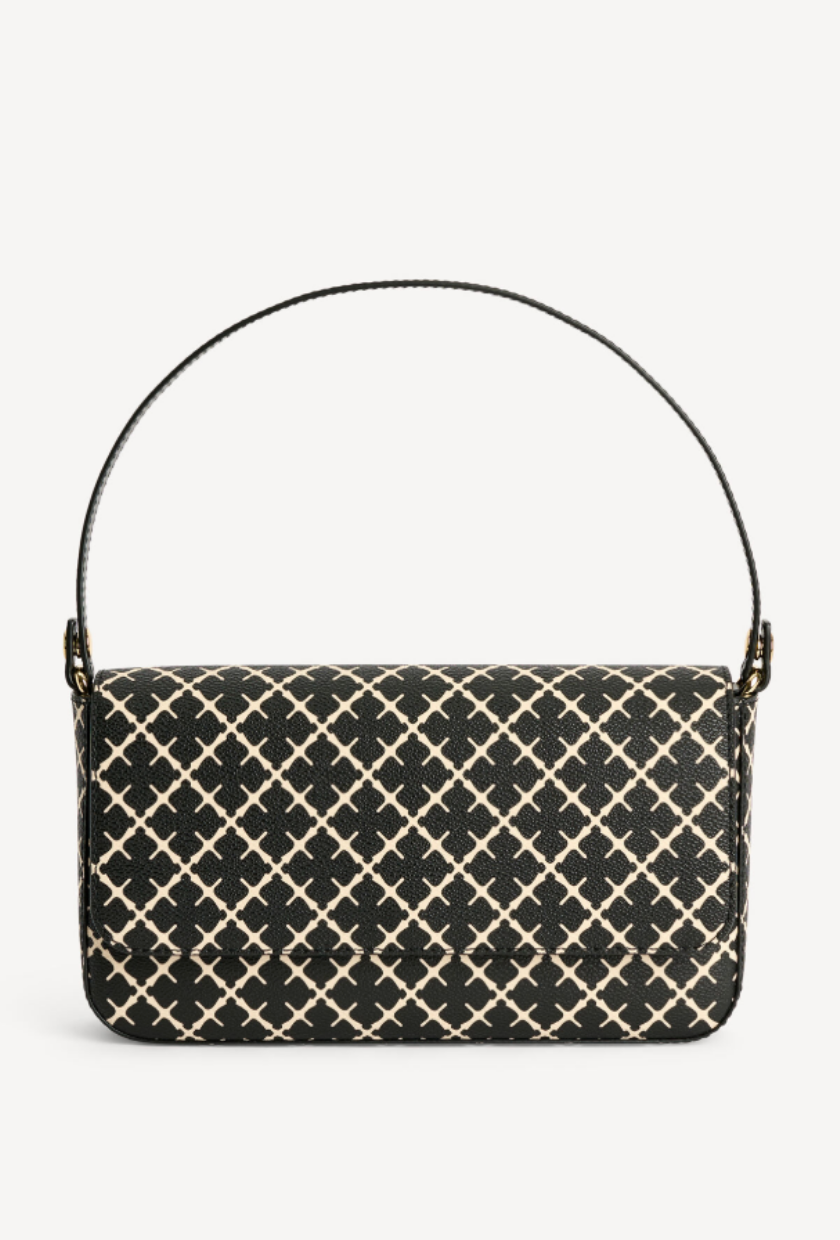
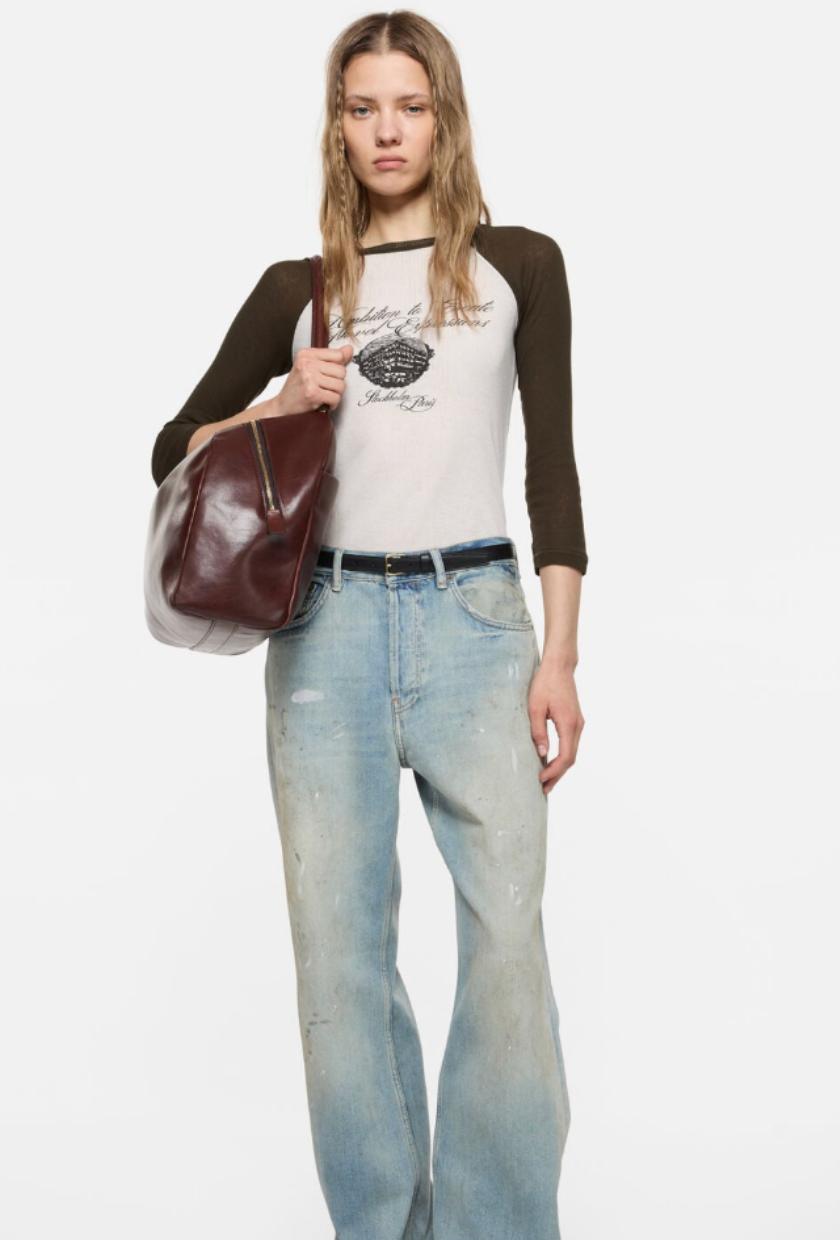
There are options if you don’t want a straight-up logo (Chavarria’s slogans being one of them). By Malene Birger has a house print that, ironically, looks rather like a tastefully repeating monogram. Its "Signature Flower" comes in the form of clutches, weekend bags, vanity cases and totes, as well as fluid co-ords that would easily fold into a suitcase. Acne Studios has released a seasonal logo tee, a raglan printed with a serif font that reads: "Ambition to Create Novel Expectations"—the brand’s acronym.
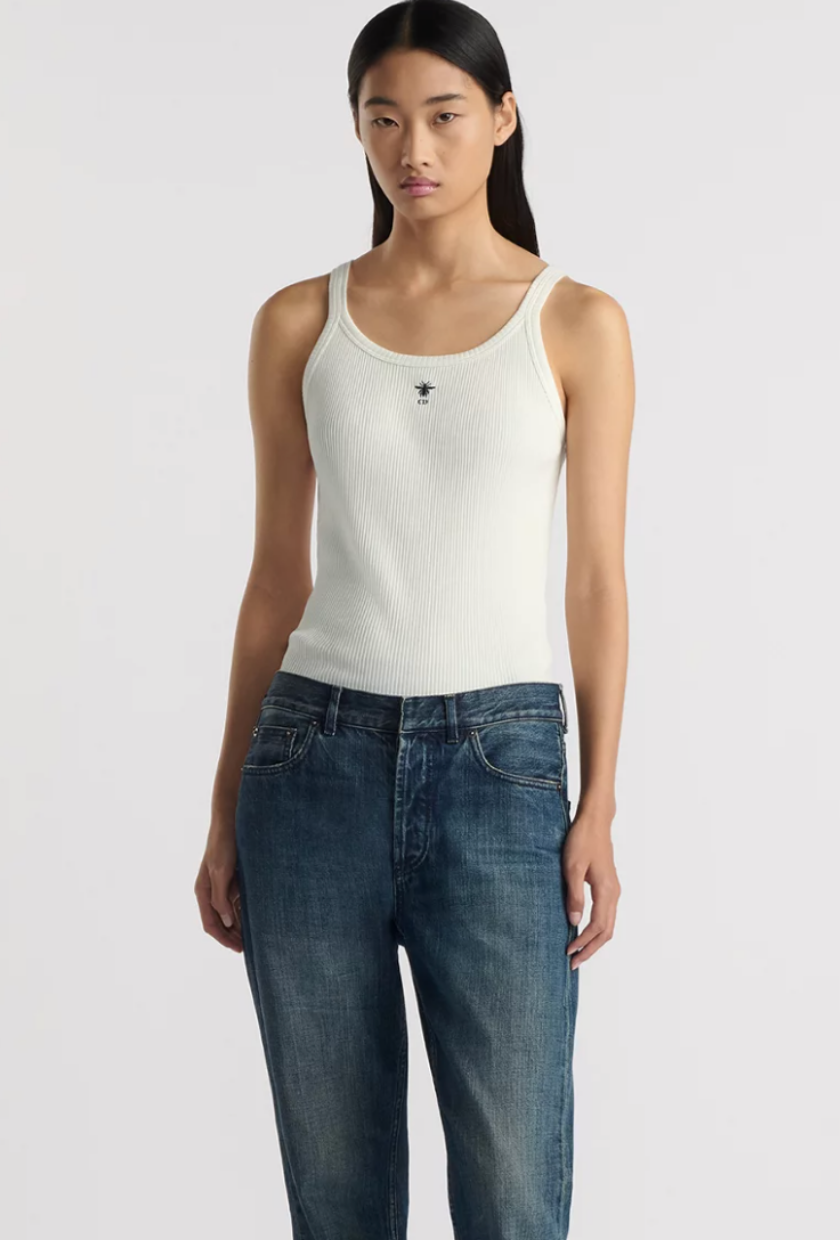
The simplest way of wearing logos is often the best. When Sophie Wilde arrived at Haute Couture Week, she styled a dramatically feathered skirt with a white tank top, its logo the only hint that it was Dior. If you can get a logo that quietly speaks instead of shouts, that is worth a bit of mania.
Shop 2026 Logos
Read on the original site
Open the publisher's page for the full experience