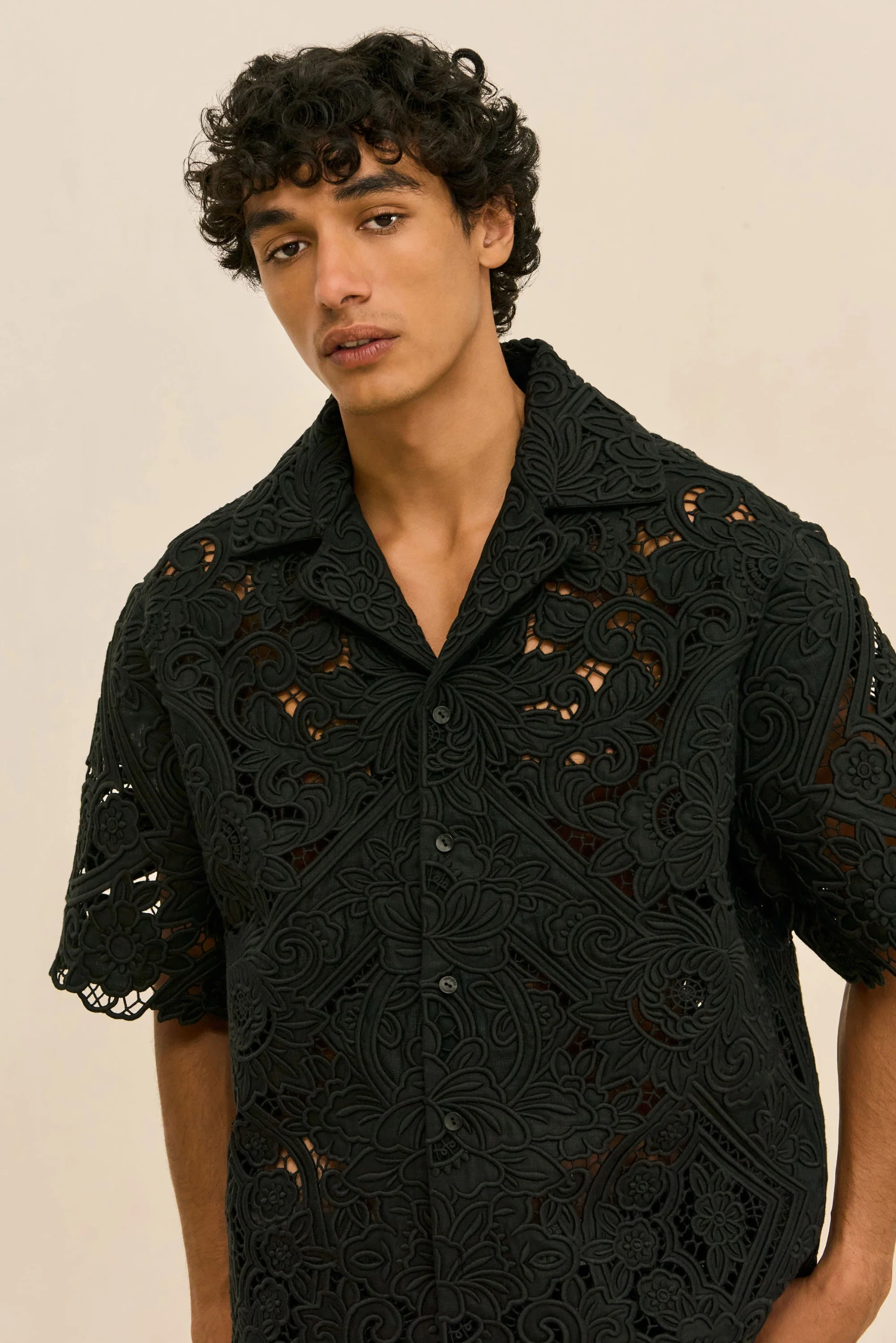
There is something quietly thrilling about watching men decide to dress again, not for the algorithm or the occasion, but for themselves. The essay on menswear's quiet return captures a shift we have been sensing across our own stories, a collective exhale away from the hoodie-and-sneaker cycle and toward something more deliberate. This is not a trend report. It is a reflection on intention, and we find ourselves nodding along, because dressing with purpose has never been about gender. It is about presence. And presence, as we explored in The Quiet Art of Dressing for a Life You Love, is the foundation of any wardrobe that actually serves the life you are living.
What resonates most is the observation that menswear had become stuck in a loop of whatever was trending, the sneaker, the hoodie, the oversize everything. We have seen this pattern in womenswear too, though it often manifests differently: a frantic chasing of what is new rather than what is right. The return described in the essay feels less like a revolution and more like a homecoming. Men are not suddenly wearing suits again out of obligation. They are choosing fabrics that feel substantial, cuts that require posture, and details that demand attention without shouting for it. This is quiet luxury in its truest form, and it mirrors the philosophy behind our own editorial lens. In Quiet Luxuries Worth Your Attention: The Sales Worth Shopping Now, we argued that the best investments are the ones you do not need to justify, and the same logic applies here. A man who reaches for a well-tailored coat over a logo-heavy puffer is not performing wealth. He is expressing self-awareness.
The practical consequence for our readers is this: the same principles that guide a refined women's wardrobe now apply across the aisle. Fit over fashion. Texture over trend. Restraint over excess. If you are shopping for a partner, a brother, or simply rethinking your own approach to dressing, look for pieces that demand nothing from the viewer but reward the wearer. A structured blazer in a natural fibre. A leather boot with a stacked heel. A sweater that holds its shape after ten wears. These are not arbitrary choices. They are small acts of self-respect. And as we noted in The Quiet Art of Dressing a Dress With Loafers in Paris, the most memorable outfits are the ones that feel like a natural extension of who you are, not a costume borrowed from a mood board.
What we are watching is not a return to formality for its own sake. It is a return to intention. Men are dressing with the same emotional clarity that women have been rediscovering in recent years: the understanding that what you wear is a conversation with yourself before it is a statement to the world. The open question is whether this quiet return will hold. Will it deepen into a lasting philosophy, or will it dissolve into the next micro-trend cycle? For now, we choose to believe in the former. Because when a man reaches for a garment that asks him to stand a little taller, he is not just dressing. He is deciding who he wants to be. And that, more than any silhouette or fabric, is worth watching.