One Royal Was Expected to Step Into Princess Diana’s Shoes, Says Royal Author
Our take
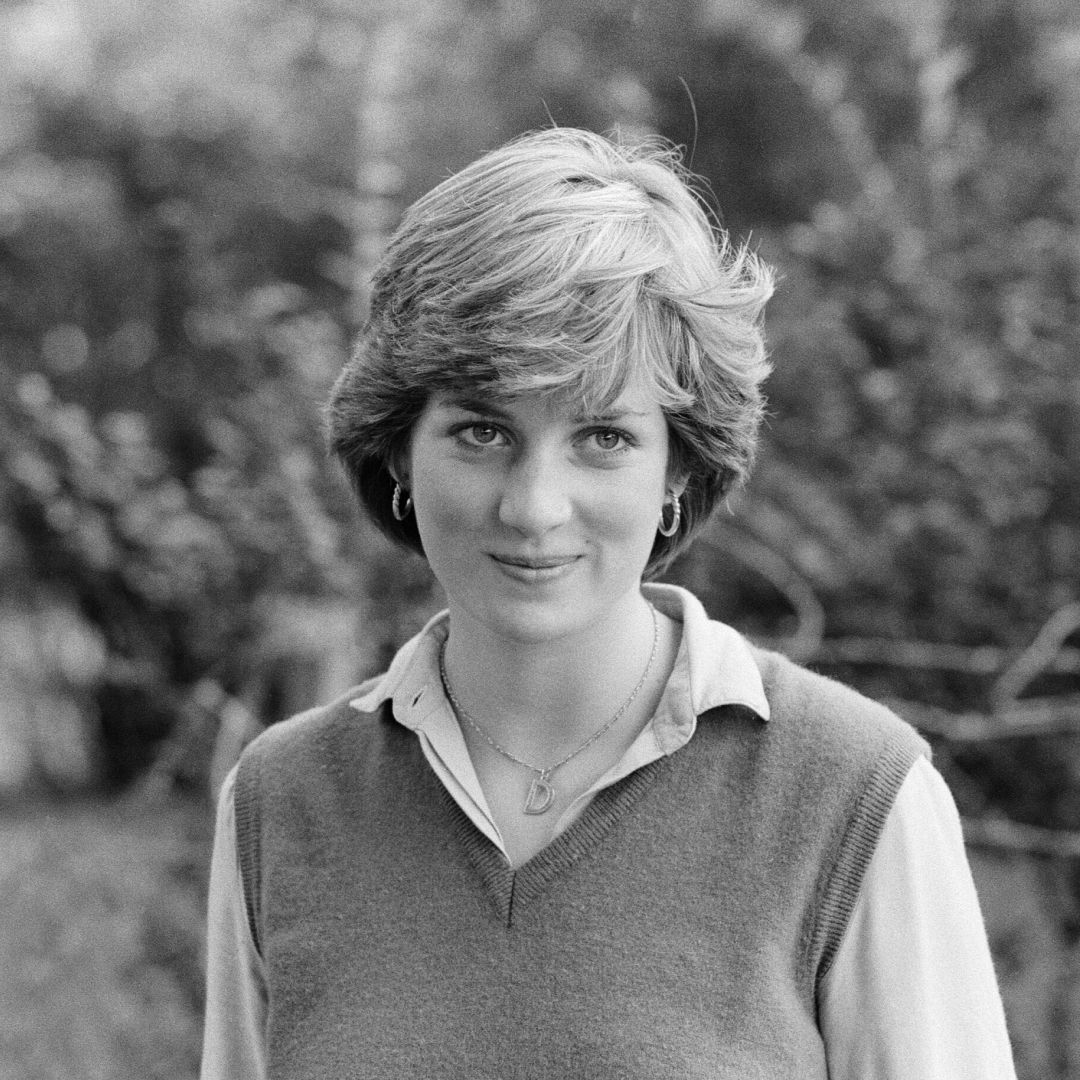
The enduring fascination with the British Royal Family, and particularly the shadow cast by Princess Diana, continues to shape narratives surrounding its contemporary members. The recent assertion by royal author Simon Vigar that Meghan Markle was once positioned to inherit Diana's mantle is revealing, not necessarily in its claim, but in what it illuminates about the institution’s expectations and the impossible standards it sets. It’s a recognition of the seismic shift Diana instigated – a move toward greater accessibility and emotional connection with the public – and the subsequent struggle to replicate that magic. The idea that Meghan, with her own unique brand of modern femininity and outspokenness, could have seamlessly filled that role is, in retrospect, perhaps naive. It speaks to a period of hopeful anticipation, a desire to believe in a continuation of Diana’s legacy, rather than a realistic assessment of the challenges facing a woman entering such a deeply traditional and scrutinized environment. As we’ve seen with the recent [The Retirement of a Longtime Royal Aide Could Change Prince Harry and King Charles’ Relationship], shifts within the royal household often carry broader implications for family dynamics and public perception, and the early hopes for Meghan’s integration were certainly impacted by such internal changes. The expectation placed upon her, as Vigar suggests, “should have been transformative,” but ultimately proved to be a burden rather than a catalyst for evolution. The comparison itself is inherently problematic. Diana arrived at a time of significant cultural change, a moment when the monarchy was actively seeking to modernize its image. Her youthful energy, her willingness to challenge convention, and her open displays of emotion resonated deeply with a public yearning for authenticity. Meghan, however, entered a system already grappling with its own identity crisis and resistant to radical change. Furthermore, the media landscape had evolved; the relentless scrutiny and often hostile coverage she faced were unprecedented, amplified by the 24/7 news cycle and social media. It's worth considering, too, how the institution’s handling of Queen Elizabeth's own legacy, as highlighted in [Queen Elizabeth Told a Royal Biographer That She Didn’t Recall Saying One of Her Most Famous Quotes: “Sounds More Like Queen Victoria”], demonstrates a persistent adherence to tradition, even when faced with questions about accuracy or public perception. The attempt to mold Meghan into a Diana-esque figure, therefore, seems to have overlooked the fundamental differences in their contexts and the inherent limitations of trying to replicate an individual’s unique impact. The desire for a similar level of public connection, however, clearly remains a goal, as evidenced by the continued discussion of royal engagement rings, a topic explored in [9 Celebrity Engagement Rings We'll Still Be Talking About in 20 Years], which underscores the public’s enduring fascination with these symbols of commitment and tradition. The ultimate failure to realize this “transformative” potential speaks to a deeper tension within the monarchy – the desire for relevance versus the preservation of established protocols. It’s a delicate balancing act, and one that requires a willingness to adapt without sacrificing the core values that underpin the institution. The fact that this expectation was even placed upon Meghan suggests a recognition of the need for change, but the subsequent handling of her situation reveals a reluctance to fully embrace it. The narrative surrounding her departure, and the ongoing complexities of her relationship with the Royal Family, serve as a cautionary tale about the challenges of navigating tradition and modernity in a world that demands authenticity and transparency. This isn't simply about two women; it’s about the monarchy's ongoing struggle to define its place in the 21st century. Looking ahead, the question becomes: how will the Royal Family learn from this experience? Will they continue to cling to rigid structures and expectations, or will they embrace a more nuanced and adaptable approach to engaging with the public and shaping their own narrative? The retirement of key figures, the evolving media landscape, and the changing expectations of a global audience all point to a need for significant introspection and a willingness to redefine what it means to be a modern royal.
Princess Diana set a standard for modern royalty that few could be expected to match. However, Meghan Markle was once expected to step into the late Princess of Wales’ shoes.
Royal author Simon Vigar compared the two figures in his new book The Four Wives of Windsor, describing the Duchess of Sussex as having “huge Princess Diana potential.” He pointed out that, like Diana, Meghan is “brilliant with the crowd” and “a doer.”
He added: “It is such a shame that it’s gone to waste.”
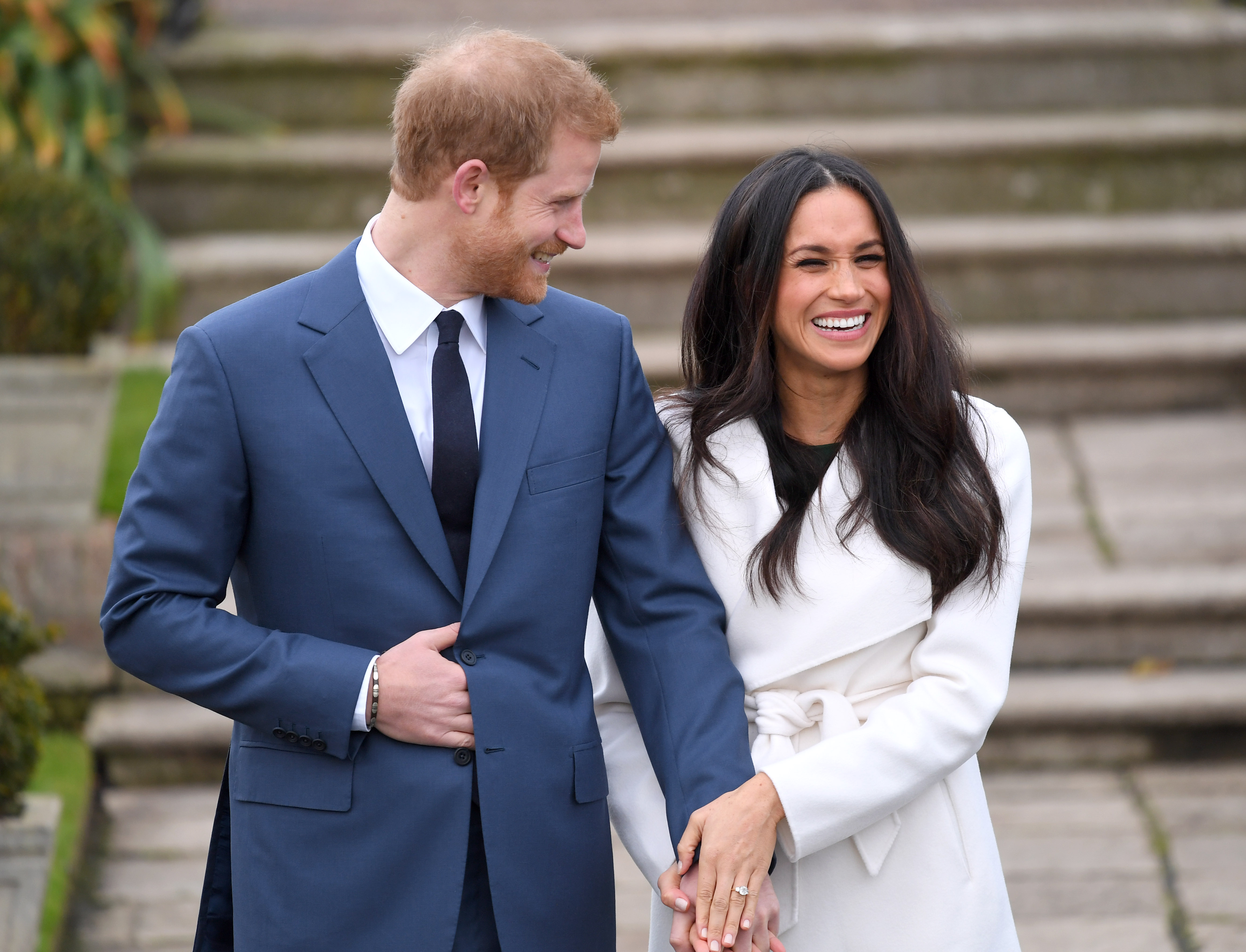
Two years after Prince Harry and Meghan’s royal wedding in May 2018, they dropped their royal titles and moved to Montecito, California. In the years since, their relationship with the rest of the royal family has been deeply affected by security battles and high-profile confessions.
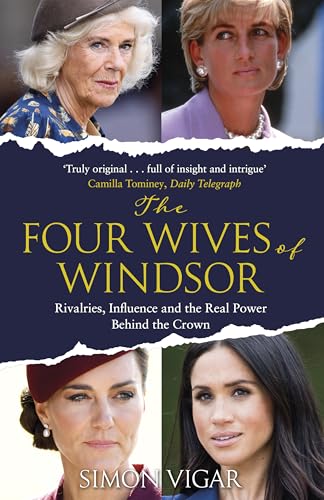
The author noted that Meghan came into the picture with “different expectations” than the late princess, hinting that her time as an actress came with more protection. He claims she “expected total PR control, which was not possible in the royal family."
“She should have been, could have been, fantastic for the royal family but egos on both sides got in the way,” he wrote. Simon also noted that her husband shared similar potential, writing that Harry and Meghan's union “should have been transformative" for the monarchy.
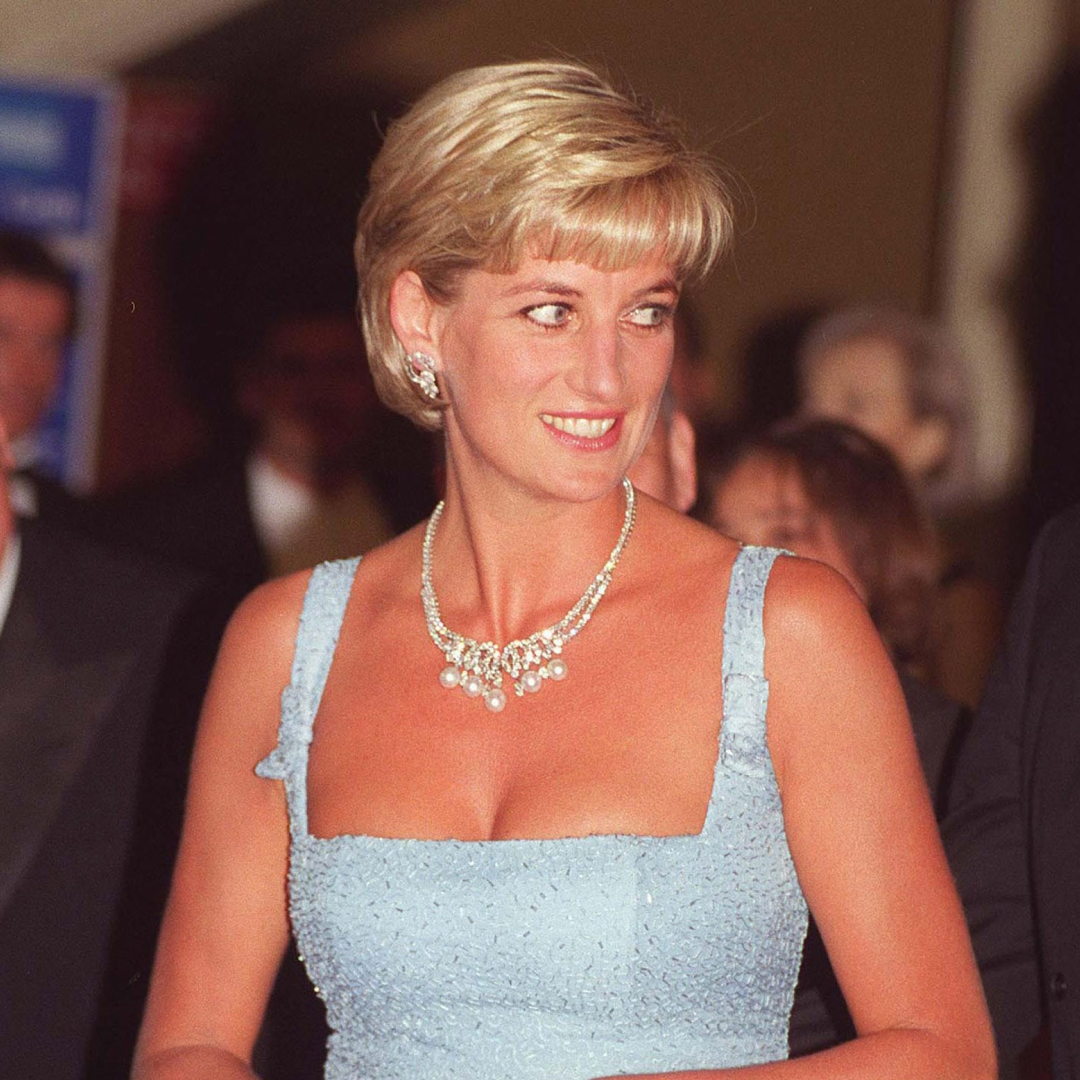
The royal author isn’t the first to compare the Duchess of Sussex to the late princess. Prince Harry has also highlighted similarities between his mother and wife.
In the Netflix documentary Harry & Meghan, the Duke of Sussex said, “So much of what Meghan is, and how she is, is so similar to my mum. She has the same compassion, the same empathy, she has the same confidence, she has this warmth about her."
Read on the original site
Open the publisher's page for the full experience