There is a particular kind of calm that settles over a person when they stop running toward something and start simply being where they are. Prince Harry's recent reflection on being back on British soil carries that exact energy. He does not frame it as a victory lap or a dramatic reconciliation. He calls it "great," a word so understated it feels almost radical in its simplicity. This is not the language of someone performing a narrative; it is the language of someone who has found a quiet footing. For a public figure whose life has been dissected in headlines, the choice to describe a homecoming in such grounded terms is a masterclass in emotional clarity. It suggests that the most powerful statement is often the one that does not try to convince anyone of anything.
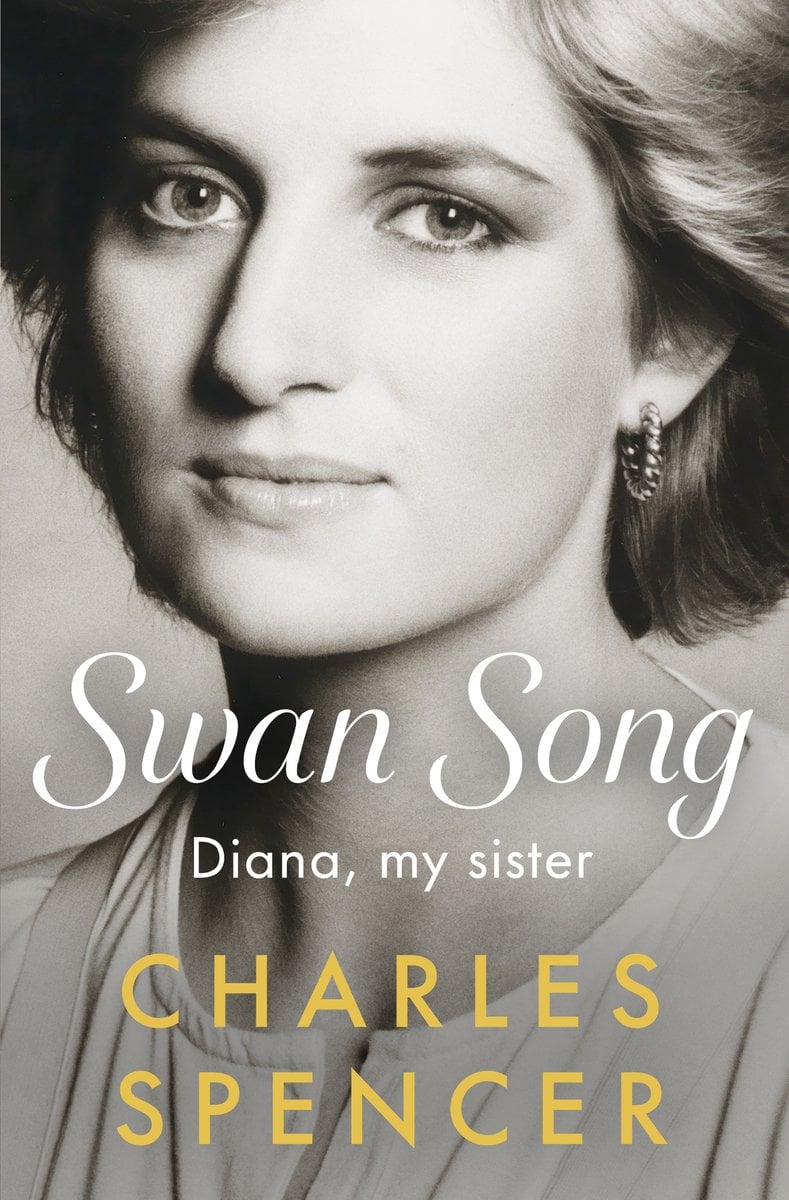
This return, however, does not exist in a vacuum. It threads into a larger story of family, memory, and the places we choose to call home. The coverage around his sister-in-law's family history and the significance of ancestral spaces reminds us that home is rarely just a structure; it is a collection of echoes. There is a parallel here that feels worth sitting with. When we watch a figure like Harry navigate his own version of belonging, we are really watching a mirror of our own negotiations with the past. The question is not whether he is happy, but whether he has finally allowed himself to be present enough to feel it. That is the part we can learn from, not the headlines, but the internal shift that makes a simple sentence like "It's been great" feel earned rather than performed.
For our readers, the practical takeaway is not about royal politics or transatlantic logistics. It is about the permission to redefine what a return means. Too often, we treat home as a fixed point on a map, a place we either belong to or have left behind. Harry's reflection suggests otherwise. Home can be a temporary state of mind, a moment of genuine comfort that does not require a permanent address or a perfect history. He is not asking for approval; he is simply stating a fact of his own emotional weather. That is a lesson in self-connection that transcends privilege. It asks us to consider: where in our own lives are we so busy managing perceptions that we forget to check in with our own quiet contentment? The answer, for many of us, is that we are too busy performing to notice.
What we would tell a reader who asked us about this is simple: watch what he does next, not what he says. The statement is a door opening, not a conclusion. The real question is whether this sense of ease translates into a more permanent presence, or whether it remains a fleeting visit to a feeling. His daughter's emerging sense of style and the family's ongoing connection to legacy suggest that the next chapter is being written with intention, not reaction. The specific detail to watch is whether this joy becomes a foundation or just a footnote. Because in the end, returning to British soil is easy. The harder task is staying grounded on the soil of your own life, without needing to announce it. That is the quiet luxury we should all be paying attention to.