Queen Camilla's Pride Month Meeting With J.K. Rowling Causes Backlash on Social Media
Our take
The recent backlash against Queen Camilla's meeting with J.K. Rowling highlights a fascinating tension within the public sphere – the collision of established institutions with evolving social values and the complexities of navigating sensitive cultural conversations. While Queen Camilla’s commitment to literacy and her longstanding support of reading initiatives are admirable, the choice to meet with Rowling, a figure increasingly controversial due to her views on transgender issues, has ignited a significant public outcry. The sentiment, as expressed by many online, that "there are many other admirable individuals to spotlight who champion reading for children and young people," underscores a desire for public figures, especially those in positions of influence, to demonstrate a broader understanding of inclusivity and to actively support marginalized communities. This situation feels particularly poignant given the increasing visibility of conversations surrounding gender identity and the importance of creating safe and affirming spaces for young people. It's a stark reminder of how even seemingly innocuous events can become flashpoints in larger cultural debates, as seen in recent trends like [Dua Lipa Trades Euro Summer Honeymoon Swimsuits for It Girl-Beloved Jeans] where personal style choices are inherently intertwined with public perception. The controversy isn't merely about disagreement with Rowling's viewpoints; it's about the symbolic weight of the Queen's endorsement. Royal figures, by their very nature, represent national unity and embody a certain level of social responsibility. Aligning with a figure perceived as transphobic, regardless of their literary contributions, risks alienating a significant portion of the population and sending a message that marginalization is acceptable. The Royal Family's traditionally cautious approach to political and social issues makes this particular incident even more noteworthy. It's a departure from the usual carefully orchestrated public image and demonstrates the increasing difficulty of maintaining neutrality in an era of heightened social awareness. This aligns with a broader shift we’ve observed – a move away from passive acceptance of traditional hierarchies and towards greater accountability for public figures, as exemplified by the popularity of dissecting celebrity trends, like the trainers showcased in [Trust Me, Trainers in This Trending Colour Will Be Everywhere This Summer], and their potential societal implications. The incident also sparks a larger question about the role of art and literature in addressing social issues, a debate that’s been simmering for years, and one that often finds itself entangled with the personalities behind the work. Beyond the immediate reaction, this situation speaks to a larger reckoning within institutions – a demand for them to actively demonstrate their commitment to progressive values. It’s no longer sufficient to simply *appear* benevolent; actions and associations must align with stated principles. The criticism leveled at Queen Camilla isn't just about her choice of company; it’s about the perception that the Royal Family is out of touch with the concerns of a younger, more diverse generation. The incident also highlights the difficulties faced by public figures who navigate complex social landscapes – balancing respect for individual viewpoints with the need to uphold principles of inclusivity and equality. It’s a tightrope walk, and one that requires a level of sensitivity and awareness that can be difficult to achieve, especially when dealing with established traditions and protocols. The willingness of individuals to openly challenge these institutions is a testament to the evolving power dynamics and the rising expectation for accountability. The sheer volume of online commentary, and the rapid spread of information, underscores the speed at which narratives are now shaped and disseminated, making managing public perception an increasingly complex challenge, as even conversations around seemingly frivolous topics like [It’s Time to Meet All 6 of ‘The Ultimatum’ Season 4 Couples (and Follow Them on Instagram)] demonstrate the power of social media to amplify voices and influence perception. Looking ahead, it will be interesting to observe how the Royal Family responds to this criticism and whether this incident marks a turning point in their approach to public engagement. Will they adopt a more proactive stance on social issues, or will they continue to prioritize neutrality and tradition?
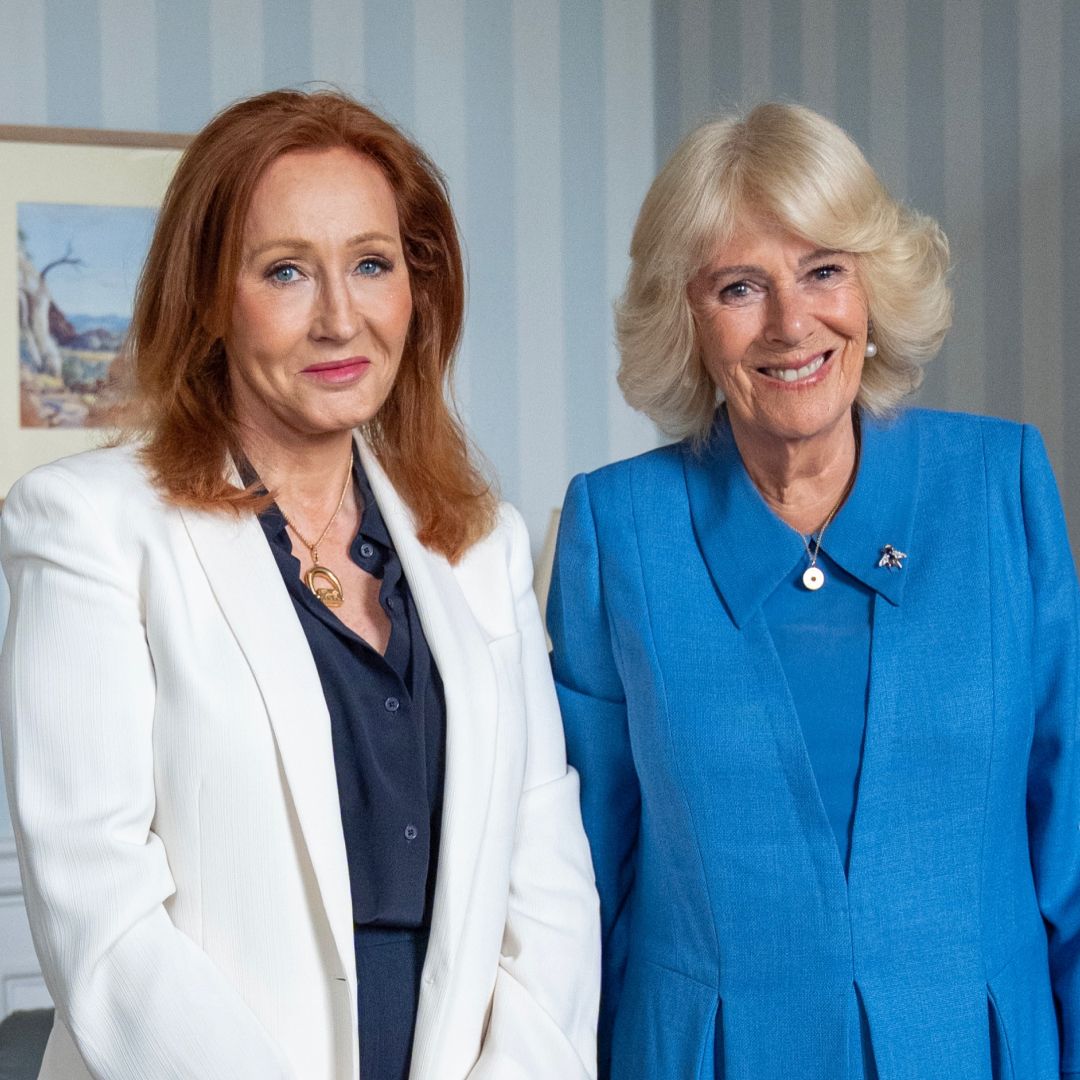
Queen Camilla has been a longstanding champion of reading and a supporter of literacy-related charities, often meeting with authors and visiting schools to read to children. But on Tuesday, June 30, the Royal Family received a barrage of negative comments after sharing a photo of The Queen with Harry Potter author J.K. Rowling.
Rowling has made repeated anti-trans comments over the years, and with their meeting taking place on the last day of pride month, The Queen's meeting with the author was criticized by many social media users.
“With a shared passion for books and a deep commitment to children reading for pleasure, The Queen and author J.K. Rowling have met at the Palace of Holyroodhouse in Edinburgh,” the Instagram post read.
According to Buckingham Palace, "Her Majesty and Ms Rowling discussed the importance of ensuring that young people have access to books and the vital part reading plays in opening doors for future generations.”
Rowling has become a divisive figure for her social media posts about the transgender community, and the Royal Family's comment sections on both Instagram and X were filled with fans expressing their disappointment over Queen Camilla's meeting.
“As an admirer of the Queen and her Reading Room I’m deeply disappointed in her giving a platform to JKR, any month but especially during Pride Month,” one Instagram user wrote. “There are many other admirable individuals to spotlight who champion reading for children and young people.”
Another comment read, "there's a lot of other children's authors (who have published kids books more recently than 20 years ago) that you could have worked with on this," adding several emojis of the transgender pride flag.
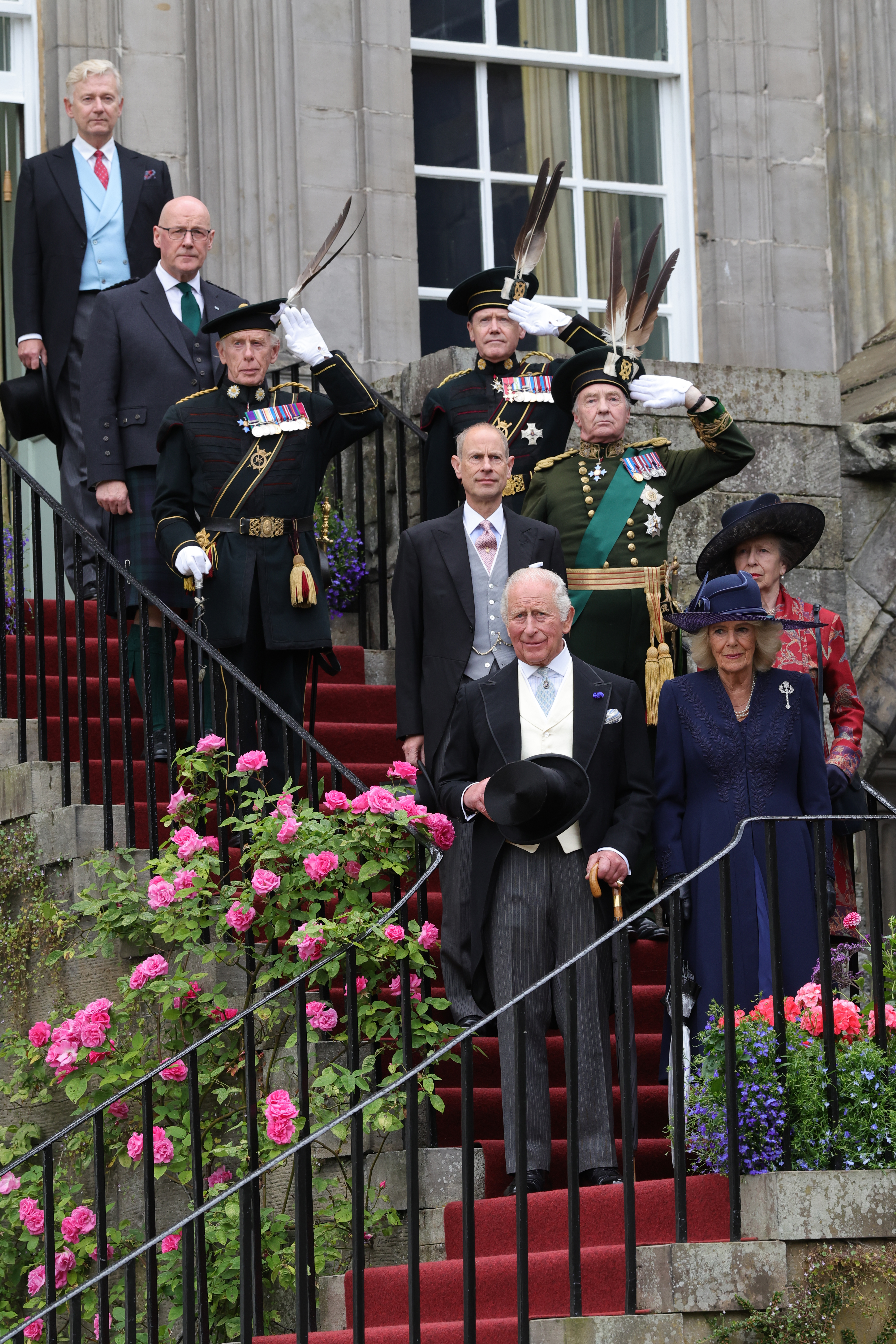
The Queen's meeting with Rowling took place in Edinburgh, where the author wrote the majority of her Harry Potter books, and kicked off Royal Week in Scotland for King Charles and Queen Camilla.
Read on the original site
Open the publisher's page for the full experience