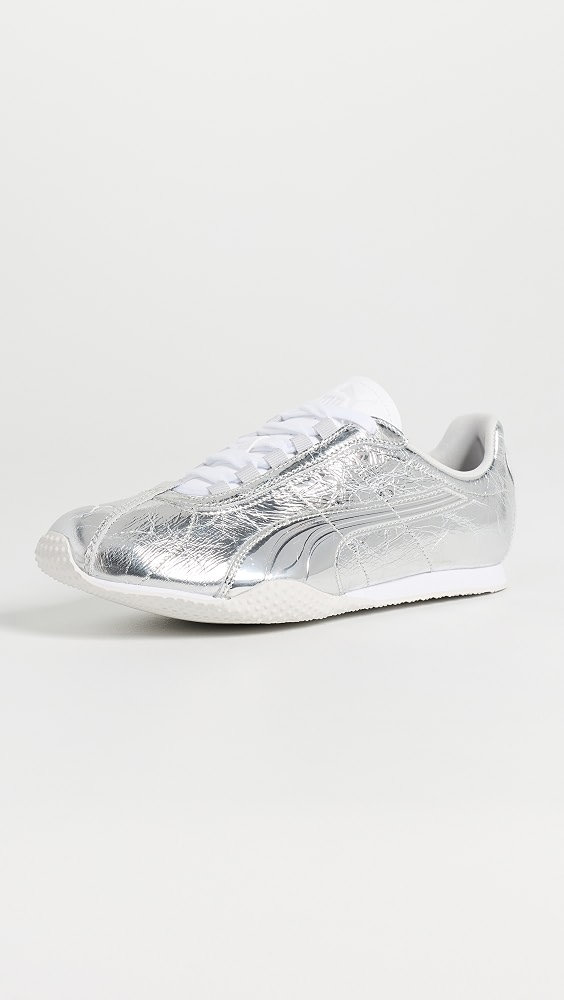
There is a particular kind of woman who understands that comfort is not the opposite of elegance, but its quiet foundation. The piece on swapping heavy boots for sneakers from Adidas to Puma speaks to this truth, yet it stops short of naming the deeper impulse beneath the choice. We would argue that this is not merely about seasonal practicality or a fleeting preference for cushioning. It is about the intentional curation of a life where every step feels like a choice, not a compromise. The author's admission that her sneaker game could use work is relatable, but the real work is not in finding a trendier pair; it is in recognizing that our most worn items are a direct reflection of how we move through the world. This connects to a broader conversation about the quiet power of your everyday style choices, where the mundane act of dressing becomes a daily practice of self-respect.
The tension here is not between boots and sneakers, but between the version of ourselves that performs for the cold and the one that yearns for lightness. Heavy boots are armor; they signal readiness for battle against the elements. Sneakers, in their best form, signal something more vulnerable and more confident: a belief that you can remain unbothered, that your feet will carry you without protest. This is why we find the article's framing so compelling, and why we would push it further. The author is not just looking for a different shoe; she is looking for a different state of being. She wants the ease of a ballet flat with the support of a boot, and in that desire, she is asking a question that extends beyond footwear. How much of our daily discomfort is self-imposed, a habit of bracing against a storm that may not come? This is where the piece intersects with a harder truth explored in the quiet cost of wearing your values in alt fashion, where the choice to wear something different often carries a weight that others do not see.
For our readers, the practical takeaway is not to rush out and buy the latest Adidas collaboration. It is to audit your own relationship with the clothes that carry you. When you reach for a sneaker over a boot, are you doing it because you are retreating from the world, or because you are walking toward something with a lighter step? The article hints at this by mentioning the crisp fall forecast, a fleeting window before winter forces your hand. We would argue that this is the moment to be intentional, not reactive. The concrete consequence of this perspective is simple: your sneaker game will never improve through accumulation, only through alignment. Choose the pair that does not ask you to be anyone else, and you will find that the streets of New York, or anywhere else, become less about survival and more about presence. The question we are left with is not whether you can wear sneakers with a dress, but whether you can wear them without apology. That is the quiet luxury that no boot can offer.