Rennae Stubbs Has Thoughts About the U.S. Open's Influencer Controversy
Our take
The recent uproar surrounding influencer presence at the U.S. Open has sparked a predictable wave of commentary, but Rennae Stubbs’ perspective – delivered with her characteristic candor – cuts through the noise. While the debate centered on whether influencers were distracting from the actual tennis, Stubbs’ reminder that they bring visibility and, crucially, a new audience to the sport feels particularly relevant. The controversy highlighted a tension inherent in modern sports fandom: the desire for a pure, uninterrupted experience versus the reality of a media landscape increasingly shaped by digital personalities. It’s a conversation that mirrors broader shifts in how we consume entertainment and engage with brands, a phenomenon explored in pieces like 20 Fashion Aesthetics Over 20 Years: All the Vibe Shifts That Mattered which demonstrates how evolving aesthetics influence audience expectations and engagement. The pushback against influencers often ignores the simple truth that many younger fans discover sports – and individual athletes – through social media, and influencers act as a vital bridge between the traditional sporting world and these emerging audiences. Seeing Dakota Johnson effortlessly style a Dakota Johnson Styles the Perfect One-and-Done T-Shirt Dress from Toteme for a 'Verity' Appearance demonstrates a similar principle – the way style icons can elevate a brand and bring it to a wider audience.
The core of the issue isn’t necessarily the influencers themselves, but the perceived lack of control and curation around their presence. The U.S. Open, like many sporting organizations, is navigating a delicate balance between leveraging the reach of social media and maintaining the integrity of the event. There’s a valid concern about prioritizing aesthetics or viral moments over the athleticism and skill on display. However, completely shutting out influencers risks alienating a significant portion of potential fans, particularly those who consume content through platforms like TikTok and Instagram. Stubbs’ point about the need to “remind” people that influencers bring eyeballs to the sport is a gentle but powerful observation. It’s a reminder that the landscape has shifted, and resisting that shift entirely is likely to prove counterproductive. The incident also underscores the ongoing evolution of celebrity – and how the lines between traditional fame and influencer status continue to blur. Sienna Miller’s understated, chic style, as showcased in Sienna Miller Twists Her Business-Casual Look From Mango Into Fall's Cool-Girl Uniform exemplifies this – a quiet confidence and effortless style that resonates with a sophisticated audience, a quality many influencers strive to cultivate.
Beyond the immediate controversy, this situation reflects a broader trend in the sports and entertainment industries: the increasing commodification of attention. Every platform, every event, is vying for a share of our limited time and focus. Influencers, by definition, are experts in capturing and monetizing that attention. While traditional sports organizations may resist this shift, the reality is that they need to adapt to survive and thrive in a digital age. Dismissing influencers as mere distractions ignores the valuable role they play in expanding audiences and driving engagement. The key lies in finding a way to integrate them strategically, ensuring that their presence enhances, rather than detracts from, the core experience. This might involve curated partnerships, clear guidelines for content creation, and a greater emphasis on authenticity and relevance.
Ultimately, the U.S. Open influencer debate is a microcosm of a larger cultural conversation about the evolving nature of fandom and the role of social media in shaping our entertainment experiences. The question isn’t whether influencers *should* be present, but *how* they can be integrated in a way that benefits both the sport and the audience. What remains to be seen is whether sporting organizations will embrace this shift and proactively shape their relationship with influencers, or continue to react defensively to their growing influence. Will we see a future where influencers are seamlessly woven into the fabric of sporting events, or will the tension between traditional fandom and digital culture continue to fuel these periodic controversies?
While there was plenty to say about the actual sport at this year's U.S. Open—notably, two American women, Coco Gauff and Jessica Pegula, made it to the women's singles semi-final, while Ben Shelton became the first Black American man to make it to the final since Arthur Ashe over 50 years ago—the tournament also made headlines for another reason. There was an influencer controversy when some attendees caused a commotion by taking photos, including with ring lights, during games.
Influencers at tennis matches are nothing new, but their mid-game photoshoots didn't go unnoticed. Some players voiced their thoughts on the matter, too.
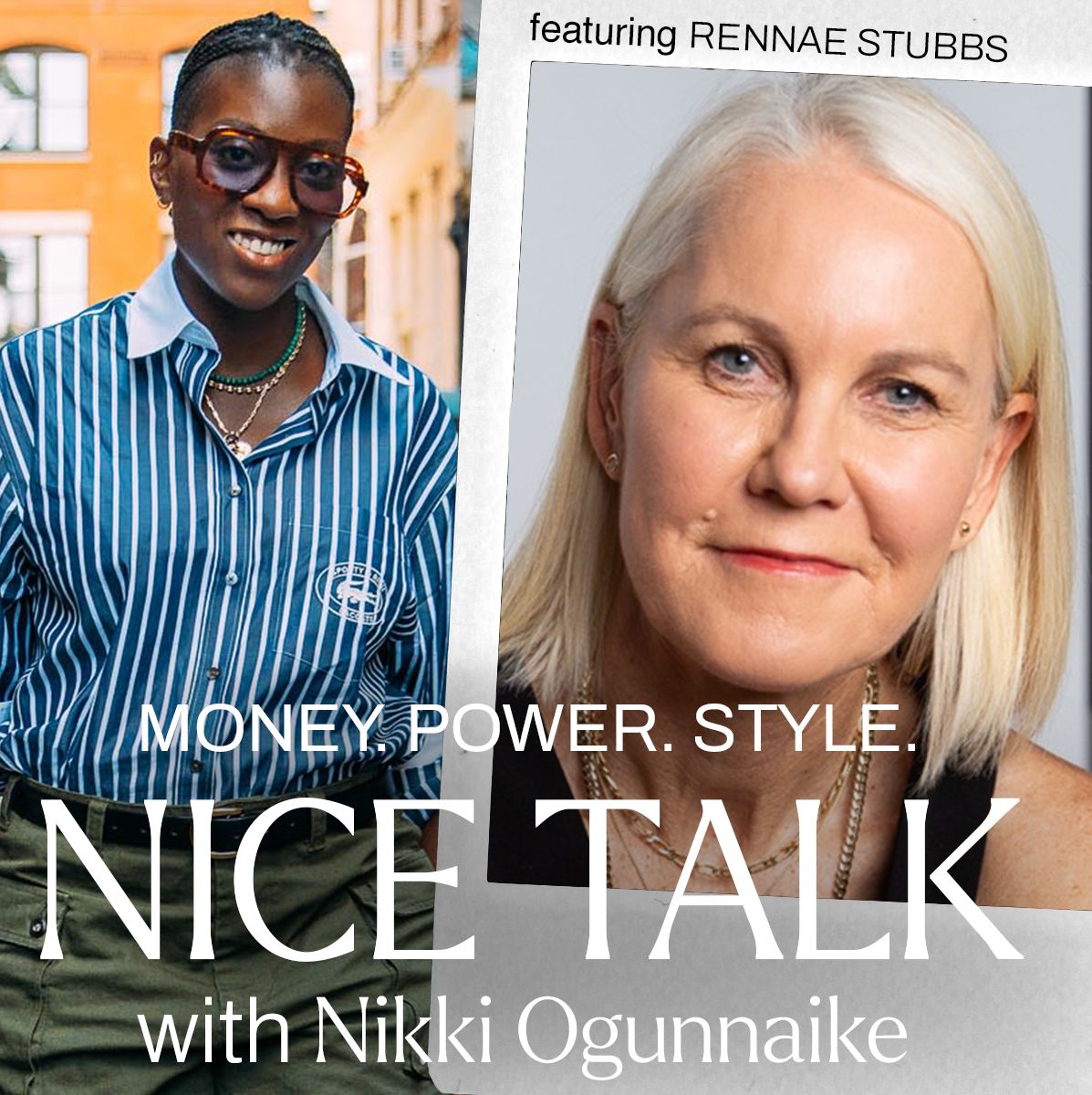
On the latest episode of "Nice Talk," Australian tennis coach and former player Rennae Stubbs shares what she thinks about the controversy.
"I think it's really important to have people that aren't necessarily tennis experts or even interested, quote unquote, in tennis coming,” Stubbs tells editor-in-chief Nikki Ogunnaike at the Asics House of Tennis during the tournament, “because it brings eyeballs to the tennis that we wouldn't have normally, right?"
But, the four-time Olympian goes on, when you're actually there, “have respect for what is happening on the court. That's really important. I'm fine for you being in there ... But at at the end of the day, this is a sporting event that those two competitors that are on that court are working their ass off, and they work their ass off every day to be there and just show them the respect that they deserve."
Stubbs really does think that tennis and influencers can be a great mix, though, and hugely beneficial for the sport. She points to how influencers like Paige Lorenze (who is married to tennis player Tommy Paul) and Morgan Riddle (who was in a relationship with player Taylor Fritz) helped promote the sport with tennis-centric content, covering their lifestyle and talking about what to wear to matches.
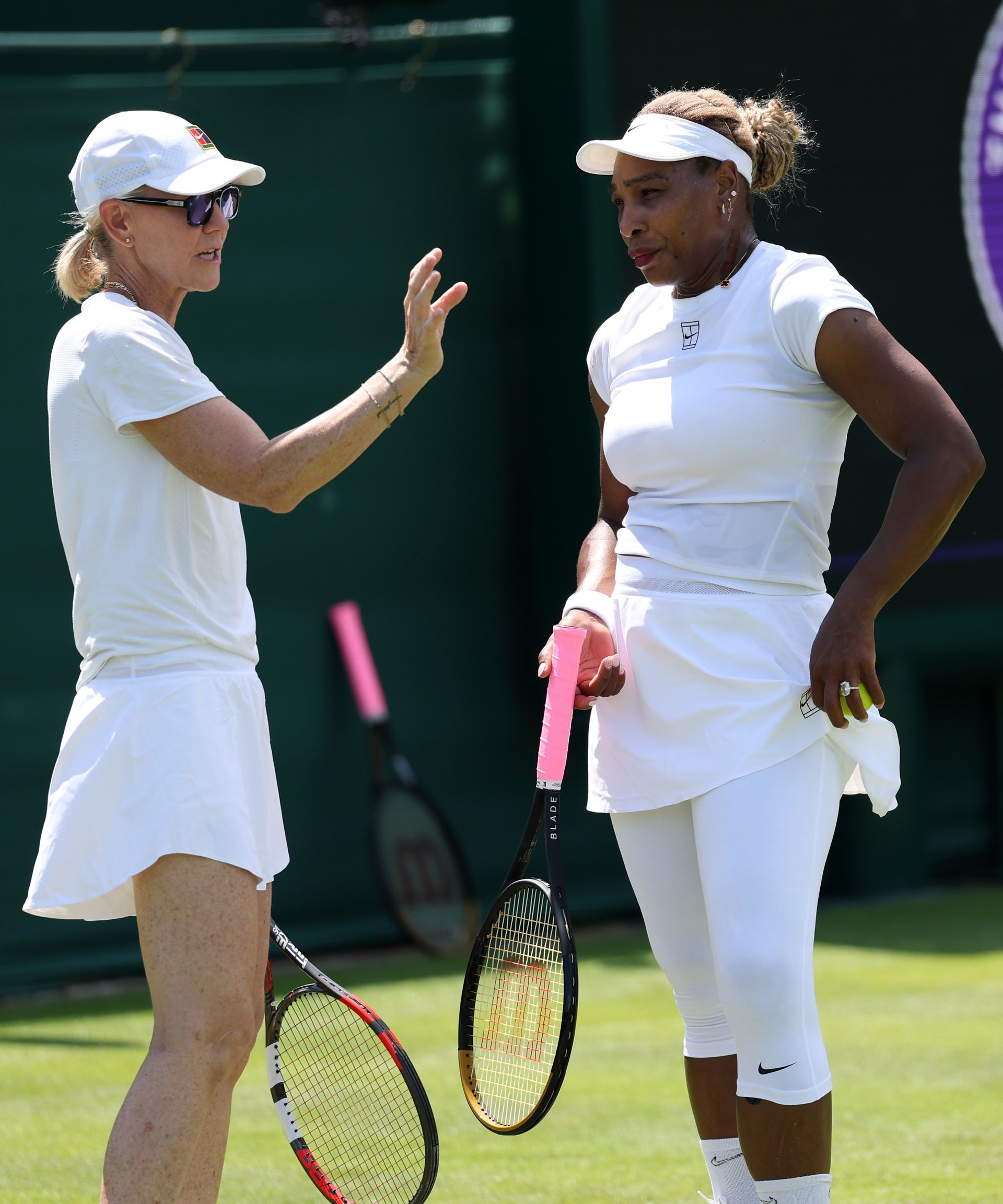
Stubbs also mentions Ayan Broomfield, a former player-turned-influencer, who has made it her mission to get more women of color into stadiums—spaces some have felt were inaccessible or where they might not feel welcome.
"She played tennis at UCLA. She was a very good tennis player in her own right. She travels and is with Francis Tiafoe. And she's bringing so many new eyeballs, particularly women of color, into the sport of tennis and showing them that you can be cool, this is a place where you can be and you are invited into that we are here for you," Stubbs says. "I mean, I can't stress to you enough how important that is."
And the impact of tennis becoming more diverse, and of more people becoming fans, is something she believes will be felt for years to come.
The six-time doubles majors champ continues, "What I've seen, particularly with, obviously, what Venus and Serena [Williams] brought to the sport, and the young women that now play tennis and are really good tennis players that are women of color, and the fact that Francis Tiafoe again is in the semi-finals of the U.S. Open, he's only going to bring other young boys of color into tennis. So the more people we have like this in the sport is only going to make the sport better and more interesting."
For more from Stubbs—including what she learned from coaching Serena Williams—check out this week's installment of "Nice Talk." The episode is available everywhere you listen to podcasts.
Read on the original site
Open the publisher's page for the full experience