Sea Moss Is Everywhere Right Now, But What Can It Actually Do For You?
Our take
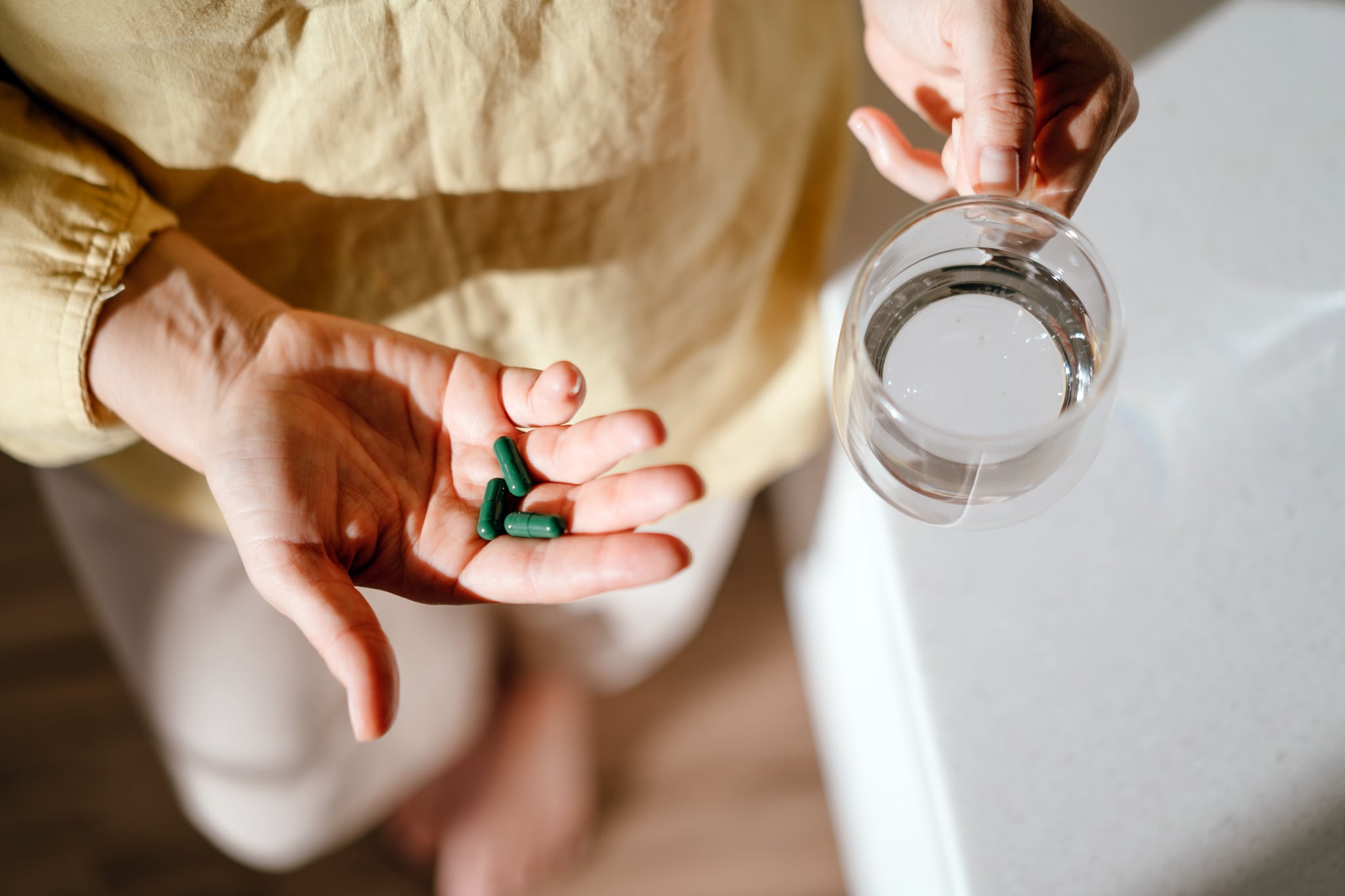
The internet’s current obsession with sea moss feels, at first glance, like just another iteration of the wellness trend cycle. We’ve seen it all before – the acai bowl craze, the activated charcoal everything, the endless parade of superfoods promising miraculous transformations. And just as we questioned the validity of those earlier fads, the sudden ubiquity of sea moss—being touted as a nutritional powerhouse—demands a measured perspective. The popularity mirrors a broader cultural shift documented in our piece Have We Finally Outgrown "What I Eat in a Day" Videos?, where the relentless documentation of dietary habits is beginning to feel performative rather than genuinely informative. It's easy to get swept up in trends, but discerning genuine benefit requires a deeper look than just scrolling through Instagram reels. This isn’t to dismiss sea moss entirely; rather, it's an invitation to approach it with the thoughtful discernment we apply to all wellness claims. The surge in interest also reflects a growing consumer desire for natural and holistic remedies, a desire that often gets conflated with the promise of quick fixes.
The core appeal of sea moss, scientifically known as *Chondrus crispus*, lies in its purported mineral content – containing over 90 trace minerals, it’s marketed as a way to address deficiencies and support overall health. Proponents claim it can improve digestion, boost immunity, and even enhance skin health. However, it’s crucial to temper these claims with scientific rigor. While preliminary research suggests potential benefits, much of the evidence remains anecdotal or based on small-scale studies. The narrative of the "miracle cure" is a familiar one, and it’s important to remember that true wellness is rarely achieved through a single supplement. Consider, too, the stories of individuals navigating complex health conditions, such as those detailed in Celiac and Crohn's Made Every Meal Feel Like a Risk. Here's How She Healed.—sea moss may offer support for some, but it’s hardly a universal solution, and could even interact negatively with certain medications or pre-existing conditions. Responsible consumption demands a personalized approach, ideally guided by professional medical advice.
Beyond the scientific debate, the sudden explosion of sea moss products—from powders and capsules to gels and even skincare—raises questions about sustainability and ethical sourcing. The increasing demand could put pressure on marine ecosystems, particularly if harvesting practices are not carefully managed. It’s a familiar echo of other natural resource booms, where consumer desire outpaces responsible stewardship. We've witnessed, in our own coverage of inclusive representation, a parallel shift in consumer values—the push for brands to reflect and celebrate diverse narratives, as seen in Popsugar Pulse's "Elle" Cover Is For the Girls—and this principle of ethical consideration should extend to the origins of the products we consume. Transparency in sourcing and sustainable harvesting methods are critical to ensuring that the pursuit of personal wellness doesn’t inadvertently contribute to environmental degradation.
Ultimately, the sea moss phenomenon reflects a broader cultural hunger for accessible wellness solutions in a world increasingly defined by complexity. While the potential benefits warrant further investigation, a grounded and informed perspective is essential. The key isn't to embrace sea moss blindly as a panacea, but to consider it as one potential element within a holistic approach to well-being—one that prioritizes sustainability, ethical sourcing, and personalized, professional guidance. As the sea moss trend continues to evolve, the question remains: will we learn to harness its potential responsibly, or will it become just another fleeting fad, leaving behind a legacy of unsustainable practices and unfulfilled promises?
Sea moss has had quite the glow up. Whereas before, most people would consider it an especially slimy supplement, now you'll find it snuggled on the shelves at Erewhon, marketed as a cure-all for glowing skin, immunity, and gut health. Perhaps it's this reason why the marine marvel has been touted as the latest and greatest superfood. But is sea moss really as good for you as people say?
Sea moss, a nutrient-dense form of red algae, is rumored to help with heart and gut health, skin elasticity, and even weight management. But we're going to need a little more proof before stomaching a spoonful of algae gel. To get to the bottom of these claims, we turned to registered dietitians to find out what sea moss can (and can't) do for you. Read on to learn more about the aquatic wonder, including real benefits, side effects, and tips for incorporating sea moss into your own routine.
Experts Featured in This Article:
Jen Scheinman, MS, RDN, CDN, is a registered dietitian nutritionist and the creator of Next Jen Health.
Mascha Davis, MPH, RDN, is a registered dietitian and the author of "Eat Your Vitamins."
What Is Sea Moss?
Sea moss, also known as Irish moss or red seaweed, is a type of red algae that grows along the rocky parts of the Atlantic coastlines of Europe and North America. "While it's gaining a lot of popularity in the wellness world now, it's actually been consumed as part of traditional diets, especially in coastal regions like the Caribbean, Ireland, and parts of Asia," says Jen Scheinman, MS, RDN, CDN.
Known for its high nutrient content, sea moss is a great source of iodine, potassium, calcium, and vitamins A, D, E, and K. It's often used in food for its gelling properties, which means it often comes in gel form. Scheinman explains that "while there are not a lot of studies done with sea moss, it's purported to have benefits ranging from thyroid health to gut health."
"A four-tablespoon serving of Irish sea moss provides 10 percent of the daily value (DV) for iron, 7 percent of the DV for magnesium, and 4 percent of the DV for zinc, all for only 10 calories," says Mascha Davis, MPH, RDN. Sea moss supplements are typically sold in gel, gummy, or tablet form.
Sea Moss Health Benefits
Here's a list of what sea moss can do for your health, according to experts. As a note, make sure to consult with a doctor before starting any new medication or supplement, especially since supplements are not regulated by the Food and Drug Administration (FDA).
Improved thyroid function: One remarkable benefit of sea moss is its high iodine content, which is crucial for proper thyroid function. This vital nutrient helps in the production of thyroid hormones, which are responsible for regulating metabolism, energy production, and cellular repair in the body. That said, "if you are considering using sea moss and you have a thyroid disorder, you'll definitely want to connect with your healthcare practitioner, as too much iodine can have a negative impact on the thyroid," Scheinman cautions.
Stronger immunity: Sea moss is known for its potential to support a healthy immune system. Packed with antioxidants and vitamins such as vitamin C, sea moss may play a role in bolstering the body's defenses against common illnesses and infections.
Healthier skin: There's a reason people start to see a glow after taking sea moss. The supplement is high in sulfur, which is often dubbed "nature's collagen" and used as a therapeutic agent in a variety of dermatologic disorders. It may enhance the elasticity and suppleness of the skin, promote faster healing of cuts and burns, and provide relief for conditions such as eczema and psoriasis.
Better gut health: "Sea moss is a good source of fiber and prebiotics (nutrients that support your gut microbiome), so it may have a beneficial effect on gut health," Scheinman says. Sea moss also supports digestive health thanks to its high mucilage content. This gel-like substance may help gut health by easing discomfort and aiding in the smooth transit of food through the digestive tract.
Reduced inflammation: The high antioxidant content of sea moss means that it could help lower inflammation and potentially lower your risk of chronic illness. This includes conditions like heart disease, some forms of cancer, and metabolic conditions like type 2 diabetes, Scheinman says.
Sea Moss Side Effects
While sea moss is often celebrated for its health benefits, it's important to be aware of its potential side effects, too. Overconsumption can lead to an excess of iodine, which might disrupt thyroid function. Additionally, because sea moss acts as a blood thinner, those taking anticoagulant medications should exercise caution and speak with a doctor before using sea moss. On that note, it's always advisable to consult with a healthcare provider before incorporating sea moss, or any new supplement, into your diet.
Also worth nothing: "Sea moss might pose a risk of elevated heavy-metal intake since seaweed has a tendency to absorb and accumulate heavy metals," Davis tells PS. Plus, "eating too much sea moss can trigger an upset stomach, diarrhea, and/or constipation," Scheinman says.
How to Add Sea Moss to Your Diet
Once you get the go-ahead from your doctor, adding sea moss to your diet is simple (with a little know-how). You can also take sea moss in capsule form and skip the recipes, but here are some more creative ideas to add sea moss into your routine:
Smoothies: Add sea moss gel to your favorite smoothie recipe for a boost of nutrients. You'll even find it in Hailey Bieber's viral Strawberry Glaze smoothie at Erewhon.
Teas and beverages: Stir a spoonful of sea moss gel into hot teas or homemade juices.
Soups and stews: Mix sea moss gel into broths or stews to thicken them and add more minerals.
Baked goods: Use sea moss as a healthy additive in bread, cakes, or muffins.
Sauces and dressings: Blend sea moss into sauces, dressings, or dips for added texture and nutrients.
Breakfast bowls: Top off oatmeal or yogurt bowls with a spoonful of sea moss gel.
Desserts: Incorporate sea moss gel into dessert recipes like puddings or vegan jellies for a healthful twist.
165578
— Additional reporting by Chandler Plante
Lauren Manaker is an award-winning registered dietitian and freelance writer who is passionate about providing evidence-based nutrition information in a fun and interesting way Chandler Plante (she/her) is a staff writer and producer for PS Fit. She has over six years of industry experience, previously working as an editorial assistant for People magazine, a social media manager for Millie magazine, and a contributor for Bustle Digital Group. She has a degree in magazine journalism from Syracuse University and is based in Los Angeles.Read on the original site
Open the publisher's page for the full experience