The 2010s Runway Beauty Looks That Defined The Decade
Our take
The 2010s were a seismic shift for fashion, and particularly for beauty, largely due to the democratization of access afforded by platforms like Instagram. The article’s focus on runway beauty looks and their subsequent influence is entirely relevant to understanding this evolution. Before 2010, runway beauty was largely filtered through the lens of established editors and publications, creating a controlled narrative. The arrival of Instagram fundamentally disrupted this, allowing direct, unfiltered glimpses into designer visions and, crucially, empowering individuals to interpret and replicate those looks. We’ve seen this ripple effect across various trends; for example, the recent resurgence of early 2000s aesthetics, perfectly exemplified by Lili Reinhart’s recreation of Kate Hudson's iconic 'How to Lose a Guy in 10 Days' Butter Yellow Gown [/post/lili-reinhart-recreates-rom-com-history-in-kate-hudson-s-dre-cmtrjtz4w06jfrgedgijihkvm], demonstrates the lasting power of cinematic and runway moments captured and shared online. This shift moved beauty from a curated, exclusive experience to a participatory, globally-shared phenomenon.
The decade’s runway beauty wasn’t just about the looks themselves; it was about the *documentation* of those looks. Designers began to understand that the runway show was no longer the end point, but rather the starting point for a much wider conversation. This led to more visually arresting and Instagrammable makeup and hair choices – bolder colours, more experimental textures, and looks that translated well in a still image. The article rightly highlights this impact. It’s fascinating to consider how this has altered the creative process; makeup artists and hairstylists now design not just for the runway itself, but also for the inevitable online scrutiny and replication. This awareness has, arguably, fostered a period of experimentation, although it also introduces the pressure of immediate, global judgment. Fashion news – September 07, 2026 [/post/fashion-news-september-07-2026-cmtrjt62b06ivrgedj8w98gfn] demonstrates this constant churn, this need to stay ahead of the curve in a rapidly evolving landscape.
Looking back, certain trends from the 2010s runways stand out as particularly influential. The sculpted brow, the bold lip (often matte), and the dewy, almost wet-looking skin all permeated mainstream beauty culture. These weren’t simply fleeting trends; they became foundational elements of a modern aesthetic. While specific iterations have evolved, the underlying principles – a focus on definition, a touch of drama, and a healthy glow – remain remarkably relevant today. Moreover, the rise of "no-makeup makeup" looks on the runway, though seemingly contradictory to the bolder trends, also had a profound impact. This championed a more natural, effortless beauty, encouraging a focus on skincare and a rejection of overly-heavy application. Even the seemingly simple act of showcasing a cute illustration, IG: sara.williams_ [/post/cute-illustration-i-made-ig-sara-williams-cmtrjs1d406htrgedc7uwh1jj] demonstrates how visual culture, influenced by runway trends, continues to shape personal style and self-expression.
Ultimately, the legacy of 2010s runway beauty is one of democratization, acceleration, and a blurring of the lines between high fashion and everyday life. The Instagram effect fundamentally reshaped the beauty industry, creating a dynamic ecosystem where trends are born, evolve, and disappear at an unprecedented pace. It’s led to a more diverse and inclusive beauty landscape, though challenges remain in ensuring equitable representation and celebrating a wider range of aesthetic expressions. The question now is: how will the rise of TikTok and other short-form video platforms further reshape runway beauty and its influence on the wider world? Will we see a shift away from still imagery towards dynamic, moving visuals, and what new creative possibilities will that unlock?
Fashion week gatekeeping died when Instagram hit the app store in 2010. The photo-sharing social media platform allowed anyone, anywhere access to shows and events that were once exclusive to editors, celebrities, and buyers. As a result, designer debuts, runway spectacles, and A-list front rows instantly went viral throughout the decade. The 2010s runway beauty moments were also hit with Instagram effect.
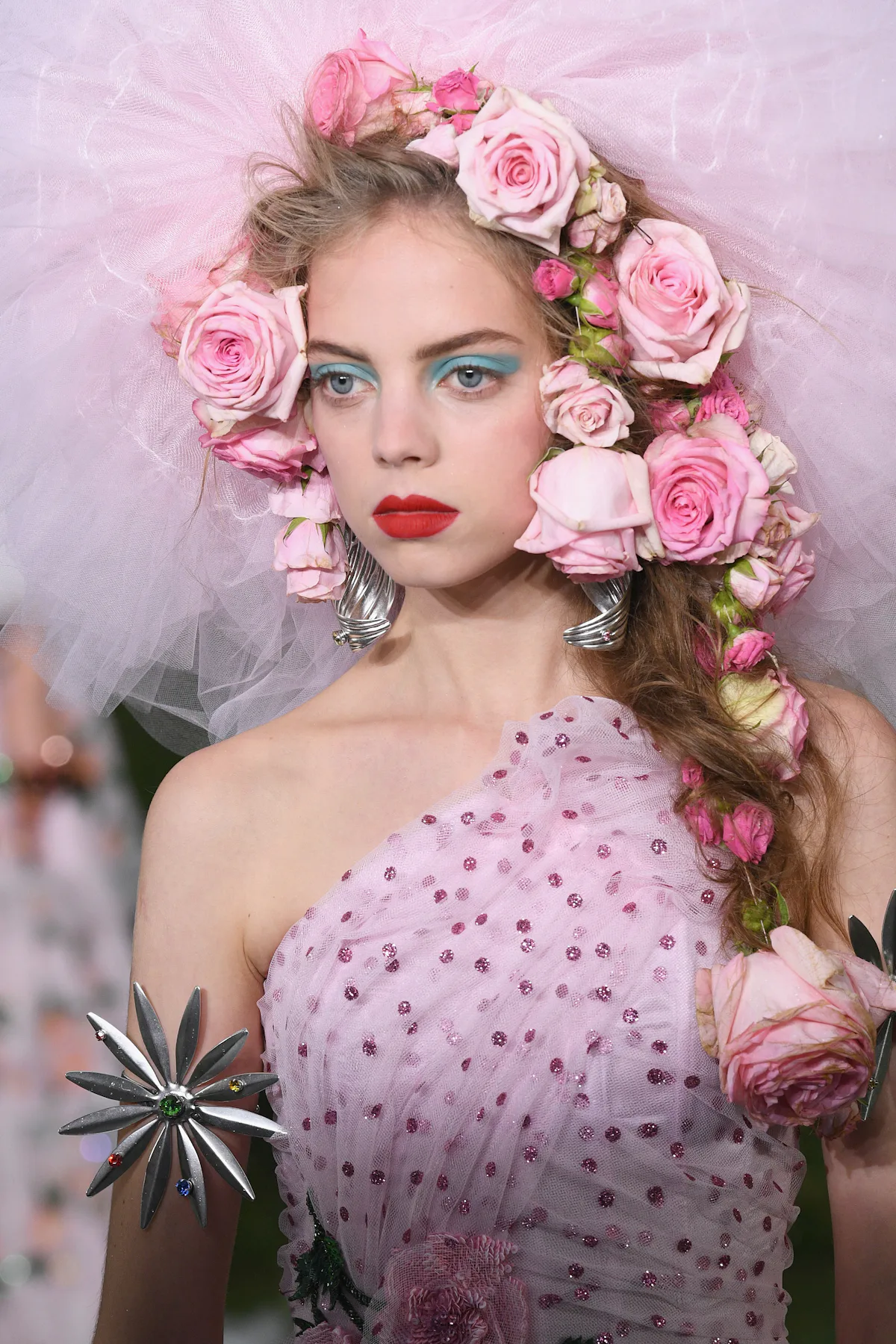
Backstage videos and glamour shots shared by makeup artists and hairstylists captured the close-up details that often go missed on the runway, while the captions revealed inspirations and secret techniques. While their artistry inspired future beauty trends, and sometimes even products, they defined the decade’s aesthetics. With designers starting to grasp the power and reach of social media during the 2010s, the beauty looks tended to be avant garde or dramatic interpretations of popular styles that would do numbers on Instagram or other popular visual platforms such as Pinterest. Rodarte’s ethereal Spring/Summer 2019 show is a prime example. On the flip side, some more approachable, wearable makeup and hairstyles were thrown into the mix too, albeit with a unexpected twist. Case in point: the swipes of paint in models’ hair at Altuzarra’s Spring/Summer 2011 show.
Below, revisit 10 of the decade’s most unforgettable beauty moments from fashion week runways.
Altuzarra Spring/Summer 2011
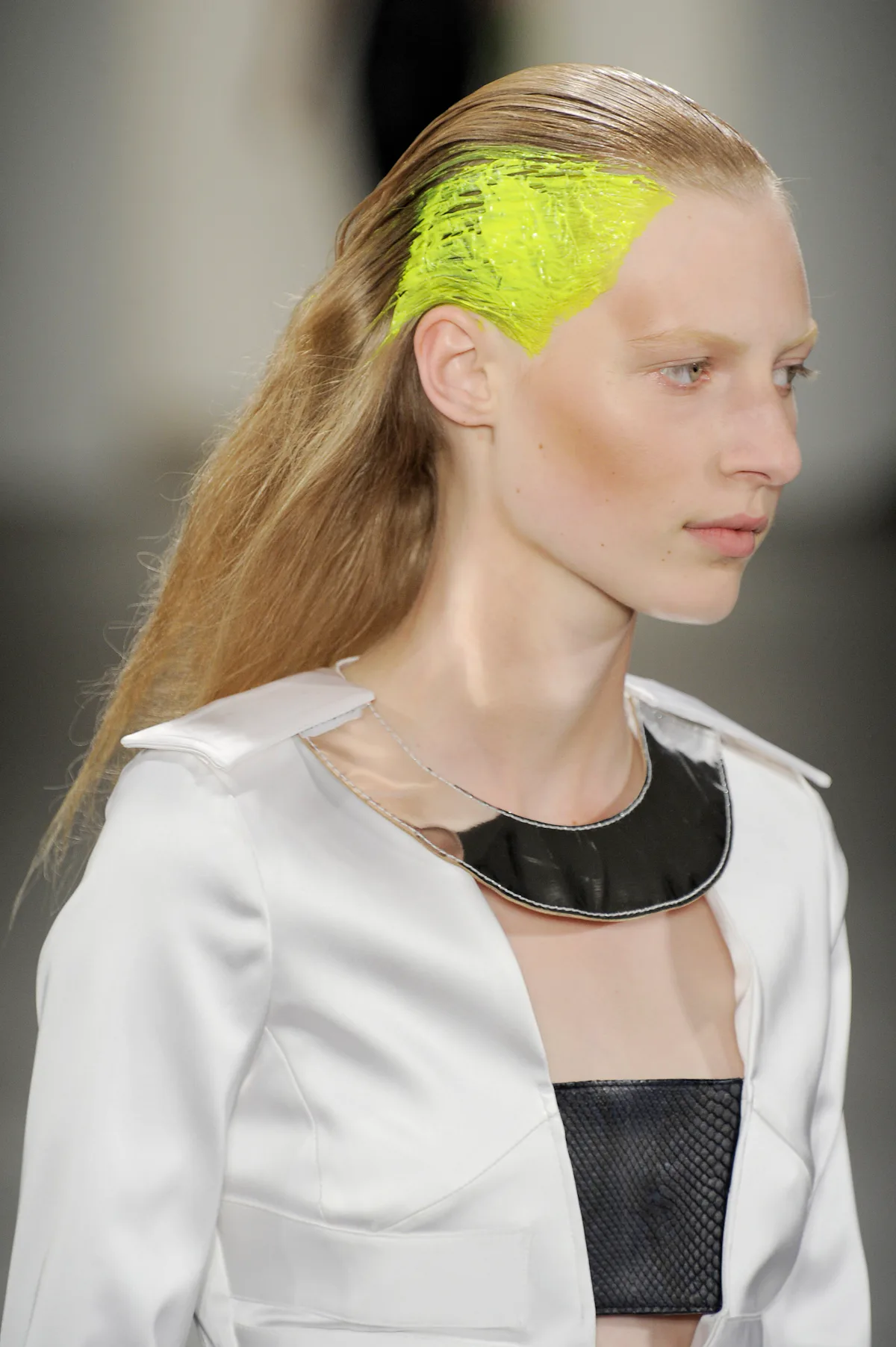
“Pops of color” was one of the early decade-defining fashion and home decor trends, and it influenced runway beauty looks, too. Instead of a bold-hued cat eye, which was popular at the time, Altuzarra showed a new take on the trend: giant swipes on neon paint on models’ brushed-back hair.
Dior Haute Couture Fall/Winter 2011
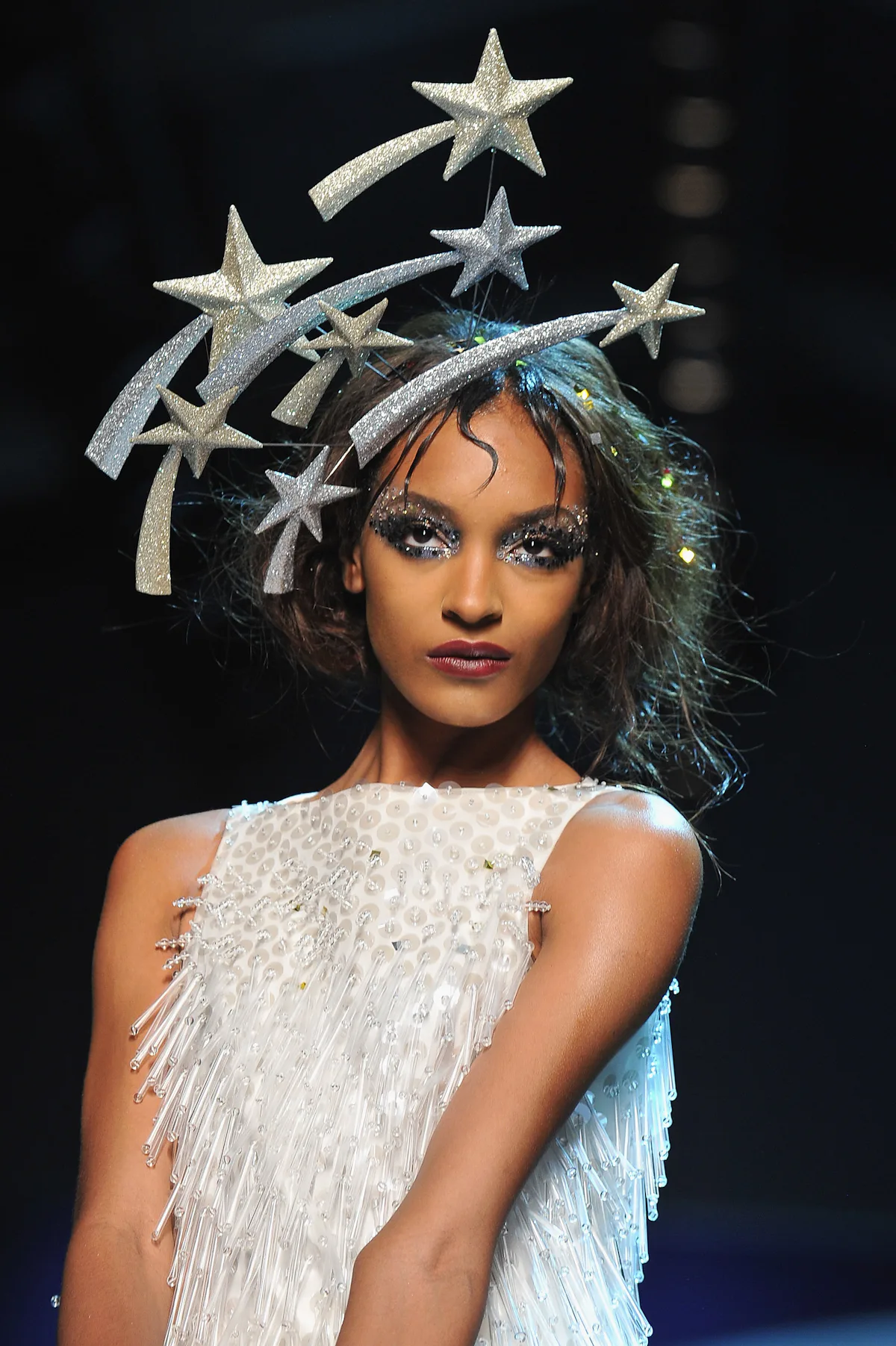
In Pinterest’s early days, this celestial glitter eye makeup, vampy oxblood lip, and dramatic headpiece is the recipe for a runway beauty look that’ll get re-pinned countless times.
Prada Fall/Winter 2012
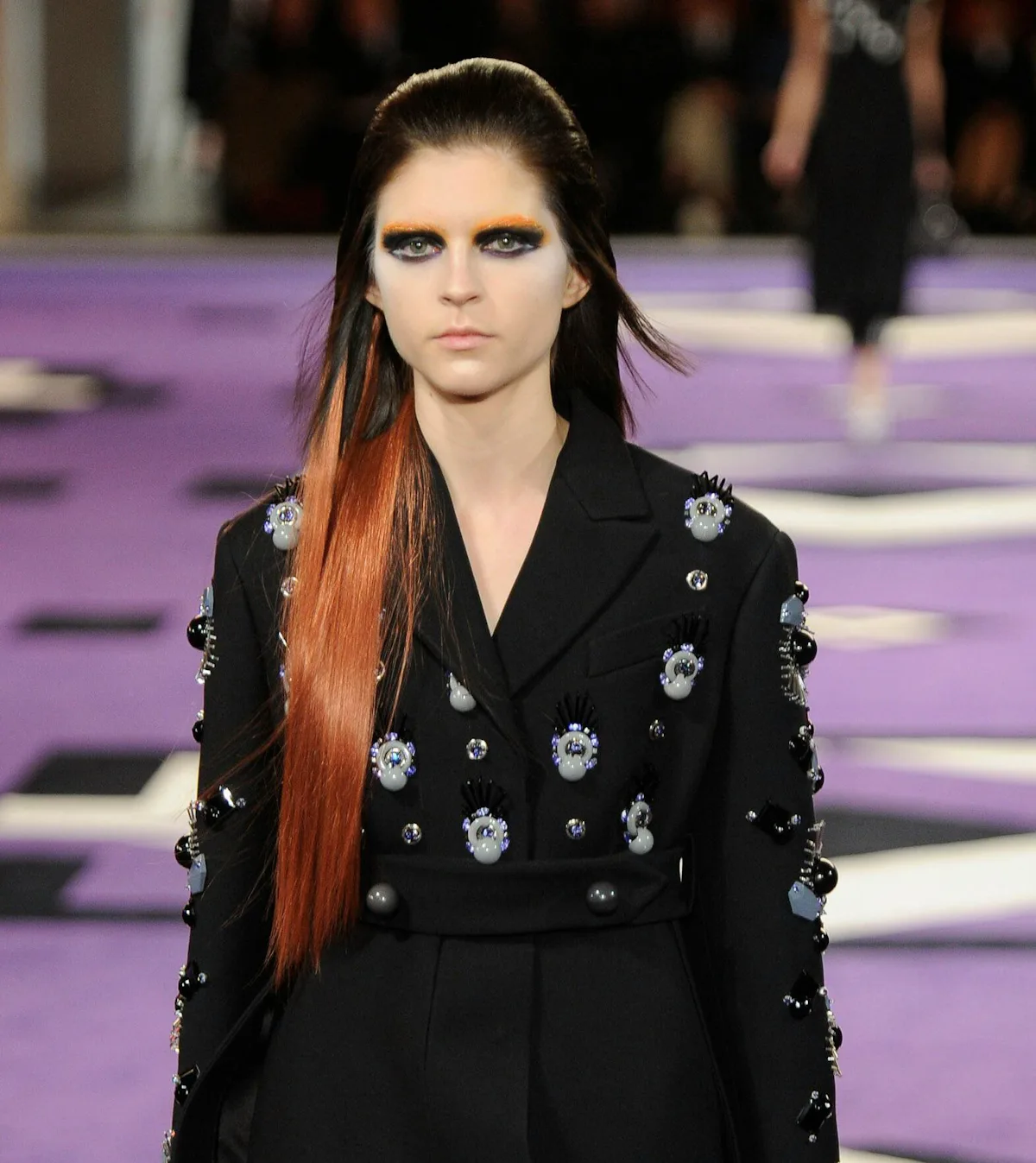
By the 2010s, celebrities like Katy Perry and Hilary Duff were dip-dying their ends in vibrant shades the hot pink. The pop-punk originating look got the runway treatment at Prada’s Fall/Winter 2012 show, where models had long, super-sleek strands with high-contrast ends, orange brows, and dramatic smoky eyes.
Chanel Fall/Winter 2014
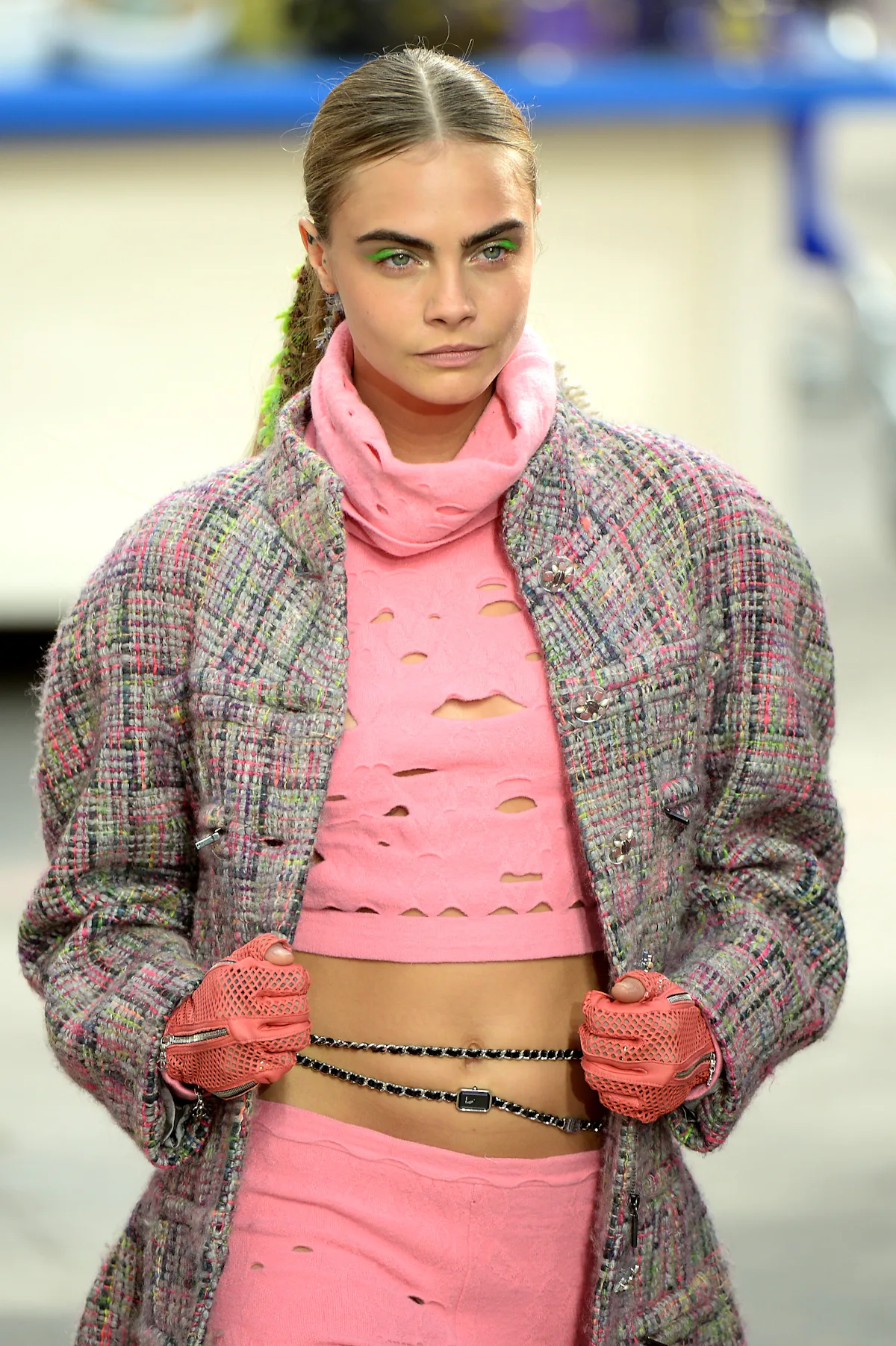
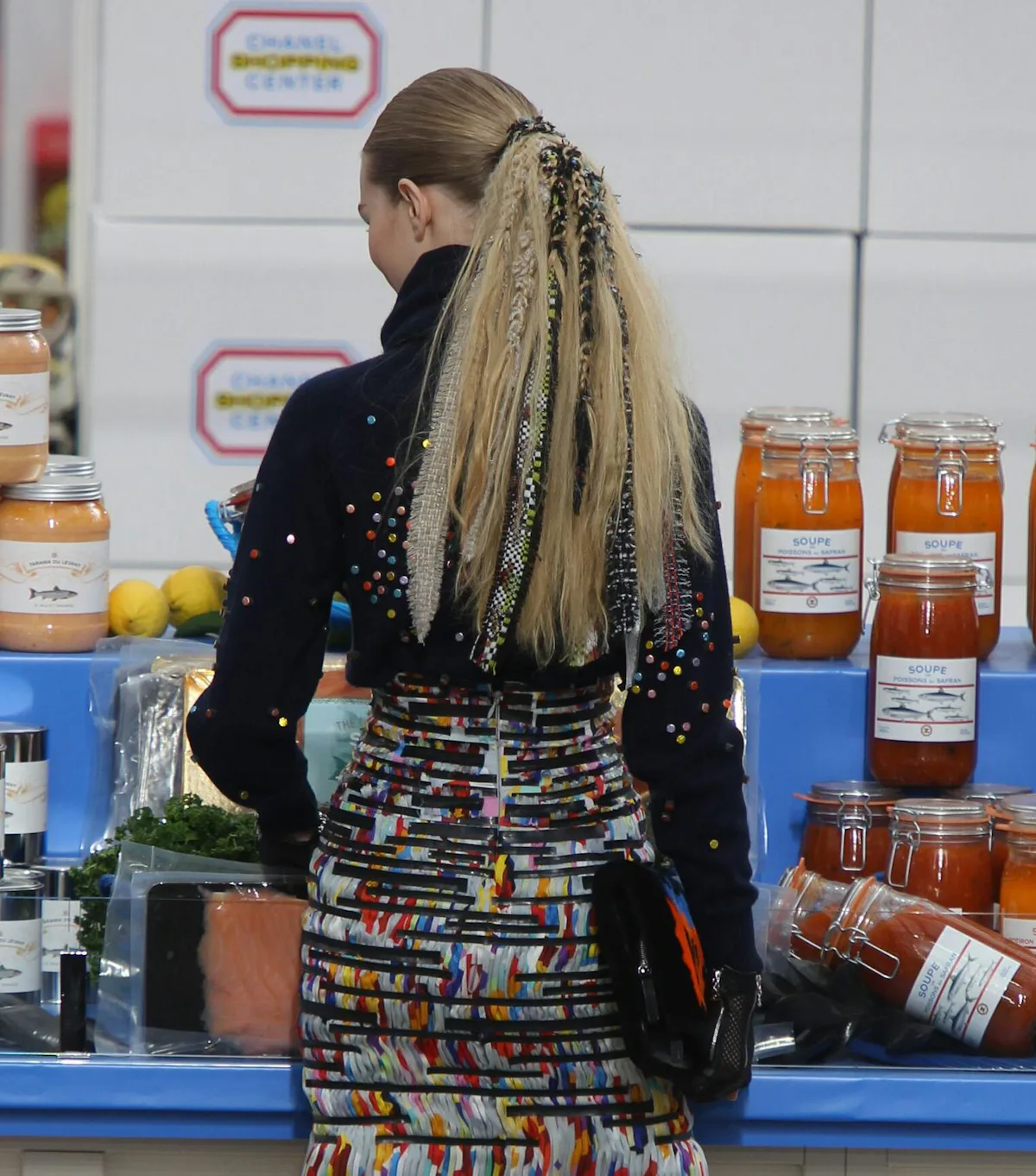
Now known as “the Chanel supermarket show” among fashion insiders, the French fashion house’s Fall/Winter 2014 beauty look generated just as much buzz at the elaborate runway set. Models, including Cara Delevinge, wore neon cat-eye liner and center-parted high ponytails with tiny braids, crimped strands, and pieces of woven tweed ribbon.
Givenchy Spring/Summer 2014
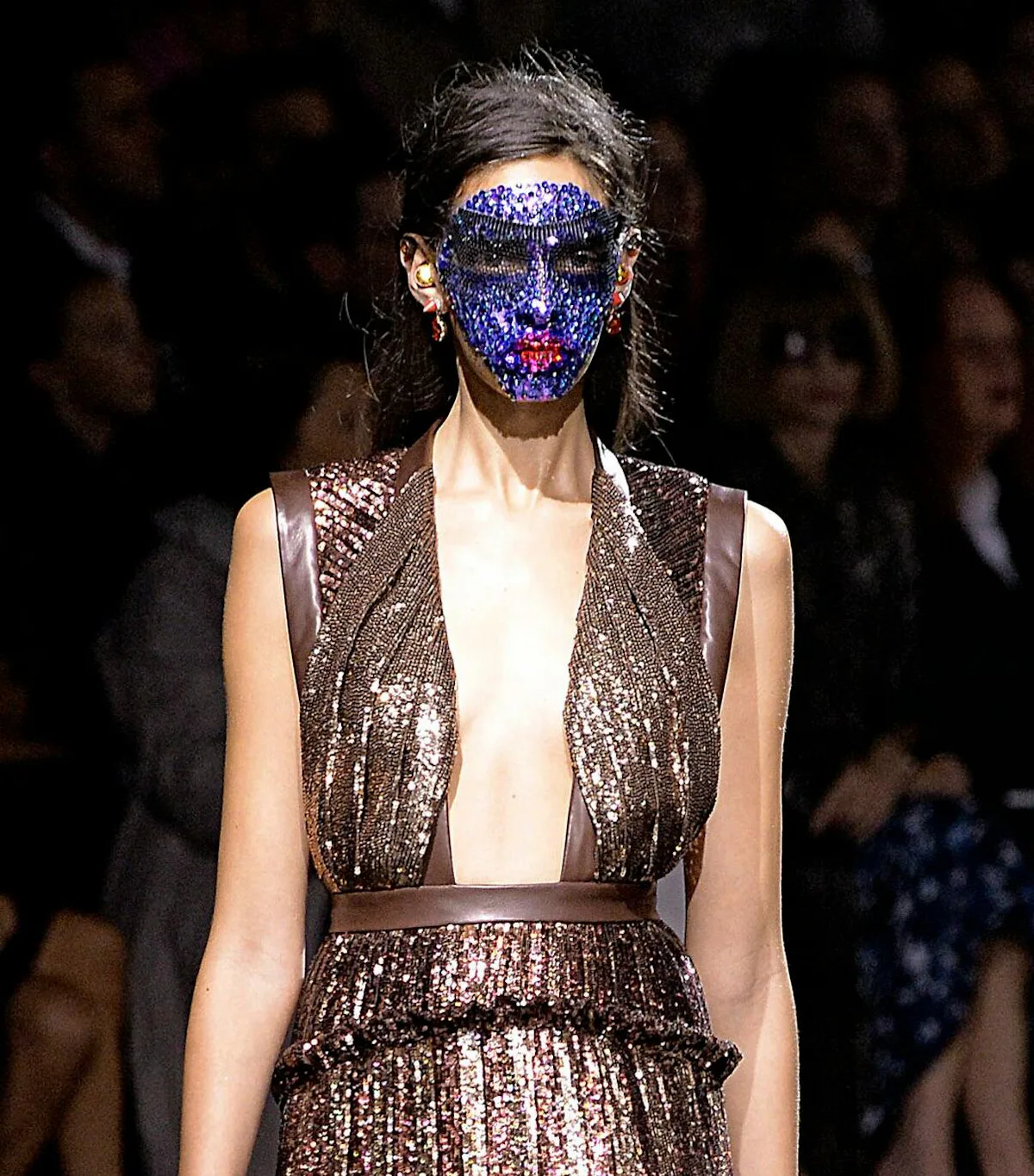
Before Euphoria inspired the reassurance of face gems, legendary makeup artist Pat McGrath bedazzled models’ entire faces. “It is amazing. We wanted to let the mind travel. We were thinking of the future, of Africa, and we wanted it to be exquisitely jeweled,” she told Into The Gloss.
Marc Jacobs Fall/Winter 2016
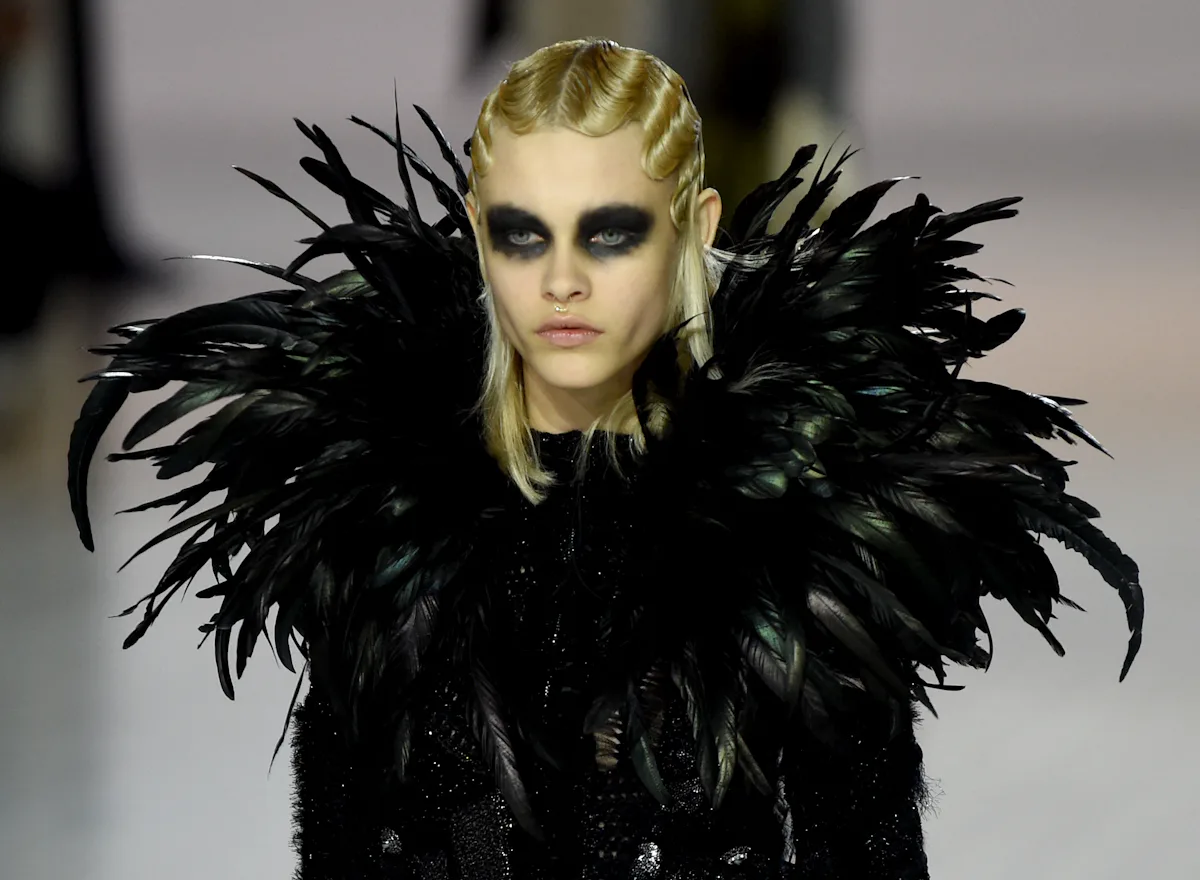
Runway appearance from Lady Gaga aside, Marc Jacobs’ Victorian-punk beauty look also went viral this season. It consisted of dramatically smudged smoky eyes, velvet skin, and finger curled-hair with the ends left out.
Atelier Versace Haute Couture Fall/Winter 2016
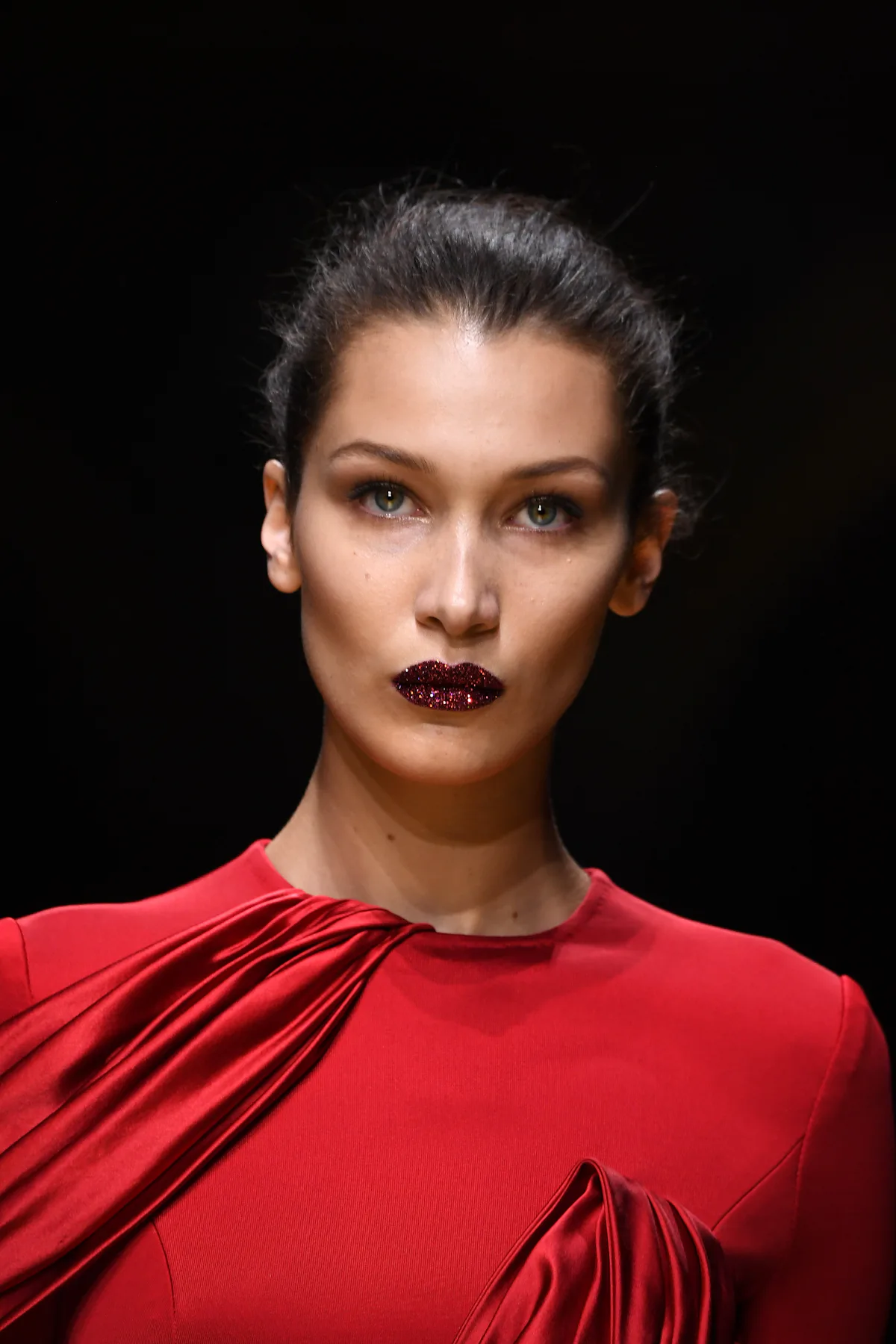
Speaking of viral, the photos of Bella Hadid and Taylor Hill with ruby glitter lips broke the internet as soon as images of Atelier Versace’s Fall/Winter 2016 show hit Instagram. Created by Pat McGrath, the look sparked dozens of tutorials and the makeup artist’s brand releasing a glitter lip kit to DIY the runway makeup look.
Maison Margiela Haute Couture Spring/Summer 2017
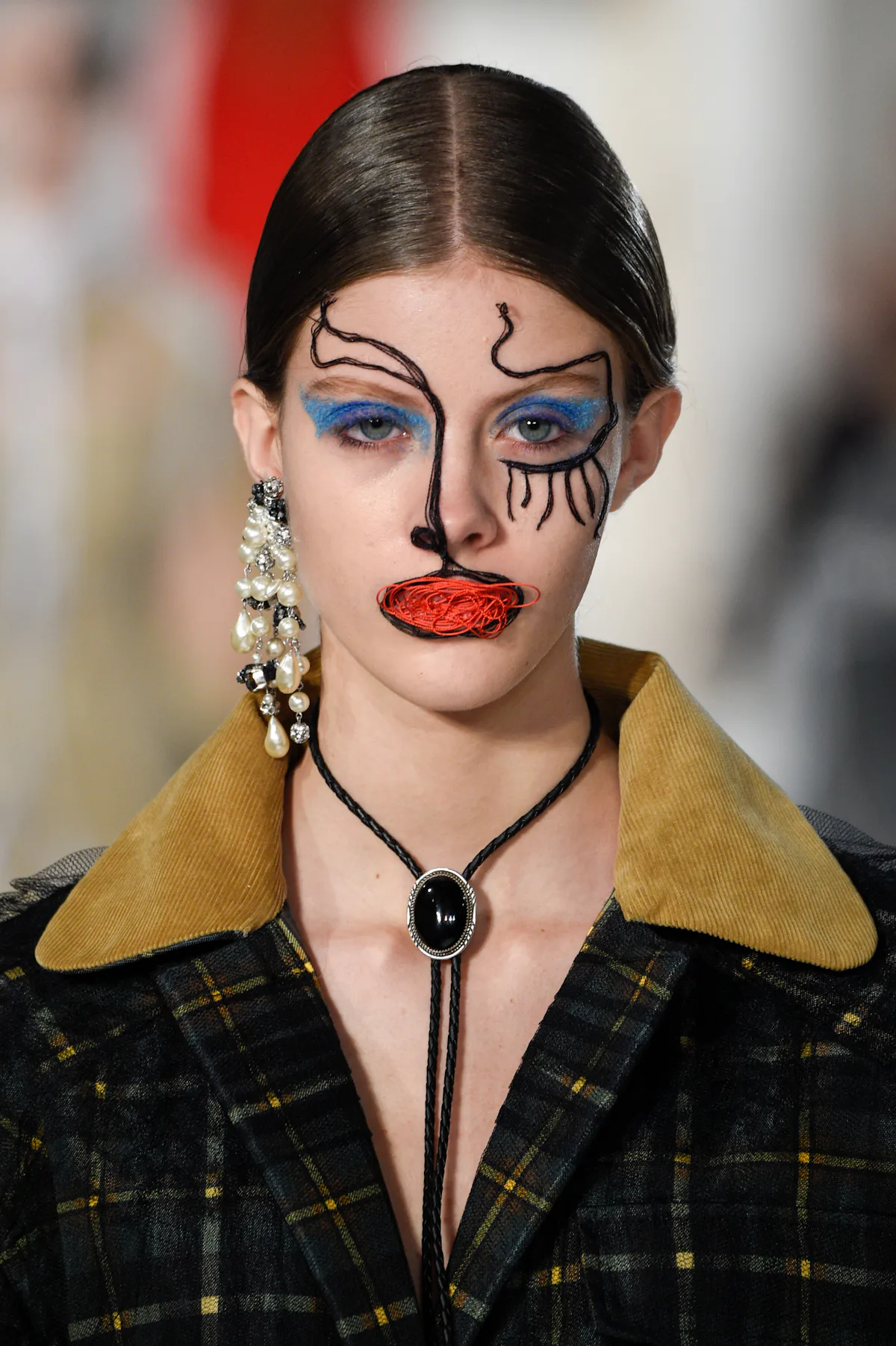
Maison Margiela’s Fall/Winter 2017 collection turned the runway into a gallery. McGrath used 3D wiring, bold pigment, and cheek gloss to turn models’ faces into abstract works of art.
Rodarte Spring/Summer 2019
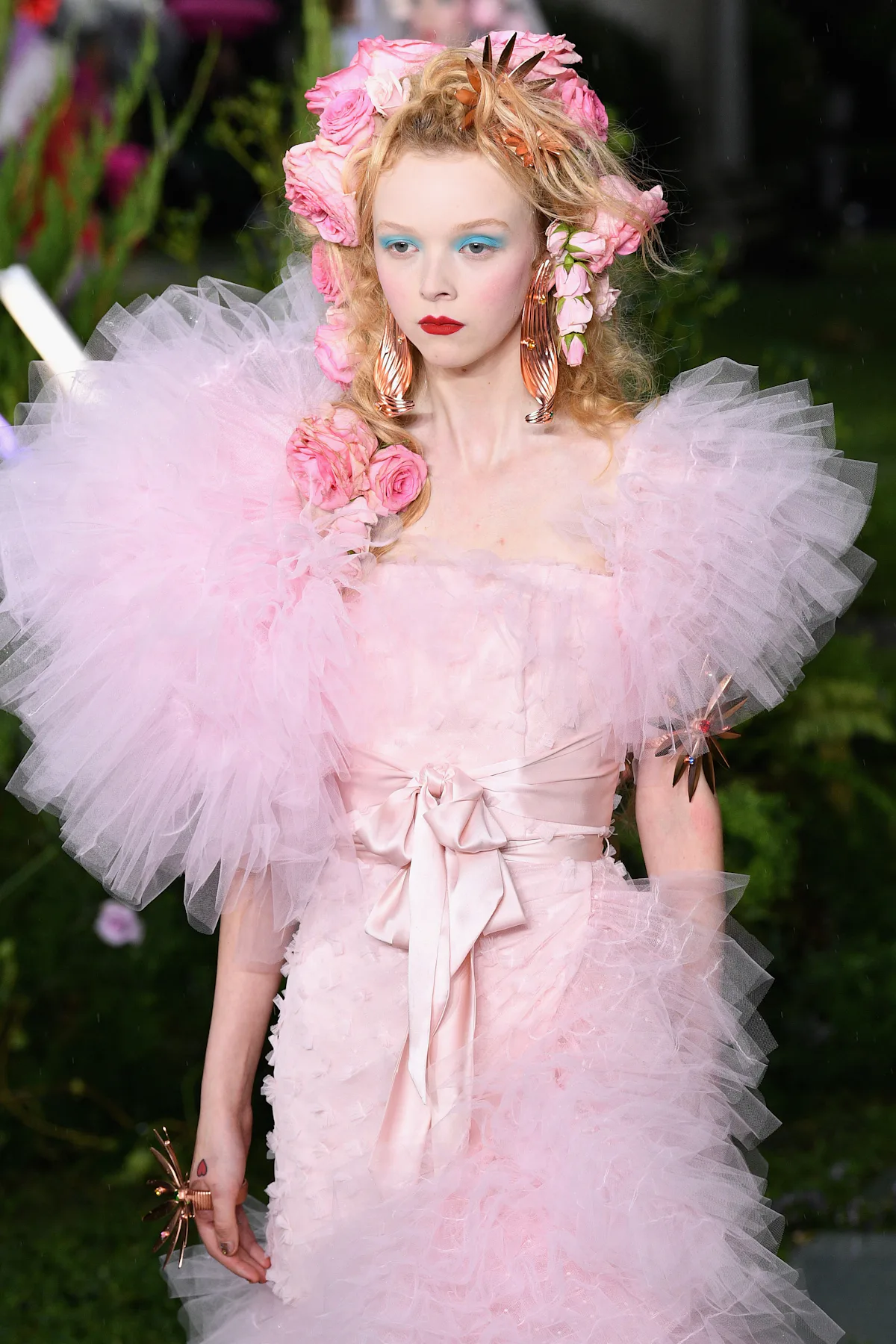
Flower crowns may have peaked in 2014, but Rodarte’s ethereal Spring/Summer 2019 show reminded everyone why the festival-favorite hair accessory was poliartized. The models channeled literal flowers with blooms in their hair paired with blue eyeshadow and crimson lips.
Valentino Haute Couture Spring/Summer 2019
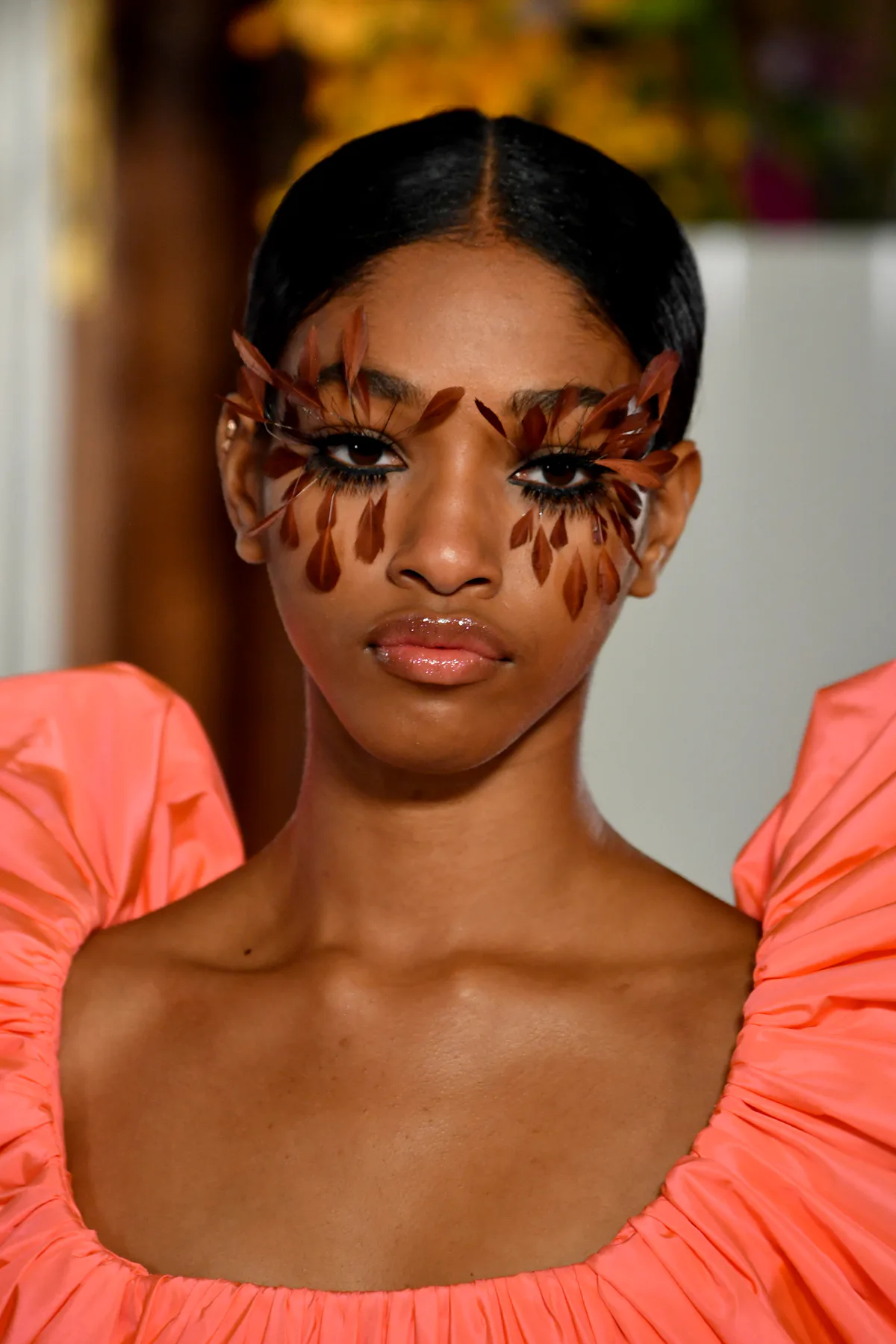
Flowers continued to trend on the runway at the tail end of the decade. Case in point: the dramatic petal-like feather lashes McGrath created for Valentino’s runway.
Read on the original site
Open the publisher's page for the full experience