The Manosphere Is Ruining 'Love Island USA'
Our take
The shift in *Love Island USA* from a haven for female and LGBTQ+ audiences to a platform increasingly influenced by “manosphere” ideals is a concerning development, and one that signals a broader trend within reality television. For years, the show served as a space where viewers could observe nuanced relationships, celebrate diverse expressions of sexuality, and often, critique traditional gender roles. It was, in its earlier iterations, a refreshing counterpoint to the often-toxic masculinity prevalent in other dating shows. Now, the article rightly points out, a different energy is taking hold—one characterized by aggressive displays of dominance, dismissive attitudes toward emotional vulnerability, and a reinforcement of outdated patriarchal norms. This isn't just about the dynamics within the villa; it’s reflecting and potentially amplifying problematic attitudes circulating in wider online spaces, a trend we've seen mirrored in other areas of popular culture. Consider, for example, the recent focus on quiet luxury and understated elegance—a reaction, perhaps, to the more performative displays of wealth and status previously championed, as explored in Zara Is Taking up to 70% Off for Their Summer Sale — & I Found Pieces for Just $10. The shift in *Love Island* feels like a parallel movement, albeit in a more overtly problematic direction. The “manosphere,” a term encompassing online communities promoting misogynistic and anti-feminist viewpoints, has demonstrably infiltrated the show, both through contestant behavior and the resulting online discourse. This isn't simply about a few individuals exhibiting questionable behavior; it’s about a systemic shift in the show’s narrative and the types of relationships it seems to valorize. The article’s observation regarding the litmus test of American views on lustfulness and compatibility is astute. Dating shows, at their best, can offer a window into evolving societal attitudes toward love and relationships. However, when these platforms are co-opted by harmful ideologies, they risk normalizing and perpetuating those ideologies to a wider audience. It’s a worrying development, especially considering the significant influence these shows have on shaping young people’s understanding of relationships and gender roles. The emphasis seems to be less on genuine connection and more on performative displays of power and control, a concept jarringly at odds with the earlier, more progressive spirit of the show. Finding beauty and authenticity in unexpected places, as highlighted in Meet Akari Takenobu, the 2026 Winner of the Dior Photography and Visual Arts Award for Young Talents, reminds us that genuine connection and creative expression are often found outside of manufactured narratives. The broader significance of this *Love Island* transformation lies in what it reveals about the current state of online culture and the challenges of maintaining nuanced representation within mainstream media. Reality television, despite its often-scripted nature, holds a mirror to society. When that mirror reflects troubling trends, it’s crucial to acknowledge and address them. The normalization of toxic masculinity on a platform with a young and impressionable audience is particularly concerning. It requires a critical examination of the show’s producers, casting choices, and editing practices. Are they actively working to counter these harmful narratives, or are they inadvertently amplifying them in pursuit of ratings? Furthermore, it highlights the responsibility of viewers to engage critically with the content they consume and to challenge harmful representations when they encounter them. The attempt to find escape and tranquility, even when things go wrong, as demonstrated by someone losing luggage in the Mediterranean and still finding joy, I Lost My Luggage in the Mediterranean—10 Emergency Products That Got Me Through, underscores the importance of resilience and seeking positive experiences even amidst chaos. Looking ahead, it’s essential to consider the long-term implications of this shift on *Love Island* and the broader landscape of reality television. Will other dating shows follow suit, prioritizing spectacle and aggression over genuine connection and diverse representation? Will viewers begin to demand more responsible and nuanced portrayals of relationships and gender roles? The show’s producers, and the network that airs it, have a critical juncture to navigate. They have the opportunity to course-correct and reclaim the show’s progressive roots, or they risk alienating their audience and contributing to the normalization of harmful ideologies.
For the past six weeks, Love Island USA has been a litmus test of the American public’s views on lustfulness and compatibility. This is a defining factor of dating shows, but the Peacock series’ record-breaking growth since season 6 has made its discourse inescapable. With season 8, however, a new bombshell is changing the course of the country’s biggest reality show: The manosphere has taken over Love Island USA, and it’s ruining the experience for longtime watchers who tune in to see, well, love.
LIUSA is the latest escapist reality hit that the mainstreaming of radical conservatism has altered in recent years. In both seasons 7 and 8, the younger cast members—who spent their late teens living through the COVID-19 pandemic—have reflected the talking points of the manosphere, the network of internet communities centered on toxic masculinity, gender essentialism, and opposition to feminism. Men who spent their formative years online at a time when social media algorithms amplified this content have adopted its views: that women should be “soft” and subservient to men, that men are entitled to their romantic interests’ bodies, and that women who challenge men should be humbled. Hegemonic masculinity and misogyny have since become systemic bugs in American dating culture—and now defining features among some of the men in season 8’s core cast, to the point where viewers wondered whether they even like their partners.

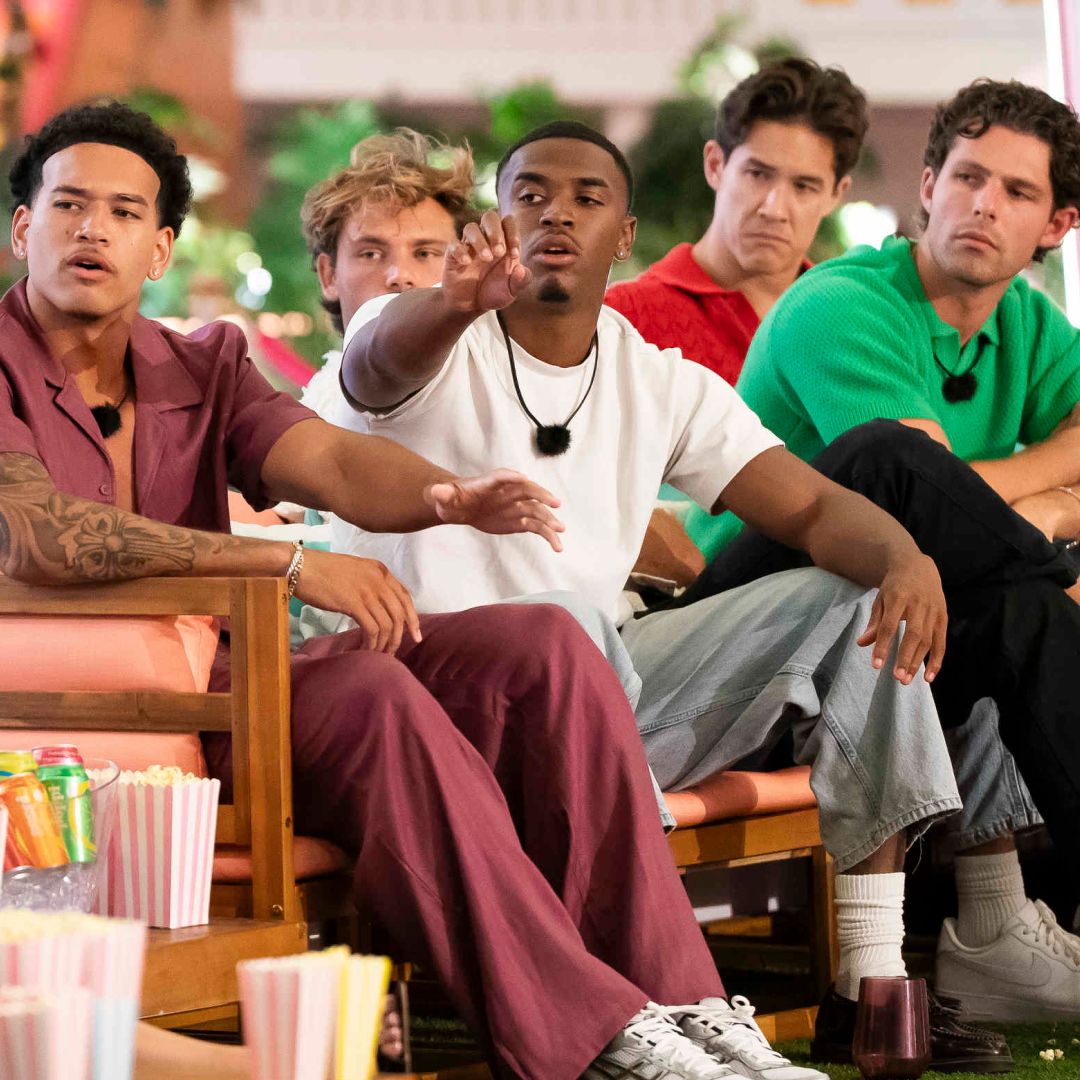
Most of season 8’s men have spent their time in the villa exhibiting manipulative dating behaviors, putting minimal effort into cultivating relationships, bonding over belittling and disrespecting the female Islanders, and resenting the women for harming their egos. Since the first episodes, KC Chandler and Corbin Mims have been dubbed red-pill poster boys for disparaging women who wouldn’t get intimate with them. Zach Georgiou, who has been coupled up with Kayda Bosse since episode 2, has become notorious for his criticisms of the female cast, his dismissive attitude towards Kayda, and his constant backtracking after showing emotional attachment (i.e., telling her he was “joking” when he said “I love you” in bed). Also, while Sincere Rhea has been shown compassion and understanding by his costars for exploring connections behind Melanie Moreno’s back, Kenzie Annis hasn’t received nearly as much goodwill.
It doesn’t help that the men have arguably been positioned with challenges and recouplings in their favor. Corbin received the unilateral choice to couple up with someone ahead of the girls’ choice recoupling in episode 5; he also chose whether to save Melanie or Beatriz Hatz in episode 9. (In the same dumping in season 7, all of the safe Islanders voted for whom to save.)
What was subtle red-pill influence became overt in season 8’s cruelest moment, when the Heart Rate challenge was revealed to be the start of Casa Amor. With this year's Casa twist being that the women were subjected to watching a livestream of the men meeting the new Bombshells—with the Casa men’s arrival delayed to the following day—some viewers argued the shameless behavior they witnessed was the push the girls needed to explore. Really, though, it served as a microcosm of the season: The men got to have their cake and eat it too, while the women were emotionally tortured for the sake of their growth.

The manosphere isn’t just influencing Love Island USA from within the villa; it’s also infecting the fandom through a new subset of viewers: the KC Defenders. KC was an early fan favorite this year for his meme-worthy reactions and admiration of dark-skinned women, and he spent the first three weeks of the show—a long-term relationship in the villa—coupled up with Aniya Harvey. But once bombshell Sol Dean entered the villa, discerning fans (and Aniya herself) began to see hints that he was sticking with her as a safe choice rather than pursuing Sol and facing possible rejection. KC eventually left Aniya for Tierra “Titi” Davis, a Casa girl who unabashedly pursued him and wasn’t a “grandma” in bed, as he’d called Aniya. The game plan of playing it safe with someone you’re lukewarm towards until someone comes along who you’re really interested in isn’t new. But KC’s blatant disrespect toward Aniya for not fitting into Titi’s “down for her man” mold inspired both extreme hate from some fans and extreme love from others.
While some of KC Defenders point to his natural chemistry with Titi, their “‘03 Bonnie & Clyde” arc, and a celebration of Black Love, the vocal majority of KC love stems from a hatred of Aniya. The tall former volleyball player and daughter of a former NBA star, Aniya has faced unnecessary hate throughout season 8, from criticizing her naturally textured wigs, calling her too insecure based on her (eventually validated) concerns about KC, to accusing Carl Schmidt of faking his interest in her because she’s a fan-favorite among female viewers. Even though KC himself owned up to disrespecting and resenting Aniya during their apology in episode 26, his defenders will swear up and down that his comments weren’t disrespectful in context, while also calling Aniya hypocritical for speaking badly about him in response to his actions.
What's more? Fan interaction has expanded beyond the show's voting process, Reddit, X, and Threads to perhaps the fastest-rising red-pilled spaces online: prediction markets. Platforms like Kalshi and Polymarket primarily appeal to fans of male-dominated subcultures, such as sports betting and crypto, and directly tie in to the get-rich-quick schemes popular in the manosphere. They’re also easily manipulated, with reports of users getting rich off insider information and rigging real-life situations to match their bets. As legalized gambling and prediction markets have surged in the past two years, competitive reality television has become a popular target. This year, Kalshi and Polymarket launched new Love Island markets, even promoting them through social media ads and collaborations, in hopes of attracting more women to their male-dominated user bases. While the viewership numbers of the rumored influx of straight men who watch LIUSA haven't been disclosed, fans have noticed an increase of online sports fans (who call themselves “KC FC,” as in football club) putting money on KC and Titi making it to the finale, sharing voting campaign threads, and lamenting Kalshi screenshots predicting that KC and Titi won’t make the final four couples. It’s no coincidence that the men who are crossing over from these spaces into Love Island USA are rallying behind a man whose arc has centered on misogyny. Nor is it a surprise that this is turning off female viewers.
The easiest way to dominate the attention economy is through outrage, and reality TV has this down to a science. Producers know how to contrive divisive storylines so their shows will ride the waves of online discourse to pop culture ubiquity. Though shows like Love Island USA and Love Is Blind have seemingly used this strategy to become too big to fail, we also know that outrage isn’t sustainable. Core fans are alienated, potential cast members get cautious, and viewers eventually succumb to either fatigue or boredom. This installment of Love Island has spurred a new kind of bleakness, beyond the typical angst and heartbreak of dating, to a fatalistic musing on whether this season’s men even really like the women. When the love disappears from Love Island and only misogyny remains, who will keep watching once the twists aren’t hitting and money can’t be made?
Read on the original site
Open the publisher's page for the full experience