This Cofounder Is Creating a New Kind of Candy Culture
Our take
The rise of unexpected entrepreneurs disrupting established industries is a recurring theme in the modern landscape, and the story of the founder behind Fly By Jing, Jen Jack Geng, detailed in the *Second Life* podcast, is a particularly compelling example. Geng’s journey, pivoting from a career in fashion to creating a wildly successful chili crisp brand, resonates deeply with the current cultural moment. We've seen similar shifts in consumer behavior, a growing appetite for authentic, globally-inspired flavors, and a desire to support brands with compelling narratives – a desire mirrored in our own readership’s engagement with pieces like I’m a Fashion Editor and a New Yorker—These Are Five Pre-Fall Outfits I’ll Be Repeating, which highlights the power of personal style as a form of self-expression and brand connection. Her story isn’t just about a delicious condiment; it’s about reclaiming cultural heritage, challenging Western culinary norms, and building a brand rooted in genuine passion and lived experience. The fact that she felt compelled to address the often-misrepresented and diluted versions of Chinese flavors available in the West speaks volumes about the need for authenticity in a market saturated with generic offerings.
What makes Geng’s story so significant is the way she’s redefined “candy culture,” moving beyond the traditional notions of sugary treats to encompass a broader spectrum of sensory experiences and cultural storytelling. Her approach, emphasizing the complexity of Sichuan flavors and the artistry of traditional Chinese cooking, elevates chili crisp to a status previously reserved for fine dining. This echoes a larger trend we've observed – a shift towards elevated everyday experiences. Consumers are increasingly seeking out products that offer not just functionality but also a sense of discovery, craftsmanship, and connection to a larger narrative. The simplicity of Fly By Jing's core product – a single, intensely flavorful chili crisp – allows the brand’s story to take center stage, showcasing Geng’s personal journey and her commitment to representing her heritage accurately. The focus on quality ingredients and traditional techniques, alongside a deliberately minimalist aesthetic, aligns perfectly with the quiet luxury ethos we champion – a far cry from the loud, attention-seeking branding often associated with food startups. Even the seemingly mundane act of choosing a raincoat, as demonstrated in Raincoats Are a Fall Essential—Uniqlo’s $50 Burgundy Buy Will See You Through Every Rain Shower in Style, highlights this desire for understated elegance and functional beauty.
The podcast’s discussion of Geng’s marketing strategy – eschewing traditional influencer campaigns in favor of building a genuine community around her brand – is particularly insightful. She’s cultivated a loyal following by fostering a sense of shared cultural appreciation and by being transparent about her process and her values. This resonates with a generation of consumers who are increasingly skeptical of inauthentic marketing and who actively seek out brands that align with their own ethical and aesthetic sensibilities. It's a masterclass in building brand loyalty through genuine connection and a refusal to compromise on authenticity. The success of Fly By Jing suggests that consumers are hungry for brands that offer something more than just a product; they're seeking experiences, stories, and a sense of belonging. The brand’s rapid growth, fueled by word-of-mouth and a dedicated online community, demonstrates the power of building a brand on a foundation of integrity and cultural respect.
Looking ahead, the Fly By Jing story raises an important question: will this model of authentic, culturally-rooted entrepreneurship become the new standard for building successful food brands? The current landscape is ripe for disruption, as consumers become more discerning and demand greater transparency and authenticity from the brands they support. It seems increasingly clear that simply offering a “good” product is no longer enough; brands must also cultivate a compelling narrative, foster a genuine community, and demonstrate a commitment to ethical and sustainable practices. The rise of Fly By Jing signals a significant shift in the culinary landscape, one that prioritizes flavor, heritage, and connection over fleeting trends and manufactured hype.
Welcome to Second Life, a podcast spotlighting successful women who've made major career changes—and fearlessly mastered the pivot. Hosted by Hillary Kerr, co-founder and chief content officer at Who What Wear, each episode gives you a direct line to women who are game changers in their fields. Subscribe to Second Life on Apple Podcasts, Spotify, or anywhere you get your podcasts to stay tuned.
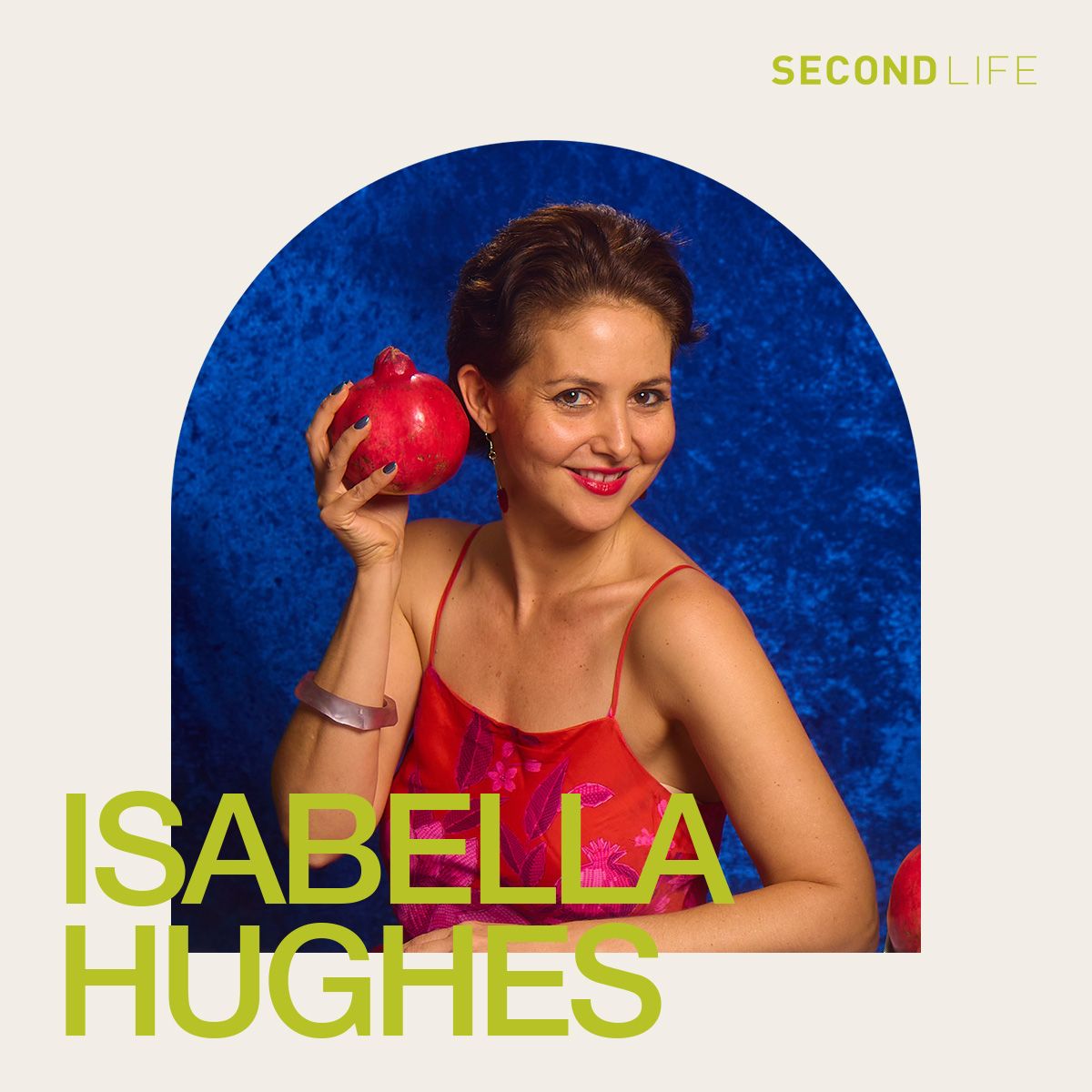
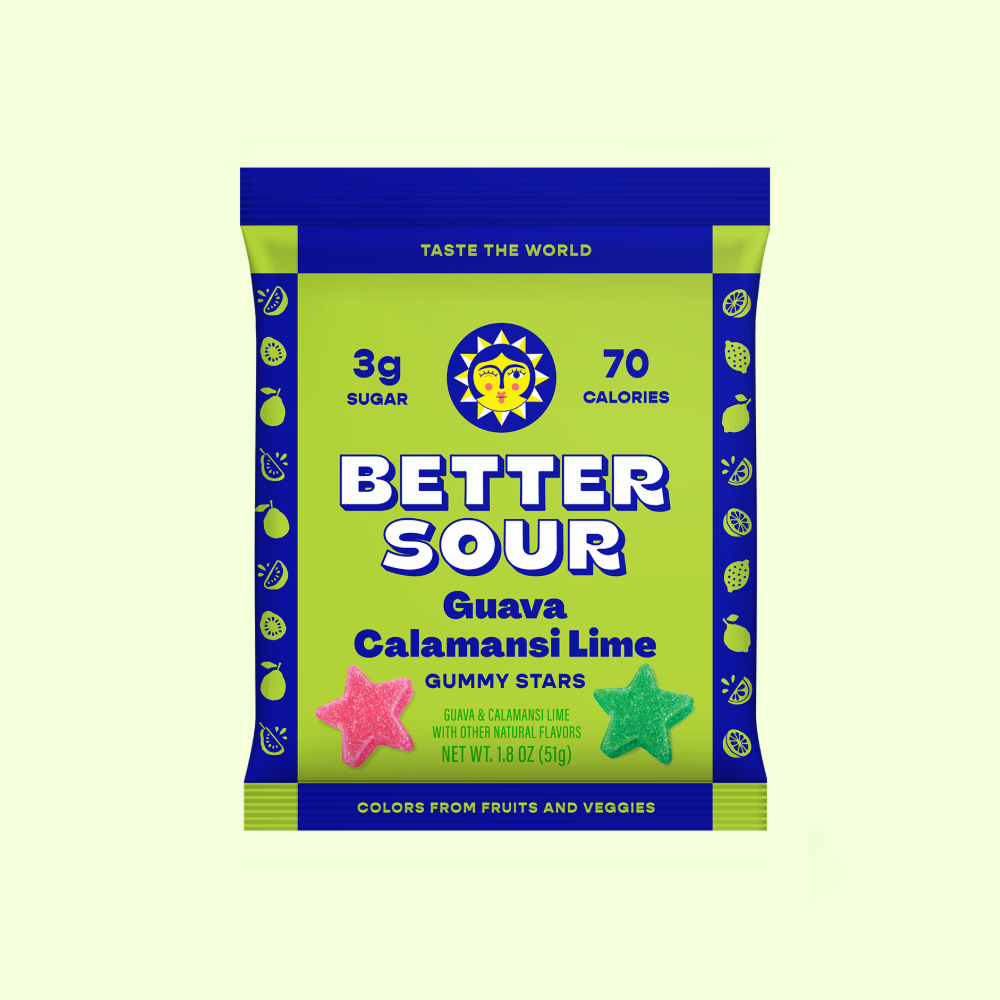
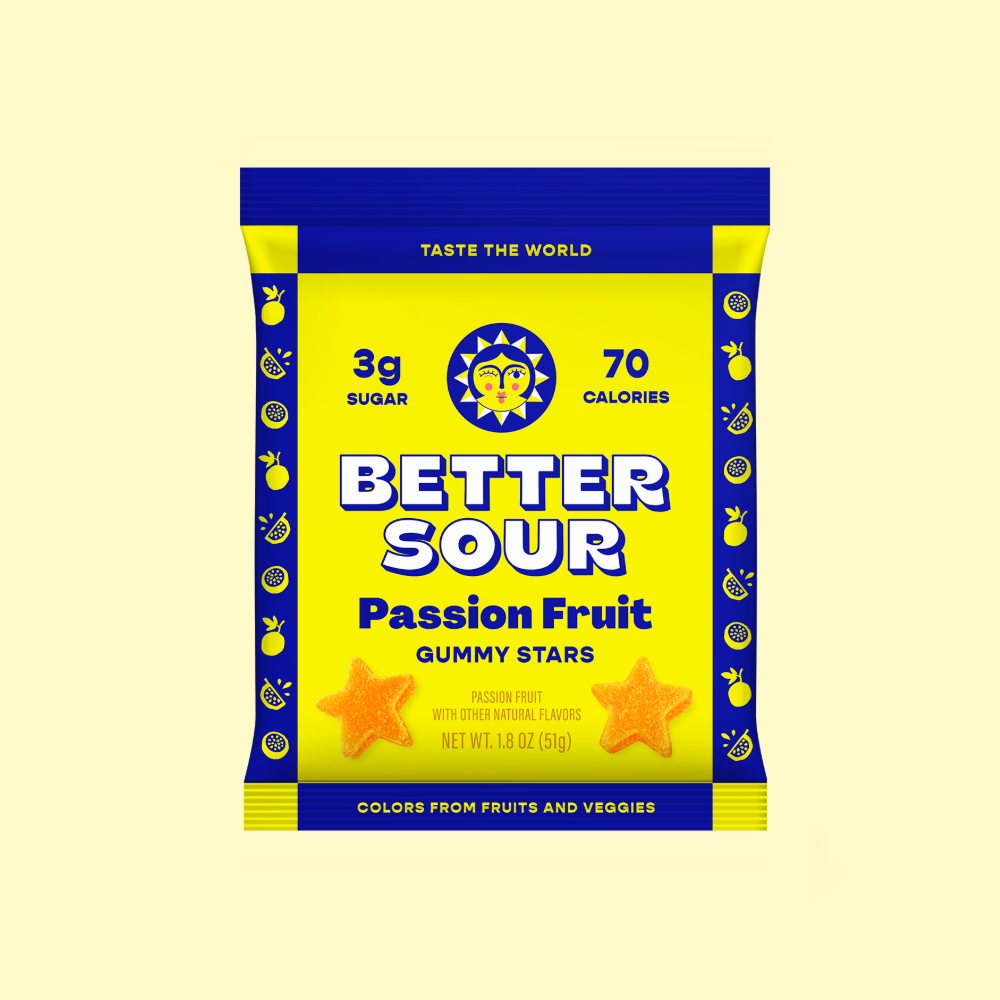
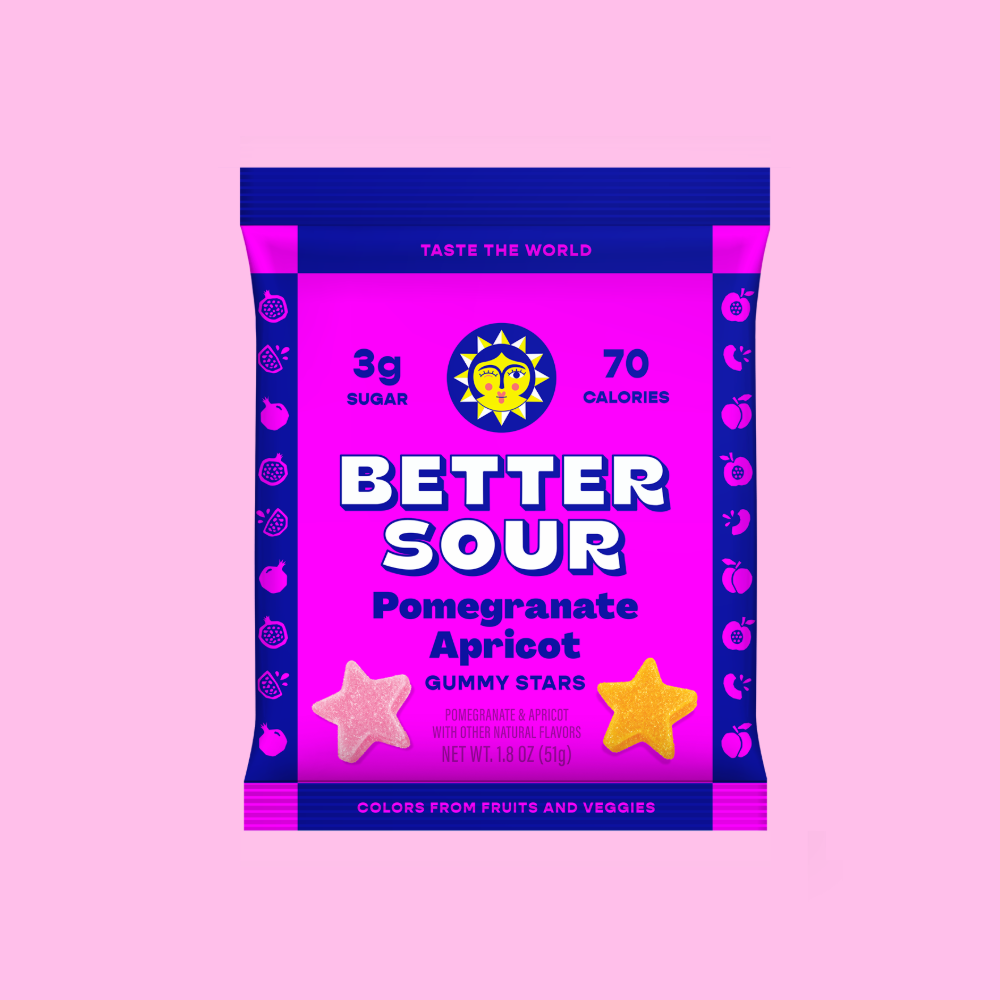
This summer, candy is having a major moment. At the helm of the candy evolution is Better Sour, a gummy-candy brand inspired by sour flavors from the Middle East and the Asia-Pacific, founded by best friends Isabella Hughes and Semira Nikou. As the cofounder and chief revenue officer of Better Sour, Hughes has navigated the brand through its growth.
Before leading the charge in redefining candy culture, Hughes initially pursued a path in the arts. She curated and coordinated exhibitions for a variety of organizations across the United States and the United Arab Emirates, developing a keen eye for presentation and storytelling that would later inform her business ventures.
Despite her success in the arts, Hughes had long been drawn to entrepreneurship. In 2014, she launched her first company, Lezzetli, a Middle Eastern–inspired ice cream brand. Around the same time, she developed the concept for a second venture: Shaka Tea, a Hawaii-grown herbal iced tea brand. Shaka Tea grew steadily and was acquired in 2022, marking a significant milestone in Hughes's entrepreneurial journey.
Following the acquisition, Hughes was ready for a new challenge. In 2023, she cofounded Better Sour with her lifelong best friend, Nikou. Both daughters of Iranian immigrants who grew up in Hawaii, Hughes and Nikou drew upon their shared cultural backgrounds to shape the brand's distinctive flavors. Their blend of Iranian heritage and Hawaiian upbringing provided a unique foundation for creating sour candy that stood out in a competitive market.
Under Hughes's leadership as chief revenue officer, Better Sour has expanded rapidly, and the company is now available in more than 4000 stores nationwide, including major retailers such as Costco, Whole Foods, and Erewhon. This wide distribution reflects the brand's broad appeal and the effective strategy Hughes has helped drive.
Listen to the latest episode of Second Life to discover how Hughes's path demonstrates how diverse experiences—artistic, entrepreneurial, and cultural—can converge to create something both innovative and successful. Keep scrolling to shop Better Sour.
Next: The First First Lady Who Kept Her Job Outside of the White House
Read on the original site
Open the publisher's page for the full experience