Trust Me—These Under-£30 Zara, H&M and M&S Buys Look So Much More Expensive
Our take
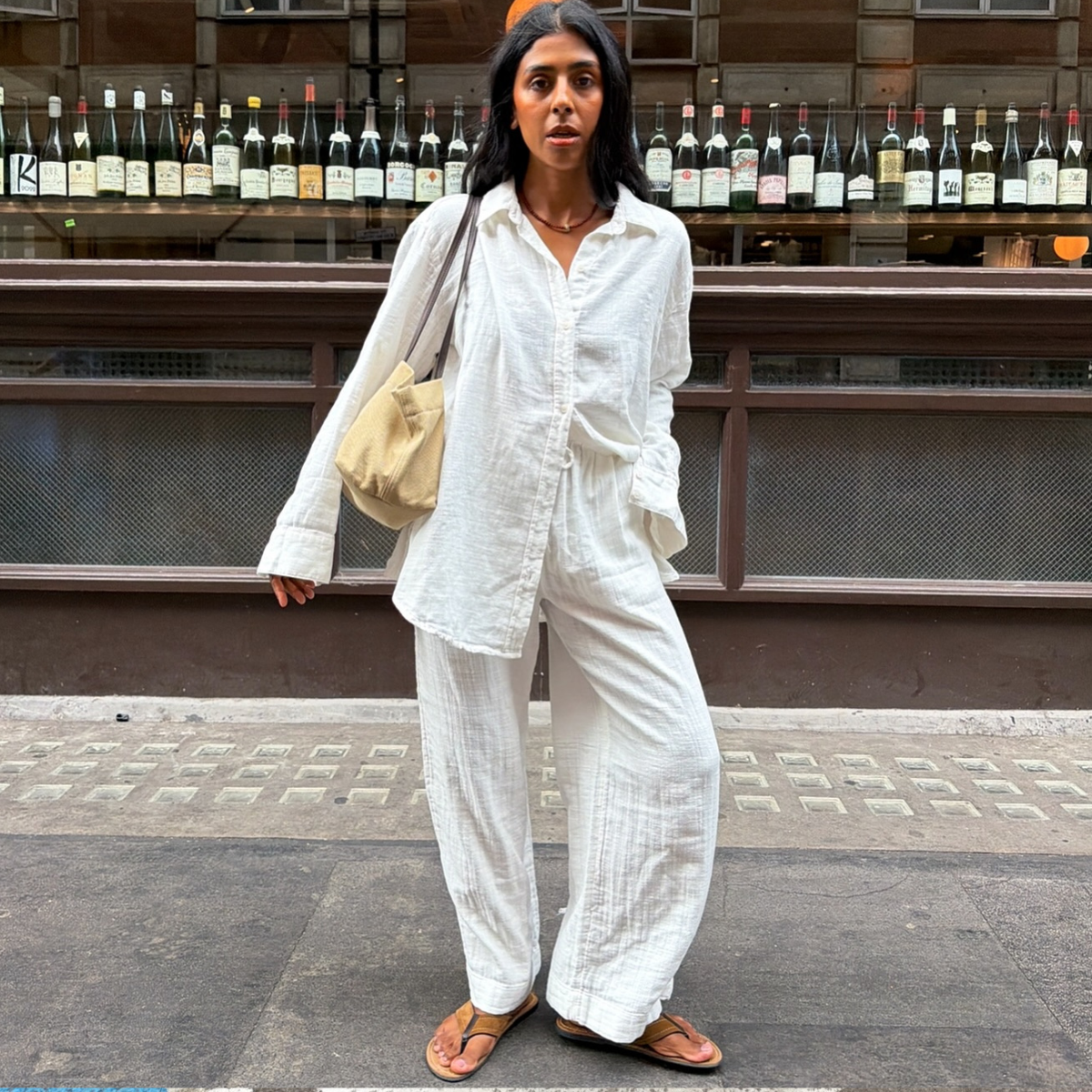
The prevailing winds of fashion have shifted, haven't they? The relentless pursuit of overt logos and sky-high price tags feels, increasingly, like a performance rather than a genuine expression of style. This recent piece highlighting affordable finds at Zara, H&M, and M&S that mimic luxury aesthetics speaks directly to a desire for something more nuanced, more enduring. It's a recognition that true sophistication isn't measured in a designer's name, but in the considered curation of a wardrobe that reflects personal taste and a quiet confidence. We’ve seen this sentiment echoed in our own coverage, like the confirmation of the elegant shorts trend favored by women in their 50s Women in their 50s Agree—This is the Most Elegant Shorts Trend Of the Summer , demonstrating a move toward timeless silhouettes and understated details. The broader conversation around conscious consumption and a rejection of fast fashion's cyclical trends plays a significant role here; consumers are actively seeking pieces that offer longevity and value, regardless of their origin.
The article's success, and the burgeoning trend it represents, isn’t simply about saving money – though that’s undoubtedly a perk. It’s about reclaiming agency in the styling process. It's a return to the art of *making* an outfit look expensive, rather than simply *buying* something labeled as such. This requires a more discerning eye, a greater understanding of tailoring, fabric quality (even within budget-friendly options), and the power of accessories to elevate a look. The focus on "looking" expensive, rather than “being” expensive, is a subtle but important distinction. It's about building a personal style narrative that transcends fleeting trends – a narrative that resonates with a desire for authenticity and self-expression. Consider, too, the rise of raffia textures dominating summer fashion Hats! Bags! Sandals! Everything Is Raffia RN—42 Editor-Approved Styles to Shop ; this demonstrates a move toward natural materials and a more artisanal aesthetic, further distancing oneself from the often-synthetic environment of high-end fashion.
This shift also has significant implications for retailers. The pressure is now on brands, even luxury houses, to justify their price points. Consumers are becoming increasingly savvy, scrutinizing not just design, but also ethical production practices, sustainability efforts, and the overall value proposition. The high street retailers highlighted in the article are responding to this demand by offering elevated basics and versatile pieces that can be styled in a multitude of ways. They’re recognizing that the modern consumer doesn't want to be told what to wear; they want the tools and inspiration to create their own looks. And crucially, they want to feel confident and stylish without feeling the need to break the bank. The success of these affordable alternatives highlights a broader trend toward a more democratic and inclusive fashion landscape, one where style is accessible to all, regardless of income. It’s a welcome departure from the exclusivity that has historically defined the industry.
Looking ahead, the lines between high street and luxury will continue to blur. We can anticipate a rise in collaborations between established luxury brands and more accessible retailers, as well as an increased emphasis on sustainable and ethically sourced materials across all price points. The question becomes: how will luxury brands redefine their value proposition in a world where consumers are increasingly discerning and less susceptible to overt displays of wealth? Will they focus on truly unique craftsmanship, personalized experiences, or a commitment to social and environmental responsibility? The answers to these questions will shape the future of fashion, and the power dynamics between brands and consumers will undoubtedly continue to evolve.
Curating a wardrobe filled with pieces you truly love is no easy feat and can sometimes feel overwhelming. We all want to look our most polished selves yet don’t want to have the pressure of constantly having to spend a small fortune on designer pieces to do so.
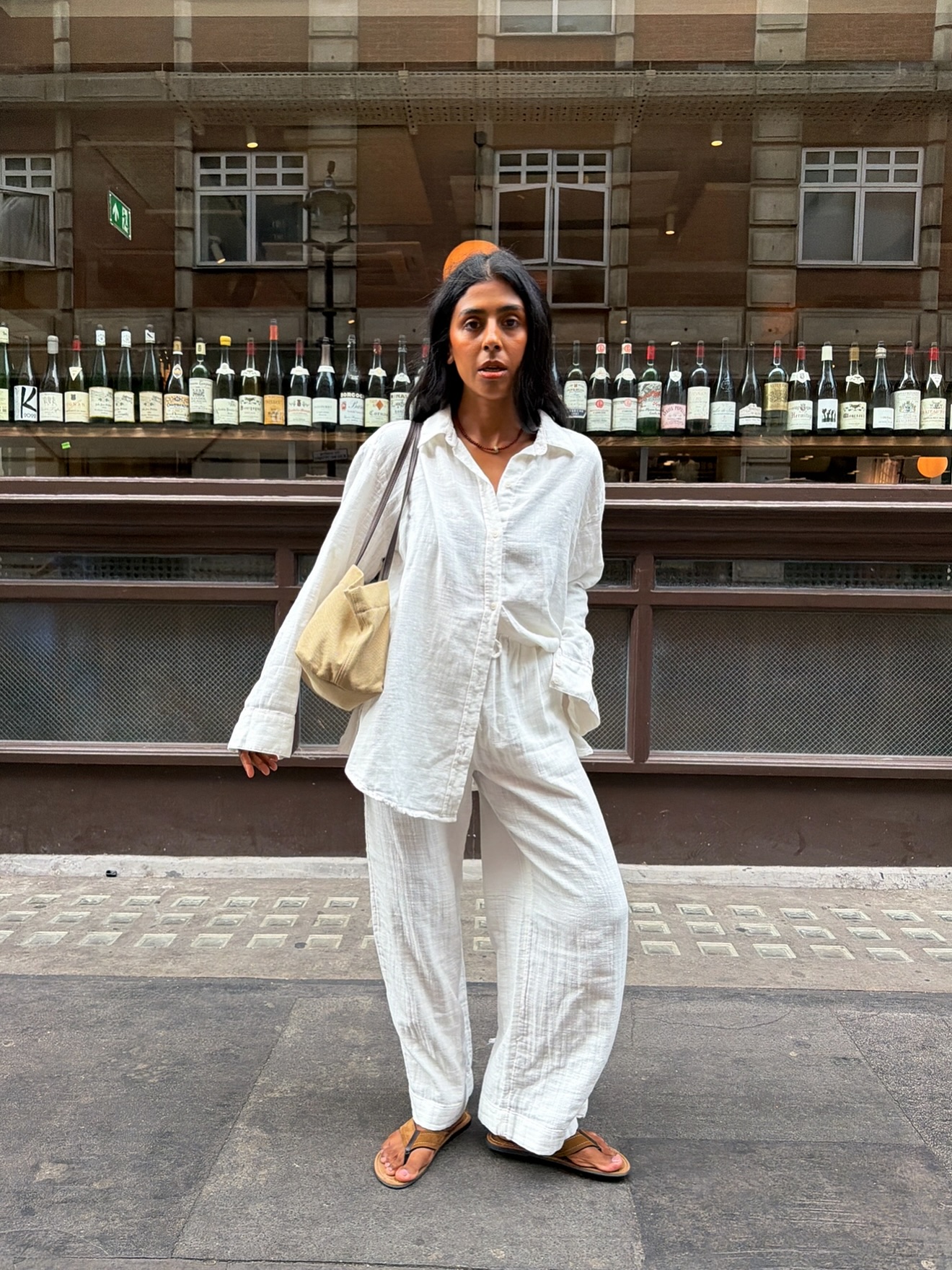
As a fashion editor, it’s my job to find those high-street hidden gems that look expensive, don’t break the bank and make a big impact on your wardrobe. The high-street has come a long way, and can work just as hard as premium brands—all you need to do is invest in the right pieces. And, there are three brands doing it better than most right now: Zara, H&M and M&S.
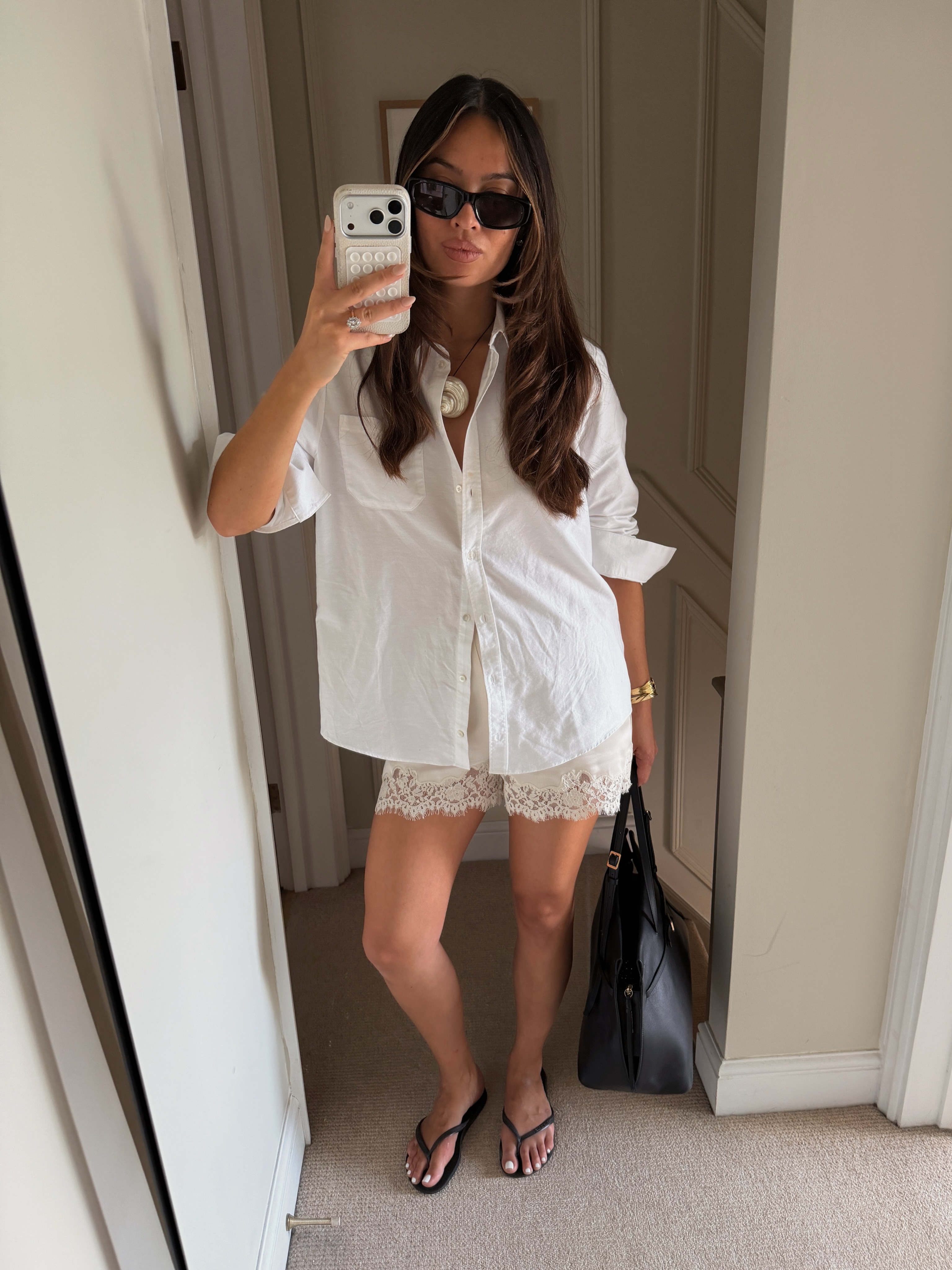
Influencers such as Monikh and Vanessa Rose Blair are big fans, frequently shopping all three brands and making them look and feel 10x more expensive. Whether it's a top, skirt or accessory, the chicest women on my Instagram prove time and time again just how elegant affordable pieces can look when styled right.
I’ve done the hard part and scoured the new-in sections of my top three go-to brands: Zara, H&M and M&S. From structured silhouettes to statement accessories, these are the 18 expensive-looking pieces, and the best part? They’re all £30 or under.
Shop the Zara, H&M and M&S Under-£30 Expensive Looking Buys
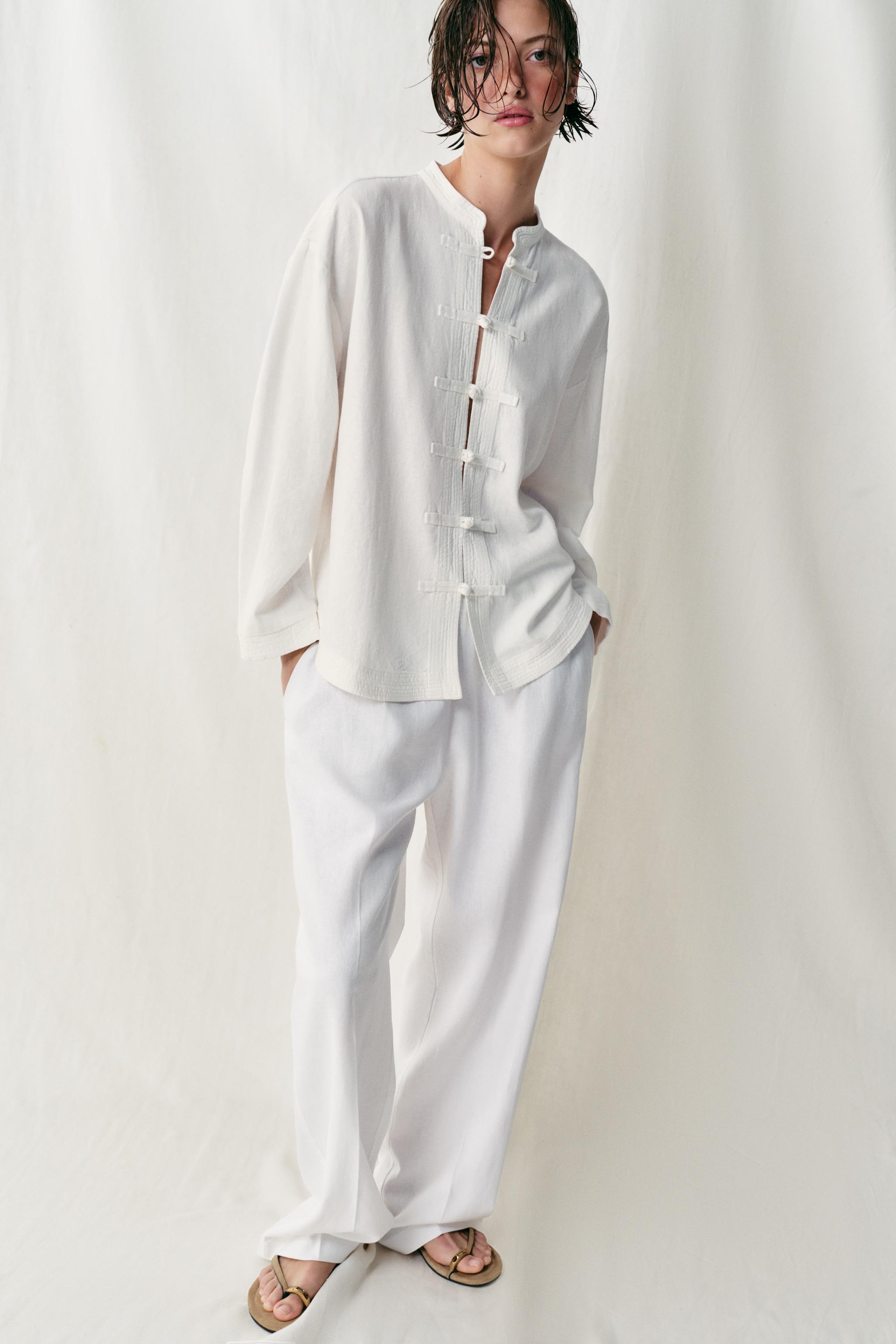
The viral Zara linen shirt sits just under £30.
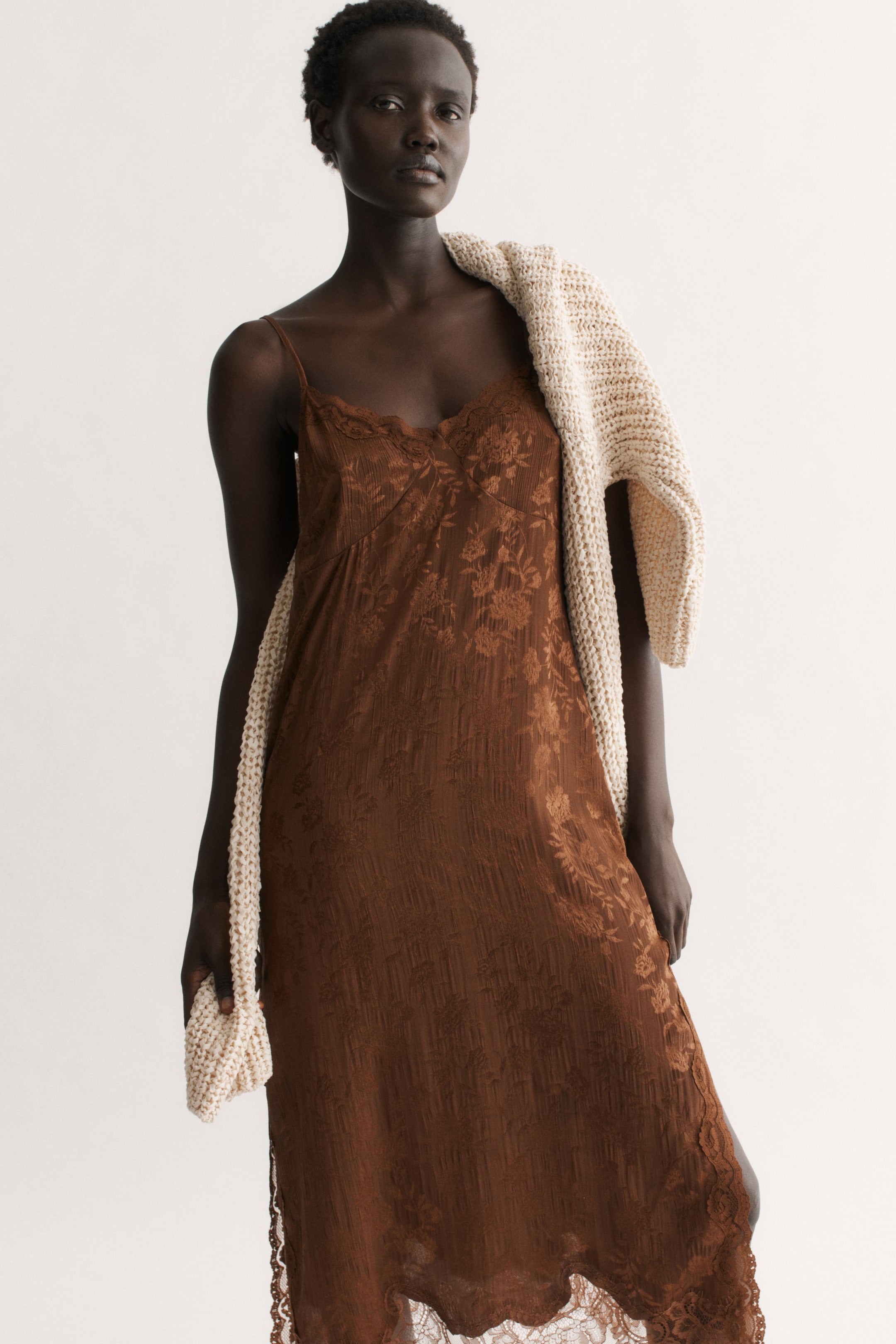
Boho dresses are so on-trend right now and with this number, it's clear why.
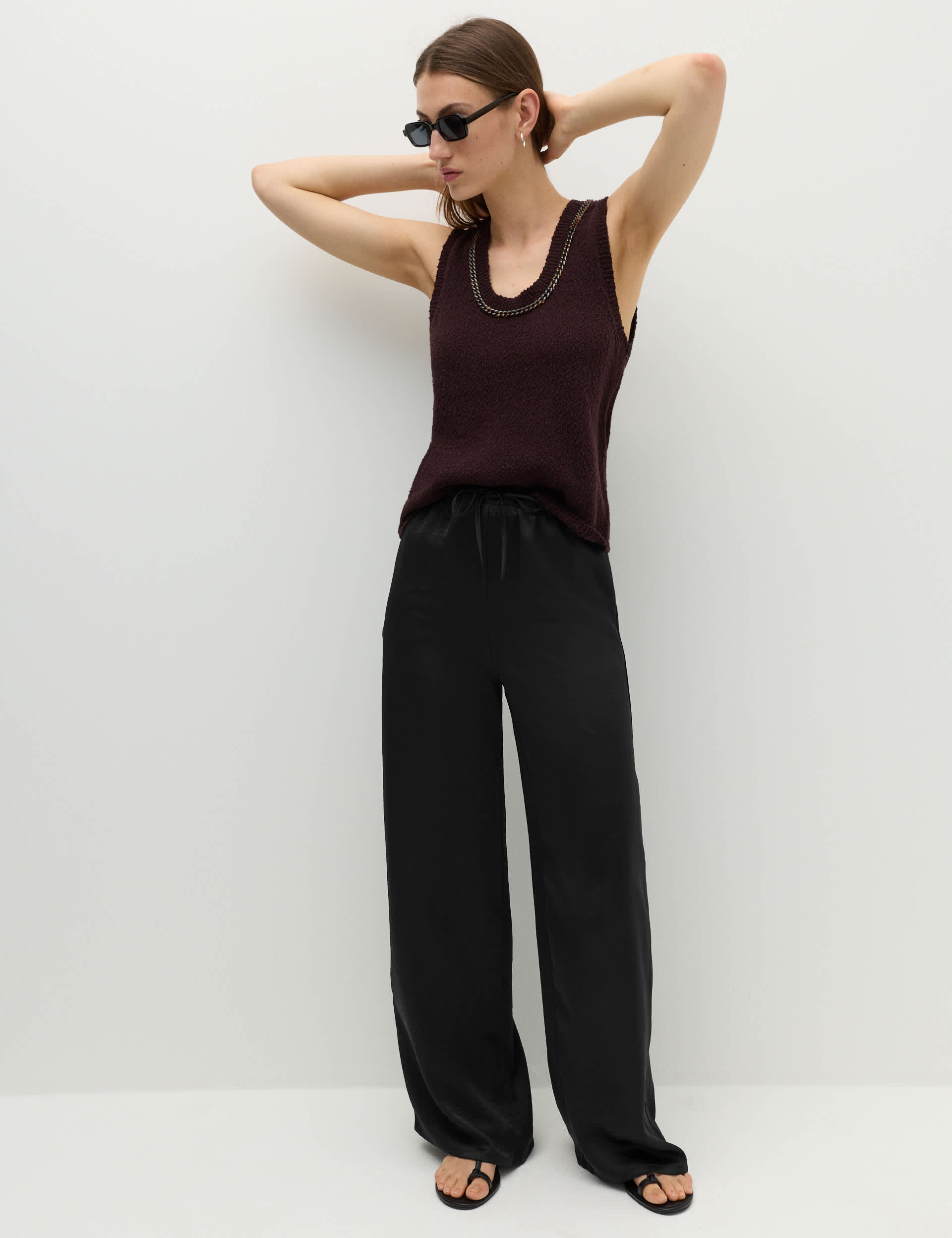
Satin trousers are so versatile and can easily be dressed up or down.
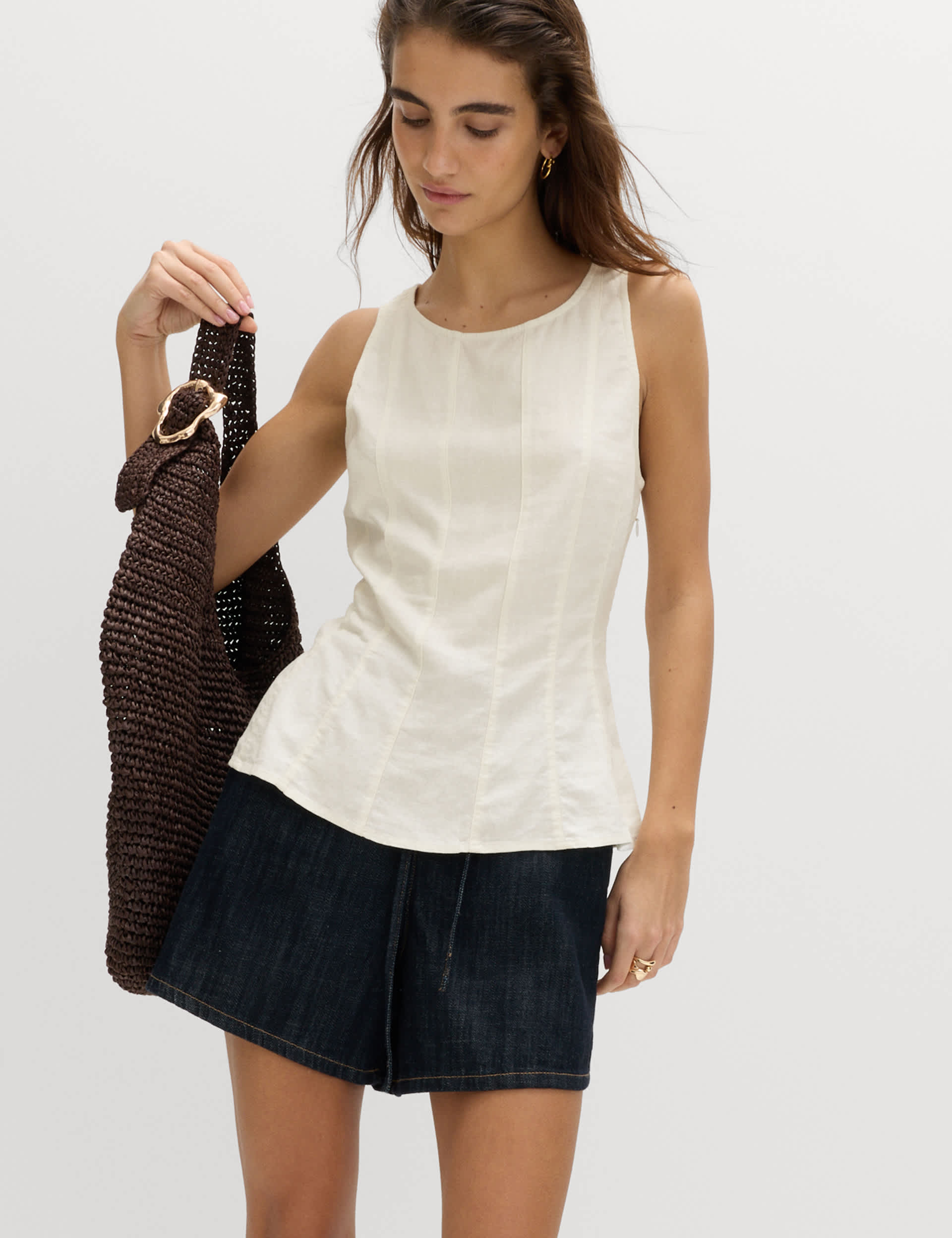
This panelled top gives such a sleek, structured silhouette.
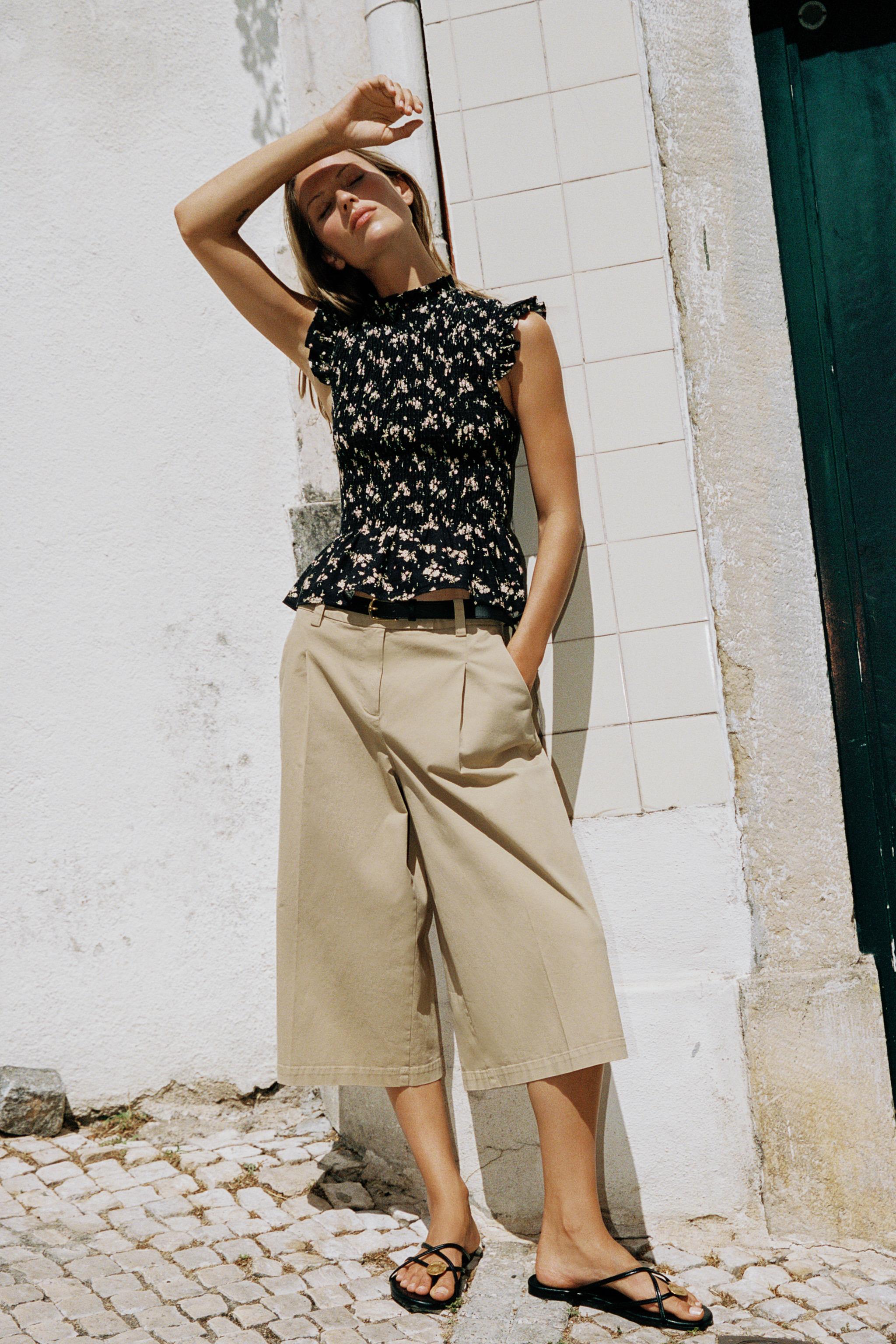
Smocked blouses have been a huge trend this summer and this ditsy floral one is a style to add to your collection.
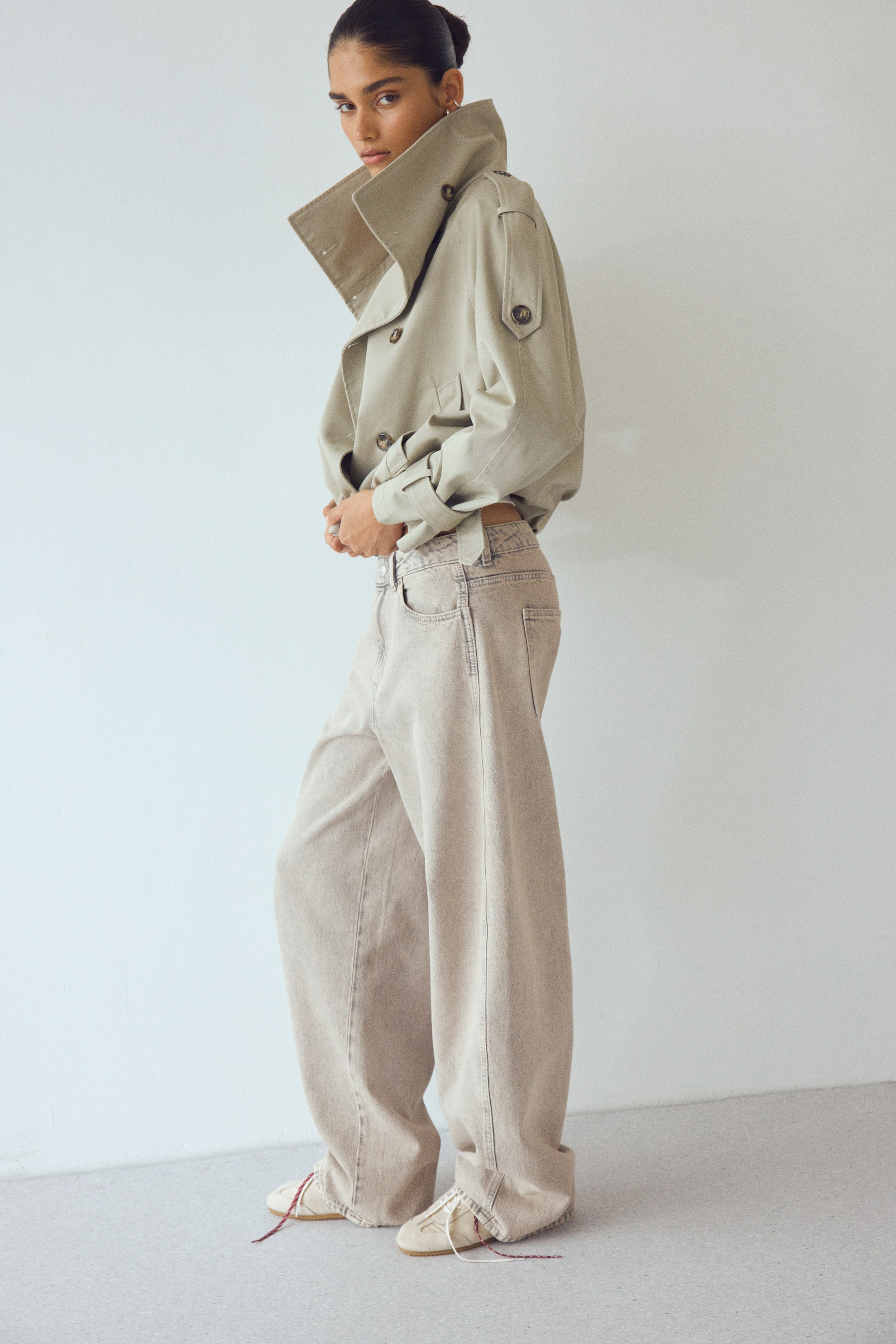
Barrel-leg jeans are so suited to an array of body types and this beige hue gives such a soft finish.
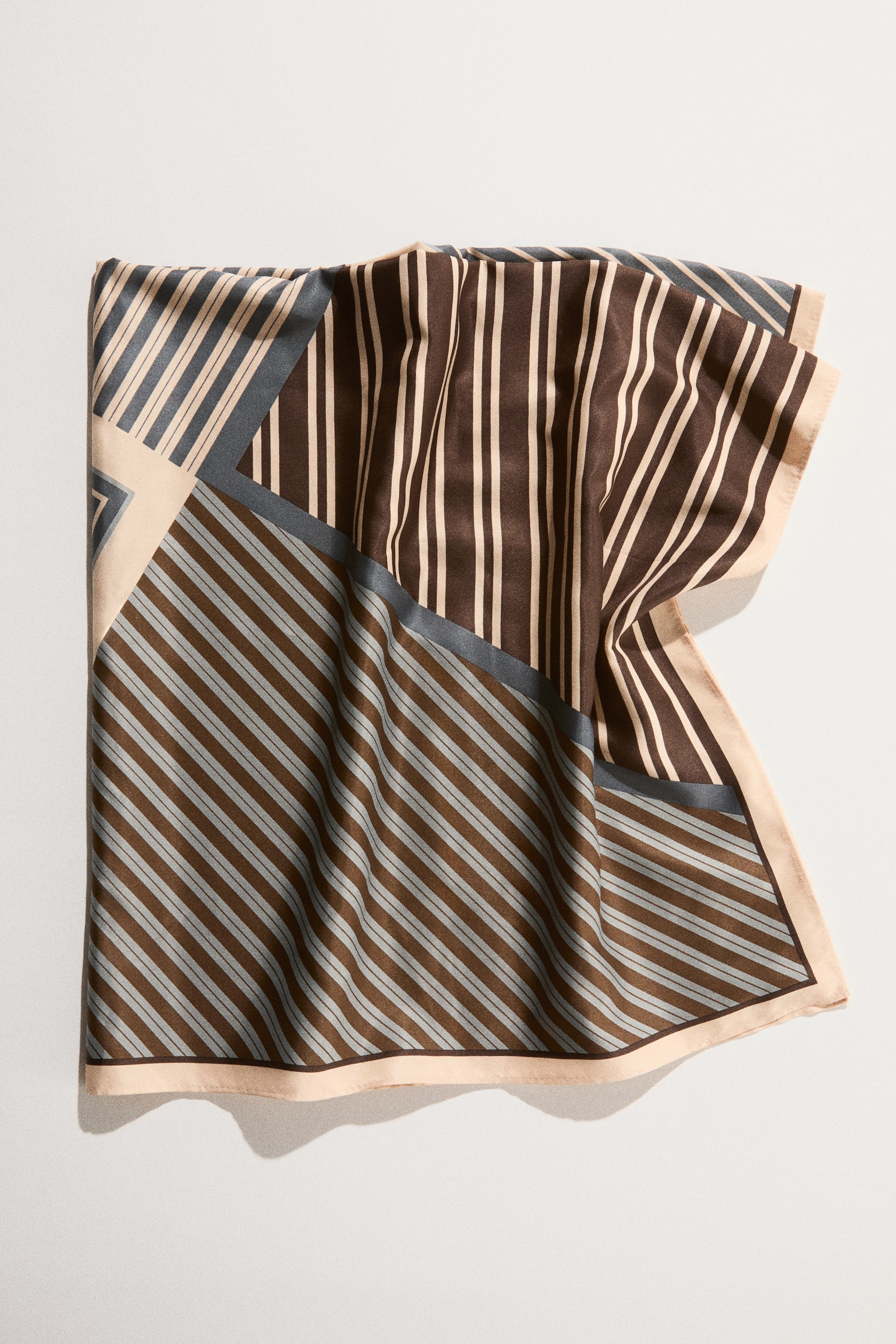
Scarves are so versatile—tie around your waist, in your hair, around your neck, or even around your handbag strap.
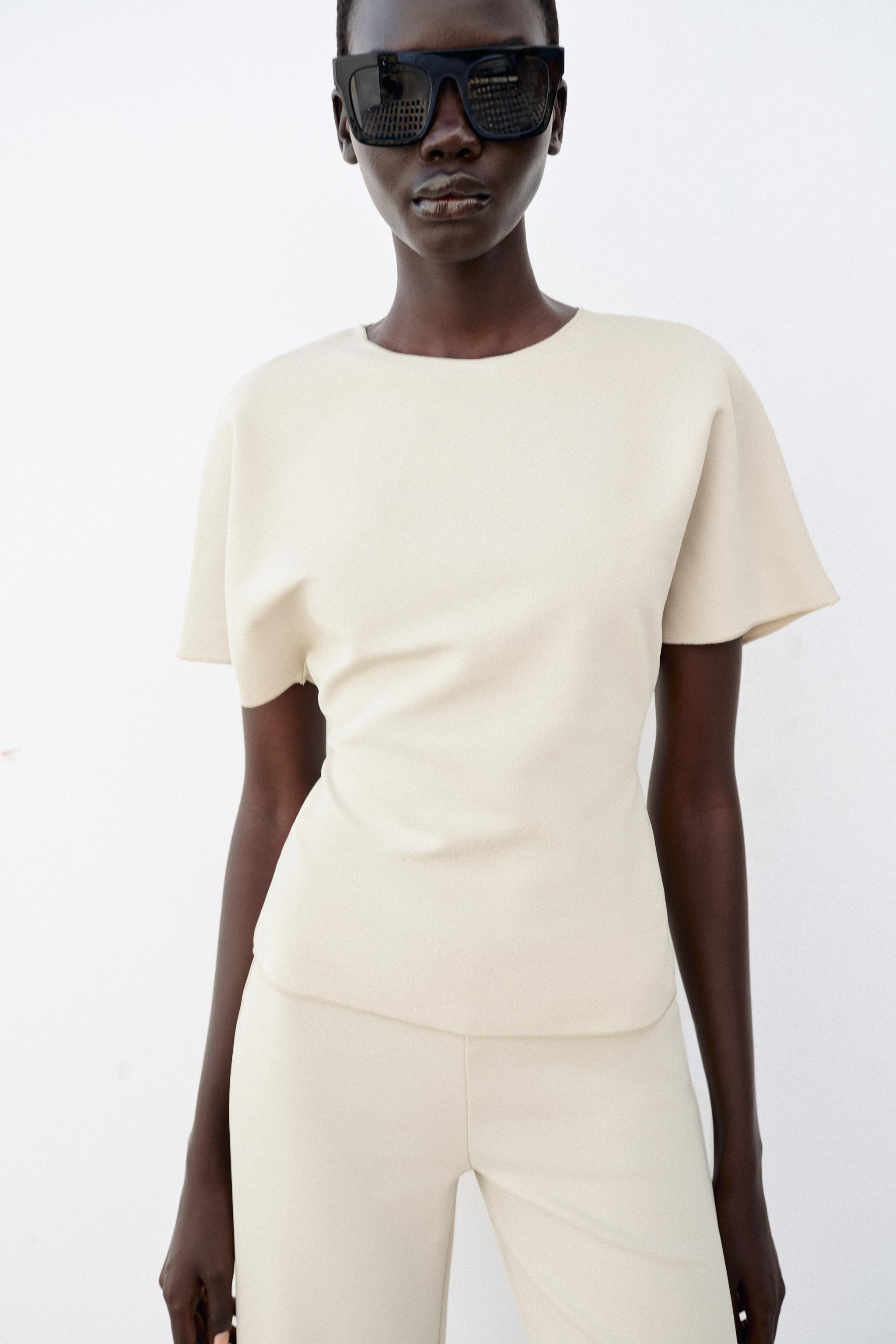
This will make a simple every day look feel instantly more elevated.
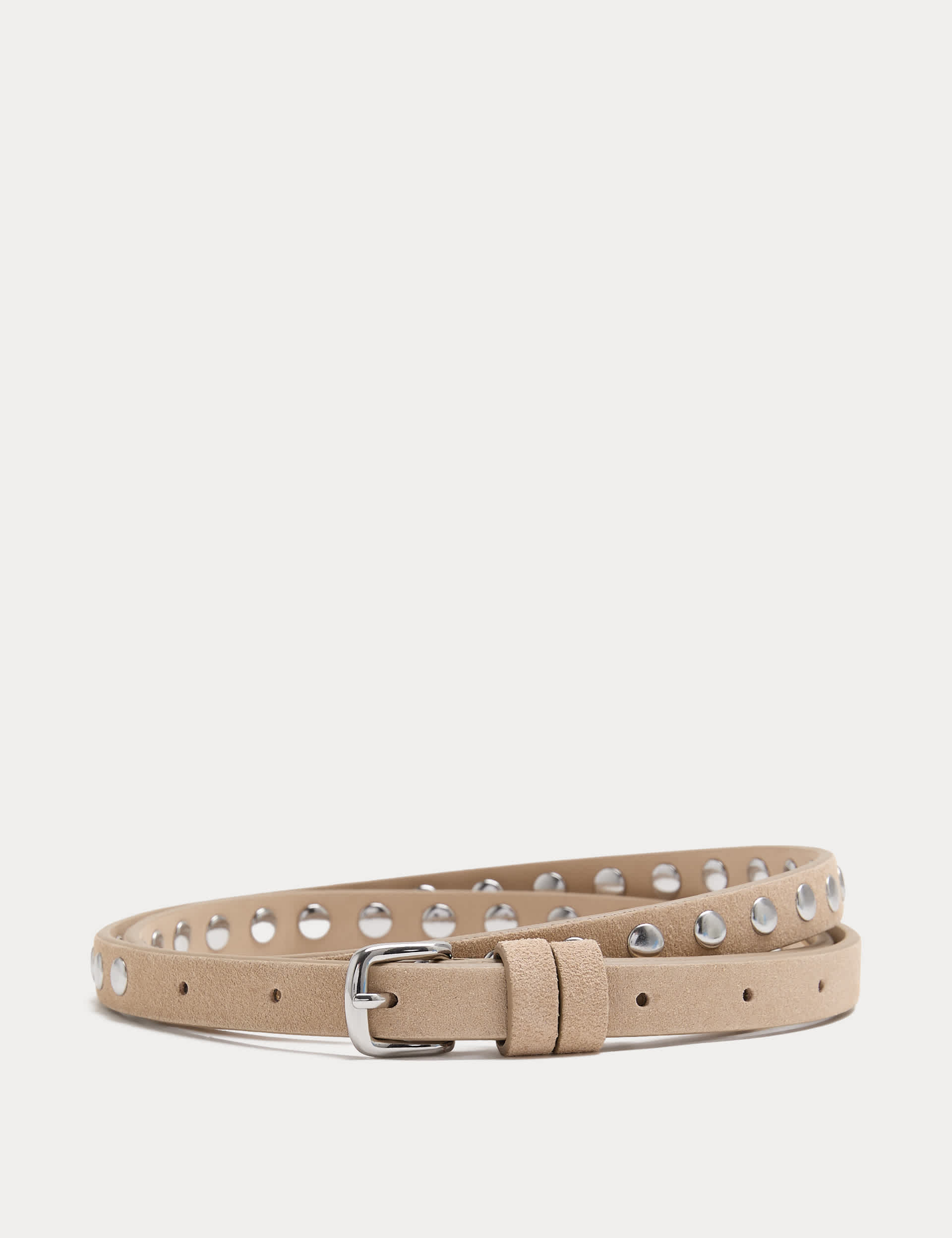
This looks just like the Isabel Marant studded belts.
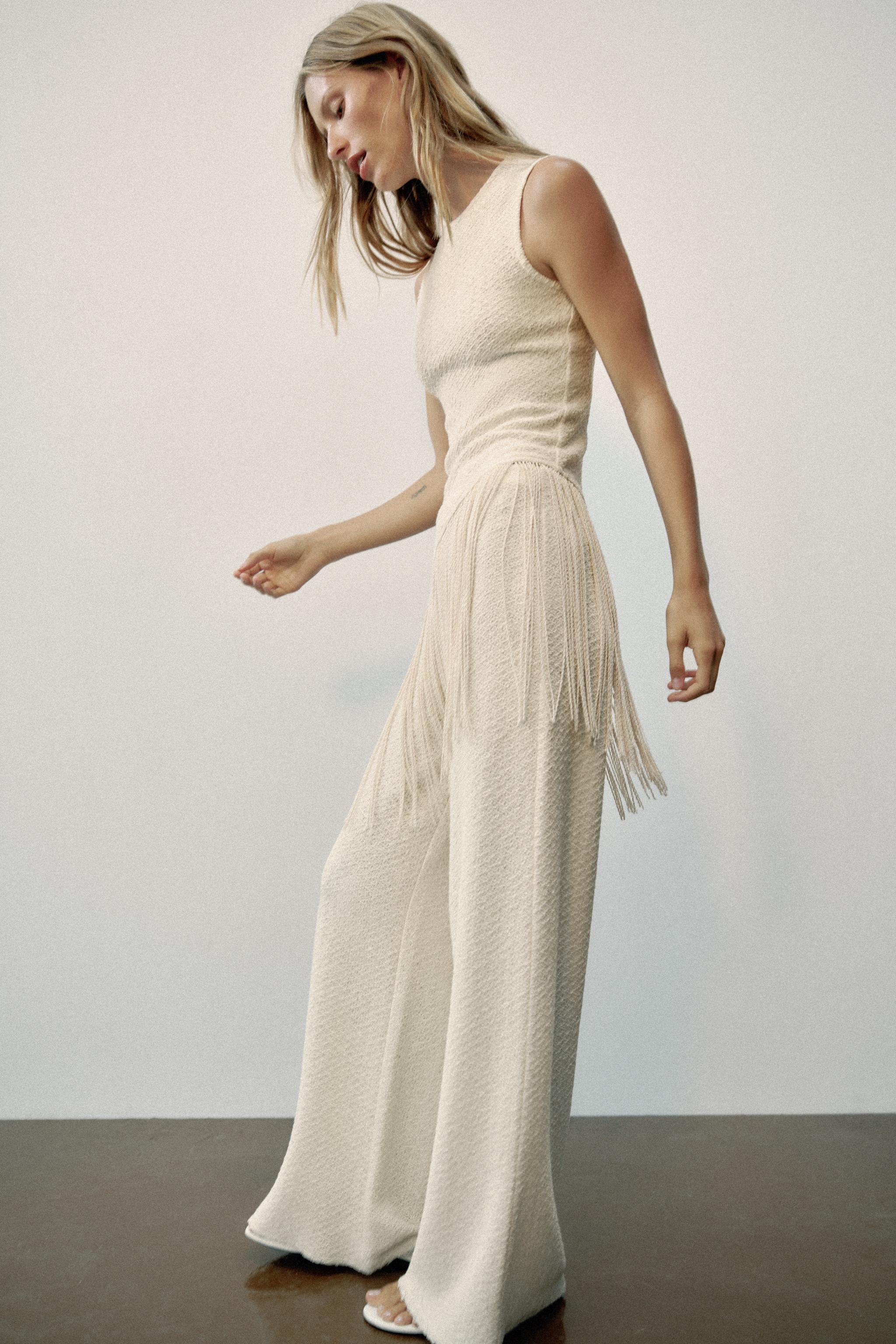
Textured trousers are a great way to bring depth to your look in a wearable way.
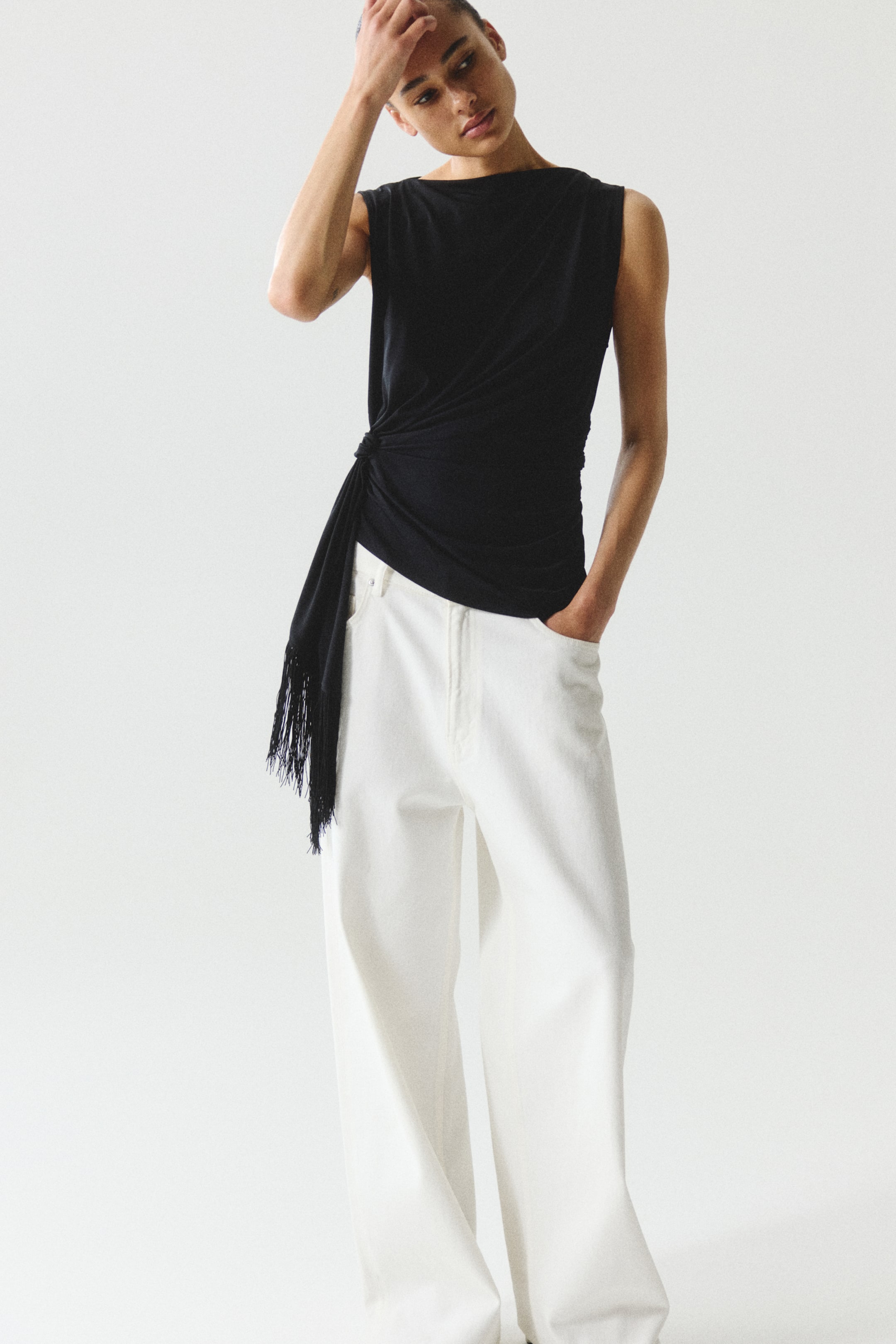
This will instantly elevate any simple look.
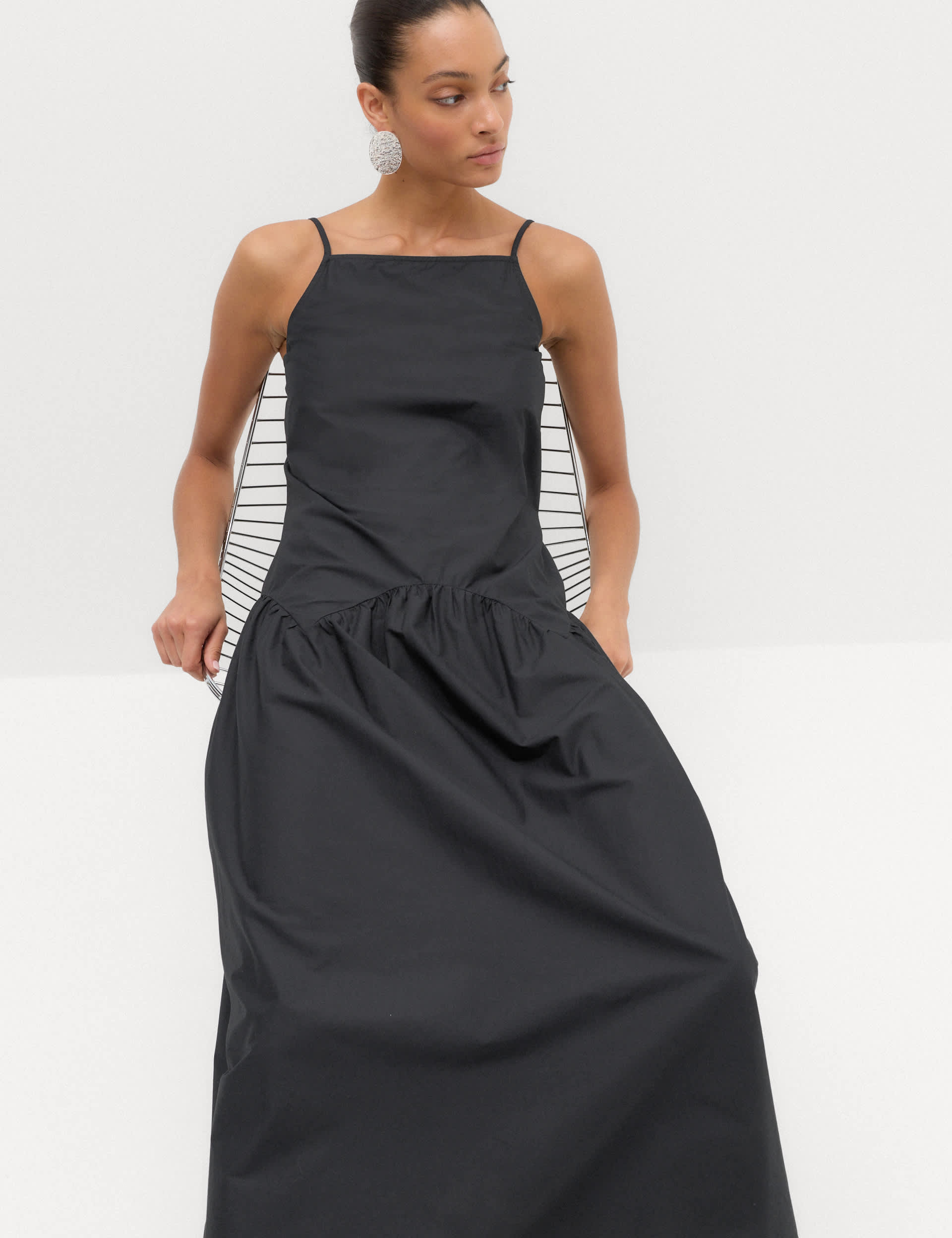
The high-neck and dropped-waist gives this such a luxe feel.
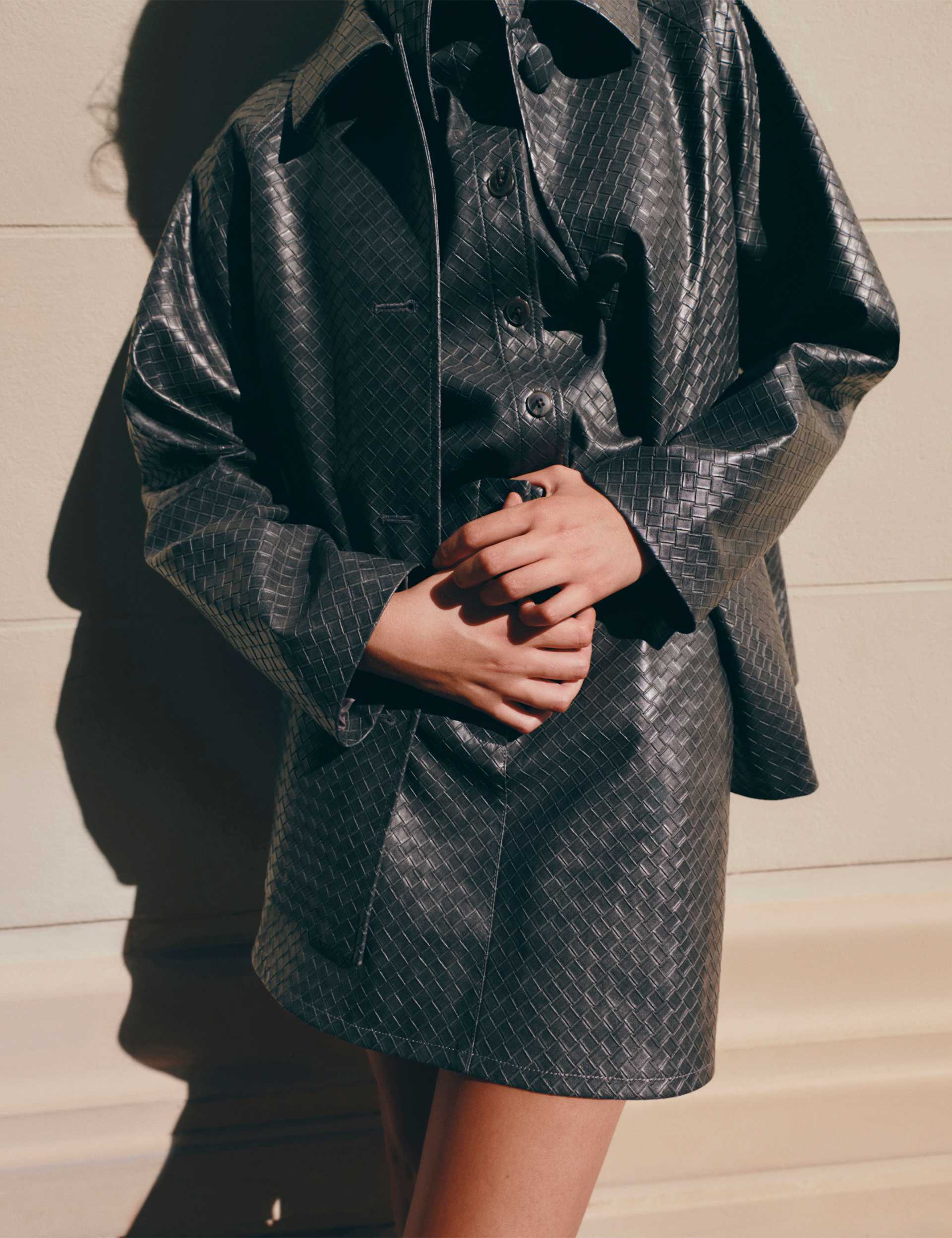
Get ahead of your autumnal wardrobe—this would look so chic with a tucked in knit and boots.
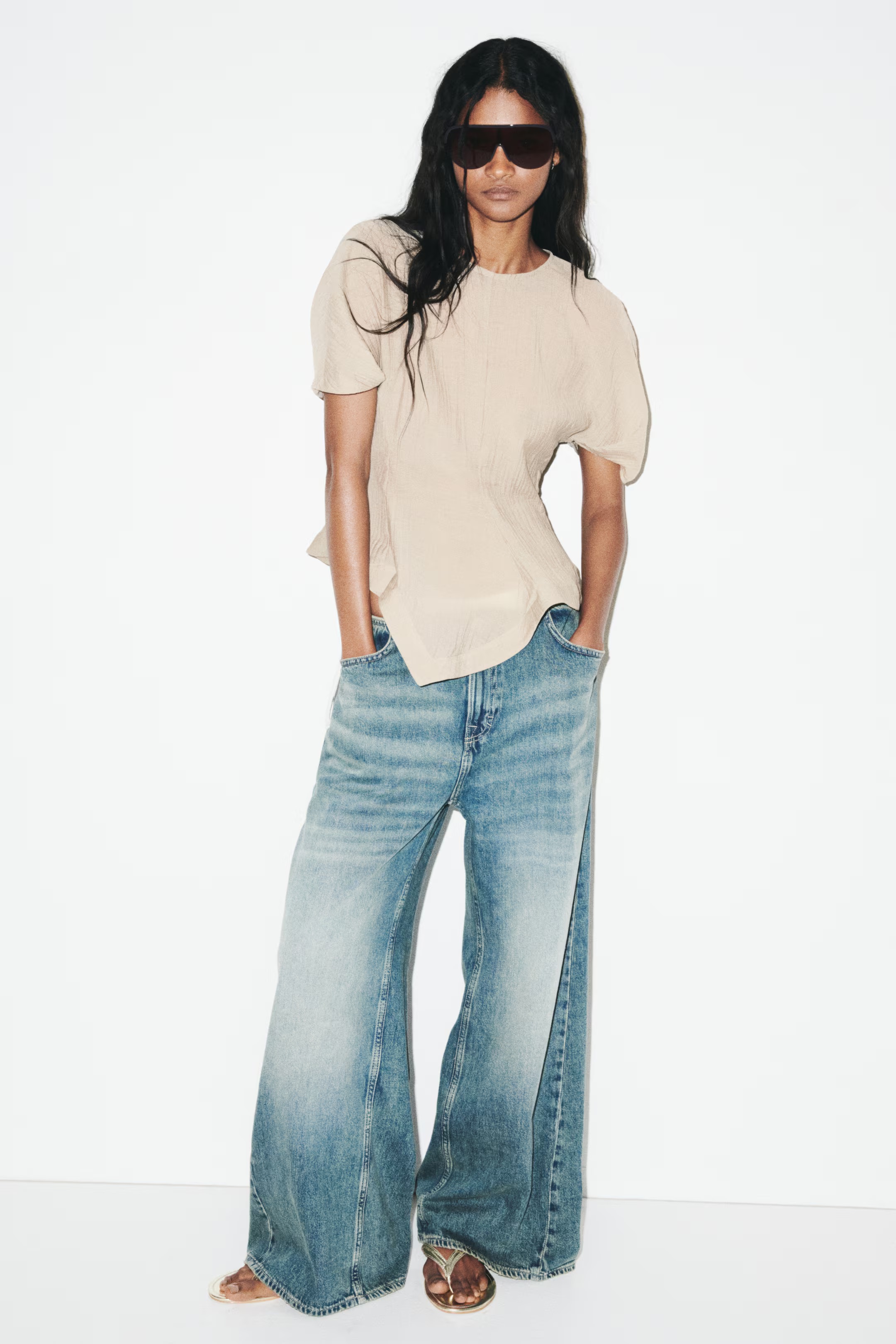
I love anything with a structured shape—it instantly makes it feel more expensive.
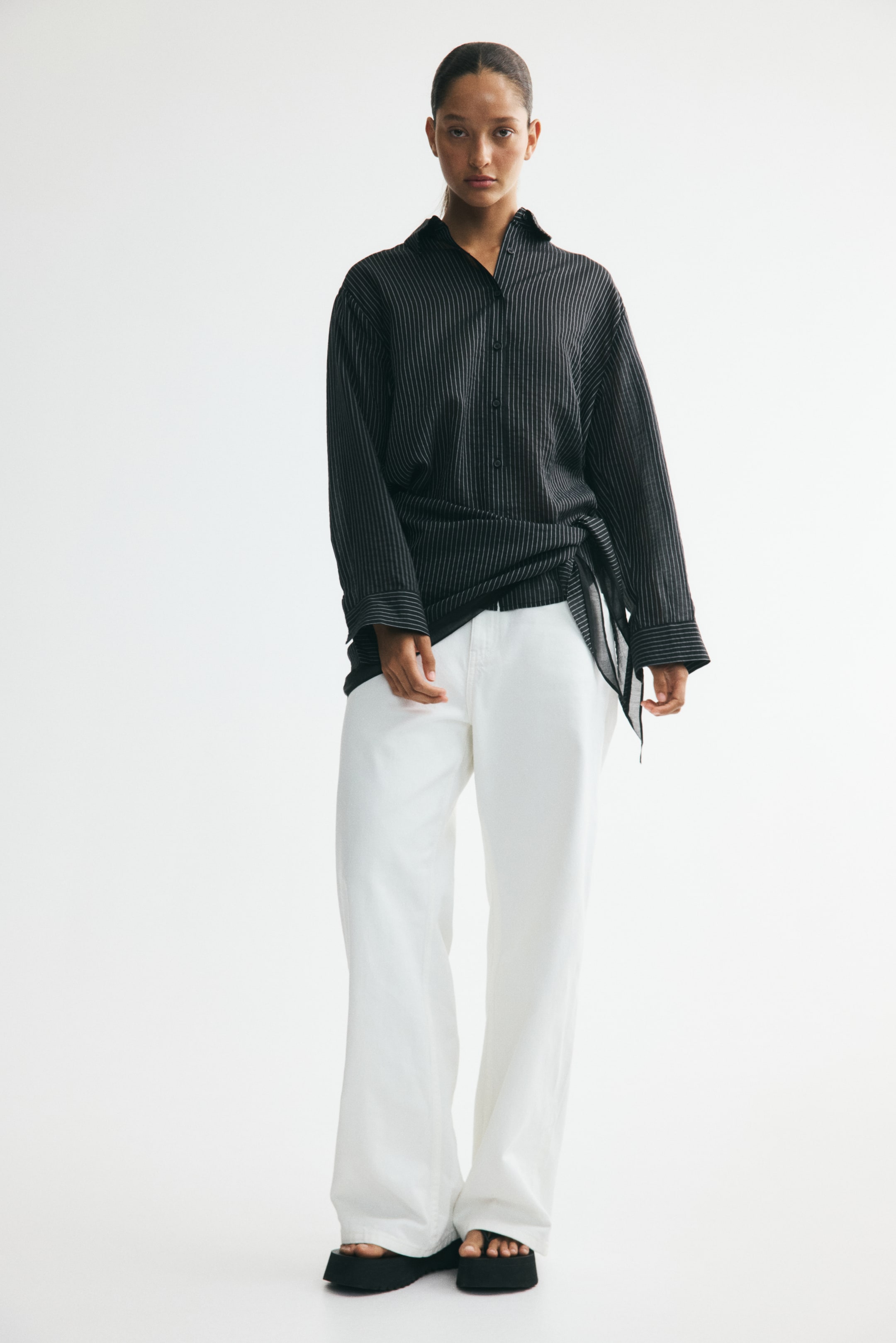
This went straight in my basket.
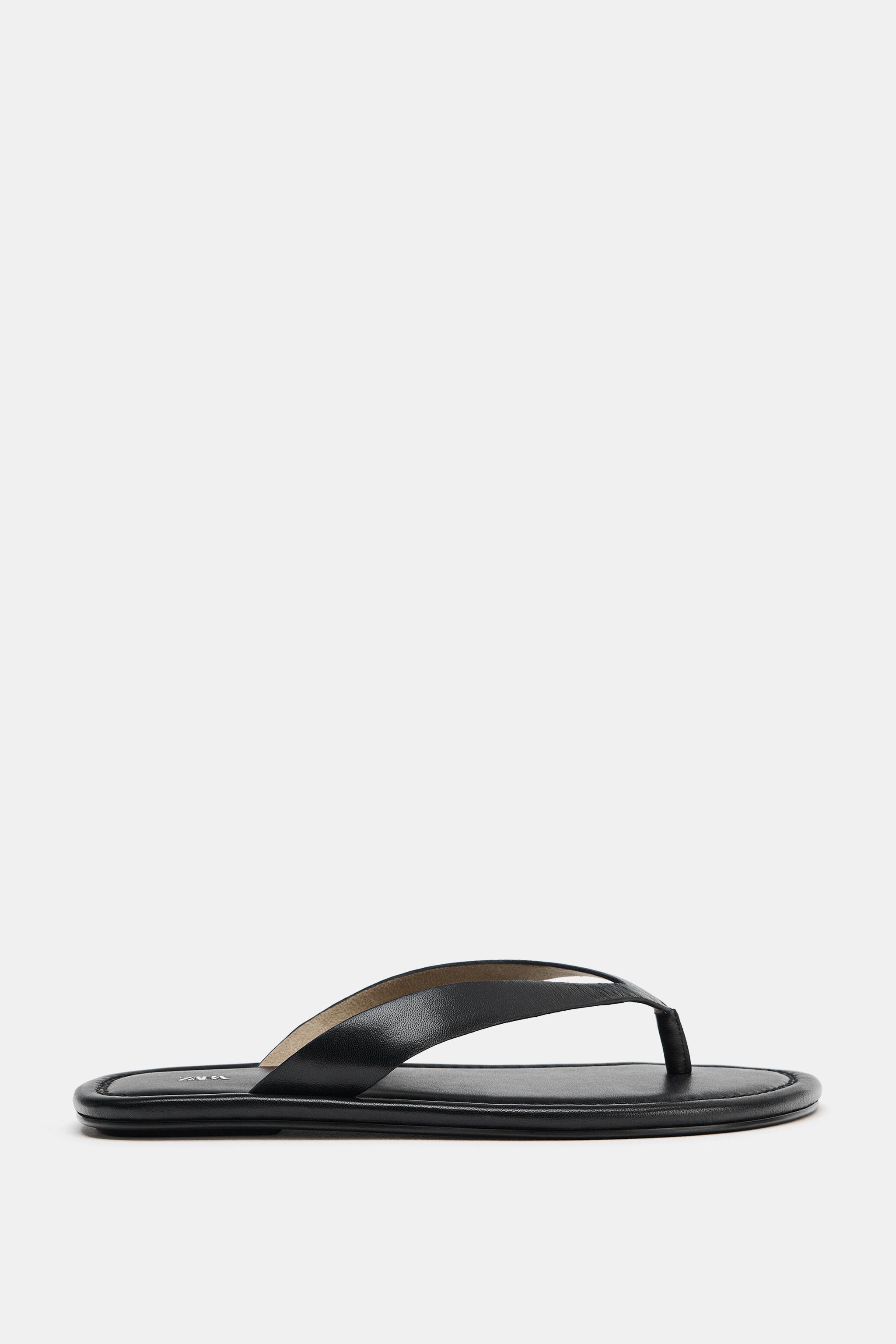
Minimalist leather flip flops are just so sleek.
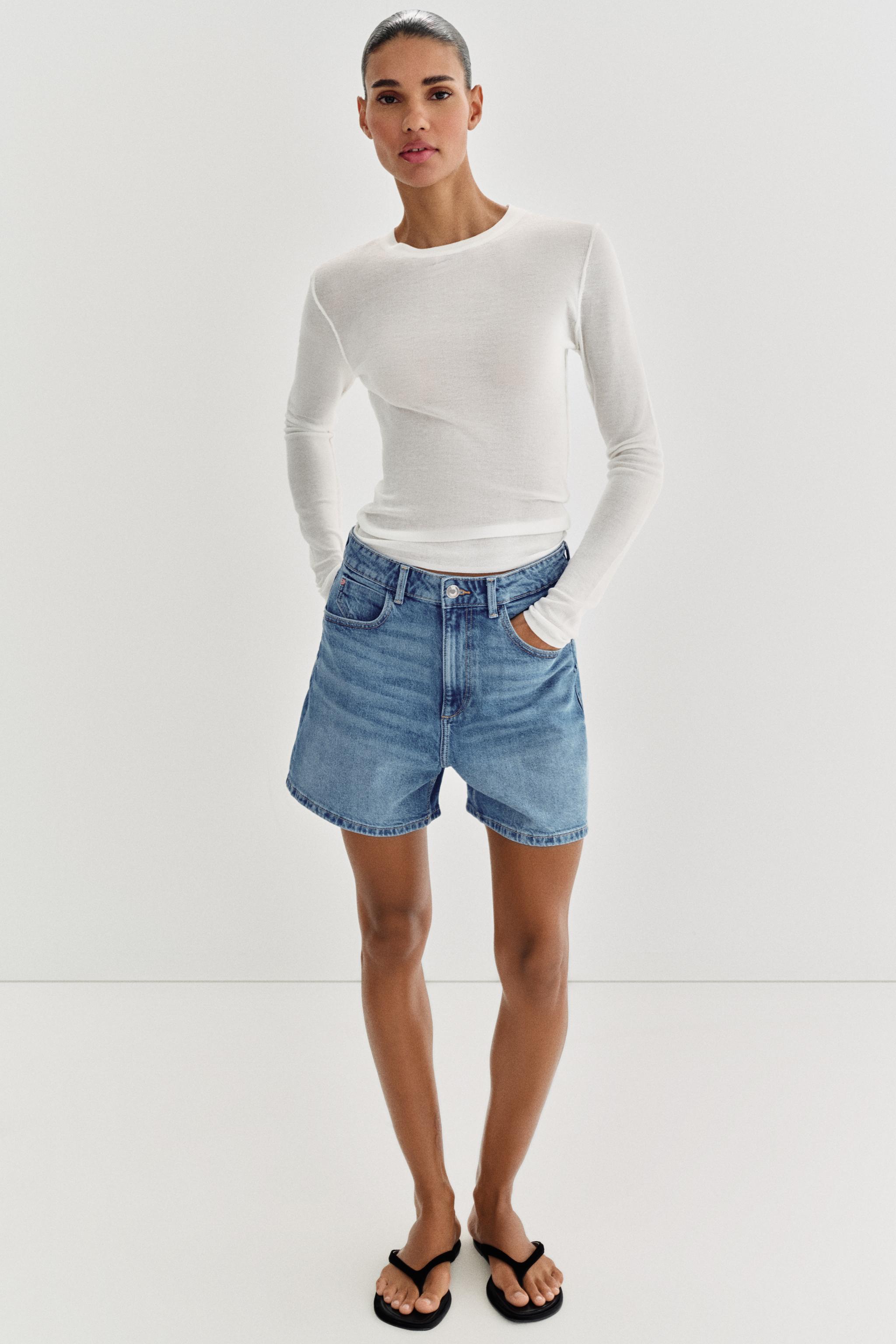
Zara is one of my high-street favourites for denim.
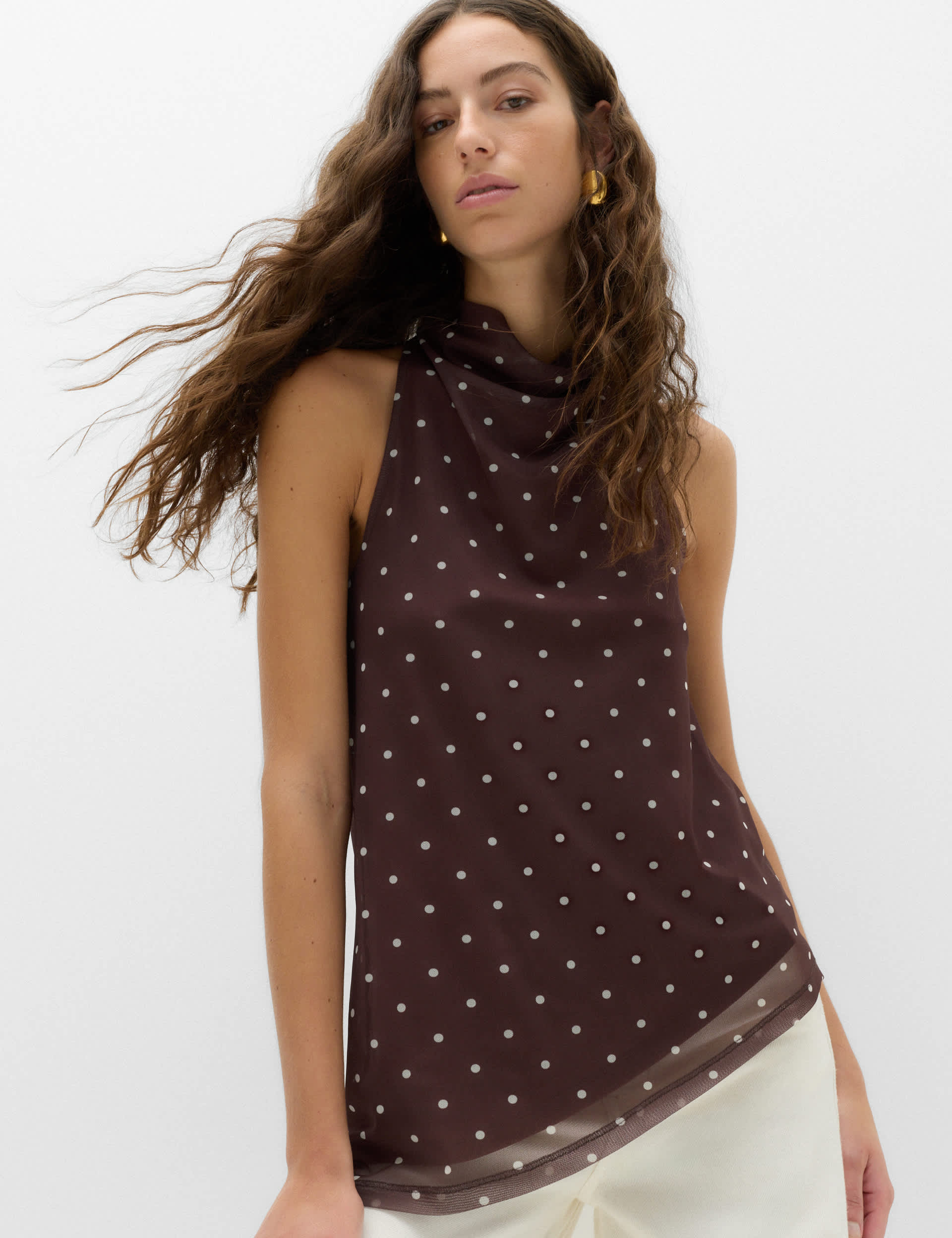
Polka dots are still so on trend right now—the asymmetric hem of this blouse is such a chic finish.
Read on the original site
Open the publisher's page for the full experience