What Are Growth Factors and Why Are They So Buzzy In the Skincare World? Dermatologists Explain the Benefits
Our take
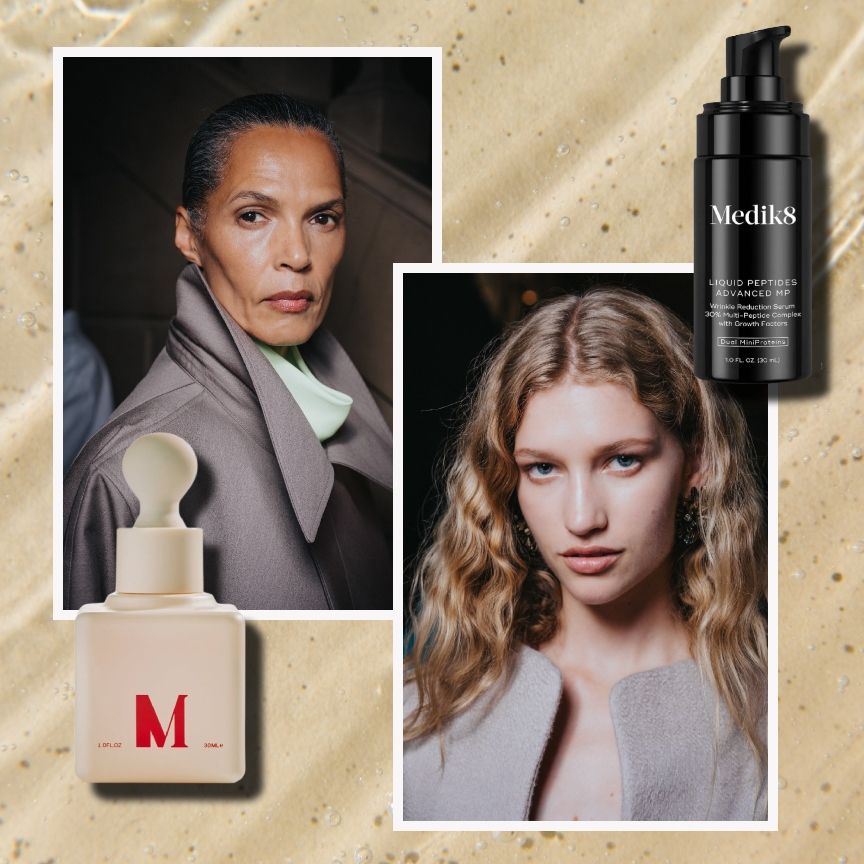
The skincare landscape is perpetually shifting, and the current buzz around growth factors feels particularly significant. What once felt like a futuristic promise—the harnessing of our skin’s own regenerative capabilities—is rapidly becoming a mainstream reality. The article, “What Are Growth Factors and Why Are They So Buzzy In the Skincare World?” rightly points out that the days of a simple sunscreen-and-retinol routine are long gone. Now, navigating the ingredient list can feel akin to decoding a scientific paper. This isn't necessarily a negative; it signifies a deepening understanding of skin biology and a growing ability to target specific concerns at a cellular level. It's a progression from surface-level treatments to interventions that aim to stimulate the skin's inherent ability to repair and rejuvenate. The shift towards preventative skincare, fueled by a desire for long-term skin health rather than solely addressing existing damage, is a key driver of this trend. Consider, for instance, the renewed interest in curated routines – Grass! Dream! Heaven! Gap Beauty Is Back, and We Scored a First Look at the Resurrected '90s Scents – highlighting a desire for holistic wellness that extends beyond just the face.
The promise of growth factors—smoother skin, fewer fine lines, a radiant glow—is undeniably appealing. But beyond the aspirational benefits, there's genuine scientific merit to the excitement. Growth factors are naturally occurring proteins that play a crucial role in cell growth, differentiation, and repair. When applied topically, they can signal skin cells to produce more collagen and elastin, the building blocks of youthful, resilient skin. What's particularly interesting, as dermatologists explain in the article, is the potential for growth factors to work synergistically with other ingredients like retinoids and peptides, amplifying their effects. This moves beyond the single-hero-ingredient approach that has dominated skincare for years. Moreover, the innovation isn't just limited to the ingredients themselves; advancements in delivery systems—liposomes, microencapsulation—are improving the efficacy of growth factor serums, ensuring they penetrate the skin barrier and reach the targeted cells. The rise of brands prioritizing luxurious textures and sensorial experiences, as seen with The Travels Essentials Rachel Zoe Always Packs For Her Getaways, further underscores the shift towards a more indulgent and holistic self-care ritual that embraces these advanced scientific innovations.
However, with any burgeoning trend, a degree of skepticism and careful consideration is warranted. The efficacy of topical growth factors can vary significantly depending on the concentration, stability, and delivery method. Furthermore, the term “growth factor” is sometimes used loosely in the beauty industry, encompassing a range of different proteins with varying degrees of activity. It's crucial for consumers to research brands and formulations thoroughly, looking for products backed by clinical studies and formulated with stabilized growth factors. The potential for allergic reactions should also be considered, especially for individuals with sensitive skin. While growth factors represent a significant advancement, they shouldn't be viewed as a magic bullet. A holistic approach to skincare—including sun protection, a healthy diet, and adequate sleep—remains paramount. The curated aesthetic and discerning eye for quality seen in brands like those featuring in The 6 Australian Swimwear Brands Every Fashion Person Is Wearing demonstrates an understanding of valuing high-quality ingredients and formulations, which is equally applicable to skincare.
Looking ahead, the integration of biotechnology and skincare is only set to deepen. We can anticipate further advancements in growth factor research, leading to more targeted and effective formulations. The potential for personalized skincare, tailored to an individual's unique genetic makeup and skin concerns, is a particularly exciting prospect. The question now becomes: how will consumers navigate this increasingly complex landscape, and what role will dermatologists and skincare professionals play in guiding them toward products that truly deliver on their promises? The quiet confidence inherent in a well-researched and thoughtfully curated skincare routine, one that prioritizes long-term skin health over fleeting trends, will be the differentiator in this new era of cellular-level skincare.
Building an effective skincare routine used to mean applying sunscreen in the morning and maybe a retinol at night. Now? It can feel like you need to be a biotech major just to shop for an anti-aging serum. Ingredient lists sound more at home in medical journals than Sephora aisles as brands continually embrace science-heavy ingredients—think PDRN, copper peptides, and exosomes—and it’s on us to figure out which innovations are genuinely legitimate versus simply well marketed. Growth factors are the latest craze in this category, popping up in luxury-leaning serums and medical-grade moisturizers (often accompanied by eye-watering price tags). The promise? Brighter, smoother, more resilient skin. But do they actually deliver?
To see if growth factors are truly pulling their weight, I consulted dermatologists and a plastic surgeon to uncover everything there is to know about the buzzy ingredient. Ahead, you’ll discover what growth factors are exactly, their key benefits, and if they’re worth the investment.
What Are Growth Factors?
Growth factors aren’t just a hyped up skincare ingredient in fancy serums. According to Daniel Gould, MD, PhD, a board-certified plastic surgeon in Beverly Hills, California, they’re naturally occurring signaling proteins that are called into action when your skin’s in need of repair. “They tell cells what to do, like divide, move, build collagen, or heal,” he says.
The mechanism is similar when they’re applied topically. Brendan Camp, MD, a double board-certified dermatologist and dermatopathologist at MDCS Dermatology in New York City and Long Island, likens them to text messages between your skin cells. “These ‘text messages’ target separate aspects of your skin,” such as repairing the skin barrier or producing collagen, “yet they work together to produce balanced, beautiful, and healthy results,” he says.
What Are the Different Types of Growth Factors?
The key types of growth factors, meaning the ones you’ll most frequently see in skincare formulations, include epidermal growth factor (EGF) and fibroblast growth factor (FGF). “EGF primarily works on epidermal cells in the outer layers of the skin, helping support skin renewal, barrier repair, and overall skin texture,” says Kseniya Kobets, MD, a board-certified dermatologist and director of cosmetic dermatology at Montefiore Einstein Advanced Care. “FGF works deeper in the dermis on fibroblasts—the cells responsible for producing collagen and elastin—so it is more closely associated with firmness, elasticity, and structural support.”
While some formulations rely on one or the other, some include both—not to mention a host of other regenerative powerhouses. “Some contain a mixture of growth factors, cytokines, peptides, conditioned media, or exosome-derived signaling molecules designed to mimic the complex communication network involved in wound healing and skin rejuvenation,” Dr. Kobets explains. It’s also common for growth factor products to pack hydrating and barrier-supporting ingredients you’re more familiar with, including hyaluronic acid, glycerin, niacinamide, and ceramides. At the end of the day, Dr. Kobets says it’s best to evaluate the overall formulation versus whether a given product contains EGF, FGF, or both.
How Are Growth Factors Sourced?
According to Dr. Gould, there are three primary sources of growth factors. First up are human-derived growth factors, which come from cultured fibroblasts, fetal foreskin fibroblasts, or platelets. These are the most-studied types, not to mention closest match to what our own skin produces naturally. Next are recombinant growth factors, which are lab-made using bacteria or yeast. “They are purified, defined, and consistent from batch to batch, and they can be very effective,” says Dr. Gould. There are also plant-derived growth factors, but Dr. Gould says the science behind them is weak. “Plants do not have the same signaling biology that humans do, plant growth factors lack receptor homology to human skin cells, and the evidence that they provide meaningful benefit is thin,” he says.
Growth factors are a solid choice for those seeking anti-aging benefits but can’t tolerate stronger actives like retinoids or exfoliating acids.
Dr. Kobets
Your best bet is to read the fine print and opt for human-derived or lab-made growth factors. Just be warned, however, that they tend to be pretty pricey—oftentimes climbing up to three figures. “With some growth factor products, a higher price tag is warranted due to complex production and premium costs associated with sourcing them,” says Dr. Camp. “Growth factors are incredibly delicate and require biotechnological processes to ensure they remain stable and effective.” That said, a high price tag won’t guarantee a quality product. Dr. Camp advises considering brand legitimacy and prioritizing formulas with proven clinical results.
What Are the Skincare Benefits of Growth Factors?
Growth factors are primarily used to support collagen production, improve skin texture, soften fine lines, and enhance the overall quality, function, and repair of your skin, says Dr. Kobets. “They can also help support barrier recovery and may improve the appearance of photodamage [e.g., wrinkles and sun spots] over time,” she adds.
Growth factors are especially beneficial when used alongside in-office treatments such as microneedling and fractional laser resurfacing. Such treatments create controlled micro-injuries in the skin, which triggers a wound-healing response. Not only do growth factors help prep the skin to become more resilient before the procedure but also support recovery afterwards. “Growth factors are naturally involved in that healing cascade, so applying them during the recovery phase may help support tissue repair and optimize results,” says Dr. Kobets.
According to Dr. Camp, they can even enhance recovery after certain surgeries. “Because growth factors specifically target areas of the skin that need repair, they work efficiently to accelerate healing and improve complexion,” he says.
Who Should Use Growth Factors?
Dr. Gould explains that ideal candidates to use growth factors include adults over 30 who have thin or compromised skin and could use ongoing collagen support. Since they’re gentle, growth factors are also a solid choice for those seeking anti-aging benefits but can’t tolerate stronger actives like retinoids or exfoliating acids, adds Dr. Kobets. However, since they support the skin barrier, using them alongside these heavy hitters can make your skin more readily accept them.
How Do You Use Growth Factors?
Convinced that it’s time to add growth factors to your lineup? Some good news: Unlike some other actives, they’re refreshingly low maintenance and work with just about every other skincare product.
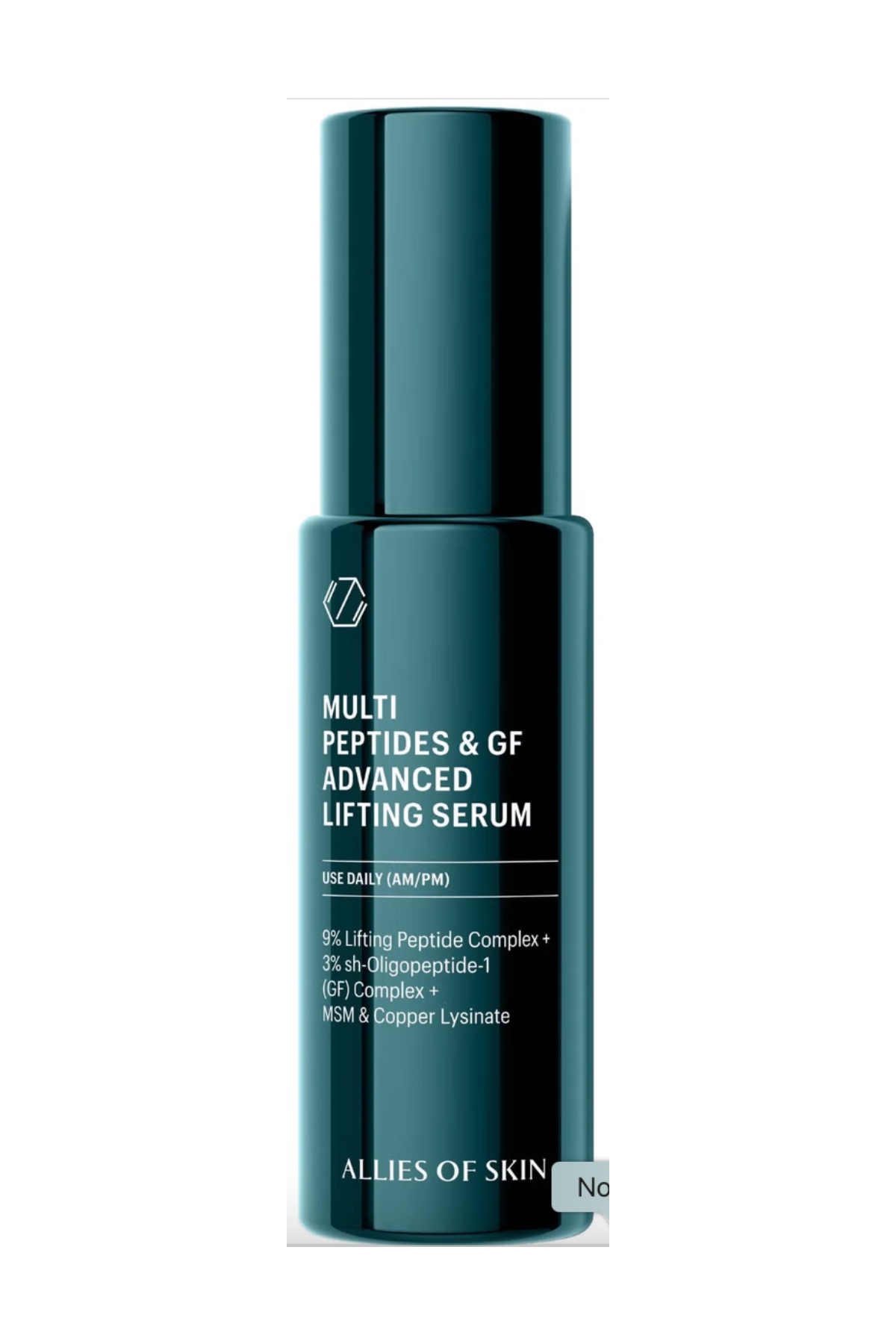
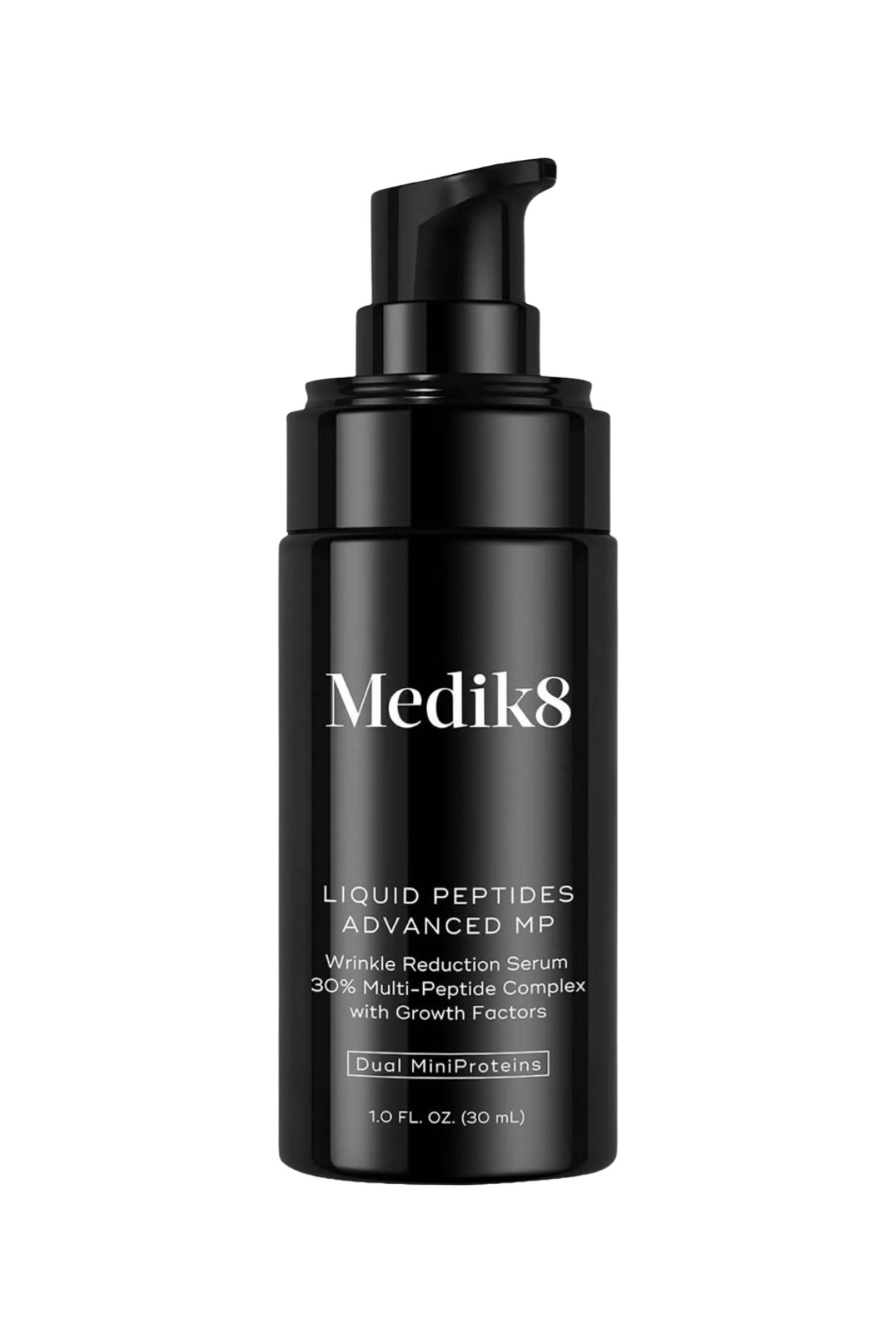
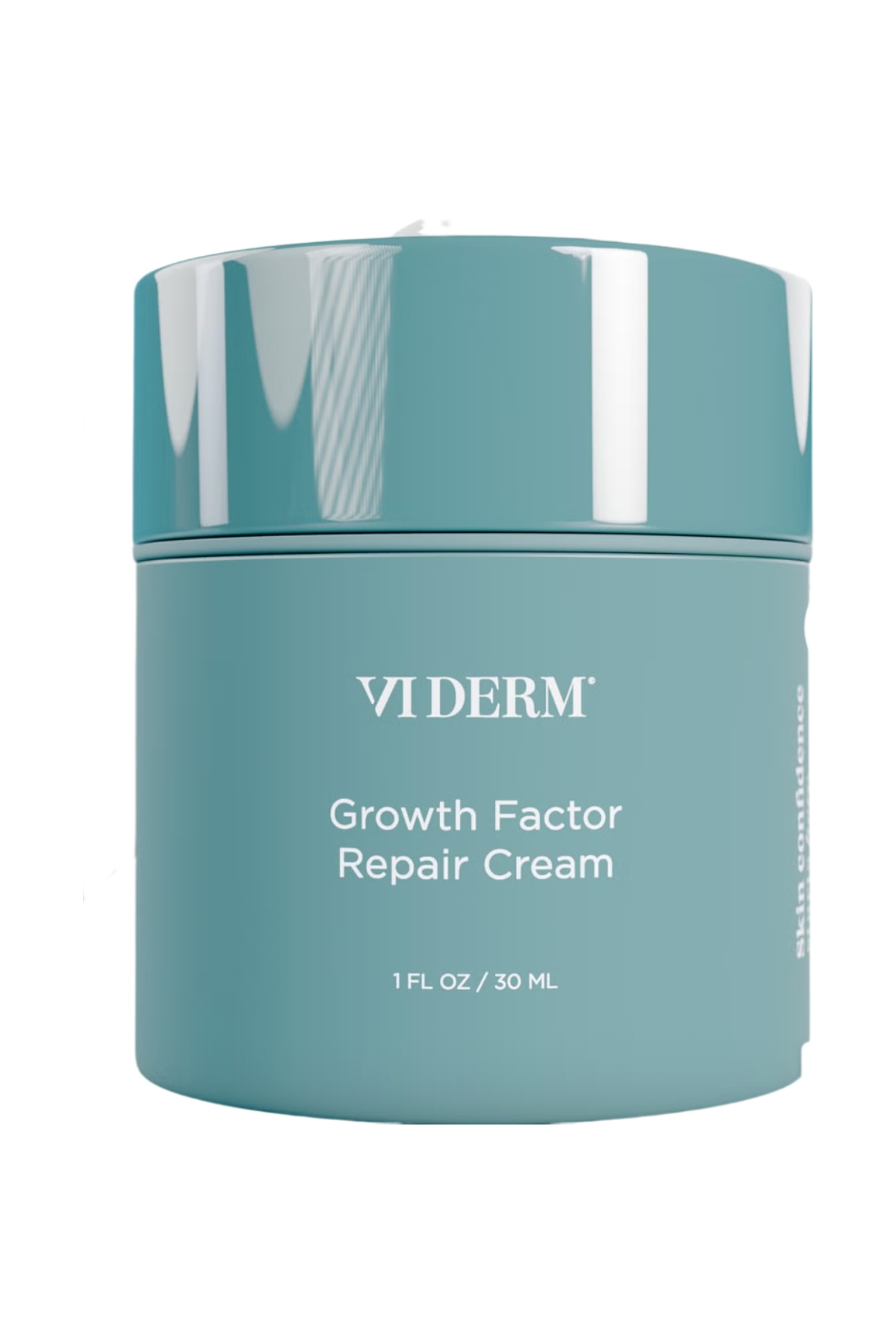
For best results, Dr. Gould suggests using a growth factor serum twice daily. In the morning, apply it after cleansing and a vitamin C serum and before your moisturizer and SPF. In the evening, apply it in between a retinoid or exfoliating acid (never both) and your moisturizer. And if you’re using a growth factor moisturizer, you don’t need another EGF serum in your lineup.
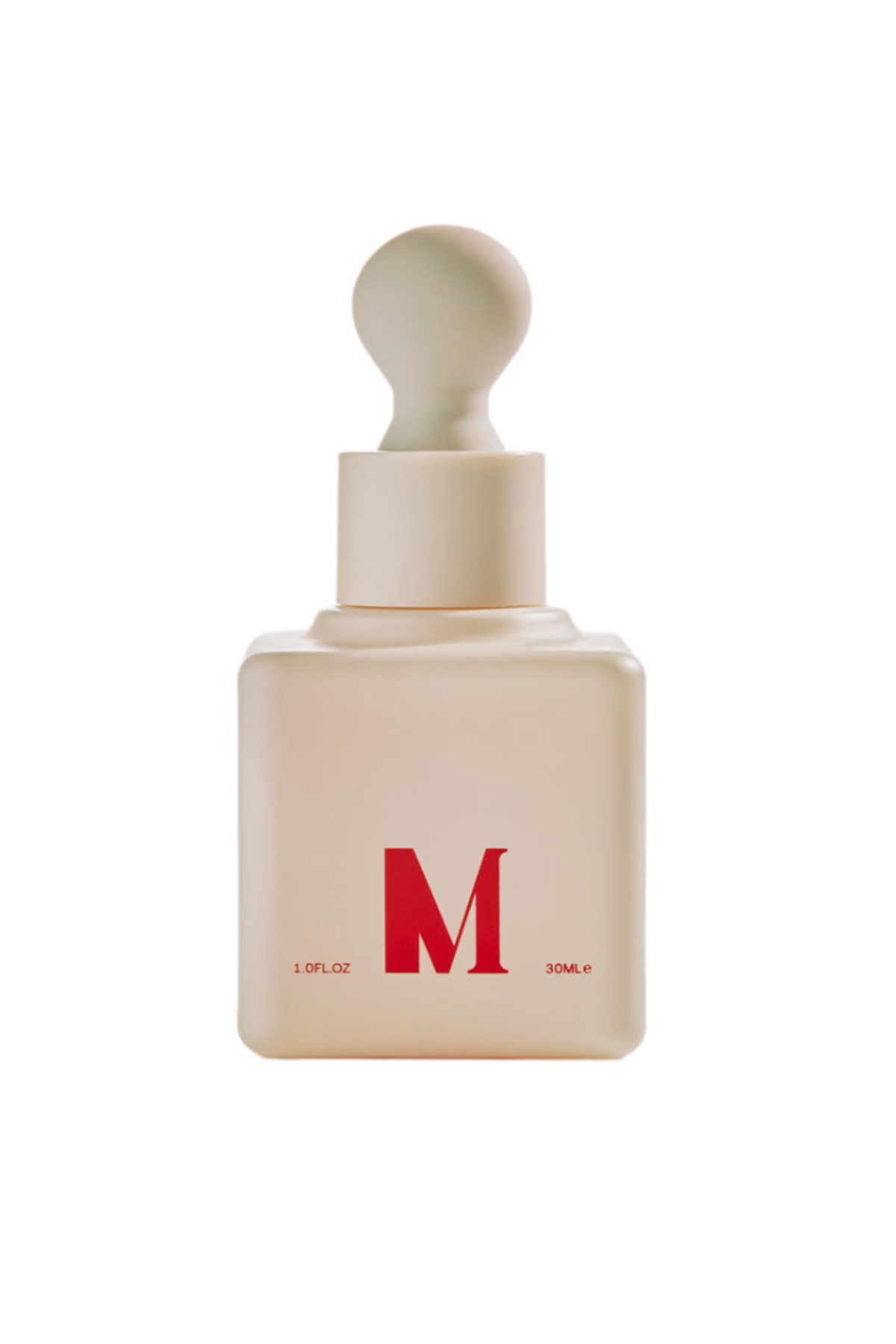
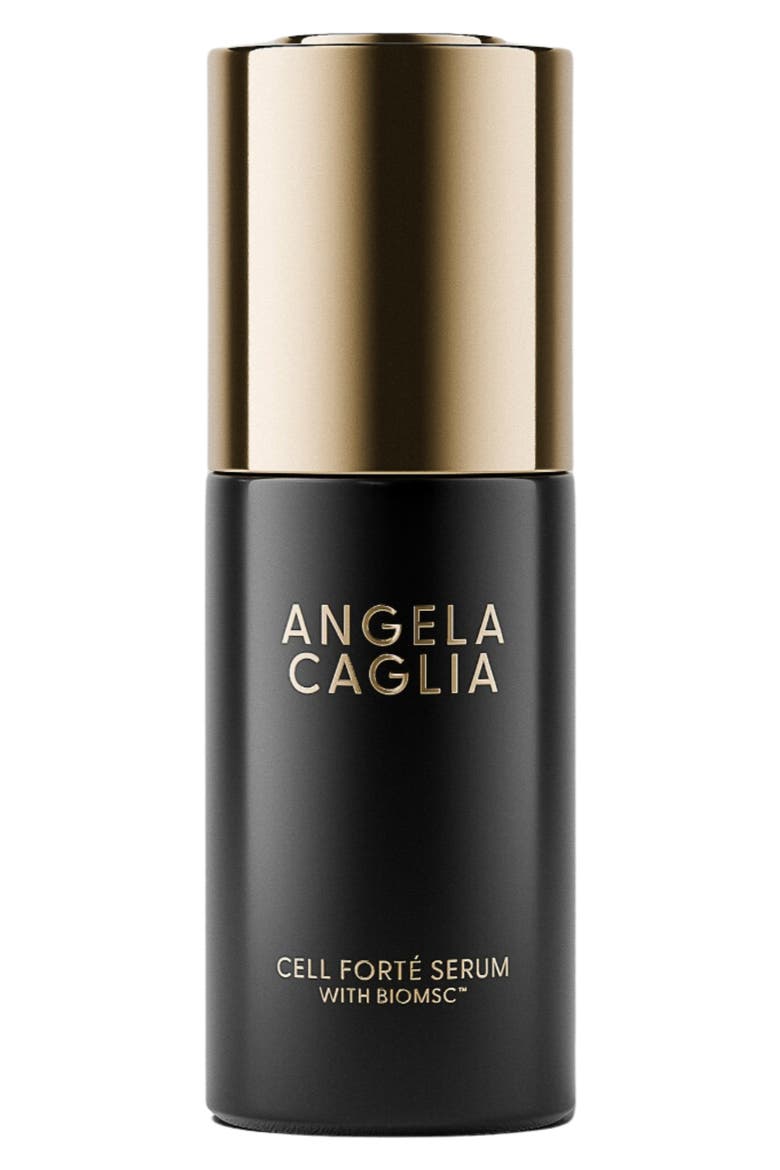
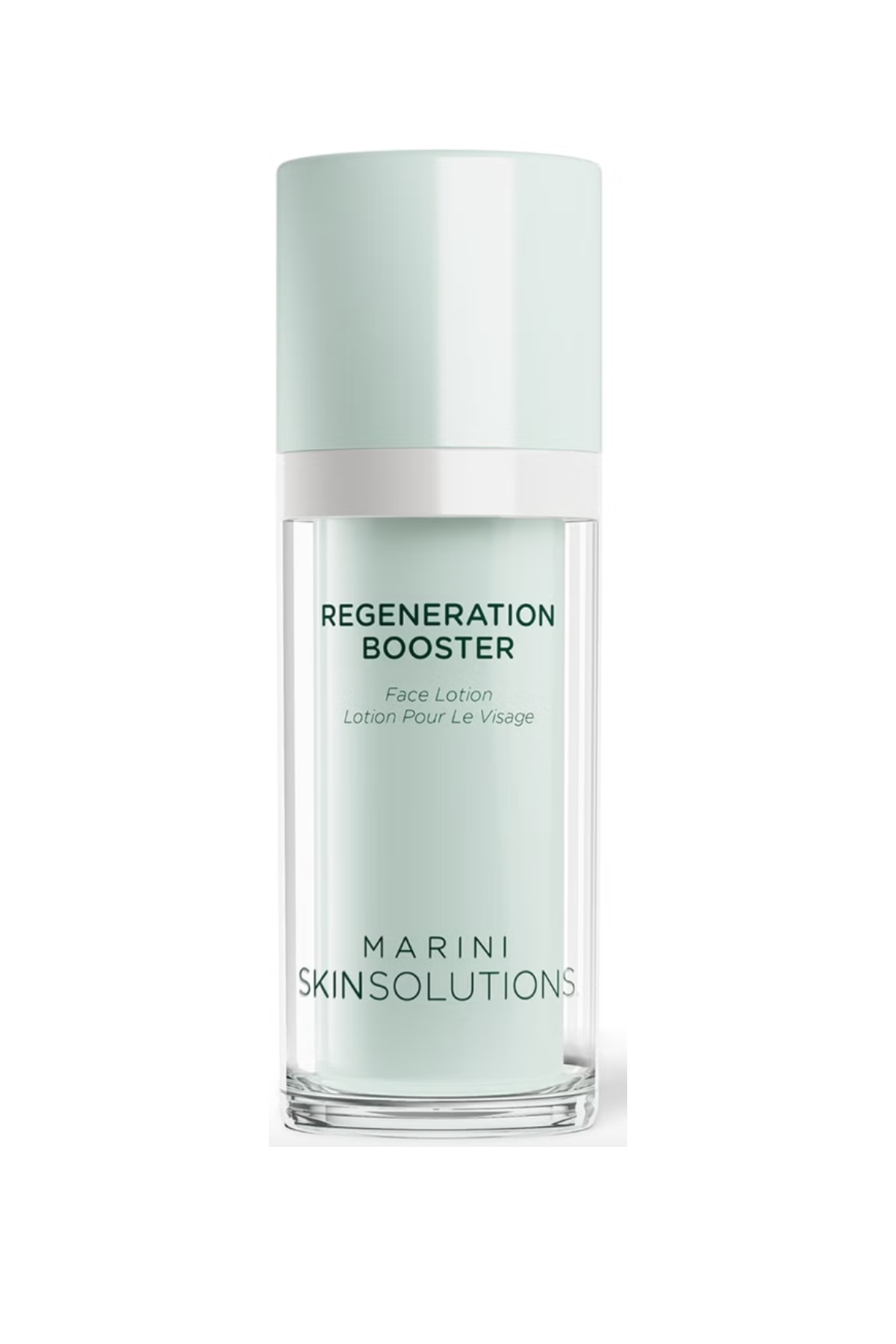
Once you start using them, it’s possible to notice increased hydration immediately after use—namely if the formula contains humectants and barrier-boosting ingredients. However, Dr. Kobets says that you’ll need some patience to experience more significant results. “Early improvements in radiance and skin smoothness may become noticeable within four to six weeks, while meaningful changes in texture, fine lines, and overall skin quality typically take closer to two to three months of consistent use,” she says.
The Bottom Line on Growth Factors
While growth factors aren’t new, they’re becoming more common in science-driven formulas to support resilient, youthful-looking skin over time. They’re trendy enough to power luxury launches, yet backed by enough science that dermatologists continue to praise them. Just don’t expect Botox in a bottle.
All said, Dr. Kobets says growth factors should be viewed as additional skin communicators rather than miracle ingredients. “Unlike fillers or neuromodulators, growth factor products are not quick fixes,” she says. “They’re a long-term skin health investment.” And the best results won’t come from patting on an EGF serum and calling it a day. Instead, pair it alongside tried-and-true standards—including your morning sunscreen and antioxidants plus nightly retinoids—and maybe the occasional in-office rejuvenation procedure. In time, the team effort should pave the way toward your most coveted complexion goals.
Why Trust Marie Claire
For more than 30 years, Marie Claire has been an internationally recognized destination for news, fashion, and beauty trends, investigative packages, and more. When it comes to the products Marie Claire recommends, we take your faith in us seriously. Every product that we feature comes personally recommended by a Marie Claire writer or editor, or by an expert we’ve spoken to firsthand.
Meet the Experts
Read on the original site
Open the publisher's page for the full experience