What's Next in Activewear? We Asked the Founder of LSKD
Our take
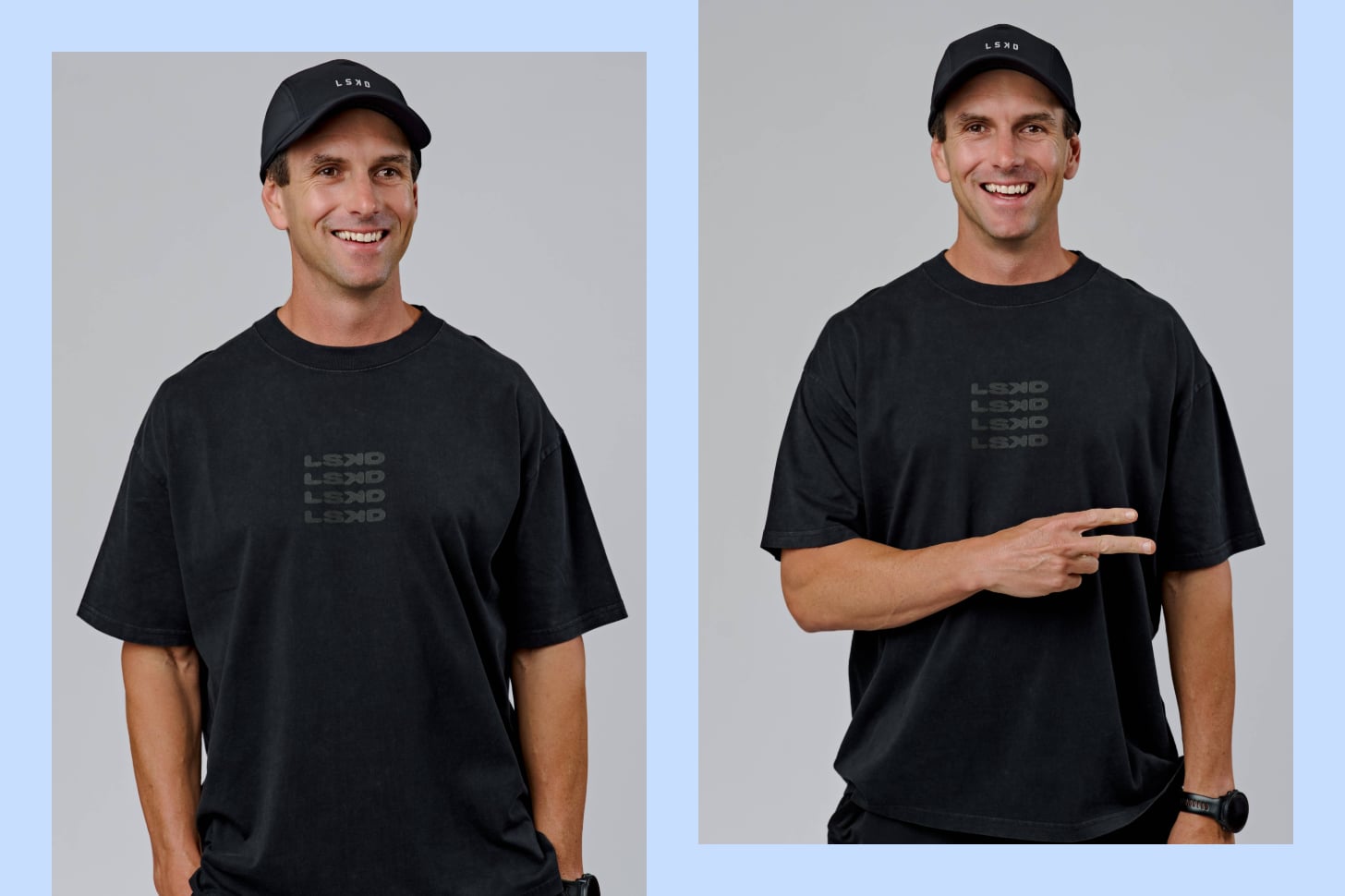
The relentless churn of trends within the activewear landscape is a fascinating microcosm of broader cultural shifts. We've witnessed the rise and fall of athleisure, the embrace of maximalism, and now, a seemingly cyclical return to more considered, functional design. The recent piece highlighting LSKD's founder’s vision for the future underscores this evolution, moving beyond purely aesthetic trends towards performance-driven innovation and a more holistic approach to wellness. It’s a welcome shift, particularly when contrasted with the fleeting nature of some recent fads – like the balletcore activewear [balletcore lüks] that captured attention for a brief but intense period. The conversation around responsible style, as explored in our piece on the "Love Island USA" discussion regarding colorism [Why the "Love Island USA" Conversation About Colorism Is So Needed], also subtly influences the activewear space, pushing brands toward greater inclusivity and ethical considerations beyond just fabric technology.
What’s particularly compelling about this movement is the move away from purely reactive design, chasing the next viral aesthetic. LSKD's founder's perspective suggests a deeper engagement with the consumer’s needs—not just what they want to *look* like during a workout, but how activewear can genuinely *support* their movement and performance. This aligns with a growing sense of mindful consumption, where individuals are seeking quality and durability over fleeting trends. The recent collaboration between Eckhaus Latta and Mango [Eckhaus Latta Gives Mango a Downtown Twist] demonstrates how even traditionally fashion-forward brands are incorporating functional elements and a more understated aesthetic into their offerings, blurring the lines between everyday wear and performance apparel. The emphasis seems to be on versatility—pieces that seamlessly transition from the gym to everyday life, reflecting a more integrated lifestyle.
The broader significance lies in the redefinition of "activewear" itself. It’s no longer solely about specialized gear for intense workouts; it’s about clothing that supports an active *life*. This requires a shift in materials, construction, and design—prioritizing breathability, flexibility, and comfort without sacrificing style. We're likely to see more experimentation with sustainable fabrics and production methods as consumer awareness of environmental impact continues to grow. The focus will also expand beyond traditional fitness activities; activewear designed for hiking, yoga, or even simply commuting will become increasingly important. It's about creating a wardrobe that adapts to diverse activities and environments, embodying a sense of effortless preparedness.
Ultimately, the future of activewear appears to be less about chasing the next micro-trend and more about building a foundation of timeless design, functional innovation, and mindful production. The question remains: will brands fully embrace this shift, moving beyond superficial adjustments to truly prioritize performance, sustainability, and inclusivity? Or will the lure of fleeting aesthetics continue to drive the market, leading to a cycle of disposable clothing and unsustainable practices? The answer, as always, rests with the consumer and their evolving expectations for what activewear – and indeed, all clothing – represents.
Activewear is constantly evolving. From whimsical balletcore lüks, to flattering butt-lifting leggings, it can be hard to predict the next iteration of cool-girl gymwear. But for those who like to stay one step ahead, your best bet would be turning to the people behind some of the trendiest brands in activewear right now, like LSKD's Jason Daniel.
If you haven't heard of LSKD, odds are have seen it around your run club, yoga studio, or heated Pilates class. The colors are bold, the styles are uniquely flattering, and social media can't seem to get enough. With a dedicated fan base and a steady stream of new launches, we decided to ask Daniel what he sees coming down the activewear pipeline. (But for all the new trends he's anticipating, there's also a few fitness fads Daniel is ready for us to leave behind.)
According to Daniel, good activewear should be fun and functional above all else; just because it looks good in a flat-lay or a mirror selfie, doesn't actually mean it's a cute set you'll reach for over and over again — and isn't that the ultimate goal?
Ahead, we dug into the rest of Daniel's trend forecast, informed by his real-life insights as a founder. From the return of Y2K and retro designs to an increase in bold graphics, here's what he's most excited to see in the activewear space — and what he thinks we should move on from.
Popsugar: Are there any returning trends you're excited about?
Jason Daniel: The Y2K and retro revival feels very LSKD to me. We've always been loud with color . . . and now that bold graphics are a "trend," we show up.
PS: What major trends are you anticipating in the fitness space?
JD: Community over content. What I'm seeing now is a real hunger for belonging. People want to show up IRL and do something collectively that makes them feel good.
PS: Do you have any hot takes on 2026 fitness trends?
JD: Recovery has found its place at the top. Our team are athletes in their own way and have found the importance of recovery as part of their daily routines. Rest, mobility, sleep — these are now mandatory to the performance equation . . . from a product perspective, that's why our design team has invested so much in fabrics and construction that actually support how the body moves and recovers — not just how it looks in a flat-lay.
PS: When it comes to fitness trends, is there anything you think we need to leave behind?
JD: Aesthetic-first fitness culture. The idea that you work out to look a certain way, and the gear is only meant for a "fit check." Movement should be about how you feel, what you can do to be better . . . what you put on your body should mean something. I'd love to see the industry move toward gear that's built for real people doing real things, not just pieces engineered for a mirror selfie.
49478759
Chandler Plante (she/her) is a social producer and staff writer for the Health & Fitness team at Popsugar. She has over five years of industry experience, previously working as an editorial assistant for People magazine, a social media manager for Millie magazine, and a contributor for Bustle Digital Group. She has a degree in magazine journalism from Syracuse University and is based in Los Angeles.Read on the original site
Open the publisher's page for the full experience