Yea or Nay: Cool Gen Zers Weigh In on the Most Talked-About Summer Trends
Our take
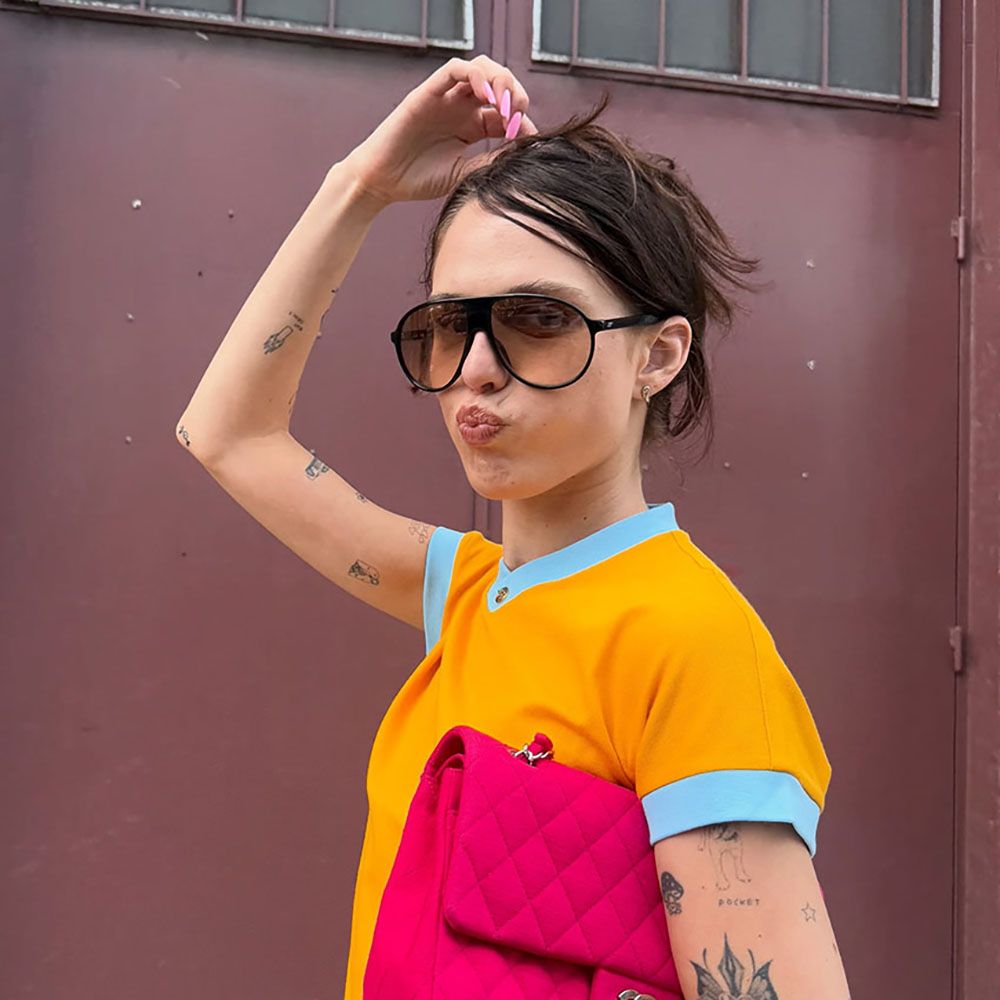
The current cultural conversation surrounding summer trends, as explored in "Yea or Nay: Cool Gen Zers Weigh In on the Most Talked-About Summer Trends," feels particularly poignant given the cyclical nature of fashion and the renewed fascination with Y2K aesthetics. We’ve seen a slow creep of these early-aughts influences already, but this piece highlights the crucial role Gen Z plays in validating—or rejecting—these revivals. It’s not simply about bringing back low-rise jeans or baby tees; it’s about understanding *how* Gen Z is interpreting and adapting these trends to reflect their own values and sensibilities. Articles like [Not Ugg Boots, Not Low-Rise Jeans—These Are the Y2K Trends That Matter Most This Summer] show that the Y2K revival isn't a wholesale recreation, but rather a curated selection of elements, often filtered through a lens of sustainability and personal expression. There's a discerning eye at play, a rejection of the excess and sometimes problematic aspects of the original era, and an embrace of pieces that feel both nostalgic and modern. Furthermore, looking at how figures like Lori Harvey are showcasing their style, as detailed in [Lori Harvey’s Summer Wardrobe Is Packed With Archival Designer Gems], reveals a preference for elevated, vintage pieces – a conscious move away from fast fashion and towards a more considered approach to consumption.
The shift in power dynamics within trendsetting is undeniable. Previously, trends were largely dictated by established fashion houses and celebrity endorsements. While those forces still hold influence, Gen Z’s voice, amplified by social media, has become a powerful determinant of what *actually* resonates. Their opinions aren’t just fleeting reactions; they represent a deeper cultural shift towards authenticity and individuality. The "yea or nay" dynamic underscores this—it's not enough for a brand to simply release a Y2K-inspired collection; it needs to be embraced and reinterpreted by this generation to gain traction. This has implications for brands that want to remain relevant. Simply mimicking past aesthetics without understanding the underlying cultural context risks feeling performative and out-of-touch. The success of elements like Gabrielle Union's Y2K-inspired style, showcased in [Gabrielle Union's Deep Side Part Is A Fun Y2K Throwback], demonstrates that even established figures must adapt and personalize trends to appeal to a younger audience, proving that a genuine understanding of the zeitgeist is more important than simply copying a look.
This emphasis on personal interpretation also speaks to a broader movement within luxury and style – a move away from conspicuous consumption and towards quiet confidence. The desire for effortless elegance, a cornerstone of the “calm luxury” aesthetic, aligns perfectly with Gen Z’s rejection of overt displays of wealth. They are drawn to pieces that tell a story, that possess a sense of history and craftsmanship, and that can be seamlessly integrated into their individual style. It’s about curating a wardrobe that reflects one's personality and values, rather than simply adhering to the latest trends. This preference for thoughtfulness and intentionality positions brands that prioritize quality, sustainability, and timeless design for long-term success. The focus shifts from fleeting trends to enduring style, rewarding brands that prioritize craftsmanship and offer pieces that transcend seasons.
Ultimately, the ongoing conversation around summer trends reveals a deeper transformation in the fashion landscape. Gen Z isn't just consuming trends; they're actively shaping them, demanding authenticity, and prioritizing individual expression. The question moving forward isn’t simply *what* will be trending, but *how* those trends will be adopted, adapted, and ultimately redefined by a generation that values self-awareness and intentionality above all else. Will brands truly listen and respond to this shift, or will they continue to chase fleeting trends at the expense of building lasting connections with their audience?
Read on the original site
Open the publisher's page for the full experience