Pakistan Steps In To Host US-Iran Peace Talks As Strait Of Hormuz Crisis Disrupts Global Shipping
Pakistan has said it is ready to host direct talks between the United States and Iran as the war in the Middle East continues and starts affecting global shipping, oil supply and trade.
The offer came after a two-day meeting in Islamabad where foreign ministers from Saudi Arabia, Egypt and Turkiye gathered to discuss how to reduce tensions. Pakistan’s Foreign Minister Ishaq Dar said the countries agreed that dialogue and diplomacy are the only ways to stop the conflict.
He said Pakistan would be willing to host and support “meaningful talks” between the two sides in the coming days to reach a long-term solution. There is no confirmation yet on whether the United States or Iran will take part.
The meeting took place as the conflict entered its second month. More than 3,000 people have been killed since the conflict began with US and Israeli strikes on Iran, followed by Iran launching missiles and drones across the region. Strikes were reported in Tehran, while Israel also faced incoming attacks.
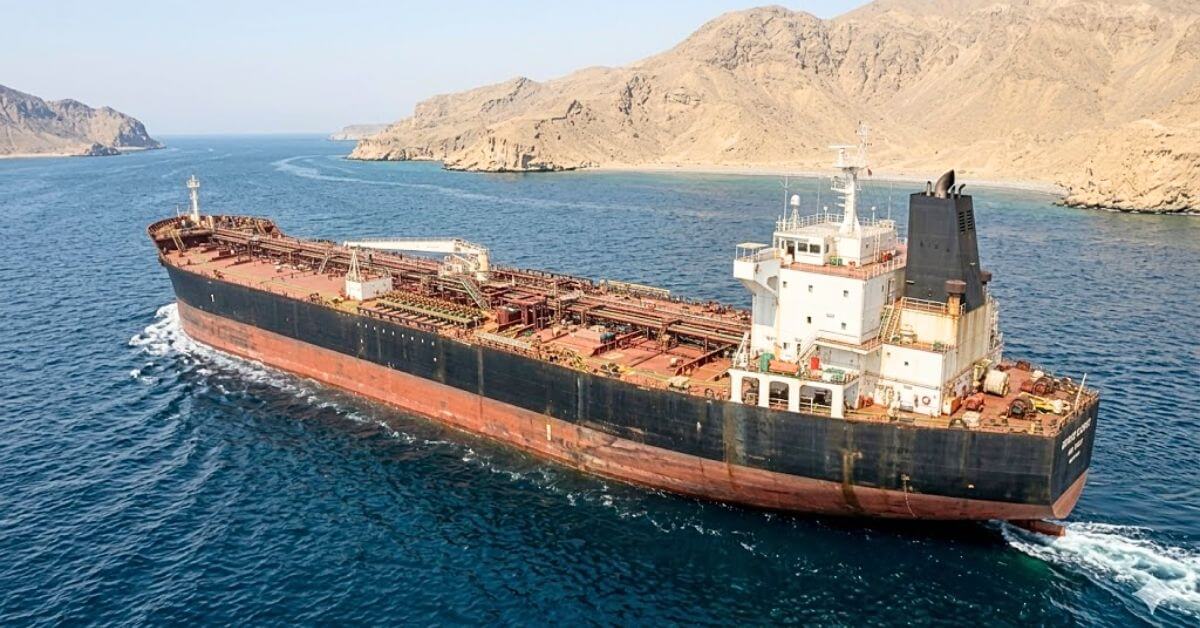
Iran has tightened control over the Strait of Hormuz, one of the world’s busiest oil routes. This has slowed the movement of oil and gas shipments. Per reports, only a limited number of tankers from countries like India, China and Pakistan are being allowed to pass.
During the talks, ministers also discussed plans to reopen the Strait of Hormuz for normal shipping. The disruption has already affected global supply chains, raised oil prices and created risks for vessels operating in the region.
The situation may worsen further as Yemen’s Iran-backed Houthi group has joined the conflict. The group launched missiles towards Israel and could also target ships near the Bab el-Mandeb Strait, another key route for global trade. Experts have warned that this could affect maritime security and energy markets even more.
At the same time, the United States has sent thousands of additional Marines and forces to the Middle East. The first group arrived on an amphibious assault ship. US officials said their objectives can be achieved without ground troops, but preparations for further operations are ongoing.
The United States has also shared a 15-point proposal with Iran through Pakistan as a possible framework for peace. Iranian officials have rejected the proposal and instead suggested their own conditions.
These include stopping attacks on Iranian officials, guarantees against future strikes, compensation for damage, and control over the Strait of Hormuz.
Iran has also warned that it will respond if US ground forces are deployed. Its leadership has said it will not accept pressure or demands that go against its position.
Pakistan has been acting as a mediator by maintaining communication with both sides. Prime Minister Shehbaz Sharif recently held a detailed conversation with Iran’s President Masoud Pezeshkian as part of ongoing diplomatic efforts linked to the Islamabad discussions.
References: Reuters, Al Jazeera
Want to read more?
Check out the full article on the original site