China’s Detention Of Panama-Flagged Ships Raises Serious Concerns, US Secretary Says
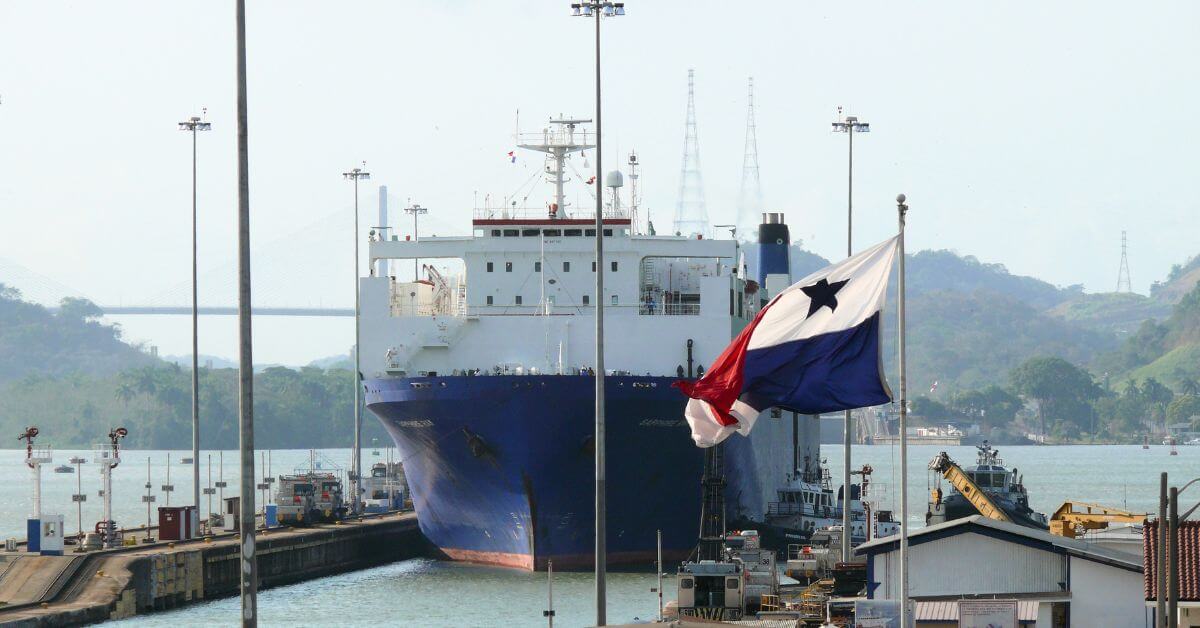
The United States has raised concerns over China’s detention of Panama-flagged vessels, linking the actions to a recent court ruling in Panama involving port concessions near the Panama Canal.
US Secretary of State Marco Rubio said the detentions could signal the use of economic measures that may affect the rule of law and global trade stability.
The US Federal Maritime Commission (FMC) earlier reported that it was closely monitoring a rise in detentions of Panama-registered ships in Chinese ports.
According to the agency, the increase appears to be connected to a decision by Panama’s Supreme Court against Hong Kong-based CK Hutchison.
In late January, Panama’s Supreme Court invalidated the legal framework supporting a 1997 concession that allowed CK Hutchison’s Panama Ports Company to operate the Balboa and Cristobal terminals.
These terminals are located on the Pacific and Atlantic sides of the Panama Canal, a key route for global shipping that handles around 5% of the world’s maritime trade.
Rubio said the court’s decision supported transparency and upheld the rule of law, adding that it ensured private operators remain accountable to public interest.
He added that China’s response, particularly the detention of vessels flying the Panama flag, raises concerns about actions that could undermine Panama’s sovereignty.
The US also warned that China’s response, including the detention of Panama-registered vessels, could disrupt global supply chains, increase shipping costs, and affect confidence in international trade.
China has opposed the court ruling and described it as an act of bad faith. The disagreement comes at a time when control and influence around the Panama Canal remain a sensitive issue due to its importance in global commerce.
The United States has reaffirmed its support for Panama and said it plans to strengthen economic and security cooperation with the country.
References: Reuters, moneycontrol
Want to read more?
Check out the full article on the original site