Female-led companies: Community, curiosity and collaboration
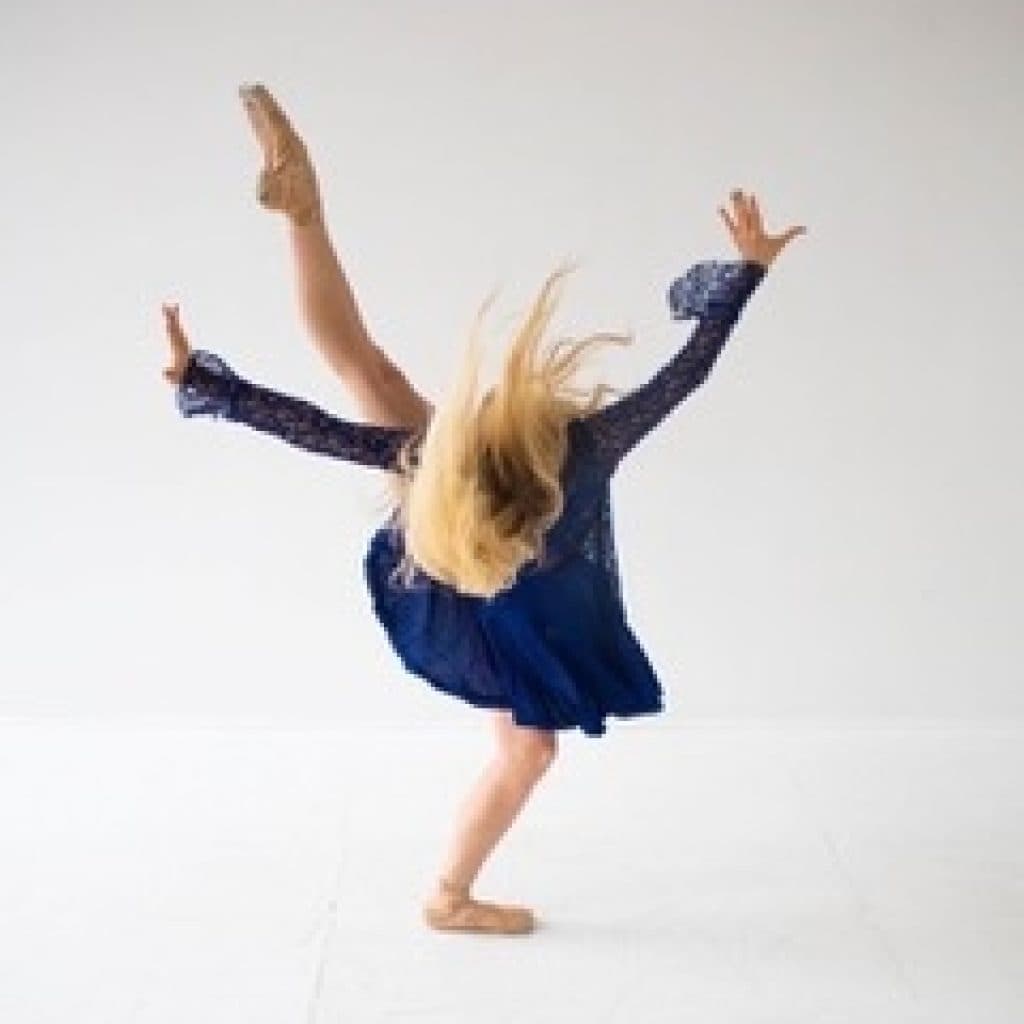
Something interesting is happening in the ballet (and ballet adjacent) world. There are small, female-led companies popping up in NYC and other parts of the country. In many cases, these companies are led by dancer/artistic directors or co-artistic directors, meaning that the ladies who started these groups dance themselves. Many are also in other companies in addition to running the one they’ve created. So, why are working dancers going through the massive effort to create, dance and run their own company?
In a word: collaboration.
In a few more words: women trend toward discussion, know that discussion enhances the quality and richness of the work, and choose to reject the idea of the “solo genius.”
While aspects of collaboration have always been part of dance, true collaboration is often elusive in company life. Ballet has its deep tradition of hierarchy, and contemporary companies often fall into a similar, though less defined, structure. But for these women, establishing a space that truly honors collaboration and seeks greater artistic depth because of it, taking on artistic directorship is worth the effort and the challenge.
While female dancers dominate the dancing part of the dance world, women in leadership and decision-making roles have far less concentration. In fact, according to the Dance Data Project (DDP), in 2024, among the 50 largest ballet companies in the United States, only 22 percent had female artistic directors, a statistic that’s remained unchanged since 2013. The inequality of this leads to missed opportunities that female leadership brings to the artistic process.
In 2022, Rachel Thalman and Laura Kaufman founded Woman in Motion to foster individuality and collaboration. In addition to breaking the trope that conformity is valuable, they also deeply rely on collaboration. Kaufman notes, “We believe in the value of collaboration and lead by making room for everyone’s ideas. Each artist brings different ways of seeing movement, and when we truly listen to each other, that’s when the magic happens. The best work happens when we build together.” Utilizing the unique and individual qualities that each dancer brings enables Woman in Motion to provide curious and creative dance to audiences.
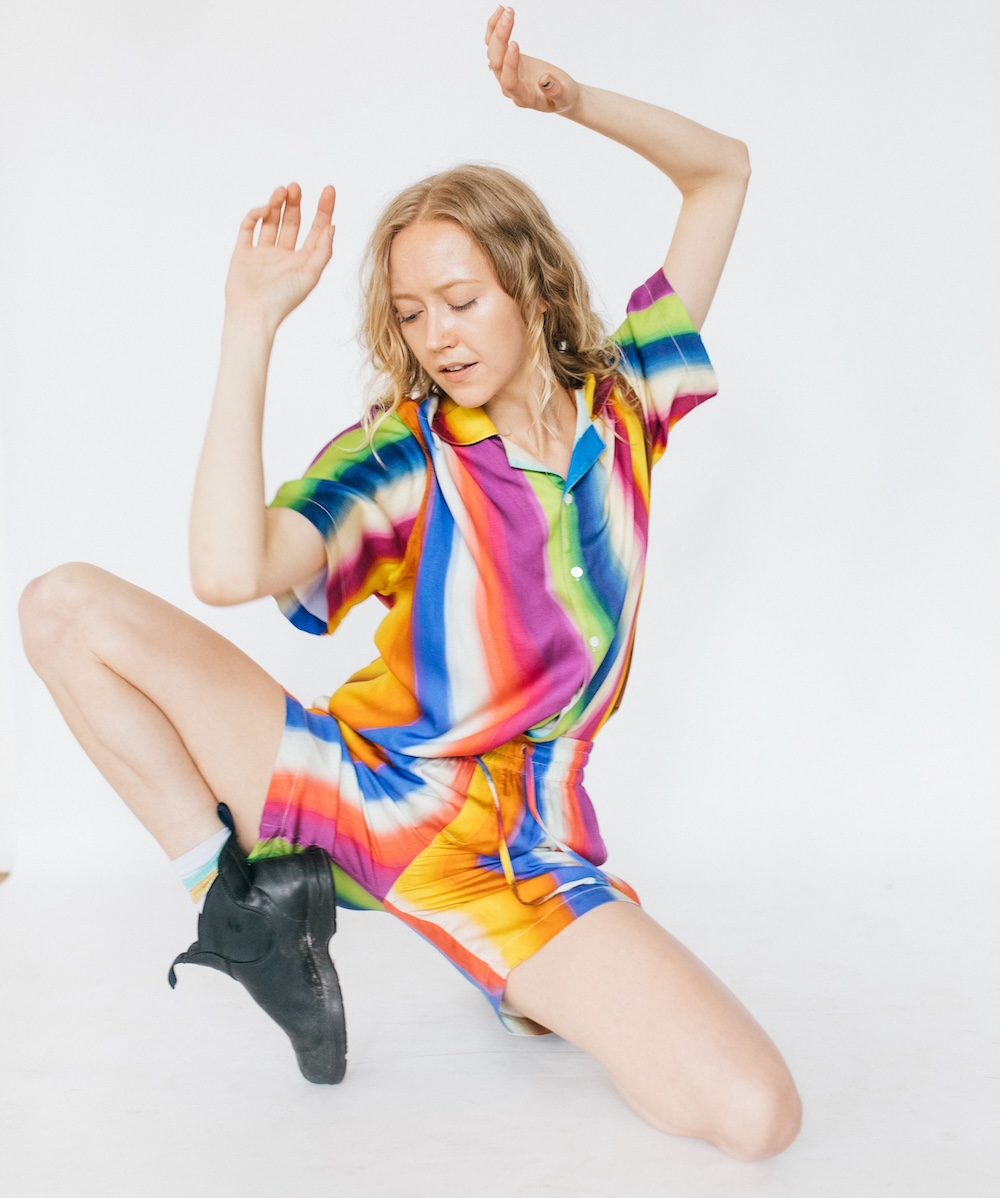
Renversons, founded by Minnie Lane in 2025, intended to create an environment where the dancers’ well-being is a priority. In many cases, particularly with small companies, it is not. Lane provides her dancers with similar compensation and benefits (company-purchased pointe shoes and physical therapy) afforded by larger companies, knowing that when dancers are nurtured in this way, better work emerges. Renversons also engages in same-sex female partnering, shifting away from the male-female traditions, which opens new ways to watch and experience ballet. Additionally, the company opens class (at no charge) to other freelance dancers in New York City, believing that collaboration within the larger community benefits all within it.
“We’ve found that investing in and engaging with our community – whether that’s other freelance dancers or freelance companies – only strengthens the NYC dance community at large,” Lane says. “By sharing how we are navigating the creation of a values-driven ballet company at this moment, we hope to contribute to a timely conversation about sustainability, equity and leadership in the ballet field.”
Furthering the idea of collaboration, a couple of female-led troupes are even doing so geographically. AVID: Artistic Ventures in Dance and Pointeworks both create, rehearse and perform in two places (so far!), making them dual-based. AVID is in Denver, CO, and Pointeworks in San Diego, although they both consider NYC a base, as well. For both, the idea of geographical collaboration furthers the aim of making ballet accessible around the country, while maintaining high-level work and connection with the rich and deep river of the NYC dance world.
Emily Speed, Artistic Director of AVID, shares what drove her to make this choice when creating the company. “We’re a Colorado organization and are deeply invested in collaborating with local artists and organizations there – that community and support has been essential to how we’ve grown. At the same time, rehearsing and performing in NYC felt like a natural and important way to be in conversation with the dance world at large. New York offers visibility, density, and a shared professional language that helps the work be seen and situated within the broader field.”
Sophie Williams shares the same sentiment, although she intentionally avoids calling any one place home for her company, Pointeworks. “NYC is such a powerful pulse of the nation’s arts and culture that presenting and developing work there allows it to be seen, challenged and appreciated at the level we are aiming for. At the same time, San Diego is a vital and deeply meaningful home, and it’s incredibly fulfilling to bring national-caliber ballet to a region that doesn’t always have consistent access to that level of programming. Both cities offer something distinct and equally important.”
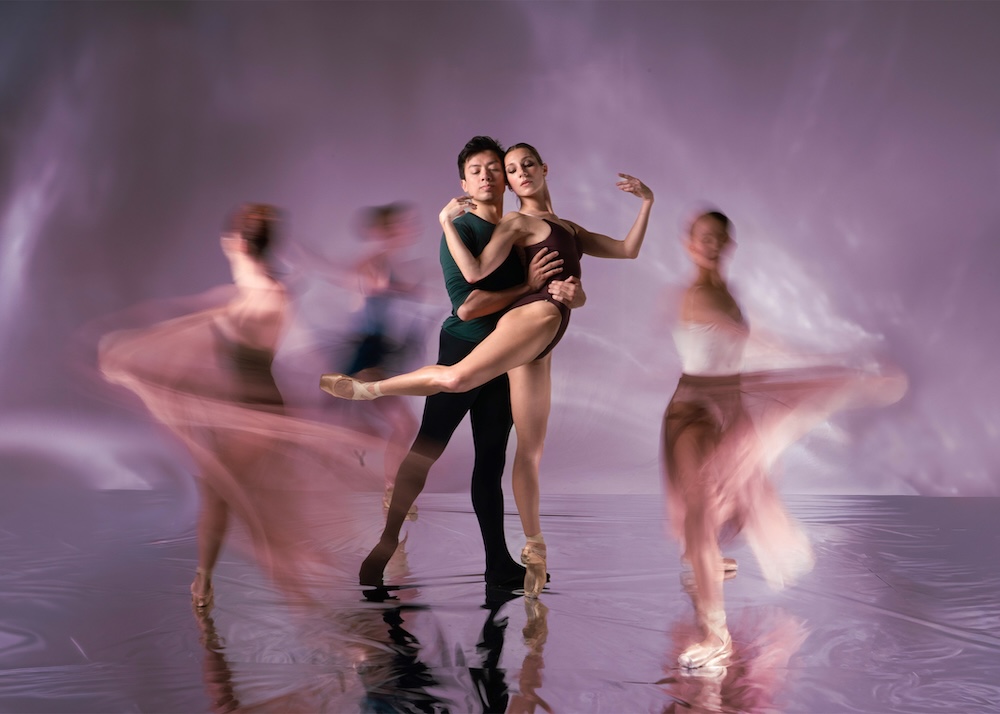
Geographic diversification as a element of collaboration drives artistic excellence and curiosity. Acknowledging the value of NYC, while seeking voices and artists from the broader dance population, gives both these companies another avenue to deepen opportunities. As Williams mentions, “The company was founded to bring people together across backgrounds and geographies, and to allow the work and the female voices we’re commissioning. The more places we go, the more opportunities we have to share these new works and broaden their impact.”
Dance is a fundamental aspect of being a human, one that we’ve all gravitated toward long before such a thing as a stage even existed. It’s a way for us to connect with one another, to share stories, and to communicate the nuances of existence for which there is no language. As technique becomes more refined and spectacle becomes more commonplace, these women and these companies remind us of the value in community, curiosity and collaboration – elements that unite us all and honor the most joyful pursuit of dance.
By Emily Sarkissian of Dance Informa.
The post Female-led companies: Community, curiosity and collaboration appeared first on Dance Informa Magazine.
Want to read more?
Check out the full article on the original site