•2 min read•from Frontiers in Marine Science | New and Recent Articles
Availability of Chinook and sockeye salmon as prey to Cook Inlet beluga whales
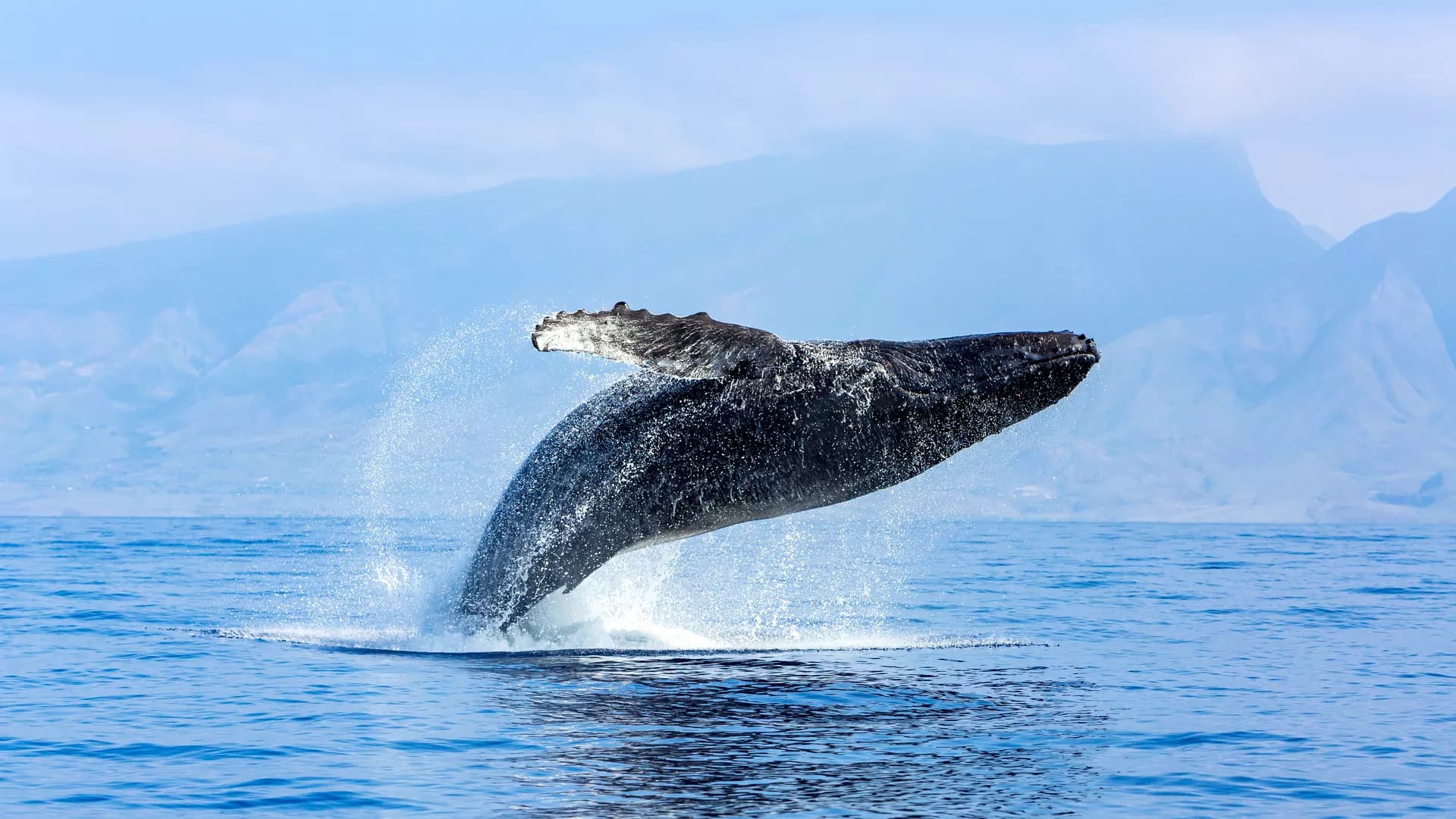
Cook Inlet beluga whales (CIBW) are an endangered population of toothed whales in southcentral Alaska that have not shown signs of recovery over the past two decades. Since the 1999 harvest moratorium, the number of whales in the population has remained relatively stable, with the 2022 estimate at 381 whales. Despite extensive research efforts since its Endangered Species Act listing in 2008, the mechanisms limiting population growth remain poorly understood. Recent studies suggest prey availability could be a significant factor limiting reproduction. This study provides information relating to CIBW prey availability and identifies mechanisms that may limit CIBW population growth. We developed a database containing decades of Cook Inlet fisheries data collected by the Alaska Department of Fish and Game. We used annual run size and fish size data to establish indices of Chinook (Oncorhynchus tshawytscha) and sockeye salmon (Oncorhynchus nerka) availability within the Northern and Central Districts of Upper Cook Inlet. Data were not available to do the same for chum (Oncorhynchus keta), coho (Oncorhynchus kisutch), and pink salmon (Oncorhynchus gorbuscha) or for other important prey species, such as eulachon (Thaleicthys pacificus) and Pacific herring (Clupea pallasii), thus we focus on prey species Chinook and sockeye salmon. Here we summarize fisheries information archived in the database, estimate annual vital rates of CIBWs using an age-structured integrated population dynamics model, and correlate these vital rates to indices of prey availability (i.e., the annual biomass of select salmon runs based on available fisheries data). The biomass of Chinook salmon, the first species of salmon to arrive in Cook Inlet to spawn, declined significantly in the late 2000s. However, the biomass of other species, including sockeye salmon, has shown no clear trend since the 1980s. There were some indications that CIBW survival rates declined between 2005 and 2017, a period over which the biomass of Chinook and sockeye runs decreased in magnitude. However, it is not clear without additional information, such as a longer time series on CIBW survival rates and prey abundance, whether an increase in salmon availability would lead to an increase in CIBW population.
Want to read more?
Check out the full article on the original site
Tagged with
#ocean data
#data visualization
#research collaboration
#research datasets
#Cook Inlet beluga whales
#CIBW
#endangered population
#prey availability
#Chinook salmon
#sockeye salmon
#population growth
#biomass
#Alaska Department of Fish and Game
#fisheries data
#survival rates
#integrated population dynamics model
#harvest moratorium
#vital rates
#Upper Cook Inlet
#chum salmon