Iranian Ship Seized By US In Gulf Of Oman Likely Carried Dual-Use Equipment
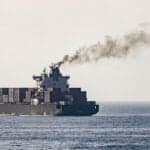


U.S. forces have seized the Iranian-flagged container ship Touska near Iran’s Chabahar port in the Gulf of Oman, with maritime security sources indicating the vessel was likely carrying cargo that could be used for both civilian and military purposes.
The ship, which belongs to the Islamic Republic of Iran Shipping Lines (IRISL), was boarded on Sunday after its crew did not respond to repeated warnings issued over a period of six hours.
U.S. Central Command said the vessel was operating in violation of a U.S. blockade.
According to security sources, early assessments suggest the Touska may have been transporting what the U.S. classifies as “dual-use” items.
These are goods that can be used in everyday industry but may also support military activity. The sources did not specify the exact cargo, but U.S. authorities have previously listed metals, pipes and electronic components among such materials.
One source said the vessel had carried similar cargo in the past.
Tracking and satellite data show the vessel had travelled from Asia before reaching the Gulf of Oman. It was seen at Taicang port, north of Shanghai, on March 25, and later called at Gaolan port in southern China between March 29 and 30, where it loaded containers.
The ship then stopped at the Port Klang anchorage in Malaysia on April 11 and 12 to load additional cargo before continuing its voyage. It was fully loaded with containers when it approached waters near Iran.

Iran reacted strongly to the seizure. The country’s foreign ministry described the boarding as unlawful and said it violated international law. It called for the immediate release of the vessel, its crew and their families.
The ministry also said the incident breached a ceasefire agreed earlier this month and warned that the United States would be responsible for any further escalation.
Iran’s military said the ship had been travelling from China and accused the U.S. of carrying out “armed piracy”. It added that it was prepared to respond to what it called aggression but noted that the presence of crew members’ families on board limited its actions.
The Touska is part of the IRISL fleet, which has been under U.S. sanctions since 2019. Washington has previously described the company as being used to transport goods linked to Iran’s missile programme.
Sources said IRISL vessels are often linked to the Revolutionary Guards, with crews mainly made up of Iranian nationals and sometimes including Pakistani seafarers.
The Touska was reported to have an Iranian captain, though it is not clear if all crew members are Iranian.
The United States has recently widened its maritime blockade on Iran. Under this policy, vessels suspected of carrying prohibited cargo or heading towards Iranian territory can be stopped and searched.
U.S. officials have said such cargo may include weapons, ammunition and other materials considered contraband. Trump said the Touska had a history of illegal activity and confirmed that U.S. forces were checking its cargo.
China also reacted to the incident, expressing concern over what it described as a forced interception of the Iranian-flagged vessel. A spokesperson from China’s foreign ministry urged all sides to act responsibly and follow the terms of the ceasefire.
Reference: Reuters
Want to read more?
Check out the full article on the original site