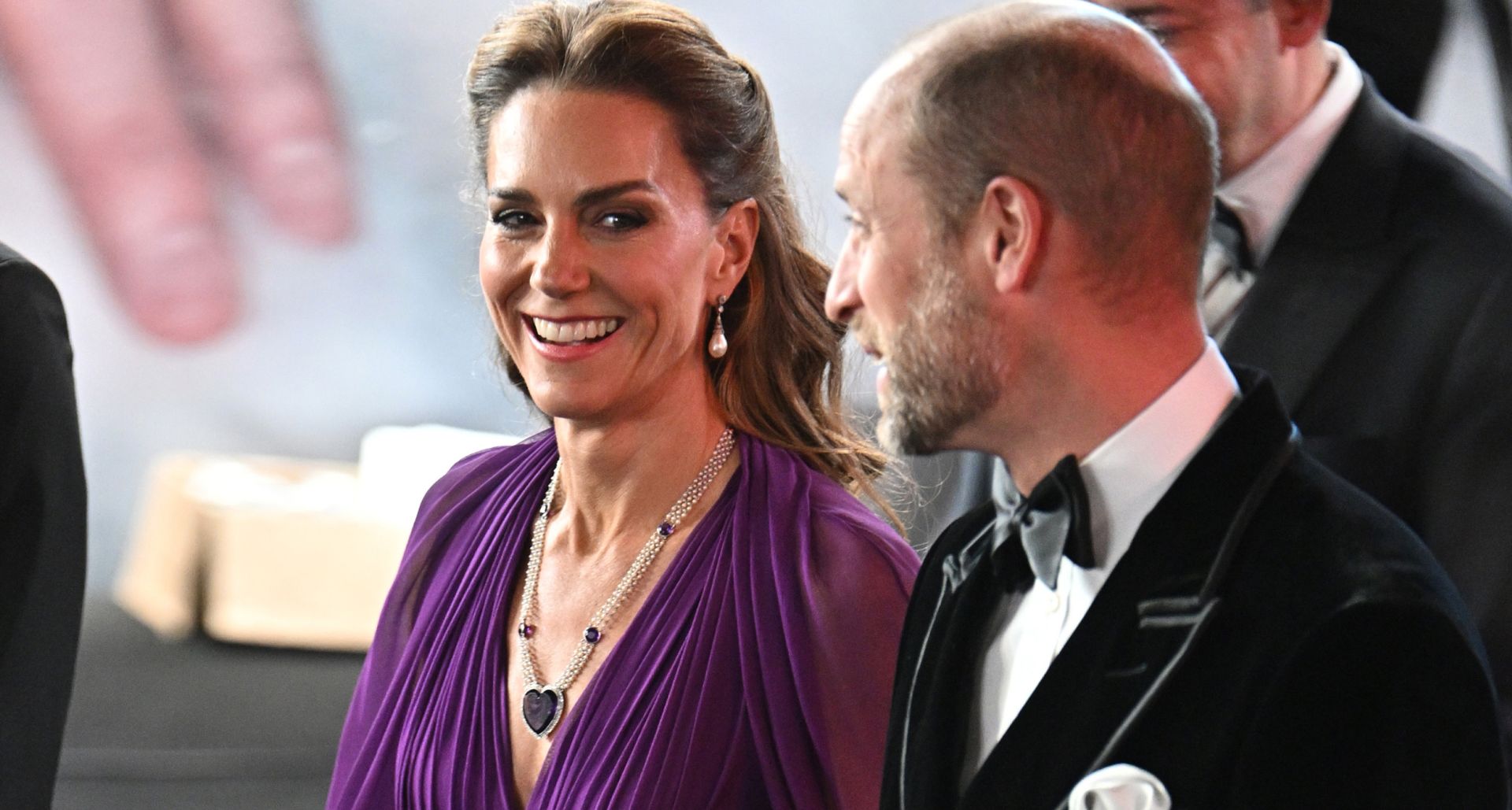
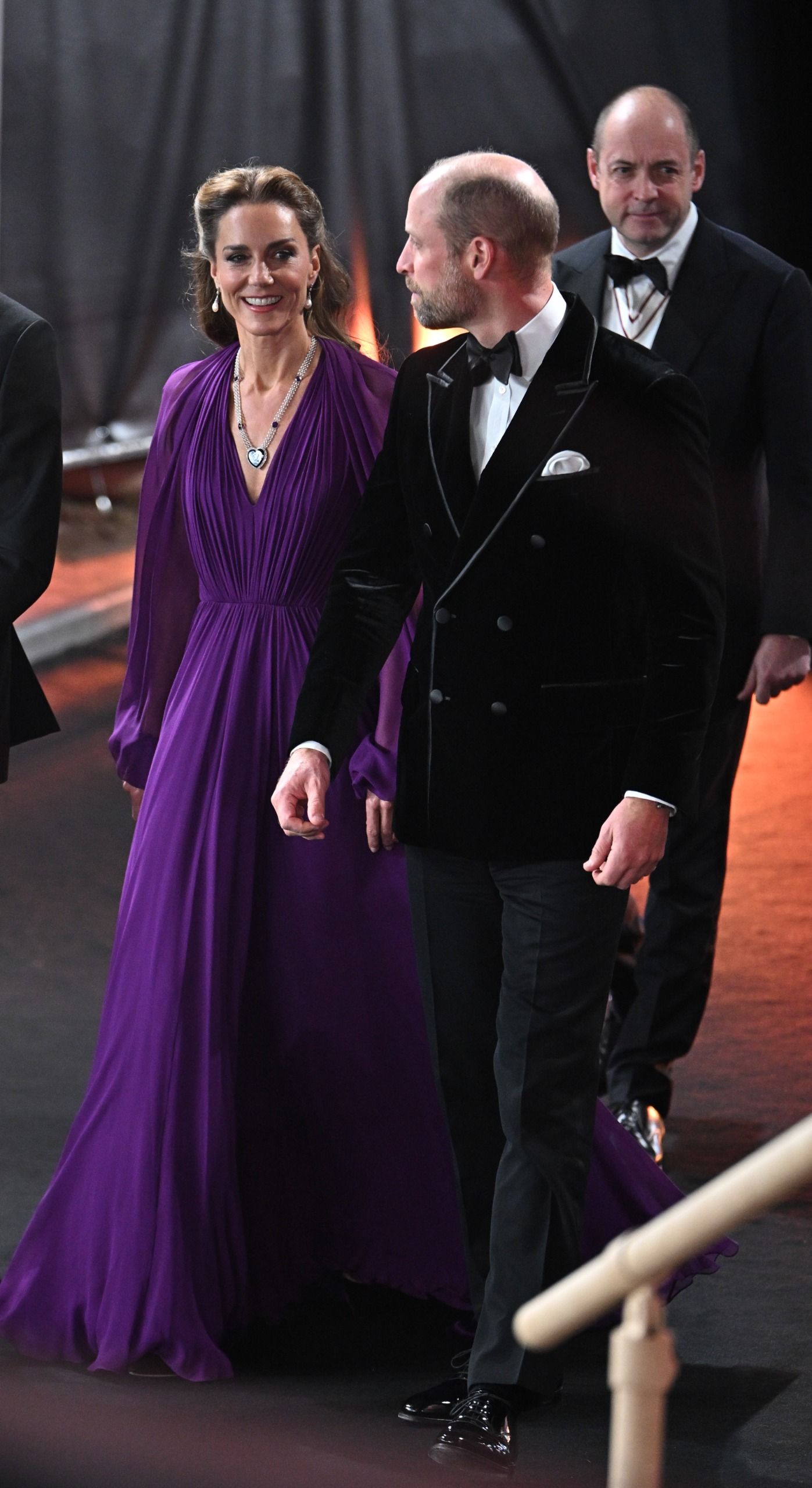
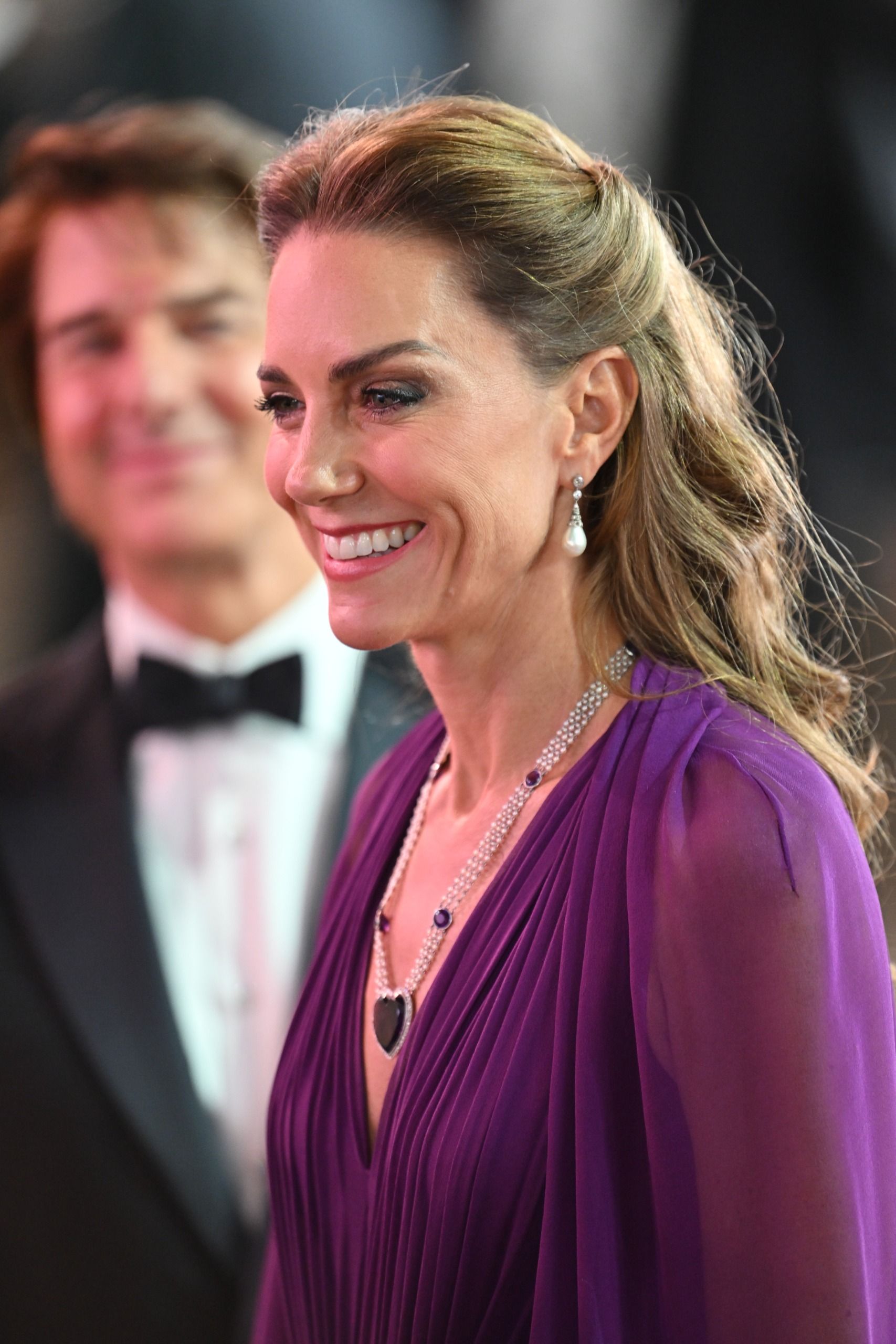
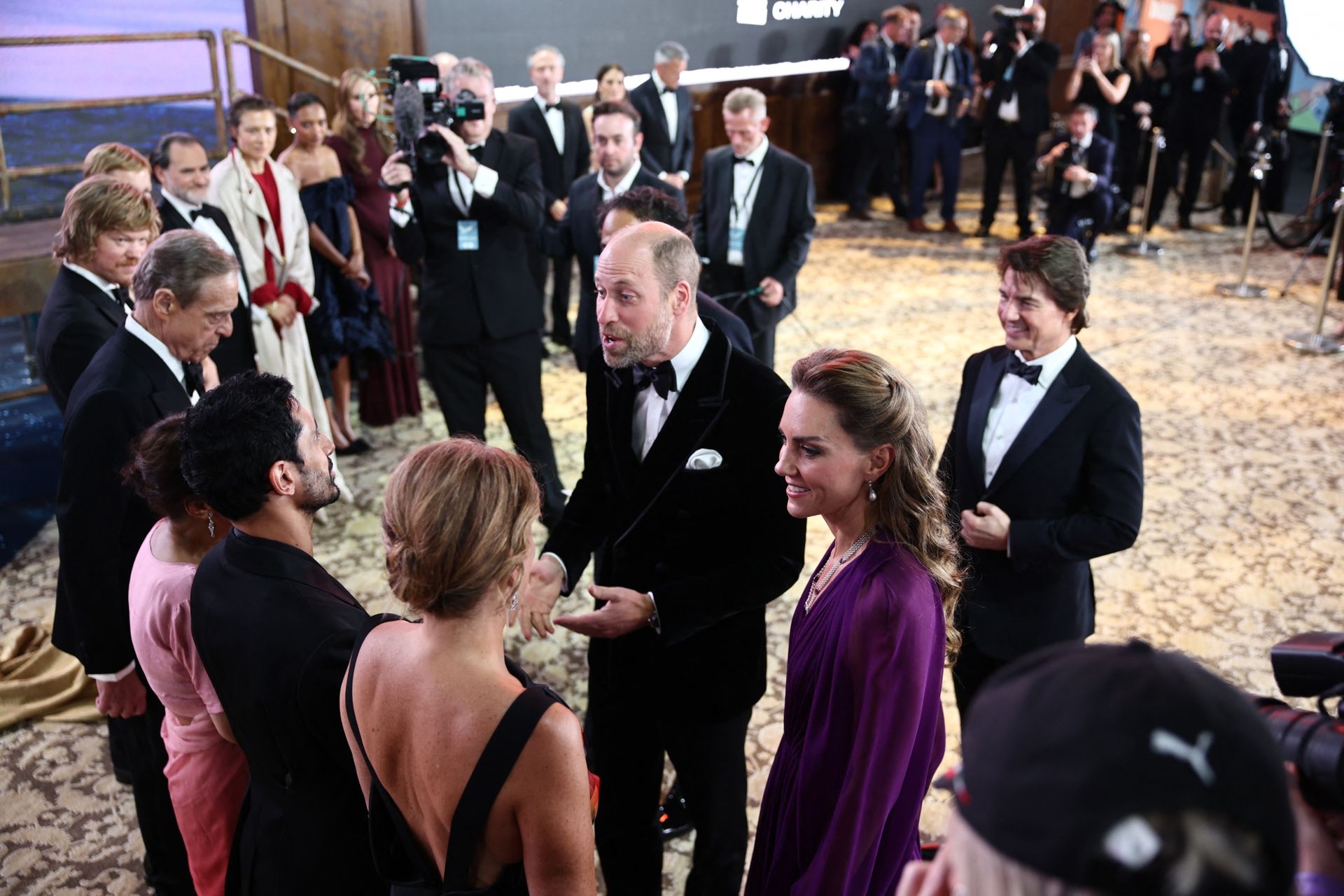
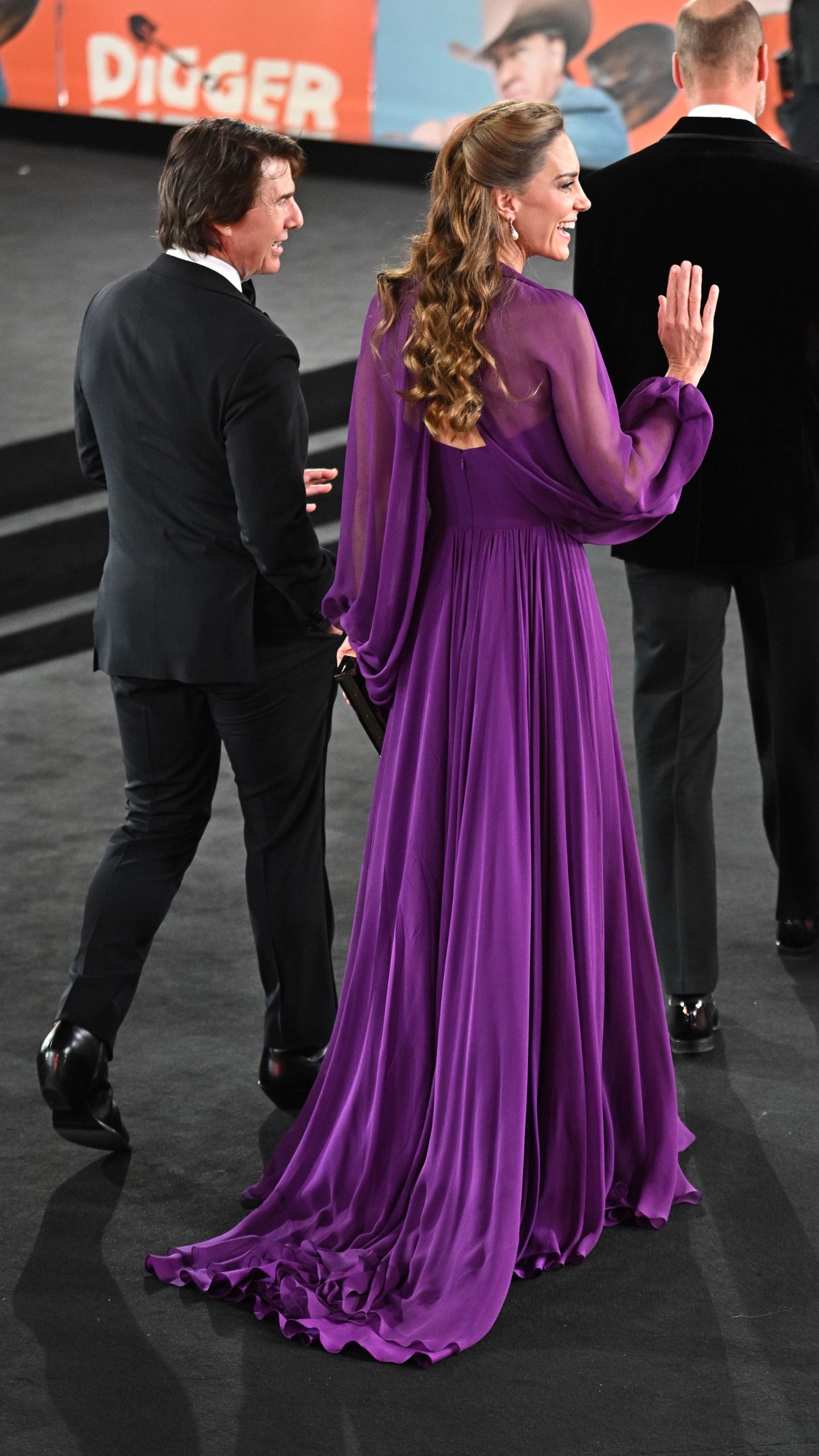
The Princess of Wales’s recent red-carpet appearance, adorned with pearls and amethysts drawn from the collections of Princess Diana and the Queen Mother, isn't merely a display of exquisite jewelry; it’s a carefully orchestrated statement about legacy, tradition, and the evolving role of royalty in the modern era. Kate’s choices resonate deeply with a public already captivated by the echoes of past generations, particularly the enduring influence of Diana. We’ve seen this reflected previously in the subtle ways Princess Charlotte mirrors her grandmother's childhood, as explored in A Legacy of Quiet Observation: Charlotte Echoes Diana's Childhood, demonstrating a conscious effort to preserve and reinterpret familial history. The deliberate selection of these specific jewels, each carrying its own weight of royal history, elevates the moment beyond a simple fashion choice and into a symbolic act of continuity. It speaks to a deep understanding of the power of visual storytelling and the inherent fascination with royal lineage.
This deliberate embrace of heritage is particularly astute in the current landscape. While the younger generation of royals, like Prince Harry and Meghan Markle, have charted a more independent course, Kate and William appear to be doubling down on traditional values and a sense of established order. This isn’t to suggest a lack of evolution—far from it. Kate’s style, while rooted in classic silhouettes and timeless pieces, has also demonstrated a willingness to experiment and champion emerging British designers. The layering of vintage heirlooms with contemporary pieces creates a captivating juxtaposition, a visual representation of honoring the past while confidently stepping into the future. It’s a refined approach to public image that subtly reinforces the monarchy’s relevance, reminding viewers of its long and storied history. The choice to wear pieces previously cherished by Diana and the Queen Mother also cleverly taps into the collective memory and affection held for these beloved figures, further solidifying Kate’s own position within the royal family and the public’s imagination. One might even draw parallels to the stories shared about Lilibet's emerging style, as discussed in Lilibet’s Style Inspiration: A Royal Daughter’s Delight, demonstrating a broader trend within the family towards drawing on heritage for inspiration.
The significance of this moment extends beyond the individual styling choices. It's a masterclass in soft power—a demonstration of how carefully considered visual cues can convey a wealth of meaning without resorting to overt pronouncements. Kate’s ability to embody both timeless elegance and contemporary relevance is a crucial asset in an era where authenticity and relatability are paramount. The jewelry itself becomes a narrative—a tangible link to previous generations, a symbol of enduring tradition, and a subtle assertion of royal authority. It’s an intentional act of visual diplomacy, signaling stability and continuity at a time when the institution faces ongoing scrutiny. And considering the hints of royal revelations teased by Earl Spencer, as explored in A Brother's Reserve: Earl Spencer Hints at Royal Revelations, this strategic deployment of heritage feels even more deliberate, perhaps aimed at reinforcing a sense of steadfastness amidst potential future disclosures.
Looking ahead, it will be fascinating to observe how Kate continues to leverage her personal style to navigate the evolving complexities of the monarchy. Will we see further integration of vintage pieces and a continued emphasis on celebrating British craftsmanship? Or will she shift her focus, perhaps exploring more contemporary trends to appeal to a younger audience? Ultimately, her choices will not only define her own aesthetic but also contribute to the ongoing narrative of the royal family's place in the 21st century—a narrative increasingly shaped by the power of image and the enduring allure of tradition. The question remains: how will she balance honoring the past with embracing the future, ensuring the monarchy remains both relevant and resonant for generations to come?